California Buyer's Notice of Intent to Vacate and Surrender Property to Seller under Contract for Deed
What is this form?
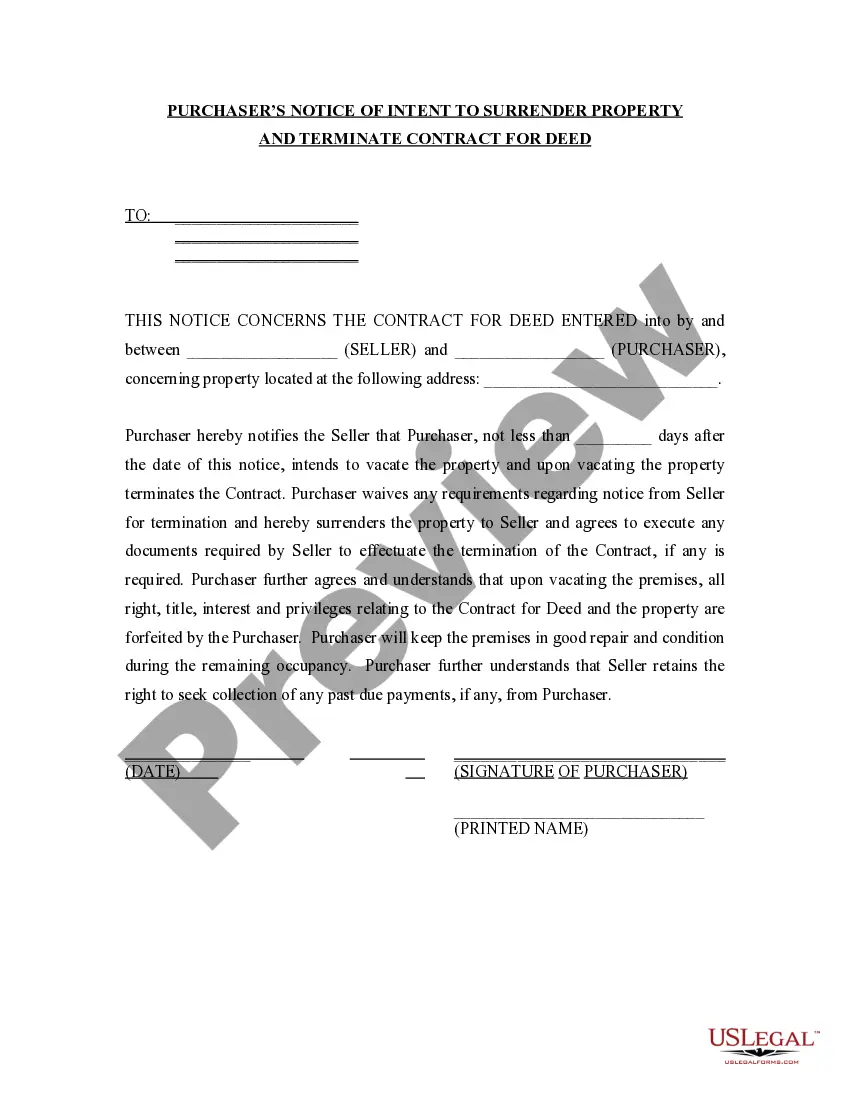
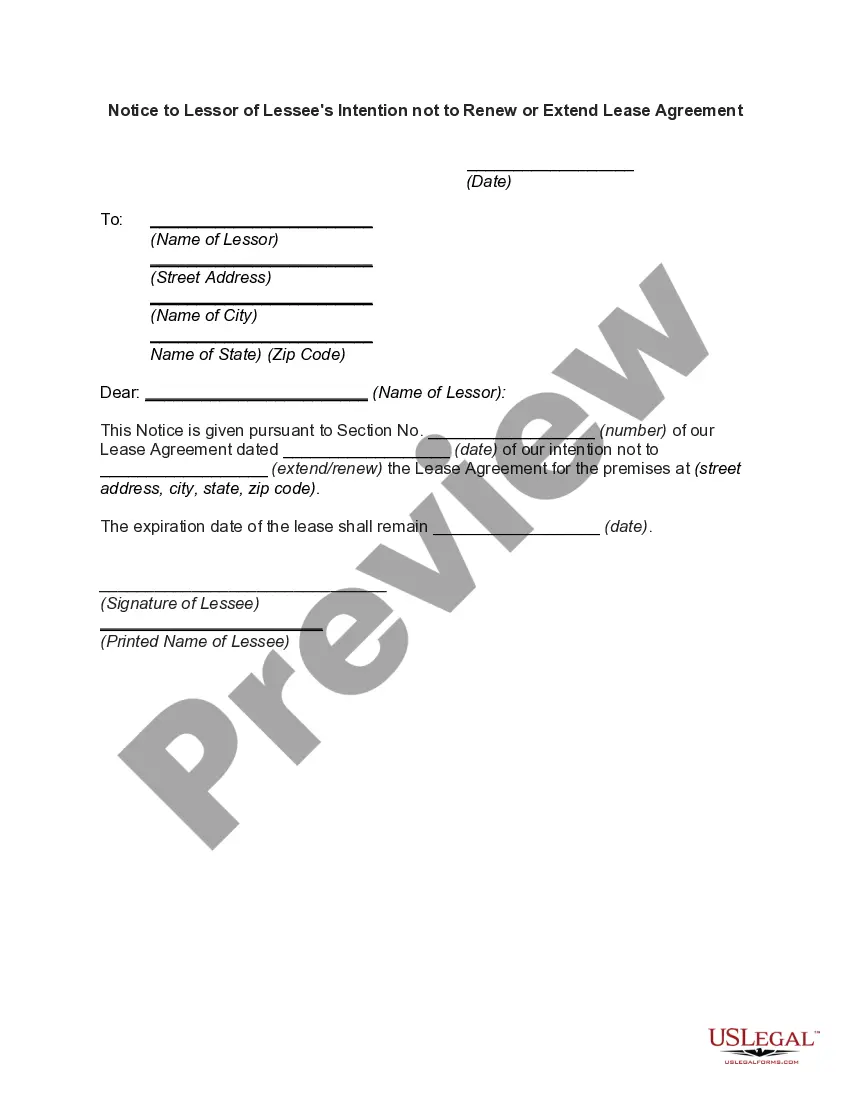
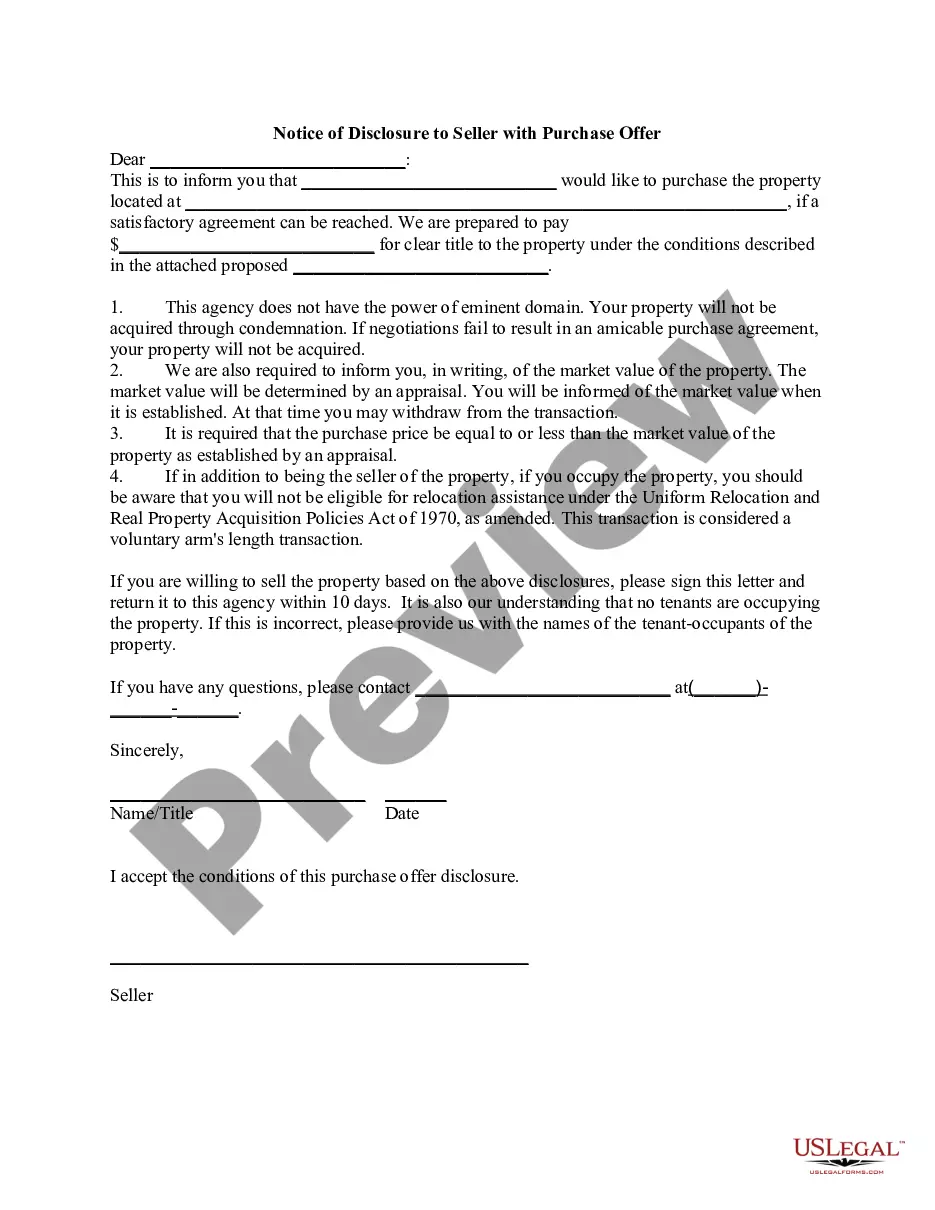
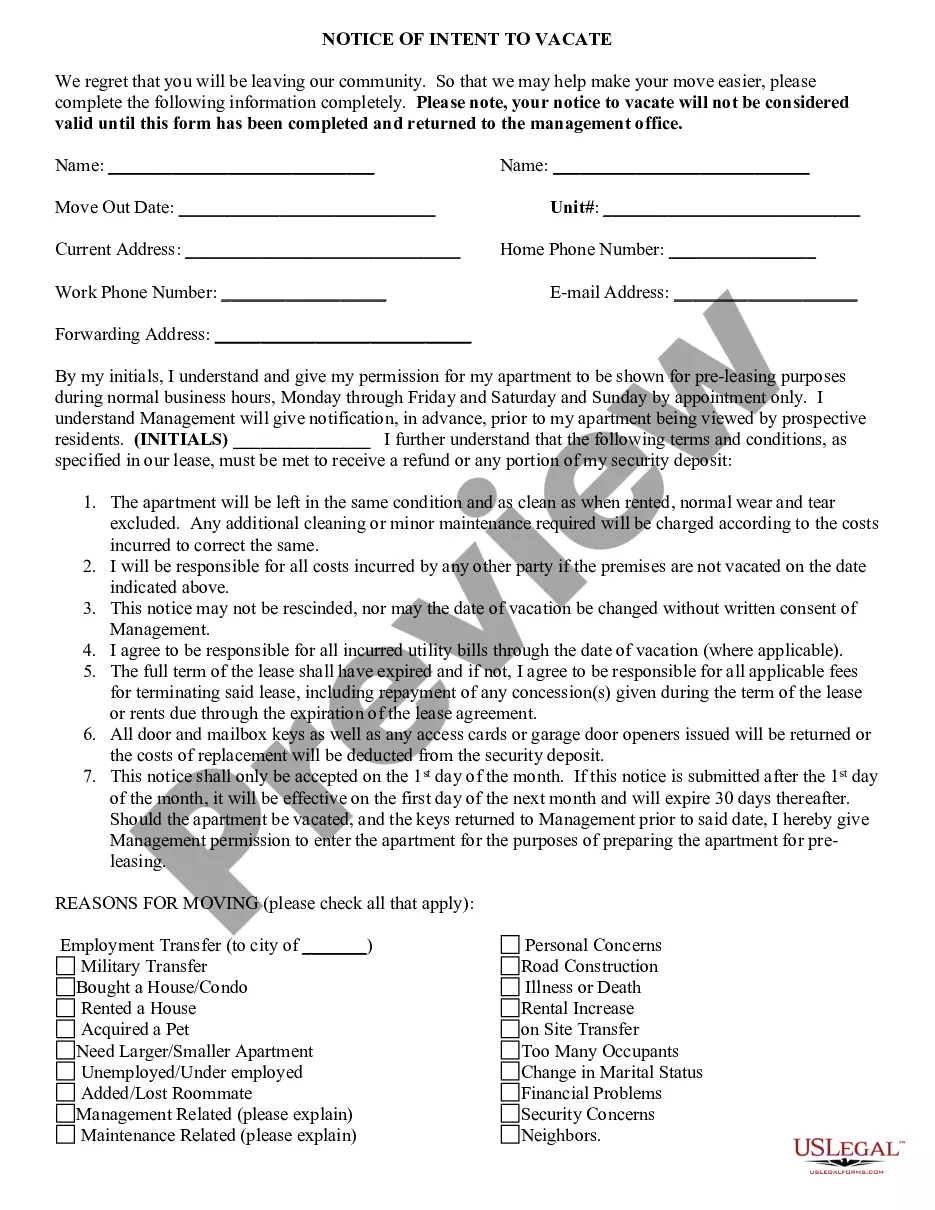
The Buyer's Notice of Intent to Vacate and Surrender Property to Seller under Contract for Deed is a legal document that a purchaser uses to formally notify a seller of their intention to vacate a property. This notice signifies the purchaser's desire to terminate the contract for deed and surrender the property to the seller. Unlike other notices, this form specifically addresses the unique circumstance of vacating a property under a contract for deed, ensuring all rights and interests are forfeited upon leaving.
Key components of this form
- Identification of the seller and purchaser in the contract for deed.
- Description of the property being vacated.
- Notice period indicating the date the purchaser intends to vacate.
- Agreement to surrender the property and terminate the contract.
- Waiving of further notice requirements from the seller for termination.
- Signature and printed name of the purchaser along with the date.
When to use this document
This form should be used when a purchaser of property under a contract for deed decides to vacate the premises. It is essential in situations where the purchaser can no longer occupy the property and wishes to formalize the termination of the agreement with the seller. This typically occurs due to financial difficulties, personal circumstances, or a decision to move to a different location.
Who should use this form
This form is intended for:
- Individuals who have entered into a contract for deed and are planning to vacate the property.
- Homeowners who wish to terminate their agreement and surrender the property to the seller.
- Any party responsible for making payments under a contract for deed who can no longer fulfill the terms of the agreement.
How to complete this form
- Identify the seller and purchaser by entering their names at the top of the form.
- Specify the address of the property being vacated.
- Enter the number of days you intend to provide notice before vacating.
- Sign the form and print your name along with the date.
- Keep a copy of the completed form for your records before sending it to the seller.
Does this form need to be notarized?
This form does not typically require notarization unless specified by local law. However, it is essential to verify local requirements to ensure it is valid in your jurisdiction.
Get your form ready online
Our built-in tools help you complete, sign, share, and store your documents in one place.
Make edits, fill in missing information, and update formatting in US Legal Forms—just like you would in MS Word.
Download a copy, print it, send it by email, or mail it via USPS—whatever works best for your next step.
Sign and collect signatures with our SignNow integration. Send to multiple recipients, set reminders, and more. Go Premium to unlock E-Sign.
If this form requires notarization, complete it online through a secure video call—no need to meet a notary in person or wait for an appointment.
We protect your documents and personal data by following strict security and privacy standards.

Make edits, fill in missing information, and update formatting in US Legal Forms—just like you would in MS Word.

Download a copy, print it, send it by email, or mail it via USPS—whatever works best for your next step.

Sign and collect signatures with our SignNow integration. Send to multiple recipients, set reminders, and more. Go Premium to unlock E-Sign.

If this form requires notarization, complete it online through a secure video call—no need to meet a notary in person or wait for an appointment.

We protect your documents and personal data by following strict security and privacy standards.
Avoid these common issues
- Failing to complete all fields, which may render the notice invalid.
- Not providing the correct notice period as required in the contract.
- Neglecting to sign and date the form, which is essential for its legality.
Benefits of completing this form online
- Convenient access to a legally vetted form that can be downloaded instantly.
- Editable format allows you to customize the document to meet your needs.
- Secure, reliable templates drafted by licensed attorneys ensure compliance with legal standards.
Quick recap
- The form serves as notice to the seller that the buyer intends to vacate the property.
- It includes important legal declarations regarding forfeiture of rights.
- Completing the form correctly is essential to avoid misunderstandings or legal issues.
Looking for another form?
Form popularity
FAQ
Yes, you can surrender you home at any time during the Chapter 13 case; however, if you signed a reaffirmation agreement, there could be serious consequences.Unfortunately, once you sign a reaffirmation agreement with a creditor, you are legally responsible for that debt even though you filed a bankruptcy case.
In our jurisdiction, once a motion to dismiss a chapter 13 is filed by the debtor or debtor's attorney, the case will be dismissed within a day or two without notice to creditors.
You can keep your property in Chapter 13 bankruptcy, but you'll have to keep up with secured debt payments and catch up on secured debt arrears.If you want to keep nonexempt property, such as a boat, baseball card collection, or another luxury item, you'll have to pay for it through your Chapter 13 plan.
Chapter 13 comes with a right to dismiss. This means that at any point of your case you can get out of the case and out of the bankruptcy system altogether.So knowing that you have this right to dismiss can make Chapter 13 a more attractive choice when you are trying to decide what type of bankruptcy to file.
When you surrender property in Chapter 7 bankruptcy, you essentially give it back to the creditor.When you surrender the property, the creditor's lien is removed. When you get the bankruptcy discharge, your personal liability for the secured loan is wiped out.
A deed of surrender is a legal document that transfers property ownership for a given time period provided certain conditions are met. A deed of surrender lets one party, such as a renter, relinquish his or her claims on a particular piece of property to a landlord or other party that holds the underlying title.
Because a voluntary surrender means you worked with the lender to resolve the debt, future lenders may view it a little more favorably than a repossession when they review your credit history. However, the difference will likely be minimal in terms of your credit scores.
A deed of surrender lets one party, such as a renter, relinquish his or her claims on a particular piece of property to a landlord or other party that holds the underlying title. Once the deed of surrender has been signed, any outstanding claims on the property can be resolved.
Voluntarily surrendering a home is called a deed in lieu of foreclosure.Foreclosures result in losing a house due to defaulted mortgage payments. Homeowners who request a deed in lieu and voluntarily surrender the property can no longer afford the mortgage payment.