Arkansas Residential Lease Renewal Agreement
What is this form?
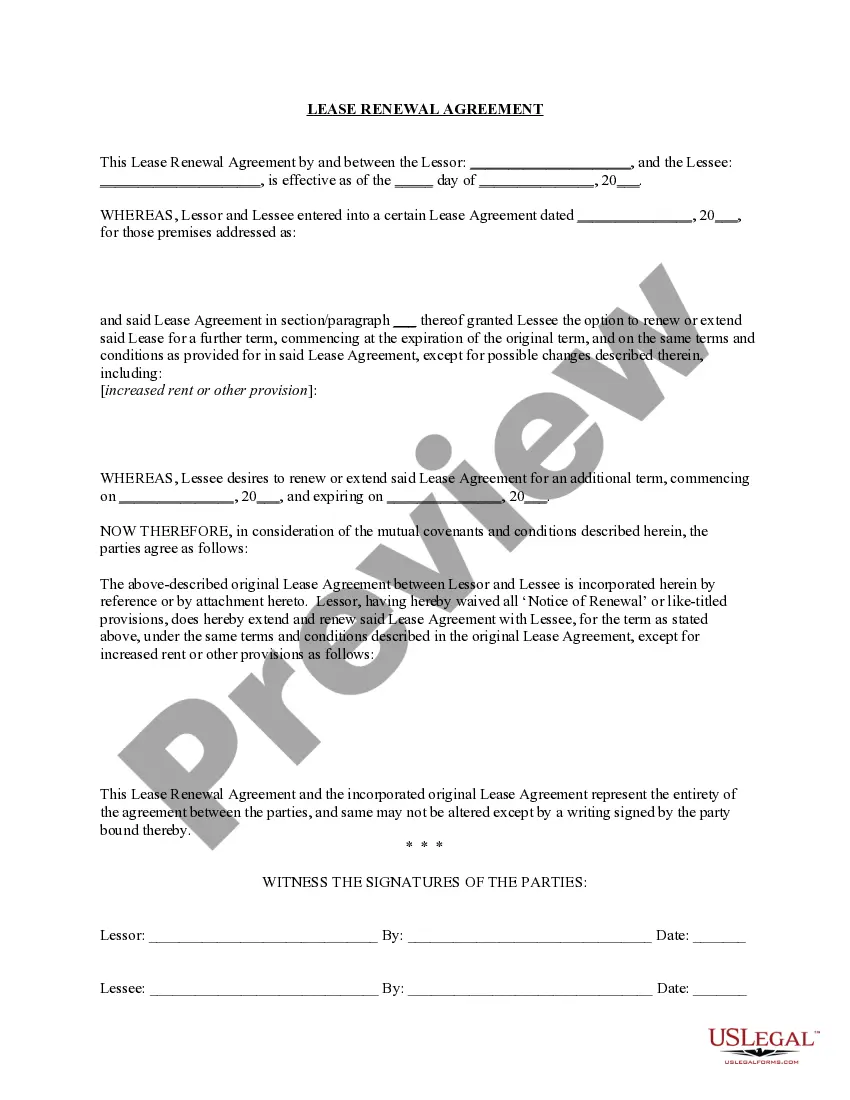
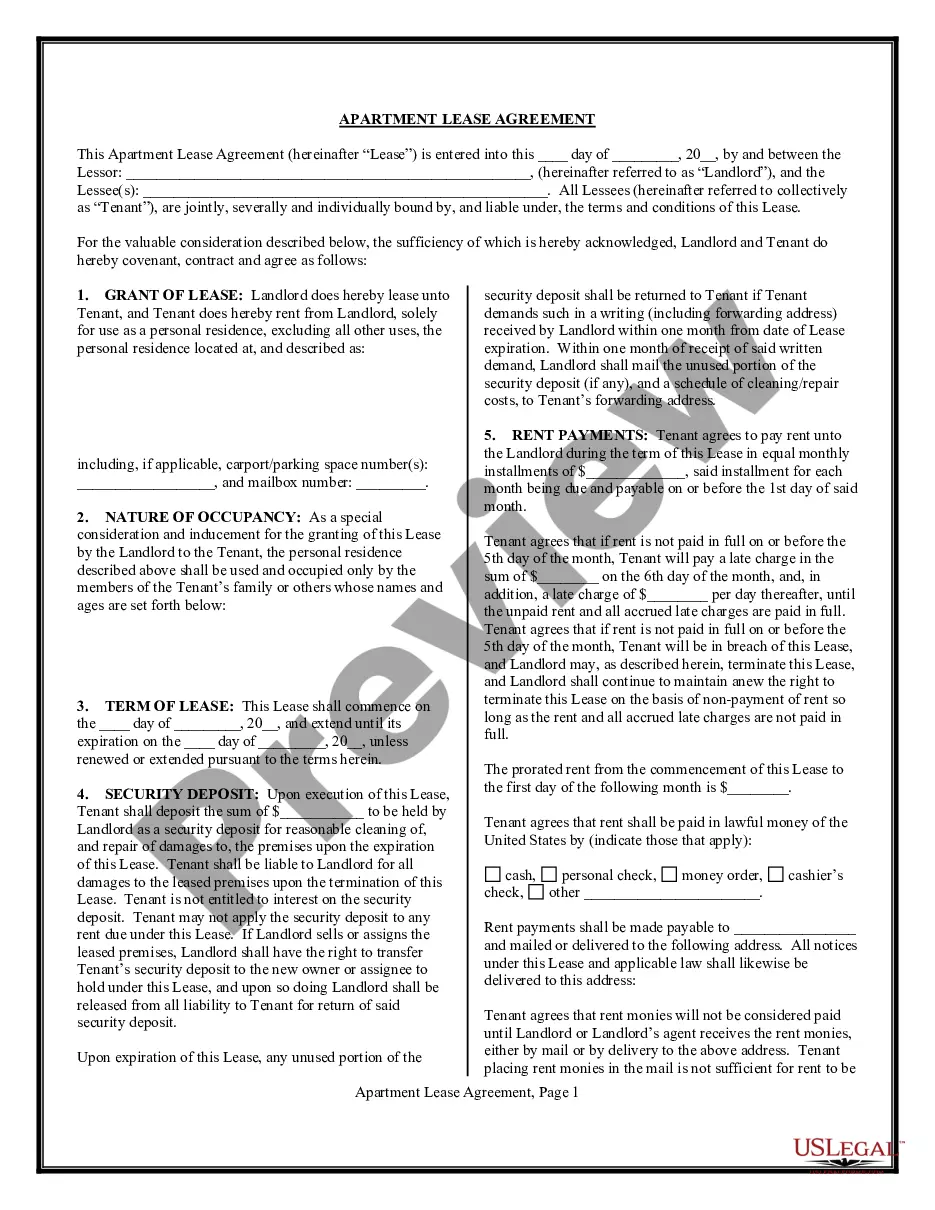
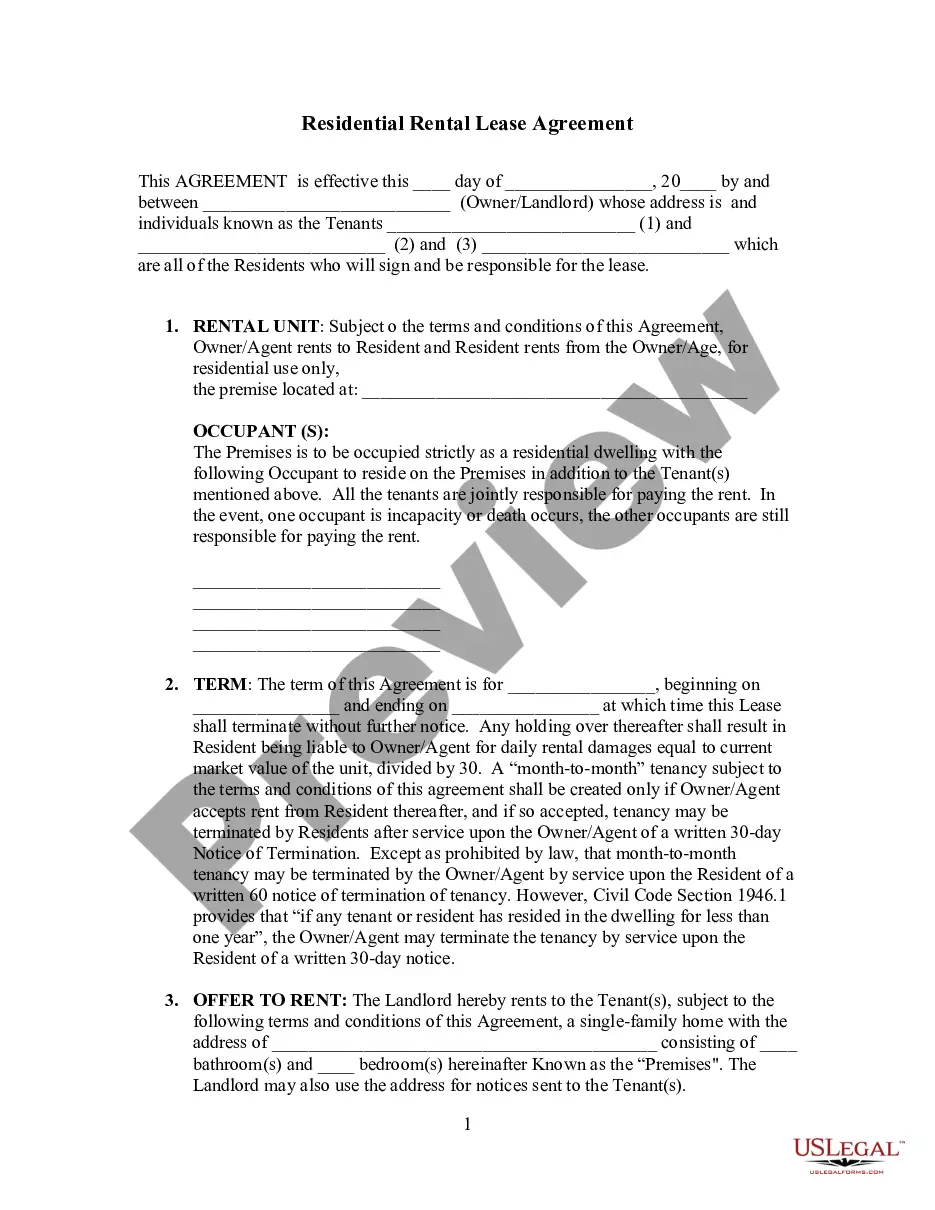
The Residential Lease Renewal Agreement is a legal document that allows parties to extend an existing residential lease for an additional term. This agreement may include modifications to the lease terms while conforming to state laws. It is specifically designed for renewing non-commercial leases, distinguishing it from other rental agreements that may apply to commercial properties or different types of tenancy.
Key parts of this document
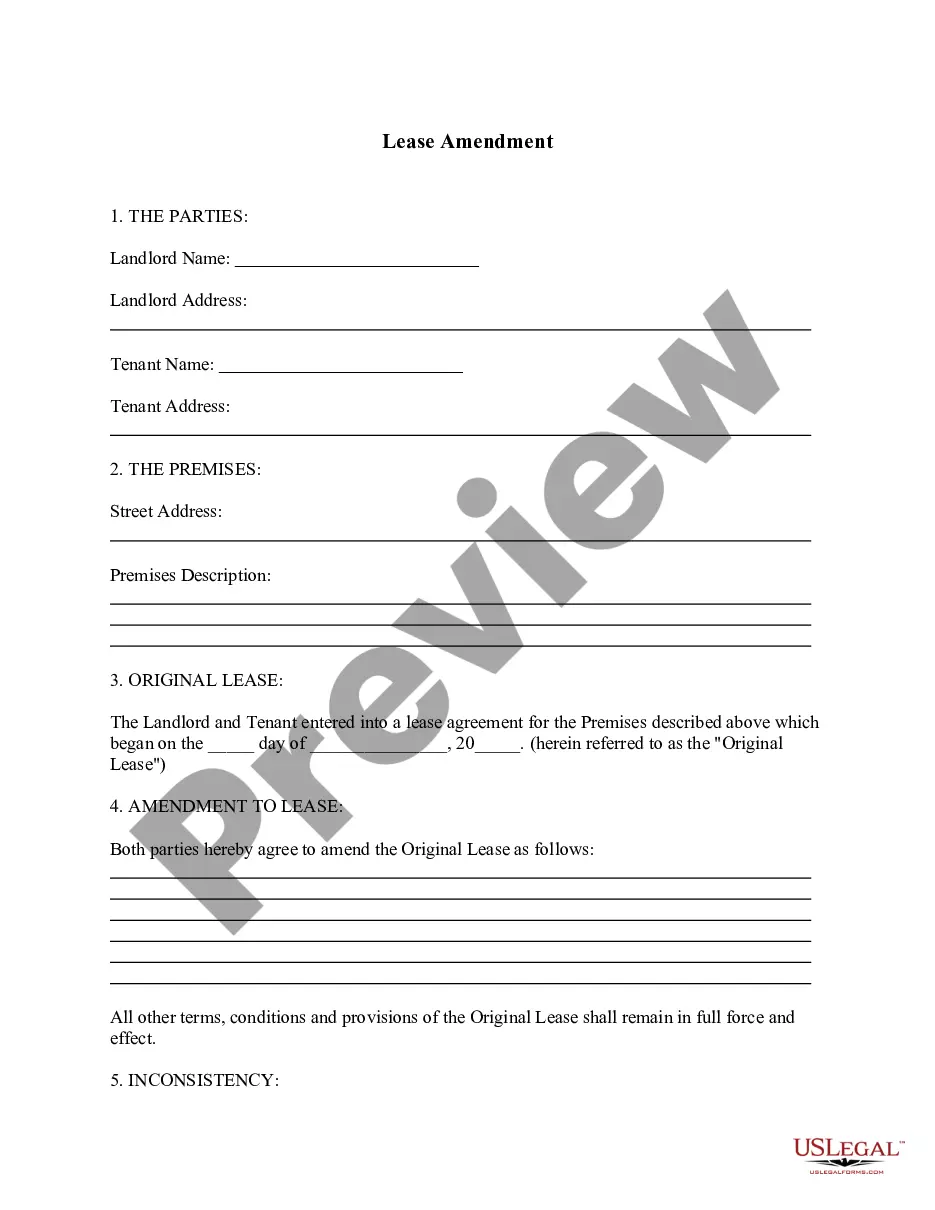
- Identification of the Lessor (landlord) and Lessee (tenant) with designated spaces for names.
- Effective date of the agreement, which marks the start of the new lease term.
- Reference to the original Lease Agreement, including its date and property address.
- Section outlining mutual covenants and conditions agreed upon by both parties.
- Signature lines for both the Lessor and Lessee to formalize the renewal.
When to use this form
This form is typically used when both the Lessor and Lessee agree to extend the lease term of a residential property. It is suitable in scenarios where the tenant wishes to continue residing in the property after the original lease has expired, and both parties want to make any necessary modifications to the lease terms during the renewal process.
Who needs this form
- Landlords looking to extend the lease of their residential rental properties.
- Tenants who wish to continue renting their current residence beyond the original lease's expiration.
- Property managers acting on behalf of landlords for lease renewals.
Steps to complete this form
- Identify the parties involved by entering the names of the Lessor and Lessee.
- Specify the effective date of the lease renewal agreement.
- Include the date of the original Lease Agreement and the address of the rental property.
- Review and make any necessary modifications to existing lease terms.
- Both parties must sign and date the agreement to make it legally binding.
Notarization guidance
Notarization is generally not required for this form. However, certain states or situations might demand it. You can complete notarization online through US Legal Forms, powered by Notarize, using a verified video call available anytime.
Get your form ready online
Our built-in tools help you complete, sign, share, and store your documents in one place.
Make edits, fill in missing information, and update formatting in US Legal Forms—just like you would in MS Word.
Download a copy, print it, send it by email, or mail it via USPS—whatever works best for your next step.
Sign and collect signatures with our SignNow integration. Send to multiple recipients, set reminders, and more. Go Premium to unlock E-Sign.
If this form requires notarization, complete it online through a secure video call—no need to meet a notary in person or wait for an appointment.
We protect your documents and personal data by following strict security and privacy standards.

Make edits, fill in missing information, and update formatting in US Legal Forms—just like you would in MS Word.

Download a copy, print it, send it by email, or mail it via USPS—whatever works best for your next step.

Sign and collect signatures with our SignNow integration. Send to multiple recipients, set reminders, and more. Go Premium to unlock E-Sign.

If this form requires notarization, complete it online through a secure video call—no need to meet a notary in person or wait for an appointment.

We protect your documents and personal data by following strict security and privacy standards.
Mistakes to watch out for
- Failing to specify the effective date of the renewal term.
- Not reviewing or updating lease terms that may require modifications.
- Leaving out necessary signatures from either the Lessor or Lessee.
Why complete this form online
- Instant access to a professionally drafted legal document that saves time and effort.
- Edit and customize the agreement to fit specific needs before downloading.
- Secure and reliable storage of the agreement for future reference.
Legal use & context
- The form legally binds both parties to the terms of the renewal.
- It helps to prevent misunderstandings regarding lease terms.
- Using a legally compliant form increases its enforceability in court.
Summary of main points
- The Residential Lease Renewal Agreement allows for the continuation of a rental arrangement under potentially modified terms.
- Proper completion requires careful attention to party identification and effective dates.
- Both parties must sign the form for it to be legally binding.
Looking for another form?
Form popularity
FAQ
Extending your lease can be beneficial if you enjoy your current living situation and want stability. It allows you to avoid the hassle of moving while potentially securing favorable rental rates in today's market. An Arkansas Residential Lease Renewal Agreement can help ensure that all terms are understood and respected, giving you peace of mind.
To extend your lease agreement, begin by discussing your plans with your landlord well in advance of the expiration date. Then, ensure both parties agree to the new terms, including any modifications like rent changes or maintenance responsibilities. Finally, formalize these arrangements in a new Arkansas Residential Lease Renewal Agreement.
The length of a lease extension in Arkansas typically depends on the terms set by both the landlord and tenant. You may find extensions vary but can last for a year or longer if both parties agree. Always document the extension in the Arkansas Residential Lease Renewal Agreement to avoid confusion later.
To renew your residential lease, start by reviewing the terms and conditions of the current agreement. Next, engage your landlord in conversation about your intentions and any desired changes. It’s crucial to document all decisions and finalize the new Arkansas Residential Lease Renewal Agreement to reflect all agreed-upon terms.
In Arkansas, there is no specific law governing how much a landlord can increase rent for residential leases. However, any increase should be reasonable and stipulate changes clearly within the Arkansas Residential Lease Renewal Agreement to maintain transparency. Always review your agreement to ensure that any potential increase aligns with state guidelines.
When renewing your lease, you should express your desire to continue living in your current residence. Clearly communicate any changes you expect or need in the new Arkansas Residential Lease Renewal Agreement. Be polite, direct, and ready to discuss any concerns regarding rent or household rules to ensure mutual understanding.
The renewal option on a lease grants tenants the choice to extend their lease for another term at the conclusion of their current agreement. In the context of Arkansas Residential Lease Renewal Agreements, this option typically includes the same lease terms and conditions, unless renegotiated. This feature benefits tenants by offering them flexibility, while landlords maintain consistent occupancy. To ensure clarity, it's crucial for both parties to clearly outline the renewal process in the lease.
The right to renew lease clause gives the tenant the opportunity to extend their lease for an additional term under pre-agreed conditions. This clause often appears in Arkansas Residential Lease Renewal Agreements, and it provides tenants with a sense of stability knowing they can continue to reside in their home. It’s vital for tenants to understand the terms associated with this right, including any required notice periods. Utilizing clear wording in the agreement promotes transparency and mutual understanding.
An automatic renewal clause in a lease agreement allows the lease to continue for a specified period without the tenant needing to take further action. This provision is common in Arkansas Residential Lease Renewal Agreements, ensuring that both landlords and tenants maintain continuity. Typically, the terms remain the same unless either party gives notice to terminate the agreement prior to the renewal date. Understanding this clause helps both parties plan and avoid unexpected moves.
Filling out a residential agreement begins by including essential details such as the names of parties involved, property address, and rental terms. When creating an Arkansas Residential Lease Renewal Agreement, be sure to detail the rent amount, payment due date, and terms for renewal or termination. Utilize platforms like uslegalforms to simplify the process and ensure accuracy in your agreement. Clarity and detail will protect both landlord and tenant rights.