Arkansas 10 Days Notice to Pay Rent or Lease Terminates for Nonresidential or Commercial Property
Understanding this form
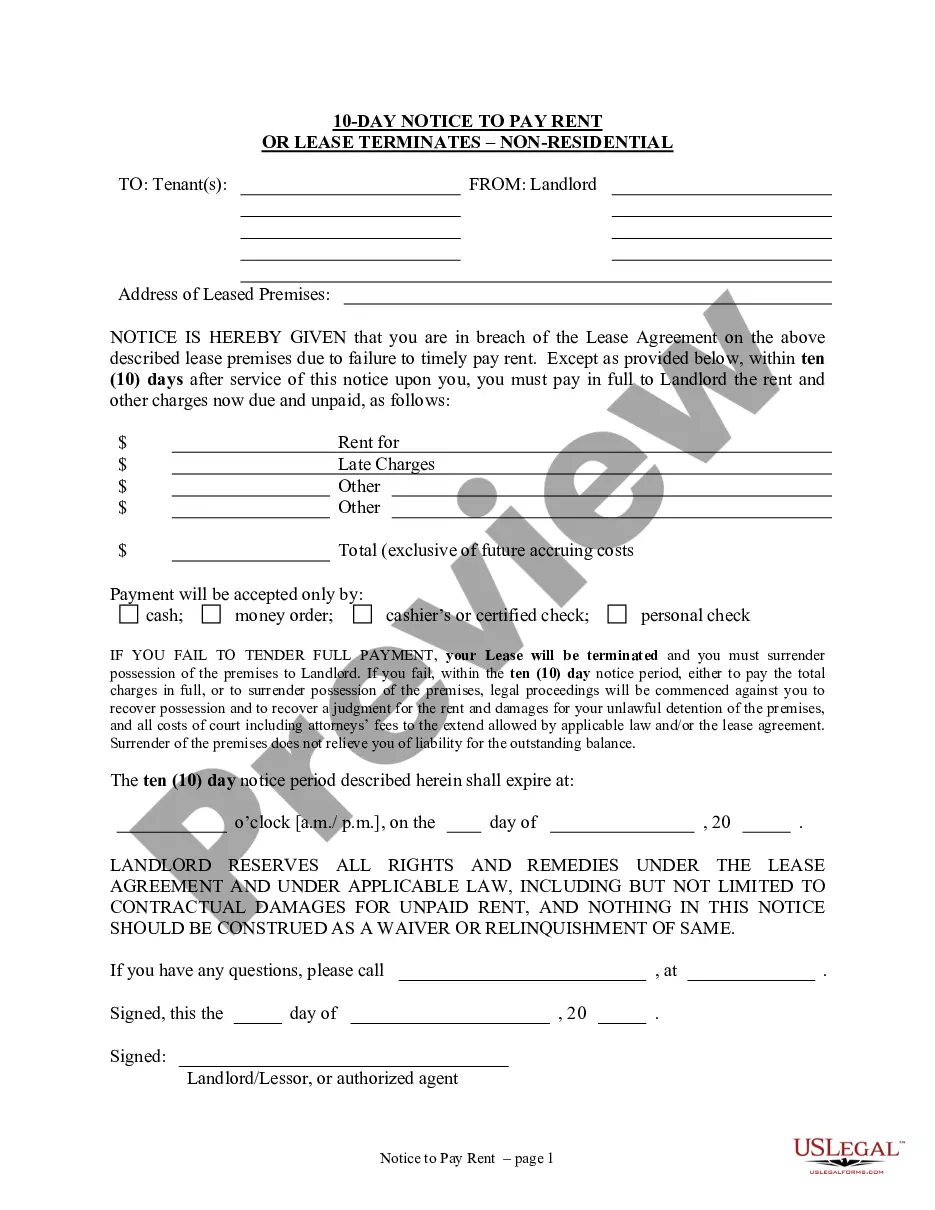
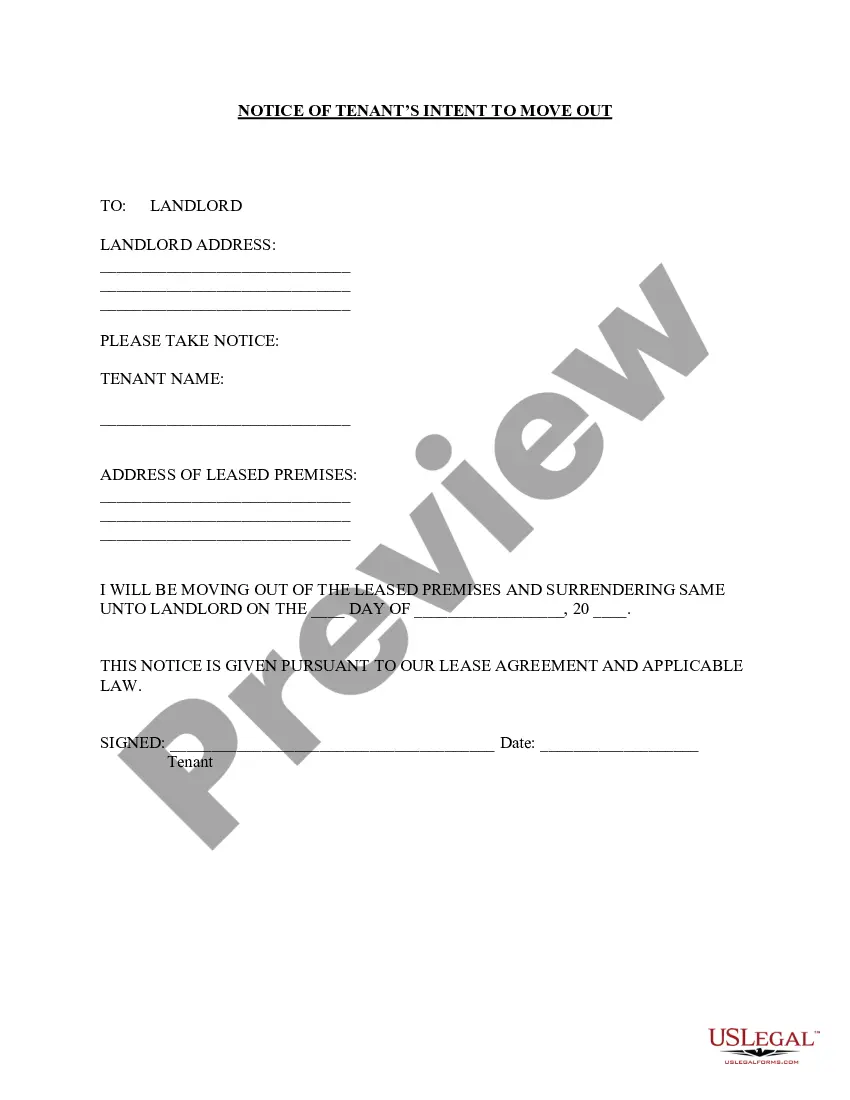
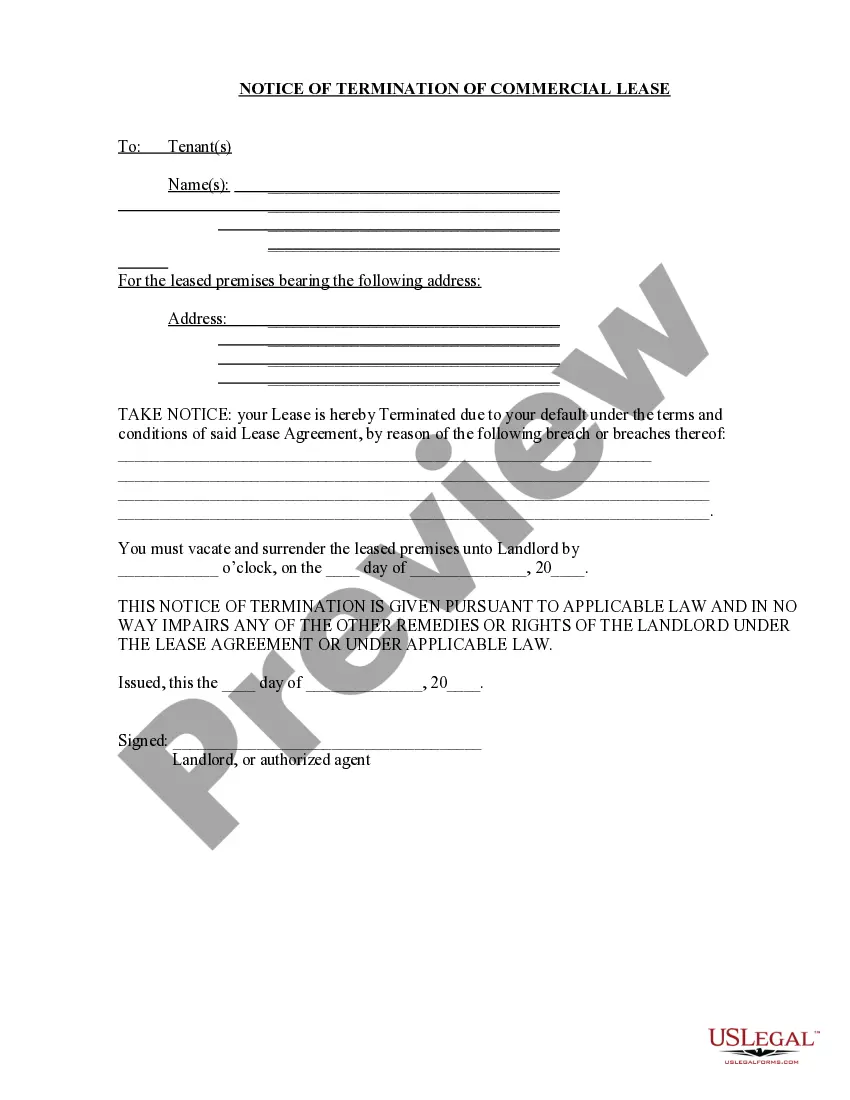
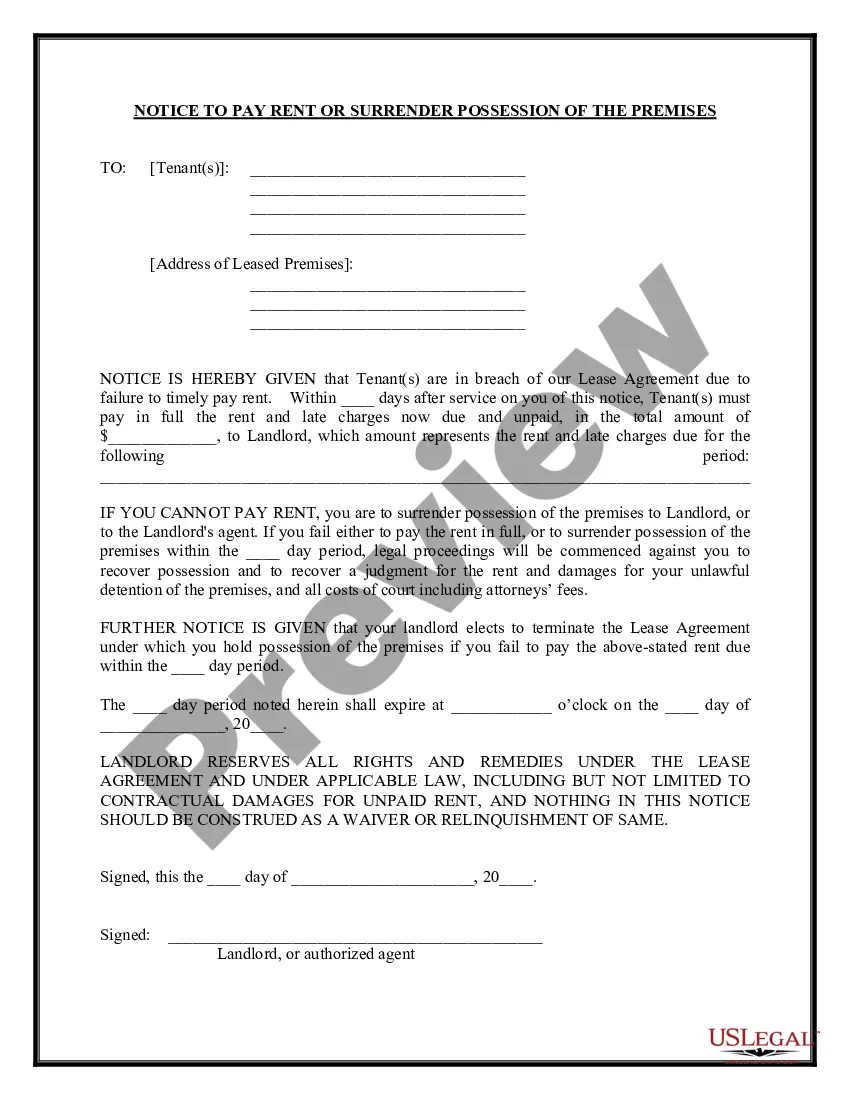
This form is a 10 Days Notice to Pay Rent or Lease Terminates for Nonresidential or Commercial Property. It is used by landlords to formally demand overdue rent payments from non-residential tenants within ten days. This legal notice informs the tenant that failure to pay the overdue amount may lead to termination of the lease agreement and potential eviction proceedings. Unlike residential notices, this form specifically addresses non-commercial tenants, which include businesses and other organizations.
Main sections of this form
- Identification of the landlord and tenant.
- Address of the leased premises.
- Details of overdue rent and any additional charges.
- Deadline for payment, explicitly stated as ten days.
- Consequences of failure to pay, including lease termination and eviction risks.
- Instructions for acceptable payment methods.

When this form is needed
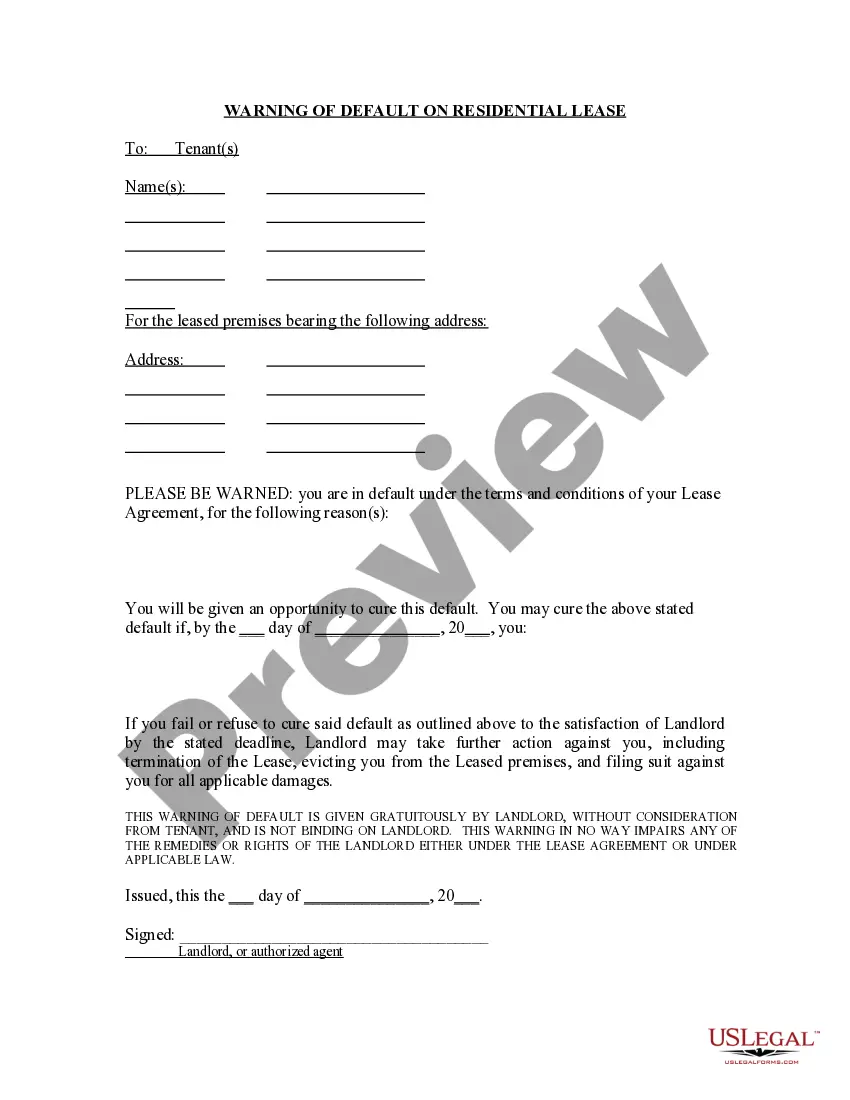
This form should be used when a tenant of non-residential property is behind on rent payments by a specified period. It serves as an official requirement to remedy the breach of the lease agreement. Use this notice if you are a landlord needing to communicate with a business or commercial tenant about overdue rent, and you wish to give them the opportunity to pay before taking further legal action.
Who this form is for
- Landlords of commercial properties.
- Property managers overseeing non-residential leases.
- Business owners renting space who need to address payment issues.
- Legal representatives acting on behalf of landlords or property owners.
Steps to complete this form
- Identify the parties by entering both the landlord's and tenant's names and addresses.
- Specify the property by including the complete address of the leased premises.
- Fill in the details of the overdue rent, including the total amount due and any late charges.
- Clearly state the payment deadline as ten days from the date of the notice.
- Choose the acceptable payment methods and include any specific instructions.
- Sign and date the form to validate the notice.
Does this document require notarization?
Notarization is generally not required for this form. However, certain states or situations might demand it. You can complete notarization online through US Legal Forms, powered by Notarize, using a verified video call available anytime.
Get your form ready online
Our built-in tools help you complete, sign, share, and store your documents in one place.
Make edits, fill in missing information, and update formatting in US Legal Forms—just like you would in MS Word.
Download a copy, print it, send it by email, or mail it via USPS—whatever works best for your next step.
Sign and collect signatures with our SignNow integration. Send to multiple recipients, set reminders, and more. Go Premium to unlock E-Sign.
If this form requires notarization, complete it online through a secure video call—no need to meet a notary in person or wait for an appointment.
We protect your documents and personal data by following strict security and privacy standards.

Make edits, fill in missing information, and update formatting in US Legal Forms—just like you would in MS Word.

Download a copy, print it, send it by email, or mail it via USPS—whatever works best for your next step.

Sign and collect signatures with our SignNow integration. Send to multiple recipients, set reminders, and more. Go Premium to unlock E-Sign.

If this form requires notarization, complete it online through a secure video call—no need to meet a notary in person or wait for an appointment.

We protect your documents and personal data by following strict security and privacy standards.
Mistakes to watch out for
- Failing to specify the complete details of the overdue rent and charges.
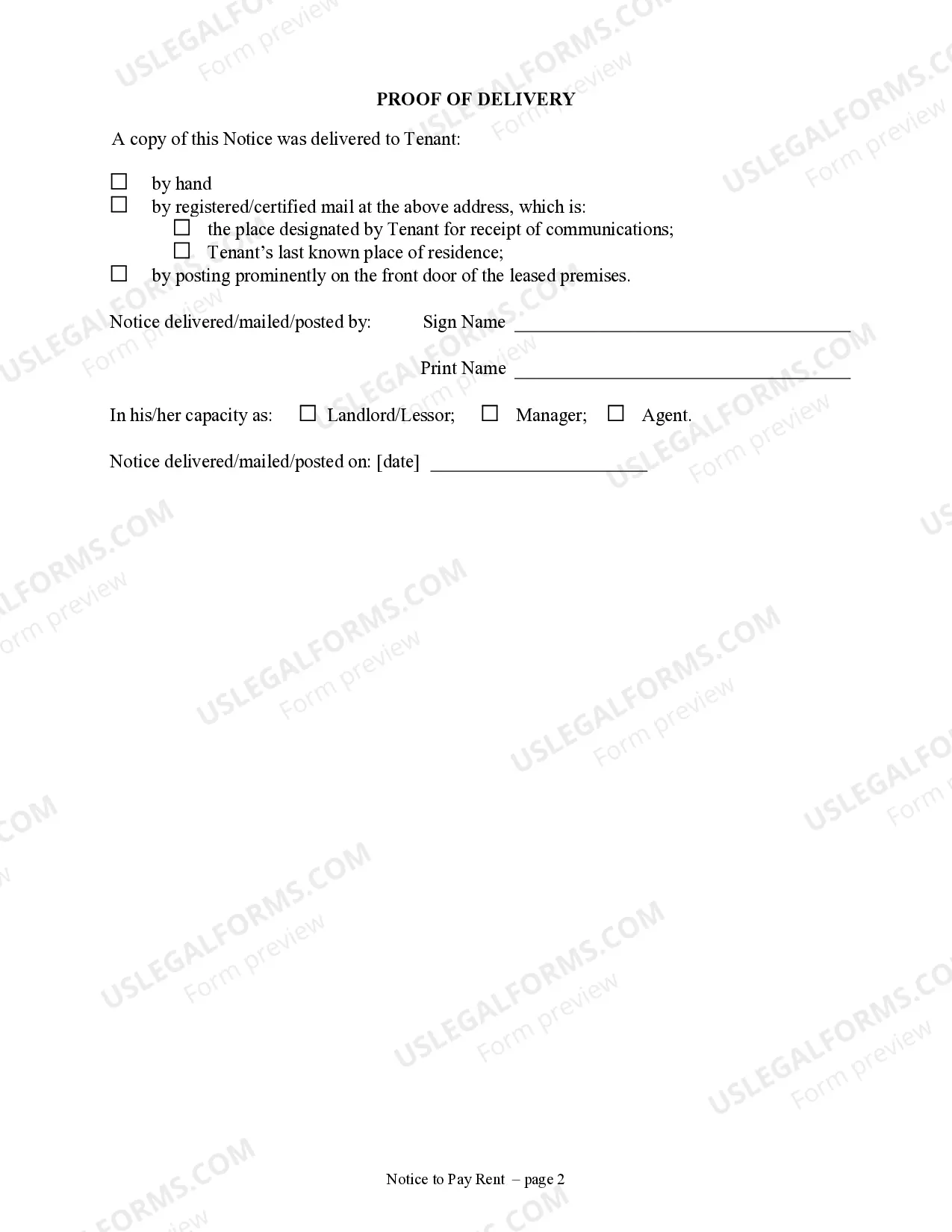
- Not delivering the notice properly, which may affect its legal validity.
- Ignoring local regulations that may alter the notice period or requirements.
- Not retaining a copy of the sent notice for your records.
Benefits of using this form online
- Convenience of downloading and filling out the form at your own pace.
- Editability allows for customization to suit specific situations.
- Access to forms drafted by licensed attorneys, ensuring legal compliance.
- Immediate availability without the need for an appointment or travel.
Summary of main points
- The form serves as a formal demand for overdue rent from non-residential tenants.
- Tenants must be given ten days to respond before eviction proceedings commence.
- Proper delivery of this notice is crucial for it to be deemed legally valid.
- Always check your local laws for specific requirements related to eviction notices.
Looking for another form?
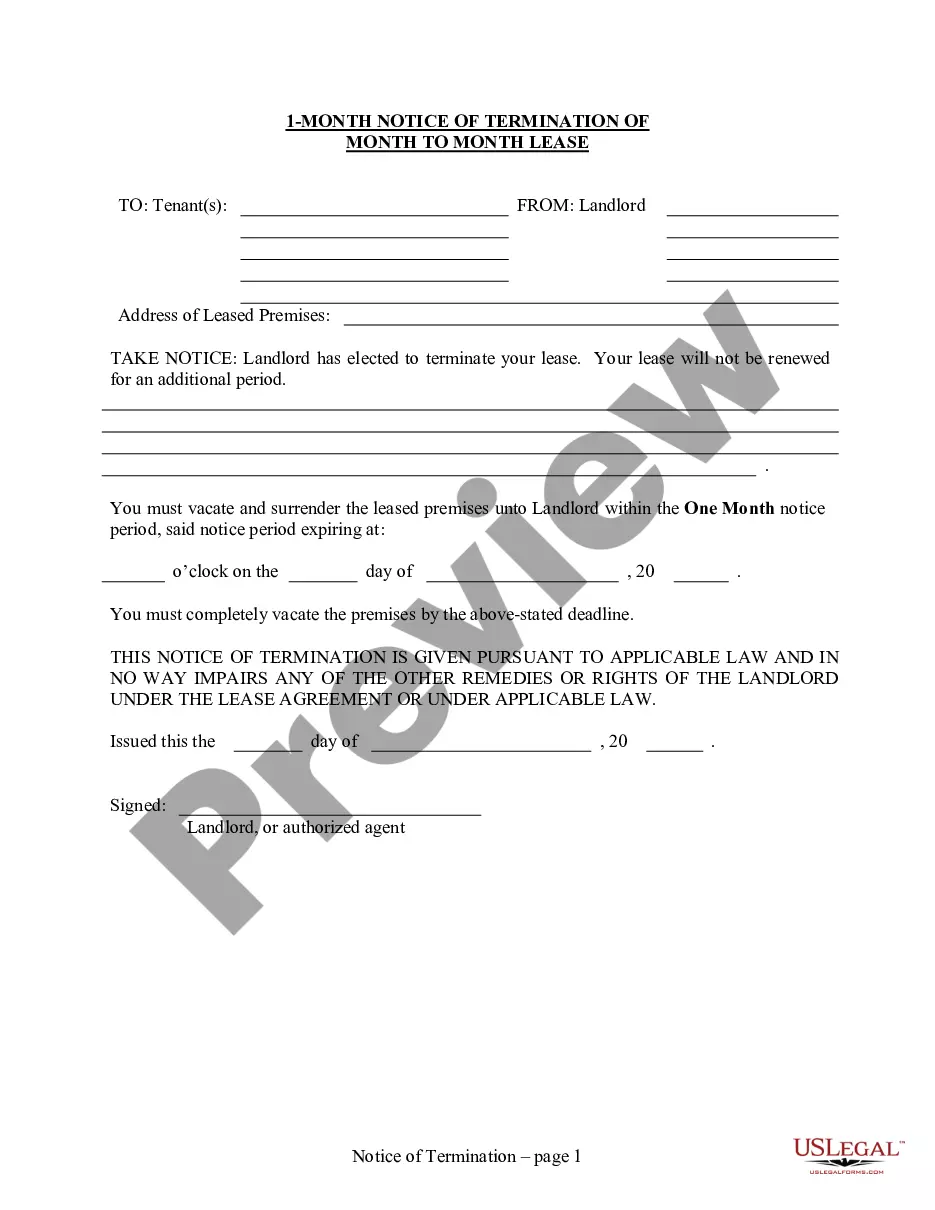
Form popularity
FAQ
Evicting someone in Arkansas without a lease involves proving that the tenant is occupying the property without permission or under an implied rental agreement. A landlord must give appropriate notice, often a 10-day notice to vacate, before proceeding with formal eviction filings. Understanding the local laws can greatly assist in this process. For more detailed guidance, consider utilizing USLegalForms.
In Arkansas, the amount of notice required varies depending on the situation but typically ranges from 10 to 30 days. For nonpayment of rent, landlords often serve a 10-day notice to vacate, while other lease violations may require a different notice period. Being aware of these requirements can help landlords and tenants alike understand their rights. USLegalForms provides comprehensive resources to clarify these rules.
In Iowa, the eviction process typically takes about one to two months, depending on various factors, including court scheduling and tenant responses. After receiving a notice, landlords must file an eviction action to initiate the legal process. Understanding Iowa's rules can greatly enhance your ability to navigate this situation efficiently. For insightful guides and documentation, consider checking out USLegalForms.
A 10-day notice to vacate in Arkansas is a formal notification to a tenant, indicating they have ten days to leave the rental property due to nonpayment of rent. This notice serves as a crucial step in the eviction process for landlords. If tenants do not vacate within this timeframe, landlords may proceed with the eviction process under Arkansas law. For detailed templates and legal assistance, USLegalForms offers valuable resources.
The eviction process in Washington state often takes several weeks to a few months. This time frame includes notice periods and court procedures. If you're facing these issues, understanding the local laws can help you navigate your situation effectively. For a more comprehensive solution, consider exploring resources like USLegalForms that provide detailed information on eviction processes.
A. In a month-to-month tenancy, the landlord may raise the rent after giving the tenant 45 days' written notice.
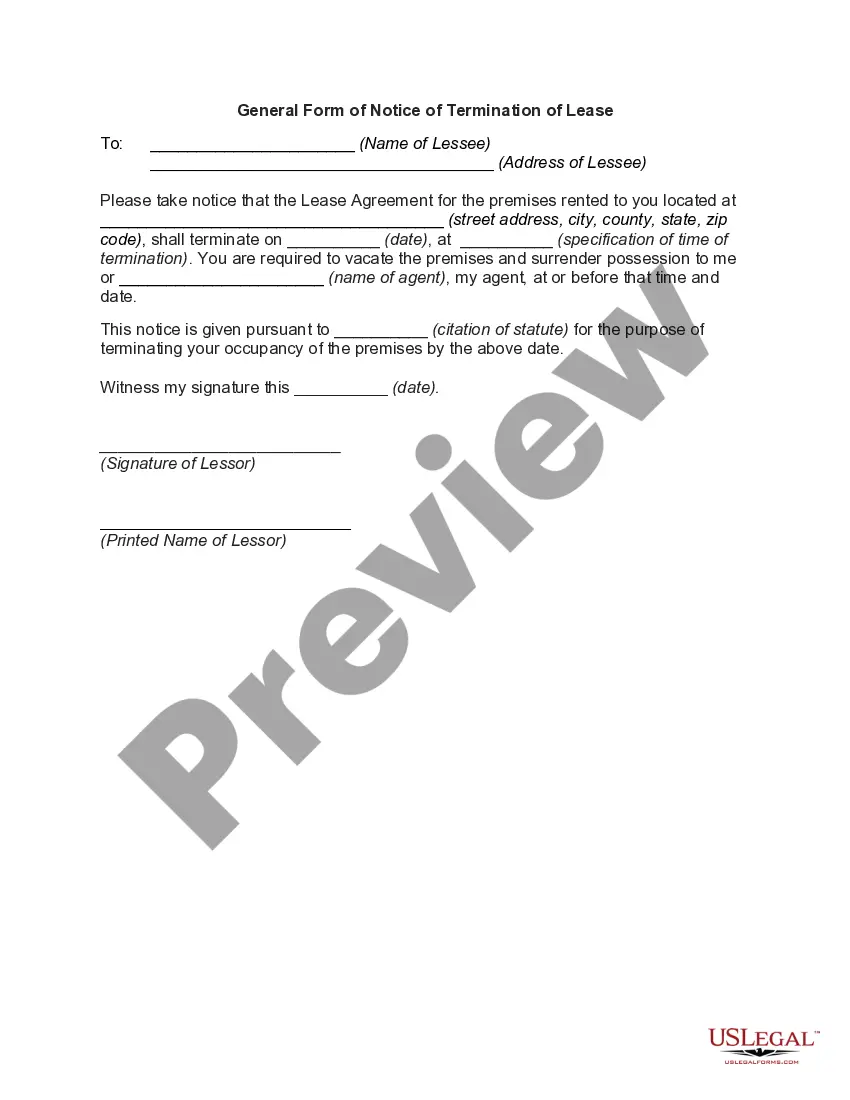
A termination of tenancy is different than an eviction. A termination is the landlord ending the rental agreement and asking the tenant to vacate the rental unit. An eviction is the actual court process and lawsuit to have a tenant removed from the property if they fail to leave.
Write the title for your pay or quit notice across the top of the letter. If not included in the title, the number of days for the notice must be specified. Include the names of each of the tenants. Specify the address of the rental property.
In some circumstances, a tenant can break a fixed-term agreement early without penalty. A tenant can give 14 days' written notice to end an agreement early without penalty if: they have accepted an offer of social housing (e.g. from DCJ Housing)
Lapse of time When the prescribed time of the lease expires, the lease is terminated. Specified event When there is a condition on time of lease depending upon a happening of an event. Interest Lessor's interest to lease the property may cease, hence resulting in the termination of the lease.