Alabama Letter from Landlord to Tenant as Notice that rent was voluntarily lowered in exchange for tenant agreeing to make repairs normally required of landlord
Understanding this form
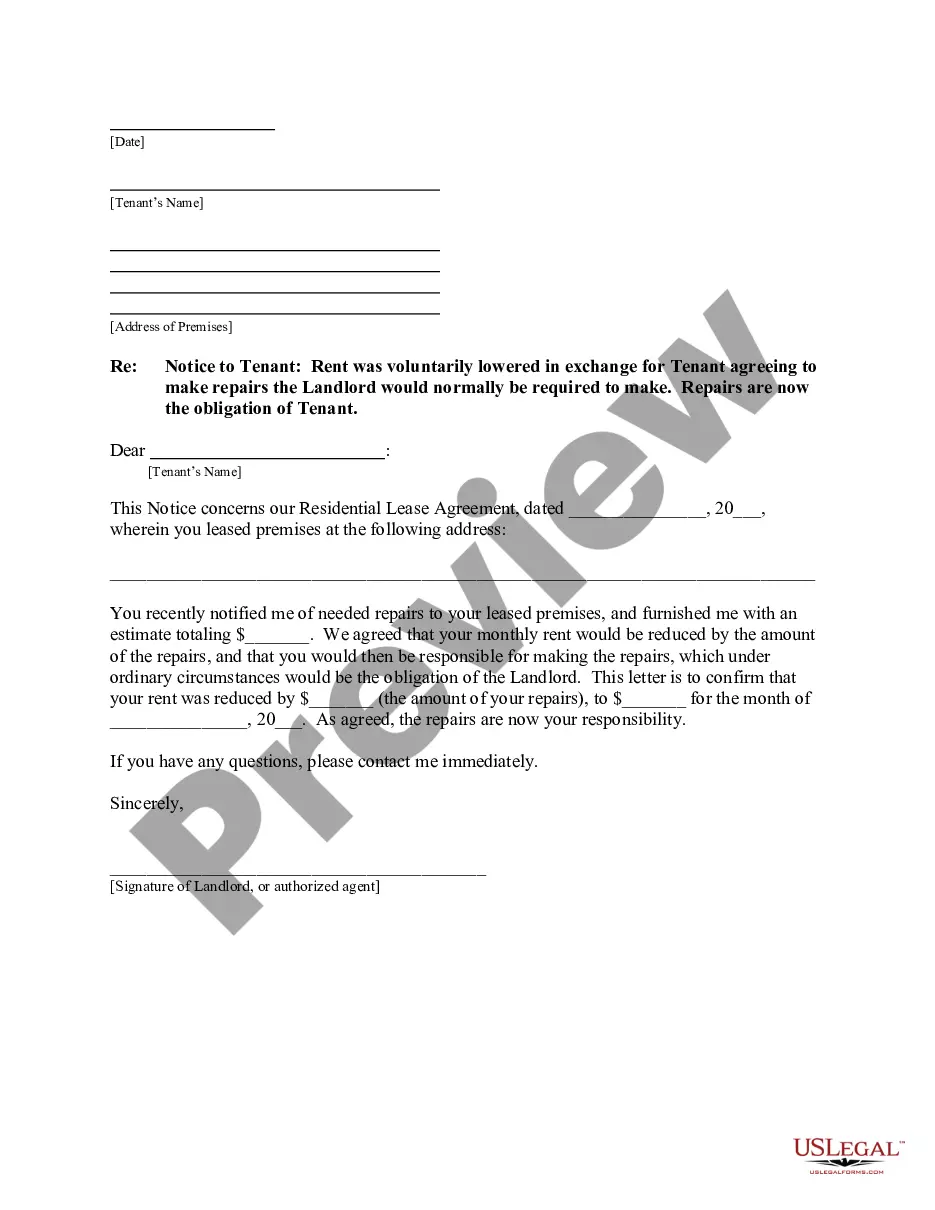
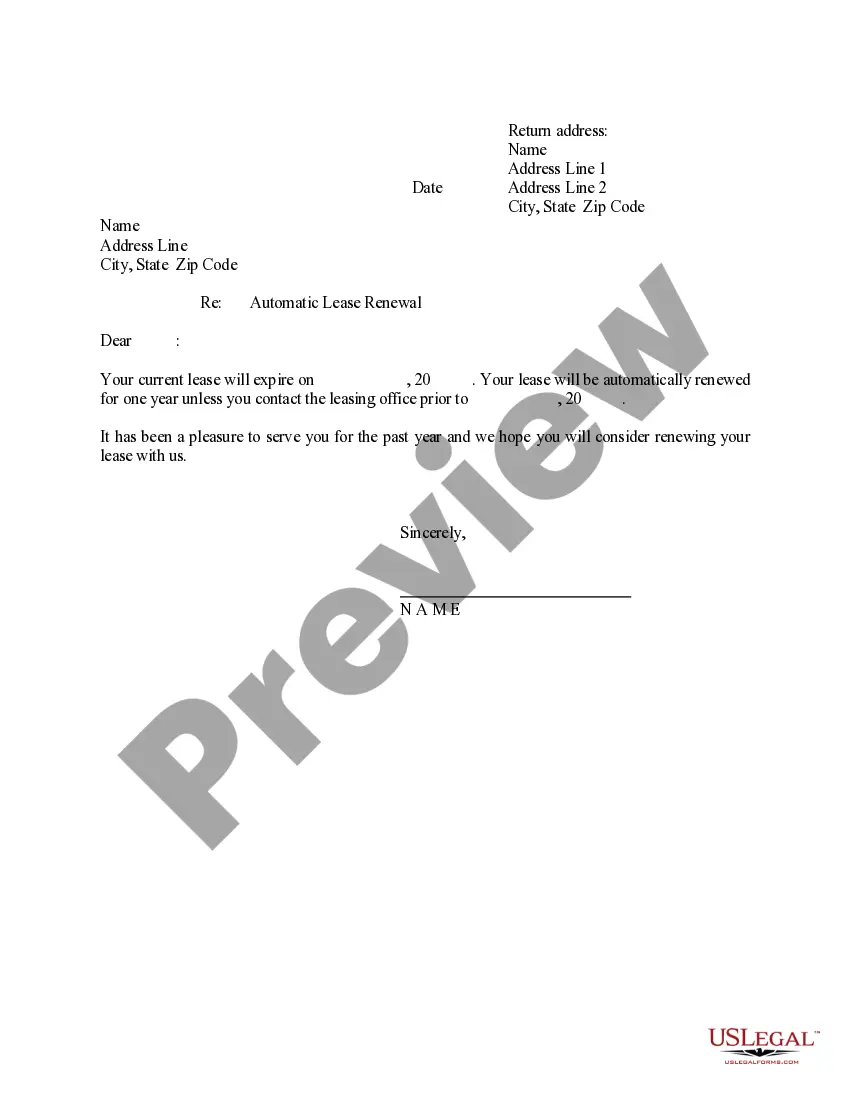
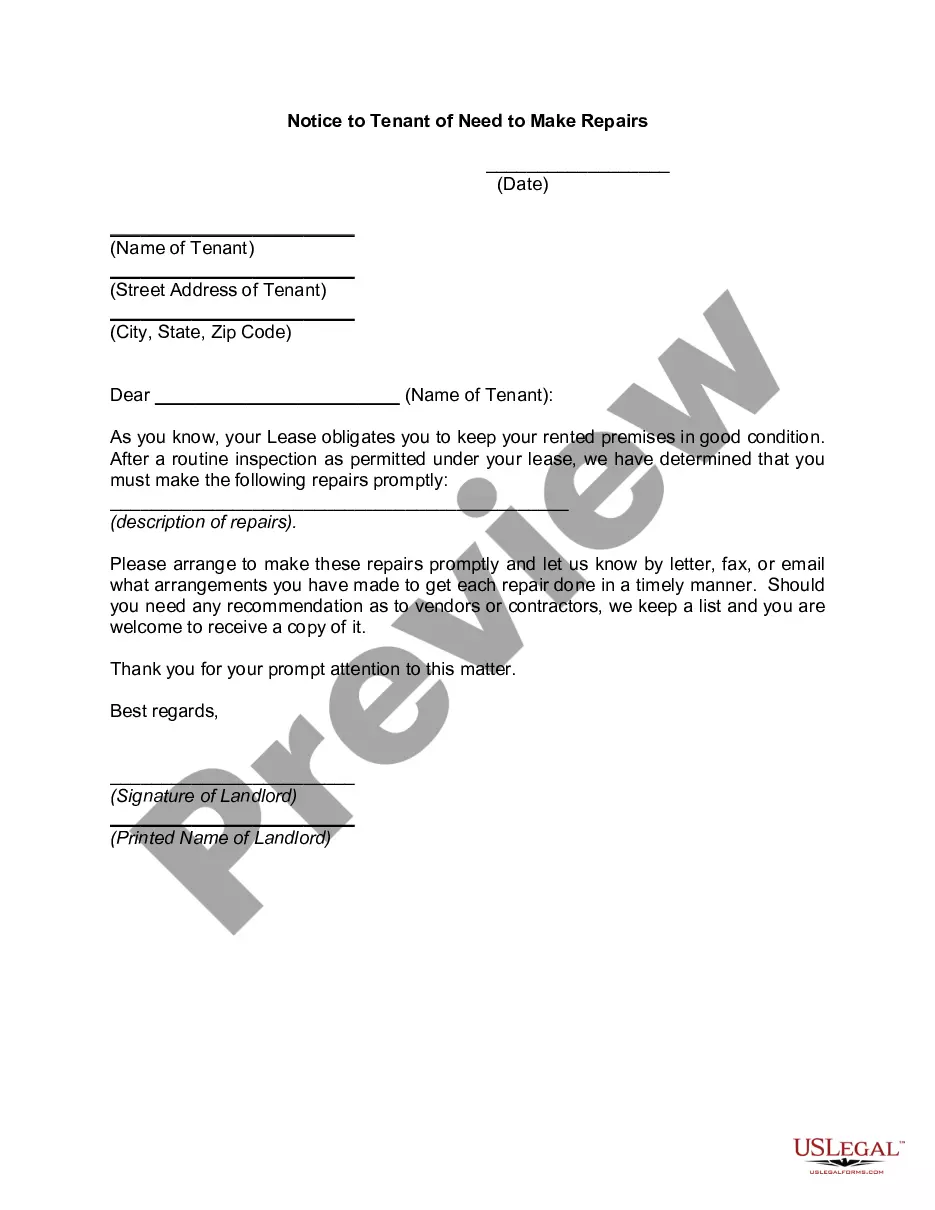
This form is a letter from a landlord to a tenant that notifies the tenant of a voluntary rent reduction in exchange for the tenant agreeing to make specific repairs. This letter serves as an official confirmation that the tenant will now assume the responsibility for the repairs, which are typically the landlord's obligation. This document is essential as it formalizes the agreement and helps avoid potential disputes regarding rent and repair duties in the future.
Main sections of this form
- Identification of the landlord and tenant.
- Details of the repairs needed and the total estimated cost.
- The new monthly rent amount after the reduction.
- The specific month and year the new rent will take effect.
- Confirmation that the tenant is now responsible for the repairs.
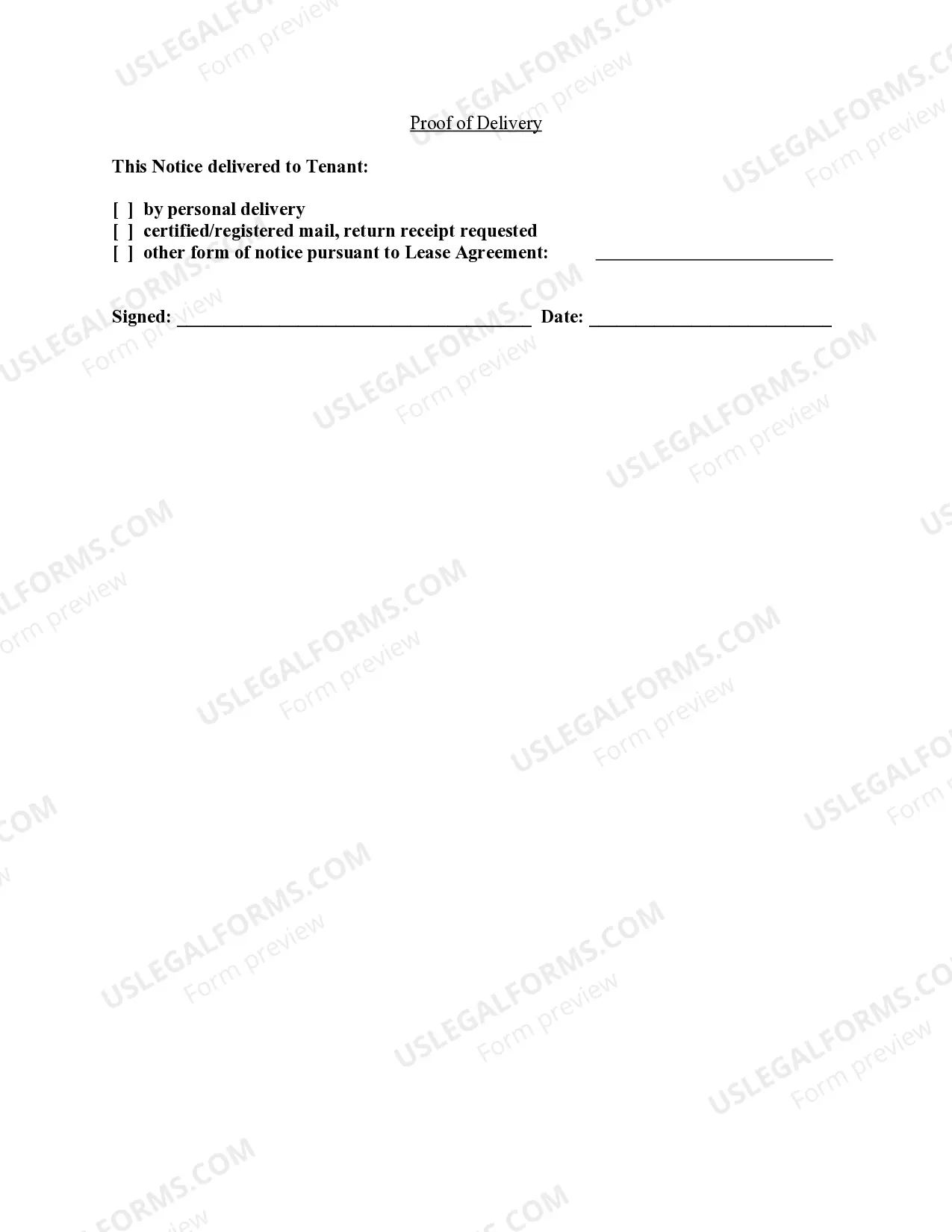
- Spaces for signatures and proof of delivery to the tenant.
When to use this form
This form should be used when a landlord and tenant reach an agreement that involves lowering the rent due to the tenant's undertaking of repair responsibilities. Common scenarios include instances where the tenant reports necessary repairs and the parties negotiate to reduce the rent as a way to offset costs associated with those repairs.
Intended users of this form
- Landlords who want to formalize an agreement with their tenants regarding rent and repair duties.
- Tenants who have agreed to take on repair responsibilities and want to document the rent reduction.
- Property managers representing landlords in rental agreements.
How to prepare this document
- Identify the parties involved, including the landlord and tenant names and addresses.
- Specify the repairs needed and the total estimated cost provided by the tenant.
- Enter the new, reduced monthly rent amount.
- Indicate the month and year when the new rent will take effect.
- Ensure both parties sign the letter to confirm the agreement.
- Provide proof of delivery to the tenant.
Notarization requirements for this form
This form usually doesn’t need to be notarized. However, local laws or specific transactions may require it. Our online notarization service, powered by Notarize, lets you complete it remotely through a secure video session, available 24/7.
Get your form ready online
Our built-in tools help you complete, sign, share, and store your documents in one place.
Make edits, fill in missing information, and update formatting in US Legal Forms—just like you would in MS Word.
Download a copy, print it, send it by email, or mail it via USPS—whatever works best for your next step.
Sign and collect signatures with our SignNow integration. Send to multiple recipients, set reminders, and more. Go Premium to unlock E-Sign.
If this form requires notarization, complete it online through a secure video call—no need to meet a notary in person or wait for an appointment.
We protect your documents and personal data by following strict security and privacy standards.
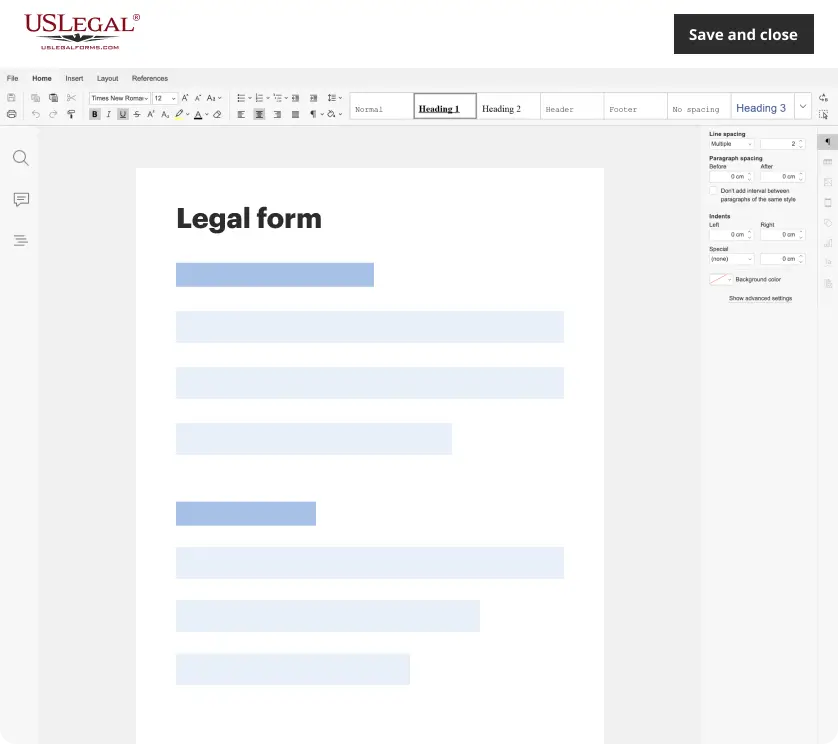
Make edits, fill in missing information, and update formatting in US Legal Forms—just like you would in MS Word.
Download a copy, print it, send it by email, or mail it via USPS—whatever works best for your next step.
Sign and collect signatures with our SignNow integration. Send to multiple recipients, set reminders, and more. Go Premium to unlock E-Sign.

If this form requires notarization, complete it online through a secure video call—no need to meet a notary in person or wait for an appointment.
We protect your documents and personal data by following strict security and privacy standards.
Mistakes to watch out for
- Failing to clearly specify the repairs and associated costs.
- Not obtaining signatures from both parties.
- Leaving out the effective date for the new rent amount.
- Confusing verbal agreements with written confirmation.
Why complete this form online
- Convenience of accessing and completing the form at any time.
- Easy editing to customize terms to fit specific agreements.
- Reliability of using templates drafted by licensed attorneys.
Legal use & context
- This form can serve as evidence of an agreement between landlord and tenant in case of future disputes.
- Clarifies the rights and responsibilities of both parties, minimizing confusion.
- It is important to ensure all repairs are properly documented and completed to fulfill the tenant's obligations.
Summary of main points
- This letter formalizes the voluntary agreement between a landlord and tenant regarding rent reduction and repair responsibilities.
- Clear communication and documentation are essential to avoid legal repercussions.
- Utilizing an easy-to-access online form simplifies the process of updating rental agreements.
Looking for another form?
Form popularity
FAQ
If you're seeking damages for emotional distress caused by a landlord's discrimination, or punitive damages for especially blatant and intentional discrimination, a lawsuit may well be your best bet. Understand what's involved in suing your landlord. You may file a lawsuit in either federal or state court.
Benefits of Suing Your Landlord Filing a lawsuit does have some potential advantages for tenants. Could Motivate a Landlord to Settle Outside of Court: Notifying your landlord of your intention to sue him or her could motivate your landlord to do everything in their power to avoid actually going to court.
The landlord had a duty to reasonably maintain the property; The landlord knew or should have known of the dangerous condition; The landlord breached their duty by failing to repair/fix the dangerous condition;
Tenants in the state of Alabama have the right to freedom from discrimination in housing-related activities. However, unlike most states, there is no statewide fair housing law that specifically protects tenants in Alabama. Instead, Alabama tenants must rely on protection under the Federal Fair Housing Act.
If your landlord breaches the warranty of habitability or the warranty of quiet enjoyment, you may be able to sue her to recover monetary damages.In some states, such as California and Arizona, you may be able to seek emotional distress damages if the landlord's actions were particularly egregious.
Uninhabitable conditions can include dangerous ones, such as holes in the floor, unsafe or exposed wiring, or non-working air conditioning in dangerously hot summer months. Gross infestations of roaches, fleas or other pests are also uninhabitable conditions.
In California, habitability includes the following specific warranties: A dwelling also may be considered uninhabitable (unlivable) if it substantially lacks any of the following: Effective waterproofing and weather protection of roof and exterior walls, including unbroken windows and doors.
Know your state's landlord/tenant laws. Read and respond to the court summons. Try to work out a settlement. Consider legal counsel. Show up for court. Look sharp and provide evidence.
If you think your landlord is violating the Fair Housing Act, you can get that landlord in trouble by filing a complaint at HUD.gov. Your remedy for breach of quiet enjoyment is to terminate the lease and move or sue in small claims court.