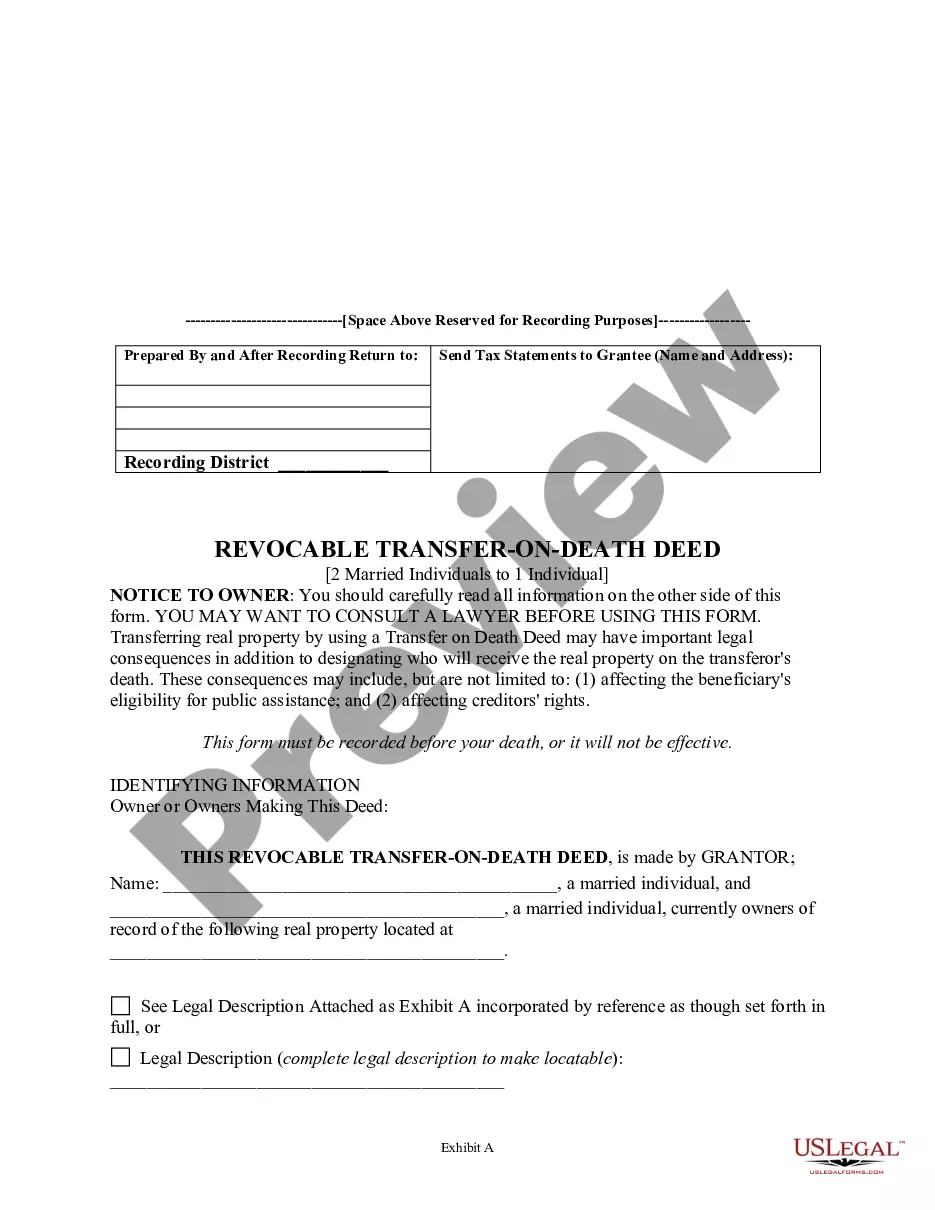
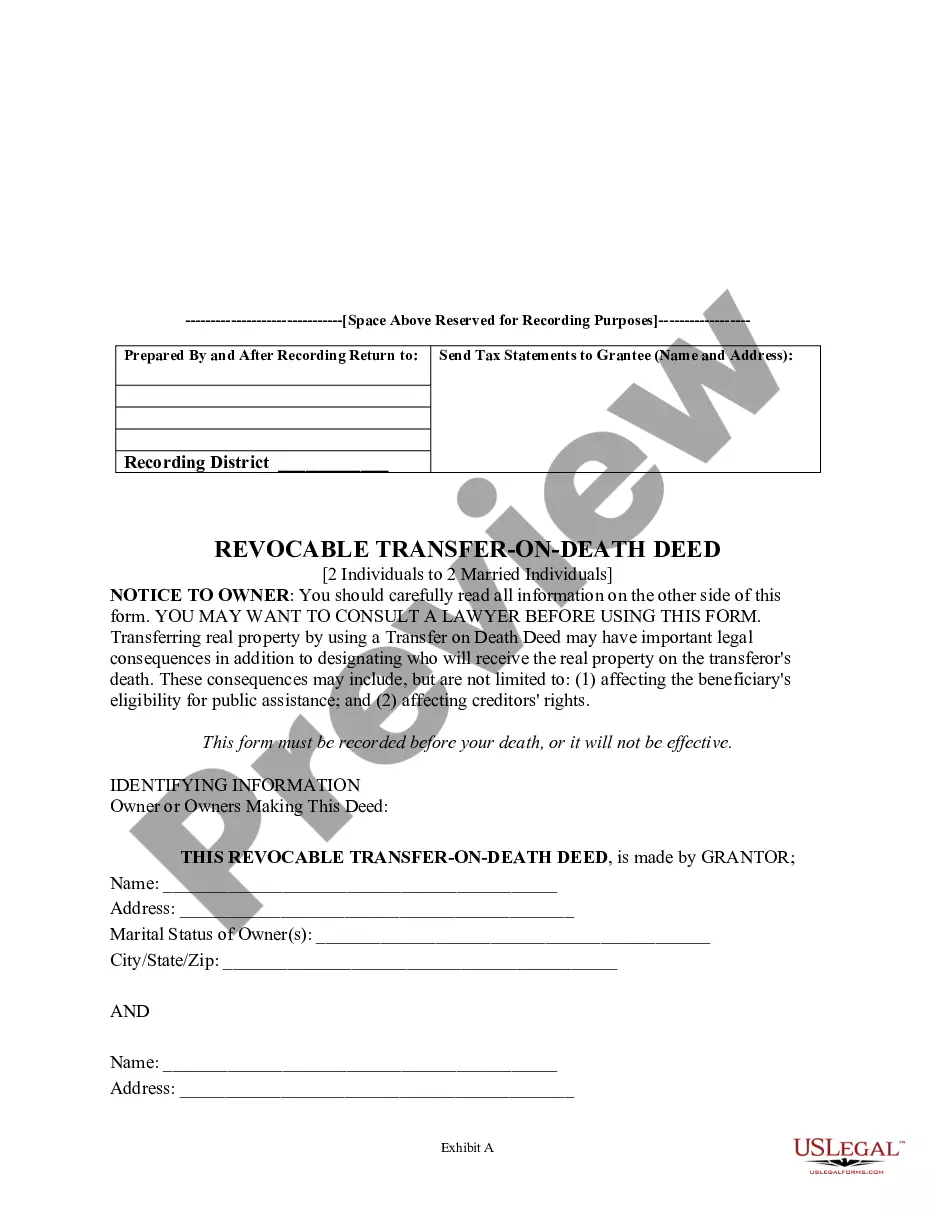
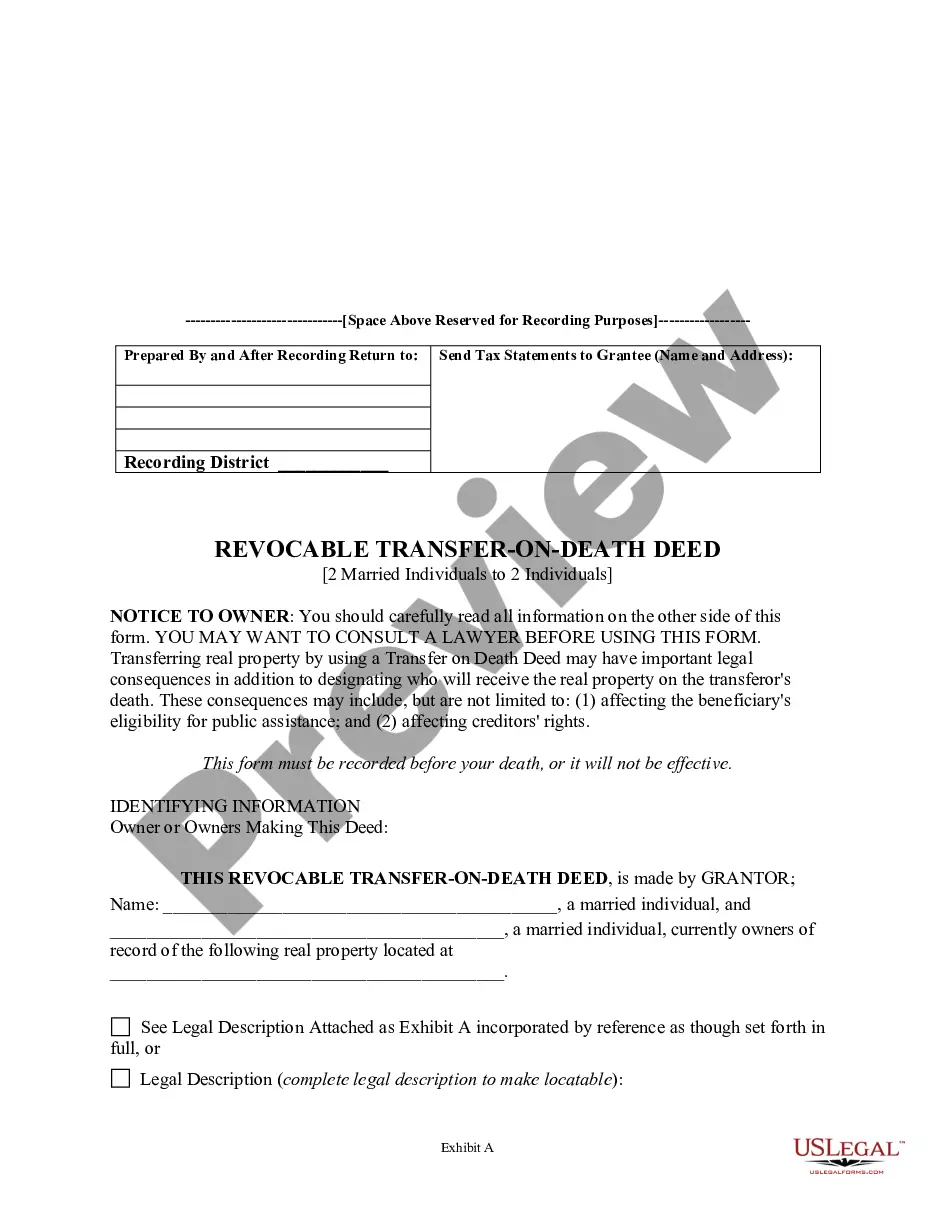
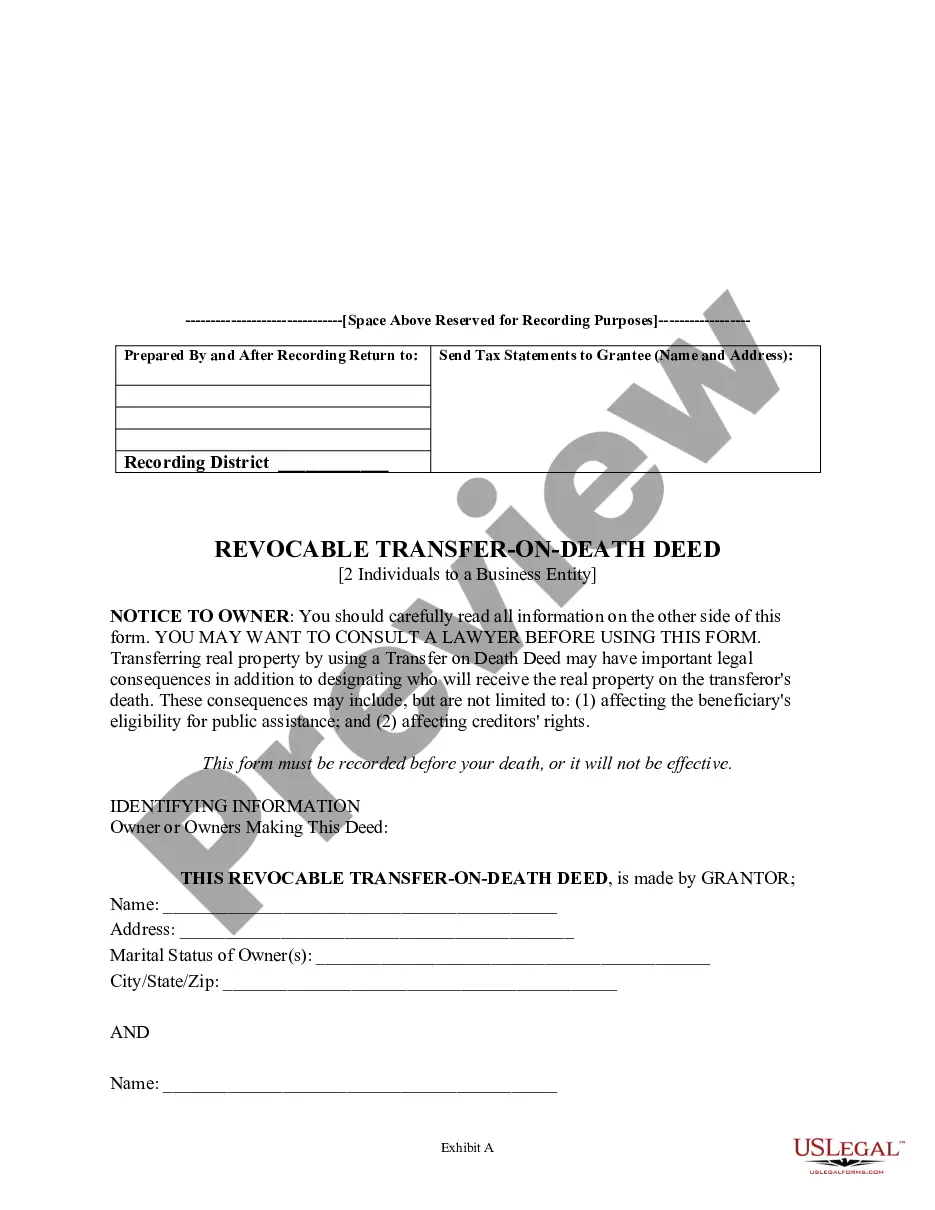
Alaska Assignment of Lease from Lessor with Notice of Assignment
Understanding this form
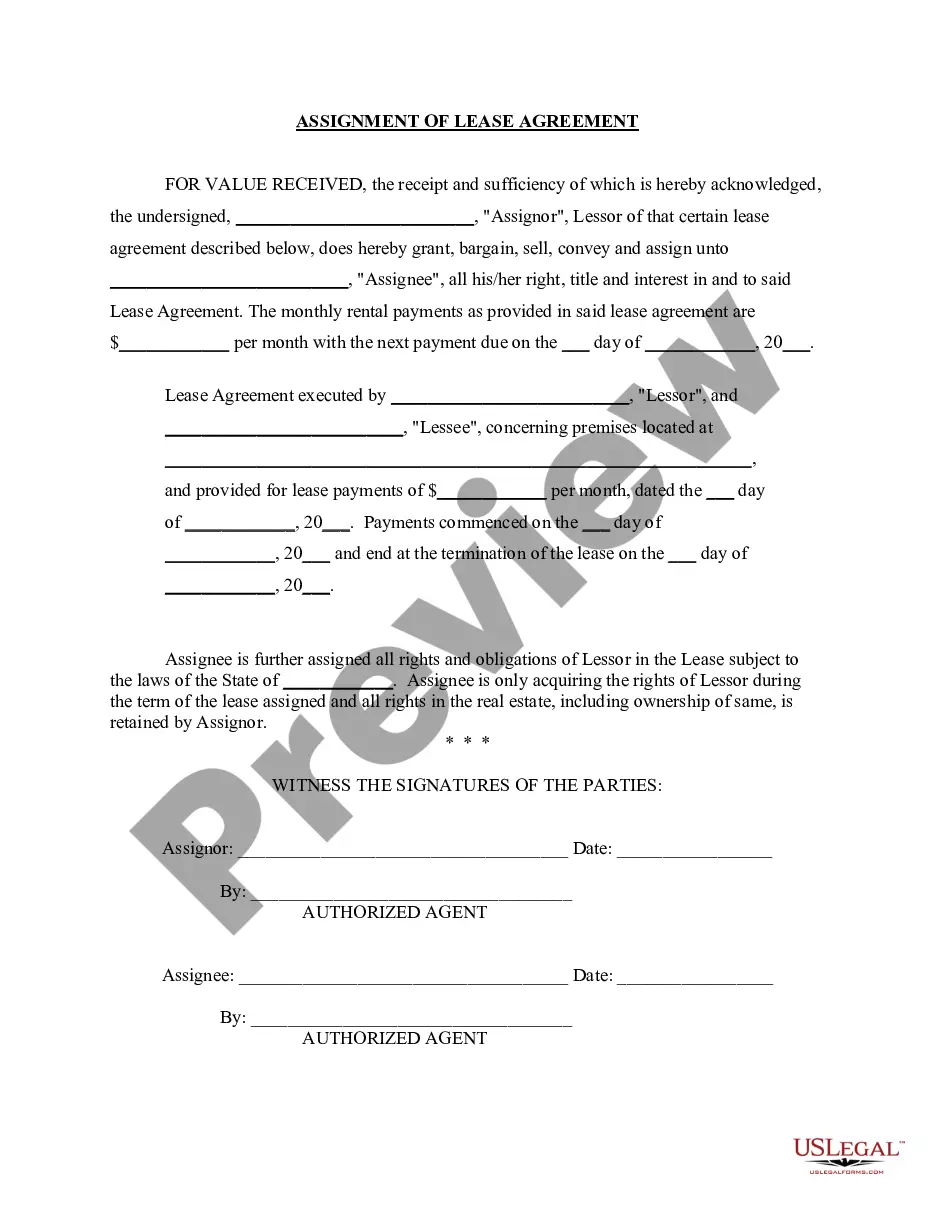
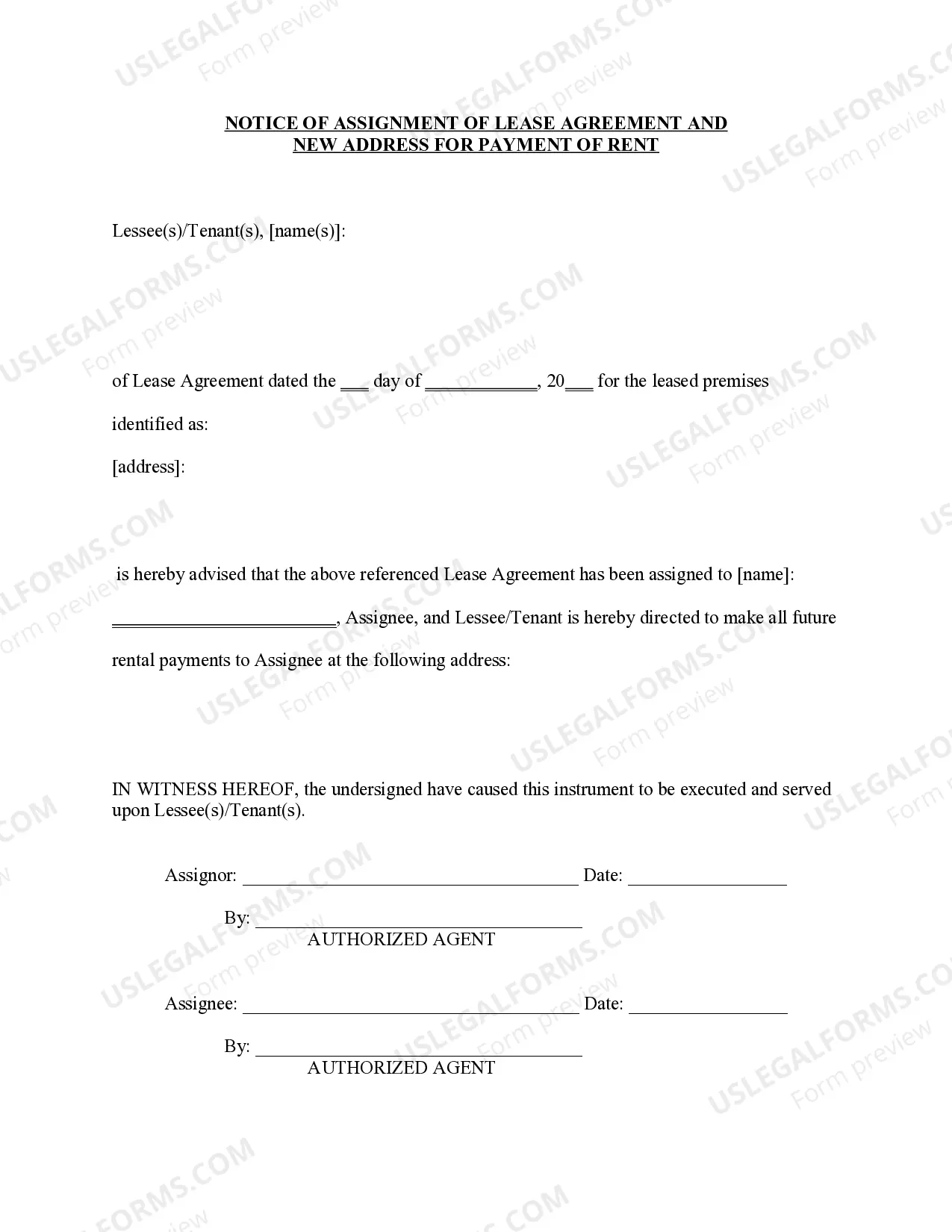
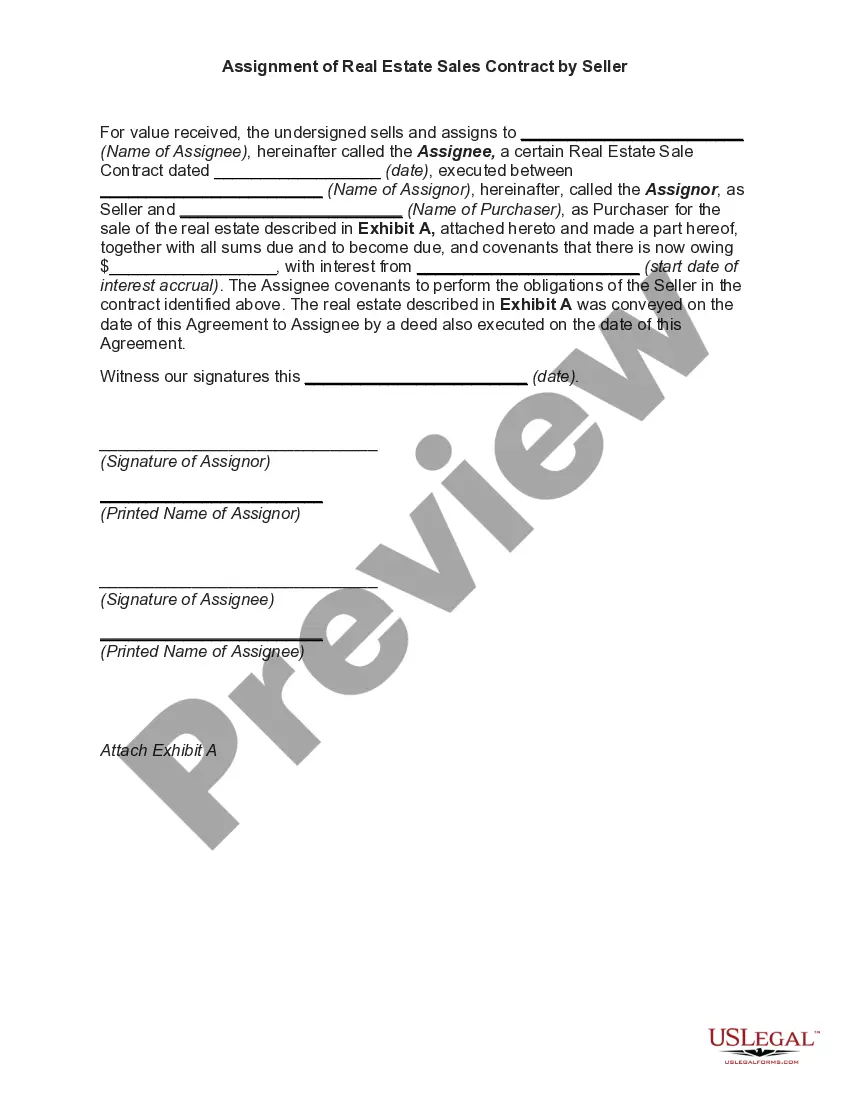
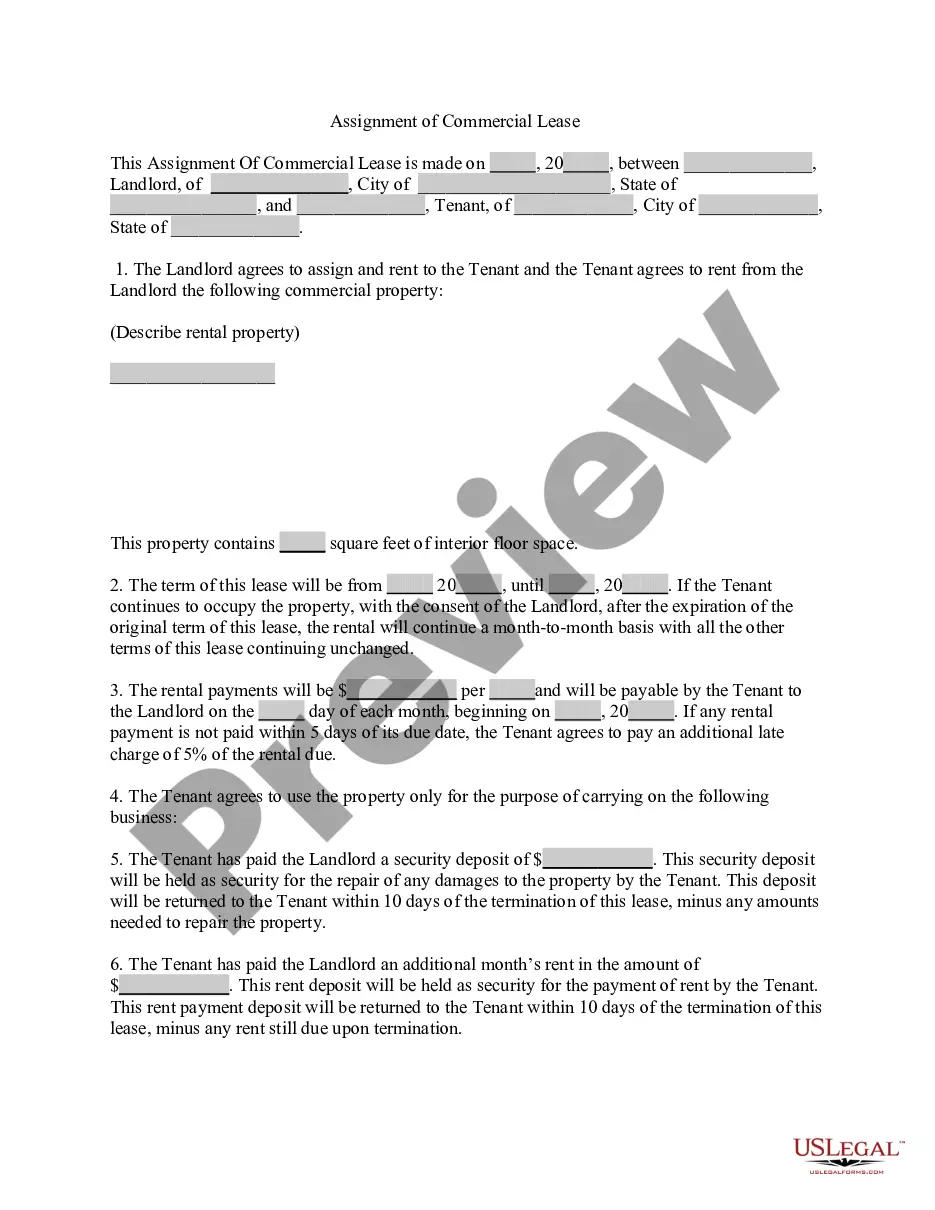
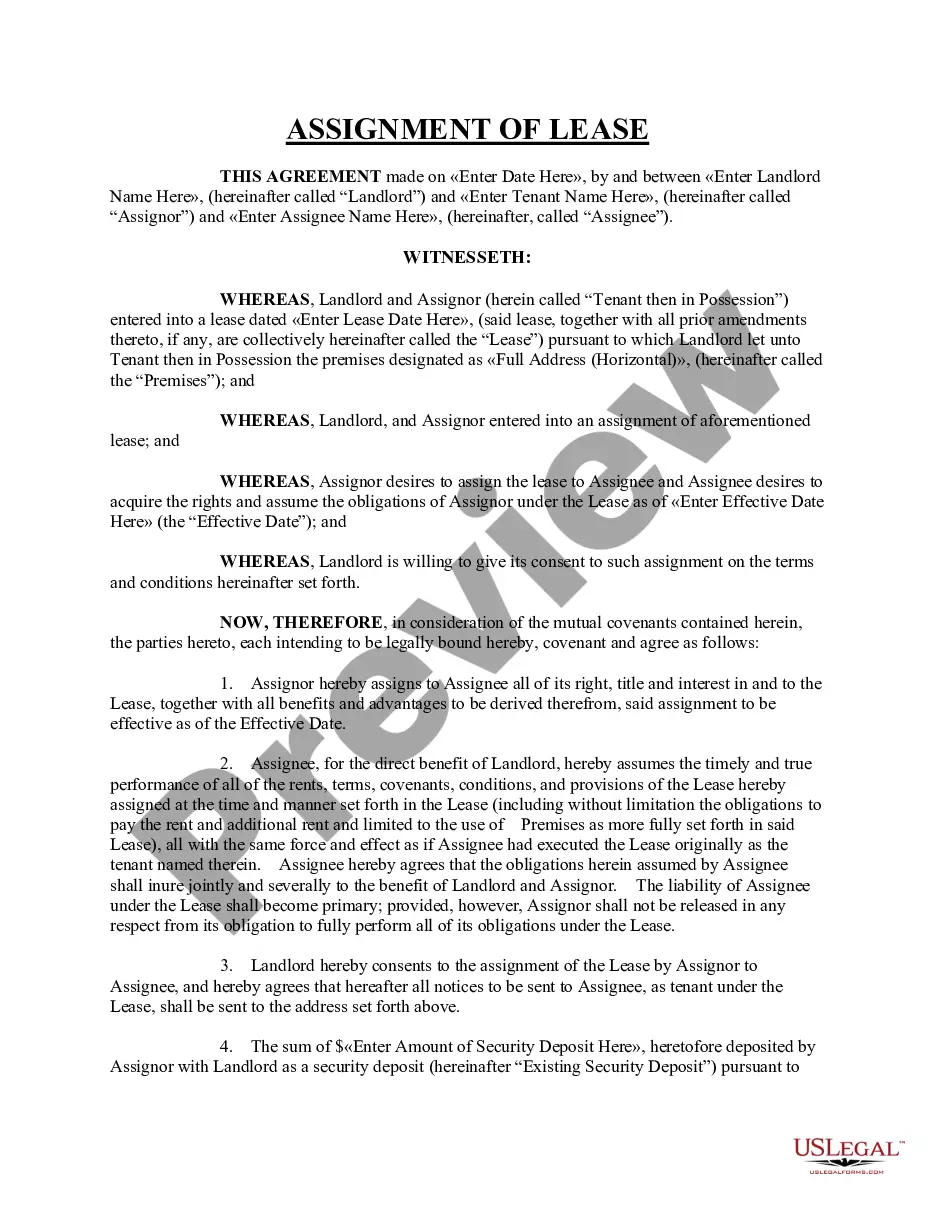
The Assignment of Lease from Lessor with Notice of Assignment is a legal document used to transfer the rights of a lease agreement from one lessor (the original landlord) to another lessor (the new landlord). This form ensures that the tenant is informed about the change in the lessor and provides updated payment instructions. It is crucial for clarifying that the original lessor retains ownership of the property while the new lessor acquires specific rights for the duration of the lease. Unlike a lease assignment, where a tenant transfers their lease obligations, this form deals specifically with the transfer of lessor rights.
What’s included in this form
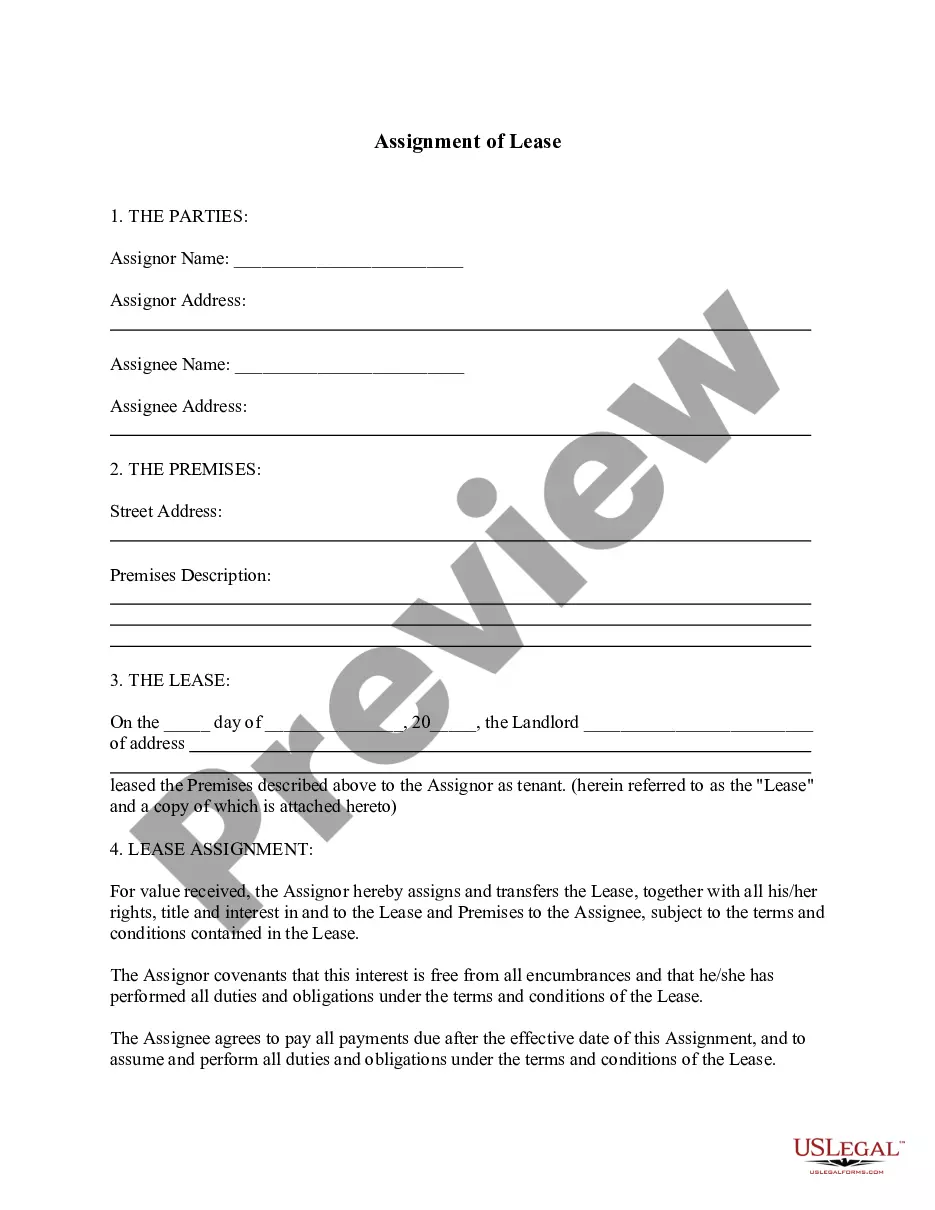
- Details of the assignor, including name and address.
- Details of the assignee, including name and address.
- Monthly rental payment amount and due date.
- Description of the lease agreement being assigned.
- Timeline for lease payments and termination date.
- Signatures of both assignor and assignee, along with dates.
When to use this document
This form is useful when the original landlord needs to transfer their rights under a lease to another party. Common situations include when a landlord sells the property, when they wish to delegate control of the rental agreement for any reason, or when there is a change in management company. Using this form ensures proper notification to the tenant and clarity regarding where to send rent payments.
Who this form is for
- Property owners or lessors seeking to transfer their lease rights.
- New lessors taking over lease agreements from the previous landlord.
- Legal representatives involved in property management or real estate transactions.
- Tenants needing clarity about changes in their lease agreement.
Instructions for completing this form
- Identify the parties involved: enter the names and contact information for both the assignor and assignee.
- Specify the property: describe the leased property, including its physical address.
- Fill in the lease details: include the amount of rent, due dates, and the term of the lease.
- Sign the document: both parties must sign and date the form to make it legally binding.
- Notify the tenant: ensure that a copy of this assignment is sent to the tenant as required.
Does this document require notarization?
Notarization is not commonly needed for this form. However, certain documents or local rules may make it necessary. Our notarization service, powered by Notarize, allows you to finalize it securely online anytime, day or night.
Get your form ready online
Our built-in tools help you complete, sign, share, and store your documents in one place.
Make edits, fill in missing information, and update formatting in US Legal Forms—just like you would in MS Word.
Download a copy, print it, send it by email, or mail it via USPS—whatever works best for your next step.
Sign and collect signatures with our SignNow integration. Send to multiple recipients, set reminders, and more. Go Premium to unlock E-Sign.
If this form requires notarization, complete it online through a secure video call—no need to meet a notary in person or wait for an appointment.
We protect your documents and personal data by following strict security and privacy standards.

Make edits, fill in missing information, and update formatting in US Legal Forms—just like you would in MS Word.

Download a copy, print it, send it by email, or mail it via USPS—whatever works best for your next step.

Sign and collect signatures with our SignNow integration. Send to multiple recipients, set reminders, and more. Go Premium to unlock E-Sign.

If this form requires notarization, complete it online through a secure video call—no need to meet a notary in person or wait for an appointment.

We protect your documents and personal data by following strict security and privacy standards.
Common mistakes to avoid
- Failing to provide proper notice to the tenant about the assignment.
- Not including essential lease details such as payment amounts and due dates.
- Missing signatures from both assignor and assignee.
- Not verifying if the original lease allows assignment of lessor rights.
Benefits of using this form online
- Convenient access to the form at any time, allowing for quick downloads.
- Editability ensures you can customize the form to meet specific needs.
- Reliability from templates drafted by licensed attorneys, ensuring validity.
Looking for another form?


Form popularity
FAQ
Simply put, it is a transfer of an existing lease by the current tenant to a new tenant with the consent of the landlord.The Assignee is the crucial factor that makes Assignment work. He or it is the newcomer to whom the existing lease will be assigned or passed or transferred to.
Under a typical lease assignment, you transfer all of your space to someone else for the entire remaining term of the lease, and the new tenant pays rent directly to the landlord.Once your landlord has agreed to allow a full assignment, you'll need to secure what the law so often requires: a piece of paper.
An assignment is the transfer of the a party's entire interest in a lease. When a tenant assigns its lease, the assignee takes over the tenant's obligations under the lease and deals directly with the landlord.A sublease is the transfer of all or a portion of the premises for less than the entire term of the lease.
Can the landlord refuse consent to an Assignment? Most leases will say that the Landlord cannot unreasonably withhold consent. According to section 19 (1A) of the Landlord and Tenant Act 1927 the landlord can insert conditions in the lease, which need to be met in the case of an assignment.
What is an Assignment? Simply put, it is a transfer of an existing lease by the current tenant to a new tenant with the consent of the landlord. Let's see how this works in practice. To begin with, there should be an existing lease between a landlord and tenant.
There is an agreement about who is liable for the costs of the deed of assignment. The landlord's lawyer usually prepares the agreement. However, the outgoing tenant or the incoming tenant pays these costs, not the landlord.
Most often, the lease won't permit assignment without the landlord's approval, but leases often state that the landlord cannot unreasonably withhold consent. As long as you produce a tenant who's shown a history of payment under prior leases and has been a model tenant, a landlord should consent to assignment.
An assignment of a lease is a complete transfer of the right to be the tenant under the lease. The third-party assignee becomes the "tenant" under the lease, taking over all of the leased premises, substituting for the old tenant.