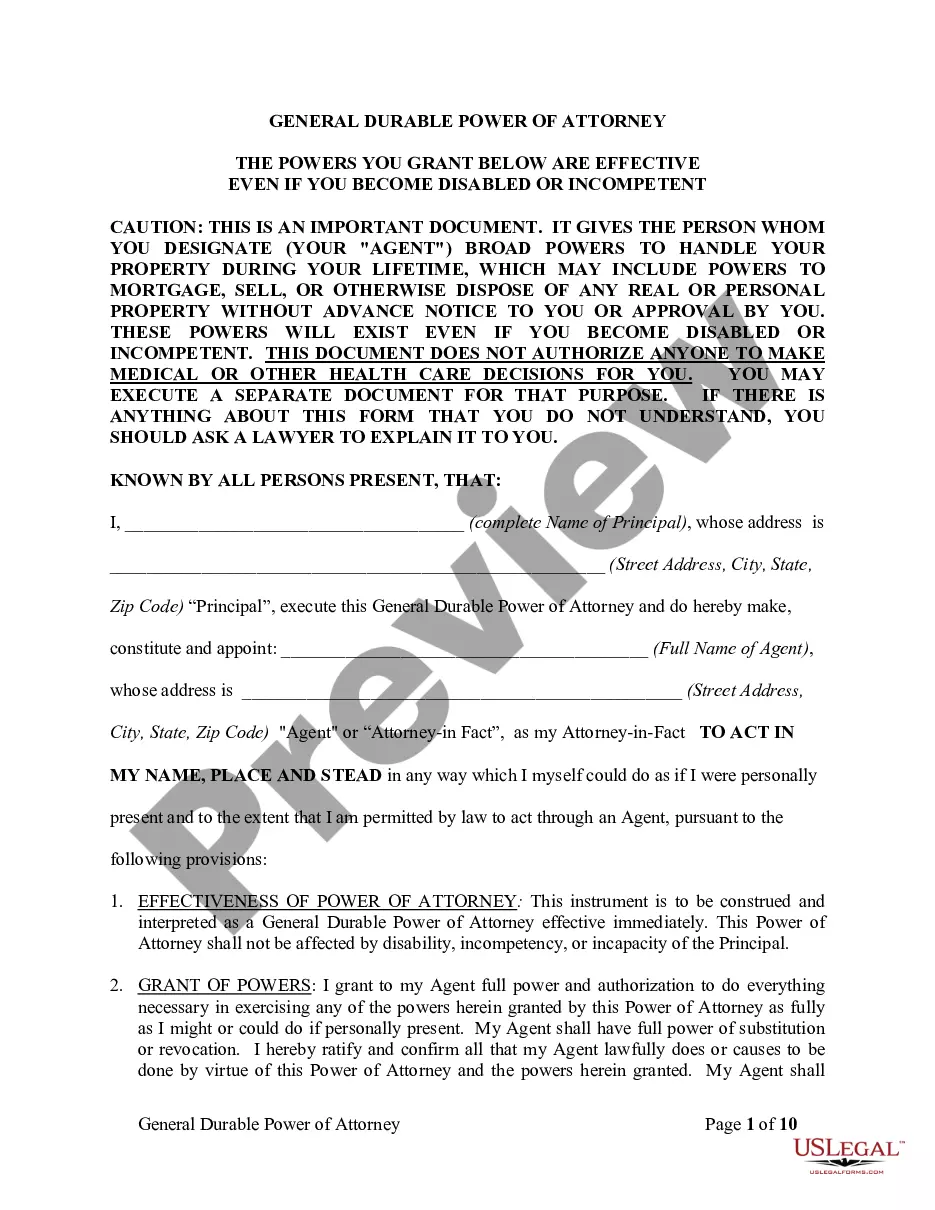
Alaska Assignment of Deed of Trust by Corporate Mortgage Holder
Understanding this form
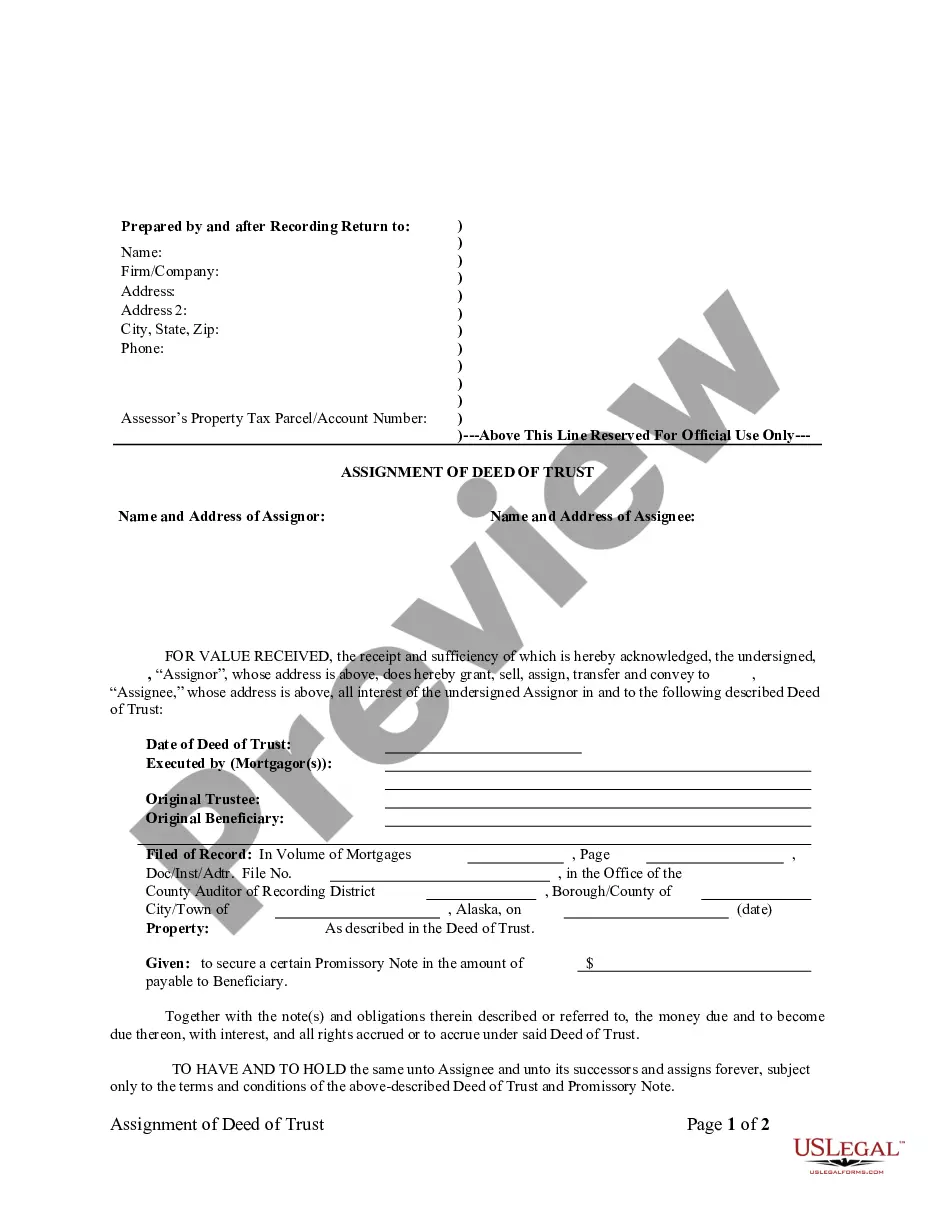
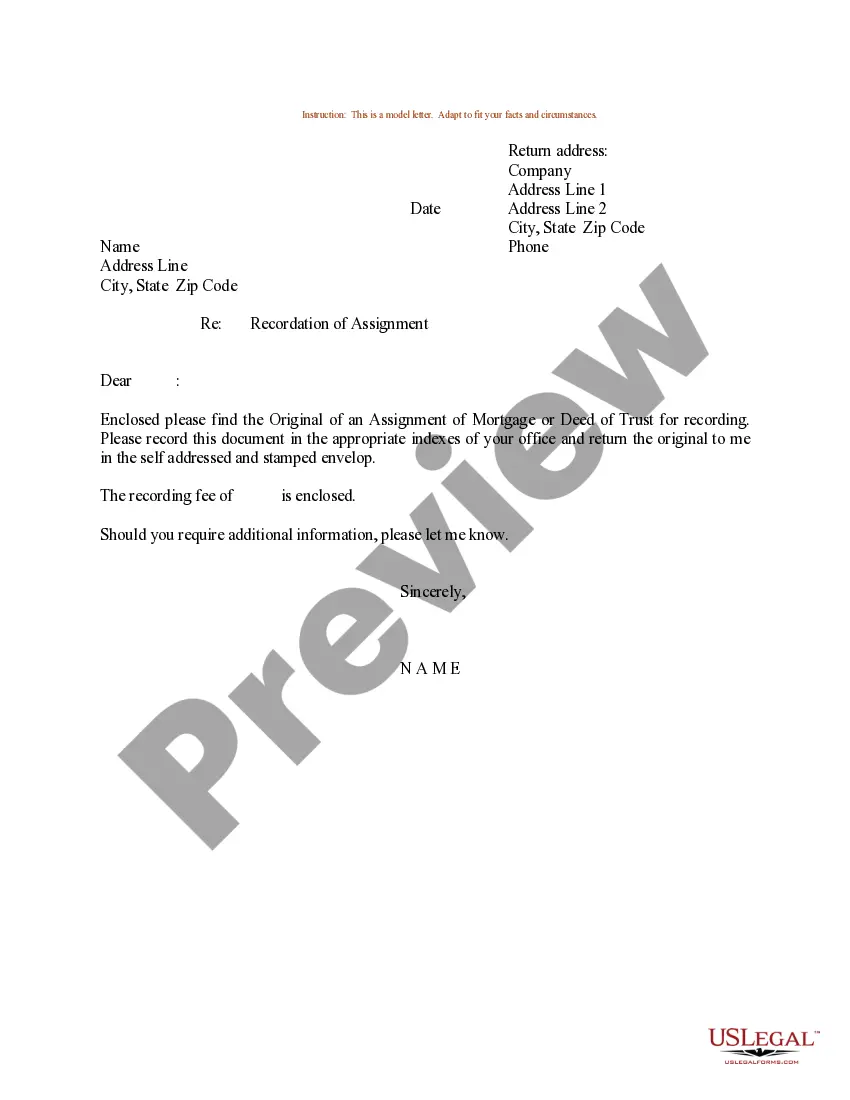
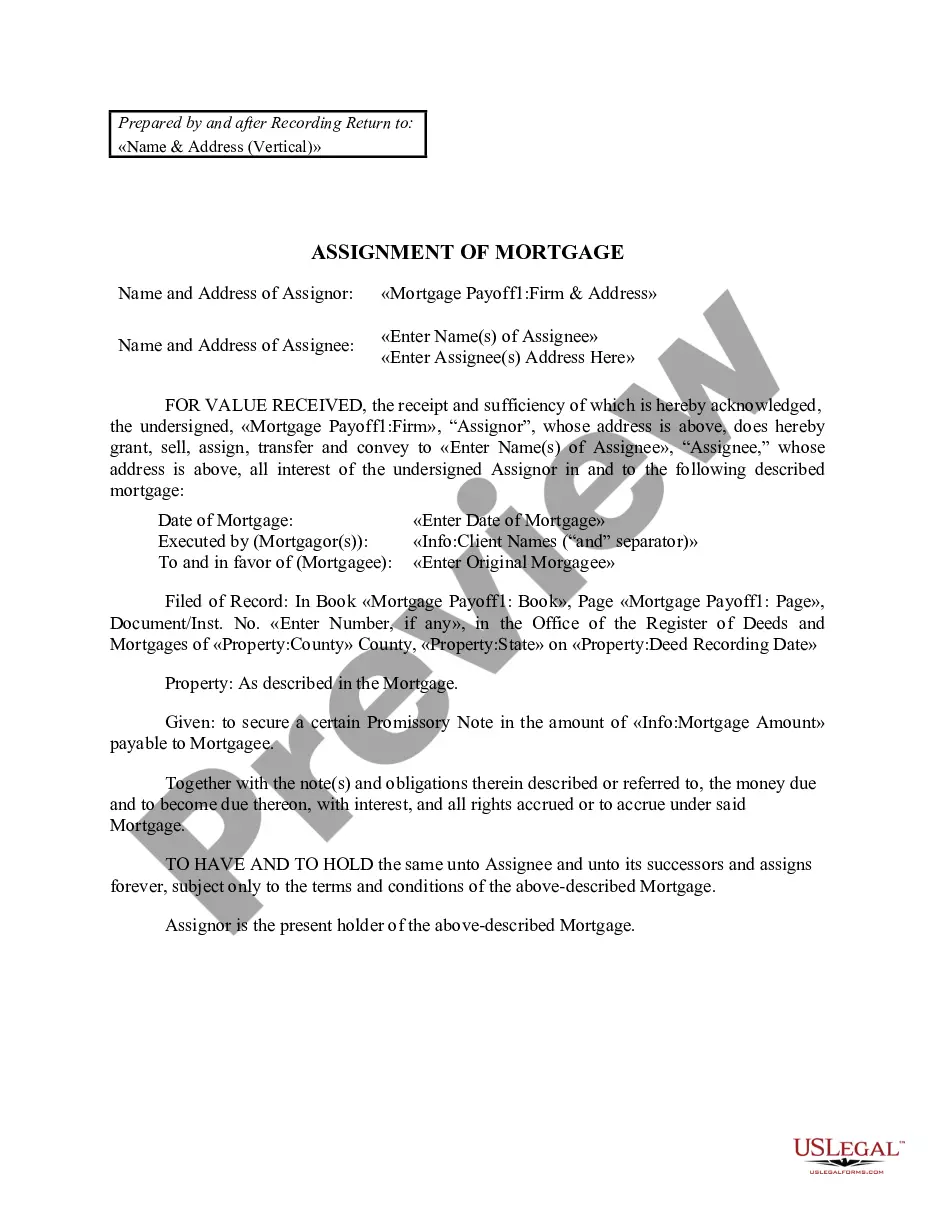
The Assignment of Deed of Trust by Corporate Mortgage Holder is a legal document that allows a corporation holding a deed of trust or mortgage to transfer its interests to a third party. This form is specifically for use by corporate entities, distinguishing it from similar individual or non-corporate forms. It clarifies the rights and obligations associated with the deed of trust, ensuring a smooth transition of ownership.
Form components explained
- Date of deed of trust: The date on which the deed of trust was executed.
- Mortgagor(s): The party or parties who originally took out the mortgage.
- Original trustee: The individual or entity that initially held the trust deed.
- Original beneficiary: The party that benefits from the deed of trust.
- Property description: A detailed description of the property secured by the deed of trust.
- Assignee: The individual or entity to whom the deed of trust is being assigned.
- Promissory note: The financial obligation that the deed of trust secures.

When to use this document
This form is necessary when a corporation that holds a deed of trust wants to assign its interests to another party. Common situations include refinancing, transferring ownership as part of a corporate sale, or consolidating debts under a new arrangement. Using this form ensures that the assignment is legally binding and properly documented.
Who should use this form
- Corporate mortgage holders looking to transfer their interests in a deed of trust.
- Attorneys representing corporations in real estate transactions.
- Financial institutions dealing with corporate clients in need of mortgage assignments.
- Both the assignor (original holder) and assignee (new holder) should be involved in the process.
Steps to complete this form
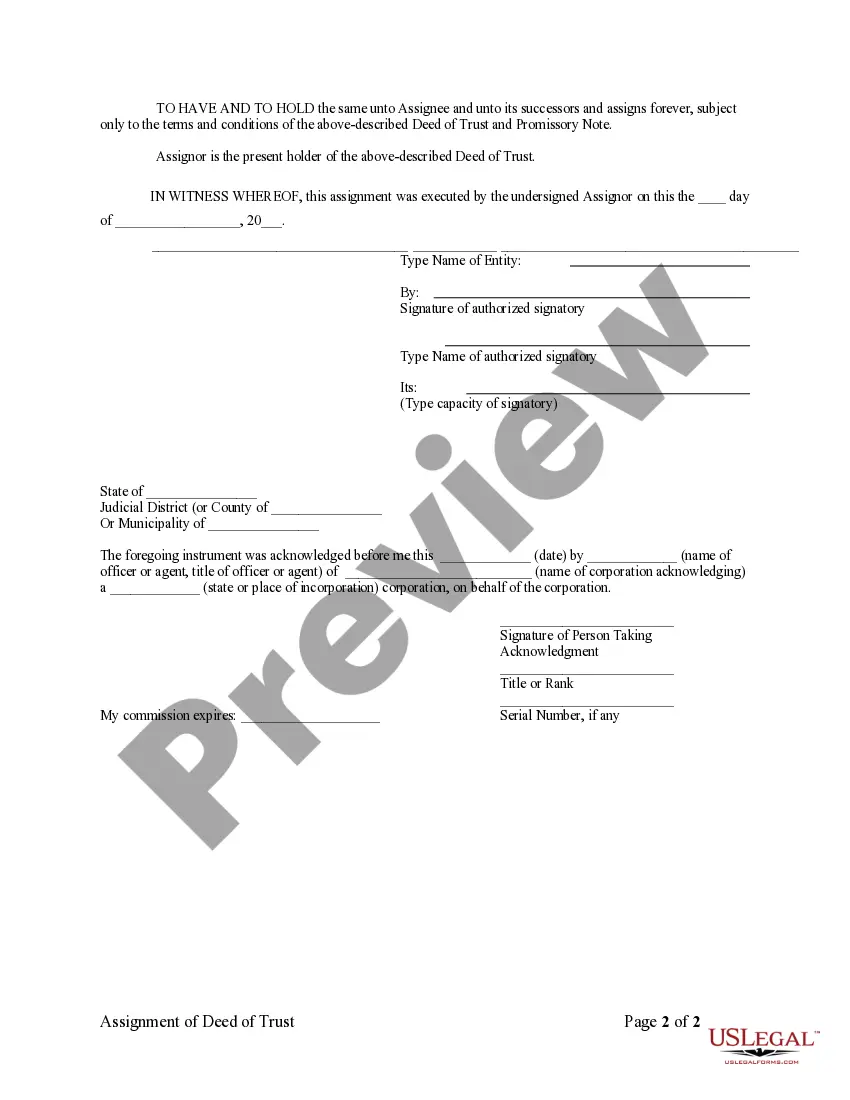
- Identify the parties: Enter the names and details of the assignor and assignee.
- Specify the property: Clearly describe the property being secured by the deed of trust.
- Enter the date: Include the date when the assignment is executed.
- Detail the promissory note: State the amount and terms of the promissory note being secured.
- Sign and date: Both parties must sign and date the document to validate the transfer.
Notarization guidance
This form must be notarized to be legally valid. US Legal Forms provides secure online notarization powered by Notarize, allowing you to complete the process through a verified video call.
Get your form ready online
Our built-in tools help you complete, sign, share, and store your documents in one place.
Make edits, fill in missing information, and update formatting in US Legal Forms—just like you would in MS Word.
Download a copy, print it, send it by email, or mail it via USPS—whatever works best for your next step.
Sign and collect signatures with our SignNow integration. Send to multiple recipients, set reminders, and more. Go Premium to unlock E-Sign.
If this form requires notarization, complete it online through a secure video call—no need to meet a notary in person or wait for an appointment.
We protect your documents and personal data by following strict security and privacy standards.
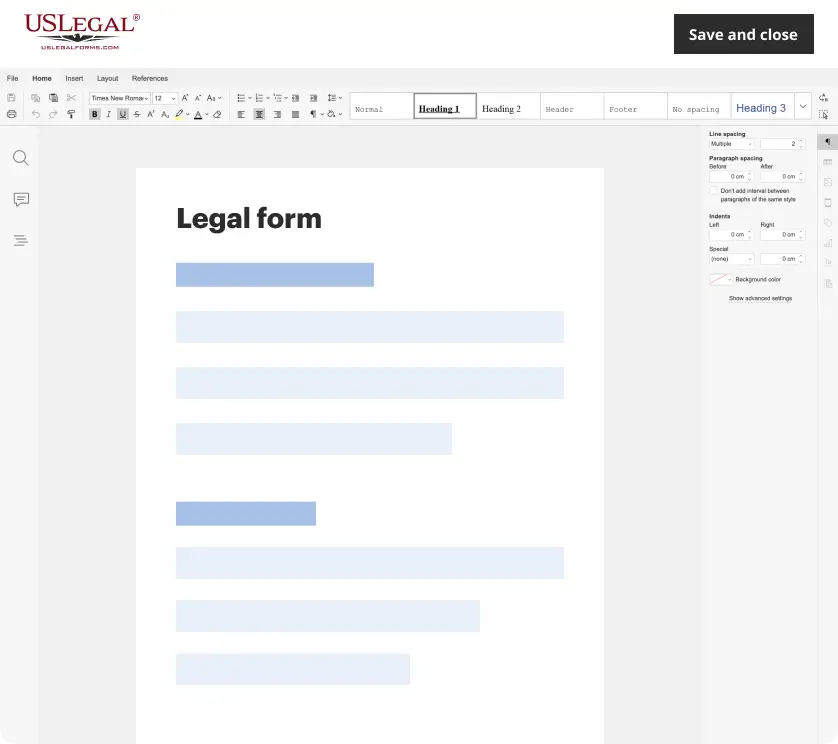
Make edits, fill in missing information, and update formatting in US Legal Forms—just like you would in MS Word.
Download a copy, print it, send it by email, or mail it via USPS—whatever works best for your next step.
Sign and collect signatures with our SignNow integration. Send to multiple recipients, set reminders, and more. Go Premium to unlock E-Sign.

If this form requires notarization, complete it online through a secure video call—no need to meet a notary in person or wait for an appointment.
We protect your documents and personal data by following strict security and privacy standards.
Common mistakes to avoid
- Failing to accurately describe the property, which may lead to disputes.
- Not signing or dating the form, which can render it invalid.
- Using incorrect names for the parties involved, leading to confusion or legal issues.
- Neglecting to check state-specific requirements that may apply to the assignment.
Benefits of using this form online
- Convenience: Access and complete the form anytime and anywhere.
- Editability: Easily modify the document to suit your specific needs.
- Reliability: Use legally vetted templates created by licensed attorneys.
- Time-saving: Quickly download and process your legal form without lengthy consultations.
Looking for another form?
Form popularity
FAQ
When your mortgage lender decides he wants to sell your mortgage loan to another lender, your mortgage lender will sign an assignment of deed of trust in favor of the new lender. This assignment gives the new lender the same lien on your property that your original lender had under the mortgage loan.
What are the major differences between a mortgage and a deed of trust? The number of parties involved and the method of foreclosure on default. extra info: In a mortgage, there are two parties involved while a deed of trust has three involved parties with the trustee holding the legal title and right to foreclose.
While mortgages and deeds of trust are similar because they're both agreements in which a borrower puts up the title to real estate as security (collateral) for a loan, these legal instruments do have some differences.
Deed: This is the document that proves ownership of a property. It transfers ownership of the property to the grantee, also known as the buyer.Mortgage: This is the document that gives the lender a security interest in the property until the Note is paid in full.
The basic difference between the mortgage as a security instrument and a Deed of Trust is that in a Deed of Trust there are three parties involved, the borrower, the lender, and a trustee, whereas in a mortgage document there are only two parties involved, the borrower and the lender.
When your mortgage lender decides he wants to sell your mortgage loan to another lender, your mortgage lender will sign an assignment of deed of trust in favor of the new lender. This assignment gives the new lender the same lien on your property that your original lender had under the mortgage loan.
An assignment of a deed of trust is simply the movement of the deed of trust from one party to another, a party that was not originally involved in the deed creation when the property was bought. A corporate assignment is simply an assignment of the deed of trust between different businesses.
As you stated in your question, it is recorded among the land records, and your lender keeps the original. When you pay off the loan, the lender will return the deed of trust with the promissory note. This document is rather lengthy and quite legalistic.
Whether you have a deed of trust or a mortgage, they both serve to assure that a loan is repaid, either to a lender or an individual person. A mortgage only involves two parties the borrower and the lender. A deed of trust adds an additional party, a trustee, who holds the home's title until the loan is repaid.