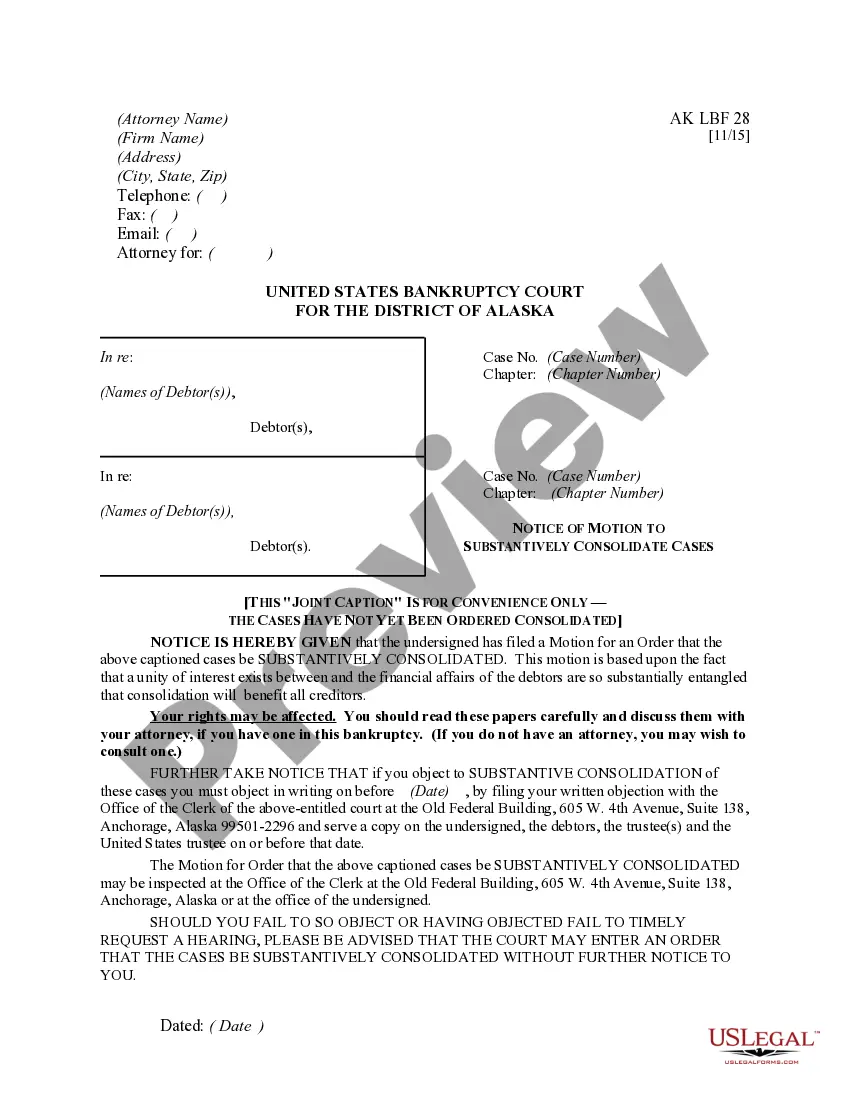
Alaska Letter from Landlord to Tenant for Failure of to dispose all ashes, rubbish, garbage or other waste in a clean and safe manner in compliance with community rules
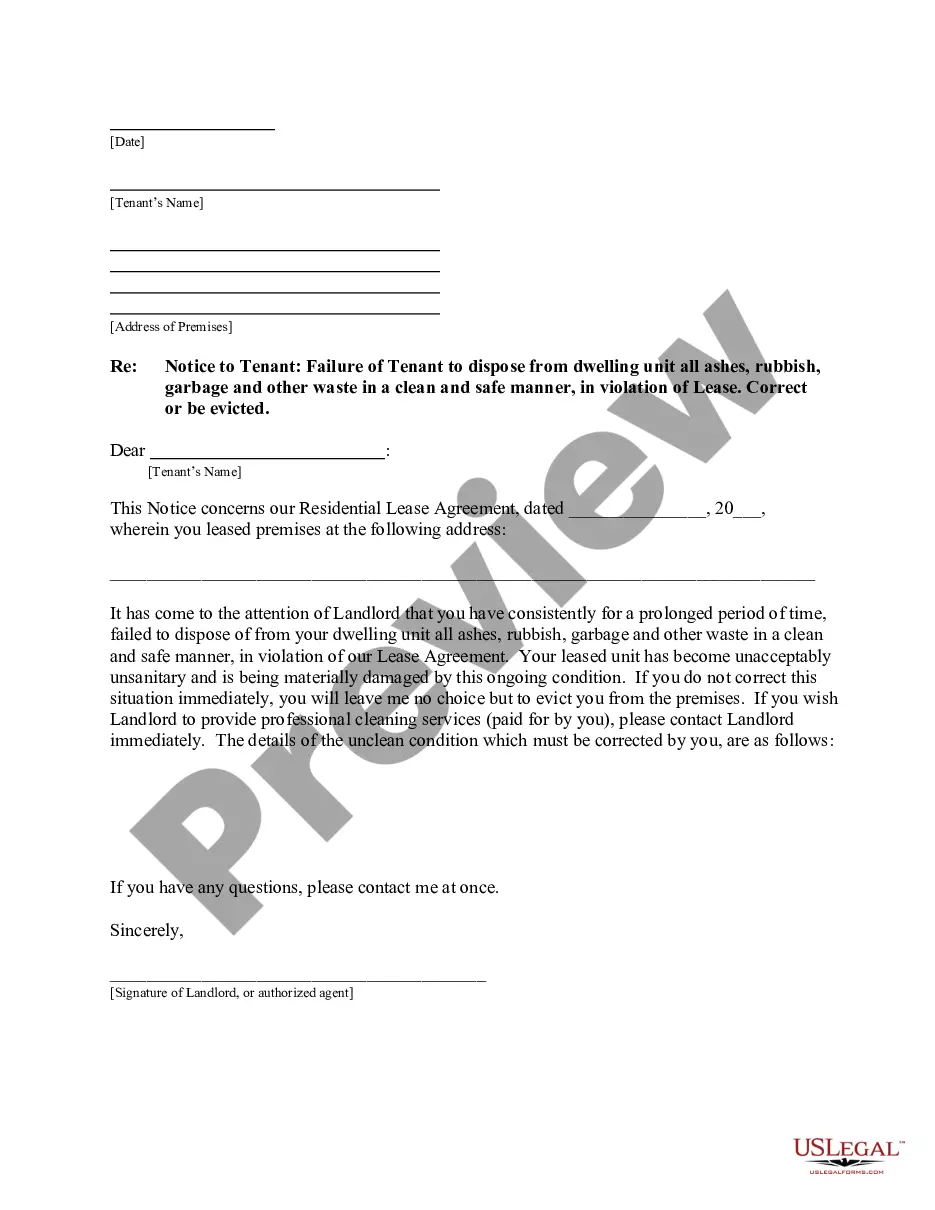
This form is a notice from a landlord to a tenant, addressing the tenant's failure to dispose of waste properly, as required by community rules. It serves as a formal demand for the tenant to correct unsanitary conditions or face eviction. This letter specifically outlines issues related to waste disposal in a rental property and differs from general eviction notices by focusing on health and safety violations related to cleanliness.
- Identification of the landlord and tenant involved.
- Description of the unclean conditions and violations of the lease agreement.
- A demand for immediate corrective action regarding waste disposal.
- Notice of potential eviction if the problem persists.
- Optional offer for professional cleaning services at the tenant's expense.

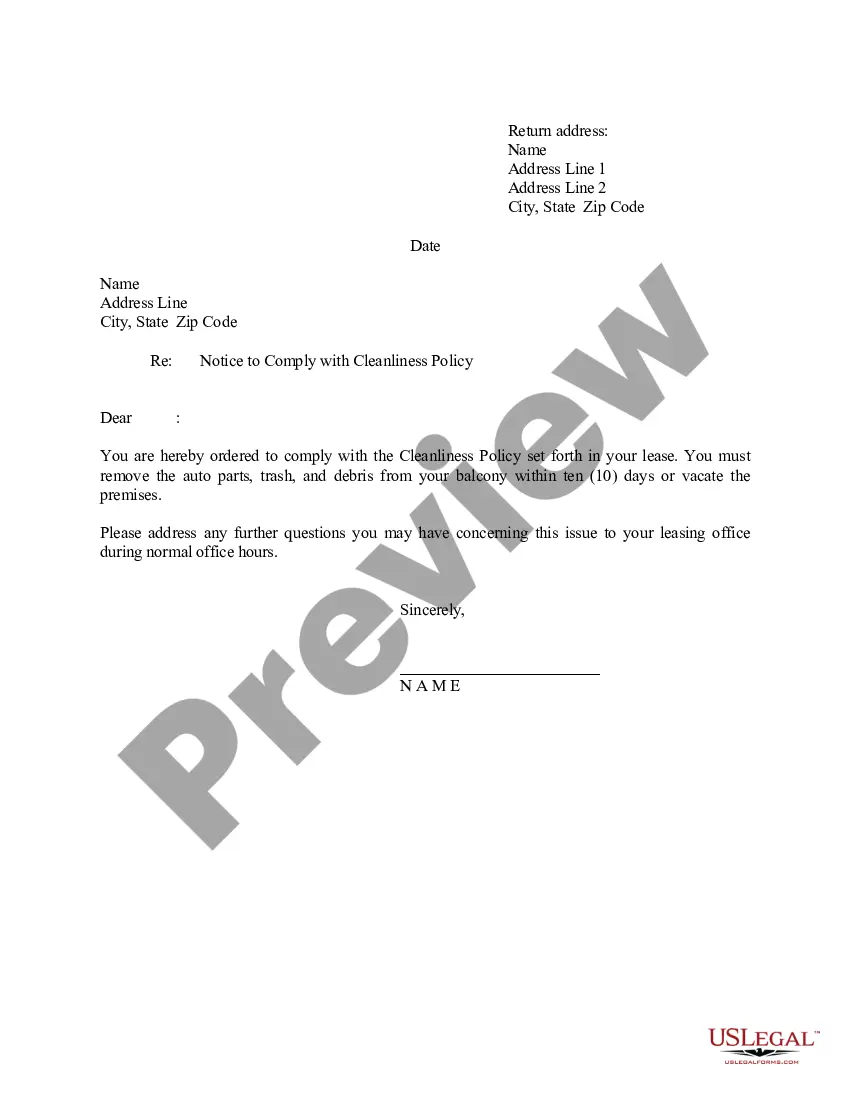
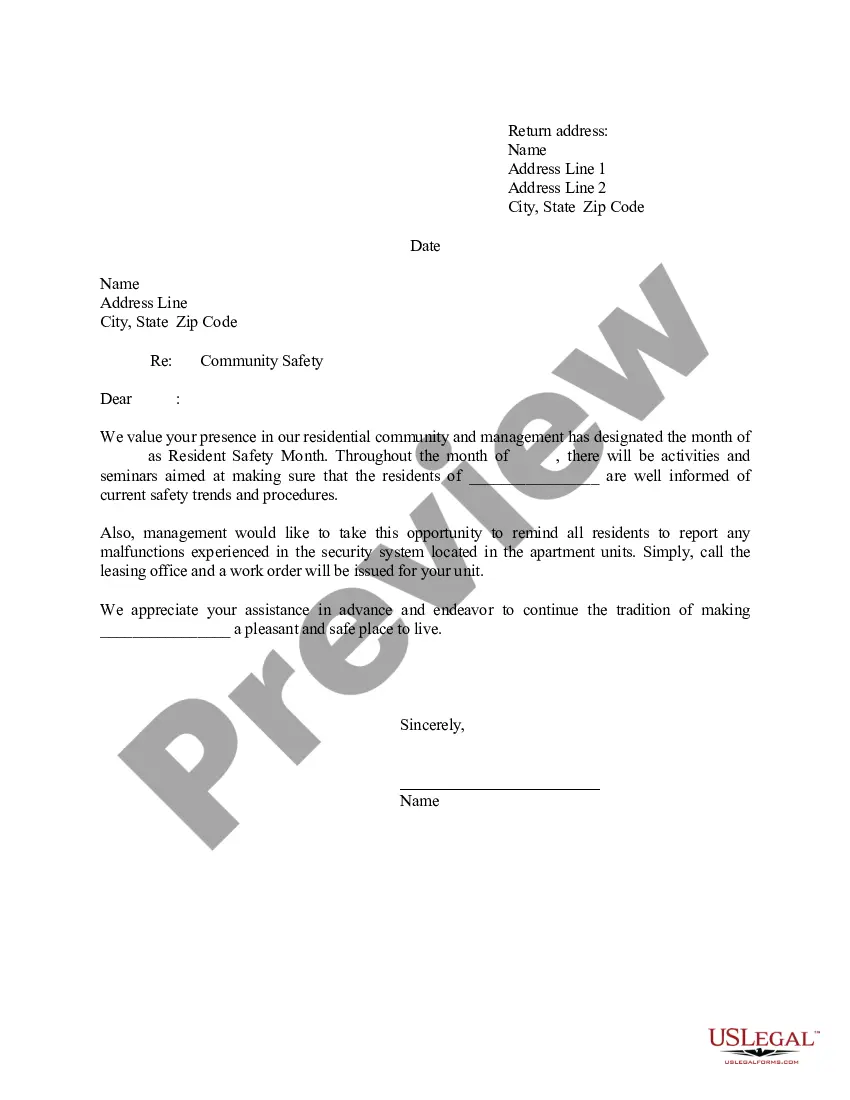

This form should be used when a landlord observes that a tenant is improperly disposing of ashes, rubbish, garbage, or other waste in a manner that violates community standards or lease agreements. It is appropriate to escalate to this formal notice when prior informal warnings have not resulted in the necessary improvements in waste management practices.
Intended Audience:
- Landlords addressing cleanliness issues with tenants.
- Property managers seeking to ensure compliance with lease terms.
- Tenants who have been notified of unclean conditions and need to understand their obligations.
Steps to Complete the Form:
- Identify and enter the landlord's name and contact information.
- Fill in the tenant's name and address of the rental unit.
- Clearly state the specific issues regarding waste disposal.
- Outline the consequences if the issues are not resolved, including potential eviction.
- Provide details on how the tenant can contact the landlord regarding cleaning services.
Notarization requirements for this form
Notarization is generally not required for this form. However, certain states or situations might demand it. You can complete notarization online through US Legal Forms, powered by Notarize, using a verified video call available anytime.
Get your form ready online
Our built-in tools help you complete, sign, share, and store your documents in one place.
Make edits, fill in missing information, and update formatting in US Legal Forms—just like you would in MS Word.
Download a copy, print it, send it by email, or mail it via USPS—whatever works best for your next step.
Sign and collect signatures with our SignNow integration. Send to multiple recipients, set reminders, and more. Go Premium to unlock E-Sign.
If this form requires notarization, complete it online through a secure video call—no need to meet a notary in person or wait for an appointment.
We protect your documents and personal data by following strict security and privacy standards.
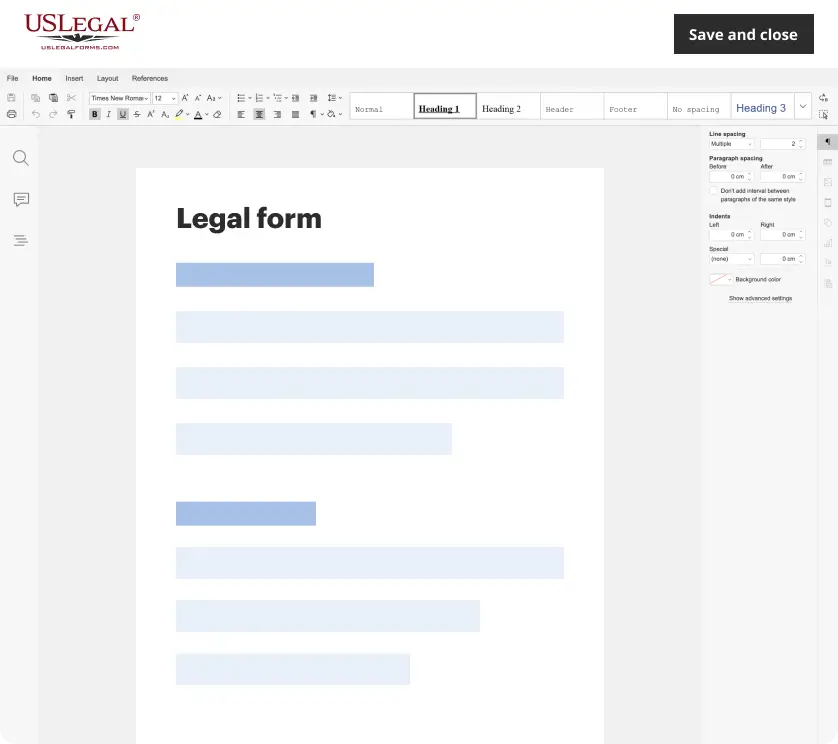
Make edits, fill in missing information, and update formatting in US Legal Forms—just like you would in MS Word.
Download a copy, print it, send it by email, or mail it via USPS—whatever works best for your next step.
Sign and collect signatures with our SignNow integration. Send to multiple recipients, set reminders, and more. Go Premium to unlock E-Sign.
If this form requires notarization, complete it online through a secure video call—no need to meet a notary in person or wait for an appointment.
We protect your documents and personal data by following strict security and privacy standards.
- Failing to specify the exact nature of the cleanliness issues.
- Not providing adequate notice or time for the tenant to respond.
- Using vague language that may lead to misunderstandings.
- Convenient online access allows for quick retrieval and completion of legal forms.
- Editable templates ensure you can tailor the form to your specific situation.
- Reliable resources drafted by licensed attorneys enhance the form's legal validity.
Looking for another form?
Form popularity
FAQ
Nobody owns a body there is no property in a dead body. The person entitled to possession of the body is the person who is under a duty to dispose of the body. A crematorium authority must hand over the ashes to the person who delivered the body for cremation.
Ashes are usually passed on to the funeral director after the cremation for collection. If you have not employed the services of a funeral director, you'll usually have up to 6 weeks to collect the ashes before being charged.
The surviving relatives or the Executor can only have a right to custody of the body or the ashes but this does not mean that the person "owns" them. This also means that they have a moral duty to make the funeral arrangements.
The body is prepared and placed into a proper container. The container with the body is moved to the retort or cremation chamber. After cremation, the remaining metal is removed, and the remains are ground. The ashes are transferred to either a temporary container or in an urn provided by the family.
We refer to cremated remains as ashes but what is left behind is actually bits of bone. After cremation, a special processor grinds the fragments into what we call cremains. This is what we mean when we refer to ashes.
California allows you to dispose of cremated remains by: placing them in a columbarium or mausoleum.keeping them at home (the law requires that you sign a permit and agree not to remove the cremated remains from their container; you must also make arrangements to dispose of the ashes at your death)
When it comes to the question of whether or not it is illegal to scatter ashes, there are very few official laws in place. While you should always request permission before scattering ashes on private property, there are no laws about where or how ashes should be scattered on public property.
You are able to scatter ashes anywhere where you have the landowner's permission. This means that whether you wish to scatter ashes on private land, or in a more public place, you'll simply need to ask the owner's permission.
People are permitted to scatter in California where no local prohibition exists and with written permission of the governing agency or property owner (if it's not property you own). In addition, the ashes, once scattered, must not be distinguishable to the public.