Alaska Letter from Tenant to Landlord with Demand that landlord repair unsafe or broken lights or wiring
Overview of this form
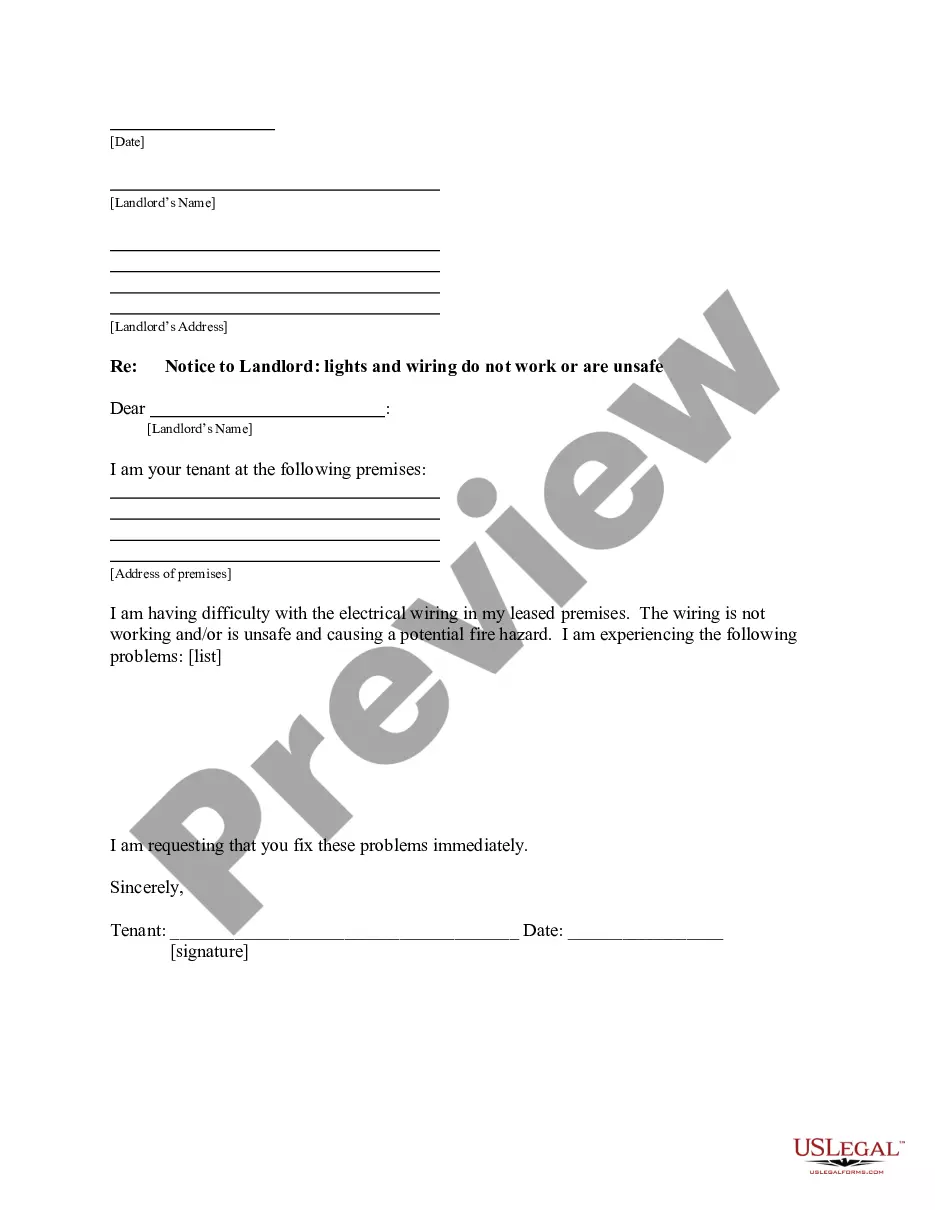
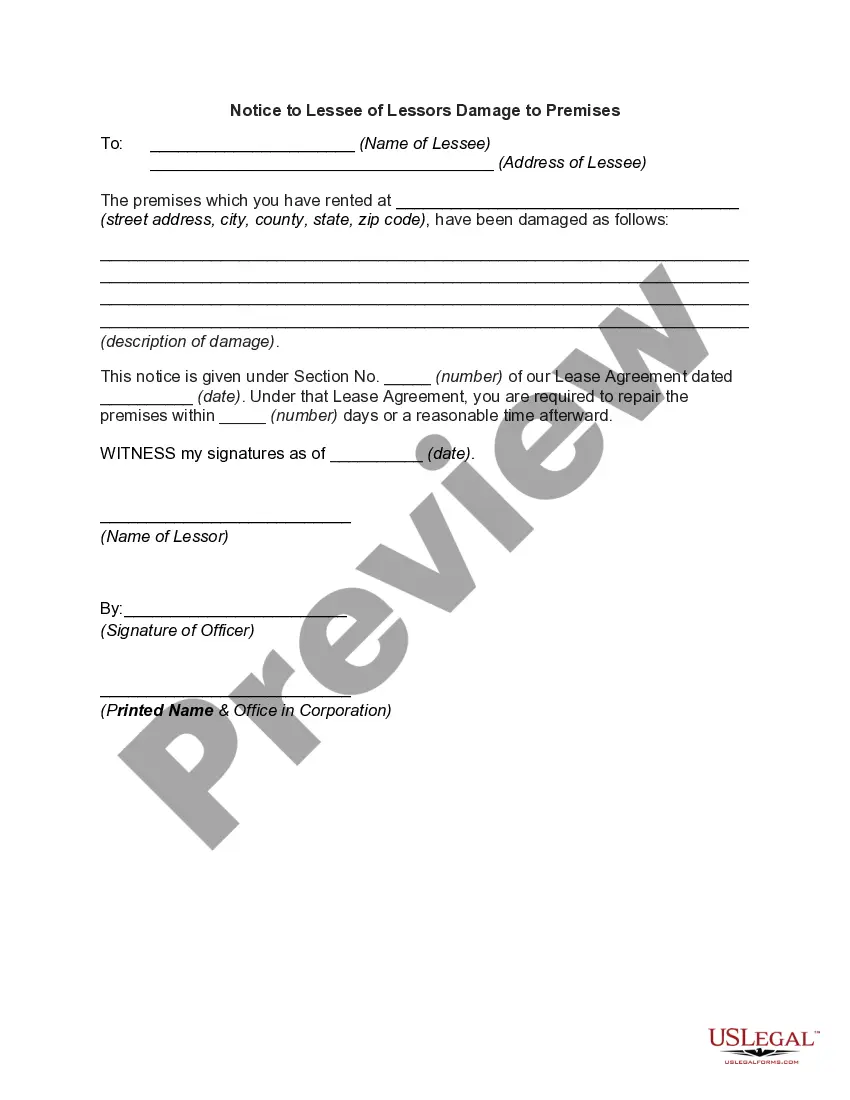
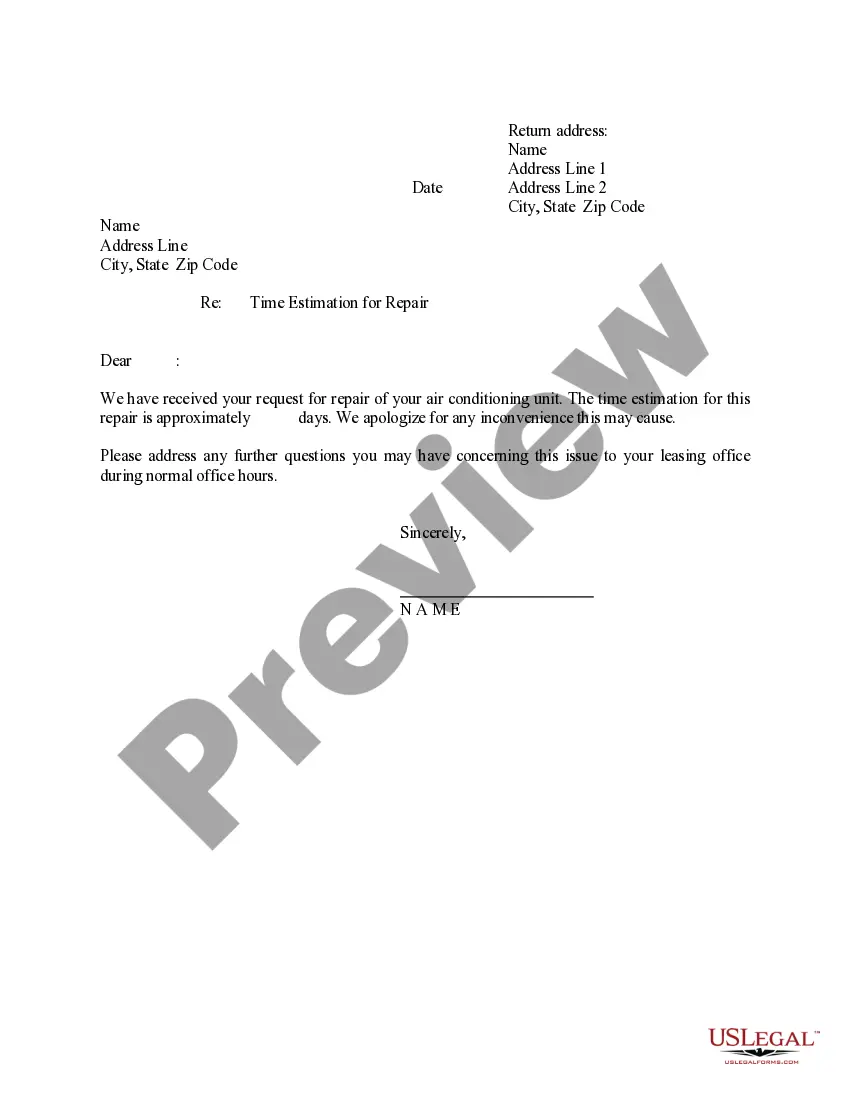
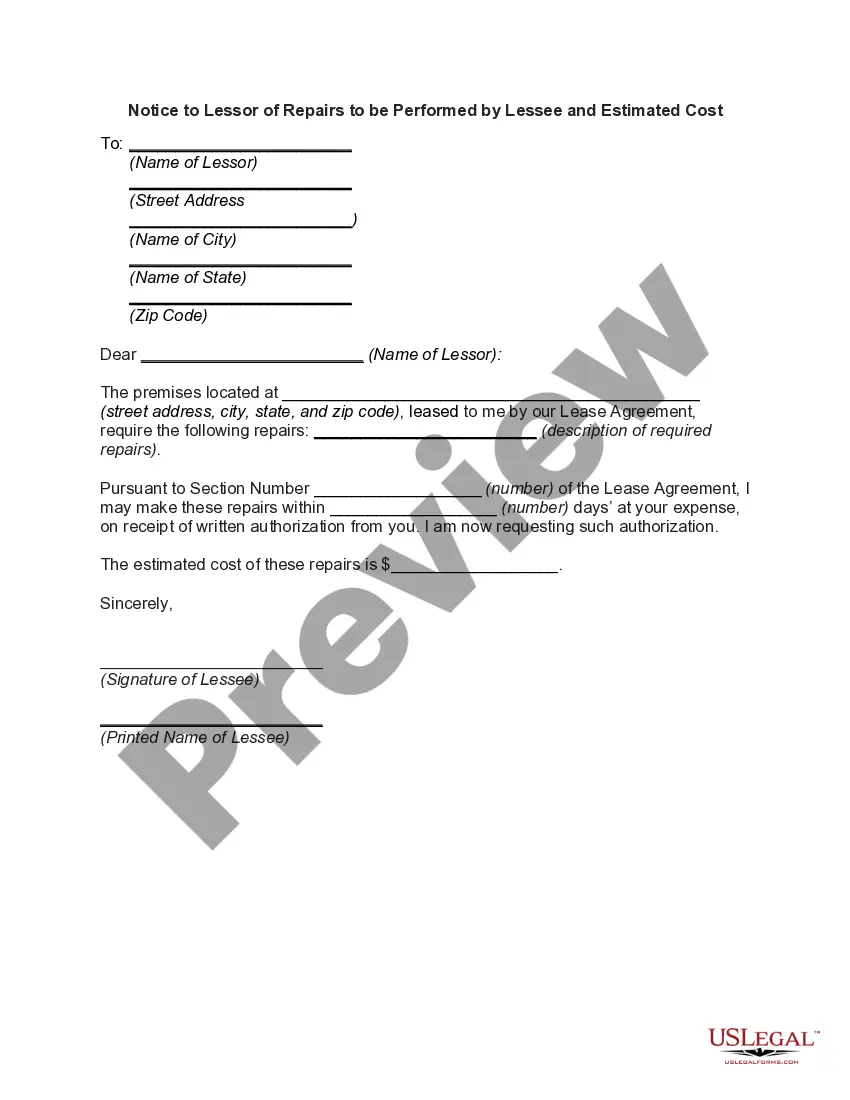
This Letter from Tenant to Landlord with Demand that landlord repair unsafe or broken lights or wiring is a crucial document for tenants experiencing safety issues in their rental unit. It informs the landlord about problems with the lights and wiring that are not working properly and may pose risks. This form serves to formally notify the landlord of their duty to maintain the property in a safe and tenantable condition while demanding prompt repairs. By using this form, tenants can initiate necessary actions towards ensuring a safe living environment.
Key components of this form
- Tenant's information: Name and contact details of the person submitting the notice.
- Landlord's information: Name and contact details of the landlord or their authorized agent.
- Description of the issue: Clear explanation regarding the unsafe or broken lights or wiring.
- Legal basis: Reference to the landlord's statutory duty to maintain the rental property.
- Demand for repairs: Specific request for the landlord to address the identified problems immediately.
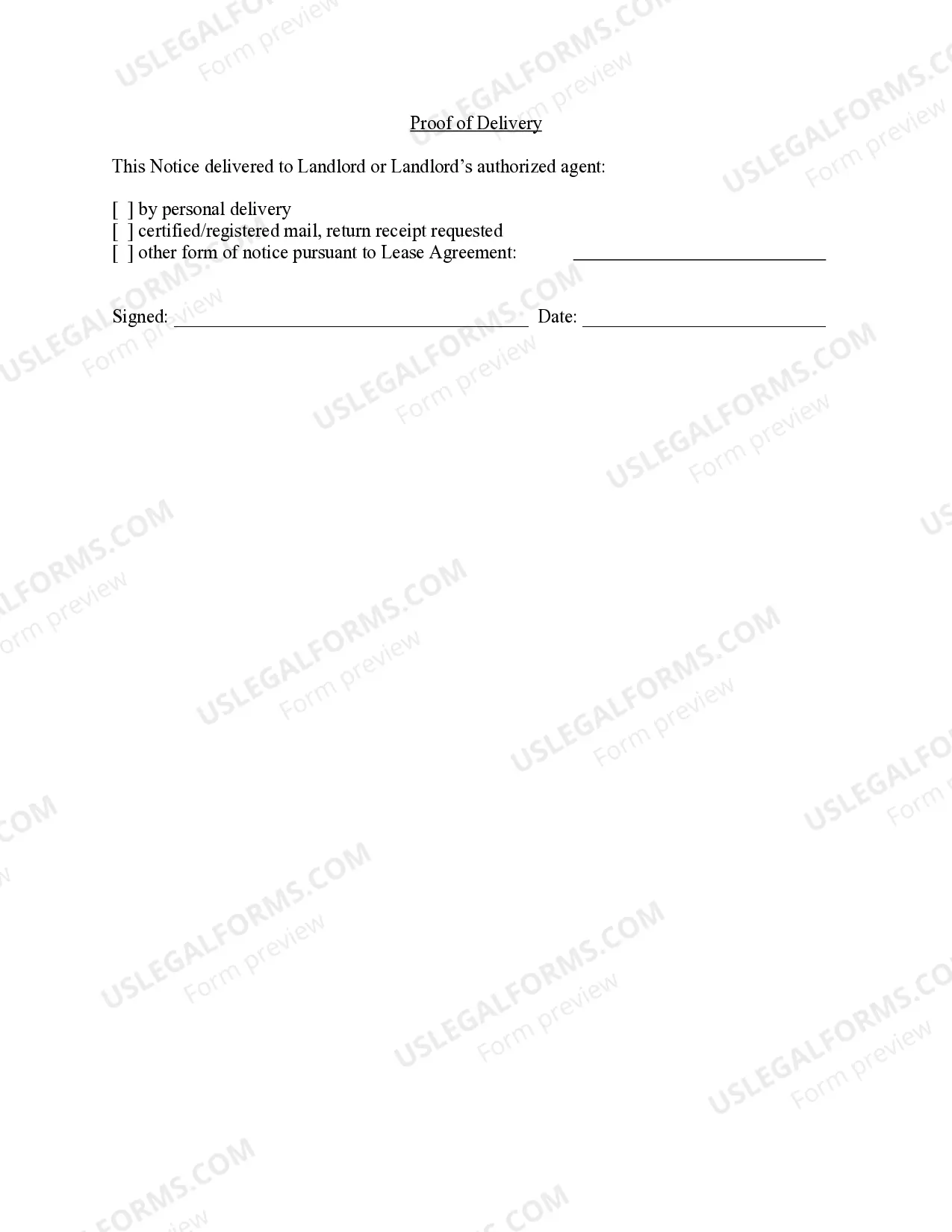
- Proof of delivery options: Methods of delivering the notice to the landlord, including personal delivery and certified mail.

Common use cases
This form is necessary when a tenant identifies unsafe conditions within their rental unit, specifically regarding lighting and electrical wiring. If tenants notice flickering lights, non-functional fixtures, or any signs of electrical hazards, they should use this form to formally alert their landlord. Sending this notice can also help tenants maintain their rights by documenting the request for repairs.
Who this form is for
- Tenants experiencing issues with lighting or electrical systems in their rental unit.
- Individuals seeking to hold their landlord accountable for unsafe living conditions.
- Renters who want to document their requests for repairs as a matter of record.
How to prepare this document
- Identify the tenant: Enter your full name and contact information at the top of the form.
- Fill in the landlord's details: Provide the name and address of the landlord or authorized agent.
- Describe the issue: Clearly state the problems with the lights or wiring along with their potential risks.
- Make a demand: Specify the desired actions you expect the landlord to take to fix the issue.
- Choose your proof of delivery method: Select how you will deliver this notice and follow the chosen method accordingly.
- Sign the form: Ensure to sign and date the document to validate your request.
Is notarization required?
Notarization is generally not required for this form. However, certain states or situations might demand it. You can complete notarization online through US Legal Forms, powered by Notarize, using a verified video call available anytime.
Get your form ready online
Our built-in tools help you complete, sign, share, and store your documents in one place.
Make edits, fill in missing information, and update formatting in US Legal Forms—just like you would in MS Word.
Download a copy, print it, send it by email, or mail it via USPS—whatever works best for your next step.
Sign and collect signatures with our SignNow integration. Send to multiple recipients, set reminders, and more. Go Premium to unlock E-Sign.
If this form requires notarization, complete it online through a secure video call—no need to meet a notary in person or wait for an appointment.
We protect your documents and personal data by following strict security and privacy standards.

Make edits, fill in missing information, and update formatting in US Legal Forms—just like you would in MS Word.

Download a copy, print it, send it by email, or mail it via USPS—whatever works best for your next step.

Sign and collect signatures with our SignNow integration. Send to multiple recipients, set reminders, and more. Go Premium to unlock E-Sign.

If this form requires notarization, complete it online through a secure video call—no need to meet a notary in person or wait for an appointment.

We protect your documents and personal data by following strict security and privacy standards.
Avoid these common issues
- Failing to provide complete contact information for both tenant and landlord.
- Not clearly describing the specific issues with lights or wiring.
- Neglecting to state the statutory duty of the landlord regarding property maintenance.
- Forgetting to sign the document before sending it.
Why complete this form online
- Convenient downloading: Access and complete the form from anywhere at any time.
- Editability: Easily customize the form to fit your specific situation.
- Reliable format: Ensure that the form adheres to legal standards required in your state.
Legal use & context
- This letter is essential for establishing a paper trail regarding the landlord's obligations to maintain safe living conditions.
- Failure to respond to this demand may impact the landlord's liability and tenants' rights for further legal action.
- The form serves as formal notice before escalating issues to housing authorities or legal proceedings.
Main things to remember
- This form is essential for tenants facing safety issues related to lighting and wiring.
- It formally alerts landlords to required repairs and documents tenant requests.
- Delivery methods can enhance the documentation of your communication.
Looking for another form?

Form popularity
FAQ
When a landlord fails to use reasonable care to protect their tenants, they can be held liable for the negligent or intentional criminal conduct of a third party.
When a home is condemned, the owner (and tenants, if any) are notified in writing that the building must be vacated. A sign is attached to the building stating that the dwelling is not fit for human habitation, and that it cannot be occupied.The owner of the building may be ordered to repair or demolish the building.
Uninhabitable conditions can include dangerous ones, such as holes in the floor, unsafe or exposed wiring, or non-working air conditioning in dangerously hot summer months. Gross infestations of roaches, fleas or other pests are also uninhabitable conditions.
A rented home is 'unfit for habitation' when conditions or safety issues are so bad that it's not reasonable for you to live there. This could be because the poor conditions: affect your health seriously. put you at risk of physical harm or injury.
In California, habitability includes the following specific warranties: A dwelling also may be considered uninhabitable (unlivable) if it substantially lacks any of the following: Effective waterproofing and weather protection of roof and exterior walls, including unbroken windows and doors.
Tenants may be able to file their complaints with their city or county rent control board, local tenant association, rental housing association, district attorney's office and consumer protection agency. California residents can find the appropriate agencies based on the nature of their complaint by contacting the
If you think your landlord is violating the Fair Housing Act, you can get that landlord in trouble by filing a complaint at HUD.gov. Your remedy for breach of quiet enjoyment is to terminate the lease and move or sue in small claims court.
If the structure is unstable or there is a severe problem with damp in the property, it may be deemed uninhabitable.If the layout is unsafe, if there isn't enough natural light, or if there is not enough ventilation, the problem may be uninhabitable.
Uninhabitable conditions can include dangerous ones, such as holes in the floor, unsafe or exposed wiring, or non-working air conditioning in dangerously hot summer months. Gross infestations of roaches, fleas or other pests are also uninhabitable conditions.