Alaska Warranty Deed from Husband to Himself and Wife
About this form
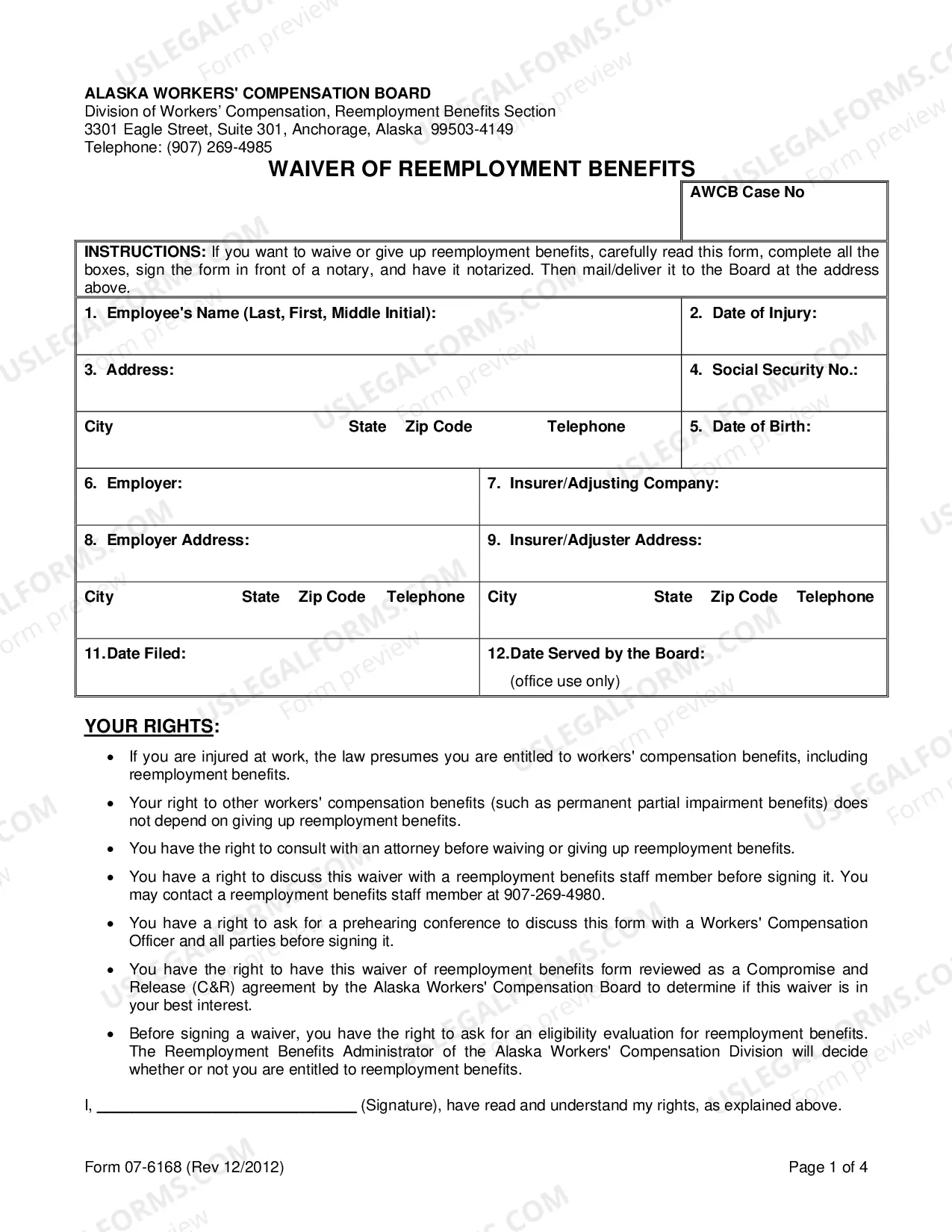
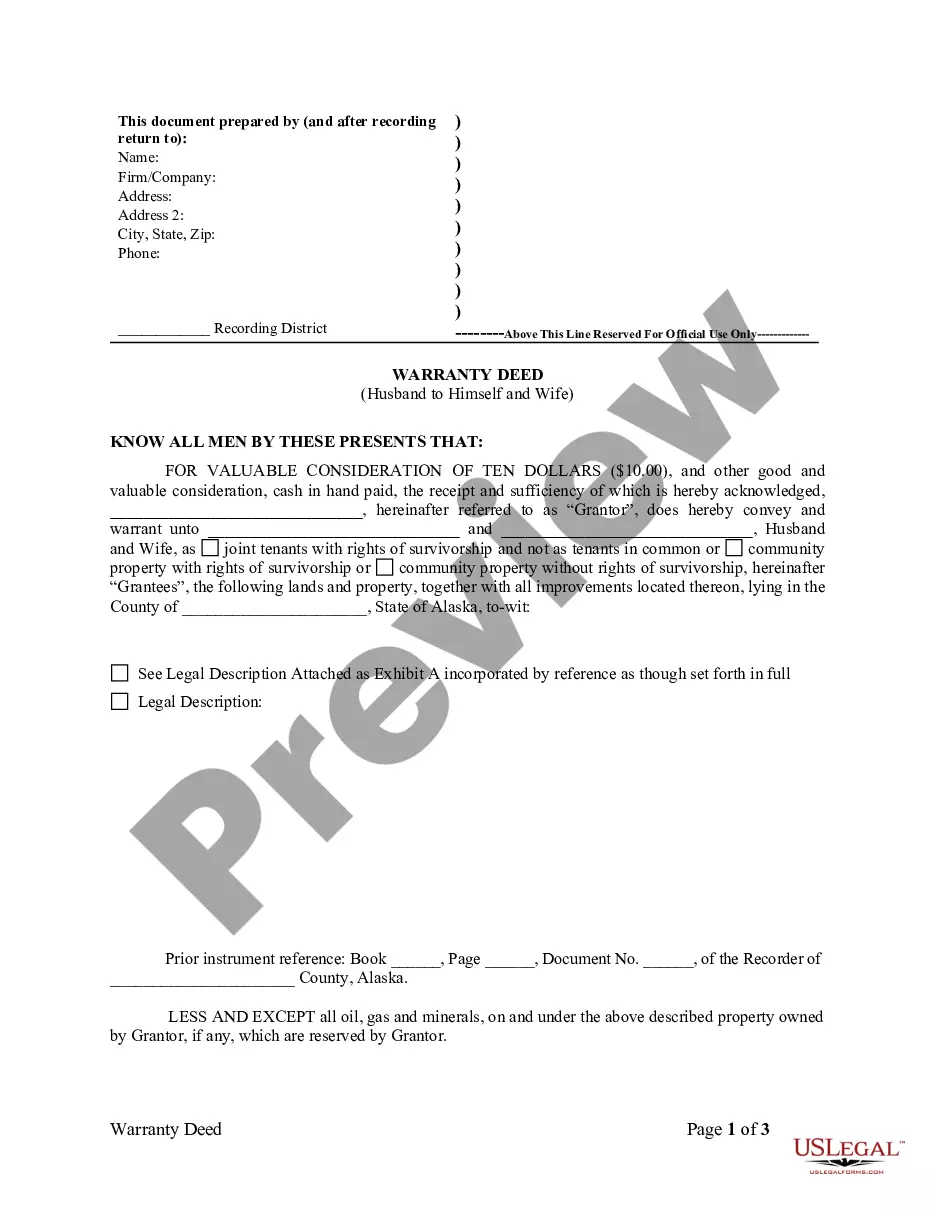
The Warranty Deed from Husband to Himself and Wife is a legal document used to transfer property ownership from a husband to both himself and his wife. This deed establishes joint ownership with rights of survivorship, securing the couple's claim to the property. Unlike general warranty deeds that can involve third parties, this specific deed is tailored for married couples wishing to formally document their joint property ownership while ensuring protections against future claims.
Form components explained
- Identification of the Grantor and Grantees.
- Legal description of the property being transferred.
- Statement of joint tenancy with rights of survivorship.
- Reservation of any mineral rights or easements, if applicable.
- Warranties regarding the title of the property.
- Signature of Grantor and notarization details.





When this form is needed
This form is used when a husband wishes to legally convey property to himself and his wife as joint tenants. Common scenarios include marriage situations where a husband wants to add his wife's name to a property title for estate planning, tax considerations, or to simplify property transfer in the event of death. It is essential for couples wanting to ensure both have equal rights to the property.
Who should use this form
- Married couples looking to establish joint ownership of property.
- Individuals unfamiliar with real estate transactions needing a straightforward transfer process.
- Homeowners wanting to prepare for estate planning and survivorship rights.
How to prepare this document
- Identify the Grantor (husband) and Grantees (husband and wife).
- Enter the legal description of the property in the designated section.
- Specify any easements or mineral rights that are reserved.
- Have the Grantor sign the deed in the designated area.
- Obtain notarization to validate the document.
Notarization guidance
Yes, this form must be notarized to be legally valid. The notarization process helps verify the identities of the parties involved and adds a layer of security and legitimacy to the transaction. US Legal Forms offers integrated online notarization services, allowing you to complete this step conveniently from home via a secure video call.
Get your form ready online
Our built-in tools help you complete, sign, share, and store your documents in one place.
Make edits, fill in missing information, and update formatting in US Legal Forms—just like you would in MS Word.
Download a copy, print it, send it by email, or mail it via USPS—whatever works best for your next step.
Sign and collect signatures with our SignNow integration. Send to multiple recipients, set reminders, and more. Go Premium to unlock E-Sign.
If this form requires notarization, complete it online through a secure video call—no need to meet a notary in person or wait for an appointment.
We protect your documents and personal data by following strict security and privacy standards.

Make edits, fill in missing information, and update formatting in US Legal Forms—just like you would in MS Word.

Download a copy, print it, send it by email, or mail it via USPS—whatever works best for your next step.

Sign and collect signatures with our SignNow integration. Send to multiple recipients, set reminders, and more. Go Premium to unlock E-Sign.

If this form requires notarization, complete it online through a secure video call—no need to meet a notary in person or wait for an appointment.

We protect your documents and personal data by following strict security and privacy standards.
Common mistakes
- Failing to include the correct legal description of the property.
- Not specifying reservations or easements that may affect ownership.
- Neglecting to have the document notarized if required by state law.
Advantages of online completion
- Convenience of instant access and download.
- Editable format to personalize the document to your needs.
- Reliability, knowing the template is drafted by licensed attorneys.
Quick recap
- This form transfers property ownership from a husband to himself and his wife as joint tenants.
- It includes critical warranties regarding the property's title.
- Proper completion and notarization of the form are essential for its legal validity.
- Using this form online offers convenience and access to reliable templates.
Looking for another form?

Form popularity
FAQ
When you buy a home, it is usually the job of your title or escrow agent to file your original deed the document showing that you legally own the property in the appropriate government office in your county. This is called recording your deed.Title agents commit errors, lose deeds, and even go out of business.
A warranty deed guarantees that: The grantor is the rightful owner of the property and has the legal right to transfer the title.The title would withstand third-party claims to ownership of the property. The grantor will do anything to ensure the grantee's title to the property.
No law forbids adding someone to your mortgaged home's deed or in signing your home over to others through one. Mortgage lenders understand deeds, though, and use loan due-on-sale clauses to prevent unauthorized property sales or transfers.
Recording a property interest transfer means that everyone is on notice that the prior owner no longer is responsible for the real estate but that the new owner is in charge.In short, recording a property deed is not just the law; it's a good idea and offers both parties legal protections.
The California warranty deed is a form of deed that provides an unlimited warranty of title. It makes an absolute guarantee that the current owner has good title to the property. The warranty is not limited to the time that the current owner owned the property.
One of the simplest ways to add your wife to the home title is by using an interspousal deed. You can transfer the property from your sole and separate property to mutual tenancy, such as joint tenants with right of survivorship, with your wife.
No, California does not require that the Grantee sign a warranty deed. However, some states and counties require that the deed be signed by the Grantee in addition to the Grantor.
Why are real estate deeds recorded? Recording a deed in the county where the property is located places the document in the public records, providing constructive notice to subsequent purchasers, mortgagers, creditors, and the general public about a conveyance related to a specific parcel of real property.
A deed to real property becomes a public document when it is recorded with the Recorder of Deeds subsequent to delivery and acceptance.Recording is filing them in the county recorder's office and if recorded, the title deed acts as defacto notice to all third parties as to ownership in the property.