Wisconsin Right To Work Statute
Description
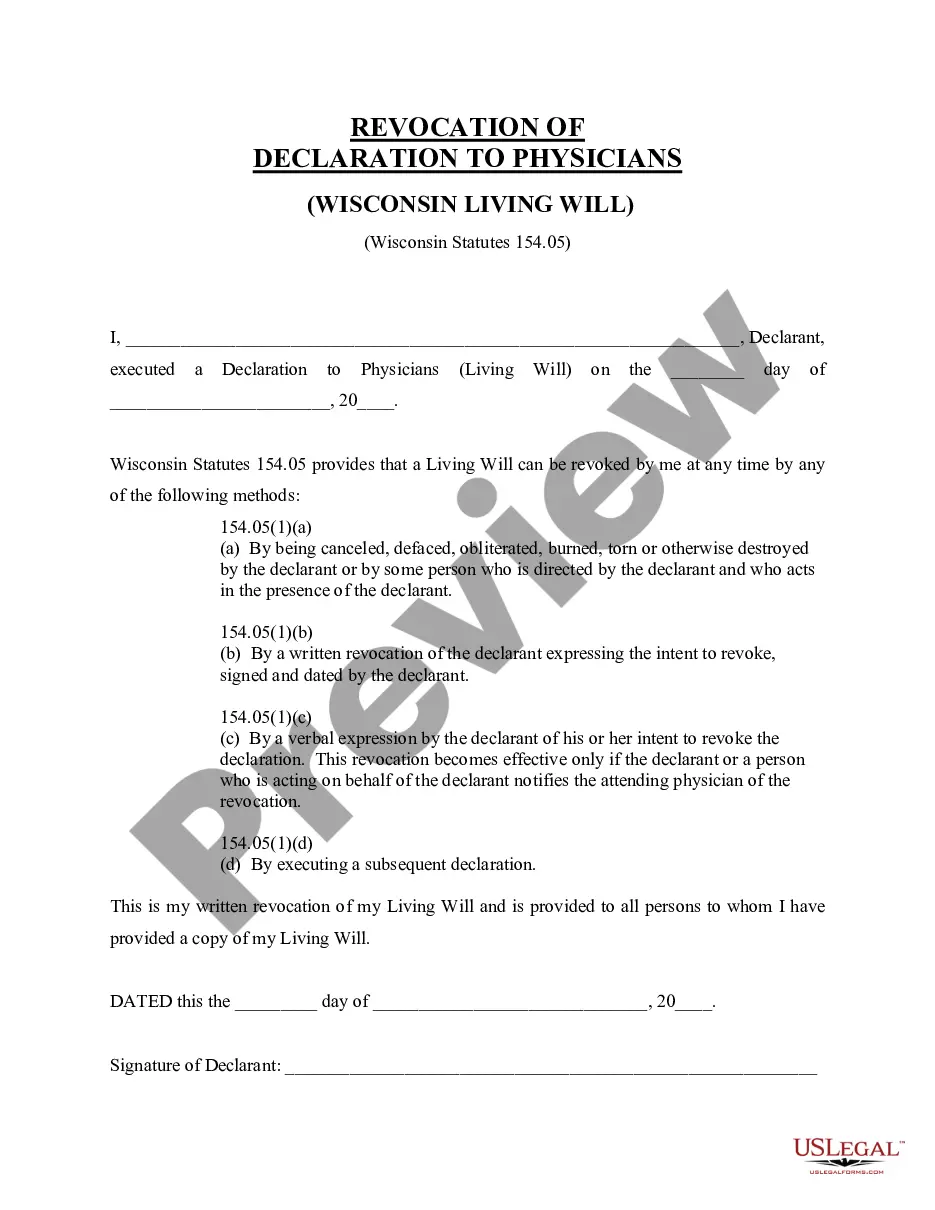

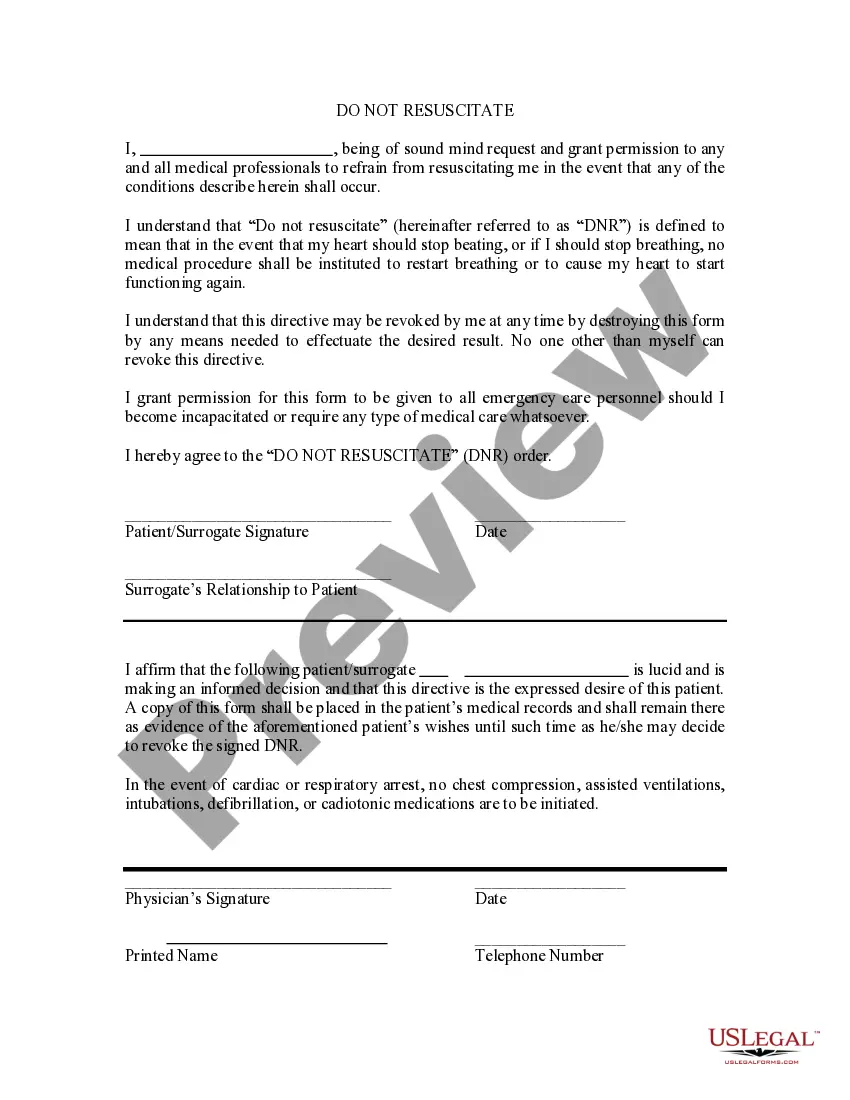
Get your form ready online
Our built-in tools help you complete, sign, share, and store your documents in one place.
Make edits, fill in missing information, and update formatting in US Legal Forms—just like you would in MS Word.
Download a copy, print it, send it by email, or mail it via USPS—whatever works best for your next step.
Sign and collect signatures with our SignNow integration. Send to multiple recipients, set reminders, and more. Go Premium to unlock E-Sign.
If this form requires notarization, complete it online through a secure video call—no need to meet a notary in person or wait for an appointment.
We protect your documents and personal data by following strict security and privacy standards.

Make edits, fill in missing information, and update formatting in US Legal Forms—just like you would in MS Word.

Download a copy, print it, send it by email, or mail it via USPS—whatever works best for your next step.

Sign and collect signatures with our SignNow integration. Send to multiple recipients, set reminders, and more. Go Premium to unlock E-Sign.

If this form requires notarization, complete it online through a secure video call—no need to meet a notary in person or wait for an appointment.

We protect your documents and personal data by following strict security and privacy standards.
Looking for another form?

How to fill out Wisconsin Revocation Of Statutory Living Will?
Acquiring lawful templates that comply with national and local regulations is crucial, and the internet provides numerous choices to select from.
However, what’s the value in squandering time searching for the properly drafted Wisconsin Right To Work Statute sample online if the US Legal Forms digital library already consolidates such templates in one location.
US Legal Forms is the vastest online legal repository with over 85,000 editable templates crafted by attorneys for both professional and personal situations. They are easy to navigate with all documents organized by state and intended use.
- Our experts track legislative changes, ensuring you can always trust your form is current and compliant when obtaining a Wisconsin Right To Work Statute from our site.
- Acquiring a Wisconsin Right To Work Statute is quick and straightforward for both existing and new clients.
- If you possess an account with an active subscription, Log In and download the document sample you need in your preferred format.
- If you're new to our platform, follow the steps provided below.
- Examine the template using the Preview option or through the text outline to confirm it satisfies your requirements.
Form popularity
FAQ
Statutes 111.31 and 111.395 in Wisconsin govern labor relations, focusing on the rights of employees and employers. These statutes outline the rules surrounding collective bargaining and unfair labor practices. They complement the Wisconsin right to work statute by ensuring that employees have the right to choose whether or not to participate in union activities without facing repercussions.
Proof of a legal right-to-work typically includes documentation that demonstrates an individual's employment status and their choice regarding union affiliation. This could be an employment contract indicating that joining a union is not a condition of employment. Knowing your rights under the Wisconsin right to work statute can help you assert your position if disputes arise regarding your employment or union membership.
Statute 995.55 in Wisconsin addresses the enforceability of agreements related to employment. Specifically, this statute emphasizes that no individual should be required to join or remain in a labor organization as a condition of employment. This aligns with the principles established by the Wisconsin right to work statute, ensuring that workers have the freedom to choose their affiliations without coercion.
To file a wrongful termination claim in Wisconsin, you should first gather any evidence of your employment and the circumstances surrounding your termination. Next, consider consulting an attorney who specializes in employment law. They can guide you through the process, which may include filing a complaint with the Equal Employment Opportunity Commission or pursuing a lawsuit. Understanding the Wisconsin right to work statute is crucial, as it outlines your rights as an employee.
Federal prevailing wage floors remain in place for certain federally funded projects. ?Right-to-work? laws: In 2015, Wisconsin became the 25th state to adopt legislation that allows private sector workers to decide whether to pay union dues. Under federal law, unions must represent all employees in a workplace.
The United States Department of Labor does not define full-time employment, so, for Wisconsin, it is up to either the IRS and the Affordable Care Act or, in some cases, employers. THE IRS and the Affordable Care Act define anyone working 30+ hours weekly or 130+ hours monthly as a full-time employee.
Right-to-Work Laws § 111.04. An employer may not require an employee to refrain from joining, affiliating, or supporting ? financially or otherwise ? a union or other labor organization as a condition of employment. Id.
Termination Notices Unless termination of employment is covered under the notification requirements found in the Business Closing Law, there is no requirement either the employer or the employees give any notice.
Wisconsin passed a right to work law in 2015, signed into law by Gov. Scott Walker. The law is similar to those passed in other states.