Types Of Trusts In Wisconsin
Description
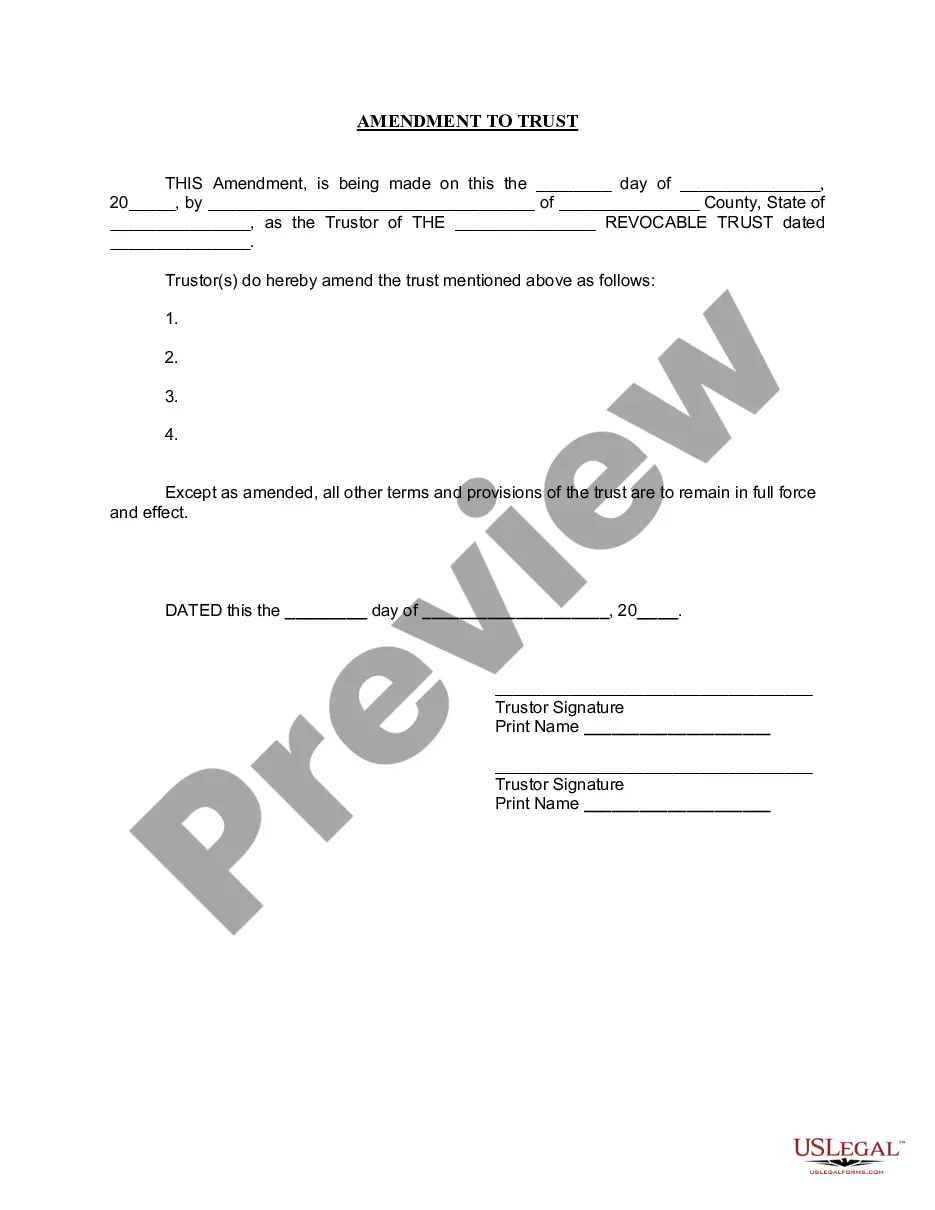
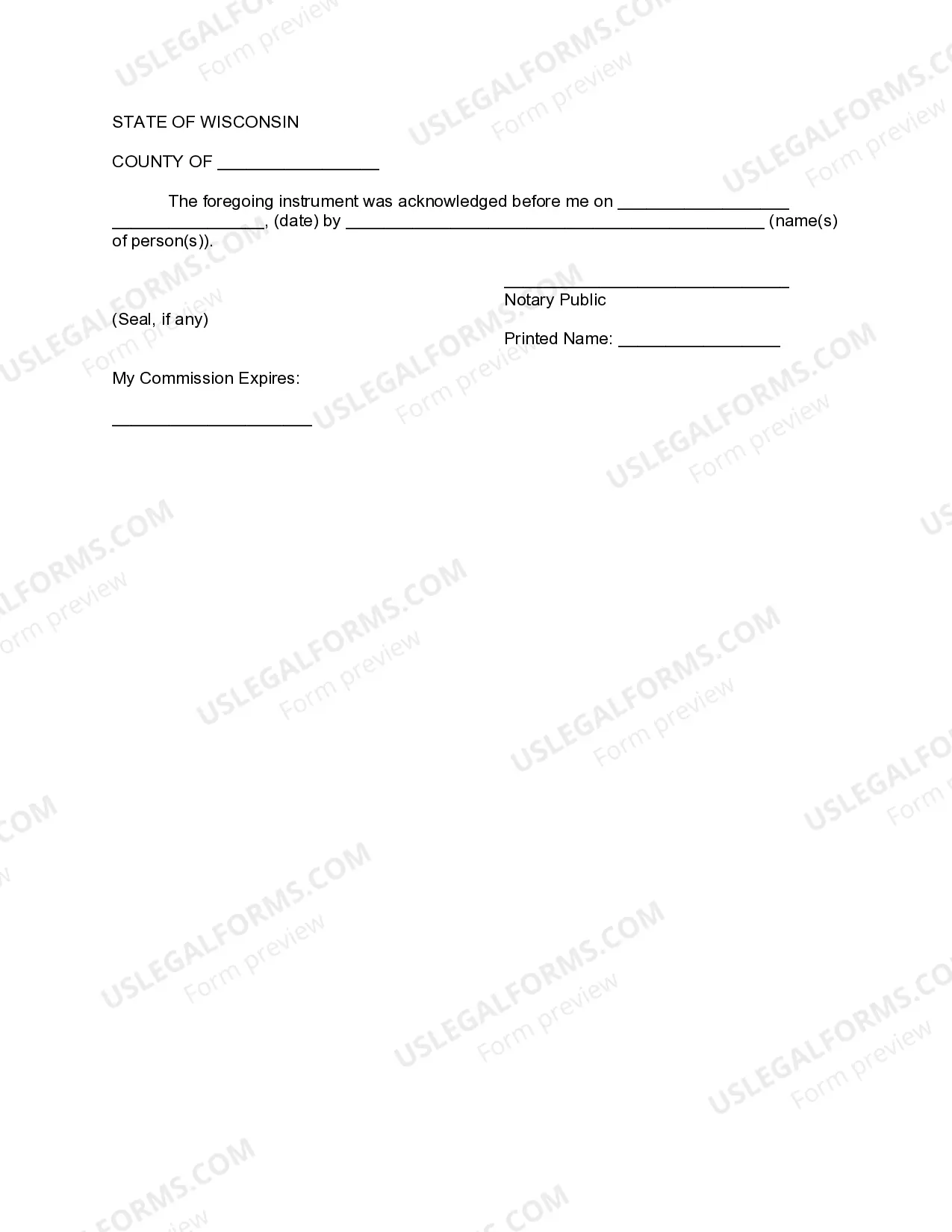


Get your form ready online
Our built-in tools help you complete, sign, share, and store your documents in one place.
Make edits, fill in missing information, and update formatting in US Legal Forms—just like you would in MS Word.
Download a copy, print it, send it by email, or mail it via USPS—whatever works best for your next step.
Sign and collect signatures with our SignNow integration. Send to multiple recipients, set reminders, and more. Go Premium to unlock E-Sign.
If this form requires notarization, complete it online through a secure video call—no need to meet a notary in person or wait for an appointment.
We protect your documents and personal data by following strict security and privacy standards.

Make edits, fill in missing information, and update formatting in US Legal Forms—just like you would in MS Word.

Download a copy, print it, send it by email, or mail it via USPS—whatever works best for your next step.

Sign and collect signatures with our SignNow integration. Send to multiple recipients, set reminders, and more. Go Premium to unlock E-Sign.

If this form requires notarization, complete it online through a secure video call—no need to meet a notary in person or wait for an appointment.

We protect your documents and personal data by following strict security and privacy standards.
Looking for another form?
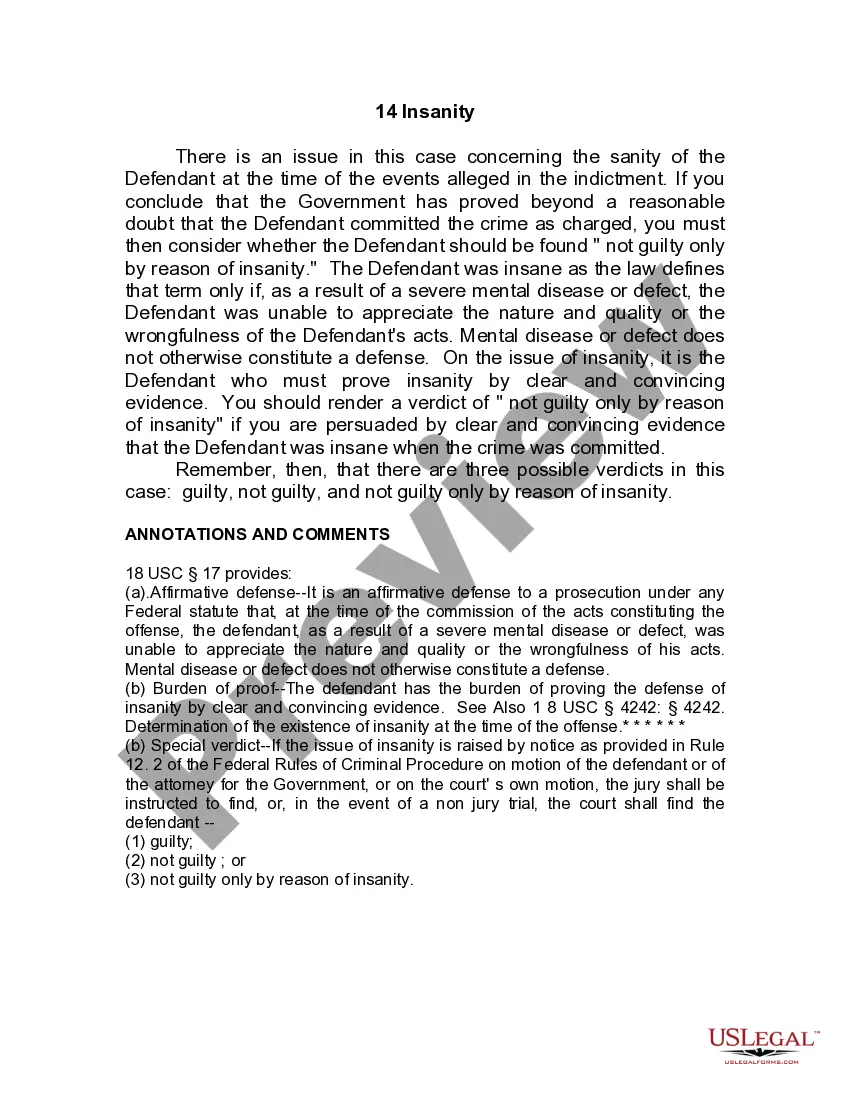
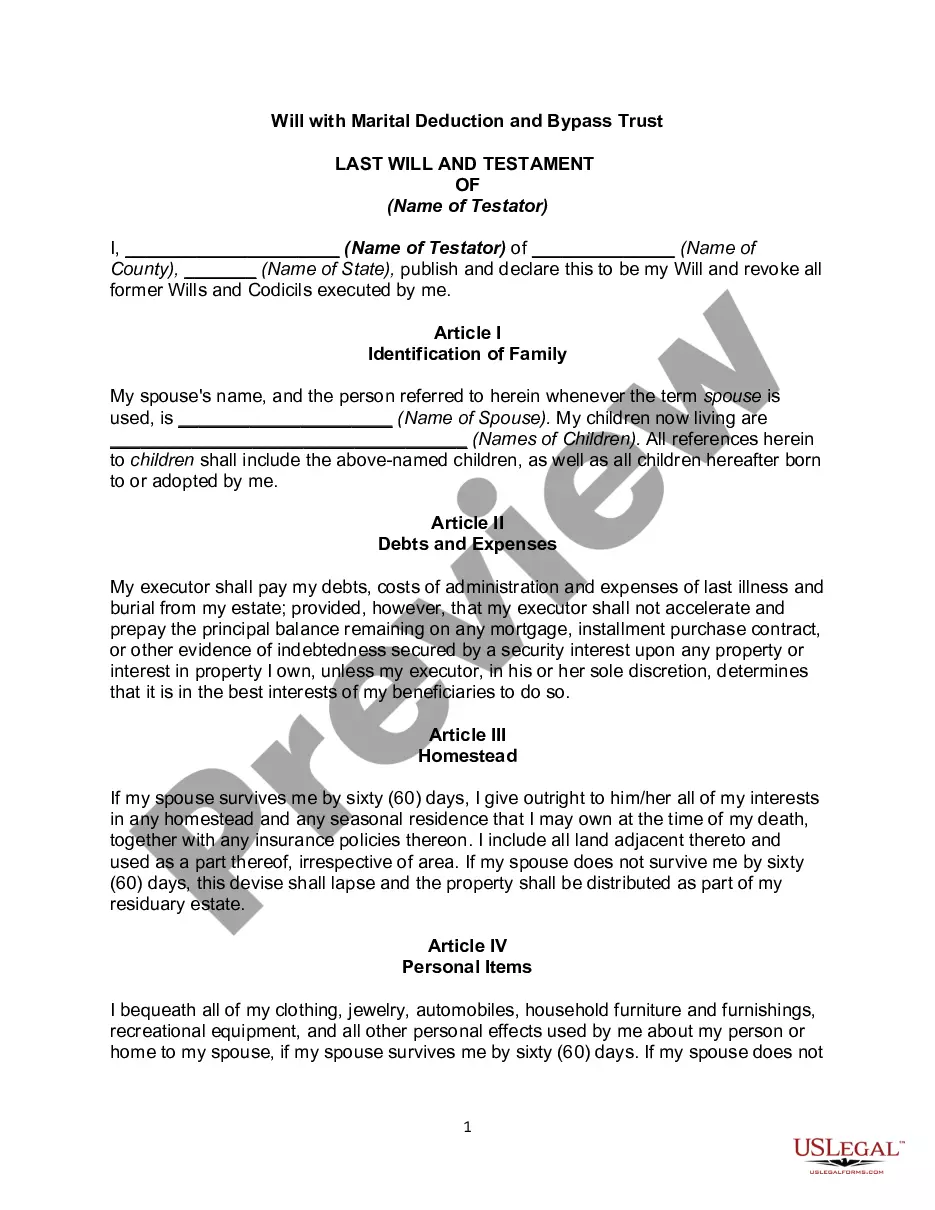


How to fill out Wisconsin Amendment To Living Trust?
Legal administration can be perplexing, even for the most seasoned experts.
When you are seeking Types Of Trusts In Wisconsin and do not have the opportunity to devote time to finding the suitable and current version, the procedures can be overwhelming.
With US Legal Forms, you can access state- or county-specific legal and organizational documents.
It addresses any requirements you may have, from personal to business paperwork, all in one location.
Here are the steps to follow after obtaining the form you want.
- Access a knowledge base of articles, guidelines, handbooks, and resources related to your situation and needs.
- Save time and effort finding the documents you require, and use US Legal Forms’ innovative search and Preview tool to obtain Types Of Trusts In Wisconsin.
- If you have a subscription, Log In to your US Legal Forms account, search for the document, and obtain it.
- Check the My documents tab to view the documents you have previously saved and manage your folders as necessary.
- If this is your first experience with US Legal Forms, create an account and gain unlimited access to all the platform's advantages.
- A robust online form repository could be a significant advantage for anyone wishing to navigate these situations proficiently.
- US Legal Forms is a leader in the online legal form sector, providing over 85,000 state-specific legal documents accessible at any time.
- Utilize advanced features to complete and manage your Types Of Trusts In Wisconsin.
Form popularity
FAQ
Whether a revocable trust is better than an irrevocable trust depends on your specific needs and goals in Wisconsin. Revocable trusts offer flexibility and control, allowing you to adapt your plan as needed. However, irrevocable trusts provide tax benefits and asset protection that a revocable trust cannot. Evaluating your financial situation and consulting with an expert can help determine the best option for your estate planning.
A revocable trust becomes irrevocable when the trust creator, known as the grantor, passes away or if they decide to make it irrevocable during their lifetime. At this point, the terms of the trust can no longer be altered, and the assets within the trust are managed according to the established provisions. Understanding this transition is crucial when planning your estate, as it affects how assets are distributed and managed in Wisconsin.
The primary difference between a revocable trust and an irrevocable trust in Wisconsin lies in their flexibility and control. With a revocable trust, you maintain ownership and can make changes as your circumstances evolve. In contrast, an irrevocable trust transfers ownership of the assets, which means you cannot alter it without the consent of the beneficiaries. This distinction affects how each trust impacts your estate taxes and asset protection strategies.
In Wisconsin, the three common types of trusts are revocable trusts, irrevocable trusts, and testamentary trusts. Revocable trusts provide flexibility, as you can modify or revoke them during your lifetime. Irrevocable trusts, on the other hand, cannot be easily changed once established, offering potential tax benefits and asset protection. Lastly, testamentary trusts arise upon your death, as specified in your will, and help manage your estate according to your wishes.
Filling a trust in Wisconsin involves identifying assets to transfer into the trust, preparing a trust document, and designating trustees and beneficiaries. It's essential to clearly outline how assets will be managed and distributed. Additionally, you may want to consider using platforms like US Legal Forms for appropriate templates and legal guidance tailored to your needs. This can simplify the process and help you make informed choices.
The three primary types of trusts, especially relevant in Wisconsin, include revocable living trusts, irrevocable trusts, and special needs trusts. Revocable living trusts help manage assets during your lifetime and provide clear instructions after your passing. Irrevocable trusts serve to safeguard assets from taxation and creditors, while special needs trusts ensure that individuals with disabilities retain benefits and receive proper care. Consider your specific circumstances when choosing the right option.
Whether a revocable or irrevocable trust is better for you largely depends on your goals. Revocable trusts offer the flexibility to make changes as your circumstances evolve. In contrast, irrevocable trusts can provide robust asset protection and tax benefits, but require a commitment as they cannot be changed easily. Evaluating your priorities will help you decide which type aligns with your planning needs.
The three different types of trusts commonly recognized in Wisconsin include revocable trusts, irrevocable trusts, and testamentary trusts. Revocable trusts allow for changes during the grantor's lifetime. Irrevocable trusts provide stability and tax advantages, while testamentary trusts come into effect following the grantor’s death as part of a will. Understanding each type can guide you in selecting the one that fits your needs.
The best type of trust in Wisconsin often depends on your specific needs and goals. Revocable living trusts are popular for estate planning, offering flexibility and control. On the other hand, irrevocable trusts may be beneficial for those looking to protect assets from creditors and reduce tax obligations. It's essential to evaluate your situation and possibly consult with a specialist for tailored advice.
When deciding between revocable and irrevocable trusts in Wisconsin, consider your financial goals and personal circumstances. A revocable trust allows you to maintain control over your assets during your lifetime, as you can modify or revoke it at any time. In contrast, irrevocable trusts provide potential tax benefits and asset protection, as they cannot be altered once established. Ultimately, the best choice depends on what you want to achieve.