Wisconsin Intestate Succession Forms
Description
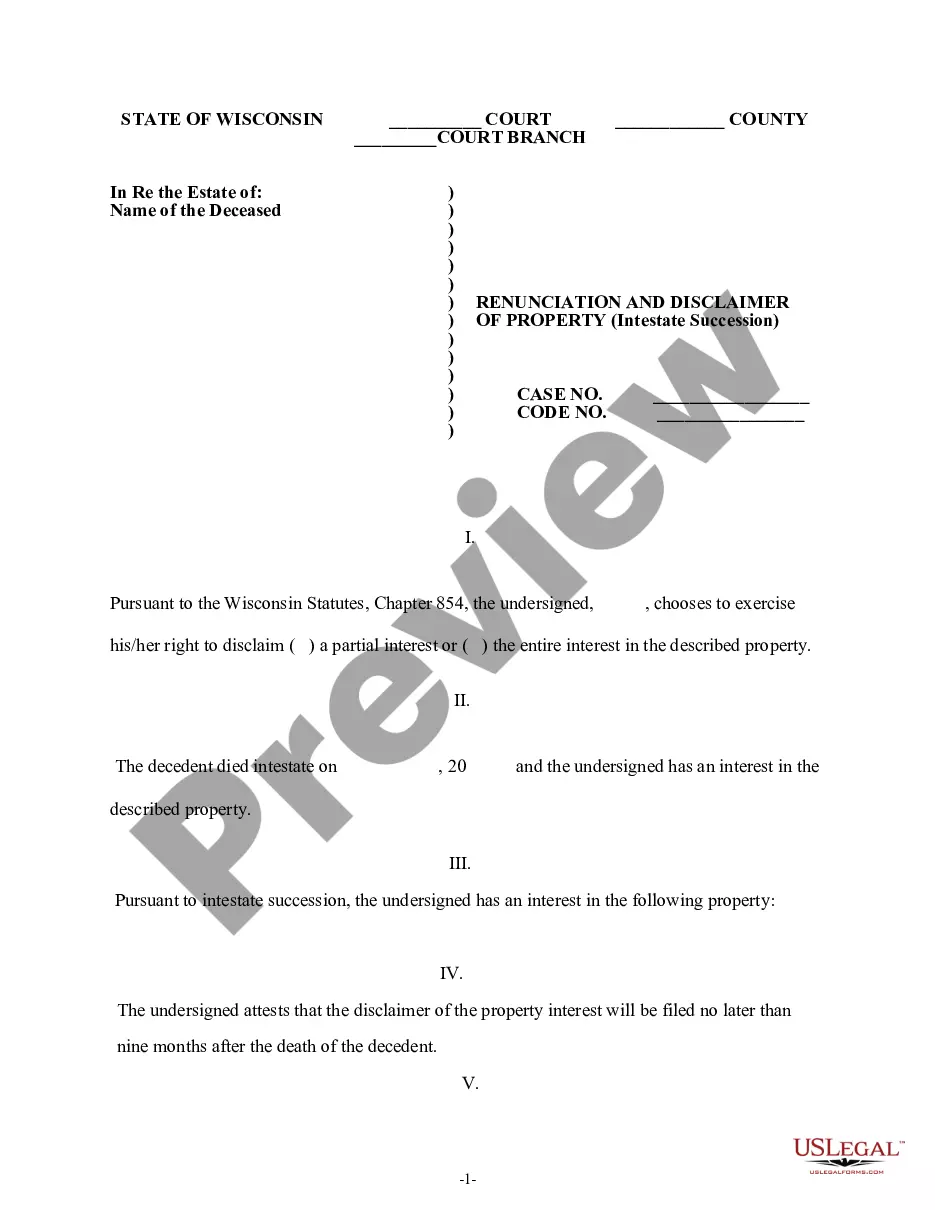
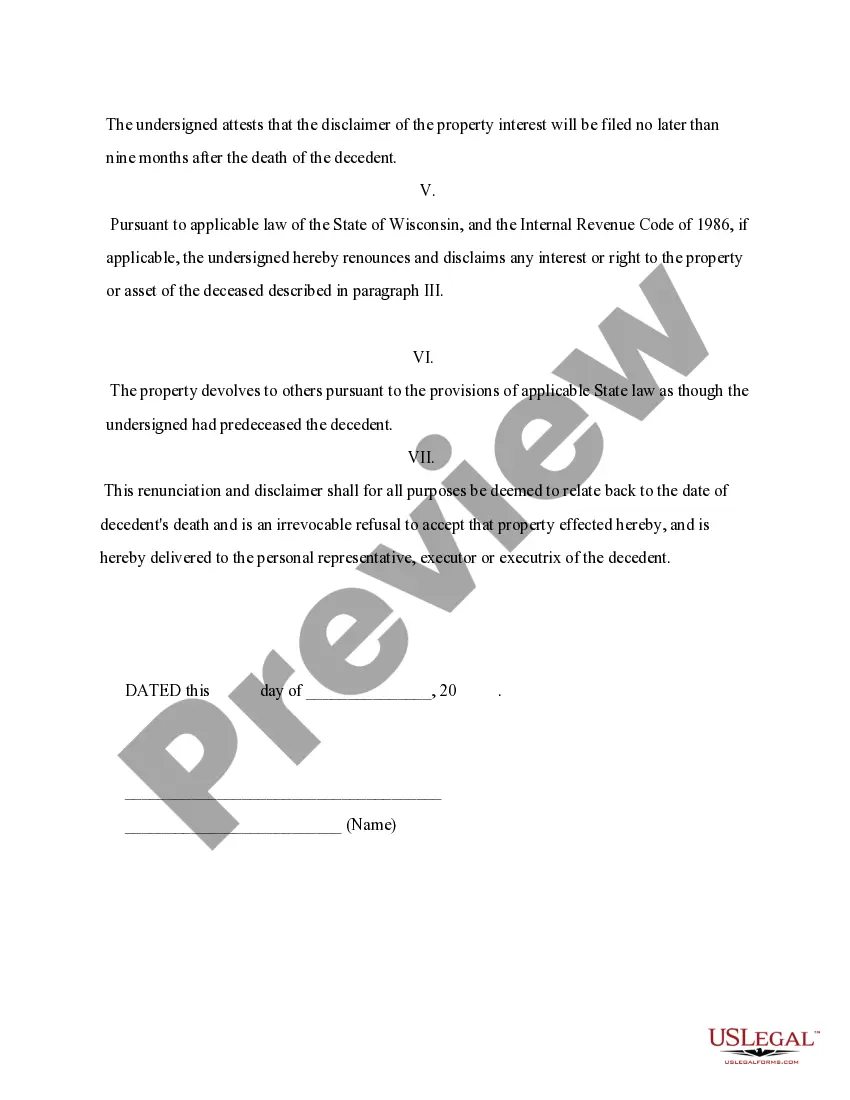
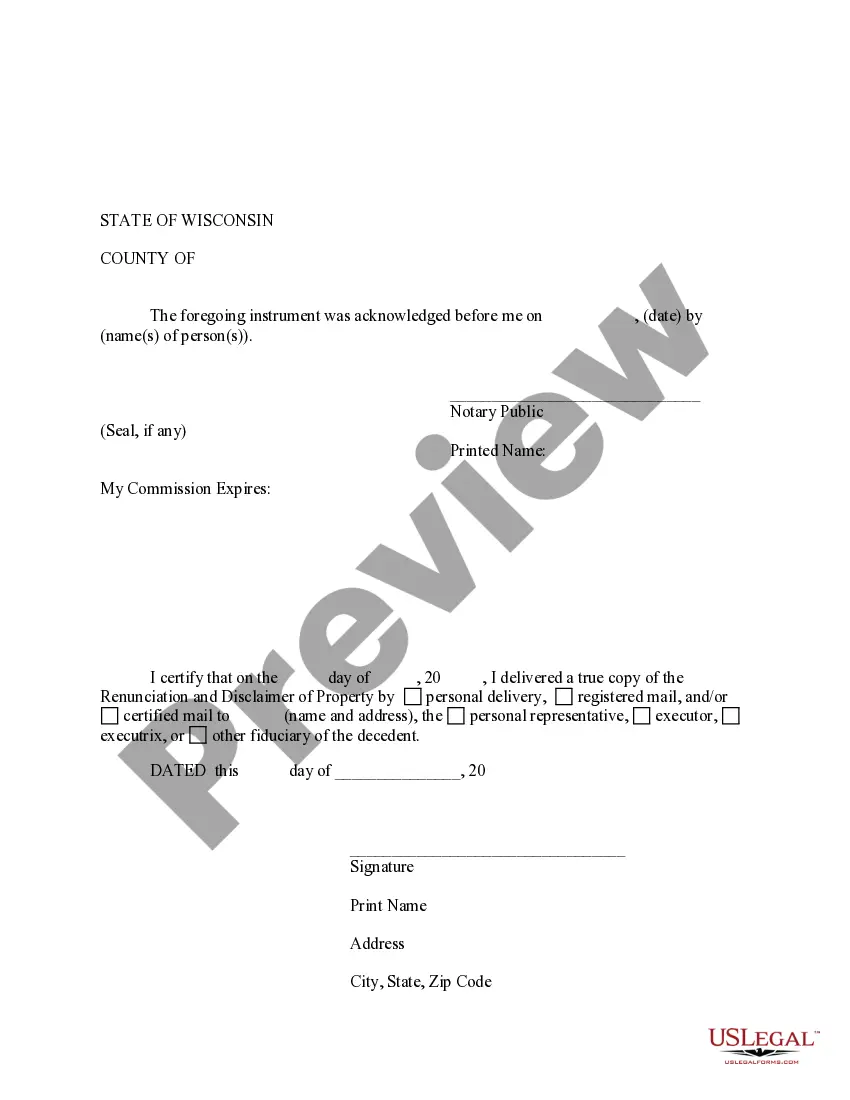
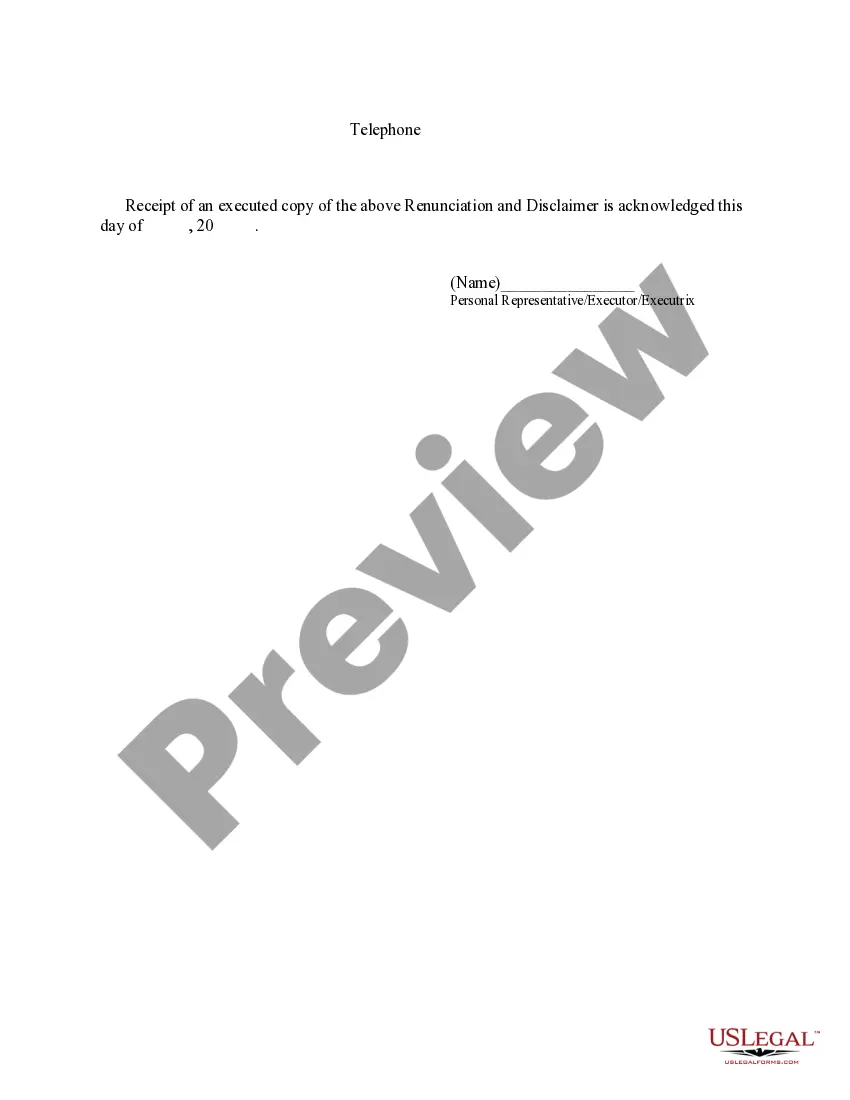
Get your form ready online
Our built-in tools help you complete, sign, share, and store your documents in one place.
Make edits, fill in missing information, and update formatting in US Legal Forms—just like you would in MS Word.
Download a copy, print it, send it by email, or mail it via USPS—whatever works best for your next step.
Sign and collect signatures with our SignNow integration. Send to multiple recipients, set reminders, and more. Go Premium to unlock E-Sign.
If this form requires notarization, complete it online through a secure video call—no need to meet a notary in person or wait for an appointment.
We protect your documents and personal data by following strict security and privacy standards.

Make edits, fill in missing information, and update formatting in US Legal Forms—just like you would in MS Word.

Download a copy, print it, send it by email, or mail it via USPS—whatever works best for your next step.

Sign and collect signatures with our SignNow integration. Send to multiple recipients, set reminders, and more. Go Premium to unlock E-Sign.

If this form requires notarization, complete it online through a secure video call—no need to meet a notary in person or wait for an appointment.

We protect your documents and personal data by following strict security and privacy standards.
Looking for another form?




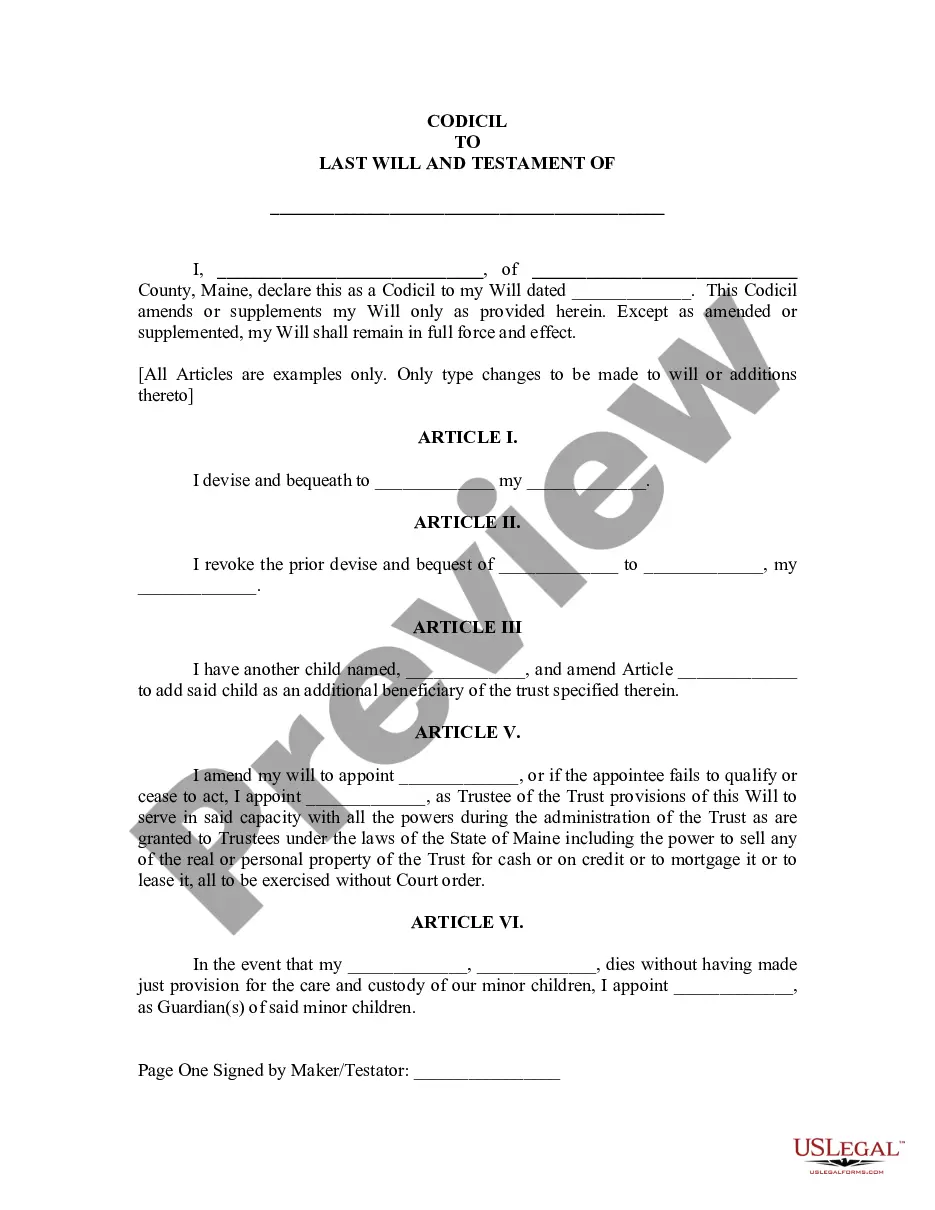

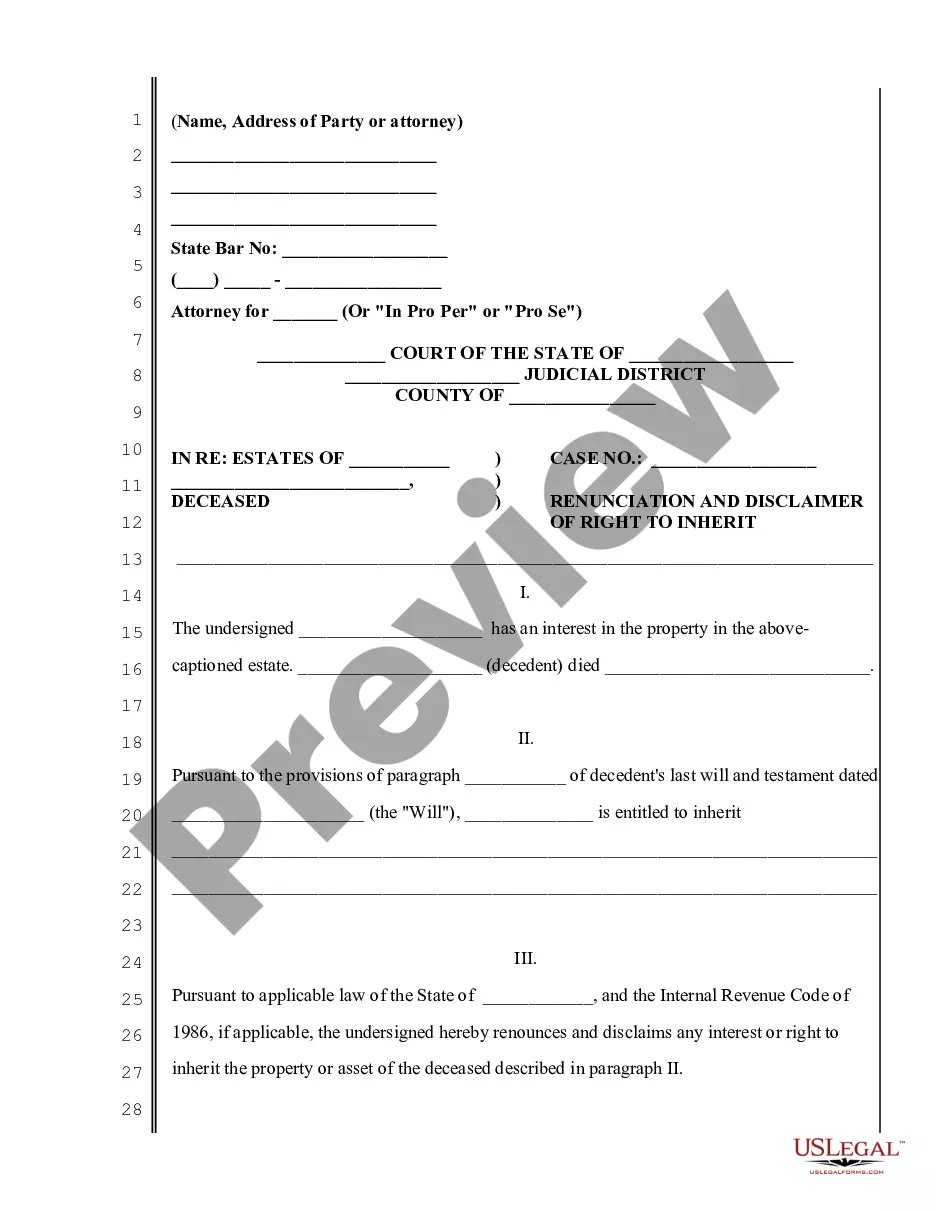
How to fill out Wisconsin Renunciation And Disclaimer Of Property Received By Intestate Succession?
There's no longer a requirement to spend hours hunting for legal documents to adhere to your local state rules.
US Legal Forms has assembled all of them in one location and simplified their accessibility.
Our platform offers more than 85,000 templates for any business and personal legal matters categorized by state and area of application. All forms are properly crafted and validated for authenticity, allowing you to feel assured in acquiring an updated Wisconsin Intestate Succession Forms.
Preparing legal documentation in accordance with federal and state laws and regulations is quick and straightforward with our platform. Experience US Legal Forms now to keep your paperwork organized!
- If you are acquainted with our service and already possess an account, you must verify that your subscription is valid before acquiring any templates.
- Log In to your account, choose the document, and click Download.
- You can also revisit all obtained documents whenever necessary by navigating to the My documents tab in your profile.
- If you haven't utilized our service previously, the procedure will require additional steps to finalize.
- Here's how new users can access the Wisconsin Intestate Succession Forms in our catalog.
- Review the page content meticulously to ensure it includes the sample you need.
- To do this, utilize the form description and preview options if available.
- Use the search field above to find another template if the current one does not meet your needs.
- Once you find the suitable template, click Buy Now next to the template title.
- Choose the most suitable subscription plan and create an account or Log In.
- Make a payment for your subscription using a credit card or via PayPal to continue.
- Select the file format for your Wisconsin Intestate Succession Forms and download it to your device.
- Print your form to complete it by hand or upload the sample if you prefer to do it in an online editor.
Form popularity
FAQ
In Wisconsin, there isn't a specific dollar threshold that must be met for an estate to go to probate. Generally, if an estate includes property or assets that need to be distributed by law, it will likely go through probate regardless of its value. Utilizing Wisconsin intestate succession forms can help clarify what assets require probate processing. Understanding these requirements can make the entire process smoother and ensure you comply with state laws.
In Wisconsin, creditors generally have a three-month period after a death to make claims against the estate. This timeframe allows creditors to assert their rights to payment, providing a clear timeline for settling debts. If you’re managing an estate, utilizing Wisconsin intestate succession forms can help you navigate creditor claims effectively. Being informed about these timelines ensures both you and the creditors maintain clarity throughout the probate process.
Not every will goes through probate in Wisconsin. For instance, if the estate is below a certain value or consists solely of assets that transfer outside of probate, such as joint ownership or beneficiary designations, probate may be unnecessary. However, for many estates, utilizing Wisconsin intestate succession forms can help ensure smooth handling of assets. It's wise to consult with a professional to determine the best approach for your specific situation.
A PR bond, or Personal Representative bond, is a financial guarantee in Wisconsin that protects the estate's assets while it undergoes the probate process. If you're handling an estate, you may need this bond to ensure you manage the assets responsibly. Using Wisconsin intestate succession forms can simplify the paperwork, guiding you through the requirements for obtaining the bond. To avoid complications, understanding this bond is crucial when dealing with an estate.
Filling out a probate form involves gathering relevant information, such as details about the deceased and their assets. It is essential to accurately complete Wisconsin intestate succession forms to ensure compliance with legal requirements. Take your time to provide all necessary information and consult legal resources if needed for guidance. Properly filled forms can make a significant difference in the key steps of the probate process.
Proof of heirship in Wisconsin refers to documentation that establishes relationships among heirs when someone dies without a will. This may include birth certificates, marriage licenses, and Wisconsin intestate succession forms that outline the heirs’ status according to state laws. This proof is essential in distributing the deceased's estate accurately and legally. Having these documents prepared can significantly ease the probate process.
While your question pertains to Virginia, a general understanding is valuable. In many states, including Wisconsin, assets like jointly held property and certain trust funds often avoid probate. Familiarizing yourself with these exemptions is crucial for efficient estate planning, regardless of the state. Utilizing Wisconsin intestate succession forms can help streamline the process for assets that do need to go through probate.
Certain assets in Wisconsin can bypass probate altogether, including jointly owned properties, life insurance policies with beneficiaries, and retirement accounts. These items directly transfer to the listed beneficiaries upon death. Understanding which assets fall outside probate can help you effectively manage your estate planning. Using Wisconsin intestate succession forms can help clarify any remaining assets that need to be probated.
When a person dies without a will in Wisconsin, the state intestacy laws dictate how their estate is divided. The process involves using Wisconsin intestate succession forms to determine heirs and distribute assets according to a set order. This method can sometimes lead to unexpected outcomes if family dynamics are complex. Utilizing the right forms can streamline the probate process and reduce confusion.
In Wisconsin, if someone dies without a will, the order of intestate succession typically begins with the spouse and children. If there are no children, the estate moves to immediate family, such as parents or siblings. Understanding Wisconsin intestate succession forms can provide clarity on how assets are distributed if a will is absent. Always consider consulting legal resources for accurate guidance.
