Limited Liability Company With One Member
Description



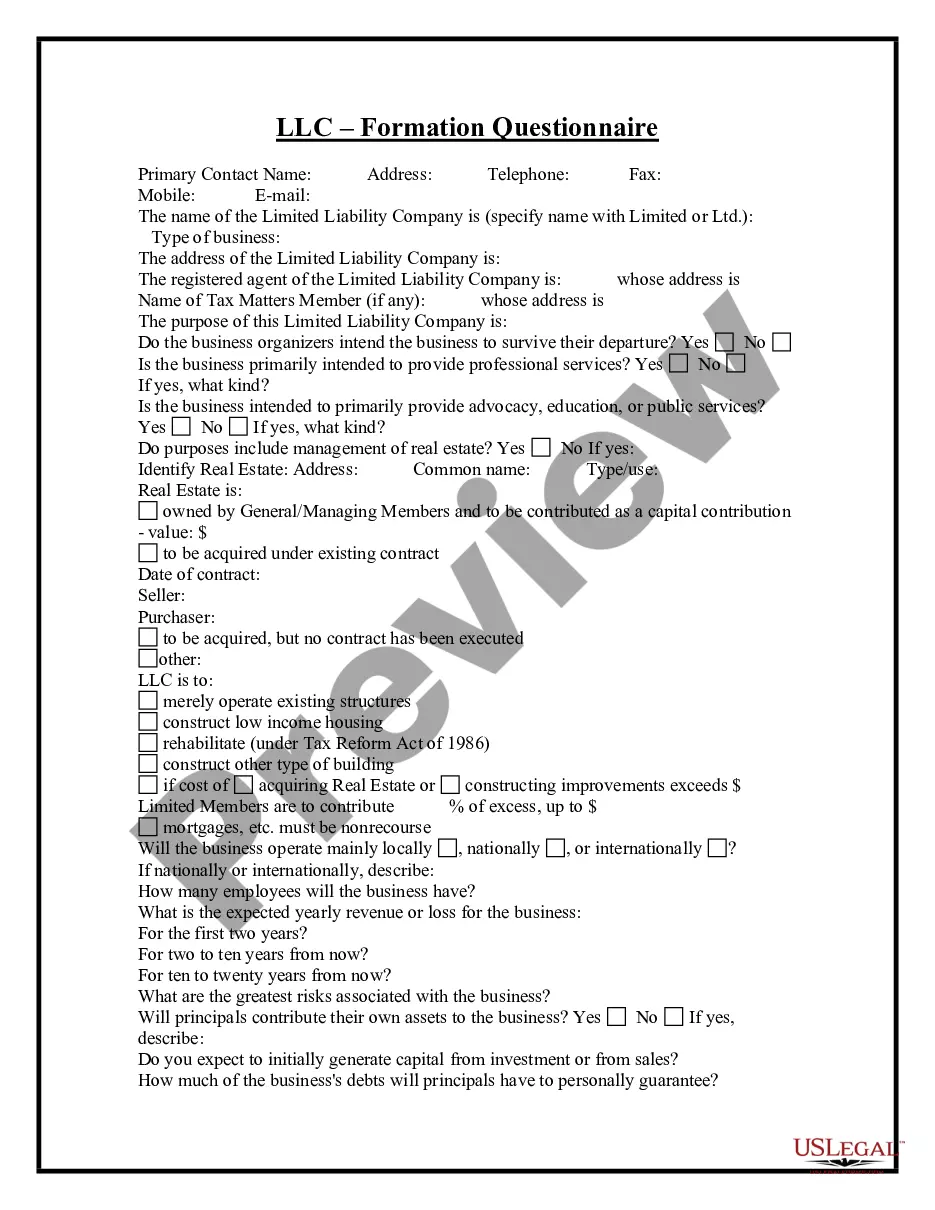
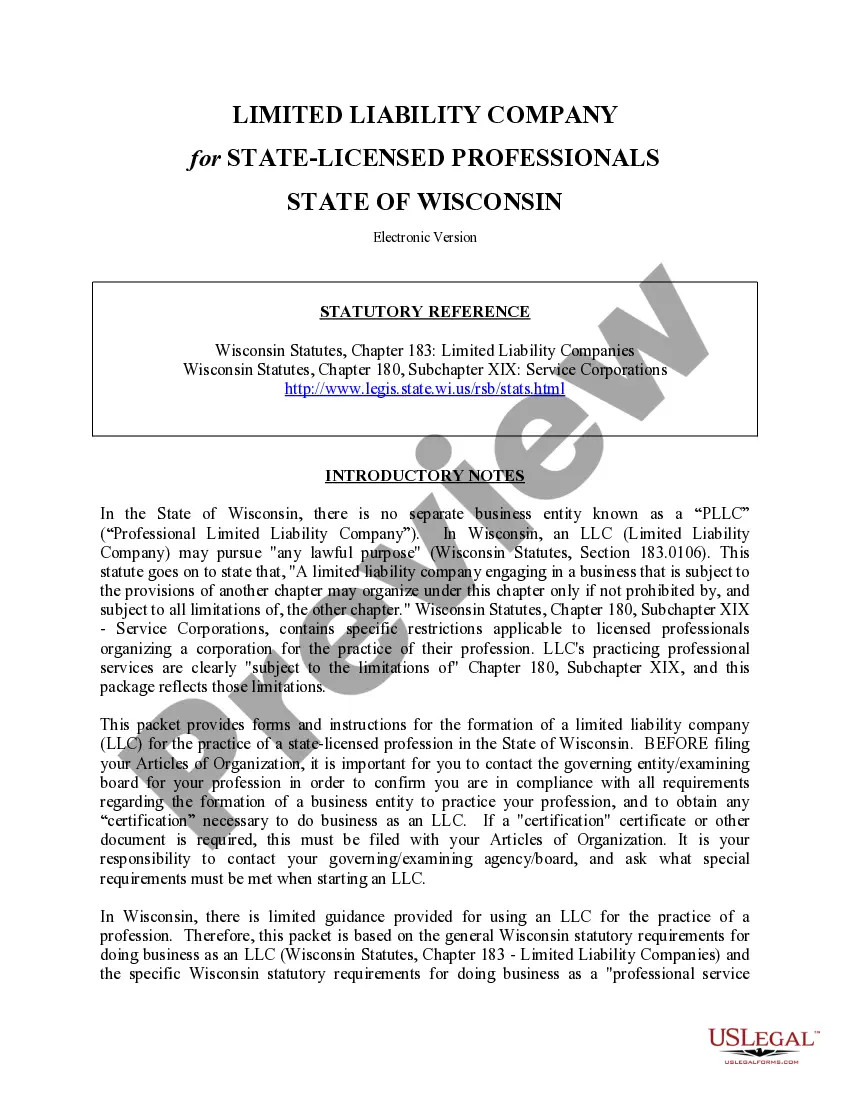
Get your form ready online
Our built-in tools help you complete, sign, share, and store your documents in one place.
Make edits, fill in missing information, and update formatting in US Legal Forms—just like you would in MS Word.
Download a copy, print it, send it by email, or mail it via USPS—whatever works best for your next step.
Sign and collect signatures with our SignNow integration. Send to multiple recipients, set reminders, and more. Go Premium to unlock E-Sign.
If this form requires notarization, complete it online through a secure video call—no need to meet a notary in person or wait for an appointment.
We protect your documents and personal data by following strict security and privacy standards.

Make edits, fill in missing information, and update formatting in US Legal Forms—just like you would in MS Word.

Download a copy, print it, send it by email, or mail it via USPS—whatever works best for your next step.

Sign and collect signatures with our SignNow integration. Send to multiple recipients, set reminders, and more. Go Premium to unlock E-Sign.

If this form requires notarization, complete it online through a secure video call—no need to meet a notary in person or wait for an appointment.

We protect your documents and personal data by following strict security and privacy standards.
Looking for another form?



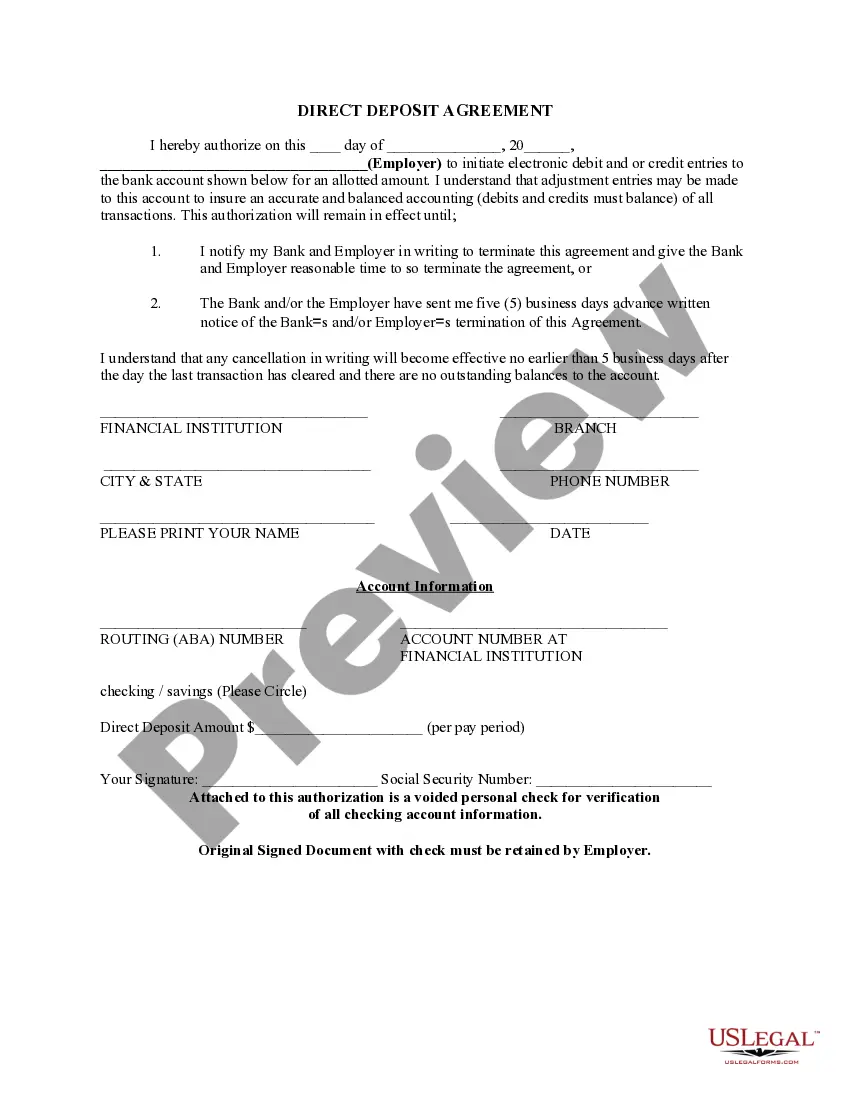






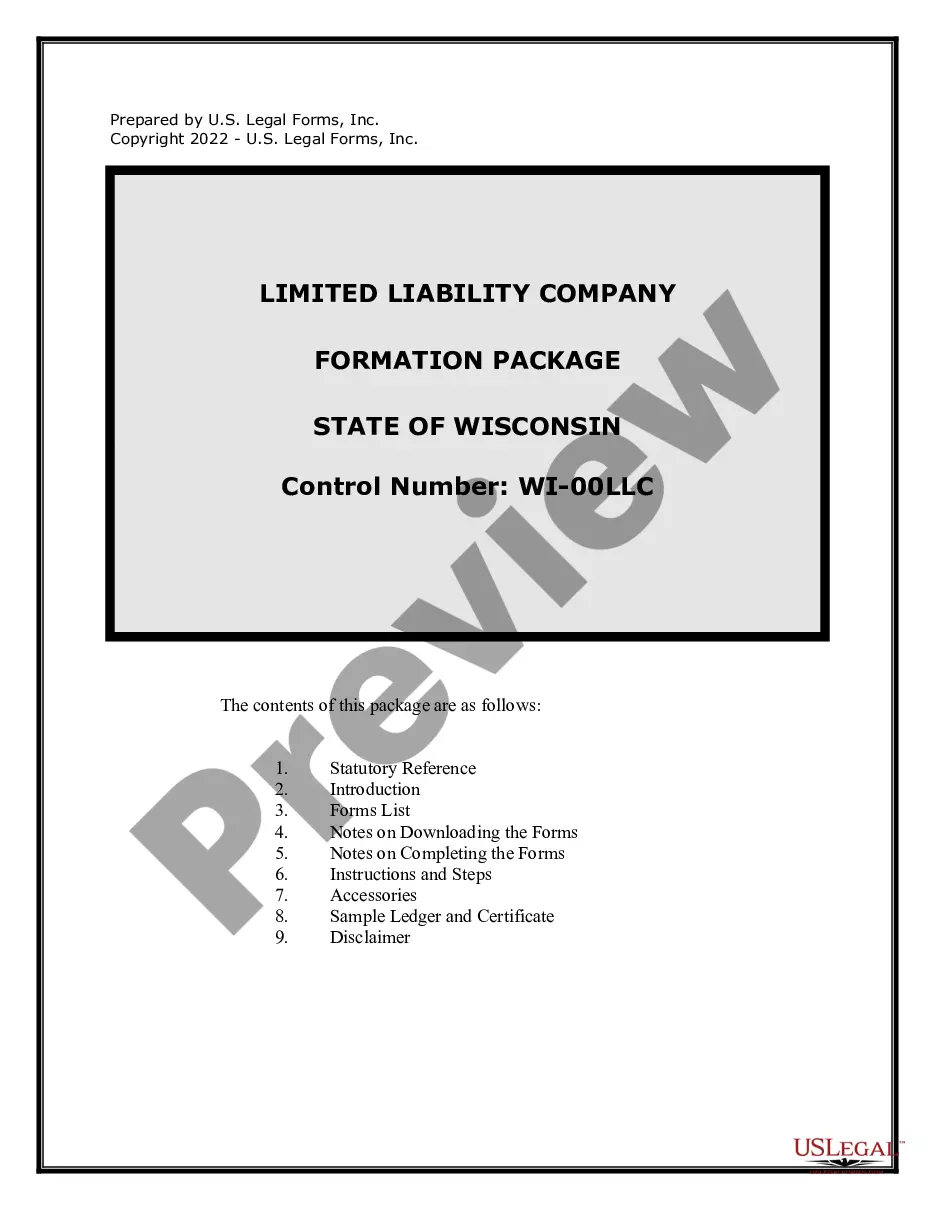
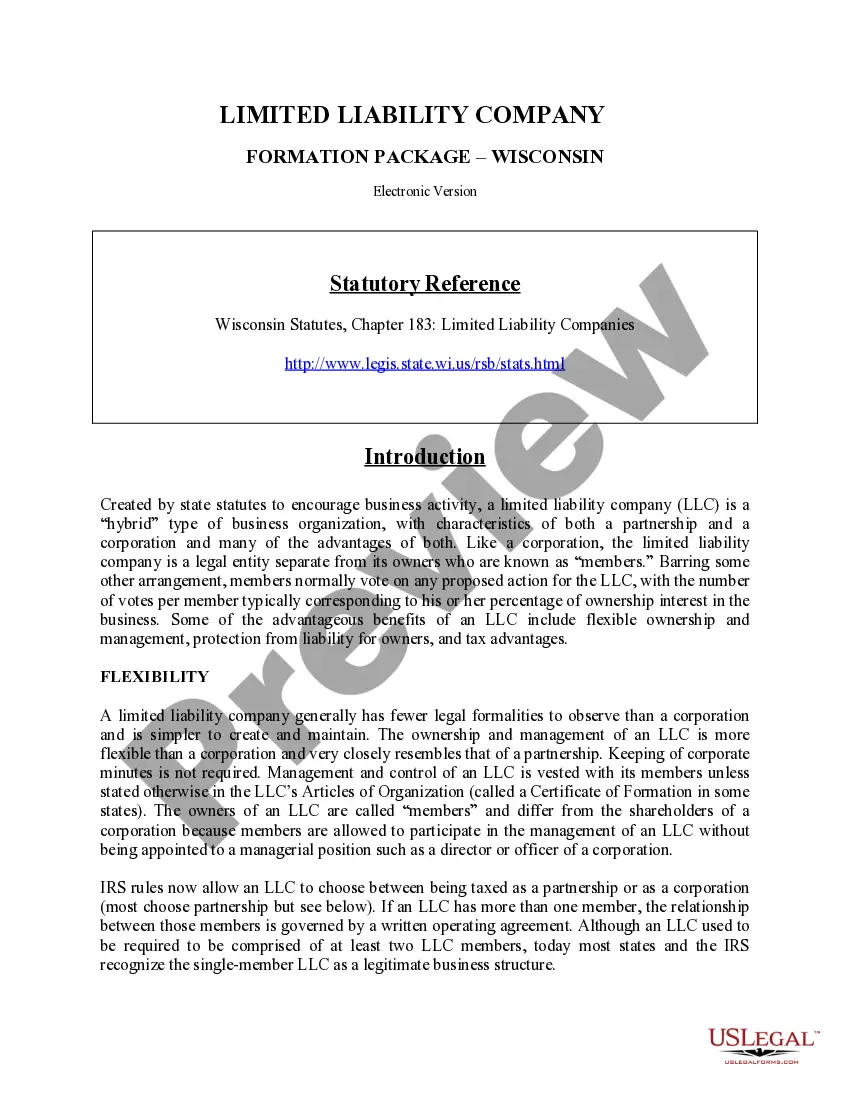
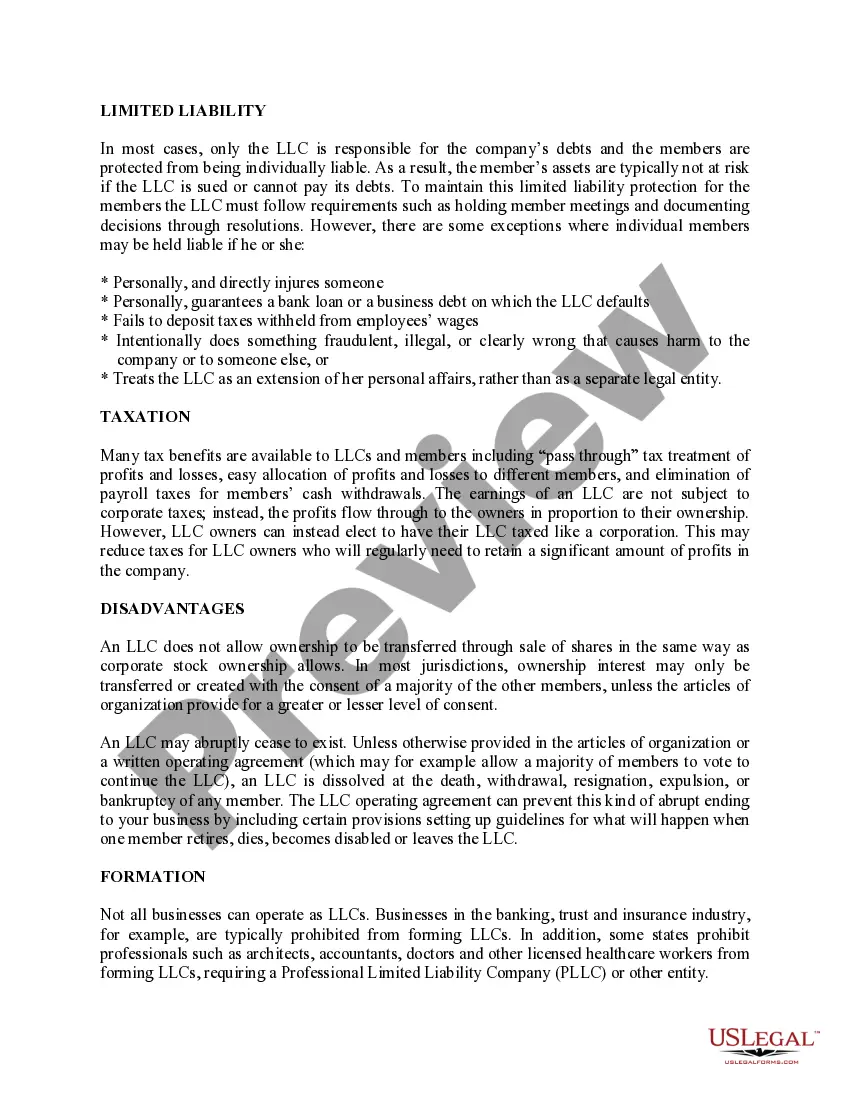
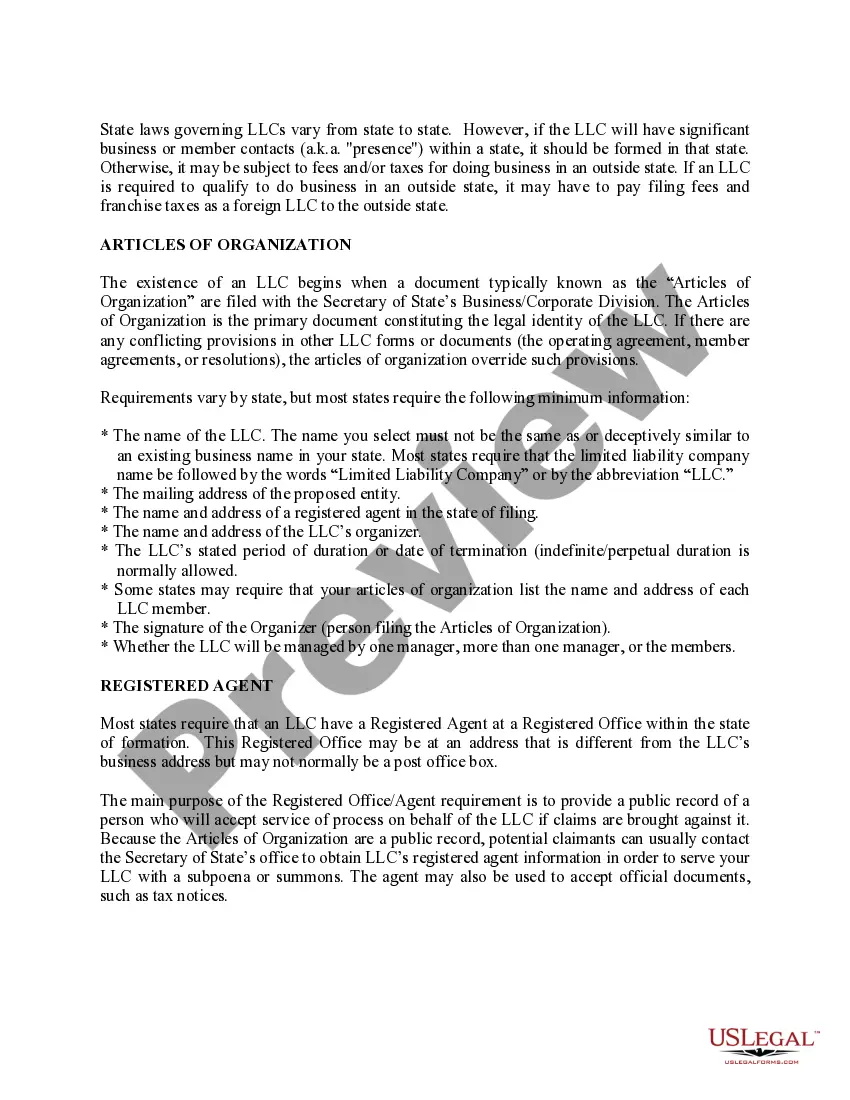
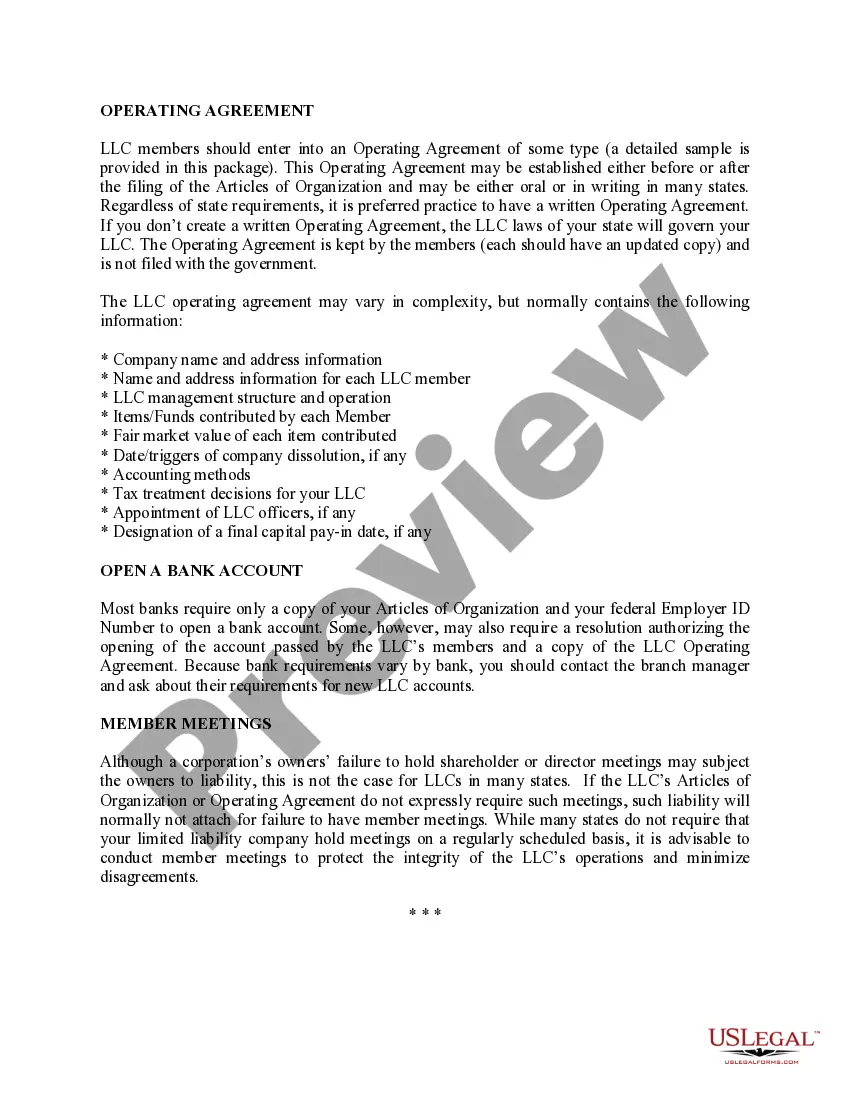
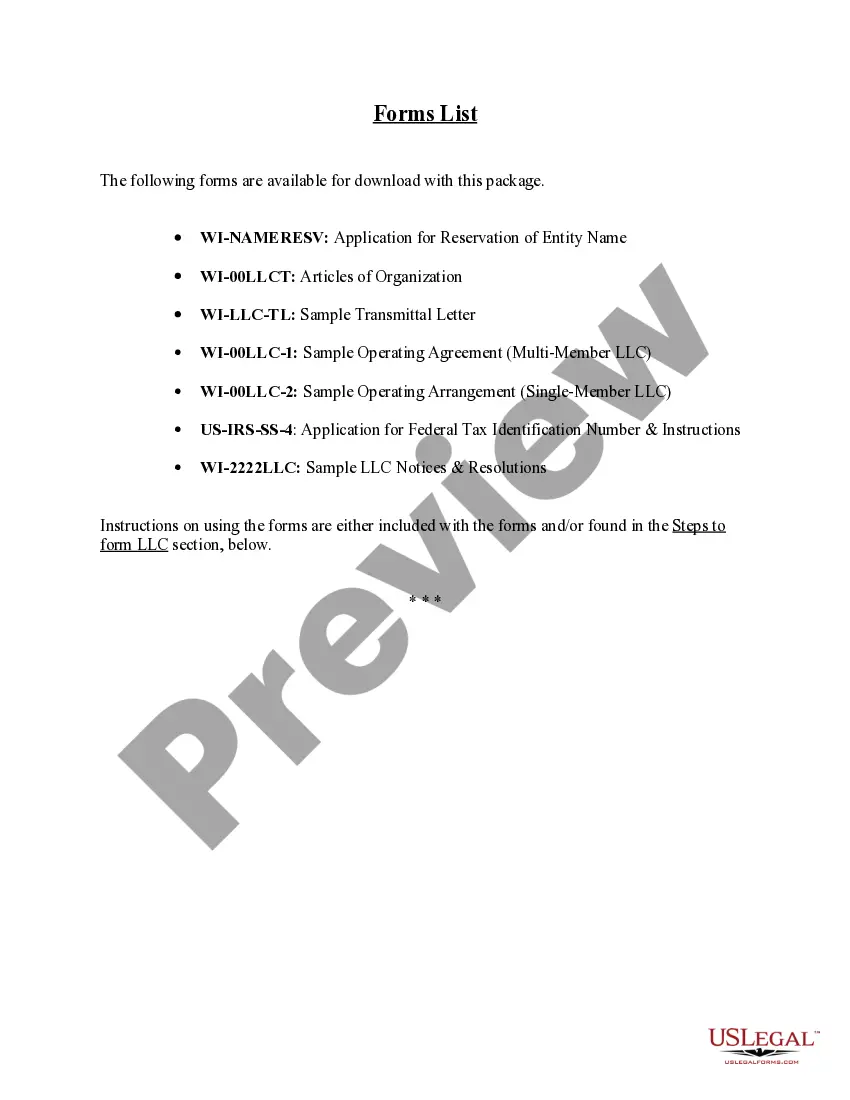
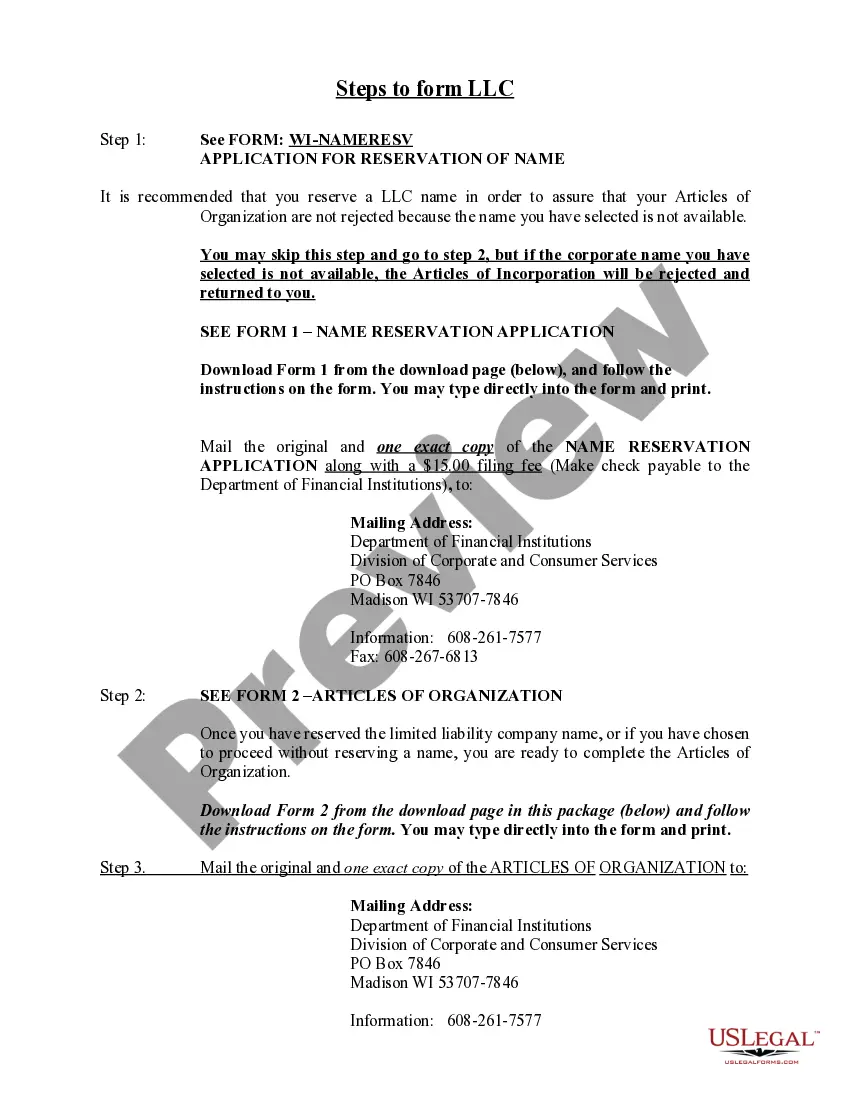
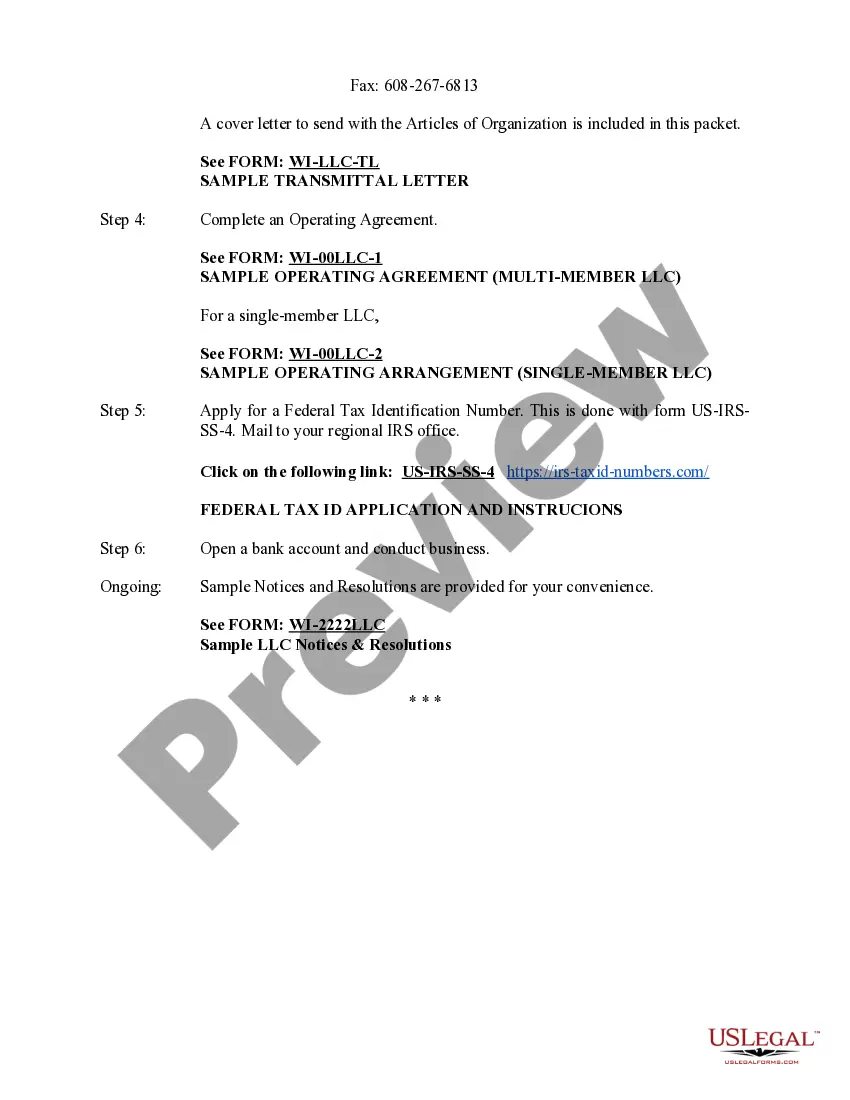
How to fill out Wisconsin Limited Liability Company LLC Formation Package?
- If you have previously used US Legal Forms, log in to your account and access your needed form template by clicking the Download button. Make sure your subscription is valid, or renew it as necessary.
- For first-time users, start by checking the Preview mode and form description. Ensure you select the correct document that aligns with your local jurisdiction's regulations.
- If you find discrepancies, utilize the Search tab to locate the appropriate template. Once confirmed, move on to the purchasing phase.
- Click on the Buy Now button to select your preferred subscription plan. You will need to create an account to access the full library of resources.
- Complete your purchase by entering your credit card details or using your PayPal account to finalize the transaction.
- Download your form and save it on your device. You can also access your templates anytime from the My Forms section of your profile.
The US Legal Forms platform empowers users to craft legal documents effortlessly, backed by a collection of over 85,000 forms.
Don't hesitate to unlock your access to premium experts to make sure your documents are precise and legally compliant. Start your journey with US Legal Forms today!
Form popularity
FAQ
member LLC can be a smart choice for entrepreneurs who wish to maintain full control while enjoying liability protection. It provides flexibility in management and is usually easier to set up and maintain compared to multimember LLCs. Additionally, the tax benefits make it financially advantageous. If you're ready to take this step, uslegalforms can guide you through each phase of establishing your limited liability company with one member.
Yes, a limited liability company can have just one member. This structure is known as a single-member LLC, and it allows for complete control over business decisions without complications from partners. The single-member status also keeps your personal assets protected from business liabilities. If you're considering this option, uslegalforms offers a streamlined process to help you establish your single-member LLC effectively.
A limited liability company with one member typically enjoys pass-through taxation. This means that the profits and losses pass directly to your personal tax return, simplifying the tax process. Additionally, you can deduct business expenses directly, which can reduce your overall taxable income. Utilizing a platform like uslegalforms can help ensure you comply with all tax regulations and make the most of these benefits.
Yes, a limited liability company with one member can indeed be owned by a corporation. This ownership offers flexibility in management and can shield personal assets from business liabilities. The corporation treats the LLC as a separate entity for tax purposes, which can lead to favorable tax treatment. Be sure to review your specific situation with a legal professional to optimize your structure.
Yes, a holding company can own a limited liability company with one member. This arrangement can add another layer of asset protection and can simplify investment strategies. Using a holding company can also provide tax benefits, as profits can be redirected to the parent entity. Ensure you understand the legal implications and operational structures when setting up this type of ownership.
No, a limited liability company with one member does not require a partnership representative. This requirement typically applies to multi-member LLCs that file as partnerships. As a single-member entity, decisions and operations are generally simpler. However, you should still maintain proper records for tax purposes and consider consulting a tax professional for guidance.
Yes, you can hire employees as a limited liability company with one member. Hiring staff allows your business to operate more efficiently and engage fully in its operations. However, be aware that you will need to comply with various employment laws, including tax withholding and worker’s compensation insurance. If you require assistance, platforms like uslegalforms can help simplify the hiring process.
When filling out a W-9 for a limited liability company with one member, you should write your LLC's name as it appears on the formation documents. In the 'Business Name' section, include the name of your LLC. An important note: consider marking your entity as 'Individual/sole proprietor or single-member LLC' in the appropriate section for accurate classification. Make sure to provide your taxpayer identification number to complete the process.
Yes, a limited liability company with one member can indeed be owned by another business entity, such as a corporation. This structure allows for simplified management while providing liability protection. It can be beneficial for tax purposes, as the parent company can consolidate its assets under the single-member LLC. Remember to consult with a legal expert to ensure compliance with local laws.
As the sole proprietor of a limited liability company with one member, your title can be 'Owner' or 'Managing Member.' The choice of title often depends on your preference and the LLC’s operating agreement. You may also want to position yourself as the 'Member' in official documents to indicate your role clearly. Choosing a title that accurately reflects your responsibilities can enhance your business identity.