Employee Personnel File For The Future
Description
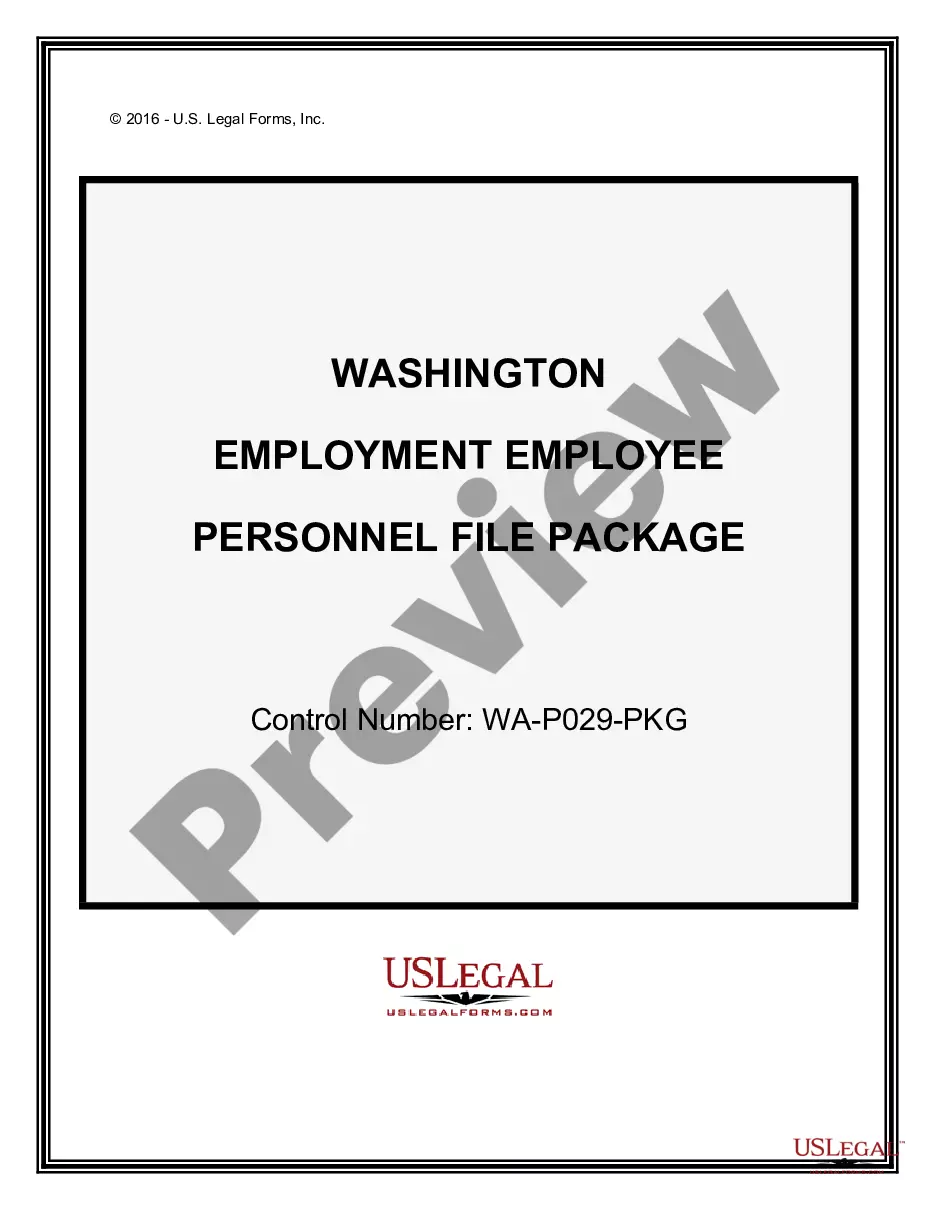
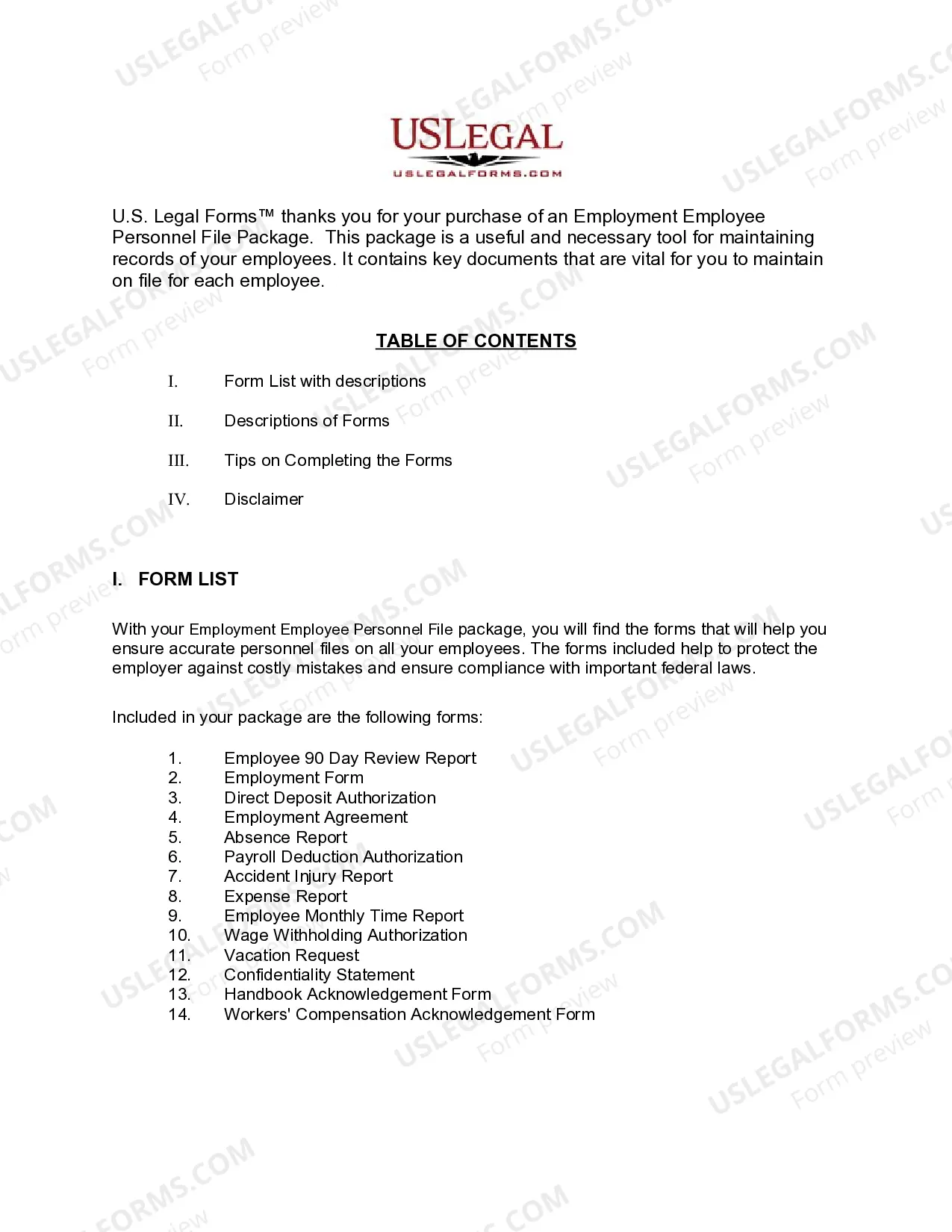
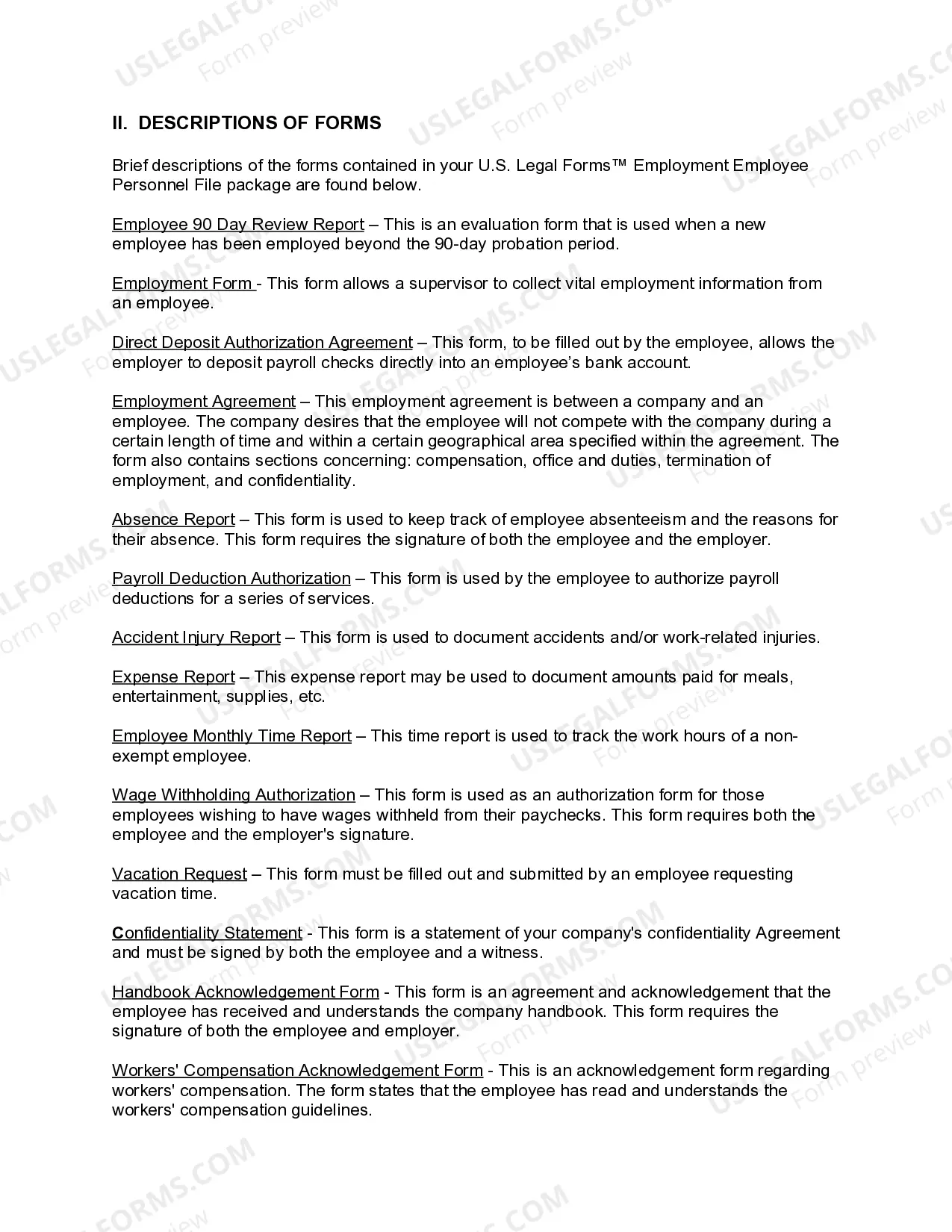
Get your form ready online
Our built-in tools help you complete, sign, share, and store your documents in one place.
Make edits, fill in missing information, and update formatting in US Legal Forms—just like you would in MS Word.
Download a copy, print it, send it by email, or mail it via USPS—whatever works best for your next step.
Sign and collect signatures with our SignNow integration. Send to multiple recipients, set reminders, and more. Go Premium to unlock E-Sign.
If this form requires notarization, complete it online through a secure video call—no need to meet a notary in person or wait for an appointment.
We protect your documents and personal data by following strict security and privacy standards.

Make edits, fill in missing information, and update formatting in US Legal Forms—just like you would in MS Word.

Download a copy, print it, send it by email, or mail it via USPS—whatever works best for your next step.

Sign and collect signatures with our SignNow integration. Send to multiple recipients, set reminders, and more. Go Premium to unlock E-Sign.

If this form requires notarization, complete it online through a secure video call—no need to meet a notary in person or wait for an appointment.

We protect your documents and personal data by following strict security and privacy standards.
Looking for another form?



How to fill out Washington Employment Employee Personnel File Package?
- Log in to your US Legal Forms account if you are an existing user to access and download your preferred form template directly.
- If you are new to US Legal Forms, start by browsing the extensive online library of over 85,000 forms. Use the Preview mode to ensure the form matches your needs and meets jurisdiction requirements.
- If you can't find a suitable template initially, utilize the Search feature to locate the perfect form. Ensure all details align before proceeding.
- Once you've found the correct document, proceed to purchase by clicking the Buy Now button and selecting your desired subscription plan. Registration is required for account access.
- Complete your purchase by entering your payment details, whether through credit card or PayPal, to gain subscription benefits.
- After purchase, download the form and save it to your device for immediate access and future reference in the My Forms section of your profile.
By following these straightforward steps, you can secure the employee personnel file your business needs for efficient management. US Legal Forms not only provides an extensive range of legal documents but also grants access to premium experts who can assist you in form completion.
Start organizing your employee documentation today with US Legal Forms and ensure you’re ready for the future!
Form popularity
FAQ
Employee records that need to be kept for seven years include tax documents, timesheets, and any reports of workplace injuries. Keeping these records in an employee personnel file for the future supports compliance with laws and regulations. It also provides valuable information that can assist with employee evaluations and company growth.
An employee personnel file typically includes various documents such as the employee's resume, job description, performance evaluations, and disciplinary records. By assembling a complete employee personnel file for the future, you can create a holistic view of your workforce. This structure helps streamline management and fosters better communication across the organization.
Personnel records that need to be retained for seven years include hiring documents, employment agreements, and performance evaluations. Maintaining these records within your employee personnel file for the future allows you to reflect on employee progress and ensures compliance with relevant laws. Organized records will aid in defending against any potential legal disputes.
Documentation that should be retained for seven years includes all employment forms, records of disciplinary actions, and tax-related documents like W-2s. These essential pieces contribute to a well-organized employee personnel file for the future. By following these guidelines, you will safeguard your business against legal challenges.
Potential employee files encompass a variety of documents that provide insight into an employee's journey with your organization. These files may include application forms, performance reviews, and training records. Keeping a comprehensive employee personnel file for the future can help track employee growth and improve workplace policies.
The IRS generally requires you to keep employee records for at least seven years. This includes documents related to employment taxes and wages. By maintaining these records in your employee personnel file for the future, you can ensure your business meets tax obligations and avoids potential penalties.
Certain records are essential to keep for seven years as part of an employee personnel file for the future. These records include tax documents, payroll information, and any employee disciplinary records. Retaining these documents helps ensure compliance with IRS regulations and protects your business during audits.
The seven-year retention rule advises organizations to keep employee records for seven years after their termination. This guideline helps businesses comply with various legal requirements and protects against potential disputes. By maintaining an organized employee personnel file for the future, you ensure easy access to essential documents when needed.
Yes, you have the right to request a copy of your personnel file at work. The process usually involves contacting your HR department to initiate the request. This accessibility encourages transparency and fosters trust as part of your employee personnel file for the future.
To formally request a personnel file, submit a written request to your HR department or the relevant authority in your organization. Include key details such as your name, dates of employment, and your contact information. Utilizing a structured approach can simplify the process of accessing your employee personnel file for the future.