Wa Landlord Without Lease

Description

Get your form ready online
Our built-in tools help you complete, sign, share, and store your documents in one place.
Make edits, fill in missing information, and update formatting in US Legal Forms—just like you would in MS Word.
Download a copy, print it, send it by email, or mail it via USPS—whatever works best for your next step.
Sign and collect signatures with our SignNow integration. Send to multiple recipients, set reminders, and more. Go Premium to unlock E-Sign.
If this form requires notarization, complete it online through a secure video call—no need to meet a notary in person or wait for an appointment.
We protect your documents and personal data by following strict security and privacy standards.

Make edits, fill in missing information, and update formatting in US Legal Forms—just like you would in MS Word.

Download a copy, print it, send it by email, or mail it via USPS—whatever works best for your next step.

Sign and collect signatures with our SignNow integration. Send to multiple recipients, set reminders, and more. Go Premium to unlock E-Sign.

If this form requires notarization, complete it online through a secure video call—no need to meet a notary in person or wait for an appointment.

We protect your documents and personal data by following strict security and privacy standards.
Looking for another form?
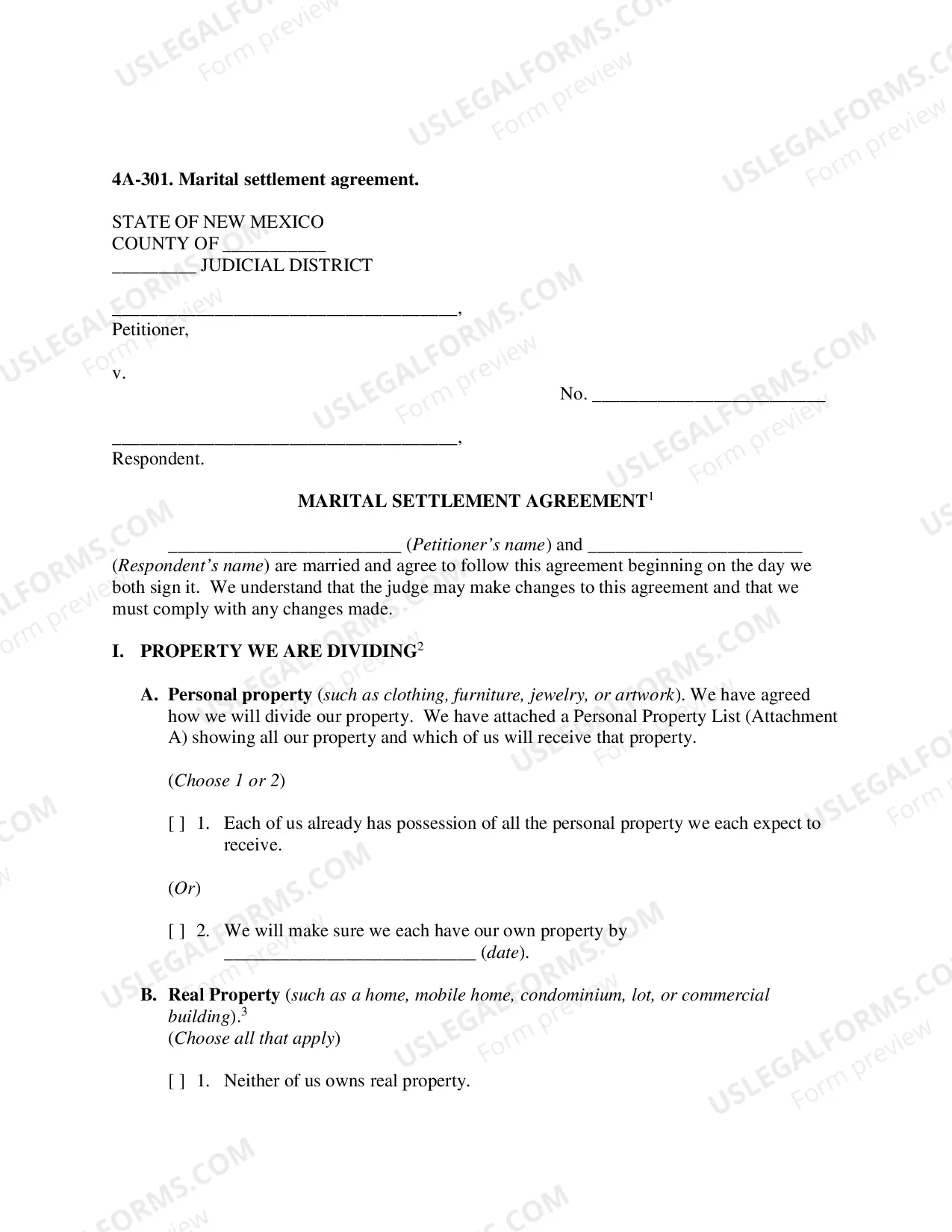
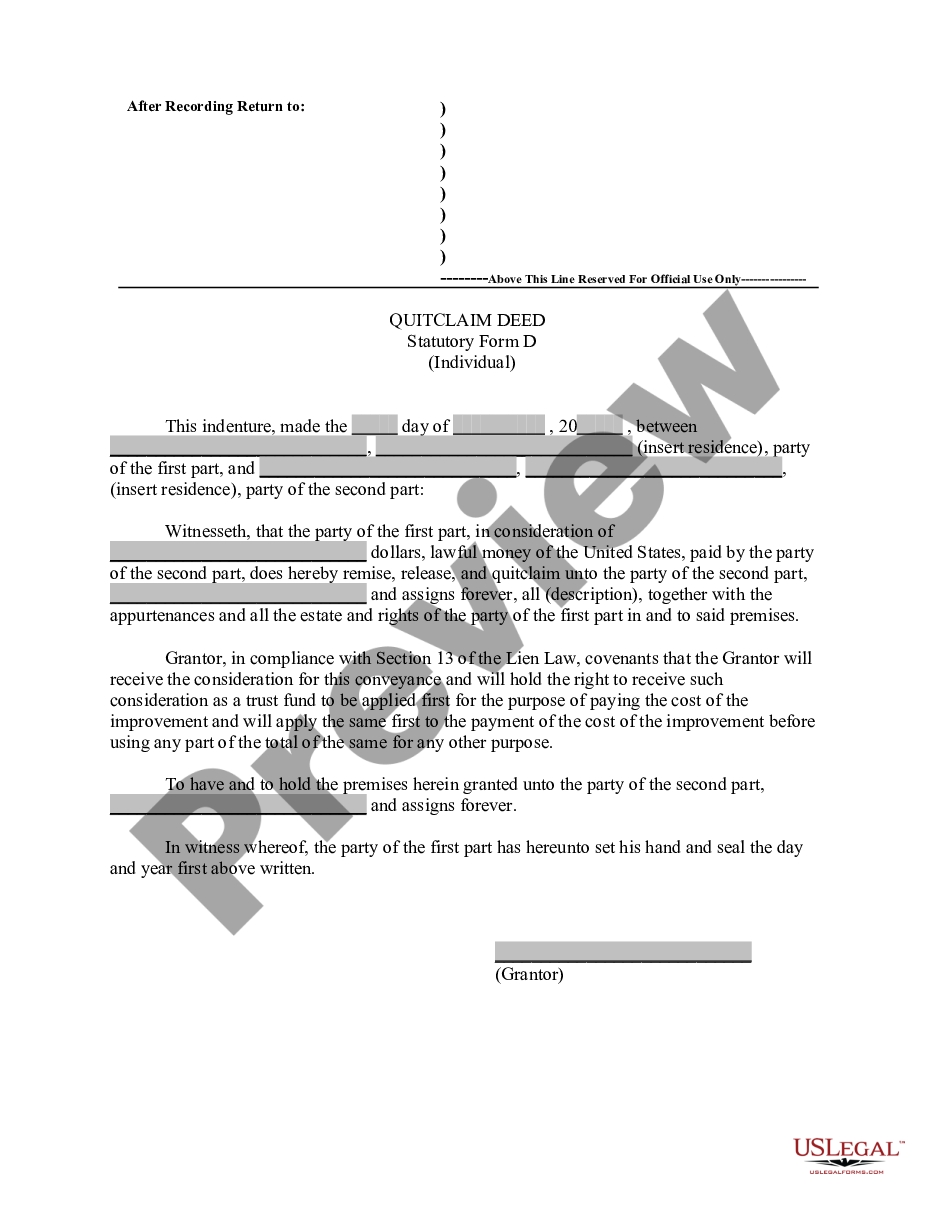
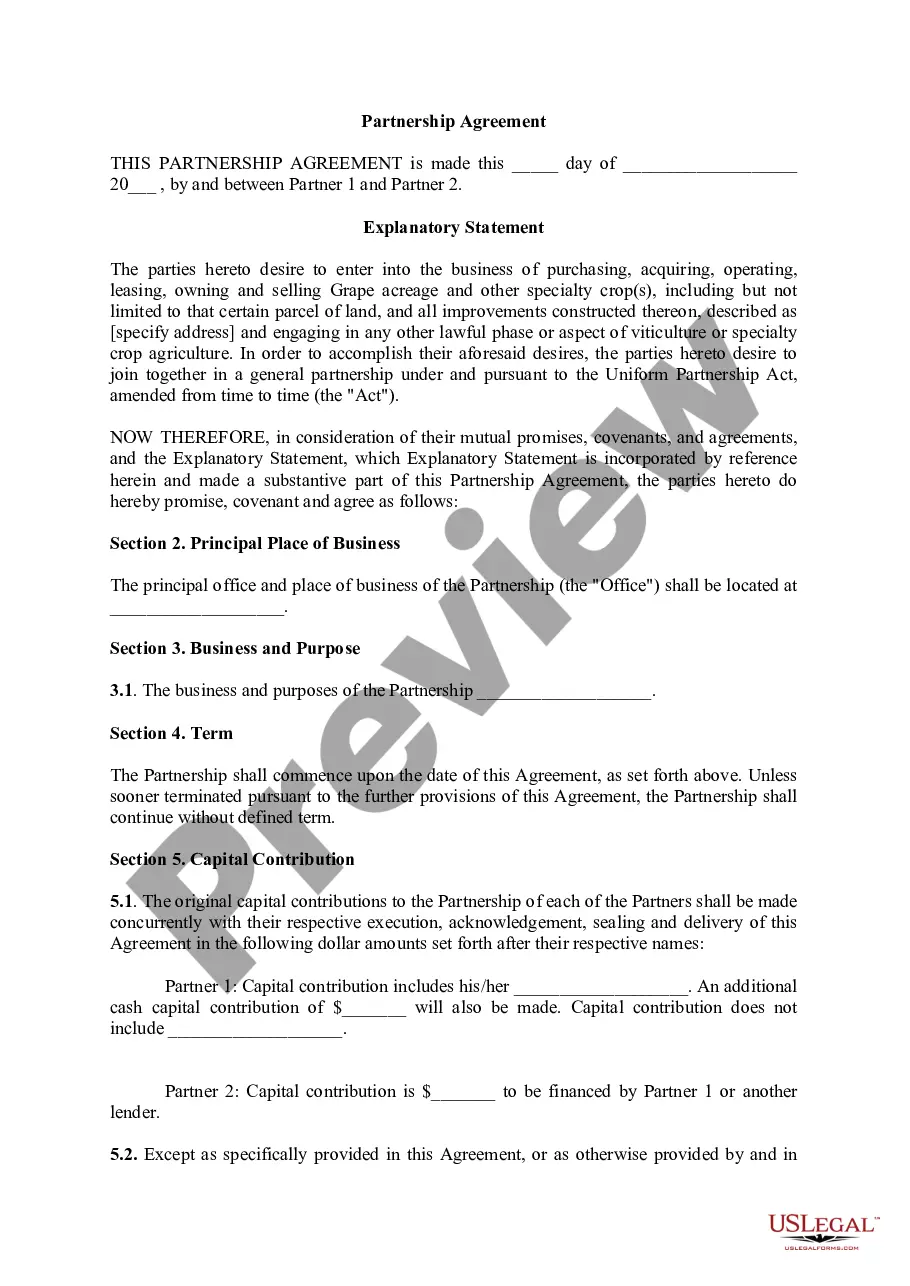
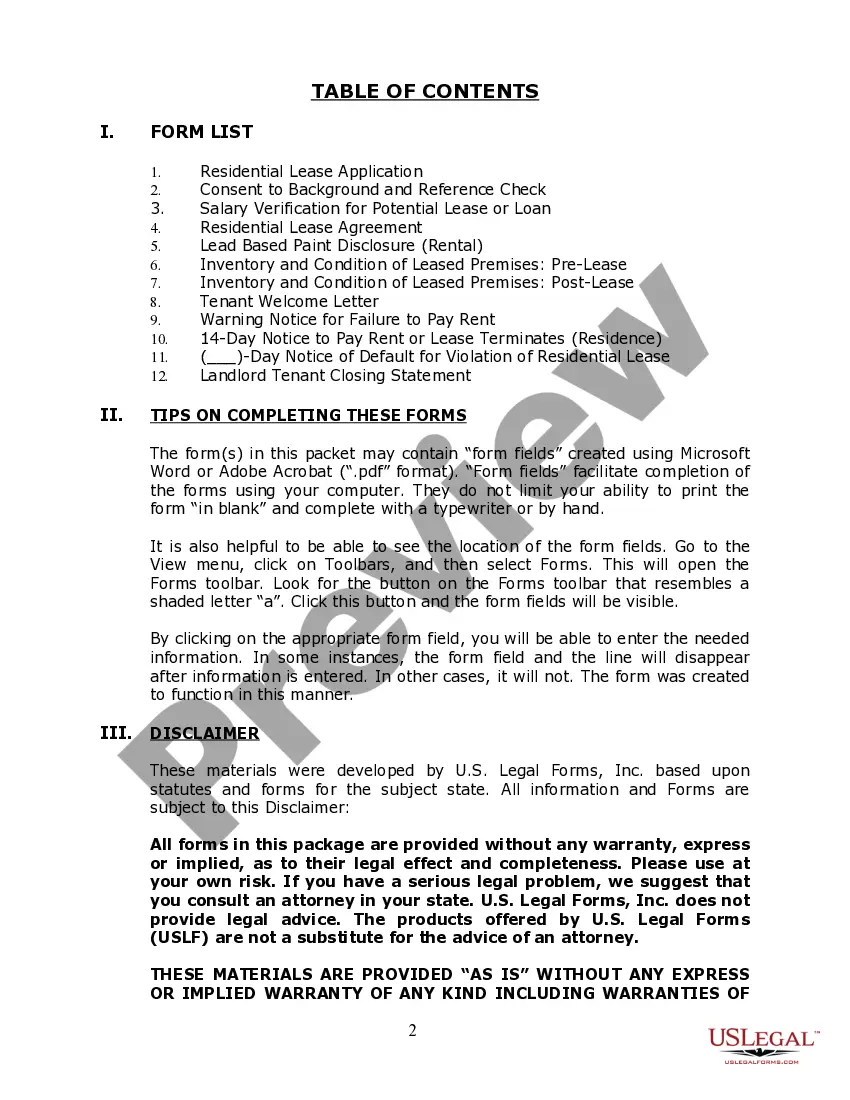
How to fill out Washington Residential Landlord Tenant Rental Lease Forms And Agreements Package?
It’s common knowledge that you cannot instantly become a legal professional, nor can you swiftly learn to draft a Wa Landlord Without Lease without a specific background in the field.
Creating legal documents is a lengthy task that demands a particular education and expertise. So why not entrust the development of the Wa Landlord Without Lease to the experts.
With US Legal Forms, one of the most comprehensive libraries of legal templates, you can find everything from court documents to office communication templates. We recognize the significance of compliance and allegiance to federal and local regulations.
At any time, you can regain access to your documents from the My documents section. If you’re a returning customer, simply Log In, and find and download the template from the same section.
Regardless of the purpose of your documents—whether they are financial, legal, or personal—our website has everything you need. Give US Legal Forms a try today!
- Locate the form you need using the search bar at the top of the webpage.
- Preview it (if this feature is available) and review the accompanying description to see if Wa Landlord Without Lease is what you’re looking for.
- If you require another template, start your search again.
- Sign up for a free account and select a subscription plan to purchase the form.
- Click Buy now. Once the payment is processed, you can download the Wa Landlord Without Lease, fill it out, print it, and forward it either by mail or electronically to the relevant parties or bodies.
Form popularity
FAQ
Landlords are generally prohibited from locking a tenant out of the premises, from taking a tenant's property for nonpayment of rent (except for abandoned property under certain conditions), or from intentionally terminating a tenant's utility service. Various penalties exist for violating these protections.
Landlords are generally prohibited from locking a tenant out of the premises, from taking a tenant's property for nonpayment of rent (except for abandoned property under certain conditions), or from intentionally terminating a tenant's utility service. Various penalties exist for violating these protections.
A Court order is essential to evict a renter illegally. The event is called a legal eviction when the property owner gets back their possession after the court has issued an order for it. It is permitted under the 1987 law, and the property owner can seek the help of the police for these purposes.
If a landlord wants to evict a tenant for not paying rent, they must now give their tenant 14 days' notice to pay or vacate. Before, it was 3 days' notice. What should landlords do?
State law requires both landlords and renters to be reasonable about seeking and granting access to a rental unit (RCW 59.18. 150 ). A landlord cannot enter a renter's home without the occupant's consent. A landlord has a right to enter the renter's home for necessary or agreed repairs and inspections.