Wa Landlord Tenant Without Notice
Description

Get your form ready online
Our built-in tools help you complete, sign, share, and store your documents in one place.
Make edits, fill in missing information, and update formatting in US Legal Forms—just like you would in MS Word.
Download a copy, print it, send it by email, or mail it via USPS—whatever works best for your next step.
Sign and collect signatures with our SignNow integration. Send to multiple recipients, set reminders, and more. Go Premium to unlock E-Sign.
If this form requires notarization, complete it online through a secure video call—no need to meet a notary in person or wait for an appointment.
We protect your documents and personal data by following strict security and privacy standards.

Make edits, fill in missing information, and update formatting in US Legal Forms—just like you would in MS Word.

Download a copy, print it, send it by email, or mail it via USPS—whatever works best for your next step.

Sign and collect signatures with our SignNow integration. Send to multiple recipients, set reminders, and more. Go Premium to unlock E-Sign.

If this form requires notarization, complete it online through a secure video call—no need to meet a notary in person or wait for an appointment.

We protect your documents and personal data by following strict security and privacy standards.
Looking for another form?






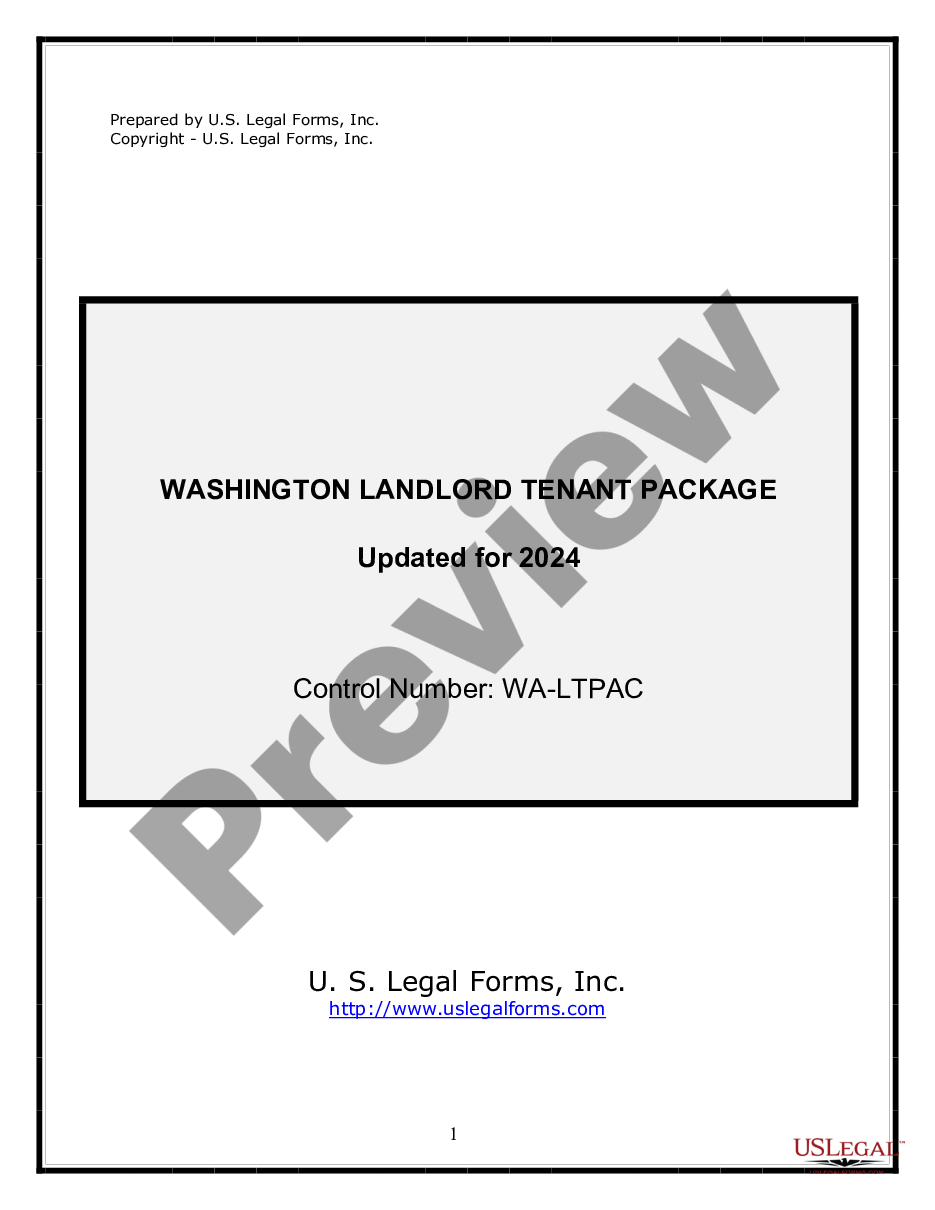
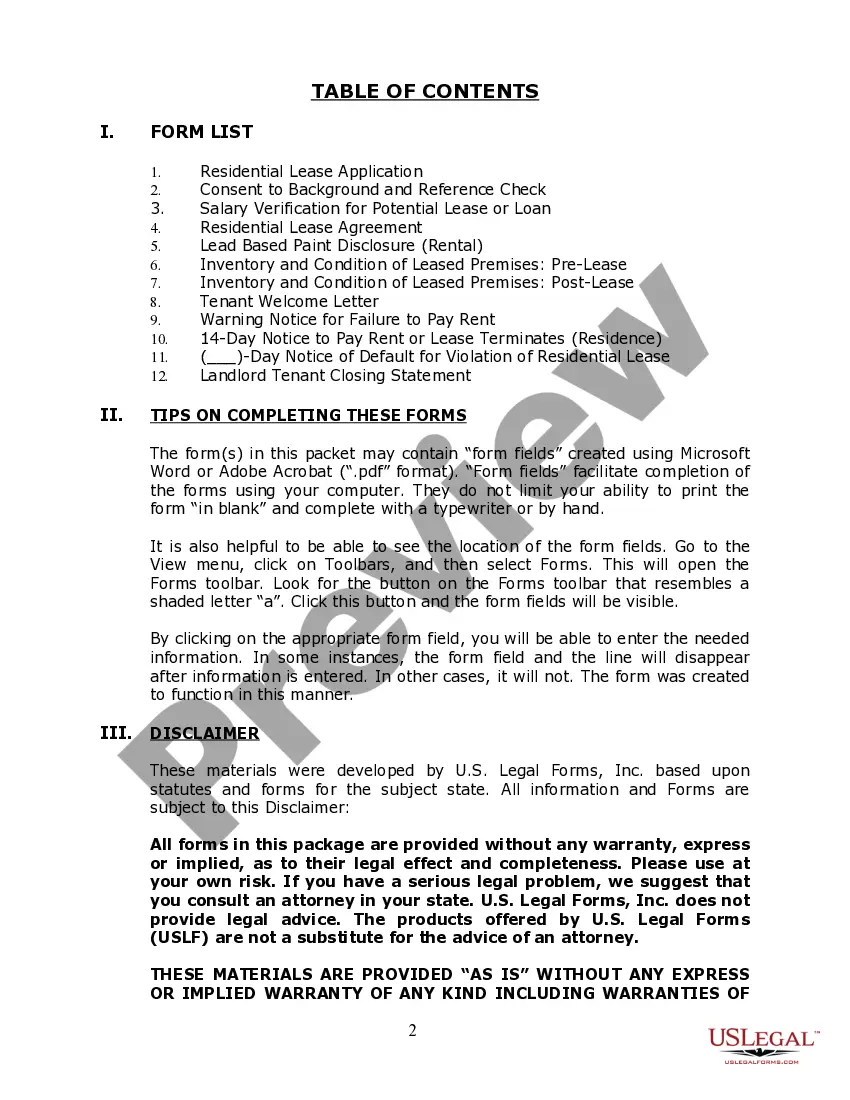
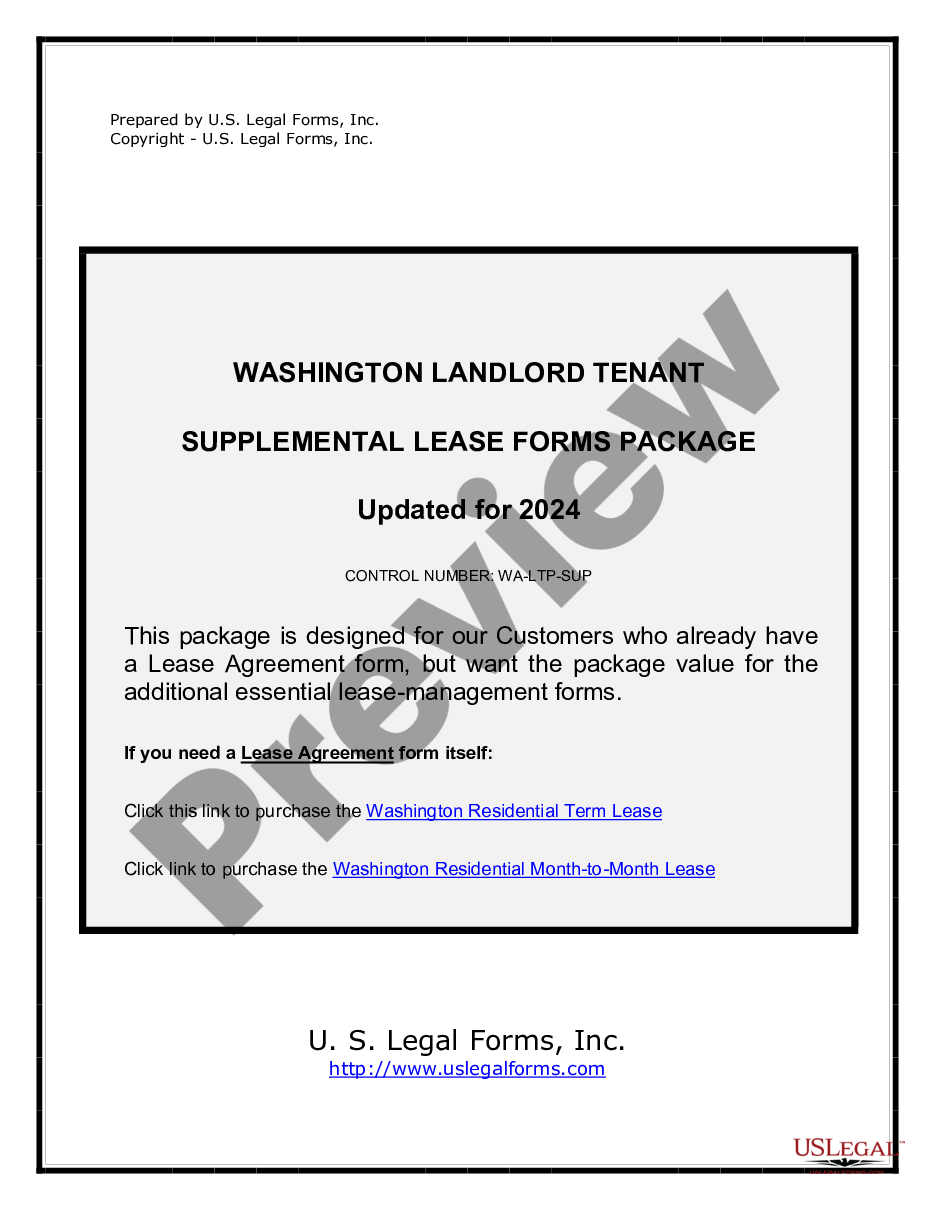
How to fill out Washington Residential Landlord Tenant Rental Lease Forms And Agreements Package?
Creating legal documents from the ground up can occasionally be overwhelming.
Certain situations may require extensive research and substantial expenses.
If you’re looking for a simpler and more budget-friendly method to prepare Wa Landlord Tenant Without Notice or any other documents without unnecessary obstacles, US Legal Forms is here to assist you.
Our online repository of over 85,000 current legal forms encompasses nearly every element of your financial, legal, and personal matters.
Review the document preview and descriptions to confirm that you have located the form you need. Ensure the selected form adheres to your state and county laws. Choose the appropriate subscription option to purchase the Wa Landlord Tenant Without Notice. Download the form, then complete, certify, and print it. US Legal Forms has an impeccable reputation and over 25 years of expertise. Join us today and simplify the form completion process!
- With just a few clicks, you can swiftly access state- and county-specific forms expertly crafted for you by our legal specialists.
- Utilize our website whenever you need a dependable and trustworthy service to quickly locate and download the Wa Landlord Tenant Without Notice.
- If you’re a returning user and have already registered an account with us, simply Log In to your account, find the template, and download it now or re-download it anytime in the My documents section.
- Not registered yet? No worries. It only takes a few minutes to set up and explore the library.
- However, before diving into downloading Wa Landlord Tenant Without Notice, consider these suggestions.
Form popularity
FAQ
Are texts considered written notice? If you want texts to be legally binding between both parties, that agreement must be set up beforehand and must be in writing.
A Court order is essential to evict a renter illegally. The event is called a legal eviction when the property owner gets back their possession after the court has issued an order for it. It is permitted under the 1987 law, and the property owner can seek the help of the police for these purposes.
Emails, text messages and handwritten notes all count as written notice. It is always a good idea to keep a copy for your records. Download sample written notification.
Landlords must give 120 days' notice for the termination of month-to-month tenancies before major building changes that require tenants to leave the building. Previously, 20 days' notice was required. As a reminder, an owner or immediate family needing to occupy the unit doesn't qualify as change of use.
The Washington State Landlord-Tenant Act (RCW 58.18. 150) requires that landlords give tenants 48 hours' notice before entering the property, or 24 hours' notice if they are showing the property to a prospective new tenant or buyer (except in an emergency).