Washington Laws About Landlord Harassment For Rent
Description

Get your form ready online
Our built-in tools help you complete, sign, share, and store your documents in one place.
Make edits, fill in missing information, and update formatting in US Legal Forms—just like you would in MS Word.
Download a copy, print it, send it by email, or mail it via USPS—whatever works best for your next step.
Sign and collect signatures with our SignNow integration. Send to multiple recipients, set reminders, and more. Go Premium to unlock E-Sign.
If this form requires notarization, complete it online through a secure video call—no need to meet a notary in person or wait for an appointment.
We protect your documents and personal data by following strict security and privacy standards.

Make edits, fill in missing information, and update formatting in US Legal Forms—just like you would in MS Word.

Download a copy, print it, send it by email, or mail it via USPS—whatever works best for your next step.

Sign and collect signatures with our SignNow integration. Send to multiple recipients, set reminders, and more. Go Premium to unlock E-Sign.

If this form requires notarization, complete it online through a secure video call—no need to meet a notary in person or wait for an appointment.

We protect your documents and personal data by following strict security and privacy standards.
Looking for another form?
Form popularity
FAQ
If you need assistance regarding landlord rights in Washington state, you should contact your local housing authority or legal aid organization. They can provide guidance specific to Washington laws about landlord harassment for rent. Additionally, the Washington State Attorney General's Office can be a valuable resource. They offer information on tenant rights and can help you understand your options when dealing with landlord harassment.
Under Washington laws about landlord harassment for rent, the amount you can sue for emotional distress varies based on the specifics of your case. Typically, damages can range from a few thousand dollars to significantly higher amounts if you provide sufficient evidence of emotional and psychological harm. Factors influencing the compensation include the severity of the harassment, the duration of the distress, and how it has affected your daily life. Consulting a legal expert will help you assess your situation and guide you on potential outcomes.
To establish a claim under Washington laws about landlord harassment for rent, you should gather various pieces of evidence to demonstrate emotional distress. Start with documentation of incidents, such as dated letters, text messages, or recordings that show harassment. Additionally, obtaining witness statements from friends or family can help validate your experience. Medical records or therapist notes may also support your case by detailing the impact of harassment on your emotional well-being.
To file a complaint against a landlord in Washington state, begin by compiling all necessary documentation that substantiates your claims. You can then contact the Washington State Attorney General's office or your local housing authority to initiate the complaint process. Understanding Washington laws about landlord harassment for rent will empower you in advocating for your rights effectively.
To sue your landlord in Washington state, first gather evidence of the landlord's violations, such as documentation of harassment or poor living conditions. You will then need to file a complaint in the appropriate court, addressing the specific legal grounds for your case. Washington laws about landlord harassment for rent can guide you through this process to ensure your rights are upheld.
Recent landlord laws in Washington state include regulations governing rent increases, eviction procedures, and tenant protections against retaliation. These changes aim to enhance tenant rights and ensure fair treatment in housing. Keeping updated on Washington laws about landlord harassment for rent can provide you with valuable insights into your rights as a tenant.
In Washington state, landlords cannot illegally enter your rental property without notice or justification. They are also prohibited from retaliating against you for exercising your tenant rights or violating tenant protection laws. Familiarizing yourself with Washington laws about landlord harassment for rent will help ensure landlords adhere to these rules.
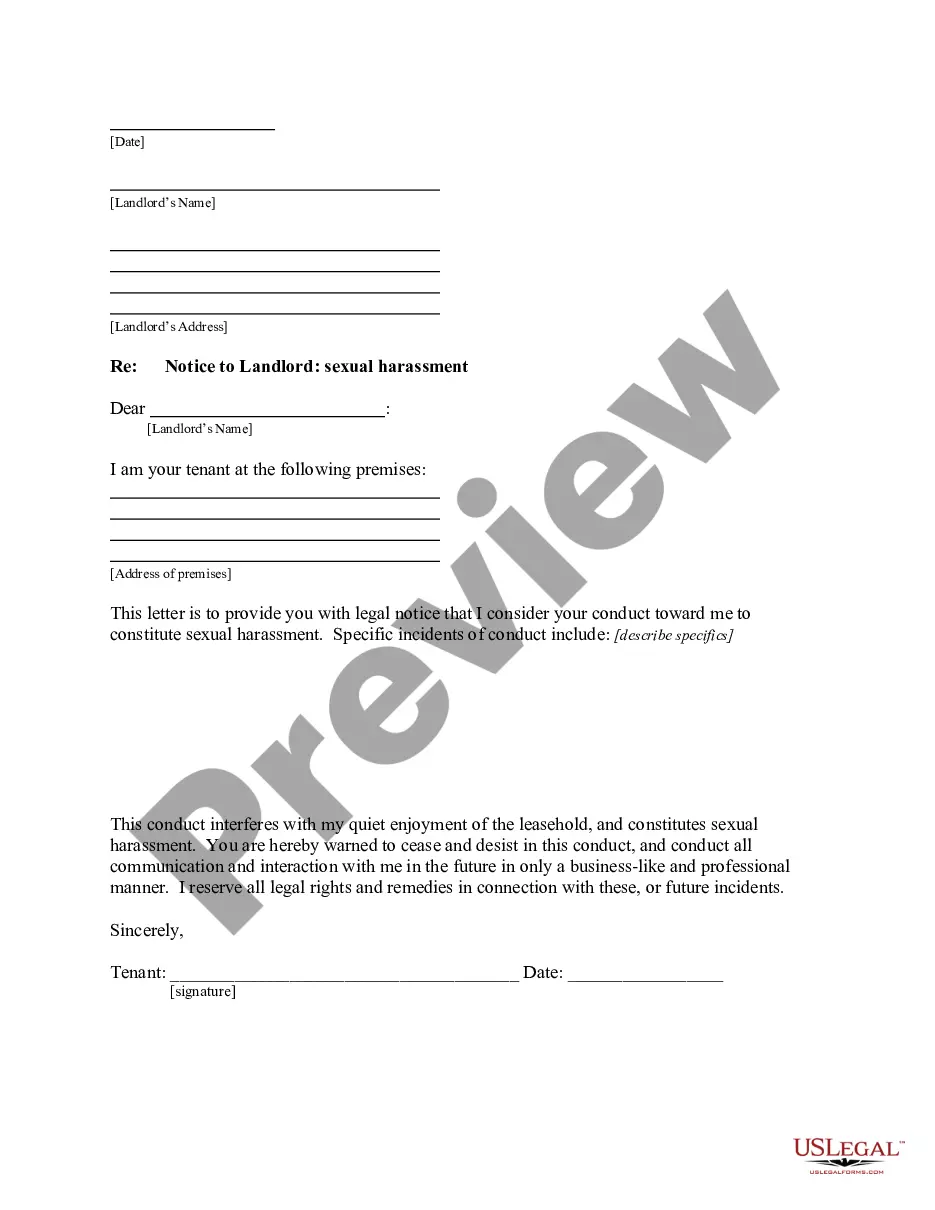
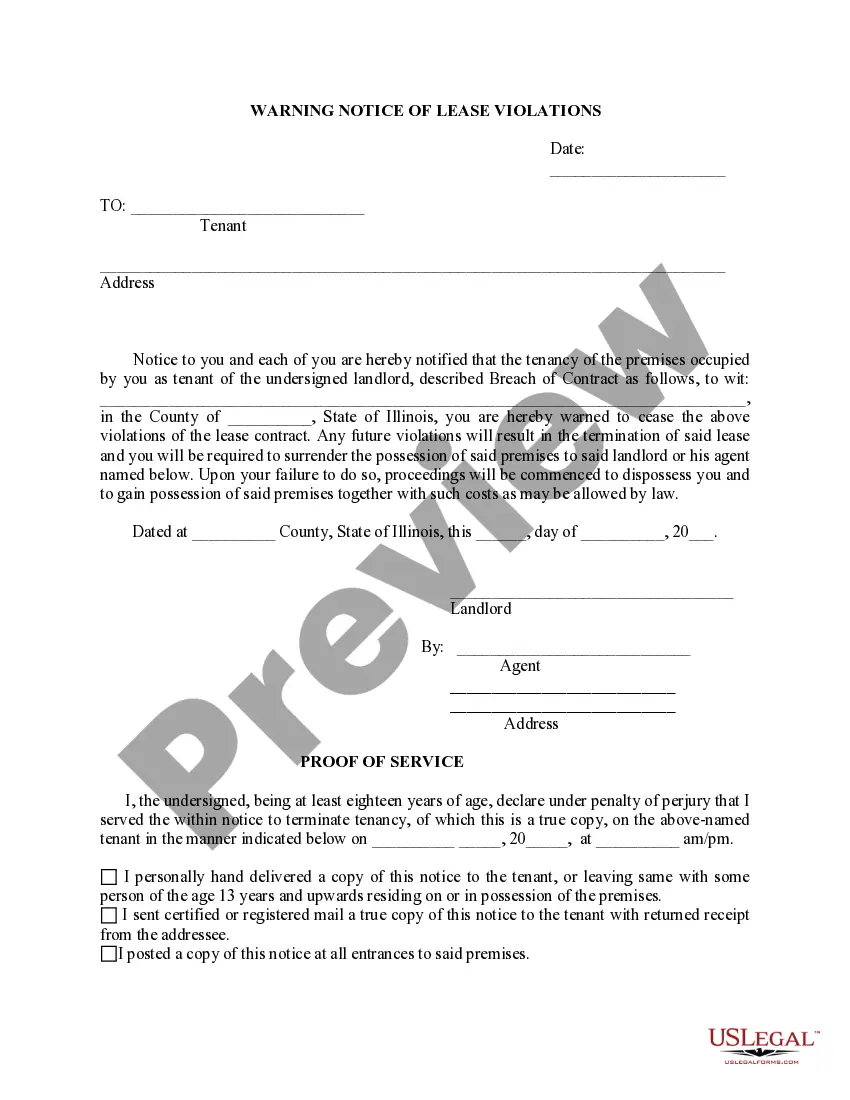
Harassment by a landlord in Washington state includes actions that create a hostile living environment, such as invasive behavior or failure to respect privacy. Additionally, repeated, unnecessary contact can also be classified as harassment. It is crucial to know your rights under Washington laws about landlord harassment for rent to address these issues effectively.
Landlord retaliation occurs when a landlord punishes a tenant for exercising legal rights, such as reporting health violations or requesting repairs. Under Washington laws, retaliatory actions may include raising rent, threatening eviction, or terminating the lease. Understanding these laws can help protect your rights as a tenant.
Yes, you can sue your landlord for emotional distress in Washington state if their behavior meets certain criteria. You must show that the landlord engaged in extreme and outrageous conduct that caused you severe emotional pain. Seeking legal advice is beneficial, as Washington laws about landlord harassment for rent provide a framework for such claims.
