Remainderman Trust With The World
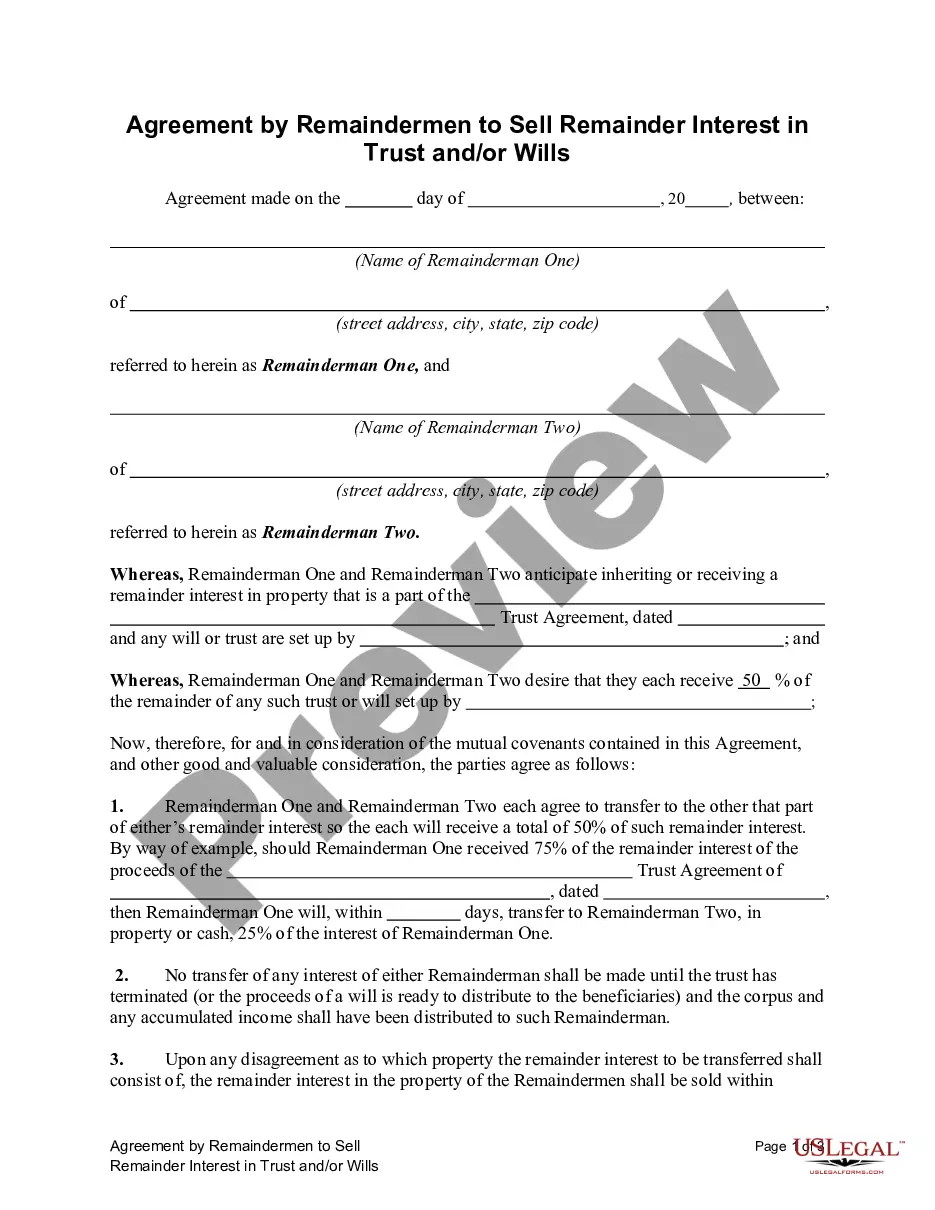
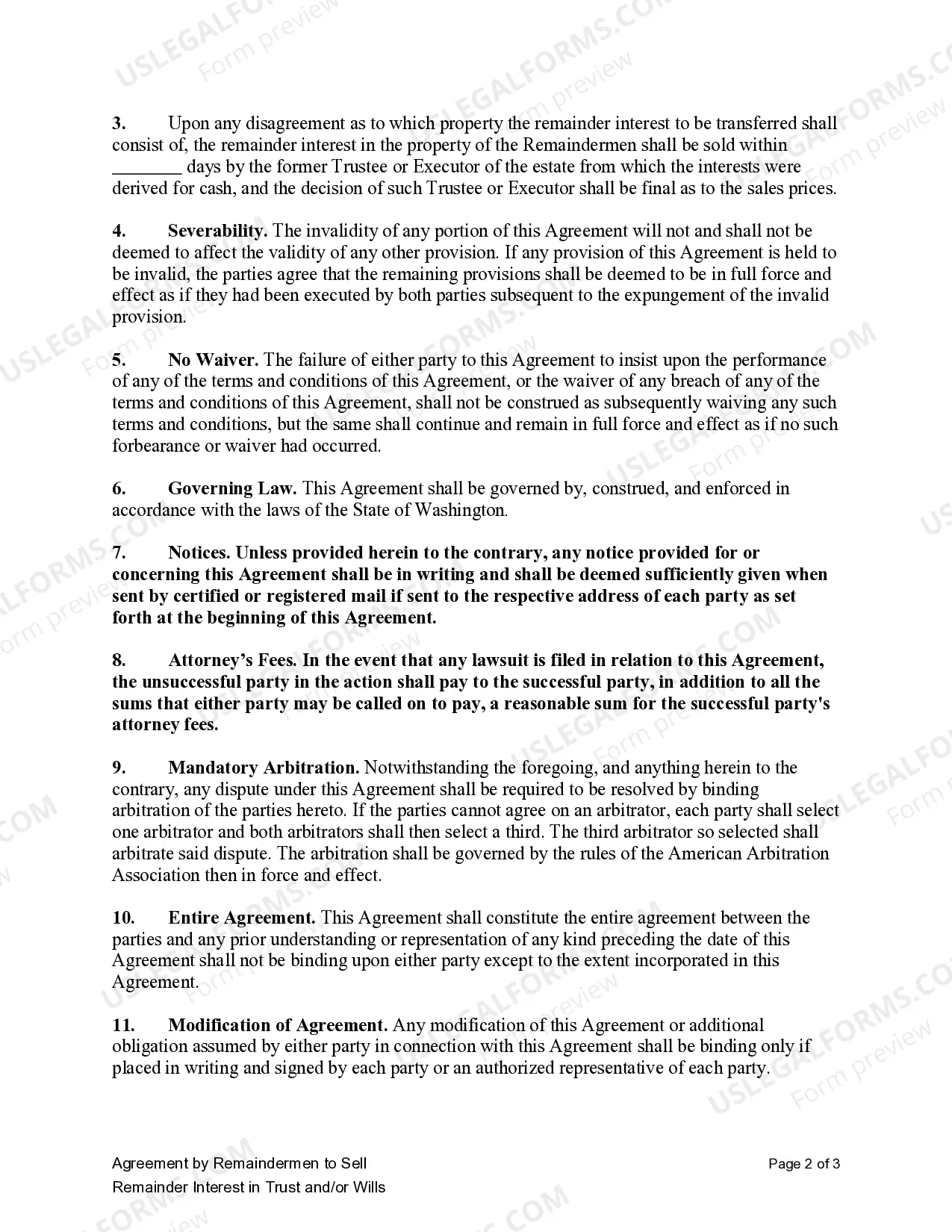
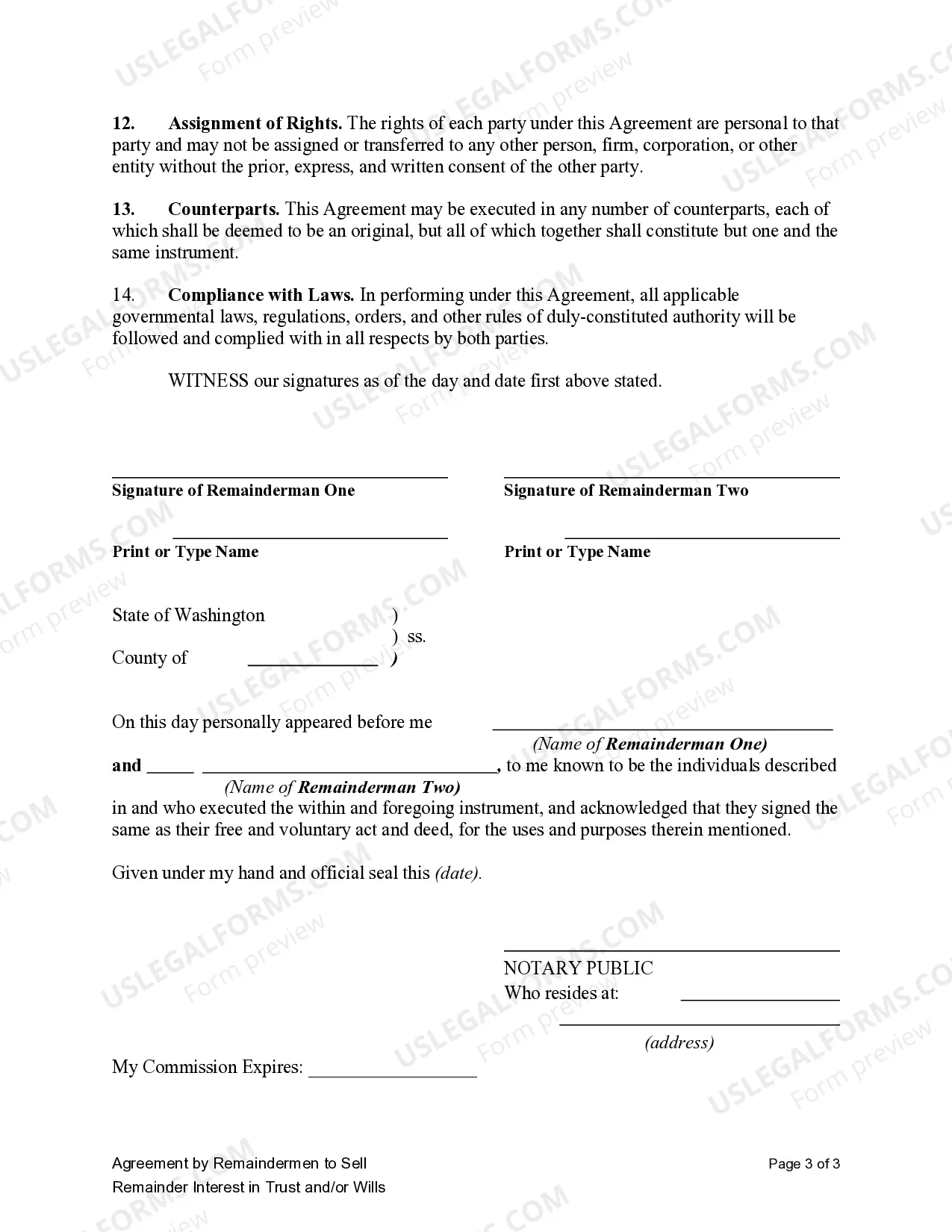
Description
Get your form ready online
Our built-in tools help you complete, sign, share, and store your documents in one place.
Make edits, fill in missing information, and update formatting in US Legal Forms—just like you would in MS Word.
Download a copy, print it, send it by email, or mail it via USPS—whatever works best for your next step.
Sign and collect signatures with our SignNow integration. Send to multiple recipients, set reminders, and more. Go Premium to unlock E-Sign.
If this form requires notarization, complete it online through a secure video call—no need to meet a notary in person or wait for an appointment.
We protect your documents and personal data by following strict security and privacy standards.

Make edits, fill in missing information, and update formatting in US Legal Forms—just like you would in MS Word.

Download a copy, print it, send it by email, or mail it via USPS—whatever works best for your next step.

Sign and collect signatures with our SignNow integration. Send to multiple recipients, set reminders, and more. Go Premium to unlock E-Sign.

If this form requires notarization, complete it online through a secure video call—no need to meet a notary in person or wait for an appointment.

We protect your documents and personal data by following strict security and privacy standards.
Looking for another form?

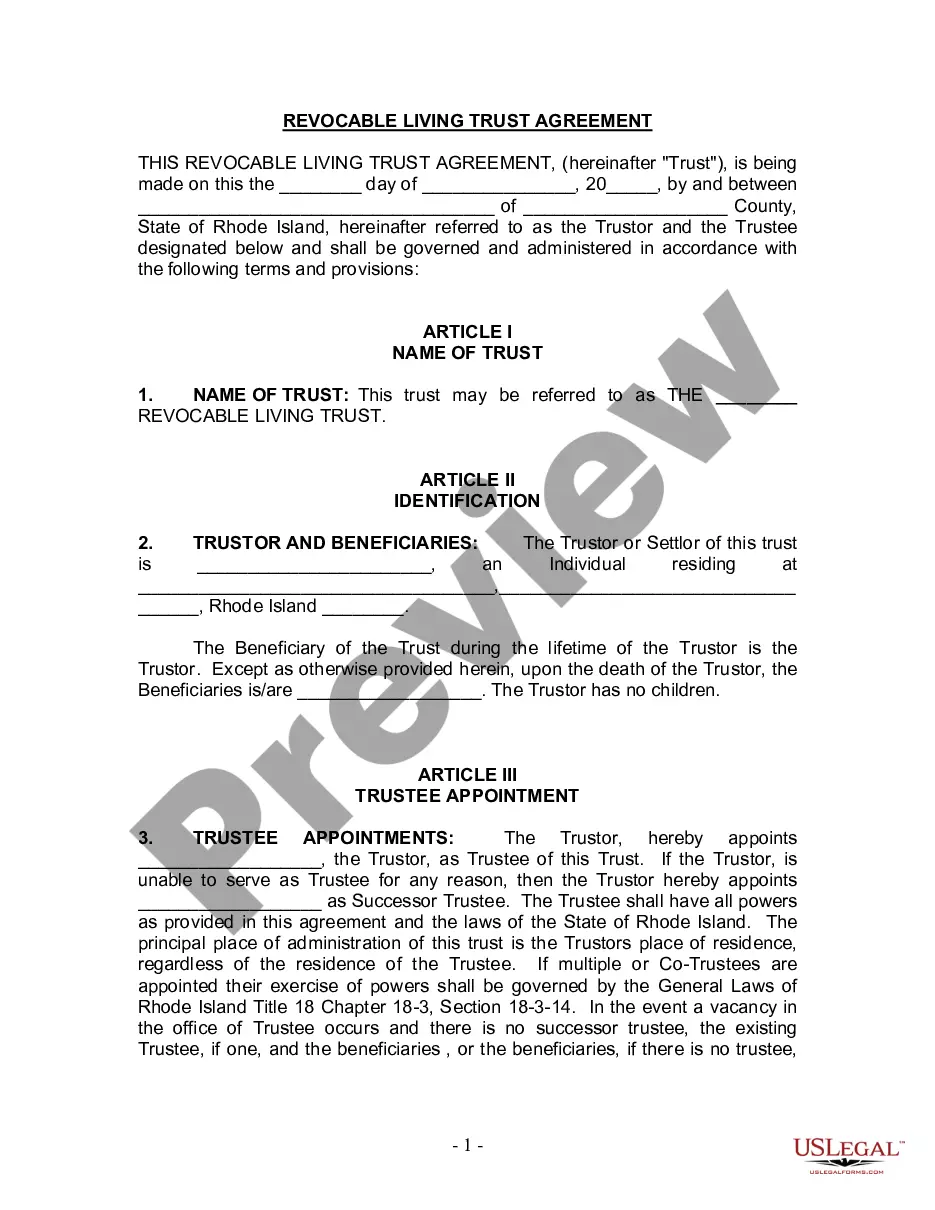
How to fill out Washington Agreement By Remainderman To Sell Remainder Interest In Trust And/or Wills?
- If you've used US Legal Forms before, log in to your account and access the form library to download the necessary template by clicking the Download button.
- Verify your subscription is active. If your subscription is expired, renew it based on your chosen payment terms.
- For first-time users, begin by previewing the form details to ensure it aligns with your legal requirements.
- If needed, search for alternative templates using the search bar to find the perfect match for your situation.
- Once you’ve found the right document, click ‘Buy Now’ and select your preferred subscription plan to register for an account.
- Complete your purchase by entering your payment information through credit card or PayPal.
- Finally, download the completed form to your device for easy access through the 'My Forms' menu in your profile.
Using US Legal Forms simplifies the often complicated legal process. With a vast library of over 85,000 forms, you can confidently navigate your legal needs while ensuring compliance with local regulations.
Start your journey to creating a Remainderman trust today with US Legal Forms, and unlock the simplicity of legal documentation easily!
Form popularity
FAQ
Selecting the right trustee for your charitable remainder trust is crucial. The trustee can be an individual or an institution who understands the responsibilities of managing a trust and upholding your wishes. Ideally, this trustee should be someone you trust, who is reliable and knowledgeable about the aspects of a remainderman trust with the world. If you're uncertain, platforms like US Legal Forms offer resources to help you choose an appropriate trustee.
The 10 percent rule for a charitable remainder trust stipulates that the charitable beneficiary must receive at least 10 percent of the trust's initial value. This is important for ensuring that the trust qualifies as a charitable remainder trust with the world. By adhering to this rule, you can gain significant tax benefits while supporting your chosen charity. Consulting with a legal expert or using resources from US Legal Forms can clarify this requirement further.
Yes, you can create your own charitable remainder trust, often referred to as a remainderman trust with the world. This type of trust allows you to donate assets while maintaining an income stream. However, it is essential to follow specific legal guidelines to ensure its validity. Platforms like US Legal Forms can guide you through the process, providing the necessary forms and support.
To set up a charitable remainder trust, start by consulting a legal or financial advisor who specializes in estate planning. They will guide you through the necessary documentation and ensure compliance with IRS regulations. Using US Legal Forms makes this process easier, as you can find template forms and resources to efficiently establish a remainderman trust with the world and achieve your charitable and financial goals.
The tax deduction for a charitable remainder trust is based on the present value of the charity's remainder interest, which can vary depending on the payout rate and term of the trust. Typically, donors can claim a charitable deduction on their income tax return when they establish a CRT. Setting up a remainderman trust with the world can enhance your financial benefits while supporting your favorite causes.
Anyone can set up a charitable remainder trust, including individuals, married couples, and businesses. However, it's important to involve legal and financial advisors to ensure compliance with tax laws. When you create a remainderman trust with the world, you empower yourself and your chosen charity while benefiting from potential tax advantages.
The income you can receive from a charitable remainder trust depends on the payout rate you choose, typically set between 5% and 50% of the trust's assets. This rate determines the annual distribution to the income beneficiary before the remainder goes to charity. Utilizing a remainderman trust with the world allows you to optimize income while supporting charitable causes.
The 5% rule is a guideline to ensure that a charitable remainder trust (CRT) distributes at least 5% of its value annually to the income beneficiary. This rule balances the income needs of beneficiaries with the charitable goals of the trust. In essence, when setting up a remainderman trust with the world, you aim to provide substantial income while fulfilling charitable intents.
A remainderman does not own the property while the life tenant is alive; they hold a future interest in the property. Their ownership rights become active only after the life tenant’s death. Understanding these distinctions can be critical, and utilizing resources related to a remainderman trust with the world can provide valuable insights.
A remainderman does not own the property until the life tenant passes away. Ownership becomes effective only after the life tenant's demise, at which point the remainderman gains full rights to the property. This arrangement emphasizes the need for clear estate planning, particularly in discussions about a remainderman trust with the world.