Remainderman Trust For The Future
Description
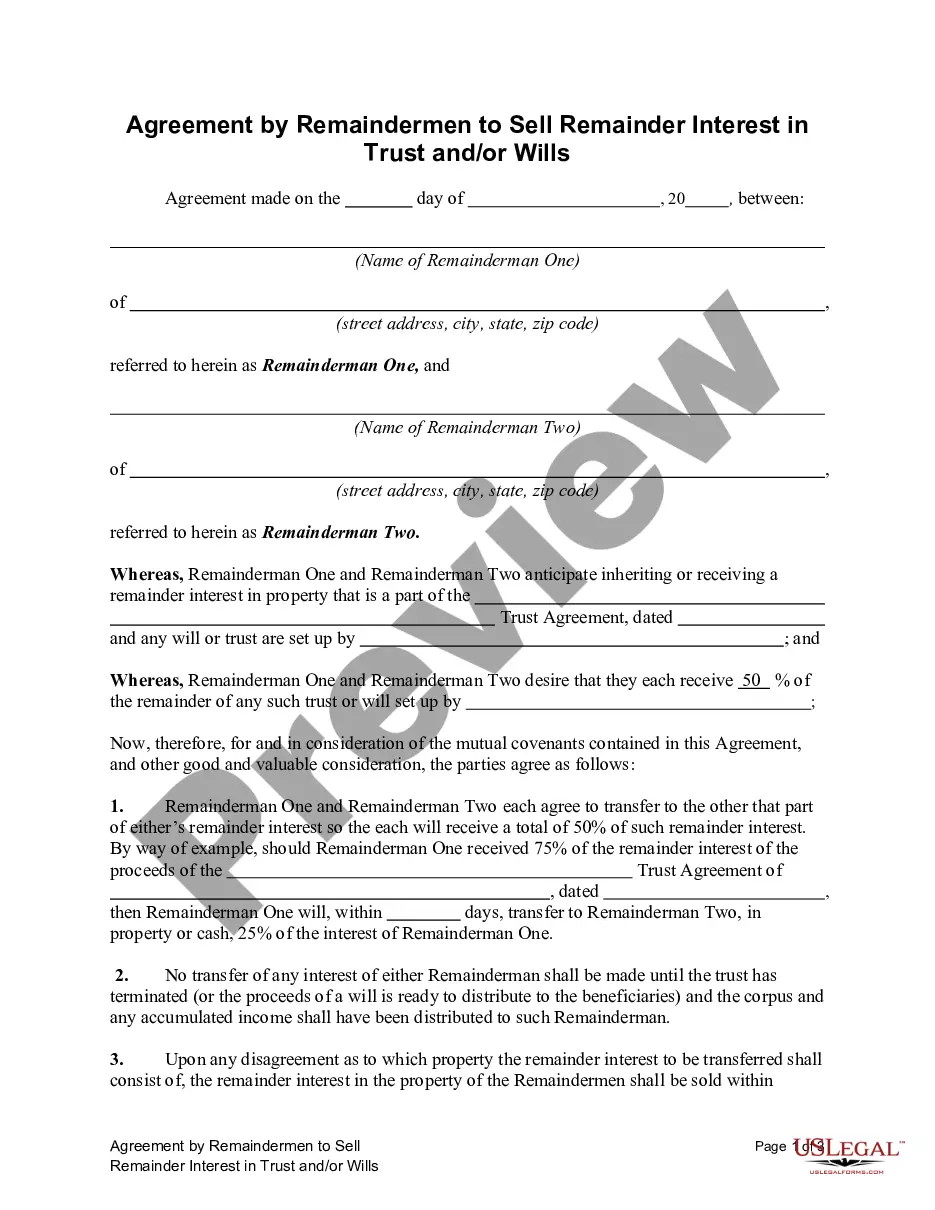
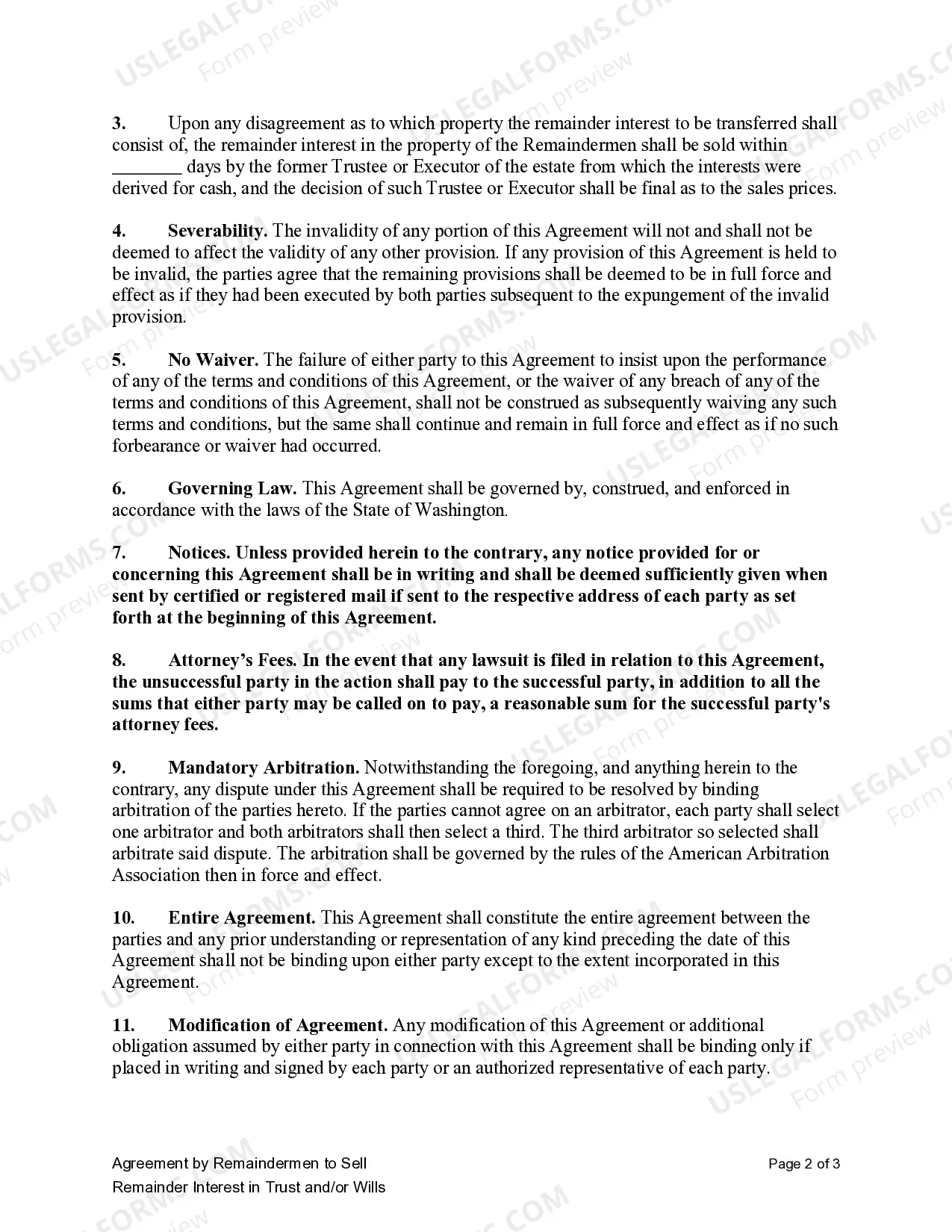
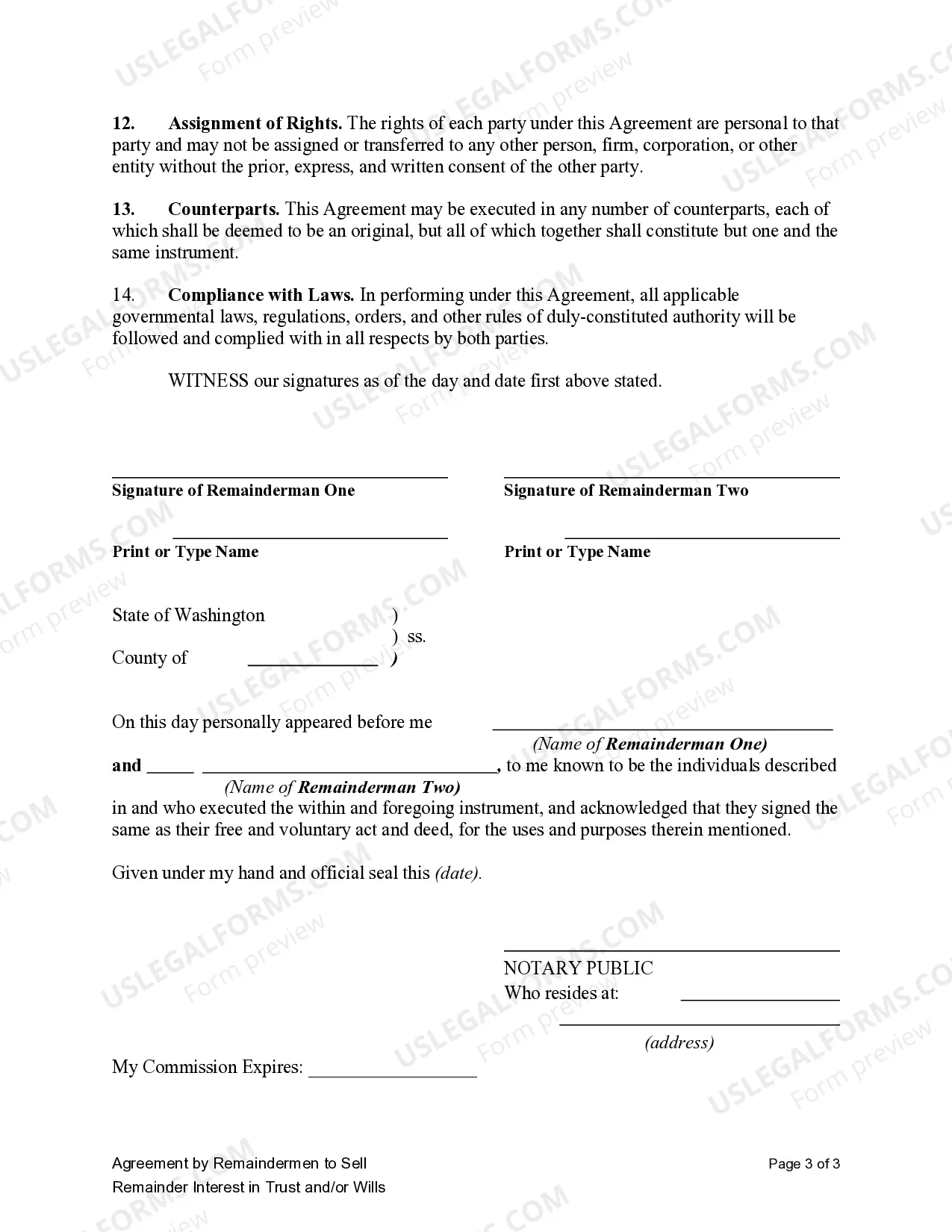
Get your form ready online
Our built-in tools help you complete, sign, share, and store your documents in one place.
Make edits, fill in missing information, and update formatting in US Legal Forms—just like you would in MS Word.
Download a copy, print it, send it by email, or mail it via USPS—whatever works best for your next step.
Sign and collect signatures with our SignNow integration. Send to multiple recipients, set reminders, and more. Go Premium to unlock E-Sign.
If this form requires notarization, complete it online through a secure video call—no need to meet a notary in person or wait for an appointment.
We protect your documents and personal data by following strict security and privacy standards.

Make edits, fill in missing information, and update formatting in US Legal Forms—just like you would in MS Word.

Download a copy, print it, send it by email, or mail it via USPS—whatever works best for your next step.

Sign and collect signatures with our SignNow integration. Send to multiple recipients, set reminders, and more. Go Premium to unlock E-Sign.

If this form requires notarization, complete it online through a secure video call—no need to meet a notary in person or wait for an appointment.

We protect your documents and personal data by following strict security and privacy standards.
Looking for another form?





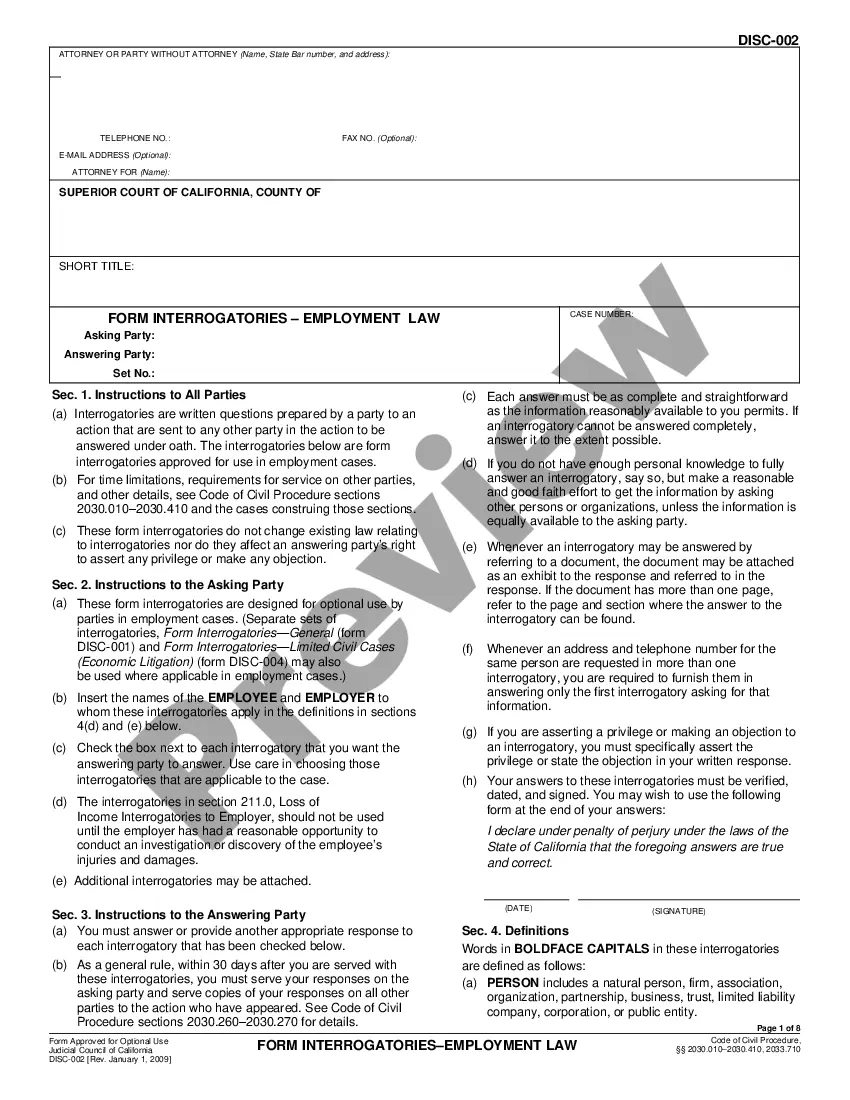




How to fill out Washington Agreement By Remainderman To Sell Remainder Interest In Trust And/or Wills?
- Log in to your US Legal Forms account if you're an existing user, ensuring your subscription is active.
- If you're new, start by exploring the Preview mode and detailed descriptions of form templates. Confirm you've selected one that aligns with your requirements.
- If the current template doesn't fit, utilize the Search tab to find an appropriate document.
- Purchase the desired document by clicking the Buy Now button and selecting a suitable subscription plan. Remember to create an account to access the library.
- Complete your payment using either your credit card or PayPal account.
- Download the finalized form to your device. You can always revisit and access it later through the My Forms section in your profile.
With the help of US Legal Forms, individuals and attorneys can efficiently prepare legal documents, ensuring comprehensive and precise documentation for a secure future. Their unparalleled form collection at a competitive cost empowers seamless estate management.
Take charge of your future today by creating a Remainderman trust. Visit US Legal Forms now for more information and start your journey towards effective estate planning!
Form popularity
FAQ
Anyone can be designated as a remainderman, including family members, friends, or even charitable organizations. The individual or entity will receive the property once the life tenant's rights end. If you are considering setting up a remainderman trust for the future, consulting with experts on the uslegalforms platform can streamline the process and help clarify your options.
A remainderman does not own the property until the life tenant passes away. At that point, the remainderman assumes full ownership rights. It's important to plan ahead with a remainderman trust for the future to ensure a smooth transition of property ownership and avoid potential disputes.
To become a remainderman, you typically need to be designated as such in a trust or a will. The current property owner must specify their intention to transfer the remainderman interest. Once established, a remainderman trust for the future ensures that your rights to that property are secured for when the time comes.
The main difference between a life tenant and a remainderman lies in their rights to the property. A life tenant holds the right to use and benefit from the property during their lifetime. In contrast, a remainderman is a person who will gain ownership of the property once the life tenant passes away. Understanding this distinction is crucial for anyone considering a remainderman trust for the future.
A remainder as a form of future interest is defined as the right to receive full ownership of property after a life estate ends. This legal arrangement allows the remainderman to benefit from the property after the life tenant's passing. In the context of a remainderman trust for the future, the arrangement assures that property ownership is secure and well-defined. Consequently, it fosters financial stability and clarity in inheritance.
No, the remainderman does not own the property until the life estate concludes. The life tenant holds the rights to live in and use the property during their lifetime. However, a remainderman trust for the future ensures that ownership will transfer to the remainderman once the life tenant passes. This understanding helps in making informed estate planning decisions.
An example of future interest includes a scenario where a parent grants a life estate in their home to themselves but designates their child as the remainderman. In this case, the child will not own the home until the parent's passing, creating a clear distinction in property rights. This arrangement exemplifies a remainderman trust for the future, as it secures the child's future interest. It demonstrates careful estate planning to ensure a seamless transition.
When a remainderman passes away, their interest in the property typically transfers to their heirs or beneficiaries, depending on the will or state laws. The property remains held within the framework of the remainderman trust for the future, ensuring a smooth transition of ownership. This can provide stability and security in property ownership, as the future interest is protected. Thus, planning ahead can preserve your family’s legacy.
A remainderman possesses a future interest, which means they hold a claim to the property that will become effective at a later time. This type of legal interest comes into play only after the life tenant has passed away. In the framework of a remainderman trust for the future, this arrangement allows beneficiaries to control the property without immediate ownership. Understanding this can help you plan for future inheritance.
A future interest as a remainderman signifies the legal right to inherit property after a life estate ends. In a remainderman trust for the future, this dynamic is crucial as it ensures property passes smoothly after the current holder's death. The remainderman does not own the property during the life tenant's lifetime, but the right to ownership exists once the life estate concludes. Therefore, it represents a planned transition of property.