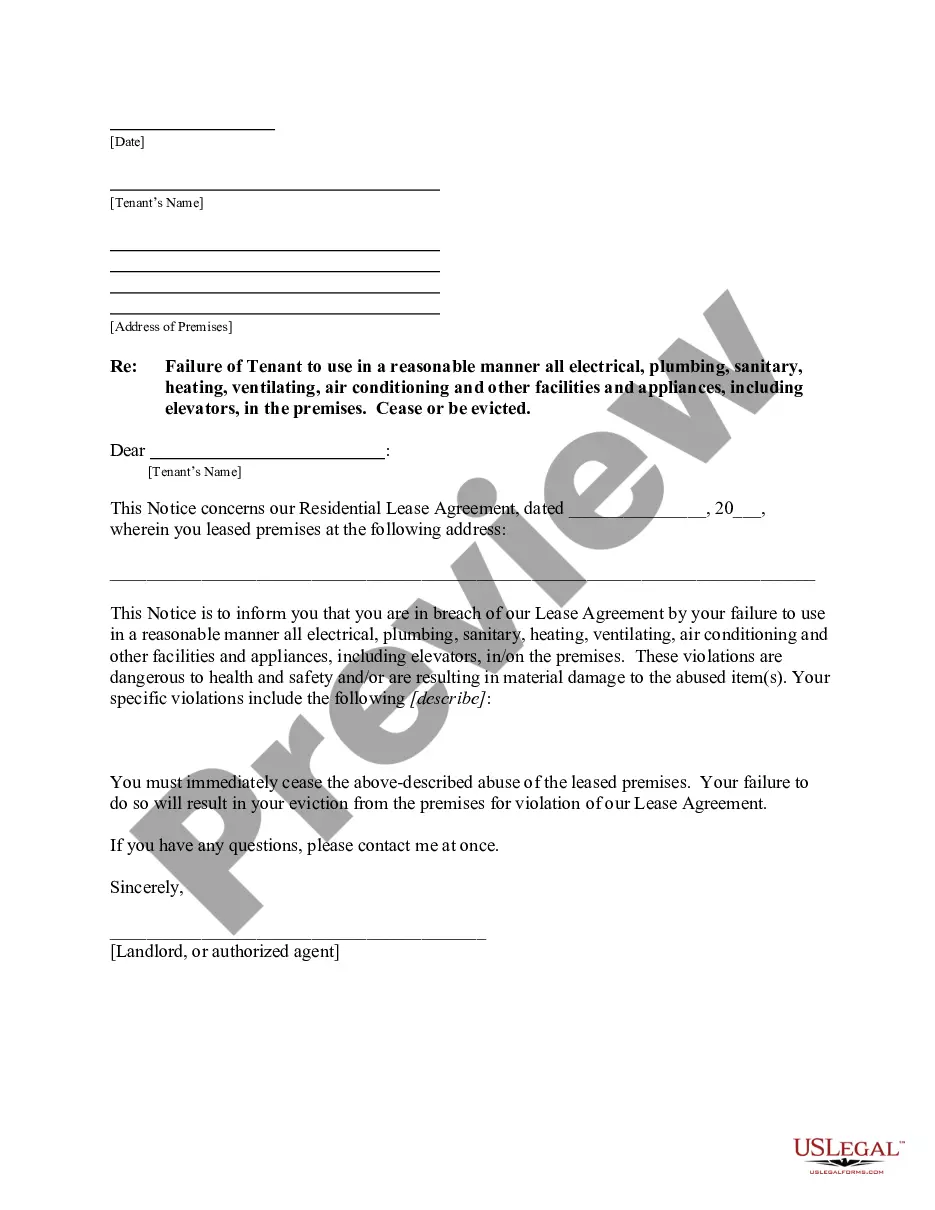
Vermont Landlord Sanitary With A Room
Description


Get your form ready online
Our built-in tools help you complete, sign, share, and store your documents in one place.
Make edits, fill in missing information, and update formatting in US Legal Forms—just like you would in MS Word.
Download a copy, print it, send it by email, or mail it via USPS—whatever works best for your next step.
Sign and collect signatures with our SignNow integration. Send to multiple recipients, set reminders, and more. Go Premium to unlock E-Sign.
If this form requires notarization, complete it online through a secure video call—no need to meet a notary in person or wait for an appointment.
We protect your documents and personal data by following strict security and privacy standards.

Make edits, fill in missing information, and update formatting in US Legal Forms—just like you would in MS Word.

Download a copy, print it, send it by email, or mail it via USPS—whatever works best for your next step.

Sign and collect signatures with our SignNow integration. Send to multiple recipients, set reminders, and more. Go Premium to unlock E-Sign.

If this form requires notarization, complete it online through a secure video call—no need to meet a notary in person or wait for an appointment.

We protect your documents and personal data by following strict security and privacy standards.
Looking for another form?

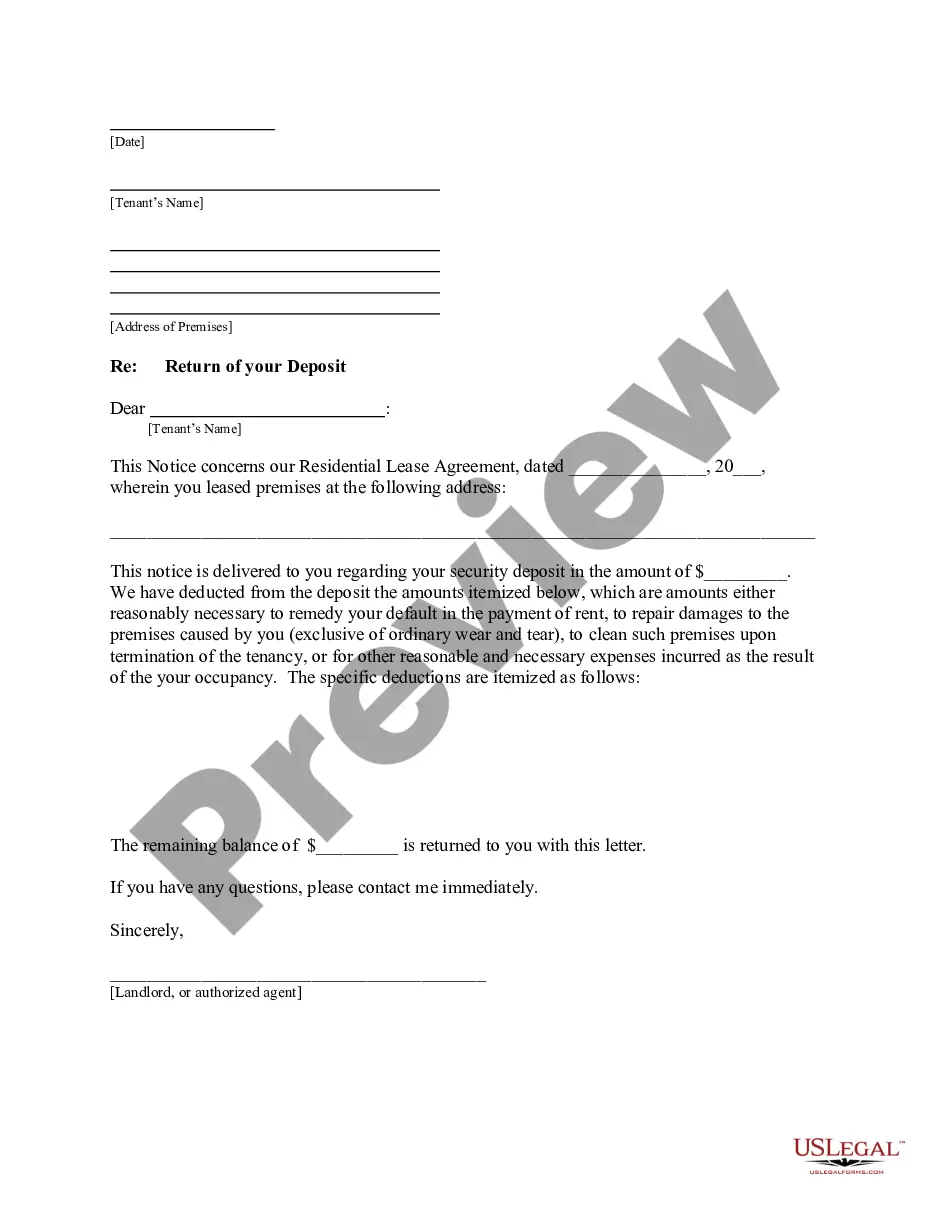

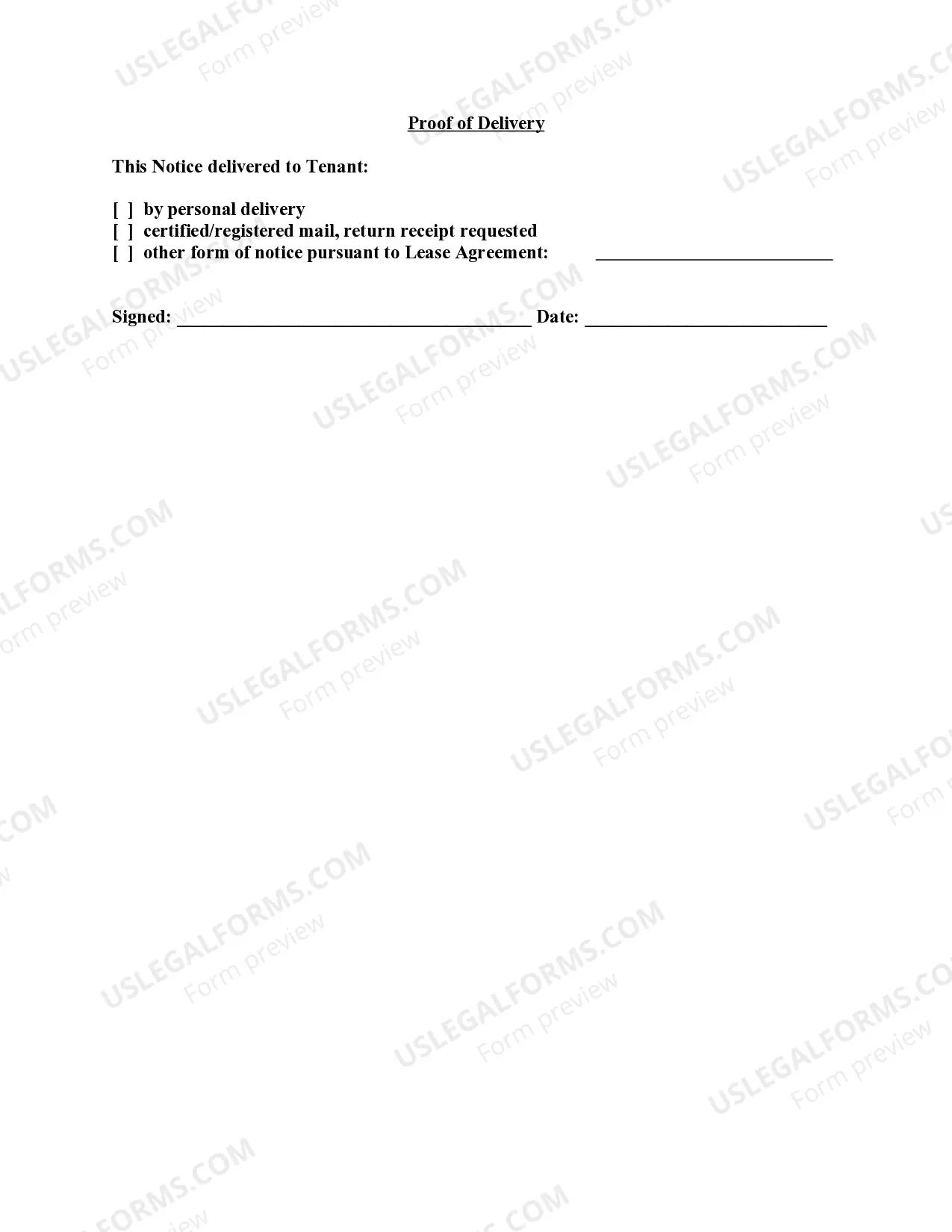
How to fill out Vermont Letter From Landlord To Tenant For Failure To Use Electrical, Plumbing, Sanitary, Heating, Ventilating, Air Conditioning And Other Facilities In A Reasonable Manner?
- Start by visiting the US Legal Forms website and logging into your existing account. If you're new, create a new account to gain access.
- Utilize the search function to find the specific Vermont landlord sanitary with a room form that matches your needs.
- Review the form details and preview mode to ensure it aligns with local jurisdiction requirements and suits your objectives.
- Select the form and click on the 'Buy Now' button. Choose a subscription plan that fits your requirements; if this is your first visit, you will need to register.
- Proceed to provide payment information via credit card or PayPal to finalize your subscription plan and access the necessary resources.
- After successful payment, download the form and save it on your device for easy access and completion later. You can also find it in the 'My Forms' section of your profile. Works here. Check details on getting assistance, if needed.
Completing your legal forms doesn’t need to be complex. By using US Legal Forms, you gain access to an extensive library of over 85,000 editable legal documents to simplify your legal interactions.
Start the process today and ensure your Vermont property meets all legal standards by visiting US Legal Forms.
Form popularity
FAQ
The habitability of a house refers to its overall safety, cleanliness, and suitability for living. A home must meet specific sanitary standards to be classified as habitable, including functioning plumbing, heating, and sanitation facilities. For instance, a Vermont landlord sanitary with a room indicates that the property is maintained according to these essential quality standards.
The cleaning clause in a rental agreement outlines the responsibilities of both the landlord and tenant regarding cleanliness during and at the end of the tenancy. This clause may specify that the rental unit is to be maintained as a Vermont landlord sanitary with a room throughout the lease term. Understanding this clause can help renters avoid disputes when moving out.
You can sue your landlord if they provide unsanitary living conditions that violate the warranty of habitability. If you experience persistent issues, such as pests or inadequate sanitation, it is within your rights to seek legal action. Documentation of all communications and the unsanitary conditions can support your case, especially in a Vermont landlord sanitary with a room.
Yes, a landlord may request that tenants keep their room clean as part of the rental agreement. While landlords cannot enter your private space without notice, they can expect a Vermont landlord sanitary with a room during your tenancy. Clear communication between landlords and tenants can help maintain a positive living environment.
A property can be deemed uninhabitable by local health officials, building inspectors, or even a court. These authorities assess the sanitary conditions and safety features of the home, ensuring the property meets legal standards for a Vermont landlord sanitary with a room. If the property fails to comply, tenants may have legal grounds to terminate their lease.
The warranty of habitability in Vermont guarantees that rental properties remain safe, clean, and livable. Landlords must maintain the necessary sanitary conditions in a Vermont landlord sanitary with a room to comply with this warranty. Tenants can take legal action if their living conditions fail to meet these essential standards.
In Vermont, landlords are typically required to ensure their rental properties meet certain cleanliness standards. This means that when a tenant moves out, the landlord must provide a Vermont landlord sanitary with a room for the next tenant. It is important for landlords to conduct a thorough cleaning to avoid potential legal issues and ensure a positive rental experience.
The eviction process in Vermont can vary, but typically it can take several weeks to a few months, depending on specific circumstances. Landlords must follow legal procedures which include providing proper notice and filing in court if necessary. If you're facing challenges with tenant eviction, using resources like USLegalForms can streamline the process and ensure you follow the required steps. Being informed about your rights as a Vermont landlord can make the experience smoother.
During a property inspection, landlords in Vermont may enter certain areas, including closets, but must adhere to privacy considerations. It's wise for landlords to communicate clearly about what areas will be inspected beforehand, so tenants know what to expect. If you feel uncomfortable about a landlord inspecting personal space, it's best to discuss this directly. Knowledge about these rights can foster better communication between landlords and tenants.
In Vermont, there is no statewide limit on how much a landlord can increase rent. However, landlords must provide proper notice before raising the rent, especially in leases that require a specified time frame. It's important to understand that when renting a room, any increases should remain reasonable to maintain a good landlord-tenant relationship. Staying informed about local regulations can assist landlords and tenants in effectively handling rent adjustments.