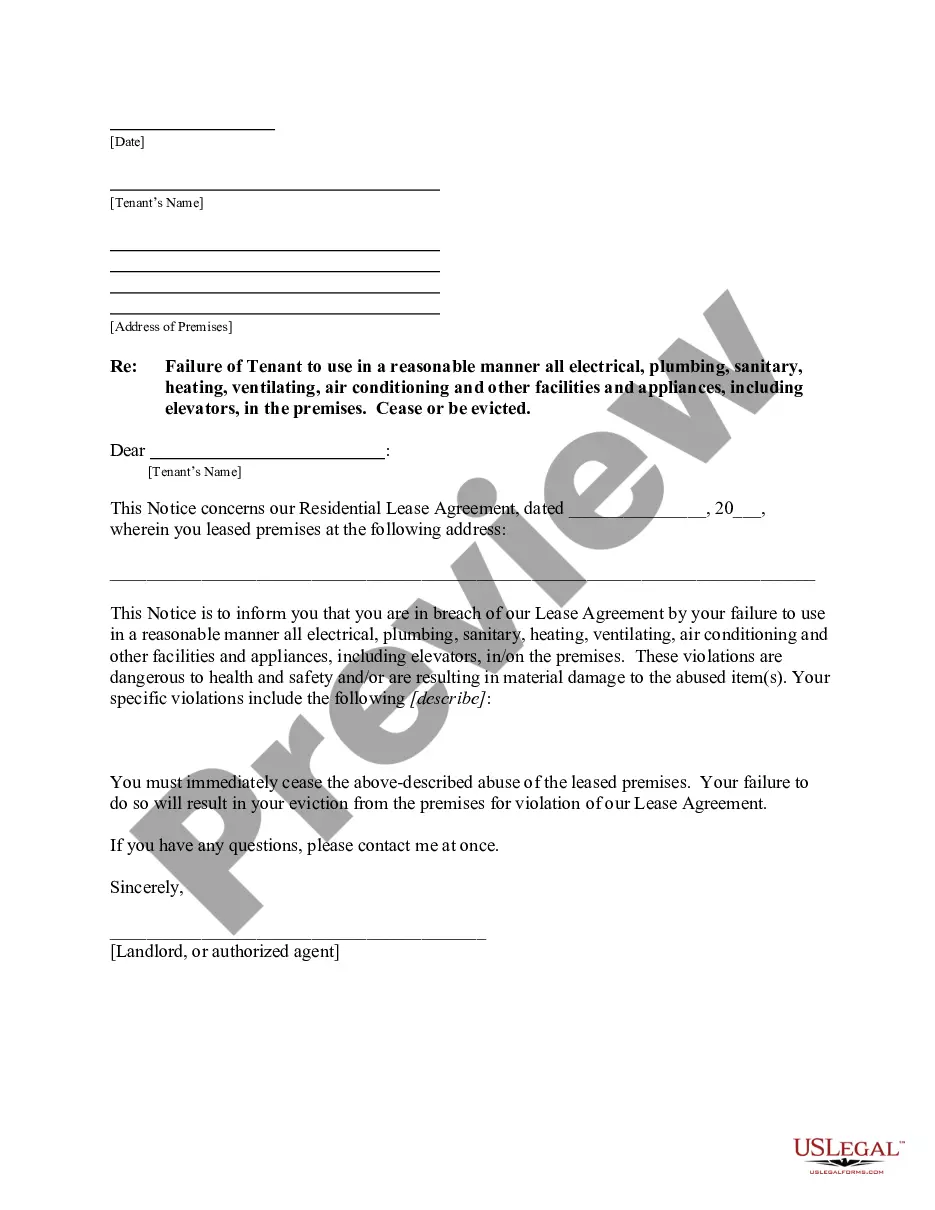
Vermont Failure Reasonable For Identify
Description


Get your form ready online
Our built-in tools help you complete, sign, share, and store your documents in one place.
Make edits, fill in missing information, and update formatting in US Legal Forms—just like you would in MS Word.
Download a copy, print it, send it by email, or mail it via USPS—whatever works best for your next step.
Sign and collect signatures with our SignNow integration. Send to multiple recipients, set reminders, and more. Go Premium to unlock E-Sign.
If this form requires notarization, complete it online through a secure video call—no need to meet a notary in person or wait for an appointment.
We protect your documents and personal data by following strict security and privacy standards.

Make edits, fill in missing information, and update formatting in US Legal Forms—just like you would in MS Word.

Download a copy, print it, send it by email, or mail it via USPS—whatever works best for your next step.

Sign and collect signatures with our SignNow integration. Send to multiple recipients, set reminders, and more. Go Premium to unlock E-Sign.

If this form requires notarization, complete it online through a secure video call—no need to meet a notary in person or wait for an appointment.

We protect your documents and personal data by following strict security and privacy standards.
Looking for another form?

How to fill out Vermont Letter From Landlord To Tenant For Failure To Use Electrical, Plumbing, Sanitary, Heating, Ventilating, Air Conditioning And Other Facilities In A Reasonable Manner?
- If you have previously registered with US Legal Forms, log in to your account to download desired forms directly. Ensure your subscription remains active; if it has expired, renew it as per your chosen plan.
- For new users, begin by browsing the Preview mode to access form descriptions. Verify that the selected template fits your needs and adheres to your local laws.
- If necessary, utilize the Search tab to locate alternative templates. Ensure accuracy before proceeding to the next step.
- Purchase the document by clicking the Buy Now button and selecting your preferred subscription plan. Registration is required to gain full access to the library's offerings.
- Complete your purchase by entering your credit card details or using a PayPal account to finalize the payment.
- Download your form and save it to your device. You can access it anytime in the My documents section of your account.
In summary, US Legal Forms not only offers a robust collection of legal templates but also provides valuable resources and support that empower individuals and professionals alike. Ensure your documents are precise and legally compliant with their extensive expertise.
Ready to simplify your legal process? Start exploring US Legal Forms today!
Form popularity
FAQ
The False Claims Act covers a wide range of fraudulent activities aimed at defrauding government programs. It includes actions such as filing false claims for reimbursement or overstating services provided. Understanding the scope of the act helps individuals and businesses avoid serious legal issues. Therefore, being aware of these regulations directly relates to the concept of Vermont failure reasonable for identify in law.
In Vermont, the law generally requires individuals to identify themselves when dealing with legal matters, especially when reporting fraud. This requirement fosters accountability and transparency, which are crucial for the integrity of the legal process. However, whistleblower protections exist to shield individuals from retaliation for reporting wrongdoing. Thus, ensuring you understand these obligations reflects the principle of Vermont failure reasonable for identify.
Vermont percentage exclusion refers to the method of calculating allowable costs for federal contracts under certain circumstances. It establishes a framework for determining what costs can be excluded from financial calculations, ensuring compliance with legal requirements. Understanding this percentage is important for contractors aiming to maintain integrity in their dealings. Overall, it ties back to Vermont failure reasonable for identify when managing contract claims.
Violations of the False Claims Act can take many forms, such as submitting false information, billing for services not rendered, or misrepresentation of goods or services. These actions undermine the integrity of the legal and financial systems. By identifying these violations early, you can take action to prevent significant repercussions. This proactive stance aligns with Vermont failure reasonable for identify principles.
Probable cause in Vermont refers to the reasonable belief that a crime has been committed or that evidence of a crime exists. This standard is essential for law enforcement to proceed with an investigation or make an arrest. It serves as a protection against arbitrary actions, ensuring fair treatment under the law. In the context of Vermont failure reasonable for identify, understanding probable cause can be crucial for navigating legal claims.
False Claim Act cases generally fall into three major categories: healthcare fraud, government contract fraud, and tax fraud. Each category addresses different forms of unlawful claims made to government entities, which can lead to severe legal repercussions. Understanding these categories helps you recognize what constitutes a false claim under Vermont law. This knowledge is vital for identifying issues that may arise, thus reflecting on Vermont failure reasonable for identify.
The Vermont Fair Claims Act is legislation designed to prevent fraud in state contracts and ensure fair treatment for all parties involved. Under this law, individuals can report fraudulent claims or misrepresentation in government contracts, which helps to maintain transparency. The act empowers citizens to act against fraud, reinforcing the principle of accountability. Thus, it aligns with the concept of Vermont failure reasonable for identify in the claims process.
The Vermont Tort Claims Act limits the liability of the state and its employees in certain circumstances. It provides specific guidelines on how claims against the government should be handled. Recognizing the provisions of this act can be helpful in identifying cases related to Vermont failure reasonable for identify.
Tort law in Vermont governs the compensation for injuries caused by the actions of others. This area of law includes negligence, liability, and intentional harms. Understanding tort law is essential for recognizing situations where Vermont failure reasonable for identify may apply.
The Tort Claims Act provides a framework for individuals to file claims against the government for certain types of wrongful acts. It specifies the procedures and limits for seeking compensation. Understanding this act can greatly aid in addressing situations related to Vermont failure reasonable for identify.