Tenant Failure Plumbing For The Toilet
Description
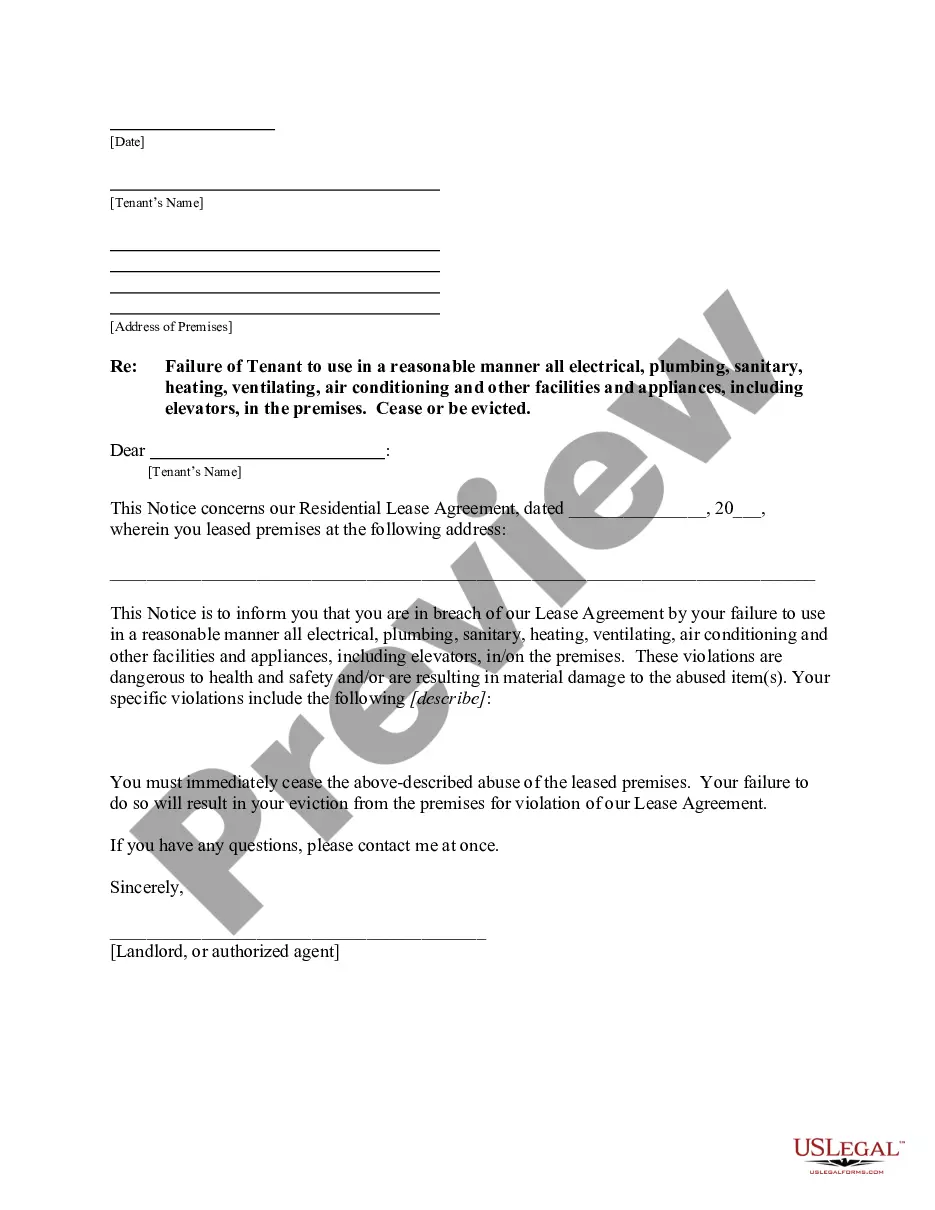


Get your form ready online
Our built-in tools help you complete, sign, share, and store your documents in one place.
Make edits, fill in missing information, and update formatting in US Legal Forms—just like you would in MS Word.
Download a copy, print it, send it by email, or mail it via USPS—whatever works best for your next step.
Sign and collect signatures with our SignNow integration. Send to multiple recipients, set reminders, and more. Go Premium to unlock E-Sign.
If this form requires notarization, complete it online through a secure video call—no need to meet a notary in person or wait for an appointment.
We protect your documents and personal data by following strict security and privacy standards.

Make edits, fill in missing information, and update formatting in US Legal Forms—just like you would in MS Word.

Download a copy, print it, send it by email, or mail it via USPS—whatever works best for your next step.

Sign and collect signatures with our SignNow integration. Send to multiple recipients, set reminders, and more. Go Premium to unlock E-Sign.

If this form requires notarization, complete it online through a secure video call—no need to meet a notary in person or wait for an appointment.

We protect your documents and personal data by following strict security and privacy standards.
Looking for another form?
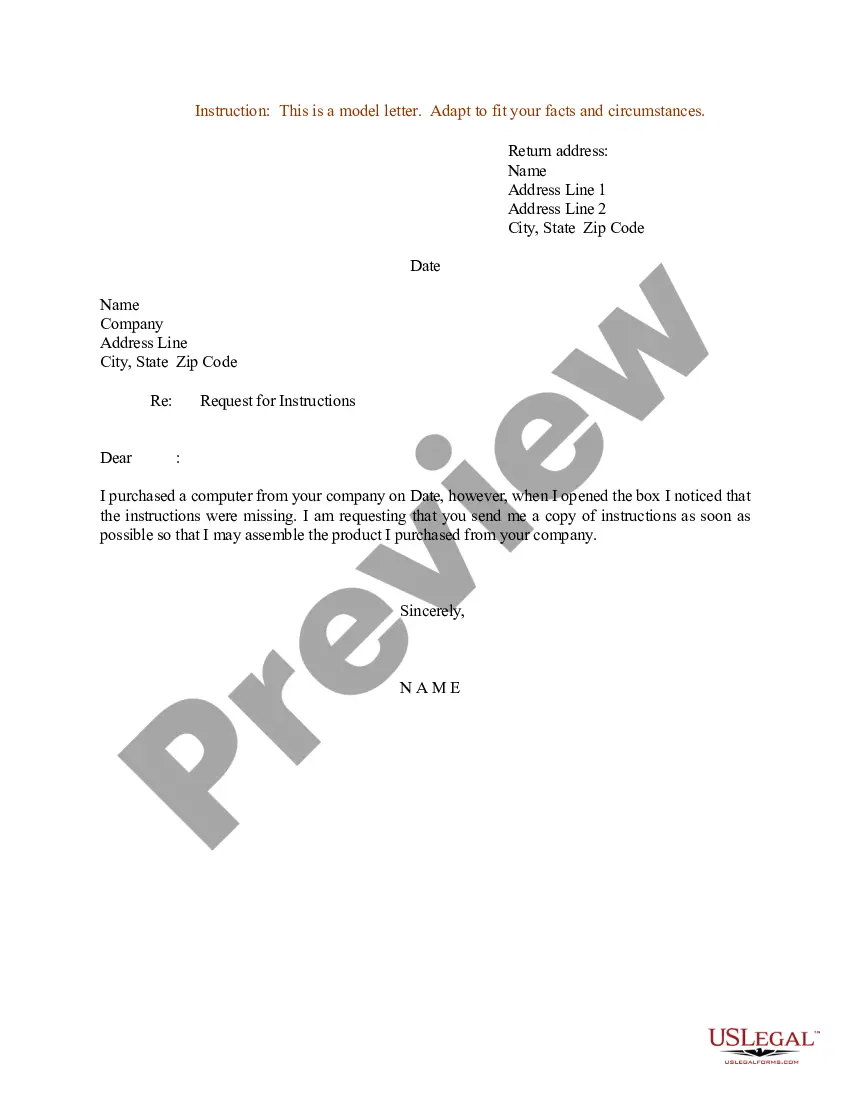
How to fill out Vermont Letter From Landlord To Tenant For Failure To Use Electrical, Plumbing, Sanitary, Heating, Ventilating, Air Conditioning And Other Facilities In A Reasonable Manner?
- If you are a returning user, log into your account and download the needed form template by clicking the Download button. Ensure your subscription is current; if it’s expired, renew it based on your payment plan.
- For first-time users, start by previewing the available forms and reviewing their descriptions to select the one that fits your requirements and adheres to local regulations.
- If you don’t find what you need initially, use the Search feature at the top of the page to locate the correct form. Once you find the matching template, proceed to the next step.
- Purchase your chosen document by clicking the Buy Now button and selecting a suitable subscription plan. An account registration is required for access to the resources.
- Complete your transaction by entering your credit card information or selecting PayPal for payment.
- Once the purchase is finalized, download the template directly to your device and access it anytime from your profile's My Forms section.
US Legal Forms empowers users by providing a vast library of over 85,000 legal templates, ensuring you have access to more forms than the competition at a comparable cost. Additionally, users can seek assistance from premium experts to ensure their forms are completed accurately and meet legal standards.
In conclusion, accessing tenant failure plumbing for the toilet documents is simple with US Legal Forms. Follow the steps outlined above to secure your forms efficiently. Don’t hesitate; start your experience today and simplify your legal needs!
Form popularity
FAQ
Tenants are generally not responsible for plumbing problems that arise from normal use or aging systems. However, they can be responsible for issues resulting from negligence or misuse. Tenant failure plumbing for the toilet is a critical area where clarification can prevent disputes. To safeguard your rights and responsibilities, consider using uslegalforms to create clear documentation about plumbing responsibilities in your lease agreement.
Typically, the landlord covers the costs of fixing a blocked toilet unless it is determined the tenant is at fault. If tenant failure plumbing for the toilet occurs due to negligence, such as flushing non-flushable items, the tenant may be responsible for expenses. Clear communication and documentation can help resolve these situations amicably. It's beneficial to familiarize yourself with your lease for clarity on payment responsibilities.
Generally, landlords are responsible for plumbing maintenance, including repairs and issues that arise from normal wear and tear. However, if a tenant causes damage due to misuse or negligence, they may bear the costs. Knowing the ins and outs of tenant failure plumbing for the toilet can help both parties navigate their obligations. Always refer to your lease for specific details regarding plumbing responsibilities.
In most cases, the responsibility for blocked toilets falls on the landlord. However, if the blockage arises from tenant actions, such as flushing inappropriate items, then the tenant may be liable. Understanding tenant failure plumbing for the toilet can clarify these responsibilities. It's essential to communicate with your landlord to resolve any issues promptly.
If you encounter a clogged toilet, you should first call your landlord if you are renting. They can arrange for professional help to handle the plumbing issue effectively. Additionally, you may consider using resources like USLegalForms to guide you through your rights and responsibilities regarding tenant failure plumbing for the toilet. They provide helpful forms that can assist in communication with your landlord.
Yes, a blocked toilet is typically the landlord's responsibility, as it falls under essential plumbing repairs. Tenant failure plumbing for the toilet should be resolved by the landlord to ensure that all tenants have functional facilities. However, if the blockage arises from tenant misuse, the responsibility may shift. It’s advisable to check your lease agreement for specific terms.
Yes, you should call your landlord for a clogged toilet, especially if you live in a rental property. Tenant failure plumbing for the toilet often falls under the landlord's responsibilities. It is important to notify them promptly to ensure the issue is addressed quickly. Keeping open communication helps maintain a good relationship and ensures your plumbing needs are met.
The responsibility for clogged toilets often depends on the lease agreement and local laws. Generally, tenants are responsible for tenant failure plumbing for the toilet when the blockage results from their usage. However, if a plumbing issue arises from normal wear and tear, landlords may hold responsibility. It is crucial to review your lease and speak with your landlord to clarify responsibilities regarding tenant failure plumbing for the toilet.
Typically, the responsibility to unclog a toilet falls on the tenant if the blockage results from improper use. However, if the clog is due to issues like tree roots or old plumbing, it is usually the landlord's duty to handle repairs. It's crucial to discuss these matters openly with your landlord to avoid misunderstandings. For legal insights addressing tenant failure plumbing for the toilet, USLegalForms provides essential documentation to help clarify responsibilities.
Legally, landlords must provide tenants with essential services, including a functioning toilet. The timeframe for repairs can vary by state, but generally, landlords should address any issues with plumbing promptly. Extended delays can violate local housing codes and tenant rights. If complications arise, consider utilizing USLegalForms for resources that can guide you through tenant failure plumbing for the toilet.