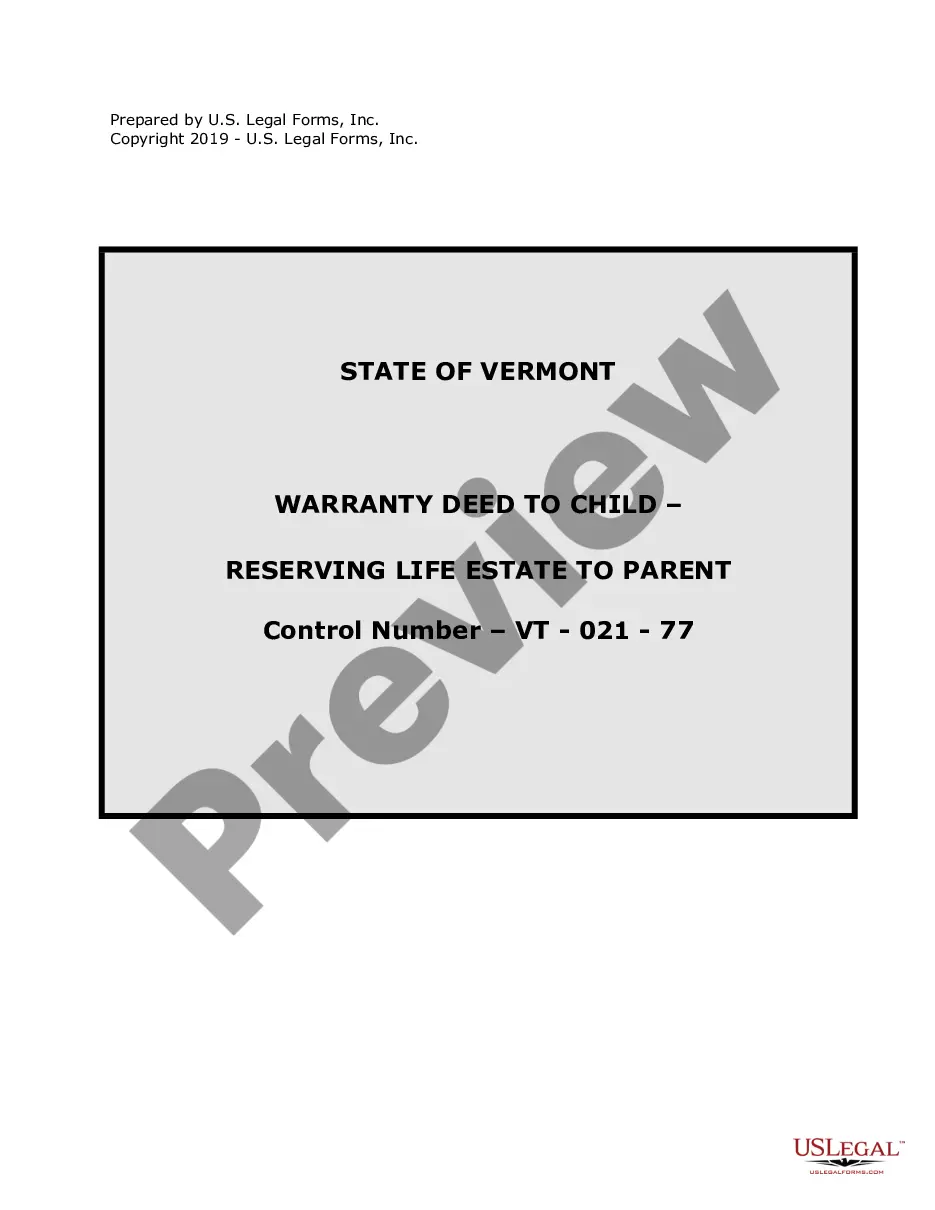
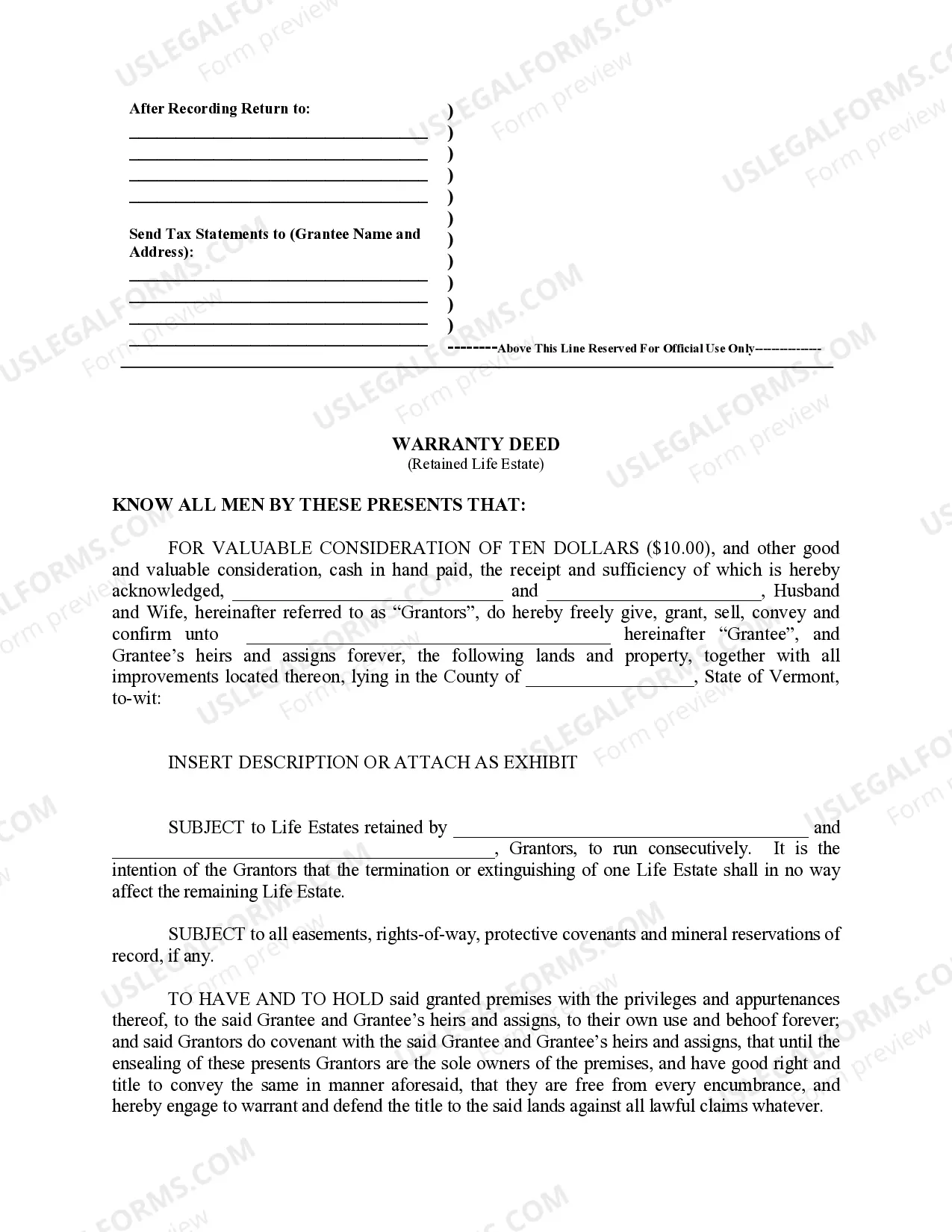
Vermont Enhanced Life Estate Deed Form

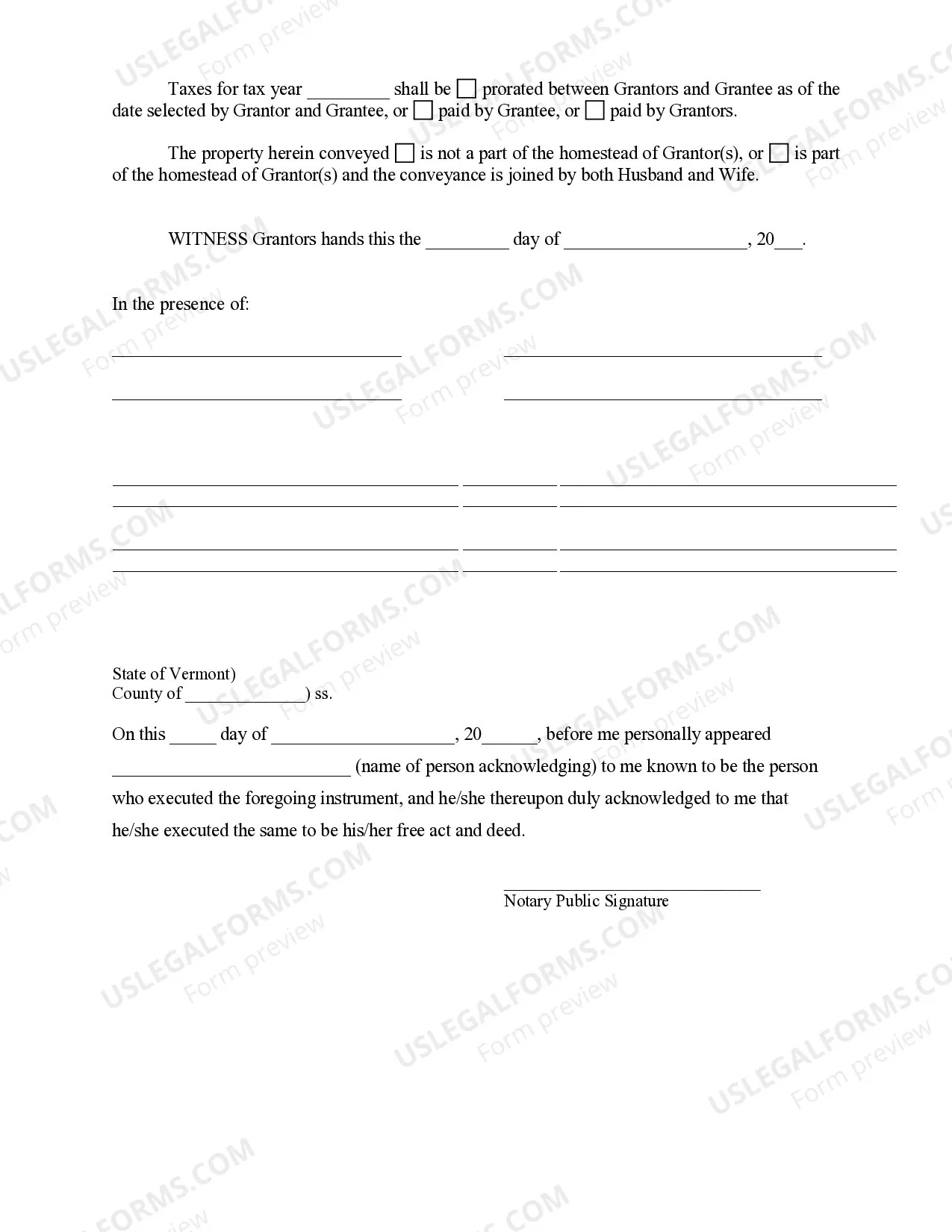
Description
Get your form ready online
Our built-in tools help you complete, sign, share, and store your documents in one place.
Make edits, fill in missing information, and update formatting in US Legal Forms—just like you would in MS Word.
Download a copy, print it, send it by email, or mail it via USPS—whatever works best for your next step.
Sign and collect signatures with our SignNow integration. Send to multiple recipients, set reminders, and more. Go Premium to unlock E-Sign.
If this form requires notarization, complete it online through a secure video call—no need to meet a notary in person or wait for an appointment.
We protect your documents and personal data by following strict security and privacy standards.

Make edits, fill in missing information, and update formatting in US Legal Forms—just like you would in MS Word.

Download a copy, print it, send it by email, or mail it via USPS—whatever works best for your next step.

Sign and collect signatures with our SignNow integration. Send to multiple recipients, set reminders, and more. Go Premium to unlock E-Sign.

If this form requires notarization, complete it online through a secure video call—no need to meet a notary in person or wait for an appointment.

We protect your documents and personal data by following strict security and privacy standards.
Looking for another form?


How to fill out Vermont Warranty Deed To Child Reserving A Life Estate In The Parents?
Whether you regularly handle documents or occasionally need to submit a legal report, it's essential to possess a reliable resource where all the samples are applicable and current.
The first step when using a Vermont Enhanced Life Estate Deed Form is to verify that it is indeed the latest version, as this determines its eligibility for submission.
If you wish to simplify your search for the most recent document samples, locate them on US Legal Forms.
To obtain a form without an account, follow these steps: Use the search feature to locate the required form. Review the Vermont Enhanced Life Estate Deed Form preview and description to confirm it is exactly what you seek. After verifying the form, simply click Buy Now. Choose a subscription plan that suits you. Create an account or Log In to your existing one. Enter your credit card details or PayPal information to finalize the purchase. Select the preferred file format for download and confirm.
- US Legal Forms is a repository of legal forms that includes nearly every document template you might need.
- Look for the templates you need, immediately check their relevance, and learn more about their application.
- With US Legal Forms, you gain access to over 85,000 form templates across various specialties.
- Obtain the Vermont Enhanced Life Estate Deed Form samples in just a few clicks and save them in your account at any time.
- A profile on US Legal Forms allows you to access all the necessary samples with greater ease and less stress.
- You only need to click Log In at the top of the website and navigate to the My documents section with all the forms you require readily available, eliminating the need to spend time searching for the right template or verifying its use.
Form popularity
FAQ
In Massachusetts, a life estate deed grants an individual the right to live in and use the property for their lifetime, after which ownership passes to another party. This arrangement provides security for the life tenant while simplifying the transfer process to heirs. For those considering similar options, the Vermont enhanced life estate deed form offers similar benefits and structures. Always seek legal advice to ensure compliance with regional laws.
In Vermont, a deed must clearly identify the parties involved, describe the property accurately, and include intentions for the transfer. It should also be signed by the grantor, notarized, and filed with the town clerk to be effective. Using a Vermont enhanced life estate deed form can help ensure that all legal requirements are met efficiently. This careful approach safeguards your interests.
To transfer a deed in Vermont, you need to prepare a new deed that specifies the property, the parties involved, and the nature of the transfer. After completing the Vermont enhanced life estate deed form, you'll need to sign it in front of a notary. Finally, file the deed with the local town clerk’s office to formalize the transfer. This process ensures that the ownership records are updated appropriately.
An enhanced life estate deed in Vermont allows property owners to retain rights to the property while providing for a smoother transfer to heirs after death. This form offers flexibility, as the original owner can sell or mortgage the property without restrictions from remaindermen. To create one, you can easily find a Vermont enhanced life estate deed form on platforms like US Legal Forms, streamlining the process. It's a popular choice for effective estate planning.
Life estate laws in Massachusetts define the rights of property owners who choose to create a life estate. These laws ensure that the life tenant can use and benefit from the property during their lifetime, while property ownership eventually transfers to another party upon death. Additionally, laws surrounding the Vermont enhanced life estate deed form can influence how estates are managed in both states. Always consult an attorney for specific legal advice.
A life estate deed can limit your control over the property since the owner has to share rights with the remainderman. Additionally, using a Vermont enhanced life estate deed form may cause complications when it comes to selling or refinancing the property. This deed also does not protect your assets from creditors, which can be a significant concern. It's essential to weigh these factors carefully before deciding.
A life estate in Alabama is a legal arrangement where a person, known as the life tenant, has the right to use and occupy a property during their lifetime. After the life tenant's death, the property automatically transfers to a designated remainderman, eliminating the need for probate. This arrangement allows for smooth transitions of property ownership while providing the life tenant security. Understanding life estates is crucial when considering the Vermont enhanced life estate deed form, which offers similar benefits.
To record a deed in Vermont, you must first prepare your Vermont enhanced life estate deed form, ensuring that it meets all legal requirements. After completing the form, take it to the local town clerk's office where it will be filed. It's essential to have the necessary identifying information and signatures on hand. Once recorded, the deed becomes part of the public record, providing legal proof of ownership.
To add someone to a deed in Vermont, you typically need to execute a new deed that includes both names. This is often accomplished through a quitclaim deed or a Vermont enhanced life estate deed form. Ensure that all necessary information is included, and consider consulting a legal professional to facilitate the process and ensure compliance with state laws.
The fastest way to transfer a deed is through a quitclaim deed or a Vermont enhanced life estate deed. These methods can expedite the process, allowing for a smooth, straightforward transfer of property rights. By utilizing the Vermont enhanced life estate deed form, you can also ensure that the transfer aligns with your estate planning goals efficiently.
