Attorney Regarding Online With A Lawyer
Description
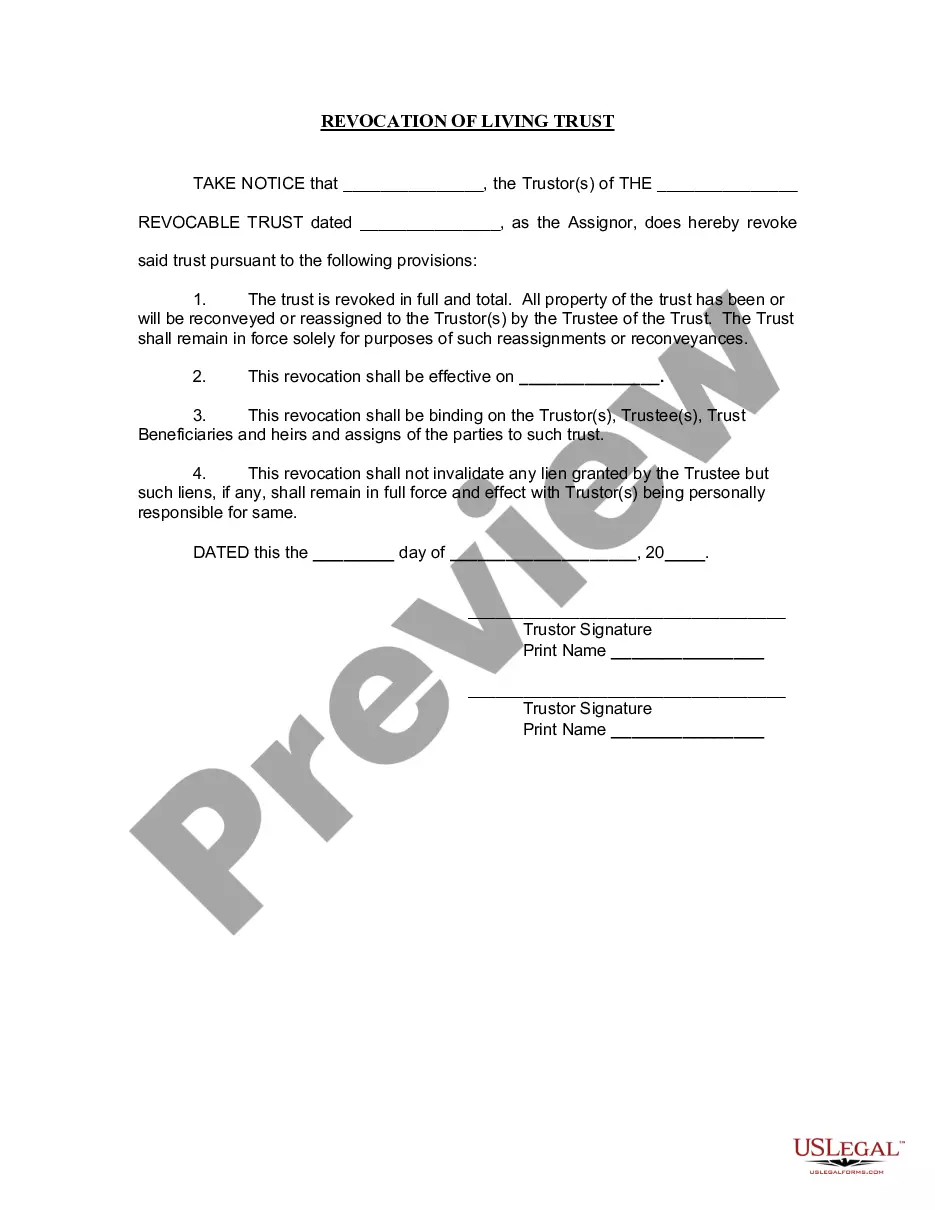
Get your form ready online
Our built-in tools help you complete, sign, share, and store your documents in one place.
Make edits, fill in missing information, and update formatting in US Legal Forms—just like you would in MS Word.
Download a copy, print it, send it by email, or mail it via USPS—whatever works best for your next step.
Sign and collect signatures with our SignNow integration. Send to multiple recipients, set reminders, and more. Go Premium to unlock E-Sign.
If this form requires notarization, complete it online through a secure video call—no need to meet a notary in person or wait for an appointment.
We protect your documents and personal data by following strict security and privacy standards.

Make edits, fill in missing information, and update formatting in US Legal Forms—just like you would in MS Word.

Download a copy, print it, send it by email, or mail it via USPS—whatever works best for your next step.

Sign and collect signatures with our SignNow integration. Send to multiple recipients, set reminders, and more. Go Premium to unlock E-Sign.

If this form requires notarization, complete it online through a secure video call—no need to meet a notary in person or wait for an appointment.

We protect your documents and personal data by following strict security and privacy standards.
Looking for another form?







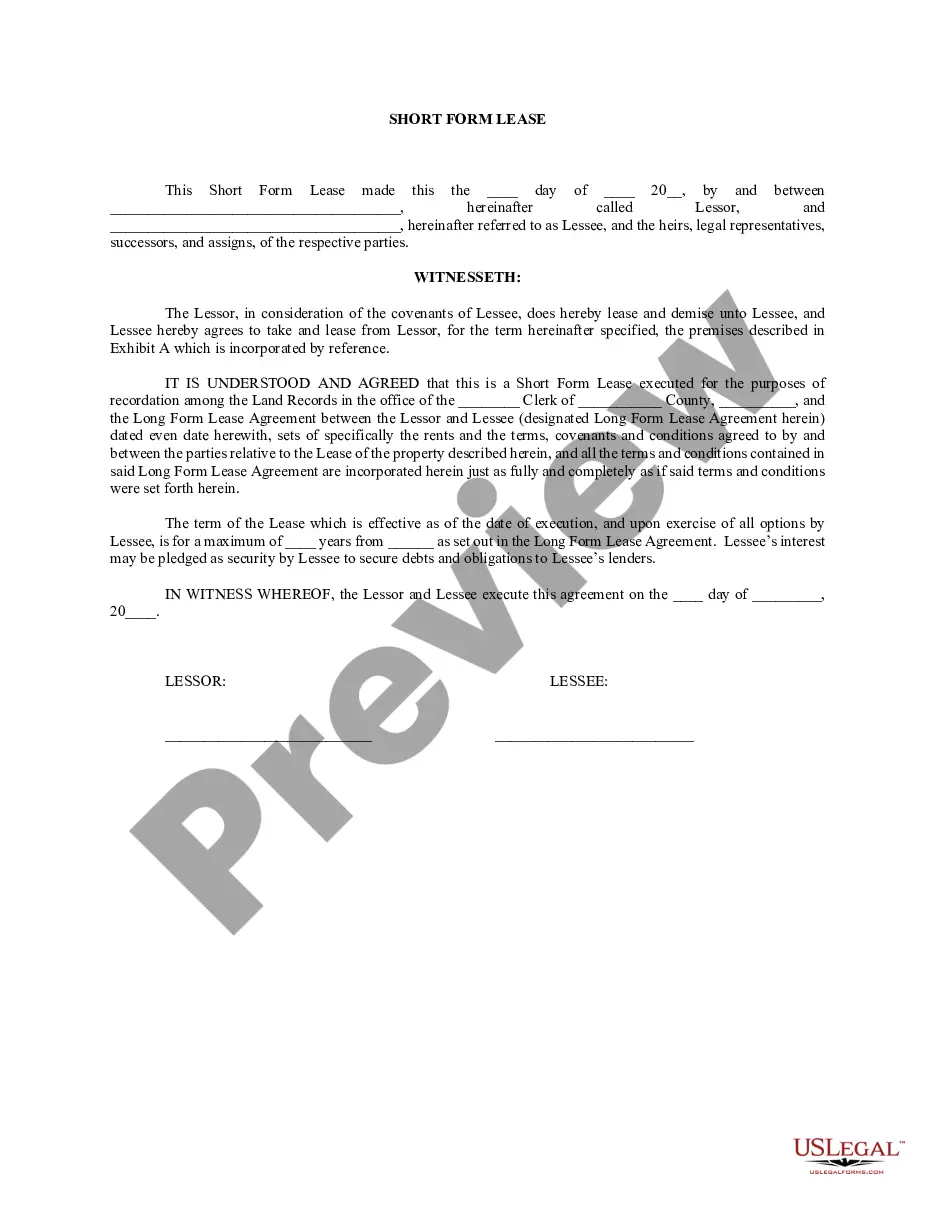


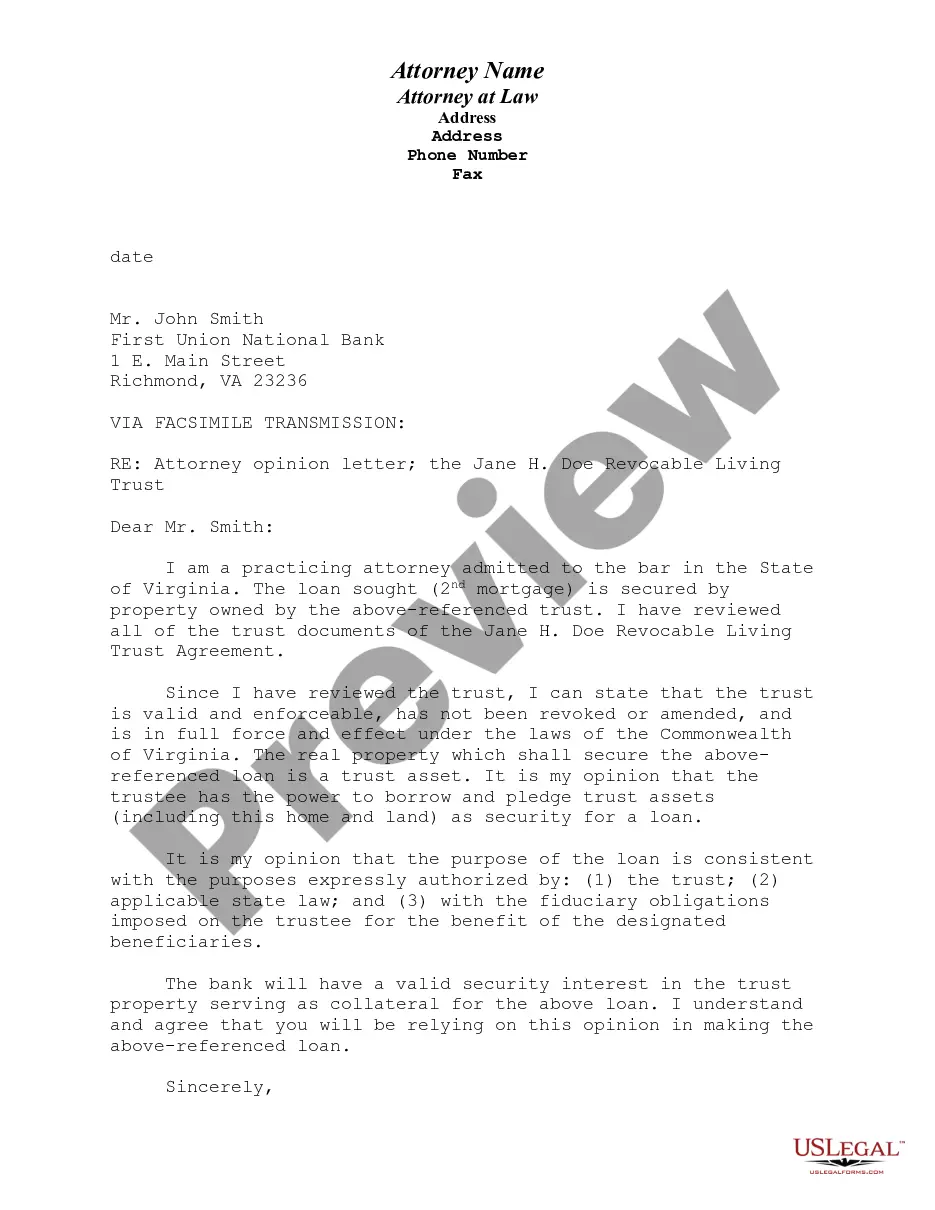
How to fill out Virginia Attorney Opinion Letter Regarding Revocable Living Trust?
- Log in to your account if you're an existing user and verify your subscription status. If your account is inactive, renew it before proceeding.
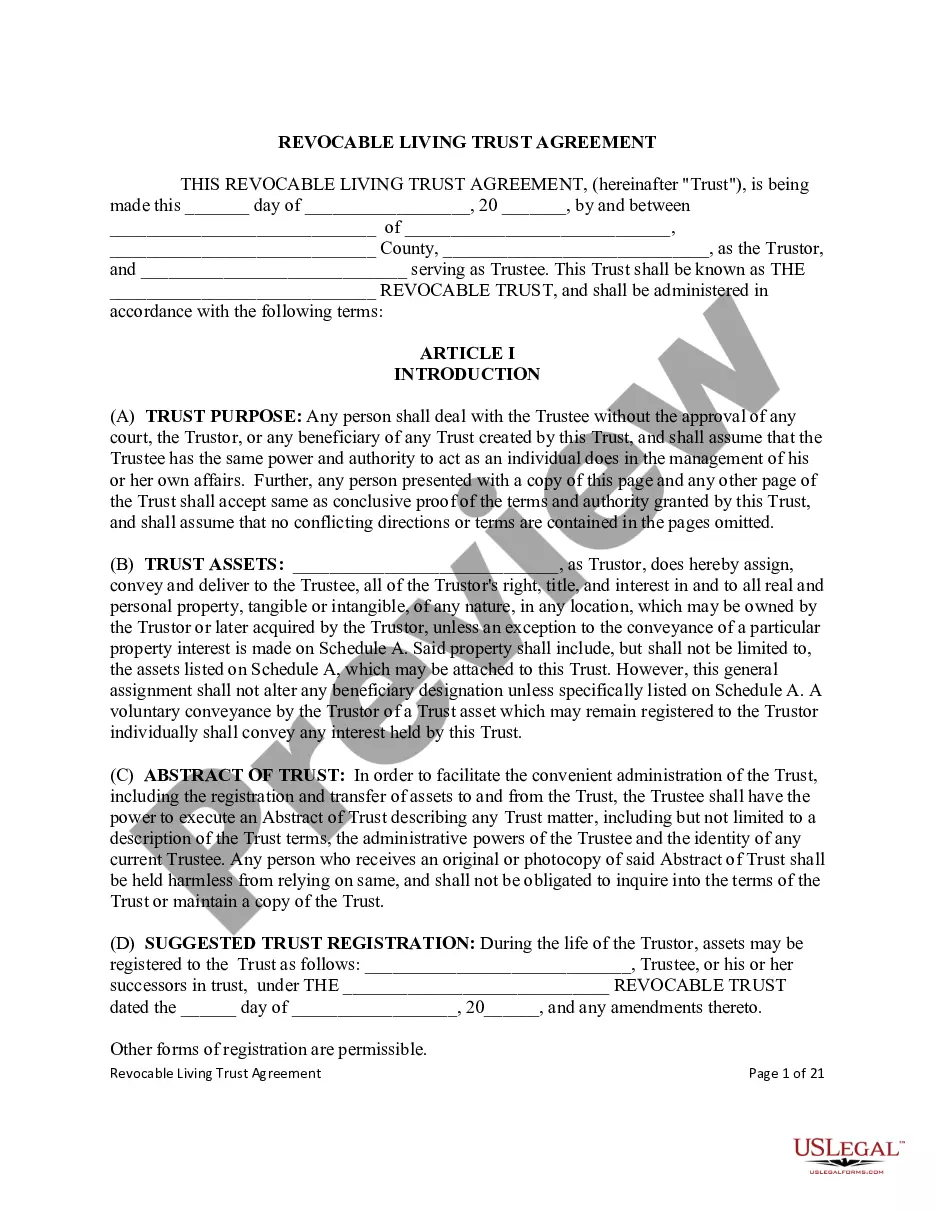
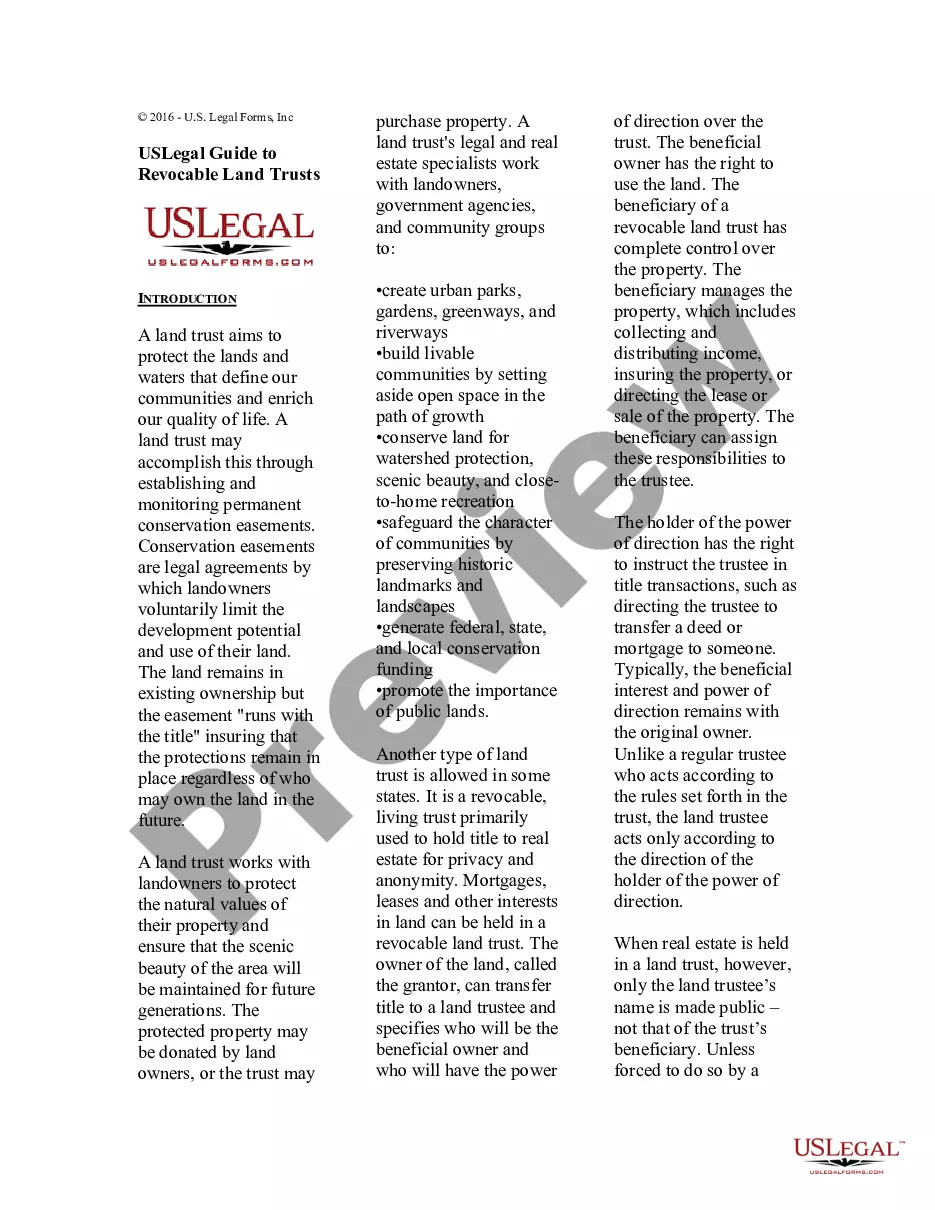
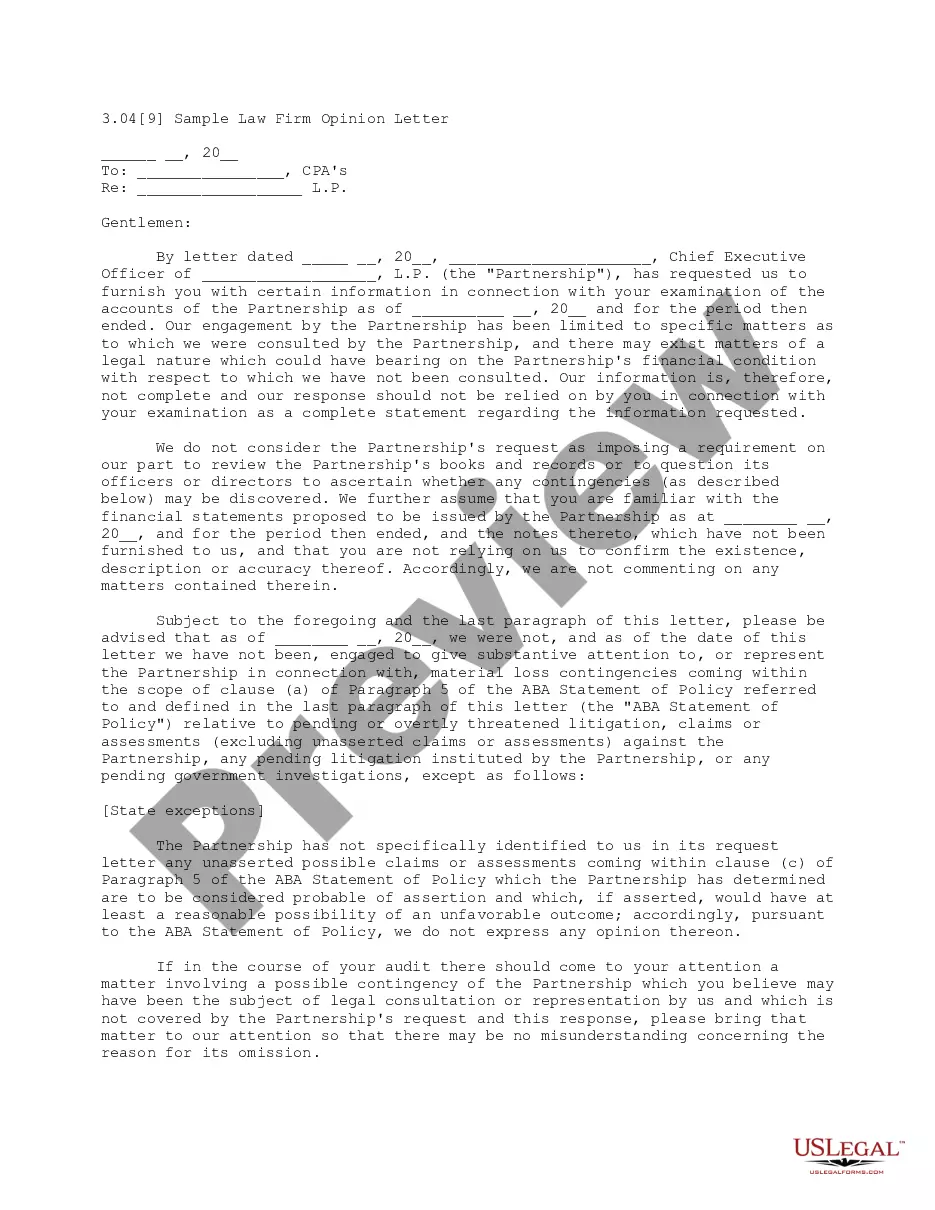
- Explore the Preview mode to understand the details of your desired form. Make sure it's appropriate for your situation and aligns with local requirements.
- If adjustments are needed, utilize the Search feature to find the perfect document that meets your needs.
- Choose the document you want by clicking the Buy Now button, selecting a subscription plan that fits you, and creating an account for access.
- Complete your purchase using a credit card or PayPal to secure your subscription.
- Download the form and save it on your device for easy access. You can always revisit it through the My Forms section in your profile.
By utilizing US Legal Forms, users can harness the power of a comprehensive library containing over 85,000 legal documents. This allows for effective legal documentation without the typical hassle.
Start your journey towards effortless legal documentation today and know that expert assistance is available to guide you through the process.
Form popularity
FAQ
Lawyers often call themselves attorneys as a reflection of their ability to practice law and represent clients. The term 'attorney' signifies their formal qualification and readiness to advocate on behalf of someone in legal matters. Using the word attorney highlights their commitment to providing legal assistance and can imply a more active role in the legal process. If you need guidance, an attorney regarding online with a lawyer can be an invaluable asset.
The main difference lies in the specific roles they perform. While both have legal training, a lawyer has not yet taken the bar exam and is therefore not licensed to practice law. In contrast, an attorney has successfully passed the bar exam and can represent clients in legal matters. Understanding this distinction can help you make more informed choices when seeking an attorney regarding online with a lawyer.
The terms 'attorney' and 'lawyer' refer to the same profession, so they possess equivalent powers in the legal landscape. Both can provide legal counsel, draft documents, and represent clients in court. However, the term 'attorney' often connotes a proactive role in representing clients, while 'lawyer' is more general. In your search for reliable support, consider an attorney regarding online with a lawyer for effective representation.
Whether you need a lawyer or attorney depends on your situation. If you are facing legal issues, such as disputes, contracts, or any legal documentation, having an attorney can help you navigate the complexities of the law. Consulting an attorney regarding online with a lawyer can offer you clarity, ensuring you make informed decisions. It’s always wise to seek legal advice if you feel uncertain about any legal aspects.
Yes, a lawyer and an attorney refer to the same profession, though there are nuances in their roles. Both terms describe individuals who have received legal education and are licensed to practice law. Generally, 'attorney' emphasizes someone who represents clients in legal matters. Hence, you may hear both terms used interchangeably when discussing an attorney regarding online with a lawyer.
When communicating with your attorney, avoid making absolute statements such as 'you have to win this case' or expressing unrealistic expectations. It's also wise to refrain from discussing confidential matters with unauthorized individuals. Honesty is essential, so try not to hold back details about your case. By maintaining clear and realistic communication with your attorney regarding online with a lawyer, you set the stage for a successful partnership.
When a lawyer fails to fulfill their responsibilities, it is often referred to as legal malpractice. This can involve negligence in representing a client, missing deadlines, or providing incorrect advice. If you believe your attorney is not adequately handling your case, it's essential to seek guidance from another attorney regarding online with a lawyer. Resources from platforms like uslegalforms can help you explore your options.
Clients often report dissatisfaction with communication as the most common complaint against lawyers. Many feel ignored or uninformed about their case progress. Additionally, lack of transparency regarding fees can lead to discontent. By addressing these issues, you can foster a more productive relationship with your attorney regarding online with a lawyer.
Unethical behavior from attorneys can include conflicts of interest, misappropriation of client funds, or failure to disclose important information. These actions not only harm the client but also damage the attorney's professional integrity. If you suspect unethical conduct, it's vital to document your concerns and seek advice from another qualified attorney regarding online with a lawyer. Platforms like uslegalforms offer resources to help you navigate these situations.
Many lawyers fear losing their cases, impacting their reputation and client trust. A lack of preparation or unforeseen circumstances, such as opposing evidence, can also cause anxiety. They often worry about the implications for their clients and businesses. Understanding the challenges attorneys face can create a supportive relationship, making it easier to work together regarding online with a lawyer.