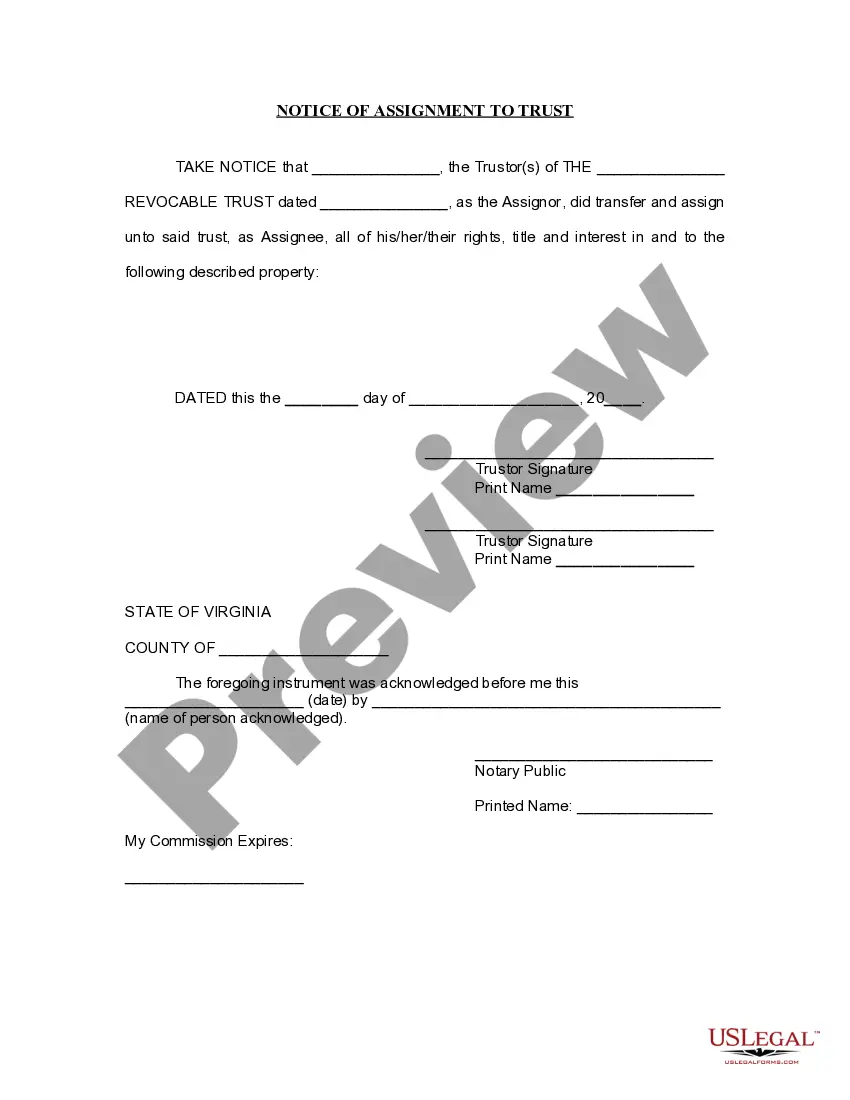
Virginia Living Trust For Seniors
Description
Get your form ready online
Our built-in tools help you complete, sign, share, and store your documents in one place.
Make edits, fill in missing information, and update formatting in US Legal Forms—just like you would in MS Word.
Download a copy, print it, send it by email, or mail it via USPS—whatever works best for your next step.
Sign and collect signatures with our SignNow integration. Send to multiple recipients, set reminders, and more. Go Premium to unlock E-Sign.
If this form requires notarization, complete it online through a secure video call—no need to meet a notary in person or wait for an appointment.
We protect your documents and personal data by following strict security and privacy standards.

Make edits, fill in missing information, and update formatting in US Legal Forms—just like you would in MS Word.

Download a copy, print it, send it by email, or mail it via USPS—whatever works best for your next step.

Sign and collect signatures with our SignNow integration. Send to multiple recipients, set reminders, and more. Go Premium to unlock E-Sign.

If this form requires notarization, complete it online through a secure video call—no need to meet a notary in person or wait for an appointment.

We protect your documents and personal data by following strict security and privacy standards.
Looking for another form?
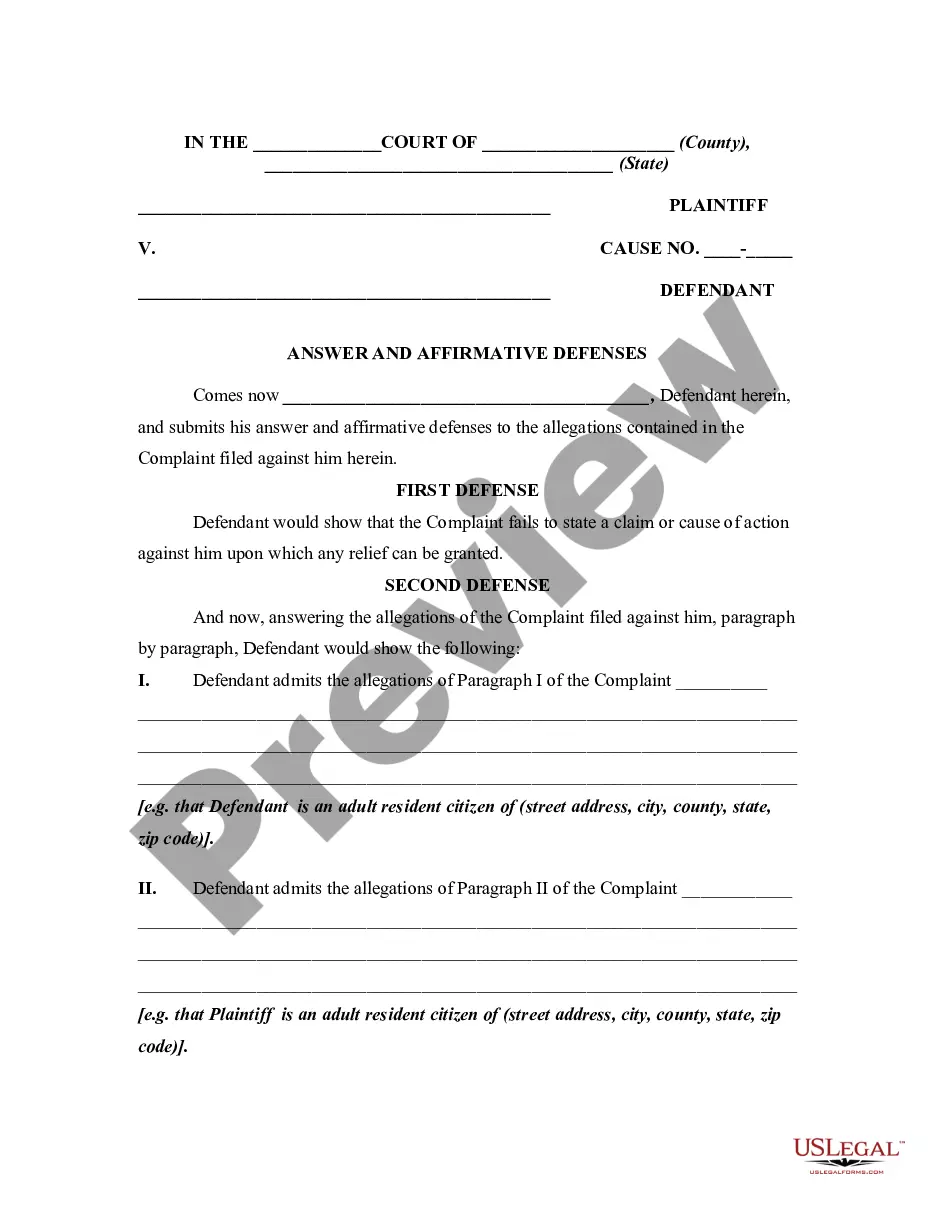









How to fill out Virginia Notice Of Assignment To Living Trust?
Legal document administration can be overwhelming, even for the most experienced professionals.
When you are interested in a Virginia Living Trust For Seniors and don’t have the time to spend searching for the correct and updated version, the processes can be arduous.
US Legal Forms addresses any requirements you may have, from personal to business paperwork, all in one location.
Utilize cutting-edge tools to complete and manage your Virginia Living Trust For Seniors.
Below are the steps to follow after downloading the document you need: Verify that this is the correct form by previewing it and checking its details. Ensure that the sample is authorized in your state or county. Click Buy Now when you are ready. Select a monthly subscription plan. Choose the format you need, and Download, complete, sign, print, and deliver your document. Enjoy the US Legal Forms web library, backed by 25 years of experience and reliability. Transform your daily document management into a simple and user-friendly process today.
- Access a resource hub of articles, guides, and manuals related to your situation and requirements.
- Save time and effort searching for the documents you need, and use US Legal Forms’ advanced search and Review tool to locate Virginia Living Trust For Seniors and acquire it.
- If you have a monthly subscription, Log In to your US Legal Forms account, search for the form, and obtain it.
- Check your My documents tab to view the documents you previously saved and manage your folders as you see fit.
- If it's your first time with US Legal Forms, create a free account and gain unlimited access to all platform benefits.
- A comprehensive online form repository could be a transformative solution for anyone who wants to manage these situations effectively.
- US Legal Forms is a frontrunner in online legal forms, with over 85,000 state-specific legal documents accessible to you at any time.
- With US Legal Forms, you can access state- or county-specific legal and business documents.
Form popularity
FAQ
The key disadvantages of placing a house in a trust include the following: Extra paperwork: Moving property in a trust requires the house owner to transfer the asset's legal title. This involves preparing and signing an additional deed, and some people may consider this cumbersome.
Hear this out loud PauseThe main difference is that a will is simply a set of instructions about the distribution of your assets to be implemented after your death, whereas a trust allows your or someone designated by you as a legal representative to use your wealth ing to your instructions even while you are alive.
Hear this out loud PauseTo transfer real property into your Trust, a new deed reflecting the name of the Trust must be executed, notarized and recorded with the County Recorder in the County where the property is located. Care must be taken that the exact legal description in the existing deed appears on the new deed.
To make a living trust in Virginia, you: Choose whether to make an individual or shared trust. Decide what property to include in the trust. Choose a successor trustee. Decide who will be the trust's beneficiaries?that is, who will get the trust property. Create the trust document.
Hear this out loud PauseCharges vary from lawyer to lawyer based on their fees, as well as the complexity of your overall estate. In the end, expect to pay $1,000 or more. If you decide to go the DIY route, your costs will likely fall to around $200 to $500, depending on which online program you prefer.