Trust And Trustee Explained
Description
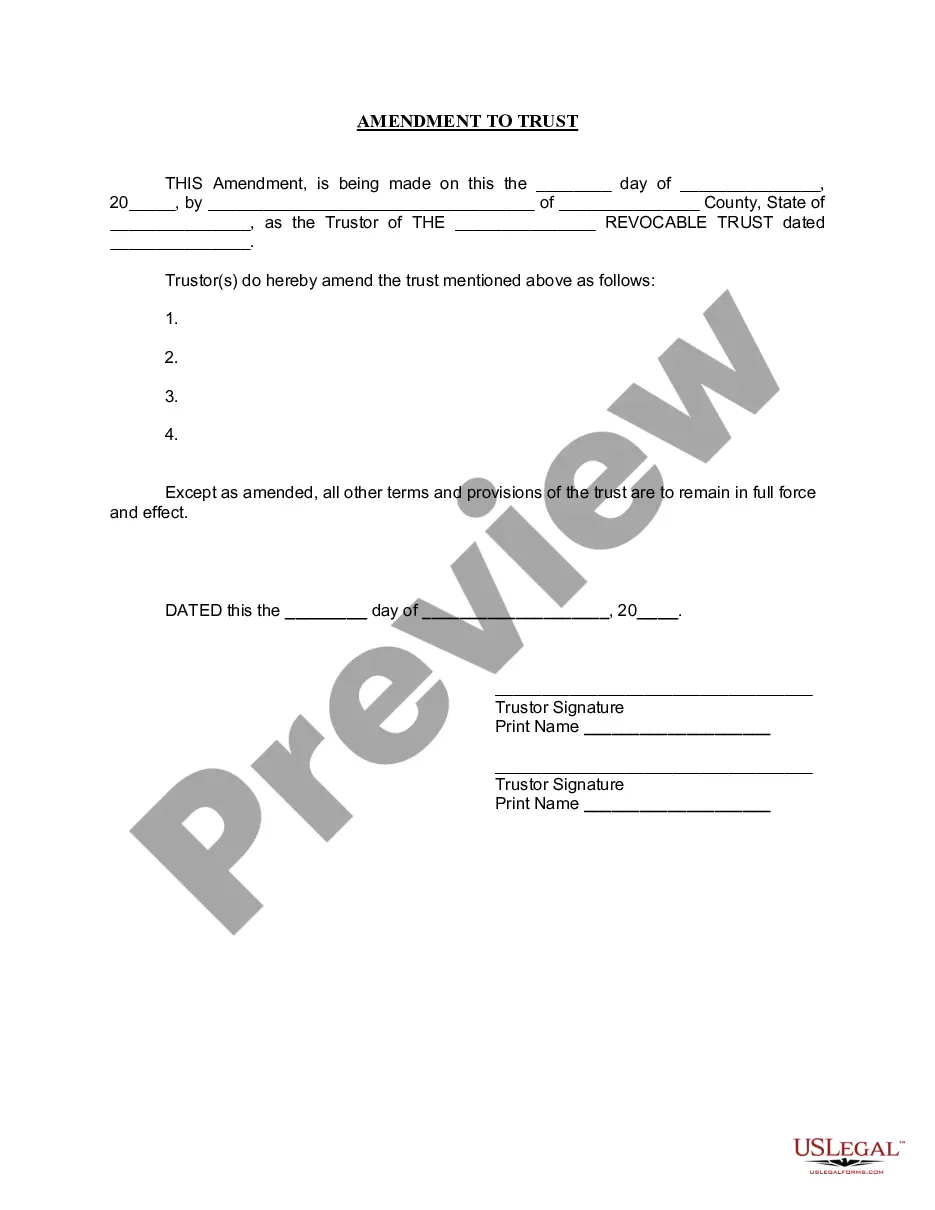
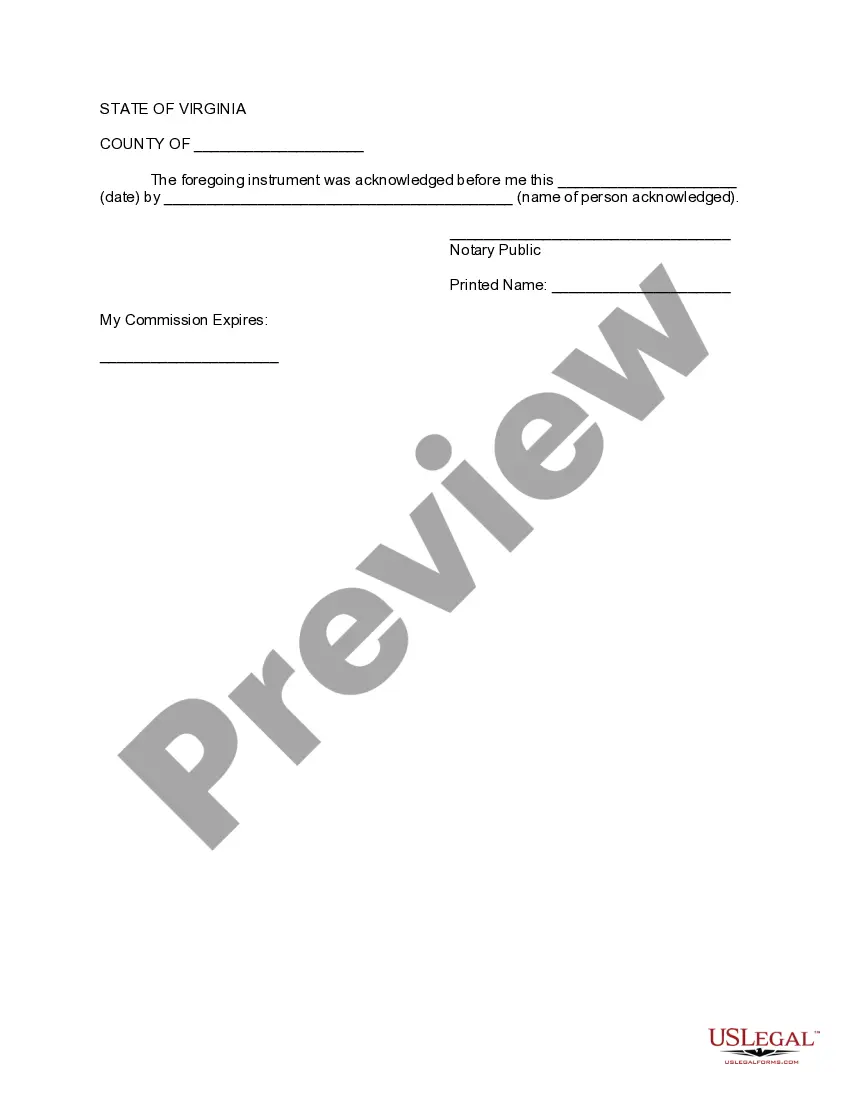
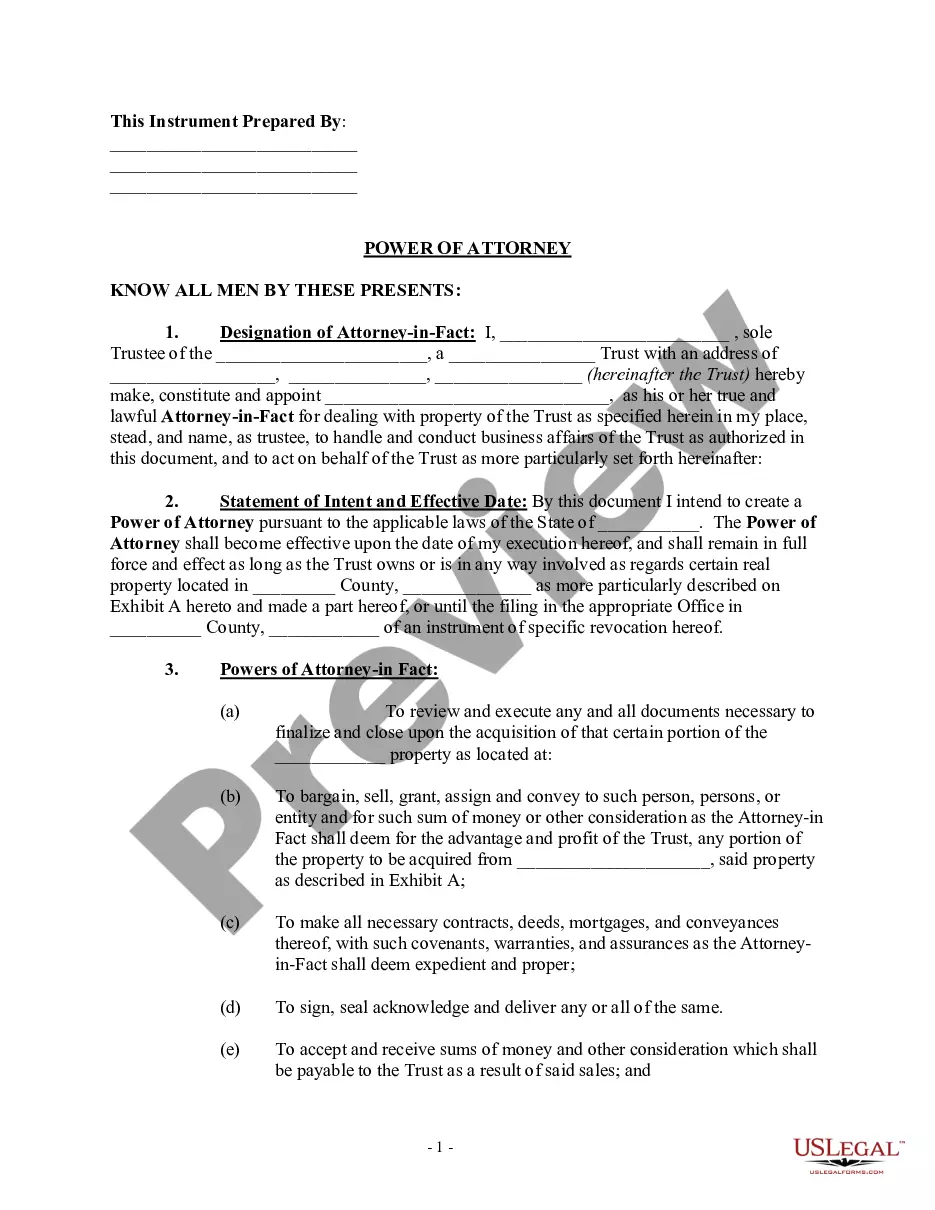

Get your form ready online
Our built-in tools help you complete, sign, share, and store your documents in one place.
Make edits, fill in missing information, and update formatting in US Legal Forms—just like you would in MS Word.
Download a copy, print it, send it by email, or mail it via USPS—whatever works best for your next step.
Sign and collect signatures with our SignNow integration. Send to multiple recipients, set reminders, and more. Go Premium to unlock E-Sign.
If this form requires notarization, complete it online through a secure video call—no need to meet a notary in person or wait for an appointment.
We protect your documents and personal data by following strict security and privacy standards.

Make edits, fill in missing information, and update formatting in US Legal Forms—just like you would in MS Word.

Download a copy, print it, send it by email, or mail it via USPS—whatever works best for your next step.

Sign and collect signatures with our SignNow integration. Send to multiple recipients, set reminders, and more. Go Premium to unlock E-Sign.

If this form requires notarization, complete it online through a secure video call—no need to meet a notary in person or wait for an appointment.

We protect your documents and personal data by following strict security and privacy standards.
Looking for another form?







How to fill out Virginia Amendment To Living Trust?
- If you're a returning user, log in to your account and click the Download button for the required form. Ensure your subscription is current; renew it if necessary.
- For new users, start by checking the preview and form description to confirm you have selected the correct document fitting your requirements and local laws.
- If adjustments are needed, use the Search tab to find the appropriate template. Once you find a suitable form, proceed to the next step.
- Purchase the document by clicking the Buy Now button and selecting a subscription plan of your choice. Creating an account is essential to access the library.
- Complete your purchase using a credit card or PayPal. Confirmation will allow you to unlock the form.
- Lastly, download the completed template to your device, and you can revisit it anytime through the My Forms section.
In conclusion, US Legal Forms empowers users by providing access to a comprehensive library that makes securing legal documents straightforward. With expert support available, each user can ensure their documents are accurate and legally compliant.
Start your journey today with US Legal Forms and experience the ease of managing your legal needs!
Form popularity
FAQ
A trust is a legal arrangement where one party, the trustee, holds property or assets for the benefit of another party, the beneficiary. To simplify, think of a trust as a way to manage your assets, ensuring that they are distributed according to your wishes after you pass away. The trust provides protection for your assets and can help avoid probate, making the process smoother for your loved ones. By understanding 'trust and trustee explained,' you can make informed decisions about managing your estate effectively.
No, the trustee does not personally own the property within the trust. Instead, the trustee manages the property on behalf of the beneficiaries, who are the actual owners. Trust and trustee explained clarifies this relationship, emphasizing that trustees have a fiduciary duty to act in the beneficiaries' best interests. Understanding this concept is essential for anyone considering a trust arrangement.
In a trust, the trustee holds the operational power, while beneficiaries hold beneficial rights. The trustee manages assets and makes distribution decisions based on the trust’s terms. Trust and trustee explained helps individuals understand this structure, where the trustee must act in good faith and prioritize the interests of the beneficiaries. This relationship ensures protection and accountability.
No, a trustee and a trust are not the same. The trust is the legal entity that holds the assets, while the trustee is the individual or organization that manages the trust. Trust and trustee explained emphasizes this key difference. Knowing this helps individuals understand their responsibilities and the framework of asset management.
Yes, a trustee has significant control over the trust, as they manage its assets and make decisions regarding distributions to beneficiaries. However, this control comes with a responsibility to act in the best interests of the beneficiaries. Understanding Trust and trustee explained helps clarify the balance of power and responsibility within the trust. Proper guidance ensures that trustees meet their obligations while protecting beneficiaries' interests.
A trust is a legal arrangement where assets are held for the benefit of designated individuals, known as beneficiaries. In contrast, a trustee is the appointed individual or entity responsible for managing and overseeing the trust according to its terms. Trust and trustee explained clarifies that while the trust holds the assets, the trustee administers them. This distinction is crucial for understanding the roles within the trust framework.
Being a trustee offers individuals the opportunity to manage and protect assets for beneficiaries. Many people see it as a chance to support family members or friends. Additionally, it can provide a sense of fulfillment by ensuring that the trust's purpose is carried out effectively. Trust and trustee explained is vital here, as understanding this role helps ensure responsibilities are met.
Choosing a trustee can come with certain disadvantages. A trustee may face significant responsibilities, which can be overwhelming for some individuals. Additionally, if the trustee makes decisions that are not in the best interest of the beneficiaries, it can lead to conflicts or legal disputes. It's crucial to weigh these factors carefully as you delve deeper into the concepts of trust and trustee explained.
The best person to set up a trust is typically a qualified attorney who specializes in estate planning or trusts. They can help ensure that your trust meets your specific needs and complies with state laws. Also, consider a trusted friend or family member to act as the trustee who will manage the trust, ensuring that they are reliable. Understanding who is suitable in this context is part of trusting and trustee explained.
While a trust can offer many benefits, there are a few downsides to consider. Establishing a trust can require time, effort, and legal fees. Moreover, once a trust is established, you may lose some control over the assets placed in it, which can be a difficult adjustment. It's best to understand both the advantages and the potential downsides of trust and trustee explained before making a commitment.