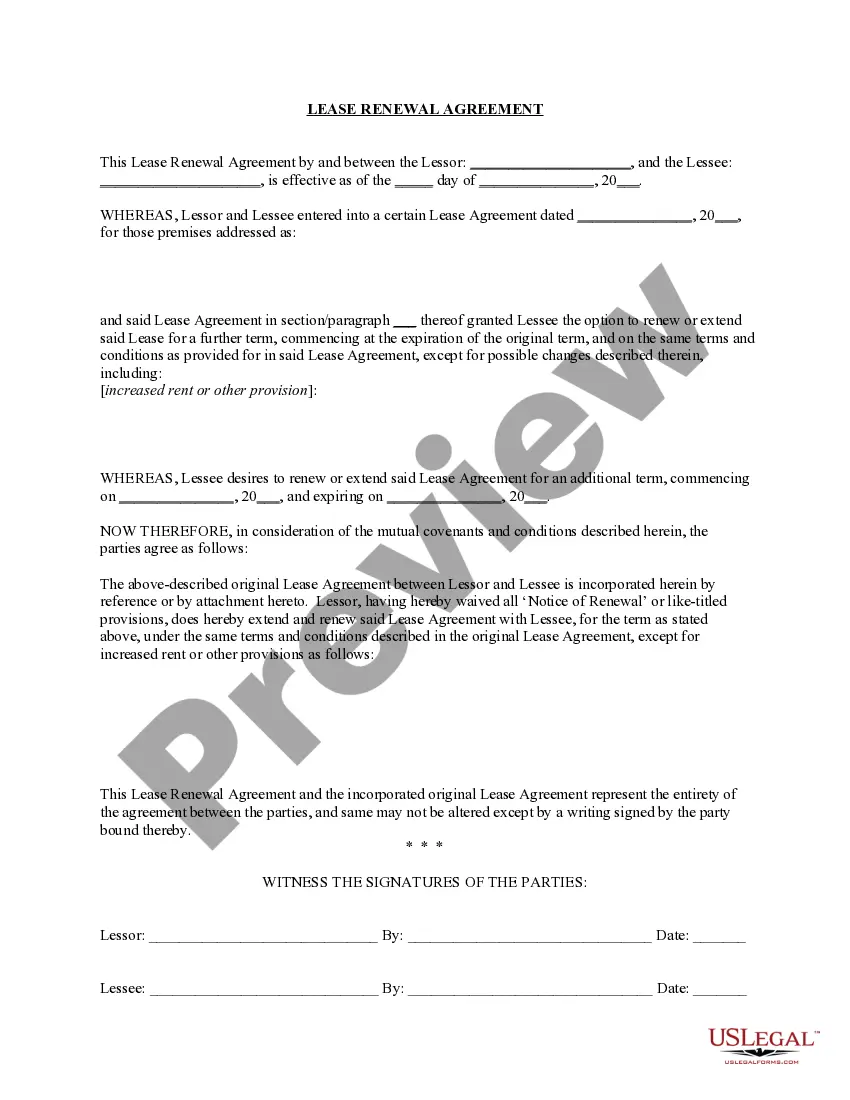
Virginia Lease Agreement Laws
Description
Get your form ready online
Our built-in tools help you complete, sign, share, and store your documents in one place.
Make edits, fill in missing information, and update formatting in US Legal Forms—just like you would in MS Word.
Download a copy, print it, send it by email, or mail it via USPS—whatever works best for your next step.
Sign and collect signatures with our SignNow integration. Send to multiple recipients, set reminders, and more. Go Premium to unlock E-Sign.
If this form requires notarization, complete it online through a secure video call—no need to meet a notary in person or wait for an appointment.
We protect your documents and personal data by following strict security and privacy standards.

Make edits, fill in missing information, and update formatting in US Legal Forms—just like you would in MS Word.

Download a copy, print it, send it by email, or mail it via USPS—whatever works best for your next step.

Sign and collect signatures with our SignNow integration. Send to multiple recipients, set reminders, and more. Go Premium to unlock E-Sign.

If this form requires notarization, complete it online through a secure video call—no need to meet a notary in person or wait for an appointment.

We protect your documents and personal data by following strict security and privacy standards.
Looking for another form?









How to fill out Virginia Residential Lease Renewal Agreement?
Individuals frequently link legal documentation with something complex that solely an expert can manage.
In a particular sense, this is accurate, as creating Virginia Lease Agreement Laws requires considerable knowledge of subject matters, encompassing state and local ordinances.
Nonetheless, with US Legal Forms, everything has turned more achievable: ready-to-utilize legal documents for any life and business circumstance tailored to state laws are assembled in a single online repository and are now accessible to everyone.
Print your file or upload it to an online editor for a quicker completion. All templates in our library are reusable: once acquired, they remain saved in your profile. You can access them whenever necessary via the My documents tab. Explore all benefits of utilizing the US Legal Forms platform. Subscribe today!
- US Legal Forms offers over 85k current documents categorized by state and area of use, so locating Virginia Lease Agreement Laws or any other specific template takes only minutes.
- Former registered users with an active subscription must Log In to their account and click Download to receive the form.
- New users to the service must first register for an account and subscribe before they can download any documents.
- Below are the step-by-step instructions on how to obtain the Virginia Lease Agreement Laws.
- Review the page content thoroughly to ensure it meets your requirements.
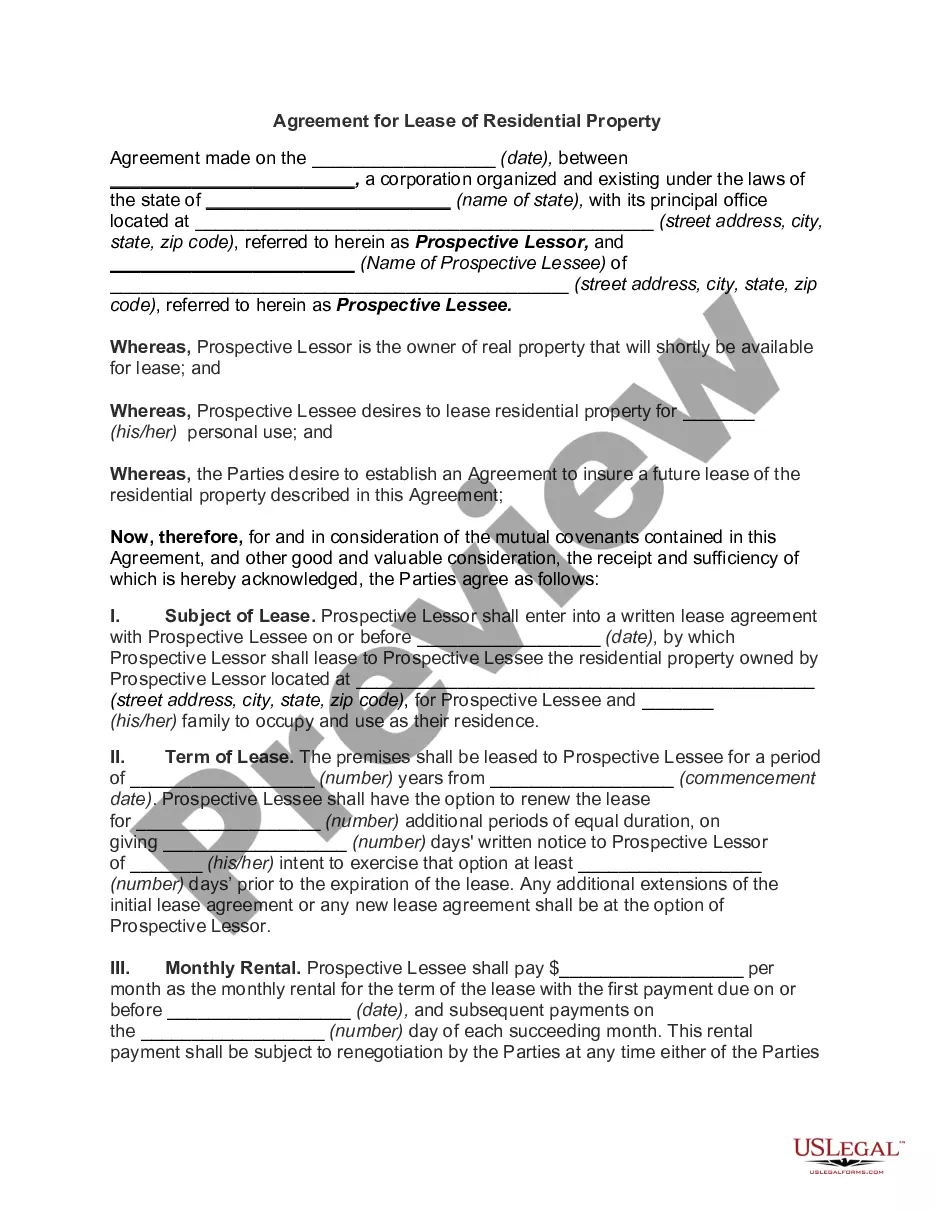
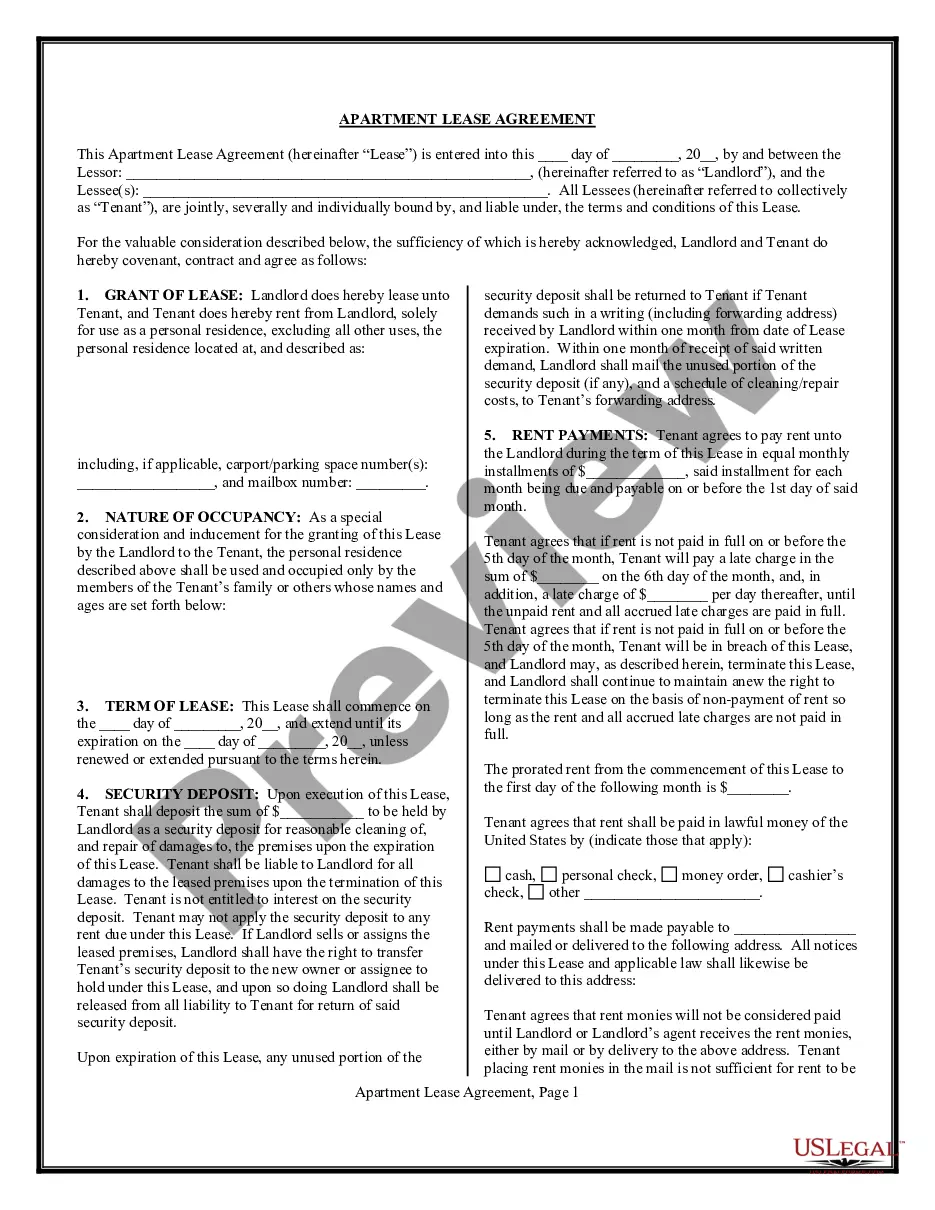
- Read the form description or view it through the Preview option.
- If the previous form doesn't fit your needs, find another sample using the Search field above.
- When you identify the appropriate Virginia Lease Agreement Laws, click Buy Now.
- Select a pricing plan that suits your needs and financial situation.
- Register for an account or Log In to move forward to the payment page.
- Complete payment for your subscription via PayPal or with your credit card.
- Select the format for your document and click Download.
Form popularity
FAQ
Virginia is a moderately landlord-friendly state as there is no rent control and landlords have a large amount of freedom when picking tenants.
Like some other states, Virginia only requires the signature of one party to be binding. If the landlord doesn't sign a lease that has been signed by the tenant, accepting rent has the same effect as signing the lease.
No, standard residential lease agreements do not need to be notarized in Virginia. As long as the lease is signed by at least one party and meets the requirements to be legally binding, it is enforceable.
Here are a few must-have clauses for the rent agreement.Amount of rent, security deposit, other payments.Duration of agreement and renewal criteria.List of fittings, fixtures.Registration of agreement.Restrictions.20 Sept 2018
Landlords cannot enter tenanted properties without giving proper notice. Landlords cannot arbitrarily end someone's tenancy before the lease expires. Arbitrary, mid-lease rent increases are not permitted unless specified in certain circumstances in the lease or by the municipality.