Gift Form Grantee Blank With 0
Description
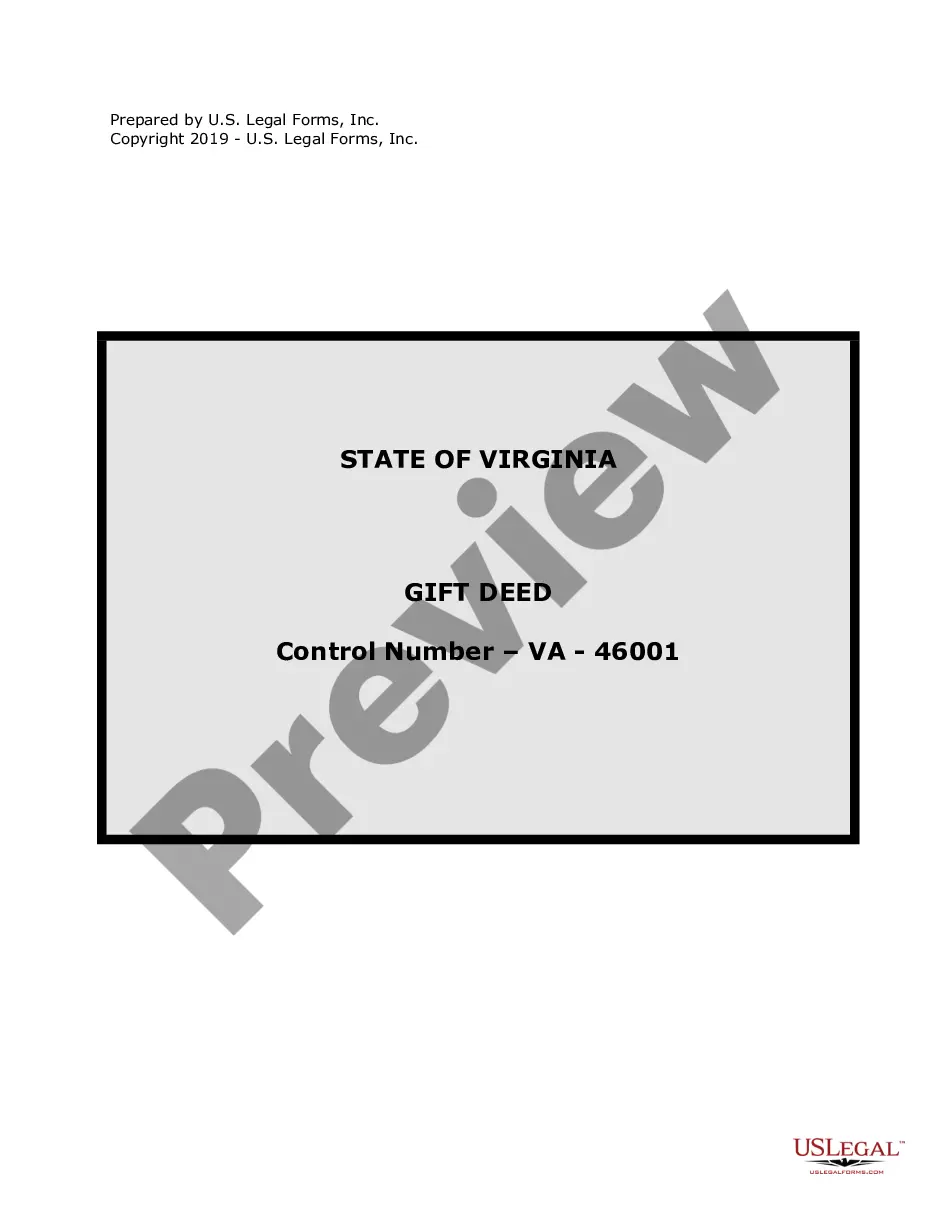
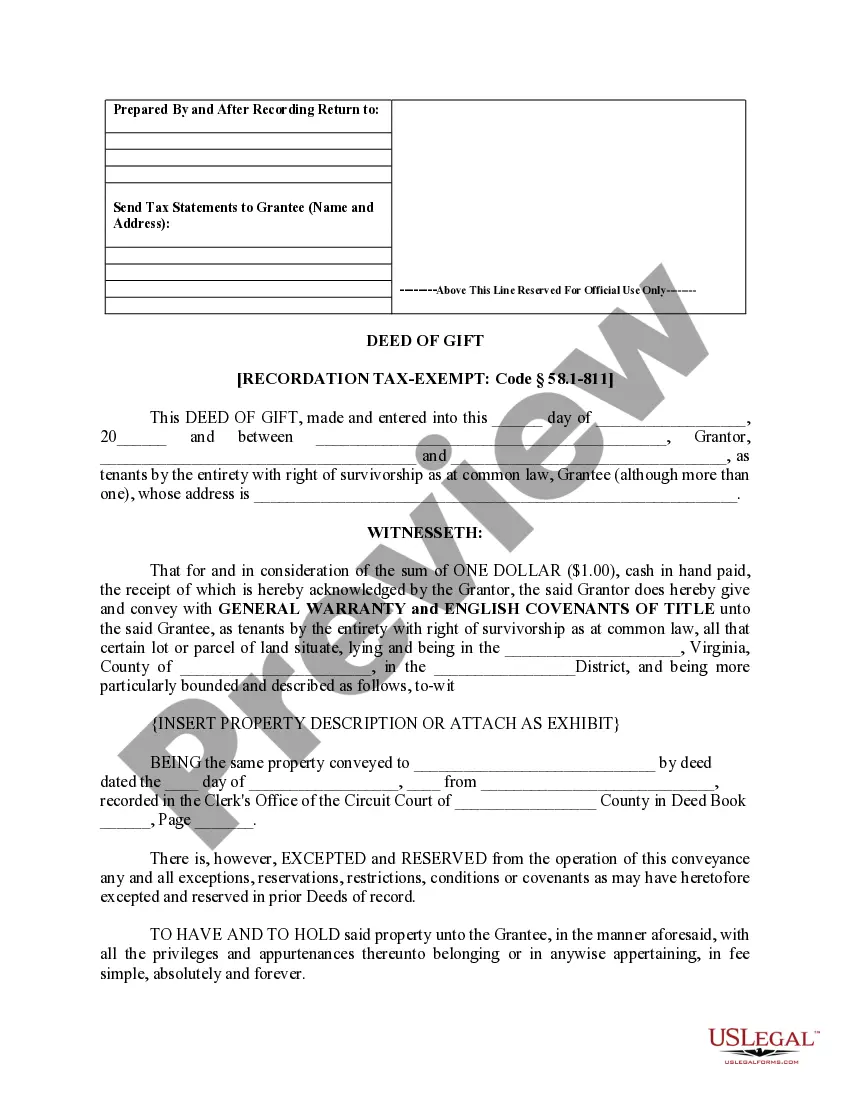
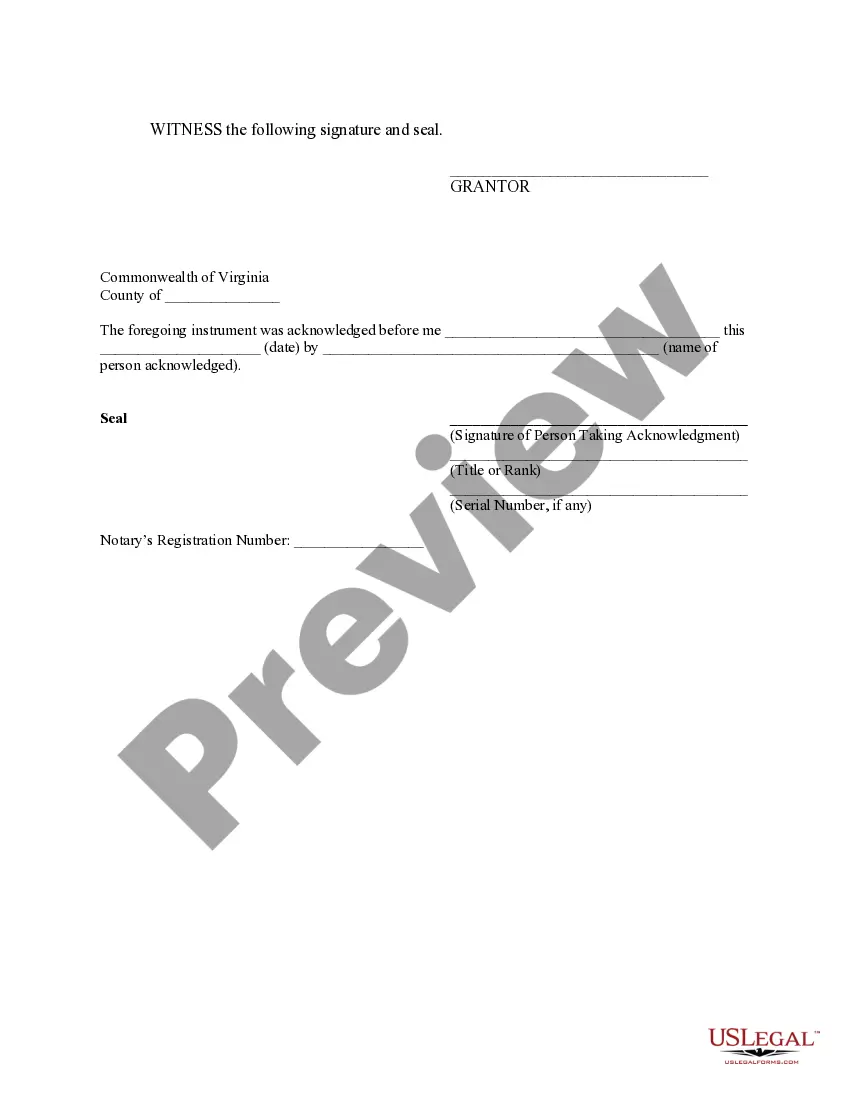
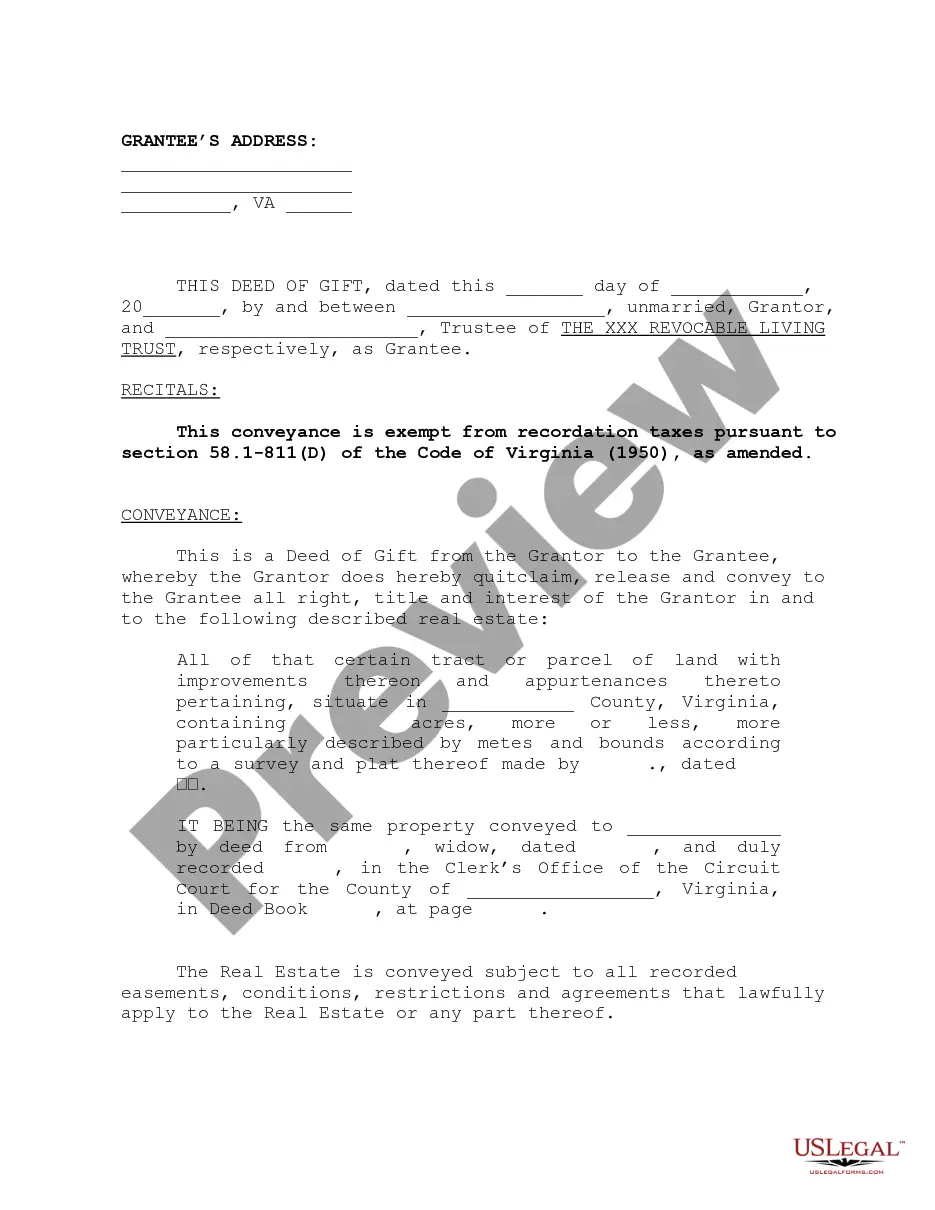
Get your form ready online
Our built-in tools help you complete, sign, share, and store your documents in one place.
Make edits, fill in missing information, and update formatting in US Legal Forms—just like you would in MS Word.
Download a copy, print it, send it by email, or mail it via USPS—whatever works best for your next step.
Sign and collect signatures with our SignNow integration. Send to multiple recipients, set reminders, and more. Go Premium to unlock E-Sign.
If this form requires notarization, complete it online through a secure video call—no need to meet a notary in person or wait for an appointment.
We protect your documents and personal data by following strict security and privacy standards.

Make edits, fill in missing information, and update formatting in US Legal Forms—just like you would in MS Word.

Download a copy, print it, send it by email, or mail it via USPS—whatever works best for your next step.

Sign and collect signatures with our SignNow integration. Send to multiple recipients, set reminders, and more. Go Premium to unlock E-Sign.

If this form requires notarization, complete it online through a secure video call—no need to meet a notary in person or wait for an appointment.

We protect your documents and personal data by following strict security and privacy standards.
Looking for another form?
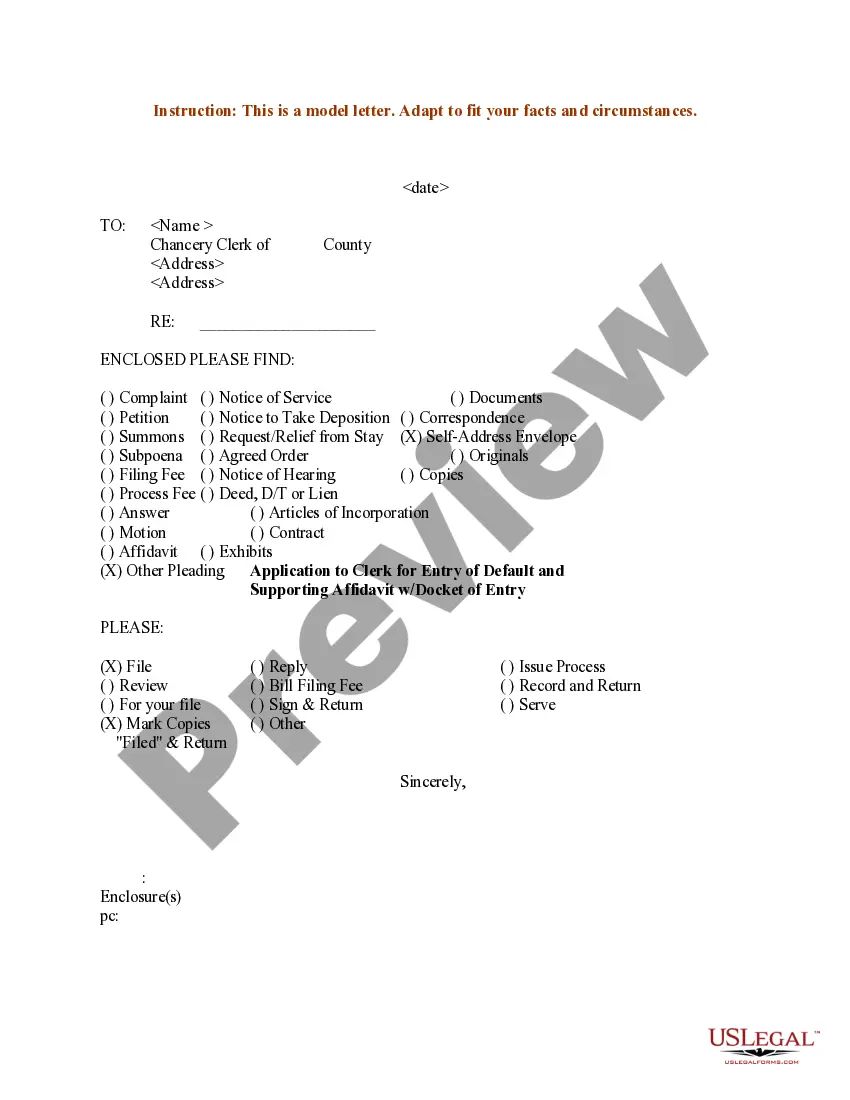








How to fill out Virginia Deed Of Gift?
- If you're an existing user, log in to access your account and download the required form template by clicking the Download button. Ensure your subscription is active; if not, renew it based on your payment plan.
- For first-time users, start by browsing the Preview mode and reviewing the form description to make sure you've selected the appropriate template that adheres to your local requirements.
- If you need a different document, utilize the Search tab above to locate the right form. Confirm that it fits your needs before proceeding.
- Once you've found the correct document, click on the Buy Now button and choose a suitable subscription plan. You'll need to create an account for full access to the library.
- Make your payment by entering your credit card information or using your PayPal account to finalize the subscription.
- After acquiring your form, download it to your device for completion. You can also access it later in the My Forms section of your profile.
US Legal Forms stands out with its vast collection, offering more forms than competitors for similar costs. Users can also consult premium experts for guidance, ensuring the documents are accurate and legally sound.
In conclusion, utilizing US Legal Forms simplifies the process of obtaining your legal documents. Start your hassle-free experience today and empower yourself with the legal resources you need!
Form popularity
FAQ
The form number you need for a gift tax return is Form 709. This form is specifically designed for reporting taxable gifts and ensuring compliance with IRS regulations. A Gift form grantee blank with 0 can facilitate this process by providing a structured way to input your data.
To declare gifts, you should use Form 709, the United States Gift (and Generation-Skipping Transfer) Tax Return. This form helps you report any gifts made during the year that exceed the annual exclusion limit. Utilizing a Gift form grantee blank with 0 can assist in filling out this form effectively.
Forgetting to report a gift to the IRS can lead to penalties and interest on owed taxes. Additionally, the IRS may initiate an audit if they discover unreported gifts. To avoid issues, it's better to use a Gift form grantee blank with 0 to ensure all information is tracked accurately.
Yes, you can file tax forms separately, especially if you and your spouse choose to do so. Filing separately can sometimes lead to different tax implications, so consider the benefits based on your situation. If reporting gifts, a Gift form grantee blank with 0 can make recording these gifts clearer.
Yes, you can file Form 709 separately. This allows each spouse to report their individual gifts made during the year. It is essential to ensure each form correctly reflects the gifts given. Using a Gift form grantee blank with 0 can help simplify this process for reporting.
Hiding 0 from blank cells in Excel can be accomplished by adjusting the cell formatting. You can set a custom format through Format Cells and enter '0;0;;@' in the Type box. This setting allows you to enjoy a clear view when working with data, such as on a Gift form grantee blank with 0, without distractions from unnecessary zeros.
To ensure a cell shows nothing instead of 0, utilize an IF formula. For example, IF(A1=0, '', A1) will display an empty cell for 0 values. This tactic proves useful when managing data presentation, especially for tasks like creating a Gift form grantee blank with 0.
To replace blank cells with 0 in your sheet, you can use the Go To Special feature. First, select the range, then use Find and Replace to replace blanks with 0. This method is efficient for filling out a Gift form grantee blank with 0, ensuring that all necessary fields are populated.
Replacing 0 with a blank cell can be done using an IF formula. For instance, the formula IF(A1=0, '', A1) will turn 0 into a blank space while retaining other values. This method is useful when you’re working on data, such as a Gift form grantee blank with 0, and want to simplify your presentation.
To make a cell blank instead of displaying a 0, you can modify your formula. Using IF statements, for example, IF(A1=0, '', A1), will return a blank cell when A1 is 0. This approach ensures a clean presentation and is especially helpful when dealing with a Gift form grantee blank with 0.