60 Day Notice To Vacate Massachusetts
Description
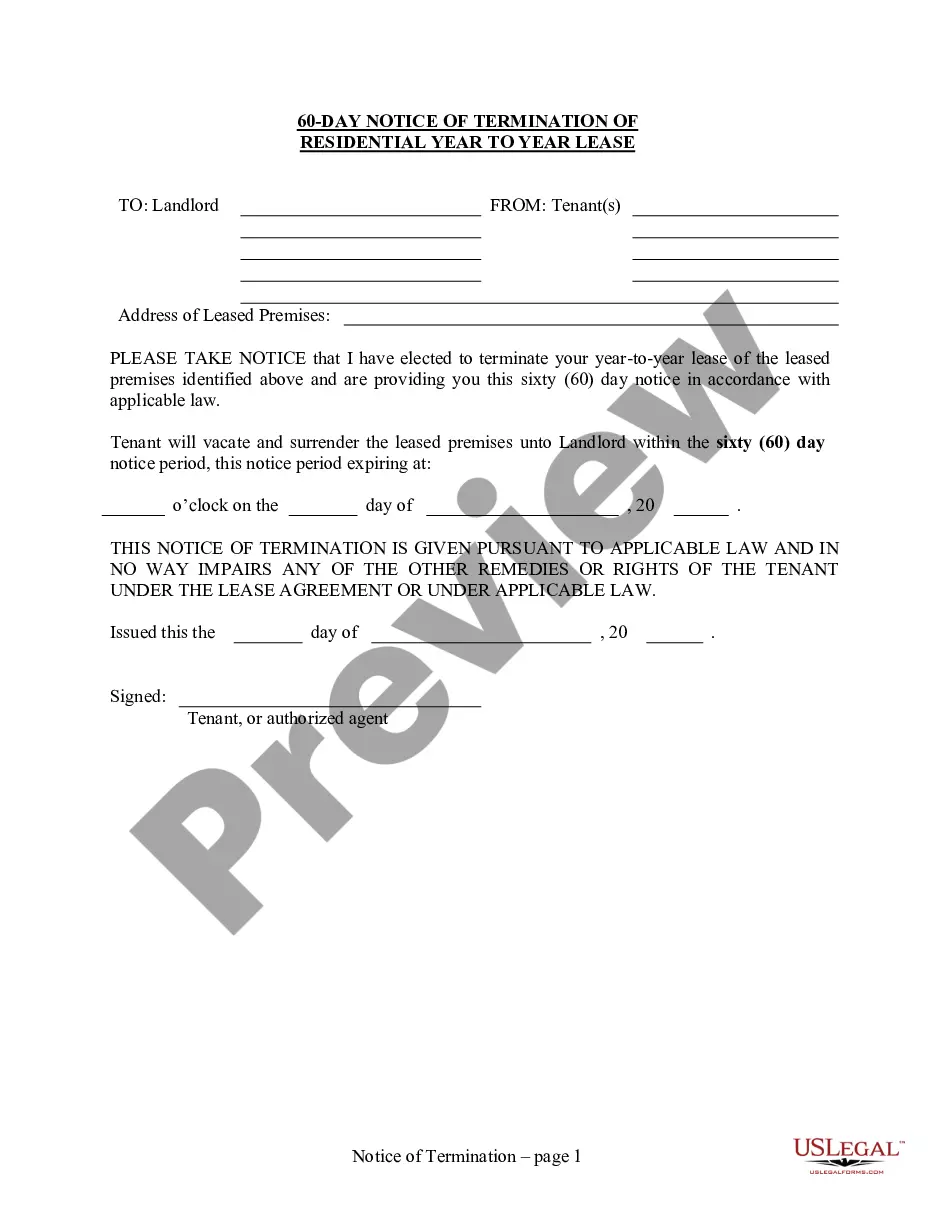
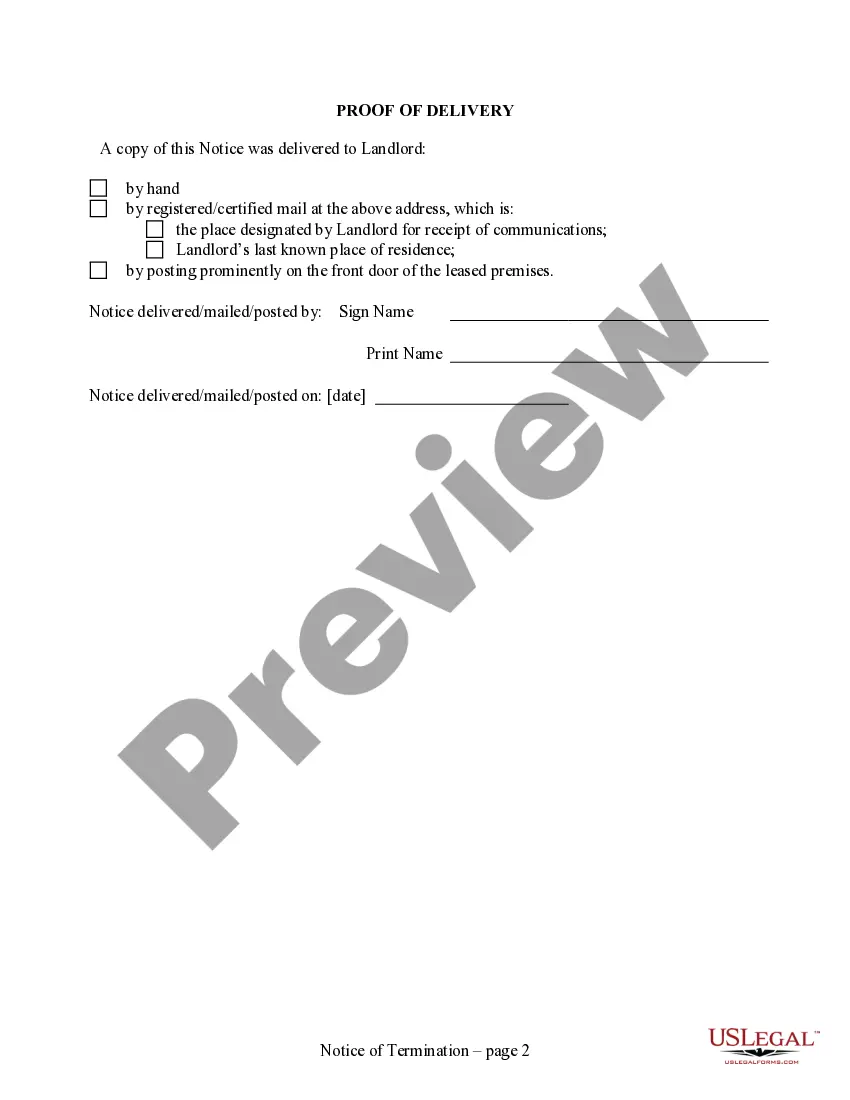

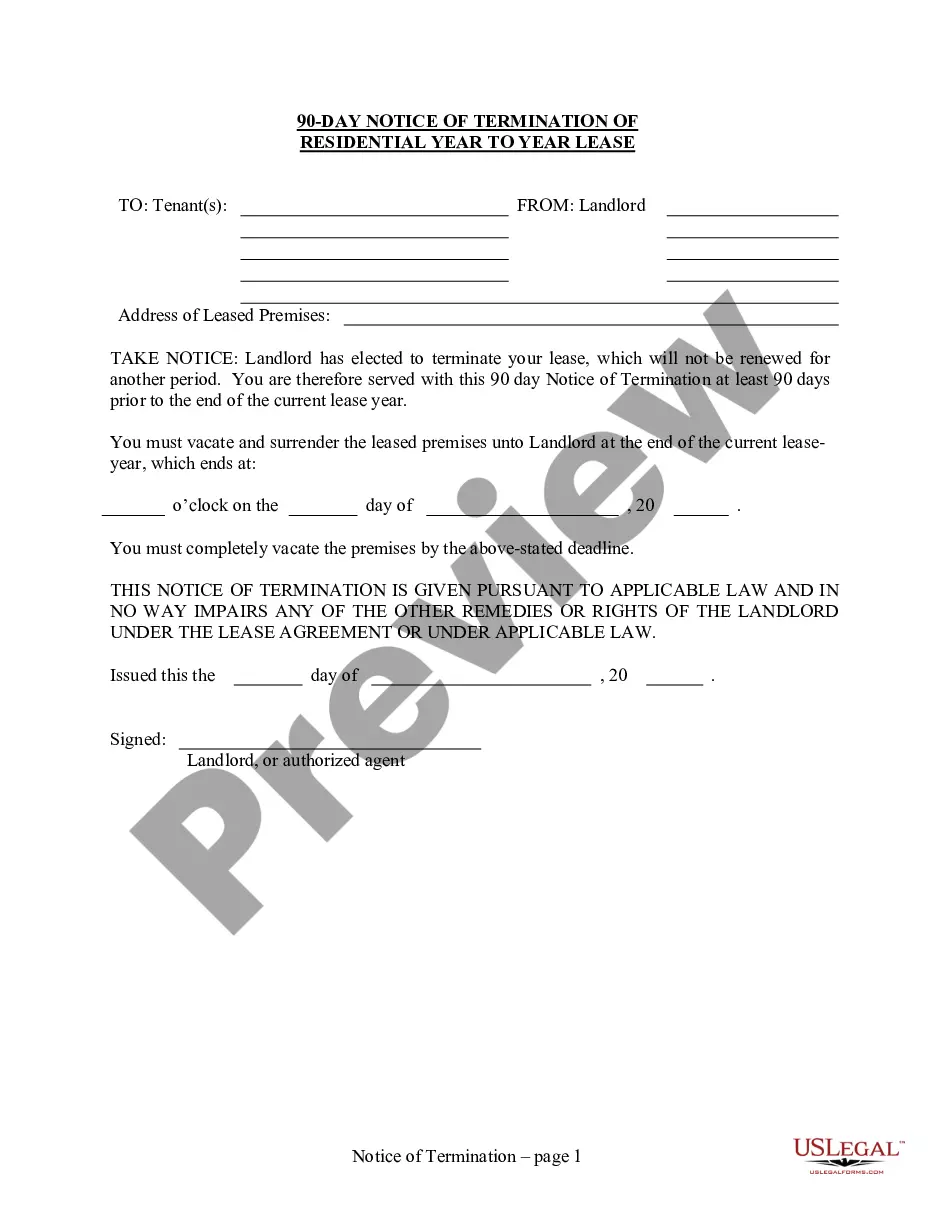
Get your form ready online
Our built-in tools help you complete, sign, share, and store your documents in one place.
Make edits, fill in missing information, and update formatting in US Legal Forms—just like you would in MS Word.
Download a copy, print it, send it by email, or mail it via USPS—whatever works best for your next step.
Sign and collect signatures with our SignNow integration. Send to multiple recipients, set reminders, and more. Go Premium to unlock E-Sign.
If this form requires notarization, complete it online through a secure video call—no need to meet a notary in person or wait for an appointment.
We protect your documents and personal data by following strict security and privacy standards.

Make edits, fill in missing information, and update formatting in US Legal Forms—just like you would in MS Word.

Download a copy, print it, send it by email, or mail it via USPS—whatever works best for your next step.

Sign and collect signatures with our SignNow integration. Send to multiple recipients, set reminders, and more. Go Premium to unlock E-Sign.

If this form requires notarization, complete it online through a secure video call—no need to meet a notary in person or wait for an appointment.

We protect your documents and personal data by following strict security and privacy standards.
Looking for another form?


How to fill out Virginia 60 Day Notice To Terminate Year-to-Year Lease - Residential From Tenant To Landlord?
- Log into your account on the US Legal Forms website. Confirm that your subscription is active; renew it if necessary.
- Review the available forms and check the preview mode for clarity. Ensure the document matches your needs and complies with local regulations.
- If the current template isn't suitable, utilize the Search tab to find an alternative that fits your requirements.
- Select the form by clicking the Buy Now button and choose your subscription plan. A user account registration is required for full access.
- Complete your purchase by entering your payment information, either via credit card or PayPal.
- Download the completed document and save it to your device. You can access it anytime from the 'My Forms' section in your profile.
By following these steps, you can efficiently create and manage your legal documents, ensuring adherence to Massachusetts rules.
With US Legal Forms, you gain access to an extensive collection of templates, making legal documentation hassle-free. Visit us today to streamline your document preparation!
Form popularity
FAQ
An example of a written notice to move out includes important elements like the tenant's name, rental address, the date of the letter, and the planned move-out date. It should be concise, respectful, and clearly state the tenant's obligation to vacate the property within the specified timeframe, often outlined as a 60 day notice to vacate Massachusetts. Using platforms like USLegalForms can simplify creating this notice, ensuring it's legally sound and comprehensive.
When writing a letter to a tenant to vacate, clearly state your intention, the reason for their eviction, and the expected timeframe for them to leave. Include pertinent details like the tenant's name, rental address, and your contact information. Make sure your notice aligns with state laws, specifically the 60 day notice to vacate Massachusetts guidelines, to avoid any legal issues.
A notice to vacate letter from a landlord to a tenant in Massachusetts serves as an official communication demanding that the tenant vacate the property. This notice typically provides a specific timeframe for the tenant to leave, often adhering to the 60 days notice requirement. It’s essential for landlords to understand the legal obligations involved in crafting this notice to ensure compliance with state laws.
To write a notice letter for moving out, start by stating your intention to vacate the premises. Clearly indicate your moving date and express gratitude for the time you spent as a tenant. Incorporate the specifics of a 60 day notice to vacate Massachusetts, as this allows your landlord sufficient time to prepare for your departure.
An example of a letter to vacate is a formal document that informs your landlord of your intention to leave the rental unit. In this letter, you should include your address, the date you plan to move out, and a brief mention of your reasons for leaving. When drafting your 60 day notice to vacate Massachusetts, ensure you follow any specific local requirements to avoid complications.
Writing a 60 day notice to vacate Massachusetts is straightforward. Start by addressing the letter to your landlord, include the date, and clearly state your intention to vacate the property in 60 days. Be sure to mention your current address, and reference any lease terms if necessary. Ensure you keep a copy for your records and consider platforms like US Legal Forms for simple templates that guide you through the process effectively.
The eviction process in Massachusetts can vary widely, but it often takes at least several weeks to a few months. Once a landlord serves notice, the tenant has the opportunity to respond. If the case goes to court, further delays can occur, especially if tenants contest the eviction. Knowing the timeline can help you manage your housing plans and consider utilizing a 60 day notice to vacate Massachusetts as a preferred option.
A 48-hour eviction notice in Massachusetts typically applies in cases of non-payment of rent or a serious violation of the lease agreement. In these instances, landlords can demand immediate action from tenants. Utilizing a 60 day notice to vacate Massachusetts may not apply if serious breaches have occurred, emphasizing the importance of knowing your rights and responsibilities. This notice is a crucial step towards formal eviction.
In Massachusetts, the minimum eviction notice can vary depending on the lease terms and reasons for eviction. If you are terminating a lease, a 30-day notice is often sufficient, but for a 60 day notice to vacate Massachusetts is required for certain situations. This gives tenants adequate time to find new housing. Understanding these nuances can help prevent legal issues.
Writing a letter for a 60-day notice to move out involves clearly stating your intent at the beginning of the letter. Include your current address and the specific date you plan to vacate. Be sure to mention that this serves as your 60 day notice to vacate Massachusetts, and consider using platforms like US Legal Forms for templates that can guide you through this process effectively.