Living Trust
Description
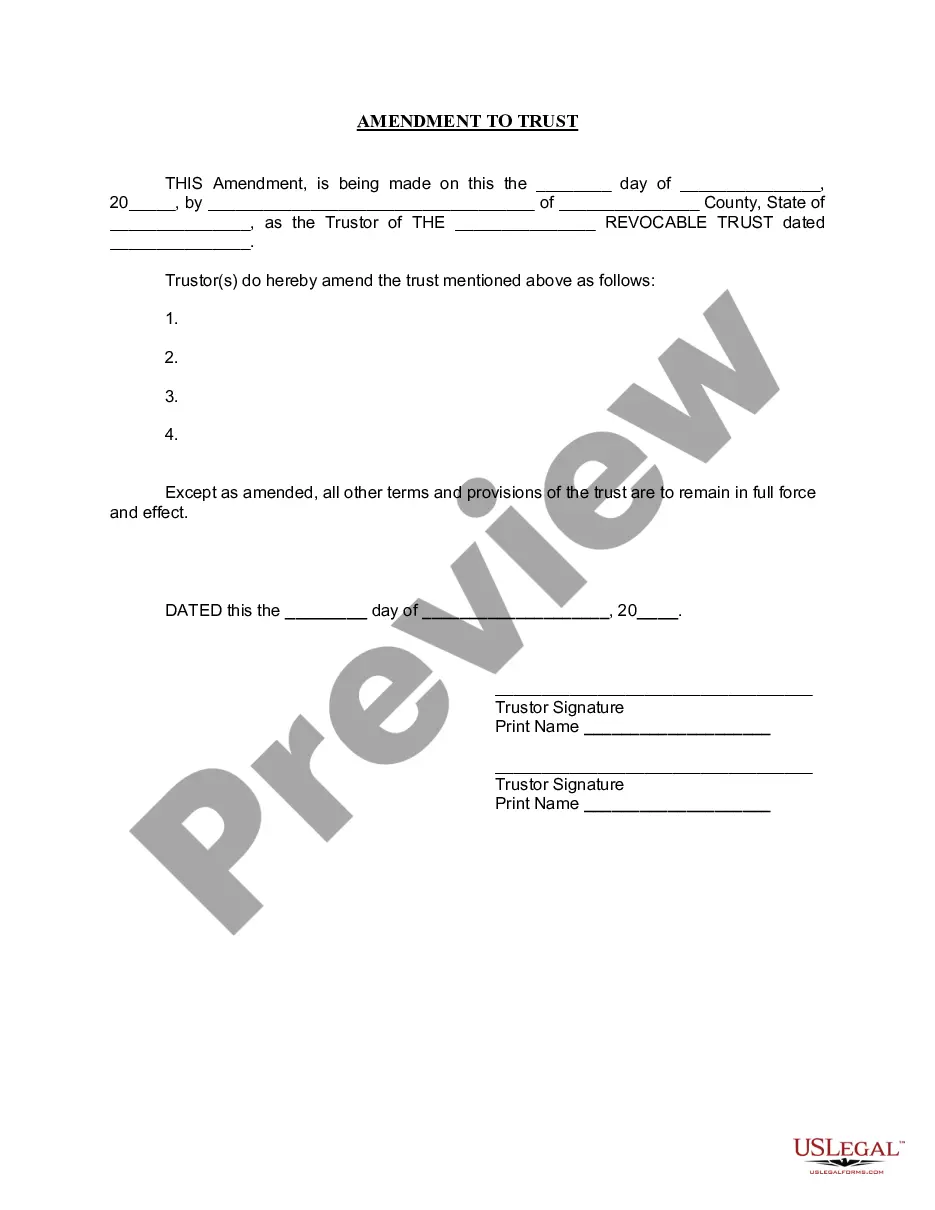
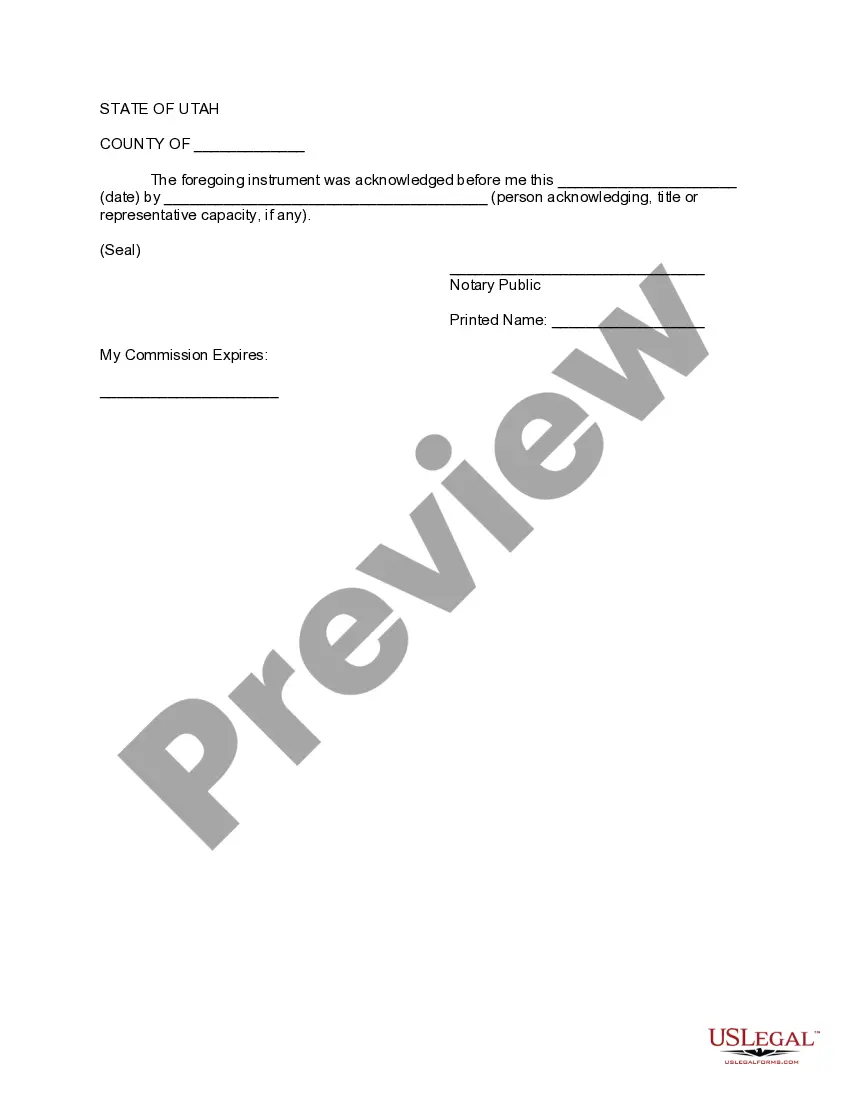
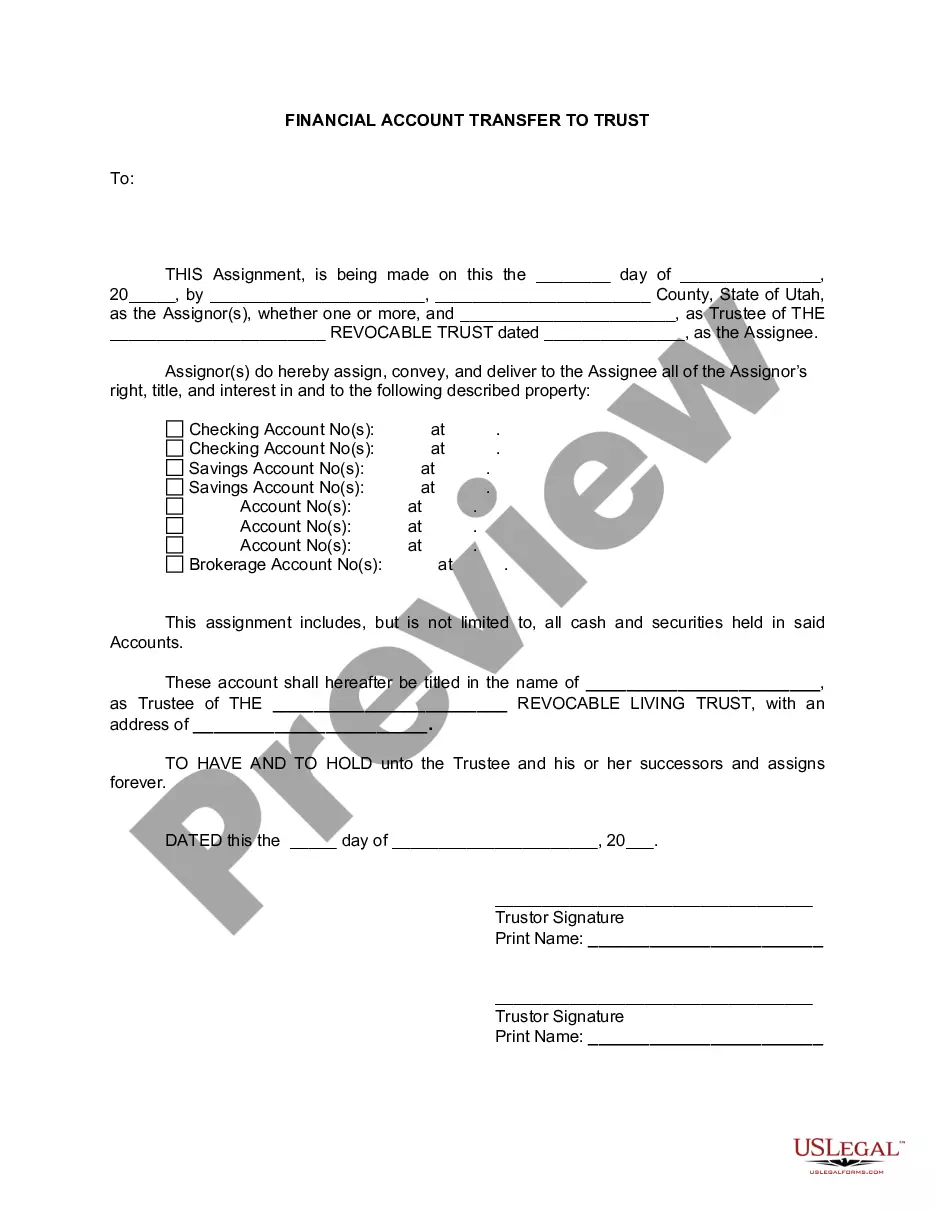
Get your form ready online
Our built-in tools help you complete, sign, share, and store your documents in one place.
Make edits, fill in missing information, and update formatting in US Legal Forms—just like you would in MS Word.
Download a copy, print it, send it by email, or mail it via USPS—whatever works best for your next step.
Sign and collect signatures with our SignNow integration. Send to multiple recipients, set reminders, and more. Go Premium to unlock E-Sign.
If this form requires notarization, complete it online through a secure video call—no need to meet a notary in person or wait for an appointment.
We protect your documents and personal data by following strict security and privacy standards.

Make edits, fill in missing information, and update formatting in US Legal Forms—just like you would in MS Word.

Download a copy, print it, send it by email, or mail it via USPS—whatever works best for your next step.

Sign and collect signatures with our SignNow integration. Send to multiple recipients, set reminders, and more. Go Premium to unlock E-Sign.

If this form requires notarization, complete it online through a secure video call—no need to meet a notary in person or wait for an appointment.

We protect your documents and personal data by following strict security and privacy standards.
Looking for another form?

How to fill out Utah Amendment To Living Trust?
- Log in to your US Legal Forms account if you're a returning user, or create a new account if it's your first time.
- Browse through the extensive library of legal forms; use the Preview mode to confirm that the living trust template you select meets your local jurisdiction requirements.
- If necessary, utilize the Search feature to find alternative templates that may better suit your needs.
- Select the preferred living trust document and click on the Buy Now button to initiate your purchase.
- Choose a suitable subscription plan and provide your payment details—credit card or PayPal— to complete your transaction.
- Download the completed form to your device and save it for future use. You can also find it anytime in the My Forms menu of your account.
By utilizing US Legal Forms, you gain access to a robust collection of over 85,000 legal forms that are user-friendly and editable, ensuring a smooth document creation process.
Sign up today to simplify your estate planning with a living trust and other legal documents!
Form popularity
FAQ
Filling out a living trust involves several key steps to ensure it meets your needs. First, gather all necessary documents, including property deeds and account statements. Then, you will need to name the trustees and beneficiaries of the trust. Lastly, consider using a reliable platform like US Legal Forms to guide you through this process, ensuring your living trust complies with state laws and is filled out correctly.
Many people choose to create a living trust because it offers clear advantages such as avoiding probate and maintaining privacy regarding their estate. A living trust allows you to manage your assets efficiently and can provide peace of mind knowing that your wishes will be followed. Furthermore, it can be beneficial for individuals with minor children or specific needs, as it enables controlled distribution of your assets. USLegalForms can guide you through this process to ensure your living trust meets your objectives.
The downside of a living trust includes the misconception that it automatically handles all estate planning needs. While a living trust is a powerful tool, it must be funded and managed properly to be effective. Moreover, it does not address issues like tax liabilities or healthcare directives, which need separate planning.
One downfall of a living trust is the misconception that it completely removes all estate tax responsibilities. While it can help avoid probate, it does not necessarily shield assets from estate taxes. Furthermore, if a trust is not updated over time, it may not reflect current wishes or circumstances.
A family trust can sometimes limit access to funds and assets for beneficiaries until they reach a certain age or fulfill specific conditions. This can create frustration among family members who may need access sooner. Additionally, ongoing administrative work and potential tax implications are factors to consider.
If your parents want to maintain control over their assets and simplify the distribution after death, a living trust might be a suitable option. It can protect their assets from probate, providing peace of mind. However, it’s wise for them to evaluate their specific situation and consult with a legal expert.
The biggest mistake parents often make when setting up a trust fund is failing to communicate their intentions clearly with their heirs. This lack of communication can lead to misunderstandings and family disputes later on. Additionally, not reviewing and updating the trust regularly can render it ineffective as circumstances change.
To set up a living trust effectively, start by defining your goals and identifying the assets you wish to include. It’s important to work with a qualified attorney or use a reliable online platform like USLegalForms, which can guide you through the documentation needed for your living trust, ensuring everything is in order.
Failing to file taxes on a trust can lead to penalties and interest charges from the IRS. If your living trust is revocable and you are the sole beneficiary, the income is reported on your personal tax return. However, if it is irrevocable, the trust itself may face tax obligations. To avoid complications, consider using reliable resources like USLegalForms to ensure your living trust complies with all tax requirements.
Several factors can render a living trust invalid, including improper execution or failure to fund the trust correctly. If the trust document does not meet state requirements, or if the grantor lacks the mental capacity to create a trust, it may also be considered invalid. To ensure your living trust remains valid, using USLegalForms can guide you through proper execution and funding processes.