Third Person Of Trust
Description
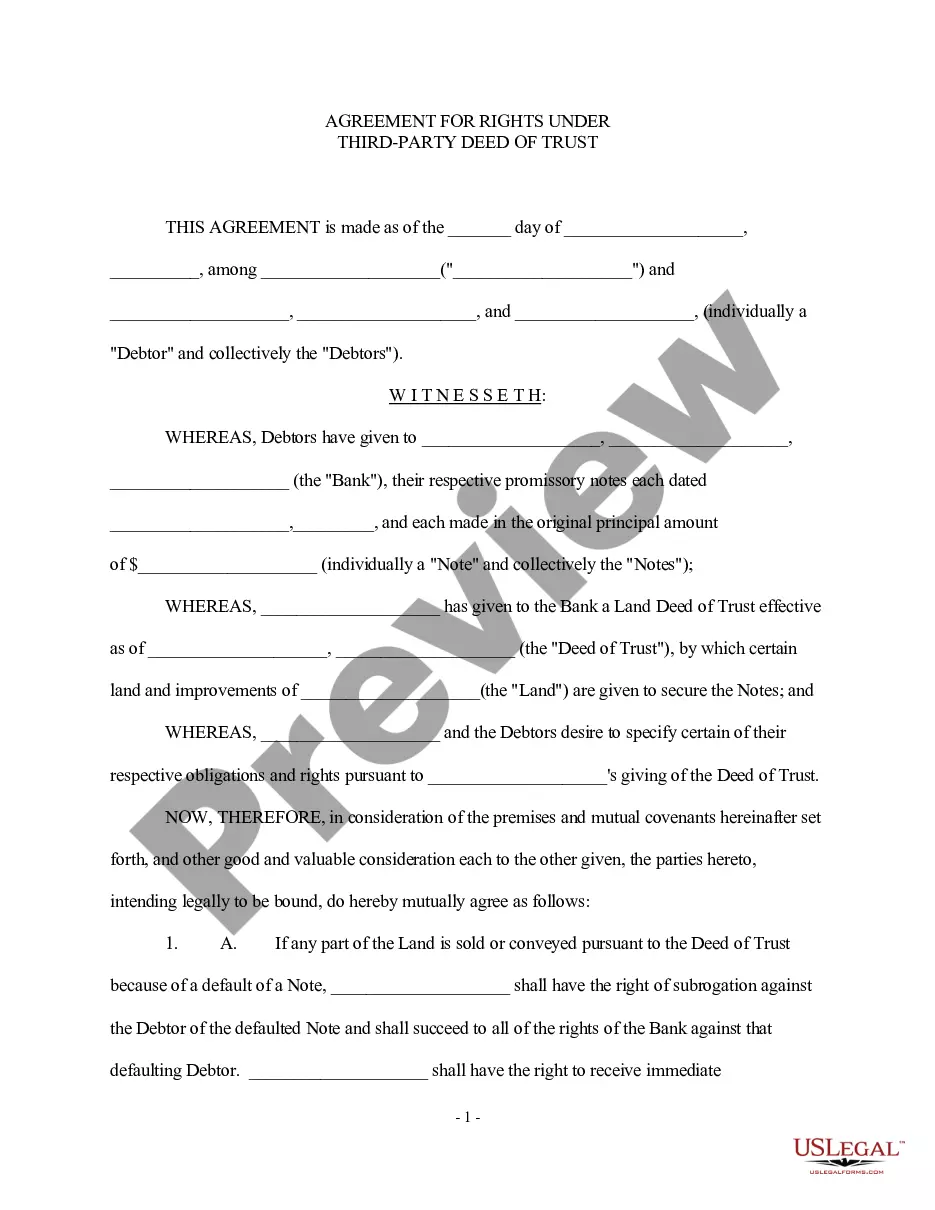
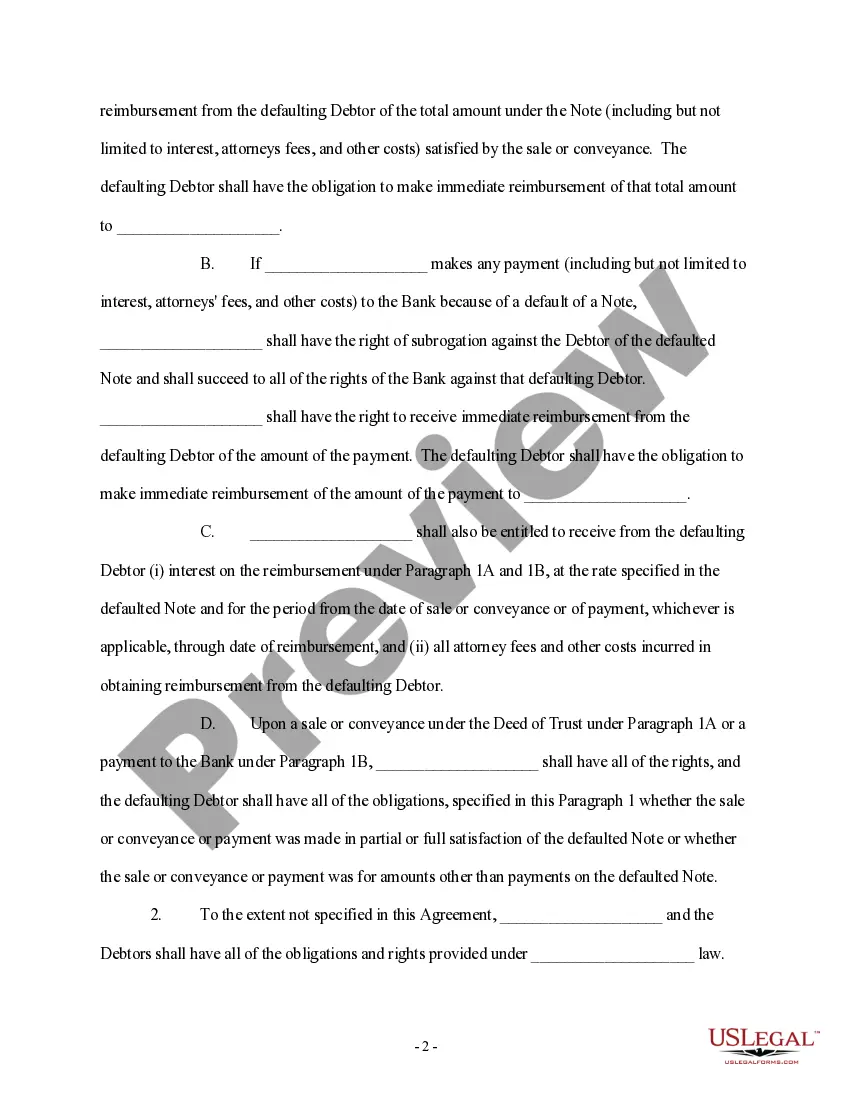
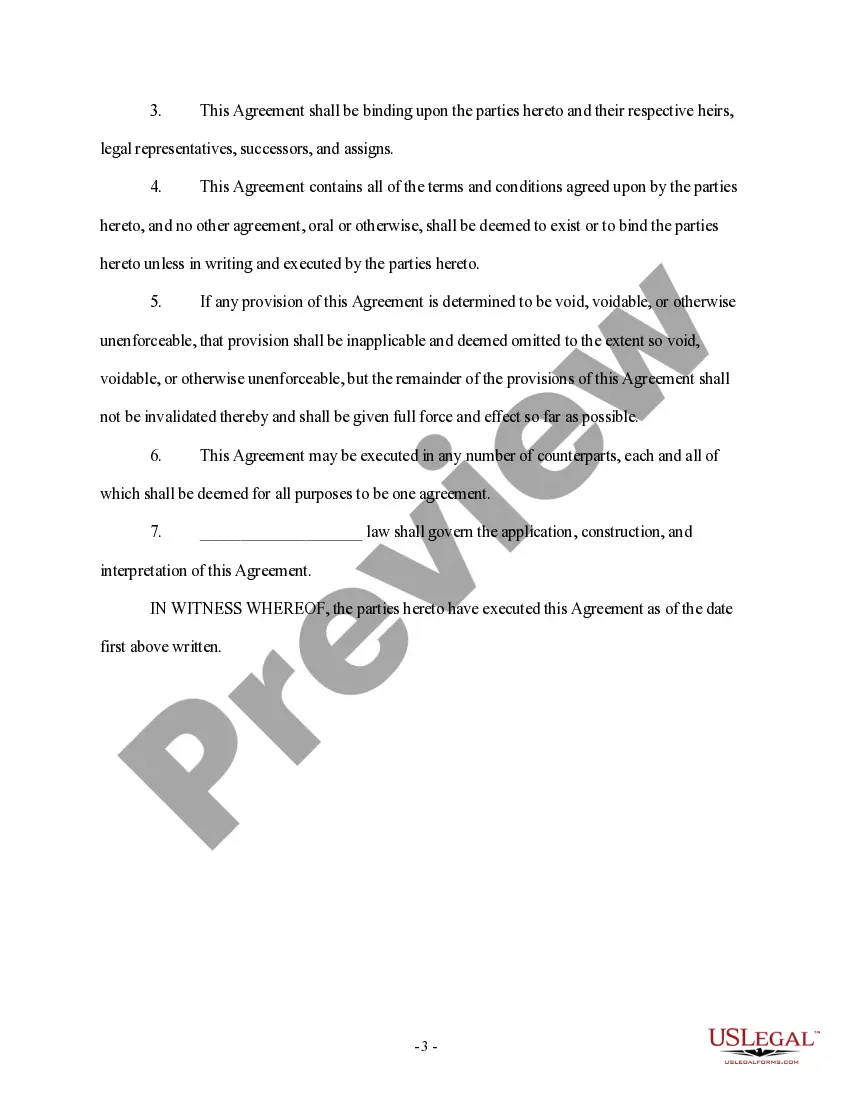
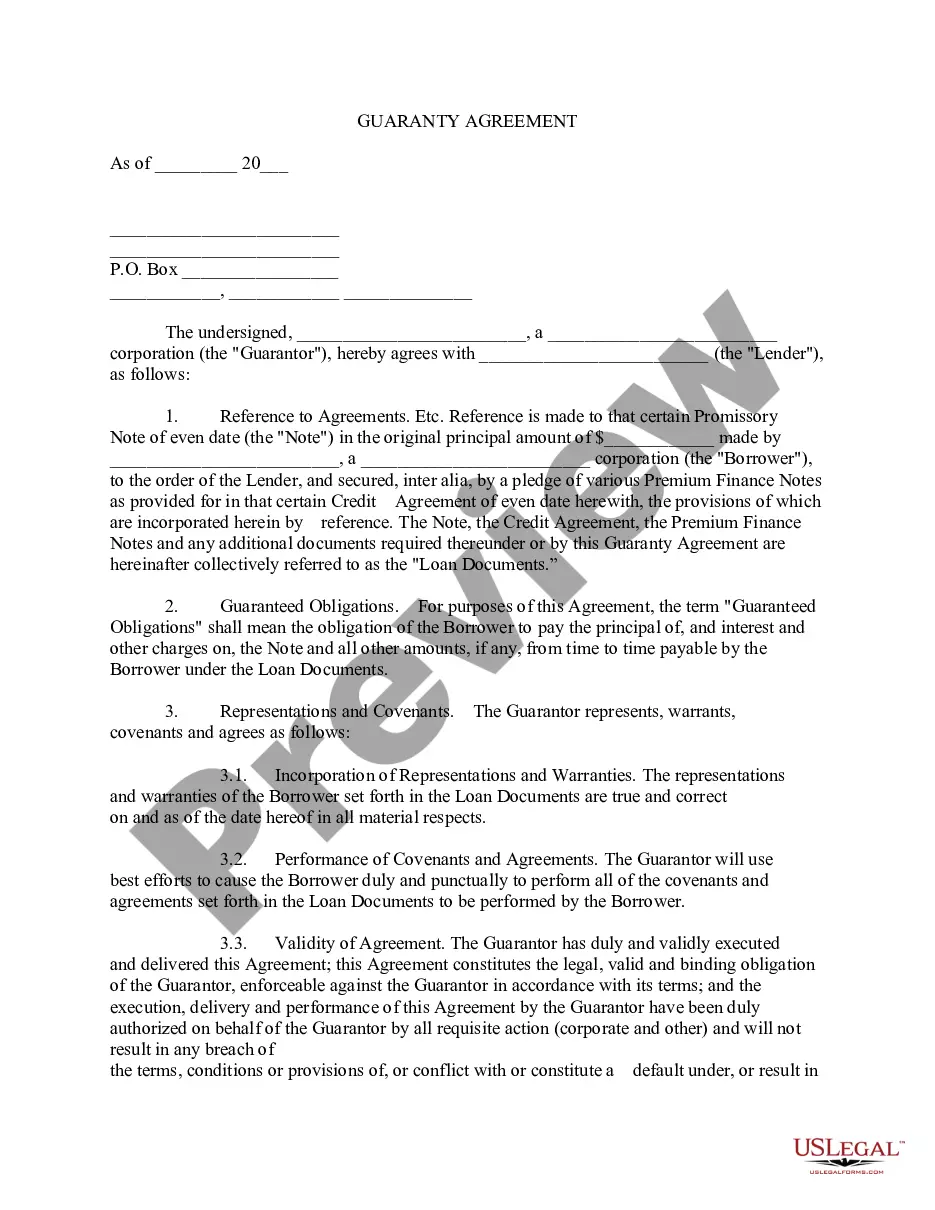
Get your form ready online
Our built-in tools help you complete, sign, share, and store your documents in one place.
Make edits, fill in missing information, and update formatting in US Legal Forms—just like you would in MS Word.
Download a copy, print it, send it by email, or mail it via USPS—whatever works best for your next step.
Sign and collect signatures with our SignNow integration. Send to multiple recipients, set reminders, and more. Go Premium to unlock E-Sign.
If this form requires notarization, complete it online through a secure video call—no need to meet a notary in person or wait for an appointment.
We protect your documents and personal data by following strict security and privacy standards.

Make edits, fill in missing information, and update formatting in US Legal Forms—just like you would in MS Word.

Download a copy, print it, send it by email, or mail it via USPS—whatever works best for your next step.

Sign and collect signatures with our SignNow integration. Send to multiple recipients, set reminders, and more. Go Premium to unlock E-Sign.

If this form requires notarization, complete it online through a secure video call—no need to meet a notary in person or wait for an appointment.

We protect your documents and personal data by following strict security and privacy standards.
Looking for another form?




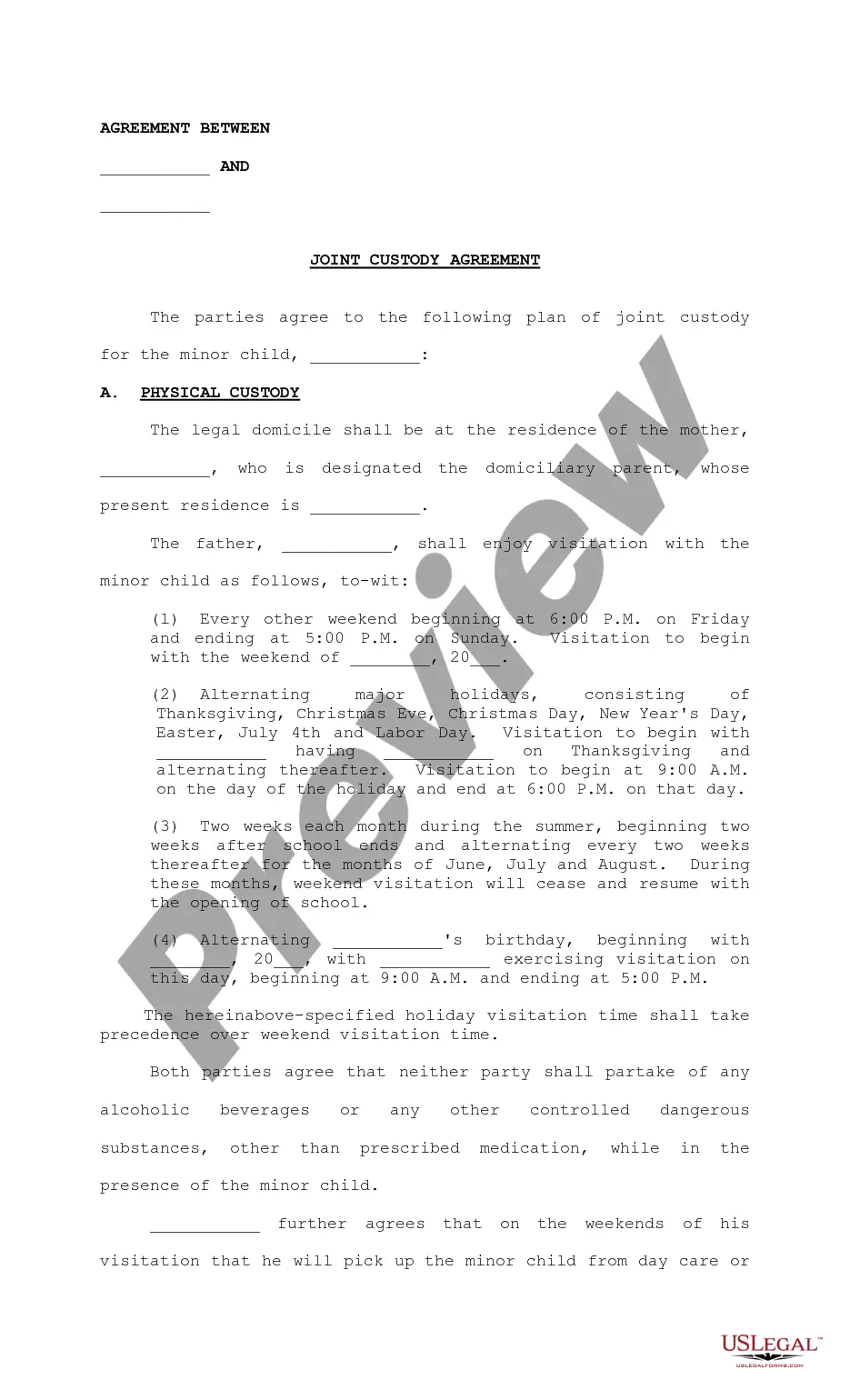




How to fill out Agreement For Rights Under Third Party Deed Of Trust?
It’s evident that you cannot transform into a legal expert instantly, nor can you swiftly master the art of drafting a Third Person Of Trust without possessing a specialized assortment of abilities.
Assembling legal documents is an extensive process necessitating specific training and expertise. So why not entrust the development of the Third Person Of Trust to the qualified professionals.
With US Legal Forms, one of the most extensive compilations of legal templates, you can locate anything ranging from court documents to templates for in-house communication.
Select Buy now. After payment is finalized, you can obtain the Third Person Of Trust, complete it, print it, and send or mail it to the requisite individuals or entities.
You can revisit your documents from the My documents tab at any time. If you’re a current customer, you can simply Log In, and locate and download the template from the same section.
- Here’s where to begin with our website and obtain the document you require in just minutes.
- Find the form you need using the search feature located at the top of the page.
- View it (if this option is accessible) and consult the accompanying description to determine if the Third Person Of Trust aligns with your needs.
- If you need a different template, restart your search.
- Sign up for a complimentary account and select a subscription plan to purchase the form.
Form popularity
FAQ
In most contexts, you should use first-person pronouns (e.g., ?I,? ?me?) to refer to yourself. In some academic writing, the use of the first person is discouraged, and writers are advised to instead refer to themselves in the third person (e.g., as ?the researcher?).
For example, the sentence Jeff has two sisters uses the third person. By using the name Jeff, this sentence implies that Jeff is neither the speaker (I have two sisters) nor is being directly spoken to (You have two sisters). Third person is a commonly used point of view in both writing and everyday speech.
Common Mistakes When Writing Close Third Person - YouTube YouTube Start of suggested clip End of suggested clip That shows what another character is thinking or seeing or feeling. Everything really has to beMoreThat shows what another character is thinking or seeing or feeling. Everything really has to be contained. To that point of view character.
In third-person, you'd use pronouns like he, she, him, her, his, hers, himself, herself, it, them, their, and themselves. Or, you'd use a name. ? Can you say 'you' in third person? You is used in second person and is therefore not used in third person.
In general, to get more of a close third, and thereby strengthen the connection between your characters and the reader, consider taking out a great many of the words that form a barrier between not just the reader and the action, but between the reader and the character. Barrier words: he saw. he watched.