Rent What How With The Money
Description
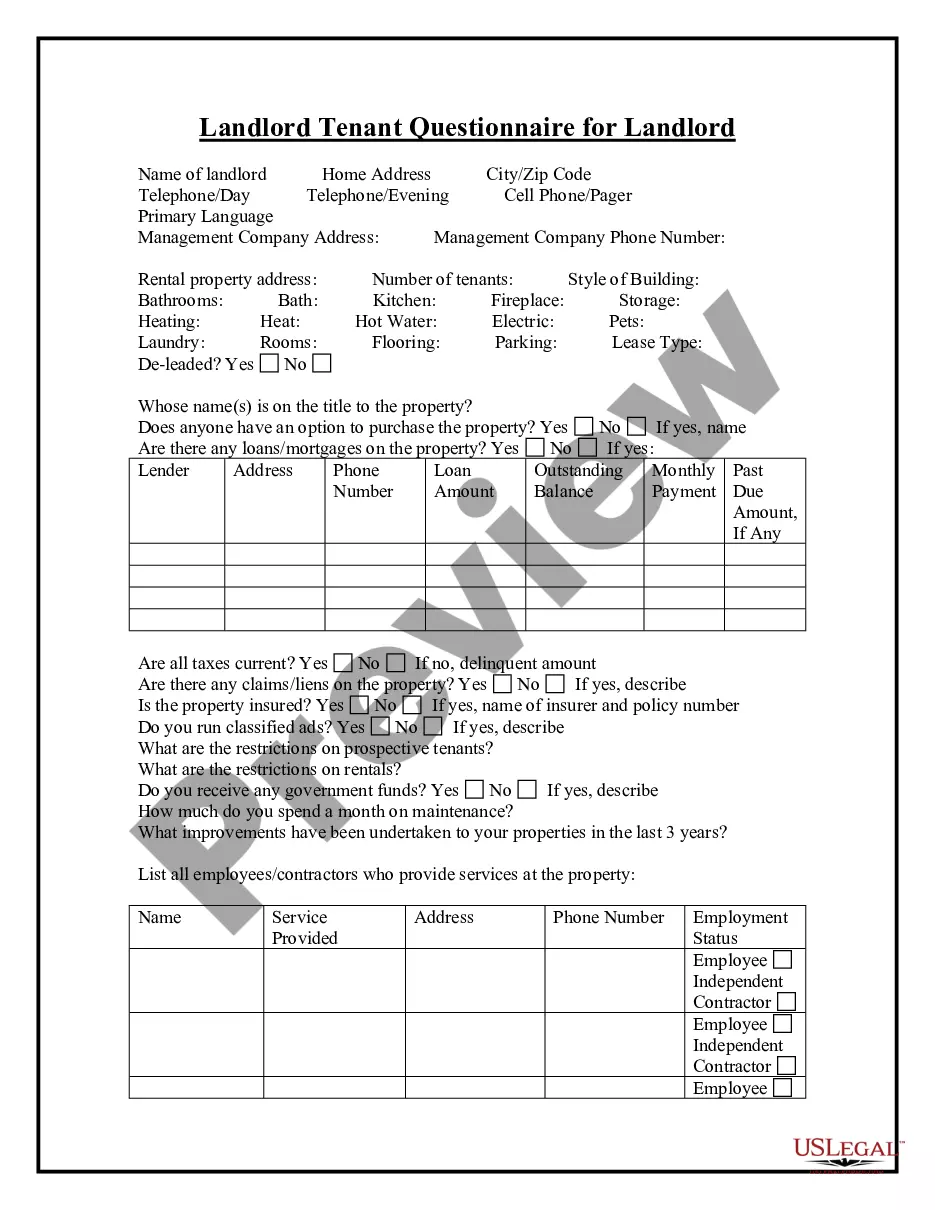
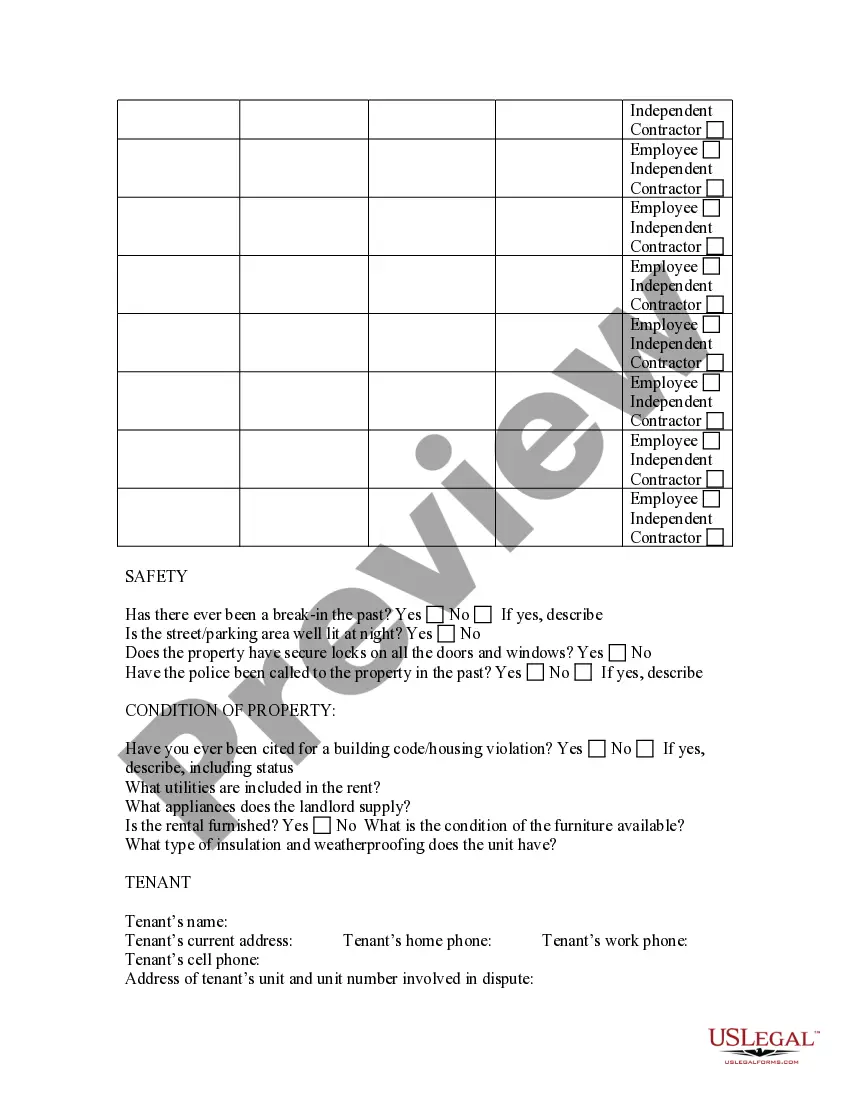
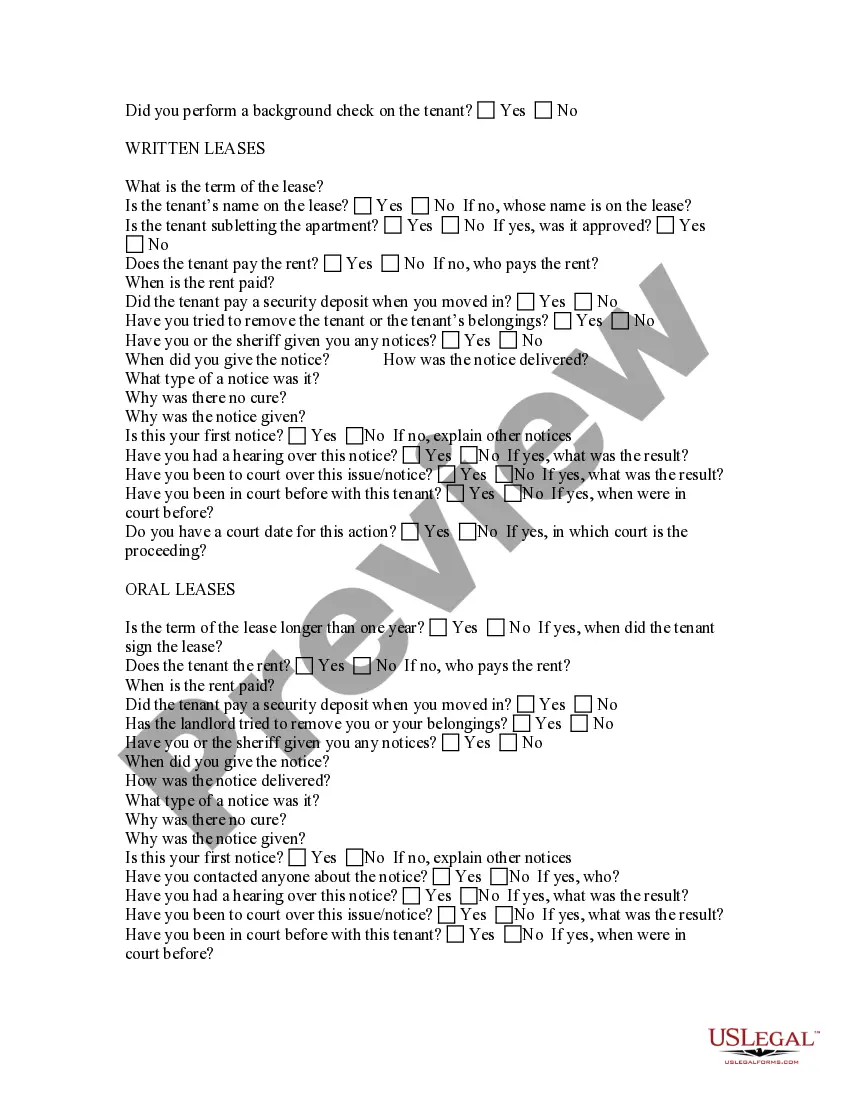
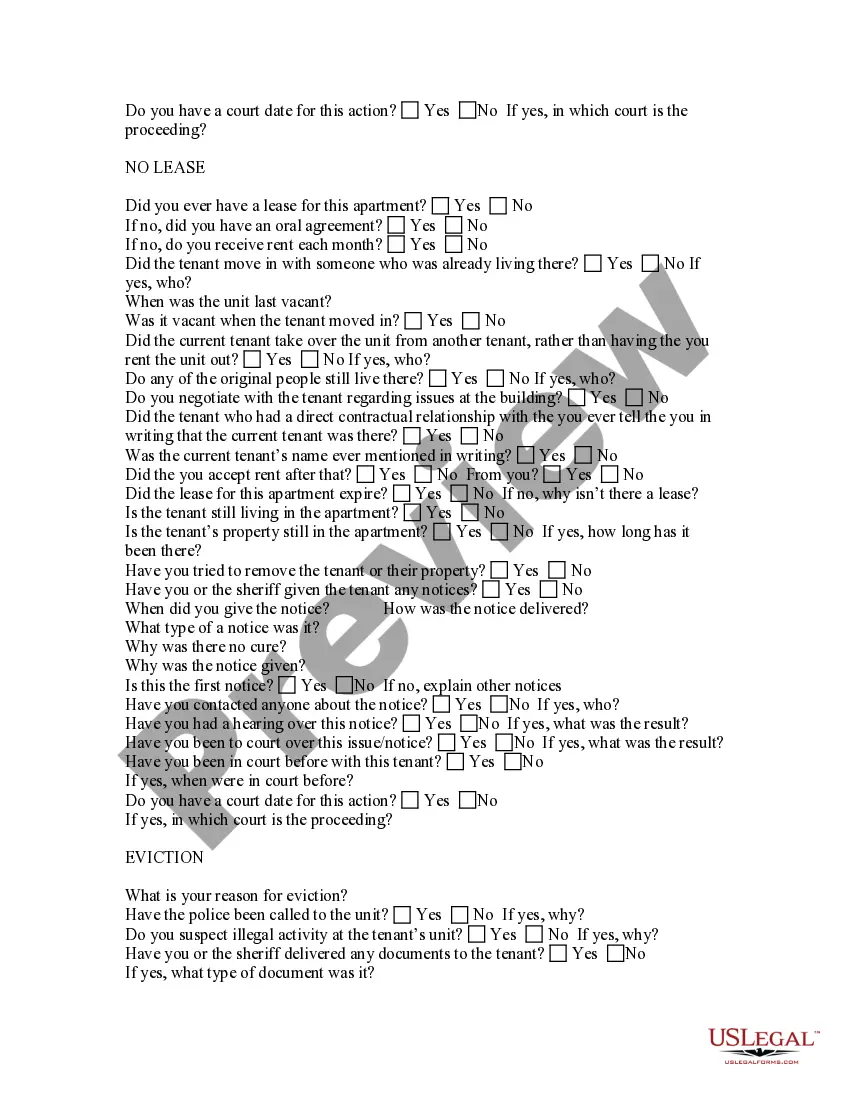
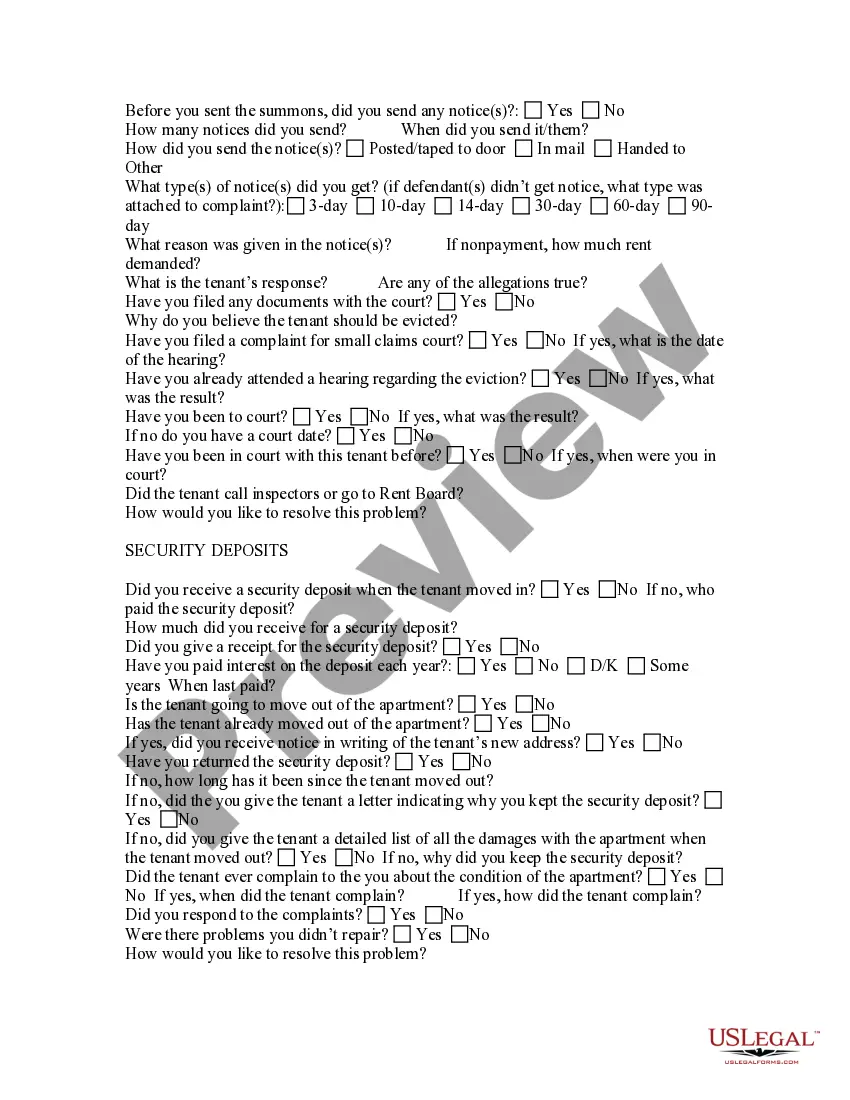
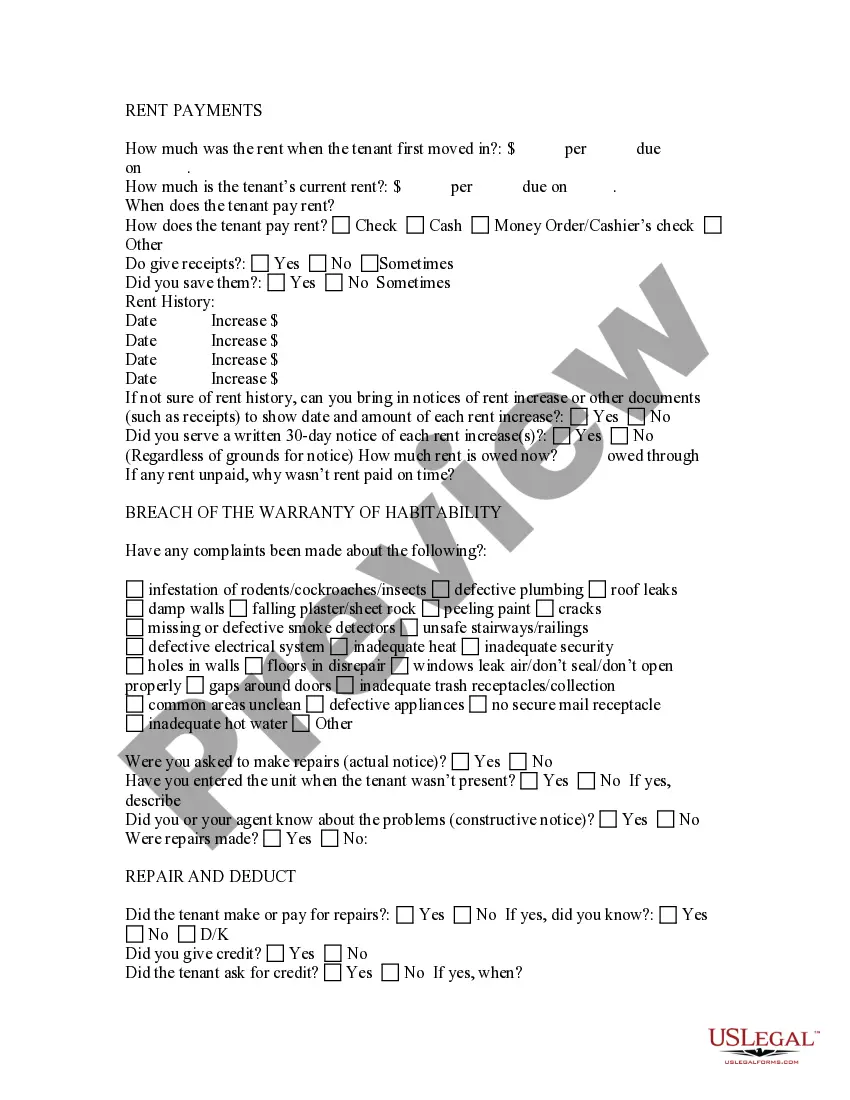
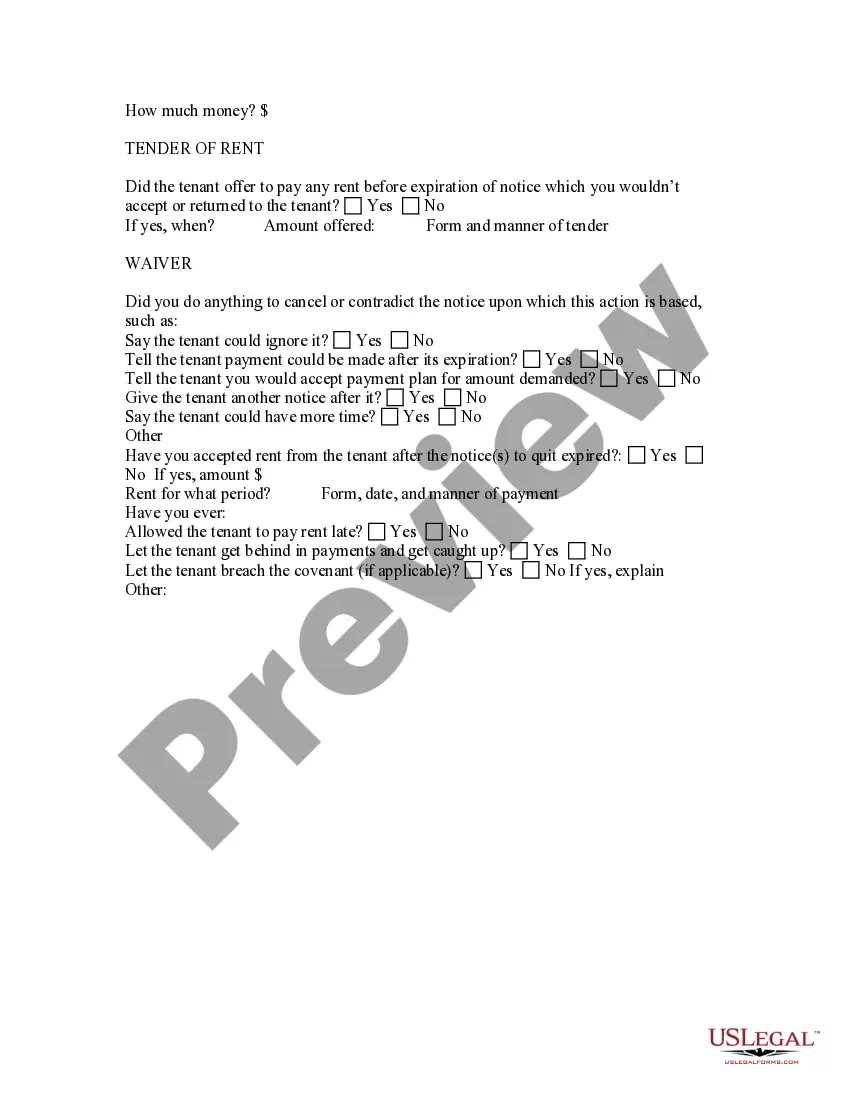
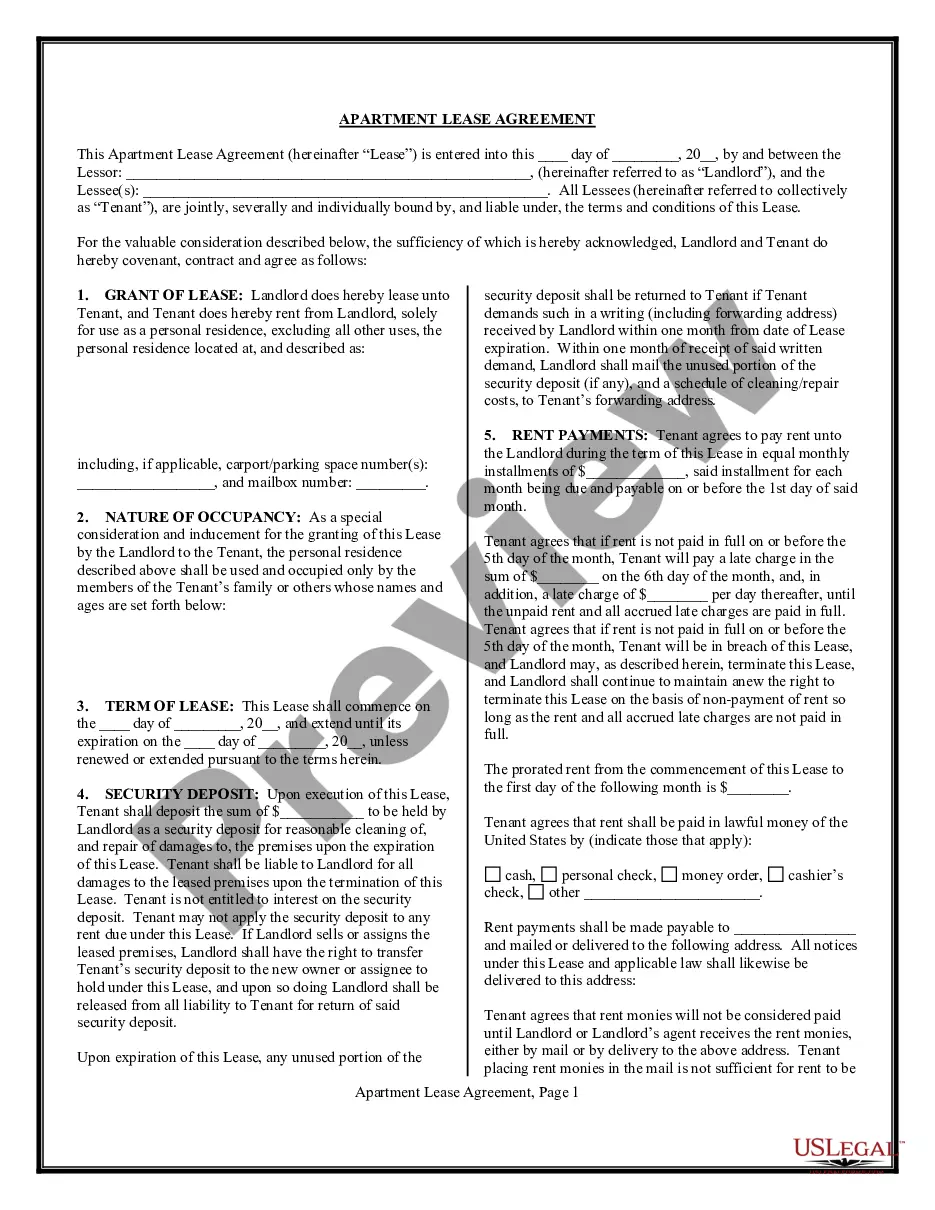
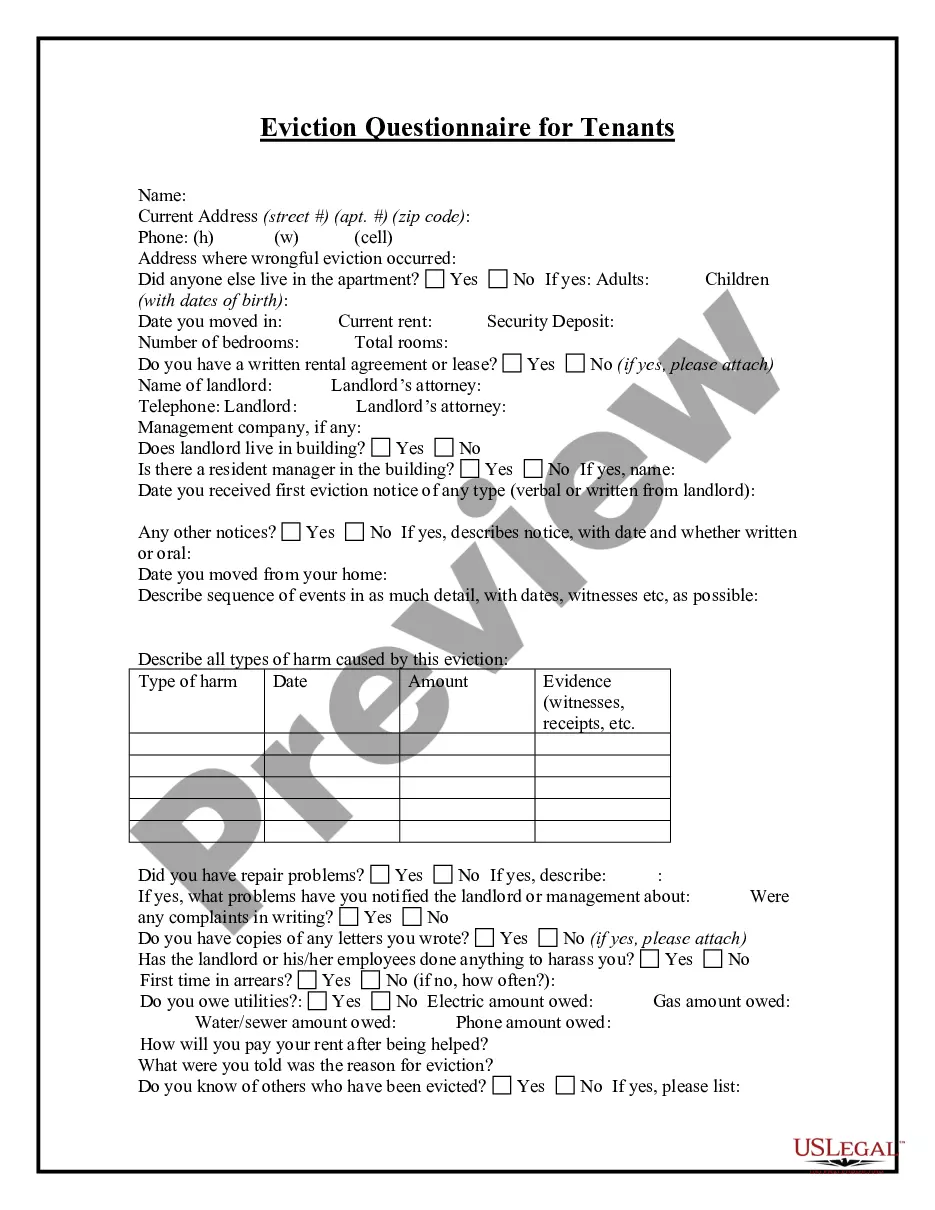
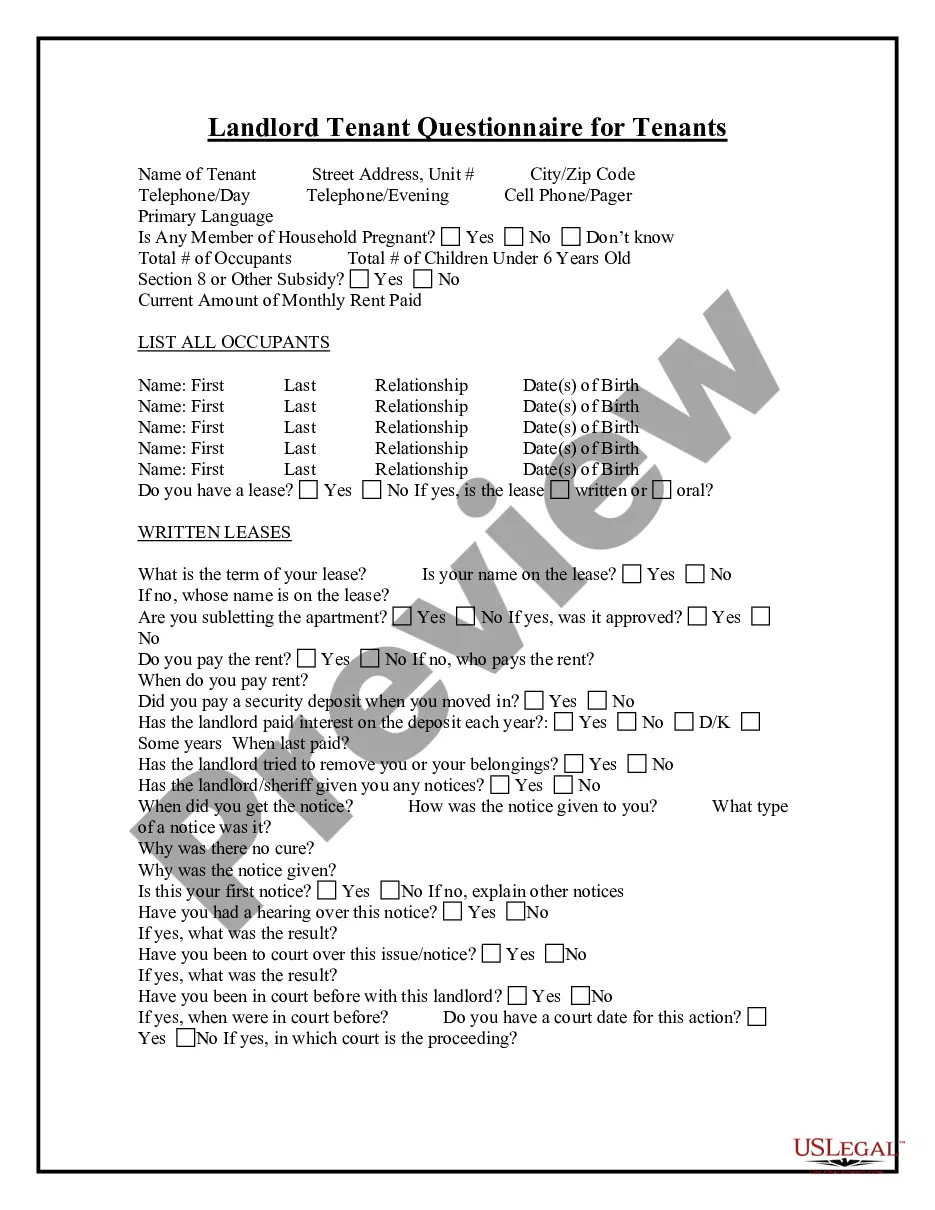
Get your form ready online
Our built-in tools help you complete, sign, share, and store your documents in one place.
Make edits, fill in missing information, and update formatting in US Legal Forms—just like you would in MS Word.
Download a copy, print it, send it by email, or mail it via USPS—whatever works best for your next step.
Sign and collect signatures with our SignNow integration. Send to multiple recipients, set reminders, and more. Go Premium to unlock E-Sign.
If this form requires notarization, complete it online through a secure video call—no need to meet a notary in person or wait for an appointment.
We protect your documents and personal data by following strict security and privacy standards.

Make edits, fill in missing information, and update formatting in US Legal Forms—just like you would in MS Word.

Download a copy, print it, send it by email, or mail it via USPS—whatever works best for your next step.

Sign and collect signatures with our SignNow integration. Send to multiple recipients, set reminders, and more. Go Premium to unlock E-Sign.

If this form requires notarization, complete it online through a secure video call—no need to meet a notary in person or wait for an appointment.

We protect your documents and personal data by following strict security and privacy standards.
Looking for another form?





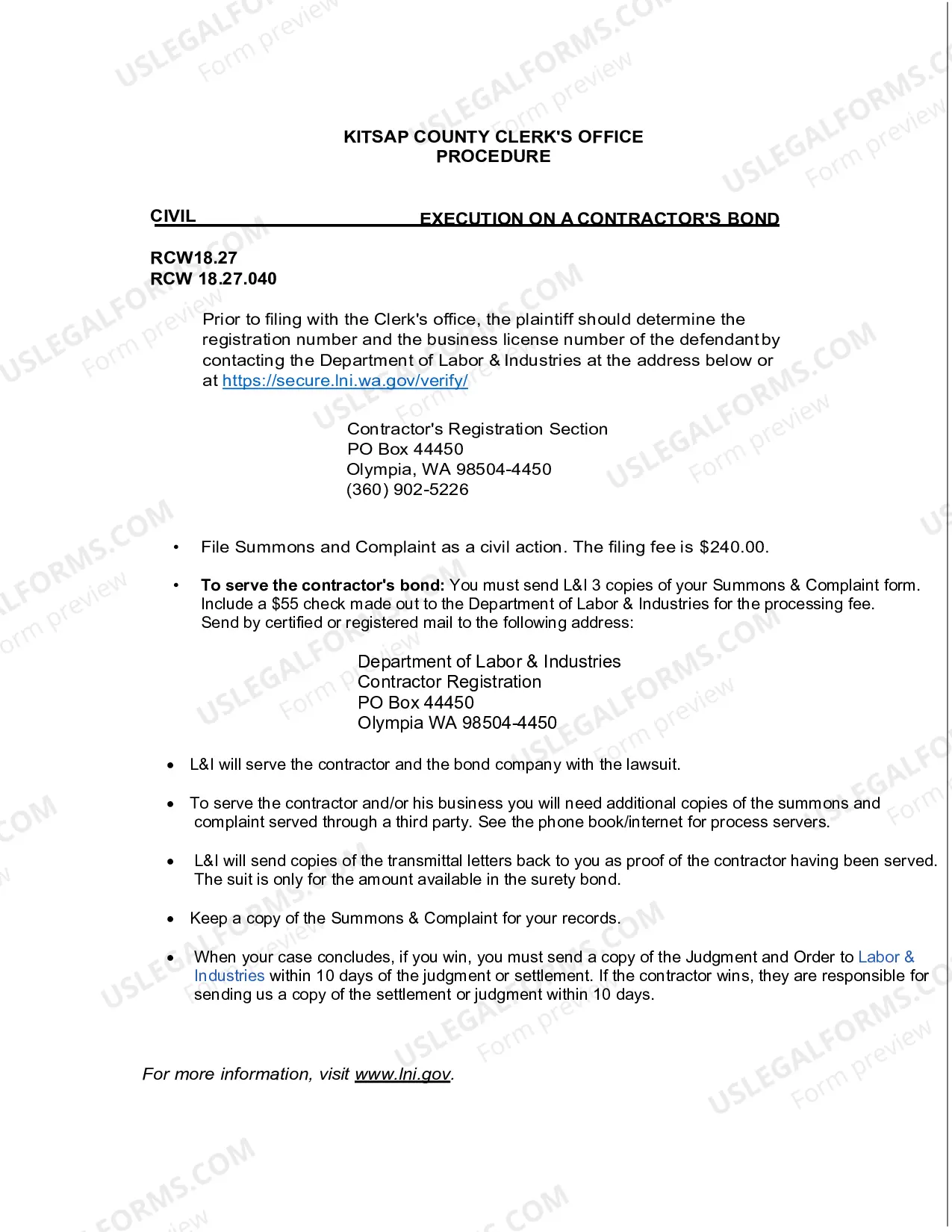

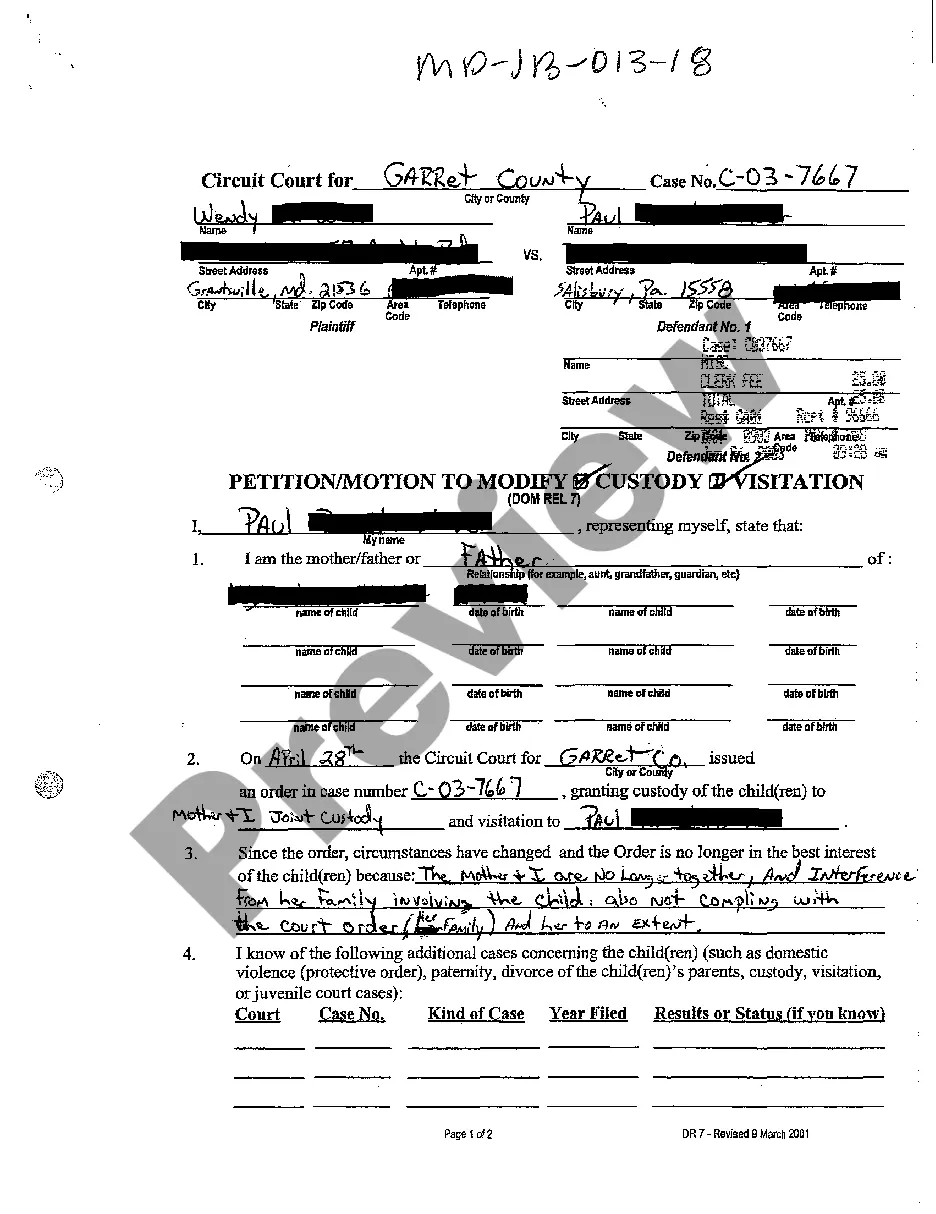


How to fill out Landlord Tenant Relationship Questionnaire For Landlords?
- If you're a returning customer, head over to the login page. Ensure your subscription is active before downloading your required form template.
- For first-time users, browse through the extensive form collection. Look through the Preview mode and descriptions to find the document that aligns with your needs.
- If necessary, utilize the Search option above to find an alternative template that suits your requirements better.
- Once you have the right document, click the Buy Now button, select a subscription plan, and create your account to unlock our library.
- Complete your purchase by entering your payment information via credit card or PayPal.
- Finally, download your form to your device and access it later in the My Forms section of your account.
US Legal Forms stands out as a powerful tool for individuals and attorneys alike, offering access to an extensive collection of over 85,000 legal forms, more than any competitor at similar costs. You can also consult premium experts for help with filling out documents, guaranteeing your forms are accurate and legally compliant.
By utilizing US Legal Forms, you can streamline your legal document processes with confidence. Don’t wait—start simplifying your legal needs today!
Form popularity
FAQ
If you find yourself in a position where you cannot afford rent, consider applying for housing assistance programs that can help cover costs. You may also explore negotiating lower rates with landlords by demonstrating your reliability as a tenant. Utilizing services like US Legal Forms can help you navigate rental agreements or develop a payment plan that suits your financial needs. Ultimately, understanding your options is key to overcoming this challenge.
When communicating with your landlord about financial difficulties, honesty and transparency are vital. Schedule a time to discuss your situation and express your concerns clearly. Propose potential solutions, such as a payment plan, which shows your willingness to resolve the issue. Being proactive in this conversation builds trust and could lead to a more understanding relationship moving forward.
The best way to receive rent is through secure, traceable methods such as bank transfers or online payment platforms. This allows you to keep clear records of transactions and helps avoid issues related to lost payments. Using a reliable rental management system can streamline the collection process and make it easier for your tenants. Always consider clear communication about payment methods to ensure a smooth rental experience.
If you are struggling to afford rent, explore alternative housing options such as shared living arrangements or subletting a room. Consider looking for less expensive neighborhoods or transitioning to temporary housing solutions like staying with friends or family. Additionally, some communities offer transitional housing programs aimed at helping those facing housing difficulties. Remember, staying informed can guide you in choosing affordable living options.
To determine if you can afford $1000 a month in rent, evaluate your monthly income and essential expenses. A good rule of thumb is that your housing costs should not exceed 30% of your income. Utilize budgeting tools to analyze your financial situation. Understanding how to rent what you can manage will help ensure you can meet your obligations comfortably.
If you find yourself unable to afford rent, start by reviewing your budget and identifying areas where you can cut expenses. Consider reaching out to local charities or government programs that offer financial assistance for housing. Additionally, speak to your landlord; they may be willing to work out a payment plan. It’s crucial to address the situation proactively and explore all options to manage your finances effectively.
Reporting rental income to the IRS means filling out Schedule E, where you detail both your income and any deductibles. Accurate reporting is crucial to avoid complications with tax authorities. Keeping thorough records ensures that you can back up your claims if needed. For assistance with this process, consider using US Legal Forms to navigate your reporting obligations effectively.
To report rent to the IRS, you'll need to complete Schedule E, which is a part of your federal tax return. This schedule allows you to detail your rental income and any related expenses. Additionally, knowing the right forms to use ensures transparency in your financial dealings. Utilizing resources like US Legal Forms can simplify this process, providing the needed guidance.
Yes, rental income can lead to various tax benefits, including deductions for expenses related to maintaining the property. Expenses such as repairs, property management fees, and mortgage interest fall into this category. Writing off these costs allows you to lower your taxable income, making your rental venture more profitable. Seeking advice on how to maximize deductions can greatly enhance your financial strategy.
In general, you cannot claim rent payments as a tax deduction for personal residence. However, if you rent out property, you may deduct certain expenses and repairs related to that rental activity. Understanding how to navigate the tax implications is key; it’s worth exploring various options to maximize your savings. Always consult a tax professional for advice tailored to your situation.