Elder Law In Texas
Description

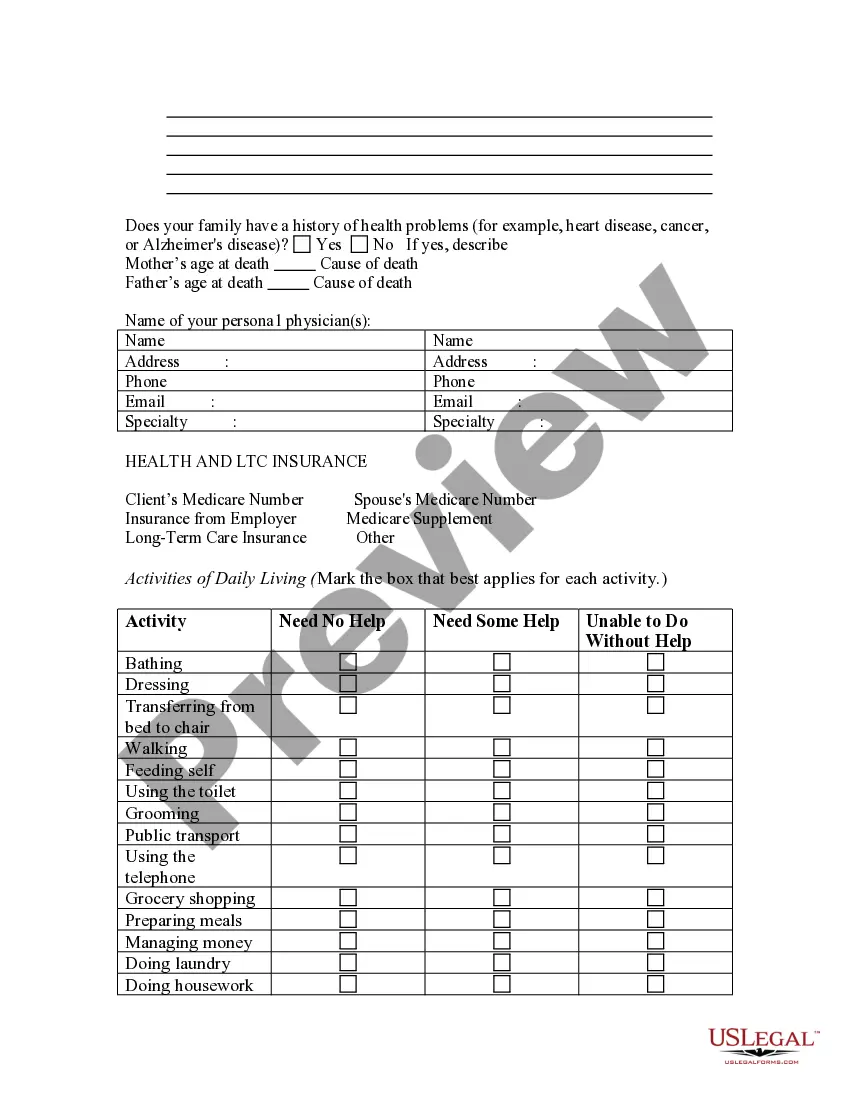
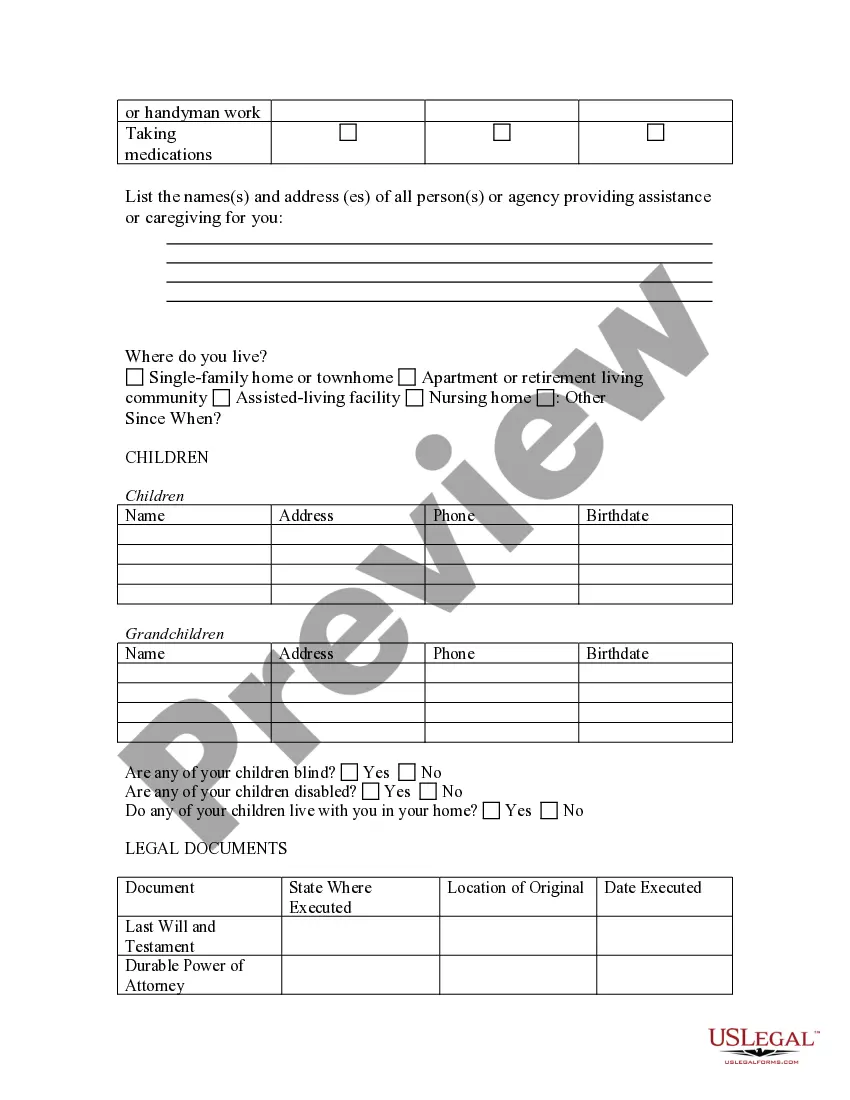
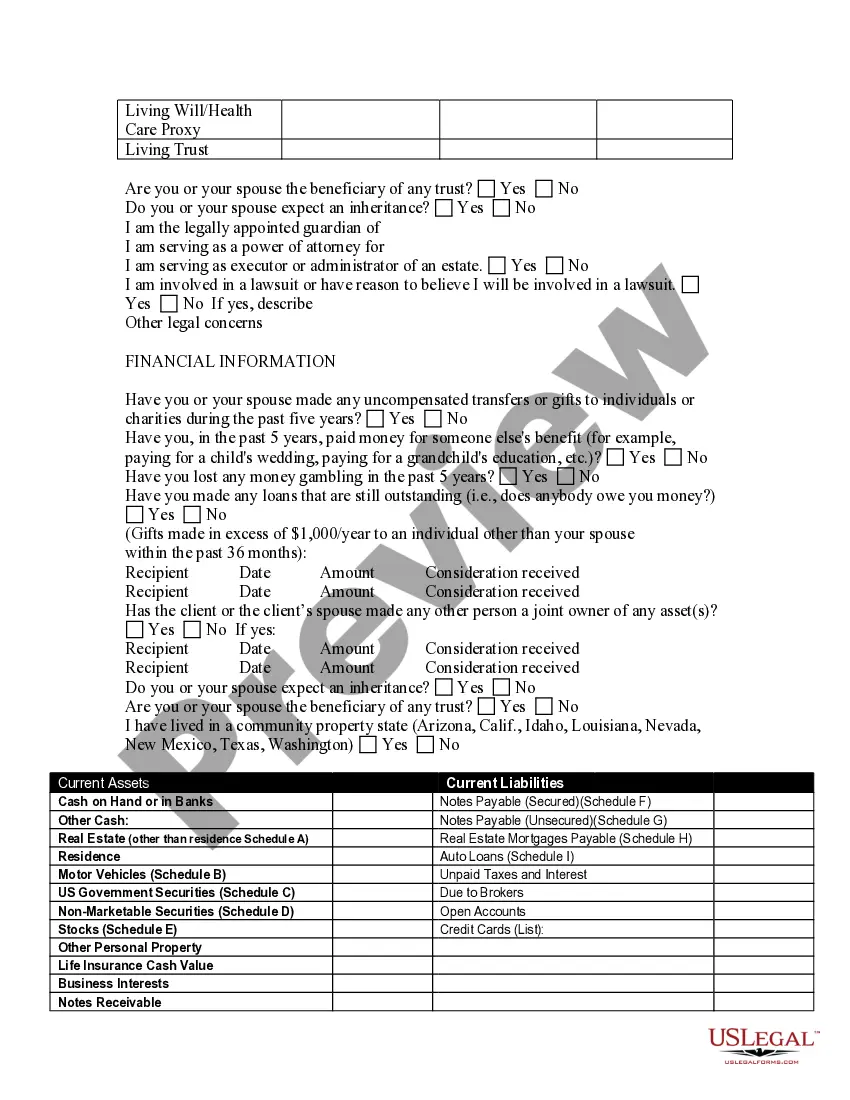
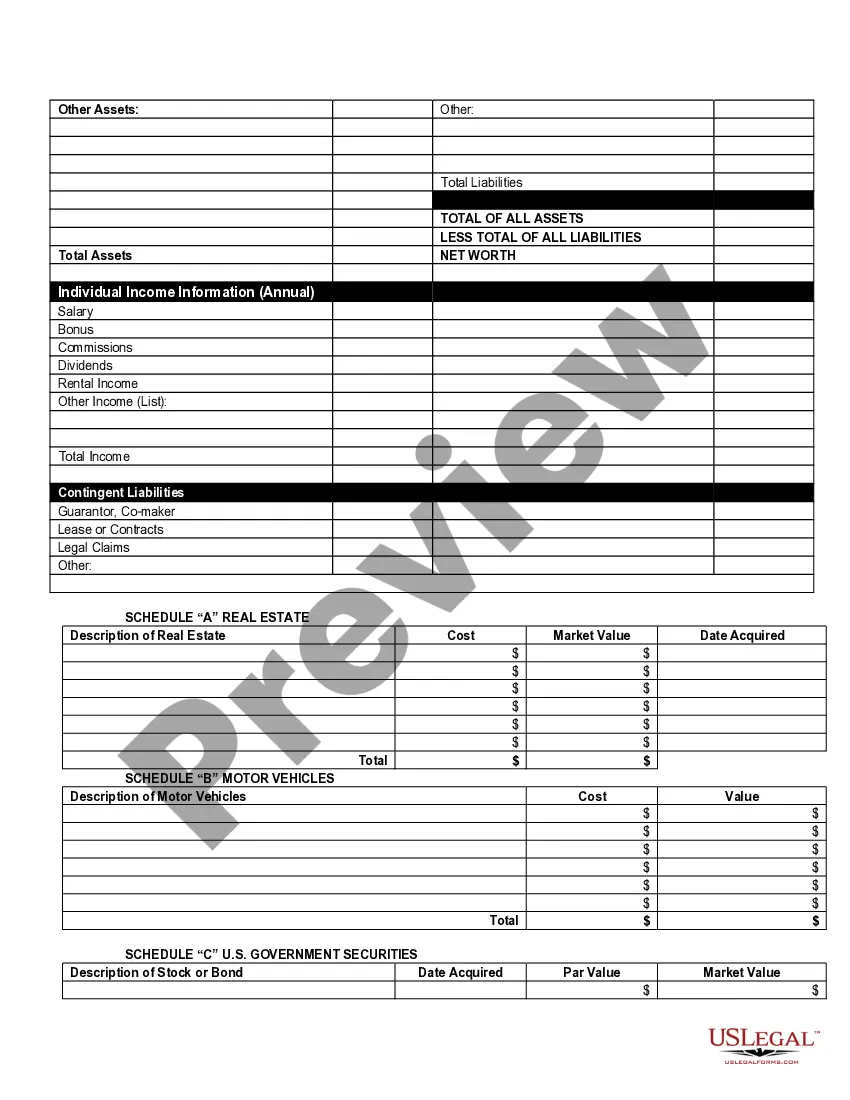
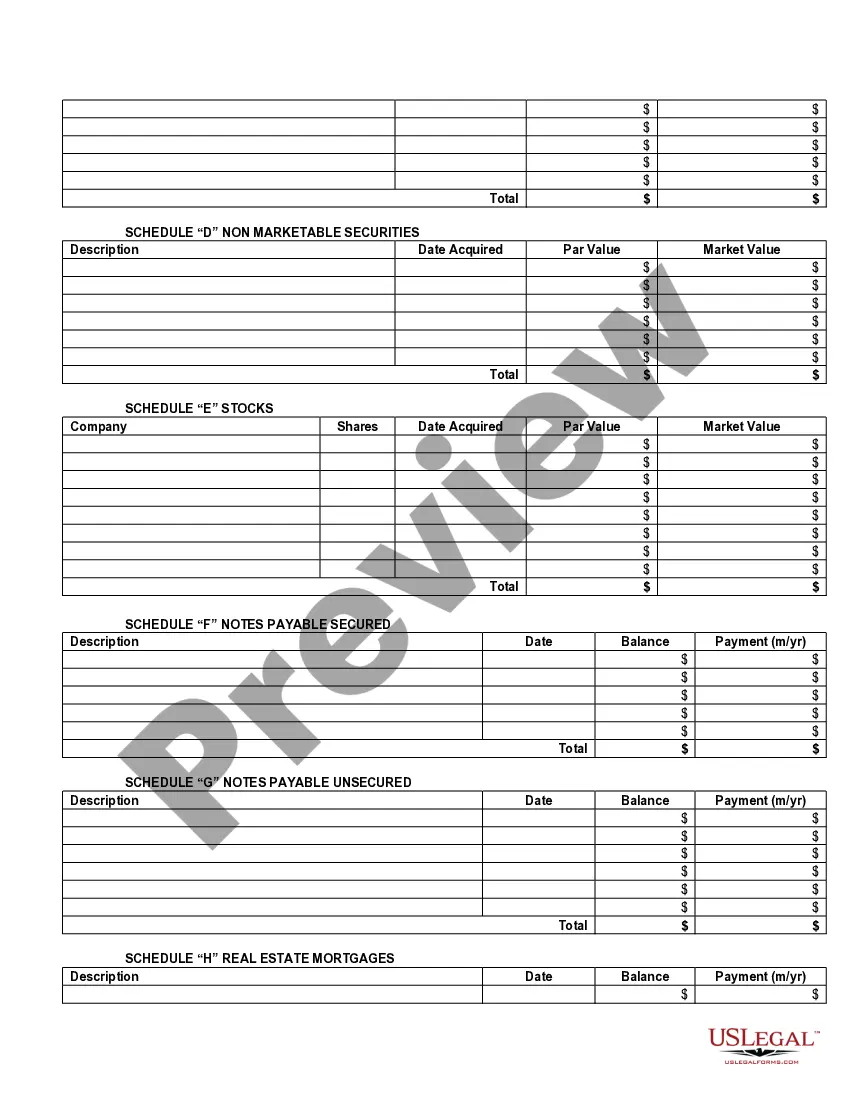
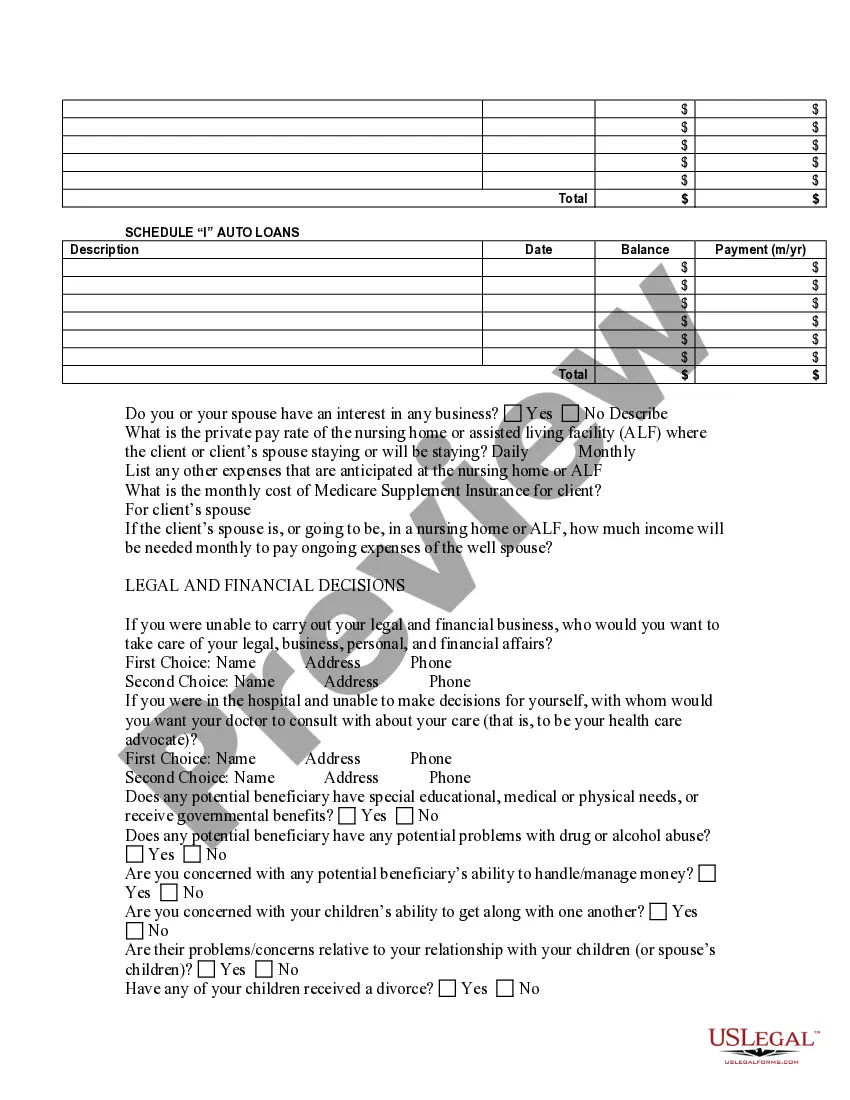
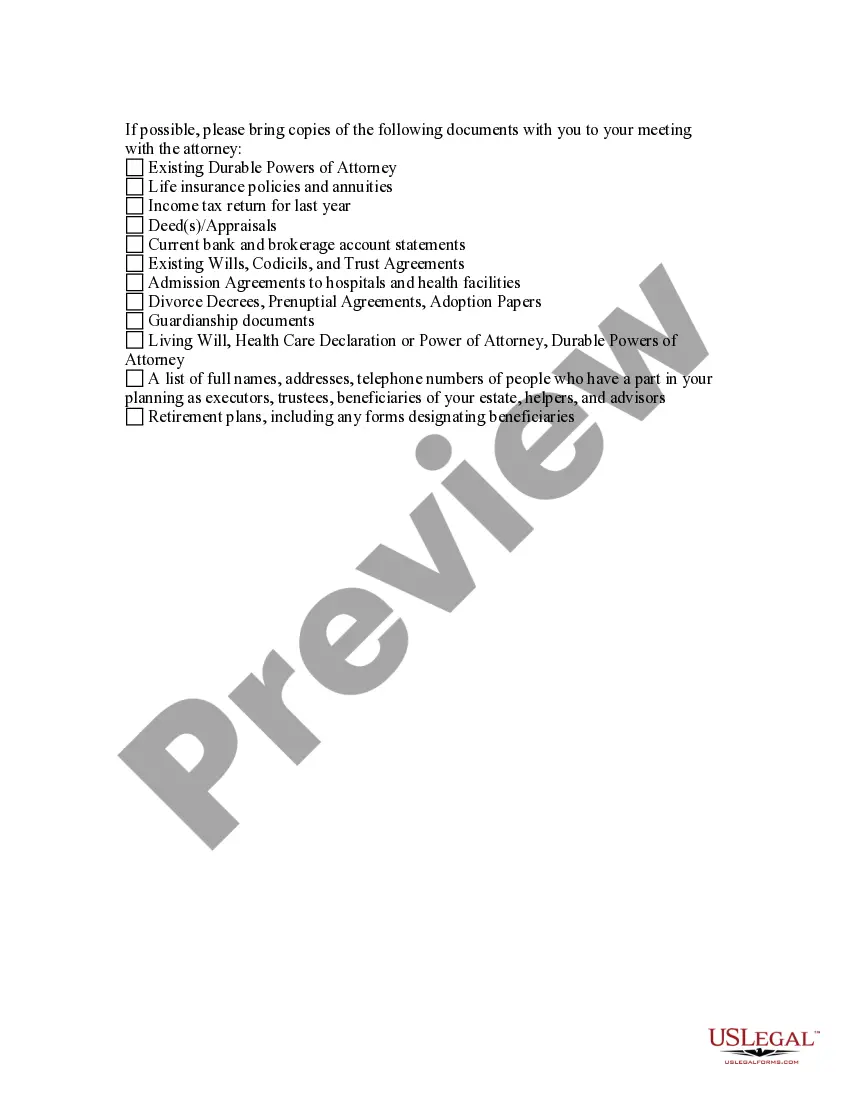

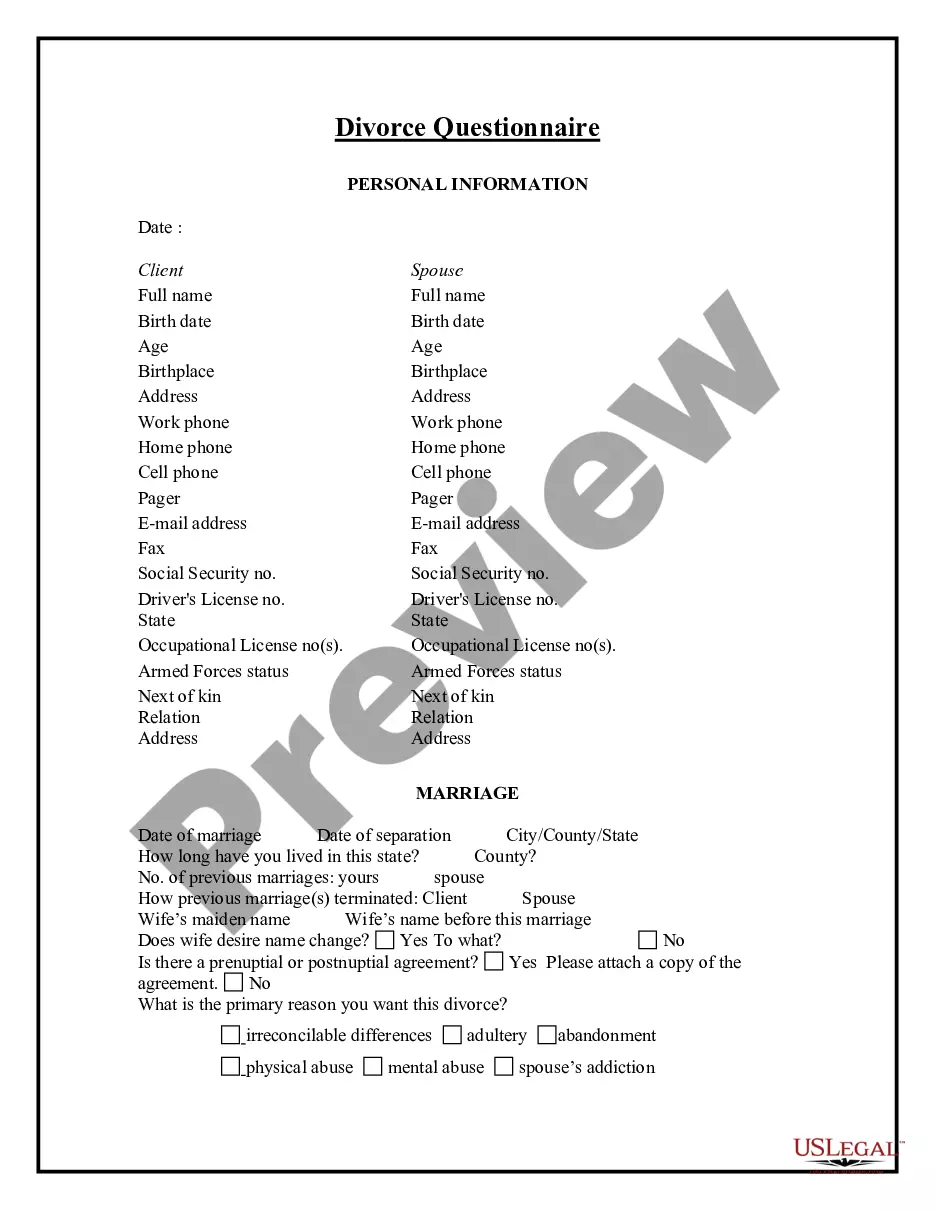
Get your form ready online
Our built-in tools help you complete, sign, share, and store your documents in one place.
Make edits, fill in missing information, and update formatting in US Legal Forms—just like you would in MS Word.
Download a copy, print it, send it by email, or mail it via USPS—whatever works best for your next step.
Sign and collect signatures with our SignNow integration. Send to multiple recipients, set reminders, and more. Go Premium to unlock E-Sign.
If this form requires notarization, complete it online through a secure video call—no need to meet a notary in person or wait for an appointment.
We protect your documents and personal data by following strict security and privacy standards.

Make edits, fill in missing information, and update formatting in US Legal Forms—just like you would in MS Word.

Download a copy, print it, send it by email, or mail it via USPS—whatever works best for your next step.

Sign and collect signatures with our SignNow integration. Send to multiple recipients, set reminders, and more. Go Premium to unlock E-Sign.

If this form requires notarization, complete it online through a secure video call—no need to meet a notary in person or wait for an appointment.

We protect your documents and personal data by following strict security and privacy standards.
Looking for another form?






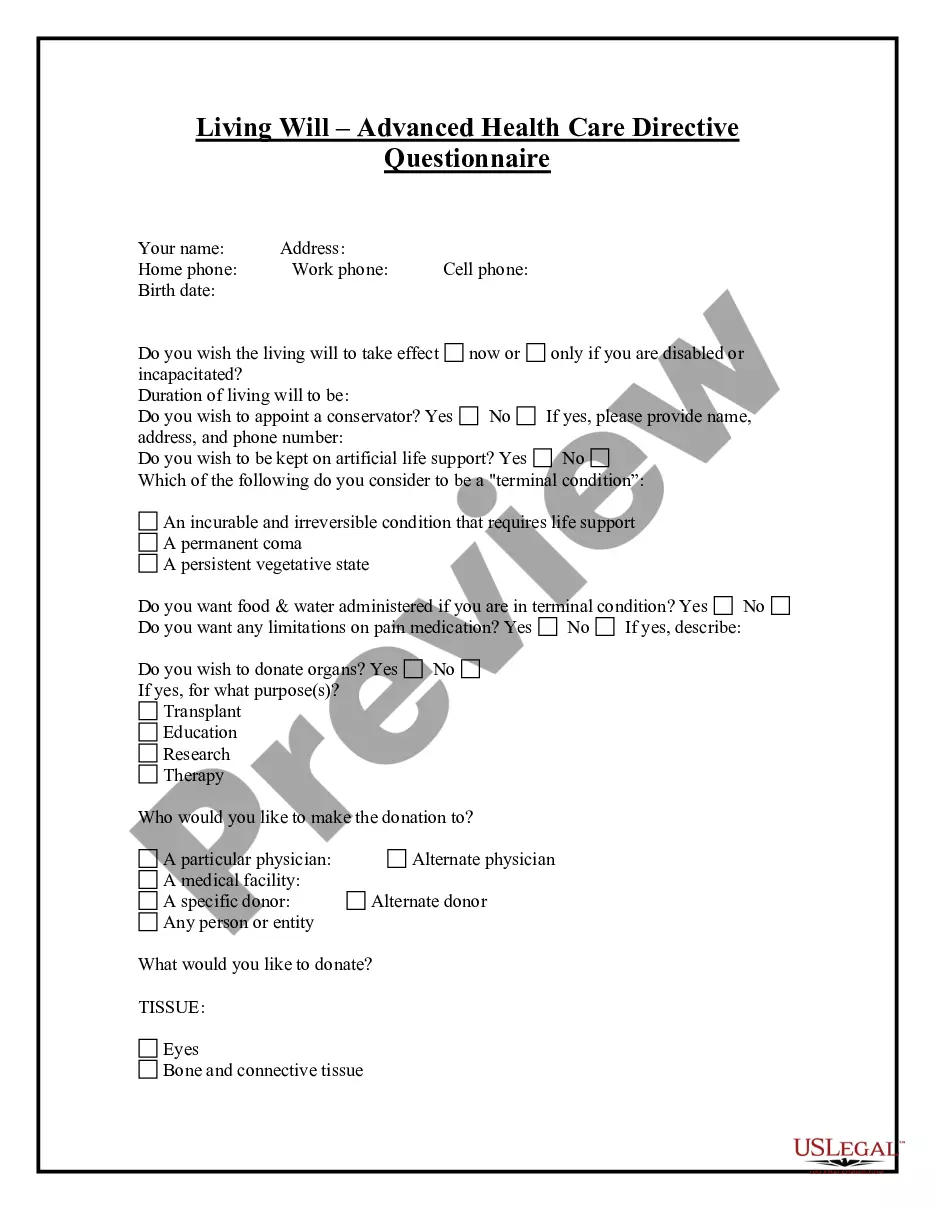

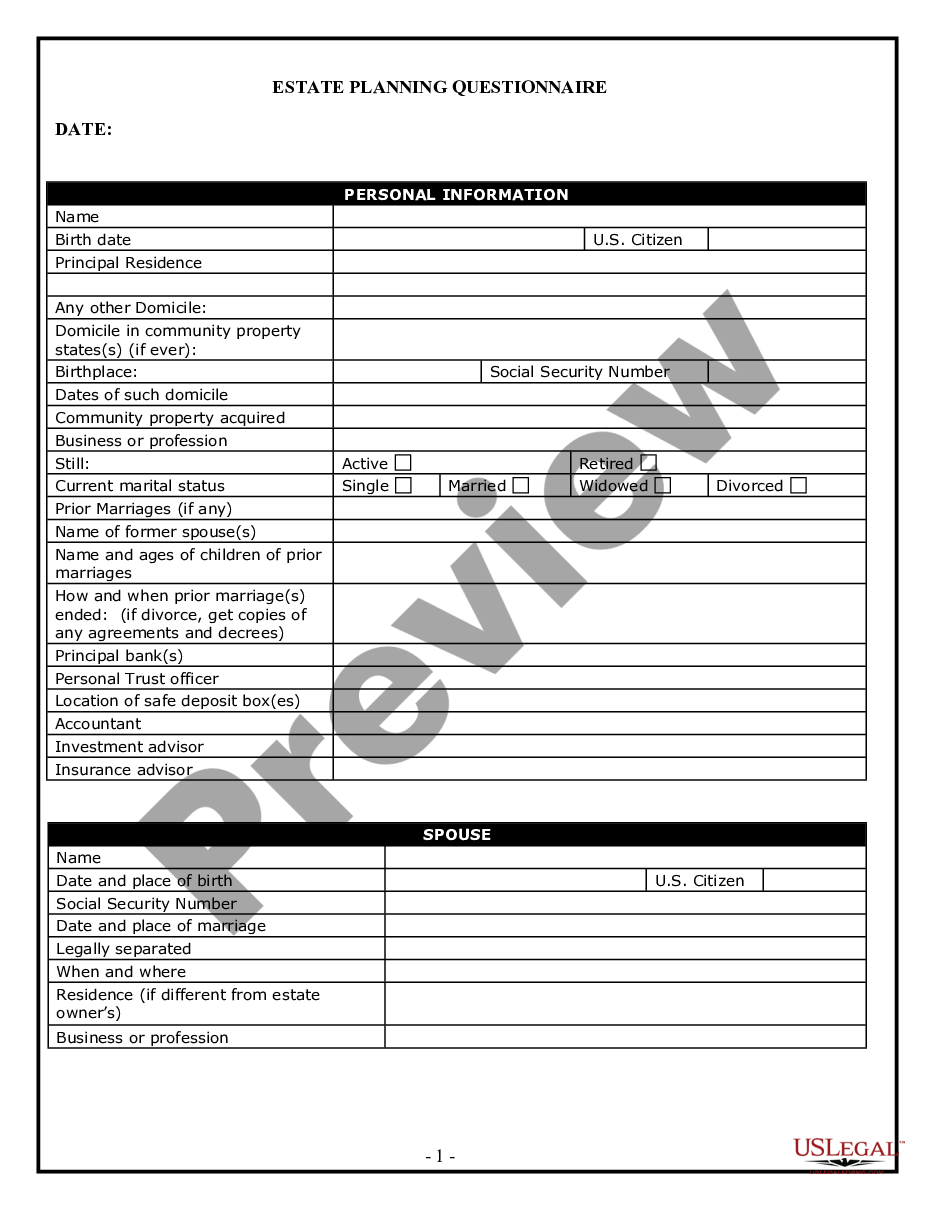
How to fill out Elder Law Questionnaire?
Whether for commercial objectives or for individual concerns, everyone must confront legal matters at some point in their lives. Completing legal documents requires meticulous attention, starting with choosing the correct form prototype.
For example, if you select an incorrect version of an Elder Law in Texas, it will be rejected once submitted. Thus, it is essential to have a trustworthy source for legal documents such as US Legal Forms.
With a vast US Legal Forms catalog available, you do not need to spend time searching for the correct template online. Utilize the library’s easy navigation to find the suitable form for any occasion.
- Locate the template you require by utilizing the search bar or catalog exploration.
- Review the form’s details to confirm it suits your circumstances, state, and county.
- Click on the form’s preview to check it out.
- If it is the wrong document, return to the search feature to find the Elder Law in Texas sample you need.
- Obtain the template if it corresponds to your requirements.
- If you possess a US Legal Forms account, click Log in to access previously saved templates in My documents.
- If you have not created an account yet, you can acquire the form by clicking Buy now.
- Select the appropriate pricing option.
- Complete the account registration form.
- Choose your payment method: you can utilize a credit card or a PayPal account.
- Select the document format you desire and download the Elder Law in Texas.
- Once downloaded, you can complete the form using editing software or print it out and finish it manually.
Form popularity
FAQ
Elder law in Texas encompasses a range of legal services designed to assist older adults and their families. This area of law addresses issues such as estate planning, guardianship, long-term care planning, and Medicare benefits. By focusing on the unique needs of seniors, elder law helps ensure that individuals can make informed decisions about their financial and healthcare options. Engaging with an experienced elder law attorney in Texas can simplify the complex legal landscape and provide peace of mind.
In Texas, certain professionals, such as healthcare workers and social workers, are required to report suspected abuse or neglect of elderly individuals. This legal obligation aims to protect vulnerable individuals from harm. Understanding these mandatory reporting requirements is crucial within the framework of elder law in Texas. Utilizing resources like US Legal Forms can help clarify these responsibilities and ensure compliance.
You should consider hiring an elder law attorney when navigating complex issues related to healthcare, estate planning, or potential elder abuse. An attorney experienced in elder law in Texas can provide guidance and protect your loved one's rights. Early intervention can often prevent larger legal complications down the road. It's always better to be proactive and informed.
In Texas, elderly abuse can impact individuals aged 65 and older. This age bracket is used to define elderly individuals who may be at risk for mistreatment. Signs of elderly abuse include physical harm, neglect, or emotional distress. Understanding elder law in Texas is essential for addressing such issues effectively.
In Texas, you may have certain responsibilities towards your elderly parents, especially if they cannot care for themselves. While there isn’t a blanket legal obligation to support them financially, Texas law allows for the possibility of adult children being held responsible for their parents' medical bills under specific circumstances. Understanding elder law in Texas can clarify any obligations you may have and help you plan effectively for your parents' care. Utilizing resources like uslegalforms can aid in addressing these legal matters.
Elder law in Texas encompasses a range of legal issues that affect older adults. This area of law addresses matters such as estate planning, guardianship, and health care decisions. In addition, it provides guidance for long-term care options and financial planning. Engaging with elder law can empower families to navigate the complexities of caring for aging relatives.
In Texas, the elderly have specific rights designed to protect their dignity and well-being. These rights include the right to make personal choices, receive appropriate healthcare, and participate in decisions about their lives. Elder law in Texas ensures that seniors can access necessary services while safeguarding them from abuse and neglect. Understanding these rights helps families advocate effectively for their elderly loved ones.
Texas law includes several regulations aimed at protecting the rights and welfare of the elderly. These encompass provisions related to guardianship, long-term care, and protection against abuse. Familiarizing yourself with these laws is crucial for understanding the protections available under elder law in Texas.
Yes, an elderly person can be removed from their home under certain circumstances, such as if they are a danger to themselves or others. This process typically requires legal proceedings to ensure the person's rights are protected. Consulting with a legal expert familiar with elder law in Texas can provide clarity on these situations.
In Texas, adult children may bear legal responsibility for the care of their elderly parents, particularly if they are unable to care for themselves. This duty can include financial support and ensuring access to appropriate healthcare. Understanding these responsibilities is key to fulfilling family obligations under elder law in Texas.