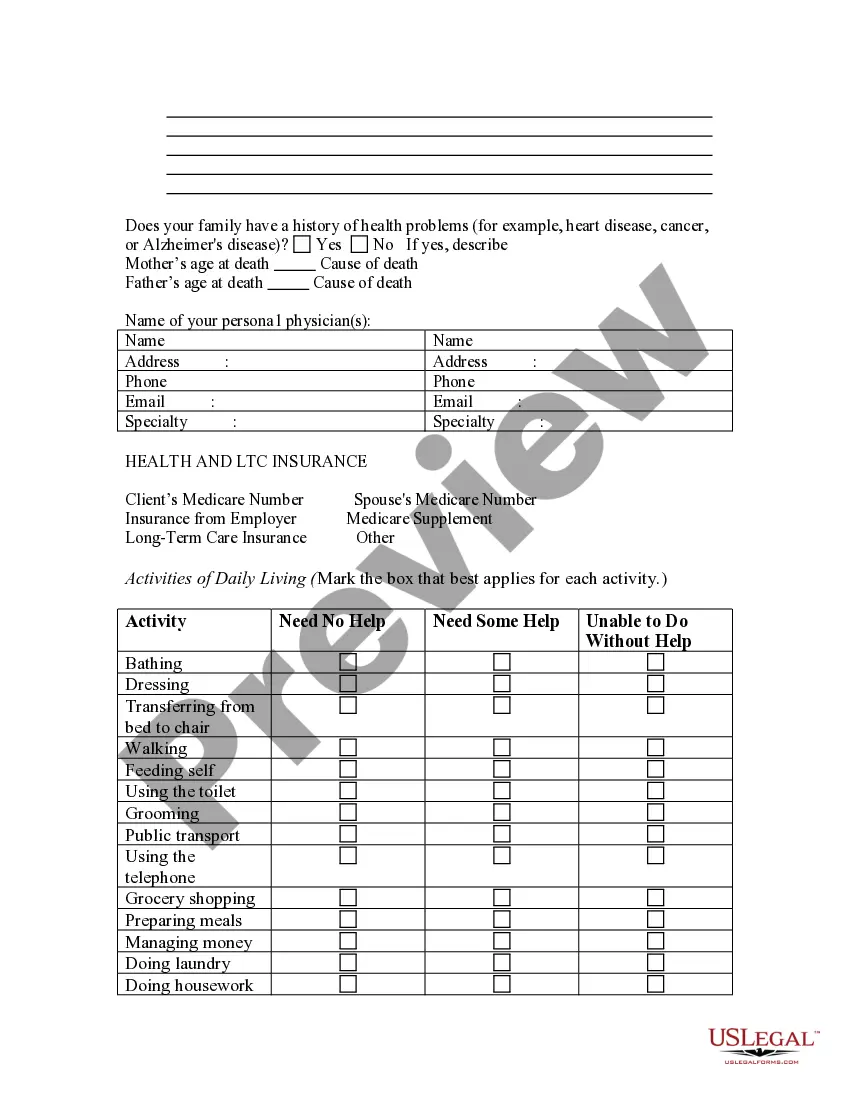
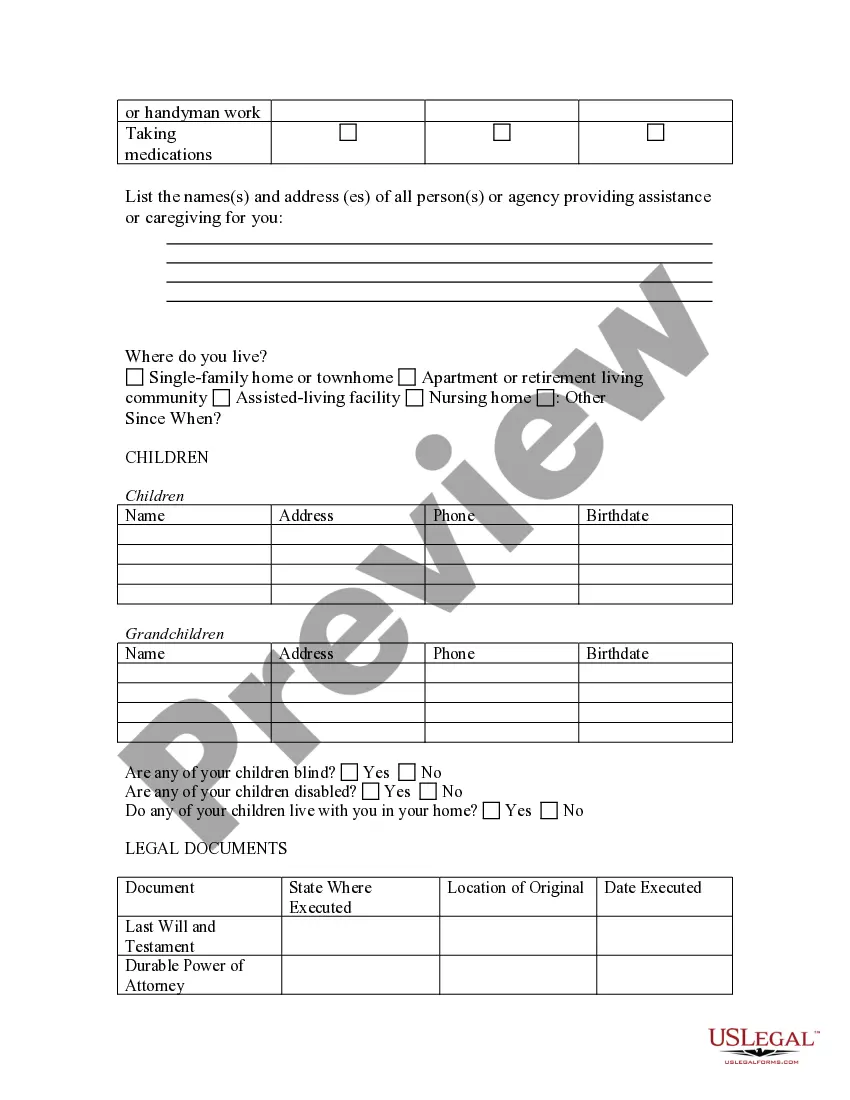
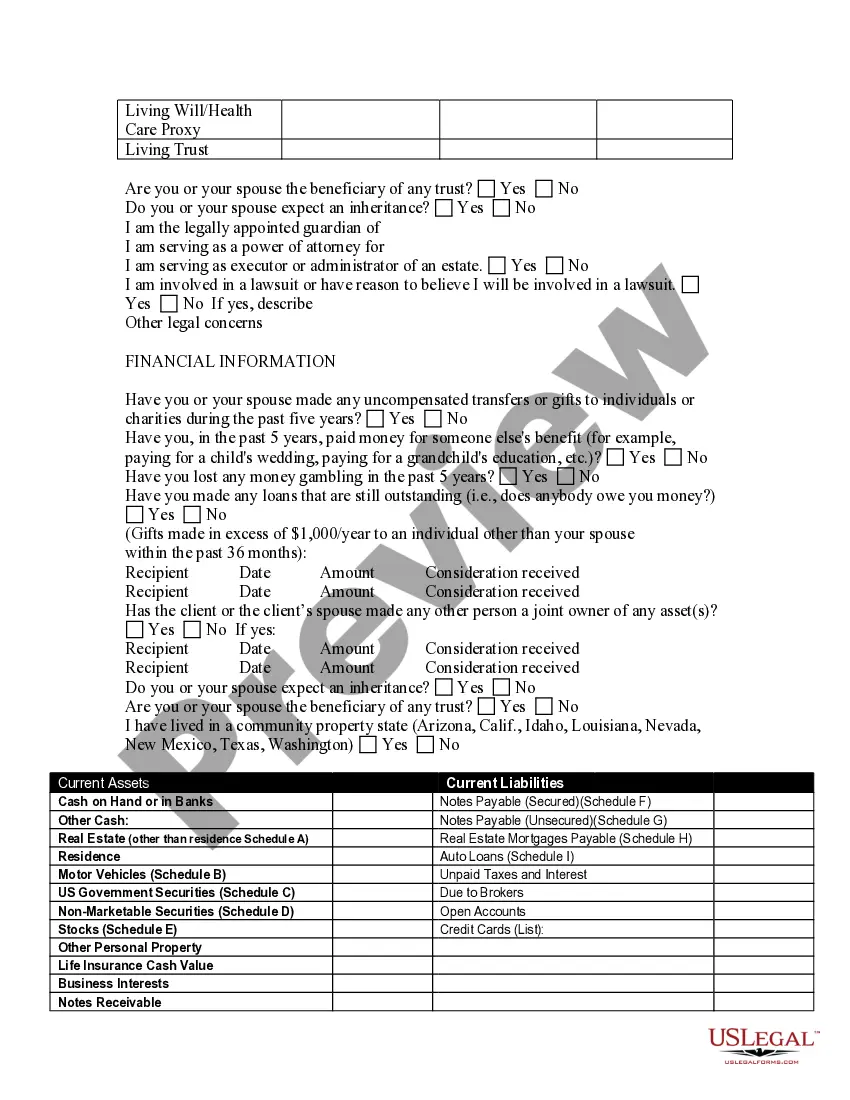
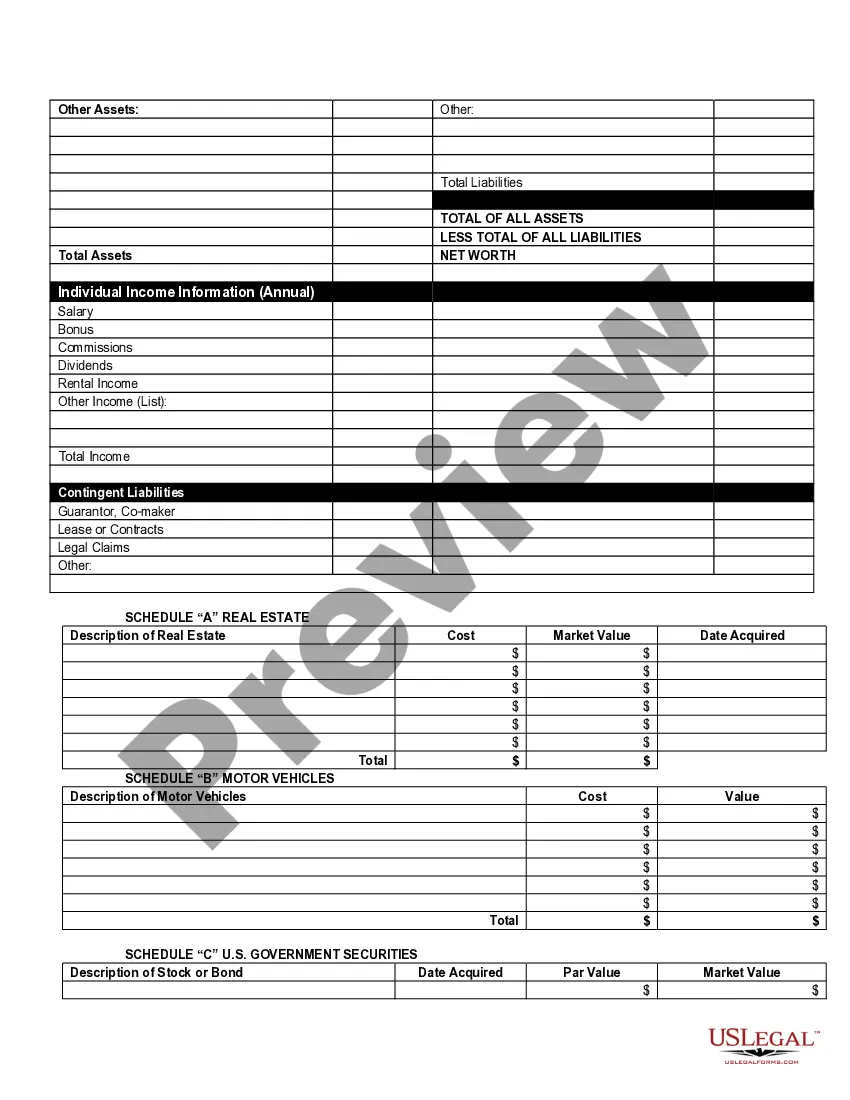
Elder Law For Paralegals
Description

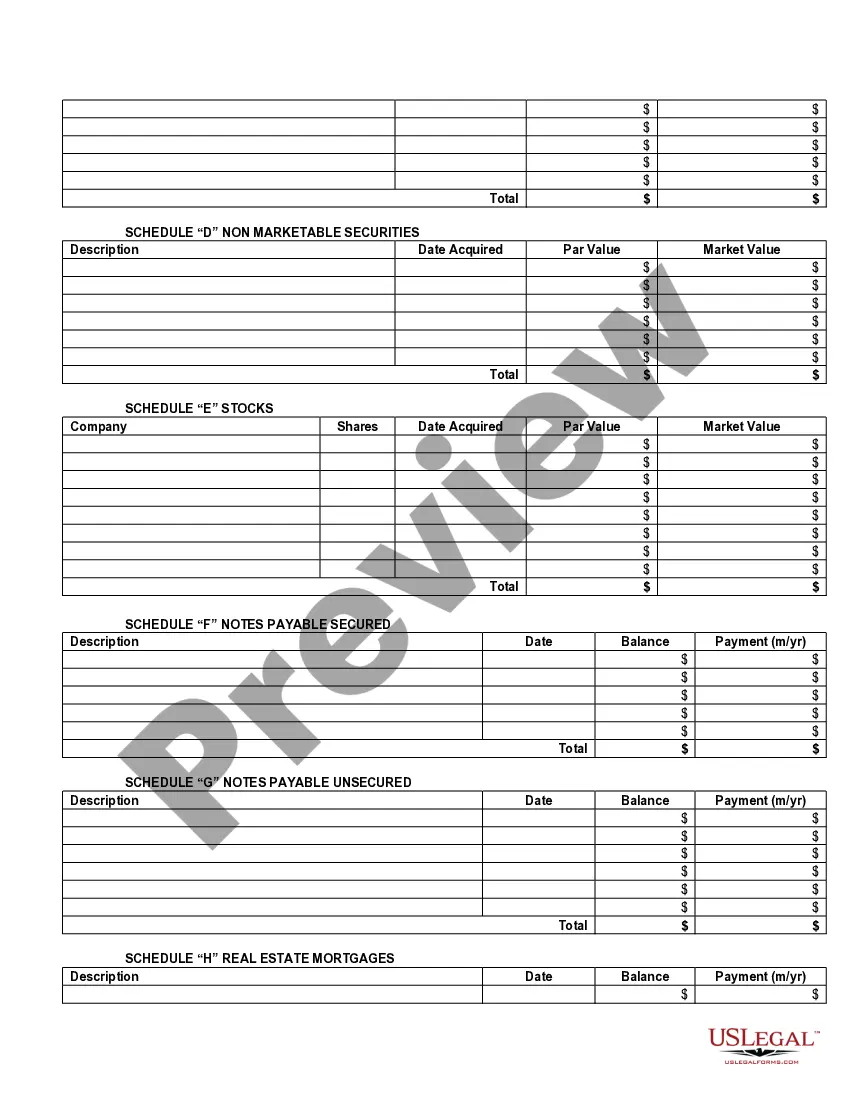
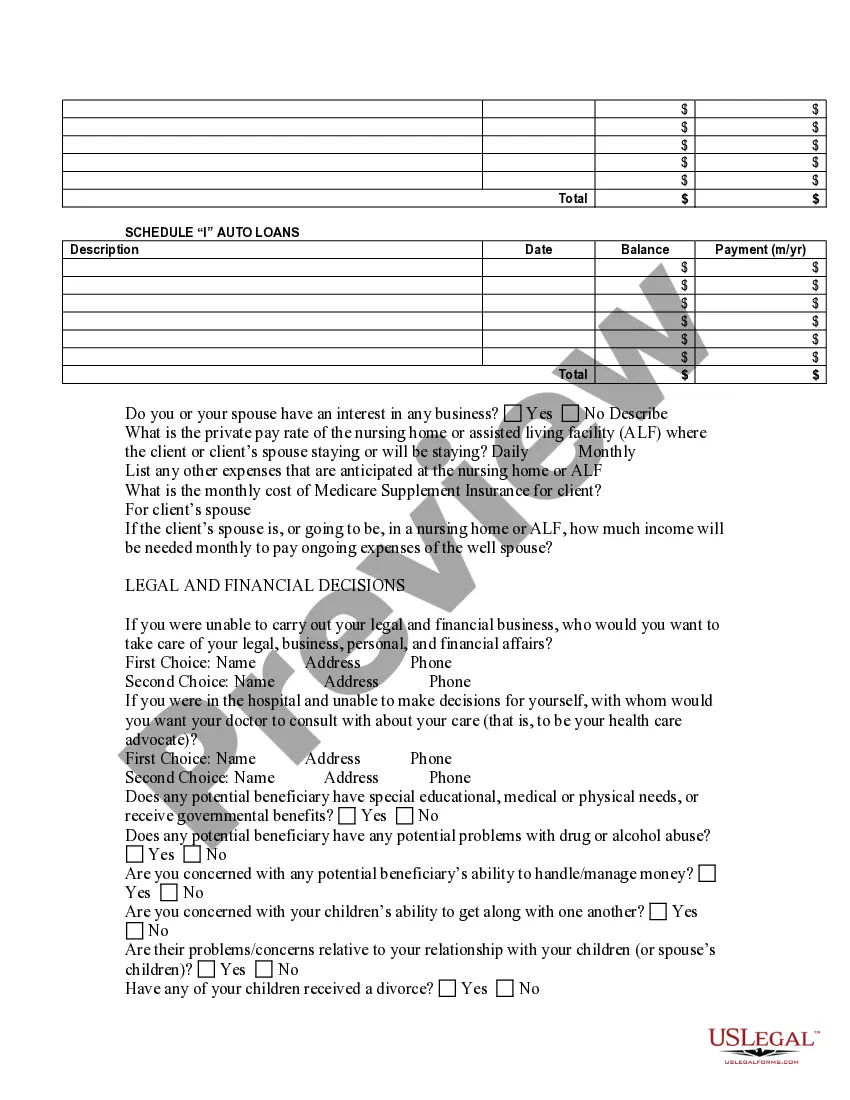
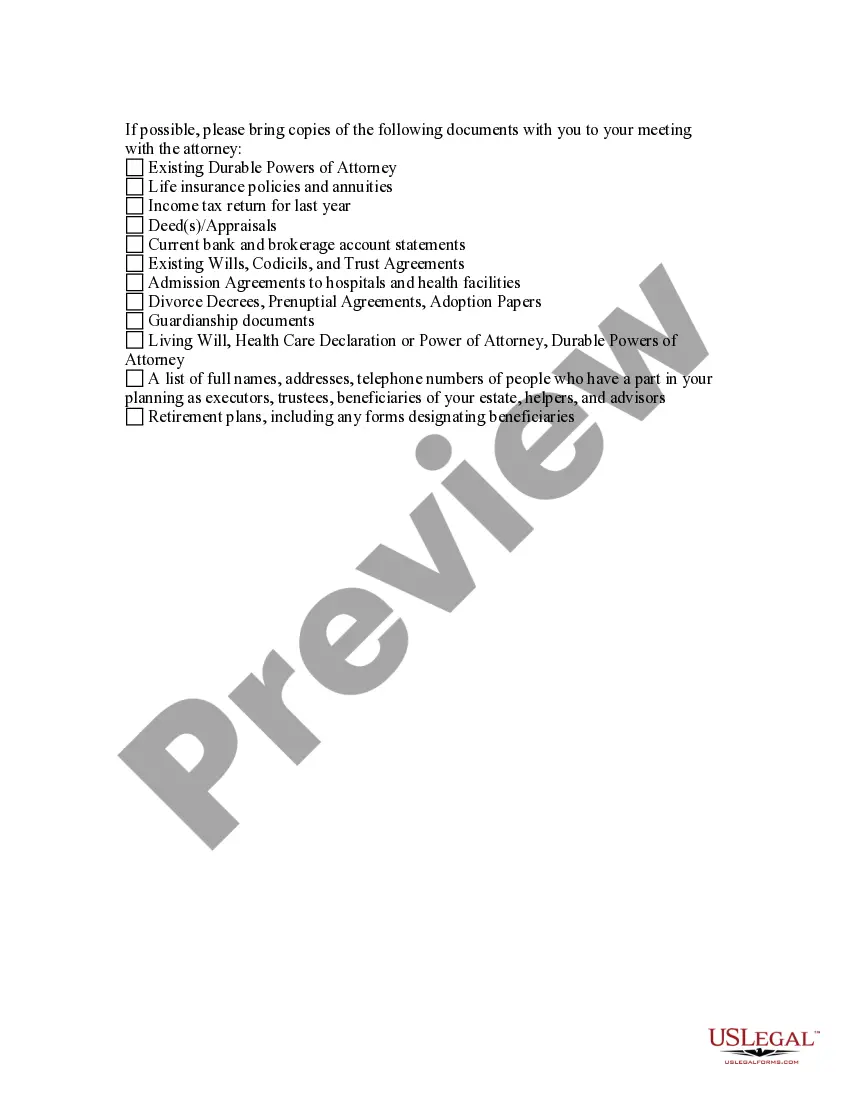

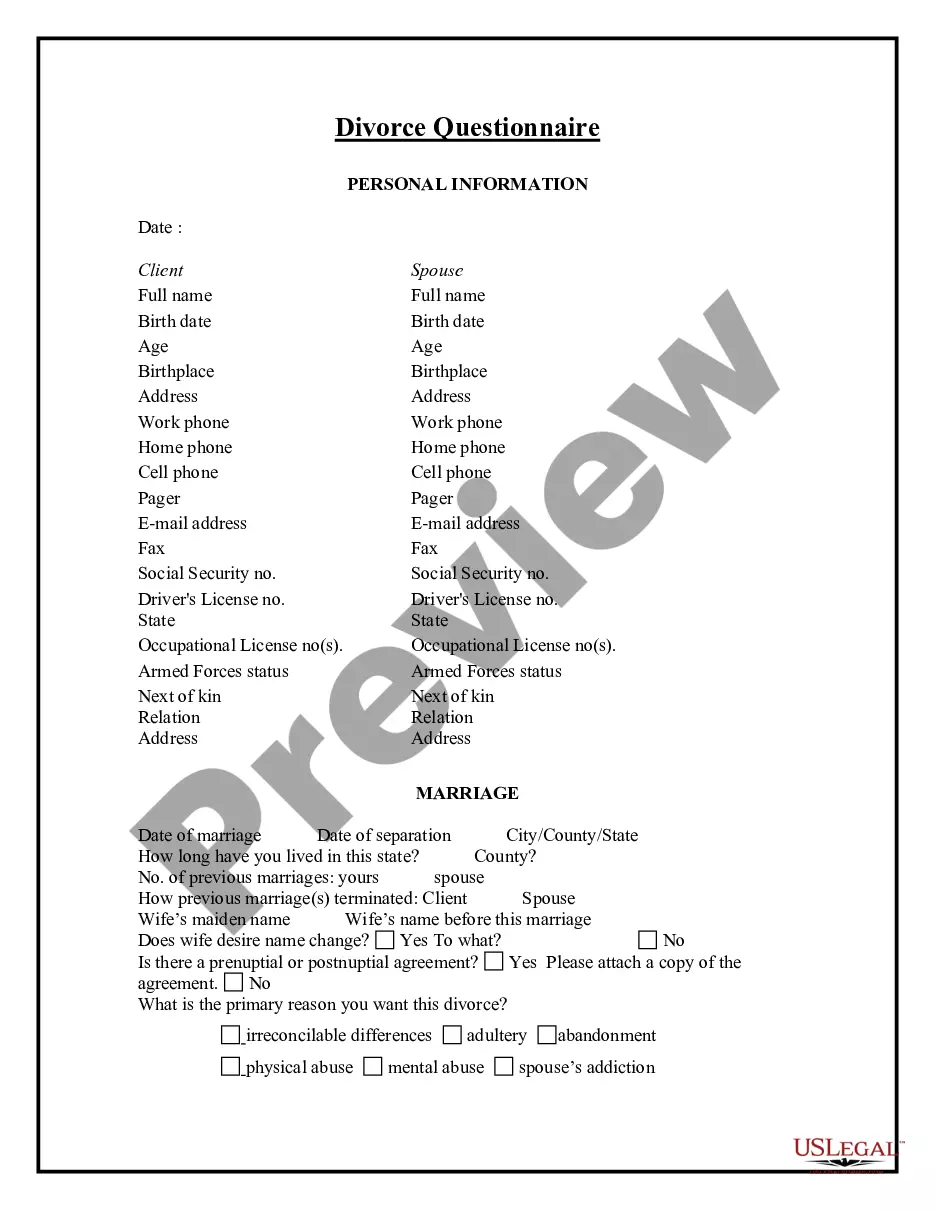
Get your form ready online
Our built-in tools help you complete, sign, share, and store your documents in one place.
Make edits, fill in missing information, and update formatting in US Legal Forms—just like you would in MS Word.
Download a copy, print it, send it by email, or mail it via USPS—whatever works best for your next step.
Sign and collect signatures with our SignNow integration. Send to multiple recipients, set reminders, and more. Go Premium to unlock E-Sign.
If this form requires notarization, complete it online through a secure video call—no need to meet a notary in person or wait for an appointment.
We protect your documents and personal data by following strict security and privacy standards.

Make edits, fill in missing information, and update formatting in US Legal Forms—just like you would in MS Word.

Download a copy, print it, send it by email, or mail it via USPS—whatever works best for your next step.

Sign and collect signatures with our SignNow integration. Send to multiple recipients, set reminders, and more. Go Premium to unlock E-Sign.

If this form requires notarization, complete it online through a secure video call—no need to meet a notary in person or wait for an appointment.

We protect your documents and personal data by following strict security and privacy standards.
Looking for another form?







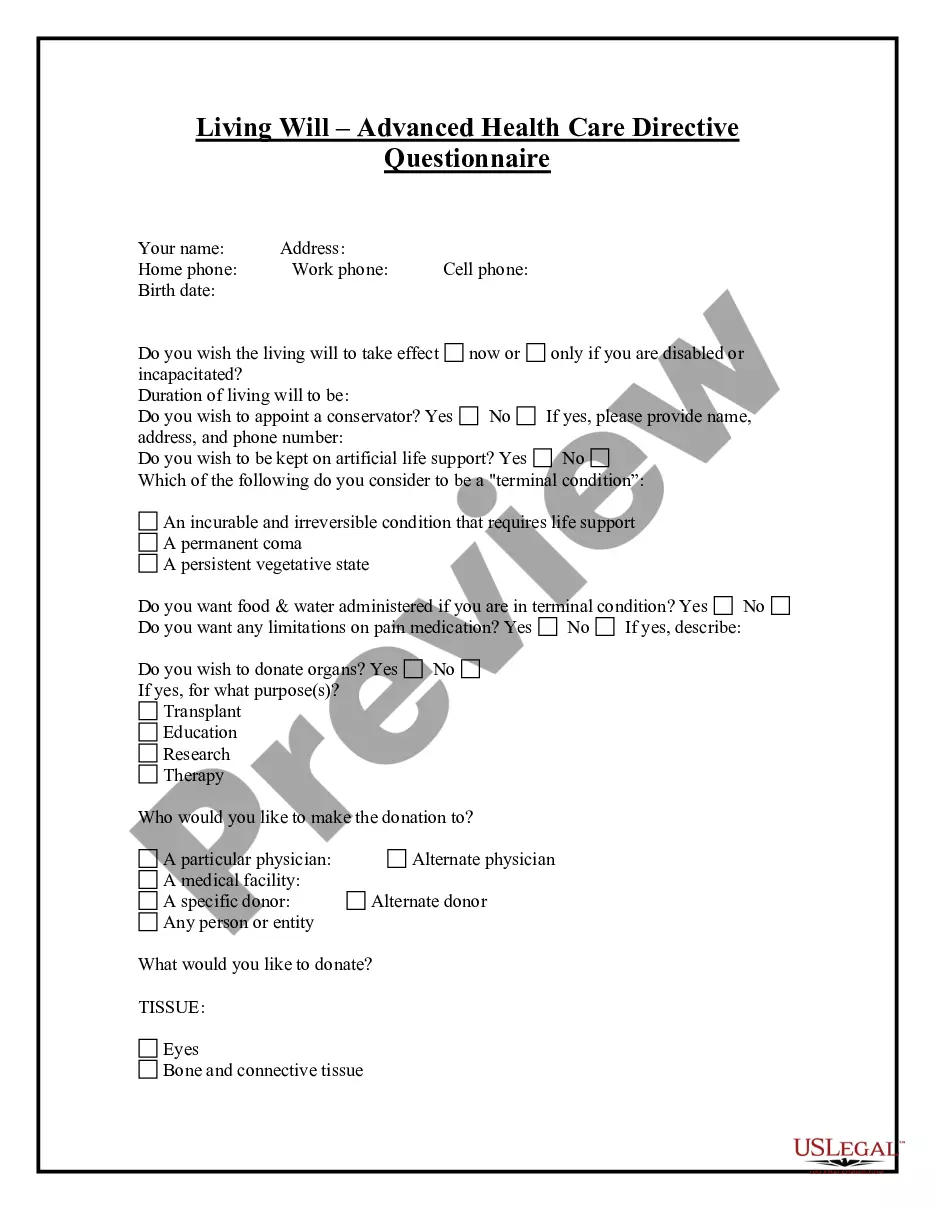
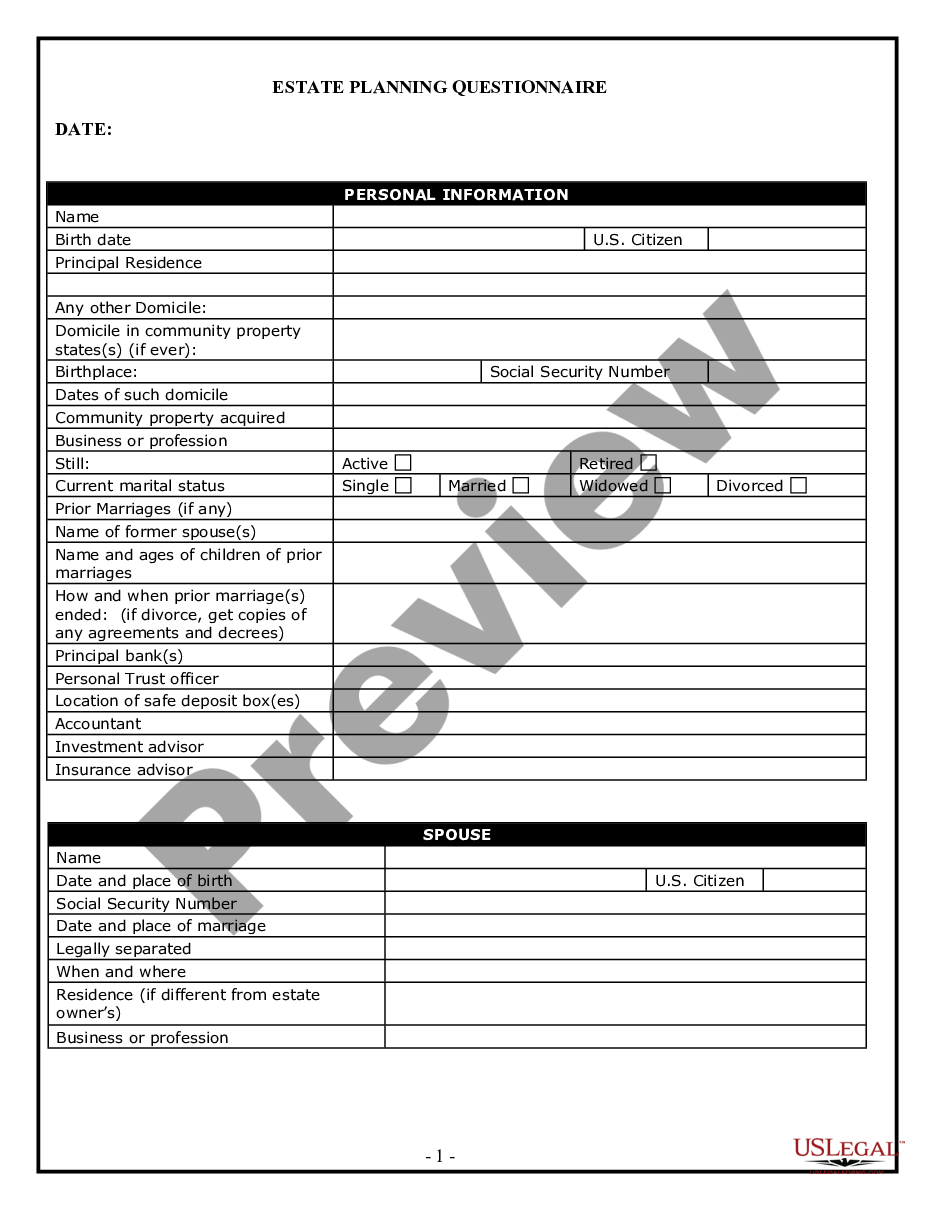
How to fill out Elder Law Questionnaire?
- Access your US Legal Forms account. If you're a returning user, simply log in and check your subscription status.
- Explore the extensive template library. Use the Preview mode and descriptions to verify that the form suits your jurisdiction and specific requirements.
- Use the search feature. If the initial form doesn't meet your needs, refine your search using the Search tab at the top of the page.
- Select and purchase the desired form. Click the Buy Now button, choose your subscription plan, and create an account to access the full library.
- Complete your payment. Enter your credit card information or utilize PayPal for a secure transaction.
- Download the form. Save the document to your device, ensuring you can easily access it via the My Forms section.
Following these simple steps allows paralegals to efficiently obtain the necessary legal documents in elder law, ensuring precision and compliance with local regulations.
Start leveraging US Legal Forms today to simplify your legal document needs and enhance your paralegal practice!
Form popularity
FAQ
Most states in the U.S. have specific laws designed to protect against elder abuse, although the specifics can vary significantly. These regulations typically address physical, emotional, and financial abuse, aiming to safeguard vulnerable populations. Staying informed about elder abuse laws is a key aspect of the elder law for paralegals, equipping them to assist clients effectively.
A clear example of elder law is the establishment of a will or trust to ensure that an individual’s assets are managed according to their wishes after passing. Additionally, elder law practices encompass planning for medical care through advance directives. Engaging with elder law for paralegals can aid in executing these legal documents properly.
Elder law encompasses the legal issues affecting older adults, including estate planning, guardianship, and elder abuse. It focuses on protecting the rights and interests of seniors, often involving paralegals who assist with legal processes. Understanding elder law for paralegals is crucial for effective advocacy in these sensitive matters.
Yes, paralegals can assist in filling out forms related to elder law matters. They are trained to understand the nuances of legal documentation and can ensure that all necessary fields are completed accurately. This support can be invaluable when navigating complex forms that are often required in elder law cases.
To prepare for an elder law attorney, gather necessary documentation such as financial records, medical information, and any existing estate plans. It's helpful to create a list of questions you have regarding elder law for paralegals, as this will facilitate a productive meeting. Organizing this information in advance allows the attorney to offer more tailored advice and helps you understand your options clearly.
The Older Americans Act is a significant federal law that protects seniors and supports their wellbeing. It provides various services such as nutrition programs, transportation, and caregiver support, aimed at enhancing the quality of life for older adults. Knowing about elder law for paralegals will empower you to advocate for seniors’ rights and access essential resources. Engaging with the right legal support can further ensure compliance with laws that safeguard the interests of seniors.
Elder law focuses on legal issues affecting seniors, including healthcare, guardianship, and financial planning. This area of law assists families in managing the unique challenges that arise as loved ones age. Understanding elder law for paralegals involves recognizing the diverse services available, from drafting wills to advising on Medicaid eligibility. By collaborating with an elder law attorney, you can navigate these legal complexities with confidence.
You should consider hiring an elder law attorney when you or a loved one face legal issues related to aging. This can include planning for long-term care, estate planning, or navigating government benefits. Elder law for paralegals specifically highlights the importance of getting professional support when dealing with these complex matters. An attorney can help you understand your options and ensure your legal rights are protected.
Paralegals are usually in their late 20s to early 40s, although this range can vary considerably. Younger professionals often enter the field with education in hand, while others may transition careers later in life. This diversity adds value to the role, especially in specialized areas like elder law for paralegals, where varied life experiences greatly benefit client interactions. Ultimately, age is less important than the skills and dedication brought to the job.
To become a senior paralegal, you typically need a combination of experience, continued education, and specialized skills. Many firms require a minimum of five years of experience, along with advanced certifications in specific legal areas. Such expertise, including knowledge of elder law for paralegals, can significantly enhance your value in the workplace. Networking within the profession can also open up opportunities for advancement.