Dui Statute Of Limitations Georgia
Description
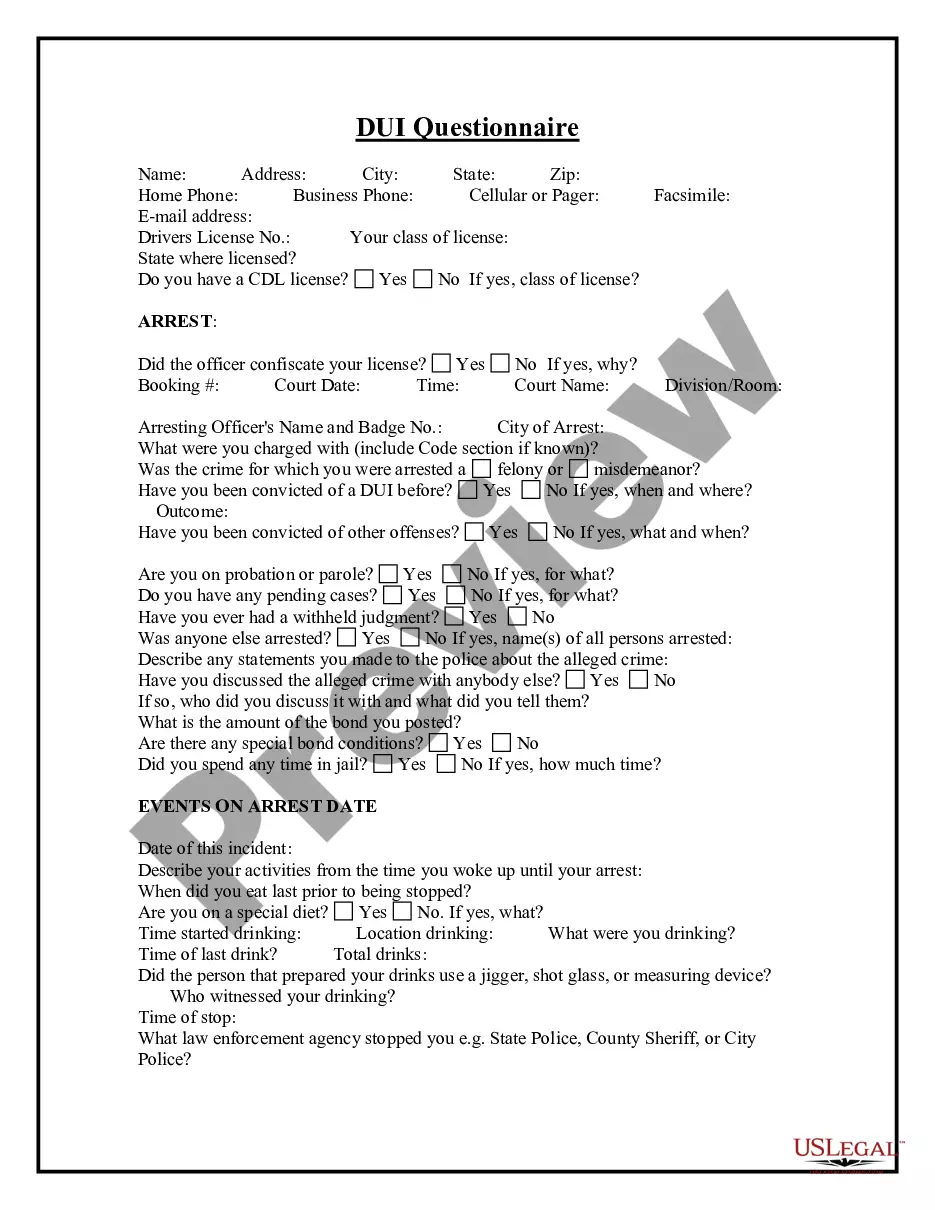
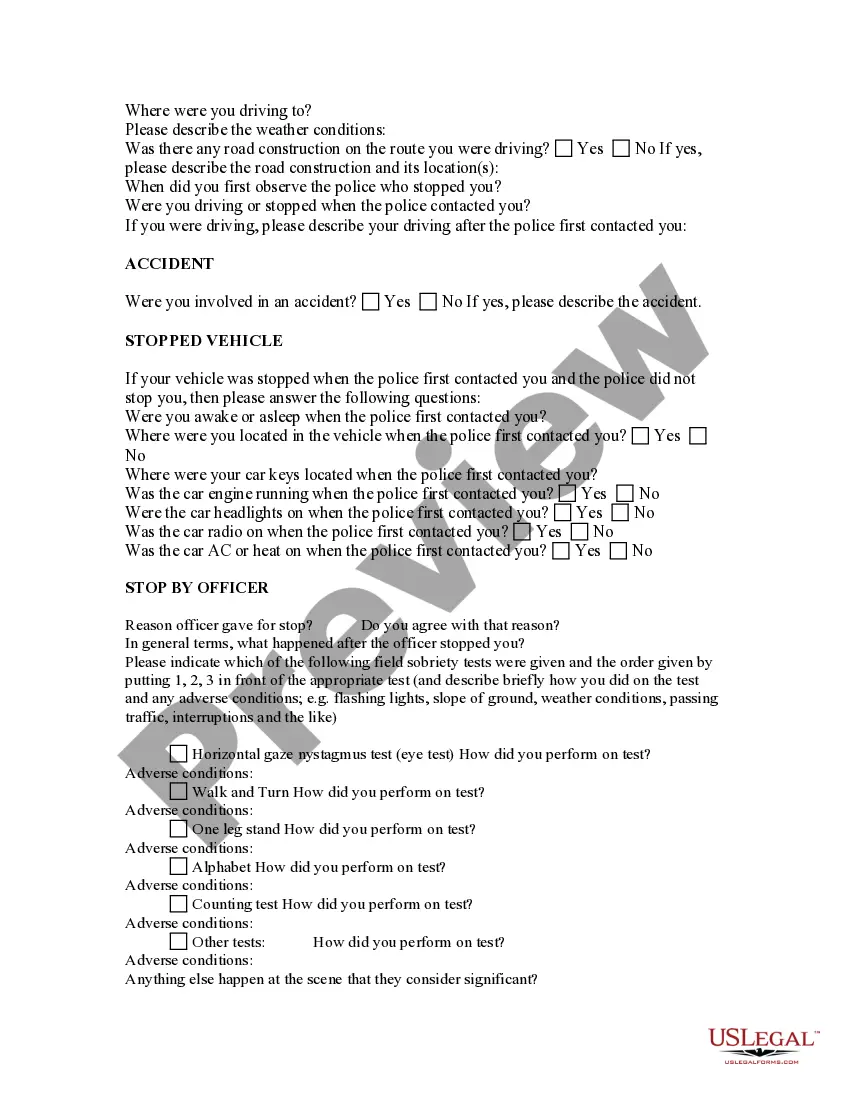
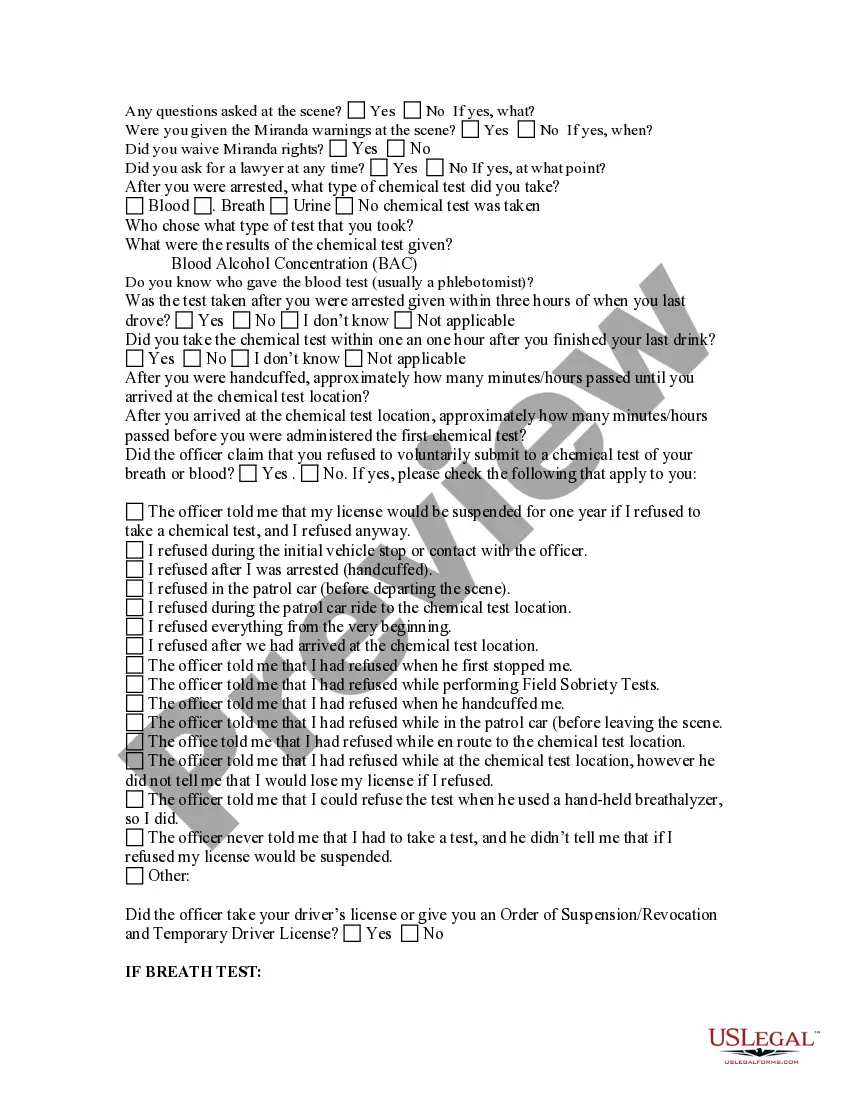
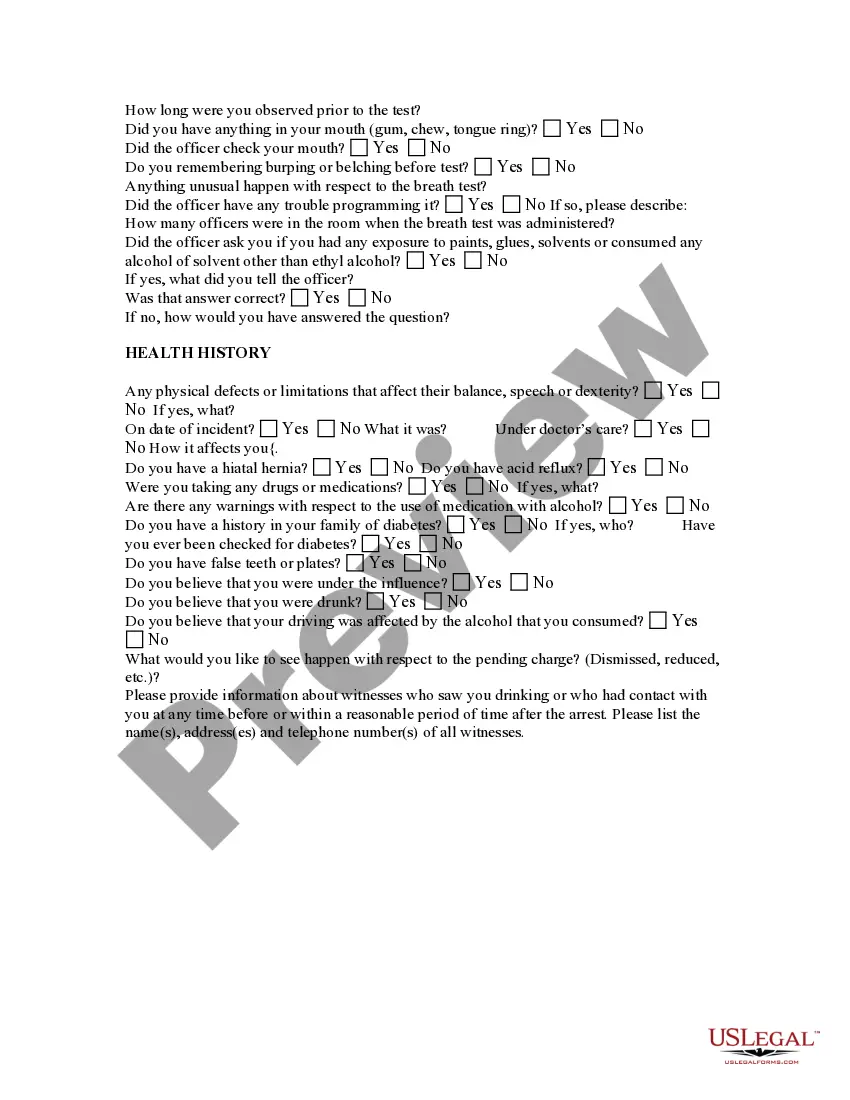
Get your form ready online
Our built-in tools help you complete, sign, share, and store your documents in one place.
Make edits, fill in missing information, and update formatting in US Legal Forms—just like you would in MS Word.
Download a copy, print it, send it by email, or mail it via USPS—whatever works best for your next step.
Sign and collect signatures with our SignNow integration. Send to multiple recipients, set reminders, and more. Go Premium to unlock E-Sign.
If this form requires notarization, complete it online through a secure video call—no need to meet a notary in person or wait for an appointment.
We protect your documents and personal data by following strict security and privacy standards.

Make edits, fill in missing information, and update formatting in US Legal Forms—just like you would in MS Word.

Download a copy, print it, send it by email, or mail it via USPS—whatever works best for your next step.

Sign and collect signatures with our SignNow integration. Send to multiple recipients, set reminders, and more. Go Premium to unlock E-Sign.

If this form requires notarization, complete it online through a secure video call—no need to meet a notary in person or wait for an appointment.

We protect your documents and personal data by following strict security and privacy standards.
Looking for another form?


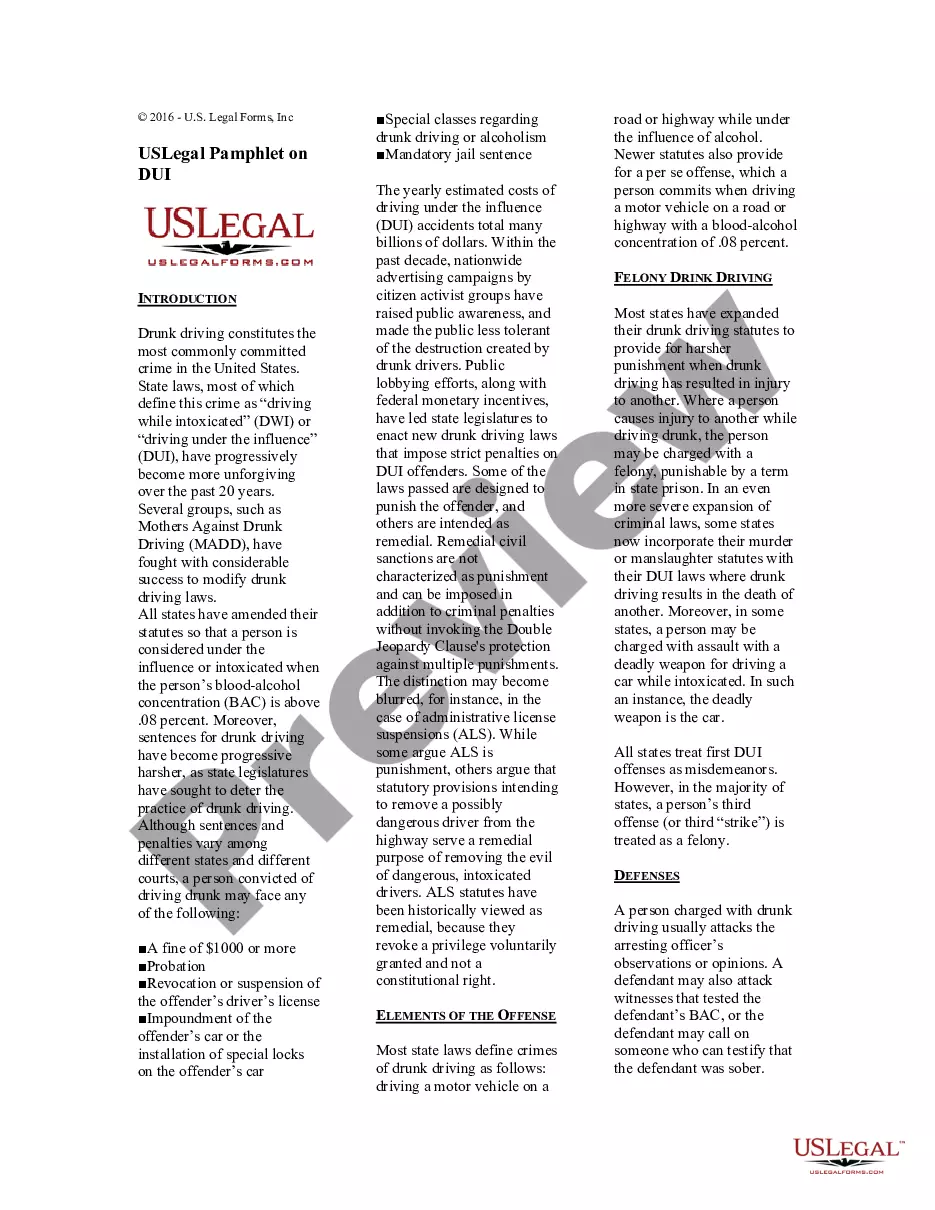
How to fill out Driving Under The Influence - DUI - Questionnaire?
Whether for commercial reasons or for personal matters, everyone must handle legal issues at some point in their life.
Completing legal paperwork requires meticulous care, beginning with choosing the appropriate form template.
Once it is downloaded, you can fill out the form using editing software or print it and complete it manually. With an extensive US Legal Forms catalog available, you do not need to waste time searching for the suitable template online. Utilize the library’s straightforward navigation to find the correct template for any occasion.
- For instance, if you select an incorrect version of a Dui Statute Of Limitations Georgia, it will be rejected once submitted.
- Hence, it is crucial to find a reliable source for legal documents such as US Legal Forms.
- To acquire a Dui Statute Of Limitations Georgia template, follow these straightforward steps.
- Obtain the template you require by using the search bar or catalog browsing.
- Review the form’s details to confirm it aligns with your case, state, and locality.
- Click on the form’s preview to examine it.
- If it is not the correct form, return to the search function to find the Dui Statute Of Limitations Georgia example you need.
- Download the document when it meets your requirements.
- If you already possess a US Legal Forms account, click Log in to access previously saved documents in My documents.
- If you do not yet have an account, you can acquire the form by clicking Buy now.
- Select the appropriate pricing option.
- Complete the account registration form.
- Choose your payment method: you can use a credit card or PayPal account.
- Select the document format you desire and download the Dui Statute Of Limitations Georgia.
Form popularity
FAQ
Yes, most states, including Georgia, set a specific statute of limitations for DUI charges. In Georgia, this period is generally two years from the date of the offense. This means law enforcement must take action within this timeframe to prosecute a DUI case. For further clarity on the DUI statute of limitations in Georgia, you can find valuable information and forms on the US Legal Forms website.
Yes, Georgia has a statute of limitations for DUI offenses. Under Georgia law, you typically have two years from the date of the incident to file charges against someone for DUI. This timeframe is crucial, as it affects the ability to pursue legal action. If you have more questions about the DUI statute of limitations in Georgia, consider exploring resources on the US Legal Forms platform for guidance.
The four-year statute of limitations in Georgia applies to certain civil claims and felony charges. For DUI, the relevant time frame is typically two years. However, understanding different statutes can help in various legal situations. If you have questions about the DUI statute of limitations in Georgia or need assistance, platforms like USLegalForms can provide valuable resources.
In Georgia, a DUI does not automatically disappear after seven years. While the statute of limitations may limit prosecution, the conviction remains on your record. If you seek to clear your record, you might consider exploring options like expungement. The DUI statute of limitations in Georgia does not affect the longevity of the conviction itself.
In Georgia, a DUI conviction typically remains on your criminal record indefinitely. This means that even after 10 years, a DUI can show up on a background check. However, the impact of the DUI may lessen over time, especially if you have not had any other legal issues. Understanding the implications of the DUI statute of limitations in Georgia can help you navigate your record effectively.
There really is no typical time for a DUI. Every case is different. If it is one that doesn't require motions to suppress or other complicated litigation, you should be able to have your DUI resolved anywhere from three to six months. Again, every case is different.
The statute of limitations for driving under the influence under Georgia law OCGA 17-3-1 is typically two years. Since DUI is usually a misdemeanor, the deadline for filing DUI charges is the same for most misdemeanor offenses. If the charges aren't filed within that period, your Georgia DUI case may be dismissed.
Georgia DUI law also prohibits ?any person to drive or be in actual physical control of any moving vehicle while the person's alcohol concentration is 0.08 grams or more at any time within three hours after such driving or being in actual physical control from alcohol consumed before such driving or being in actual ...
In Georgia, the statute of limitations for a DUI case generally depends on whether the offense is categorized as a misdemeanor or a felony. For a first DUI conviction, which is usually considered a misdemeanor, the statute of limitations is typically two years. However, there are exceptions that can extend this period.
In the state of Georgia, if an individual will not submit to a blood, breath or urine test and does not request an administrative hearing within 10 days regarding suspension of license, the license will be suspended for a year with no permit privileges whatsoever.