Dui Statute Of Limitations
Description
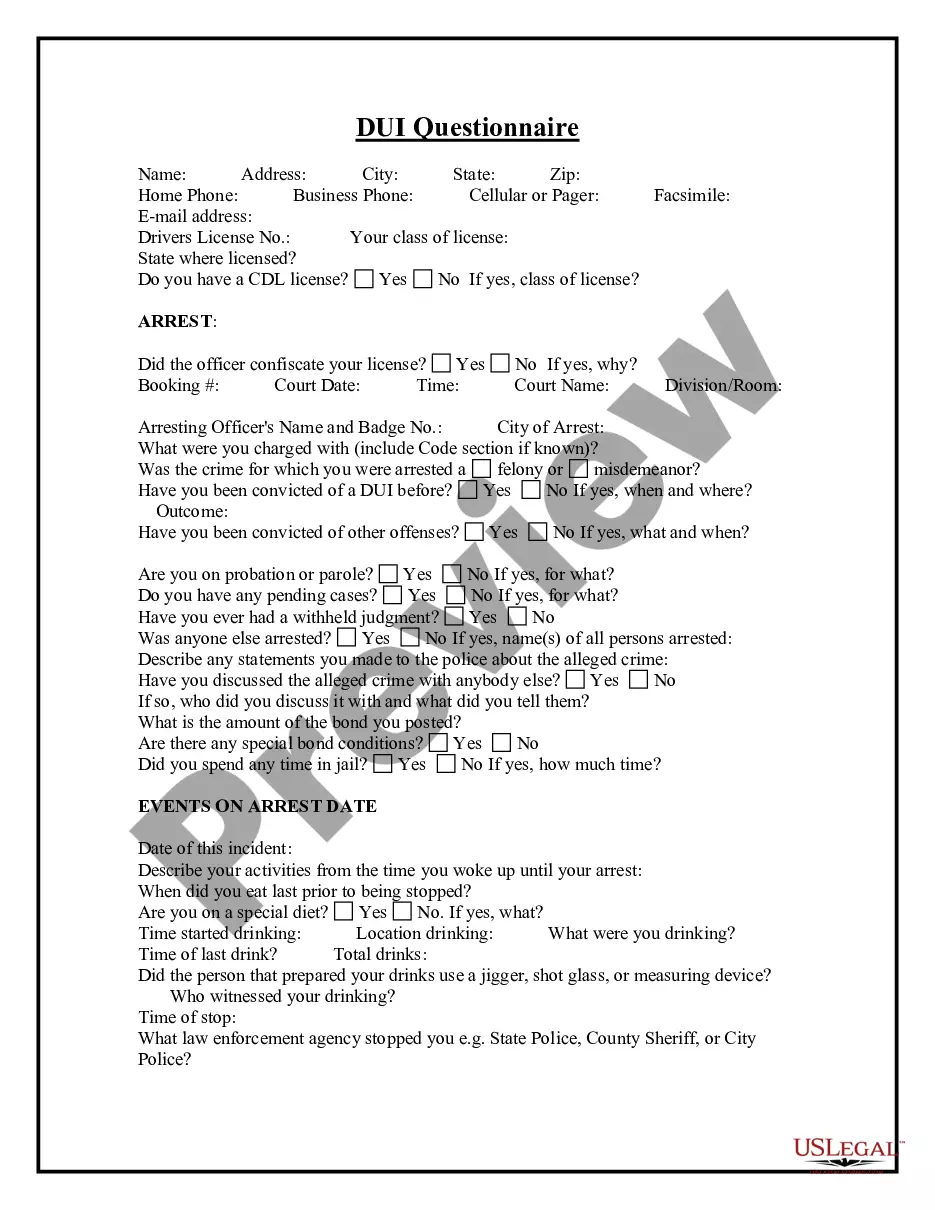
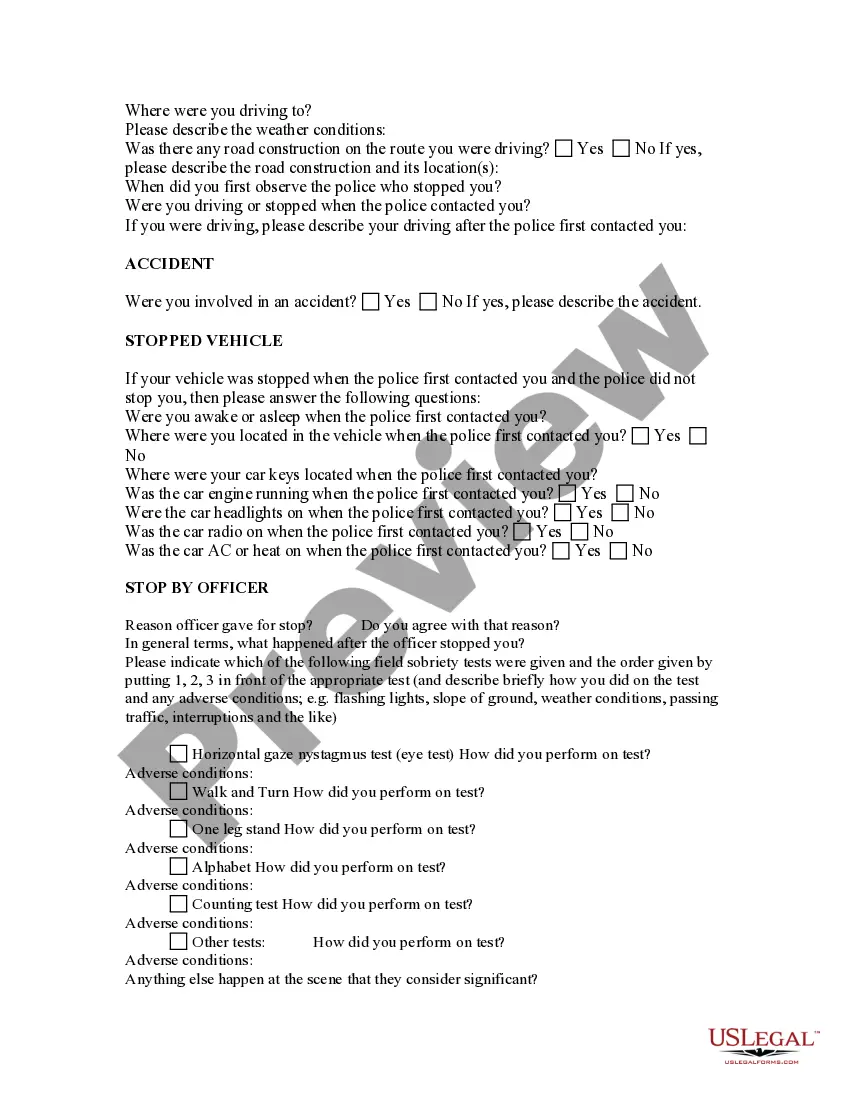
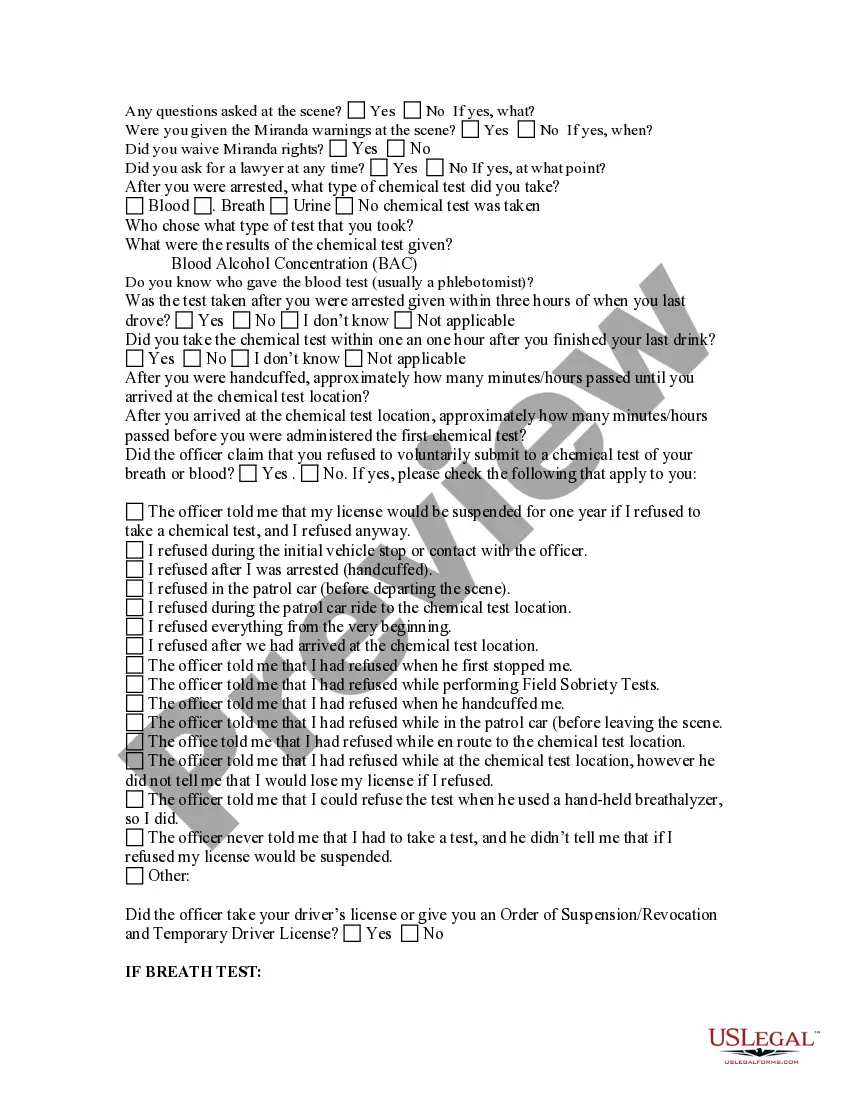
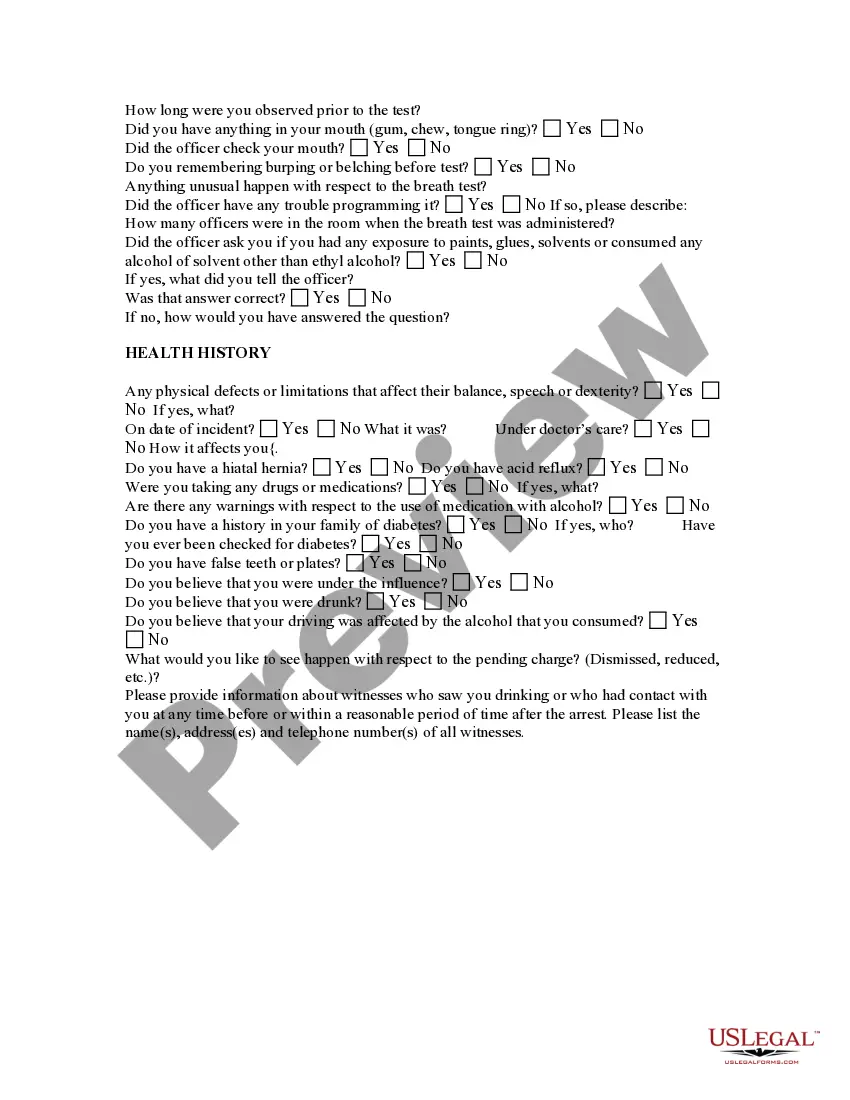
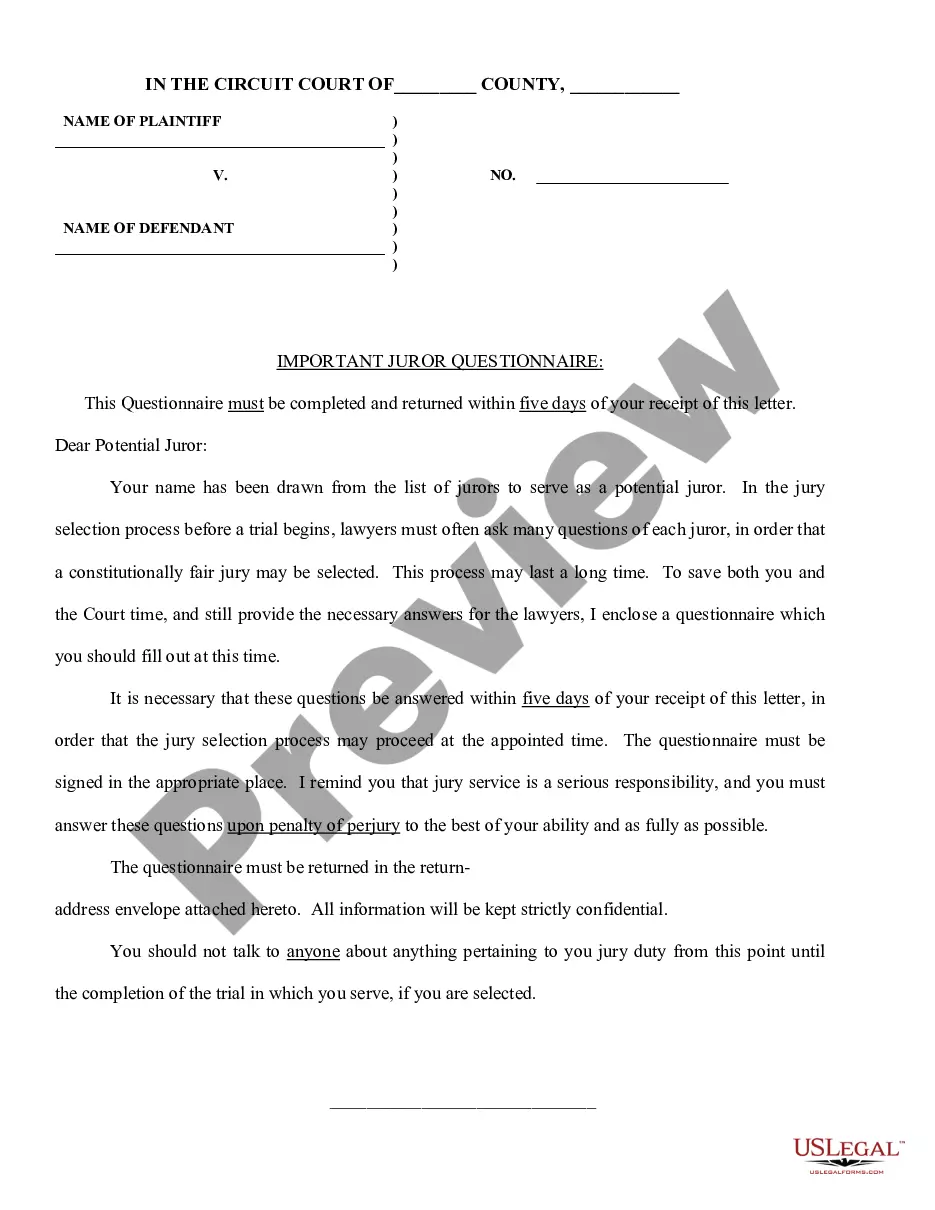
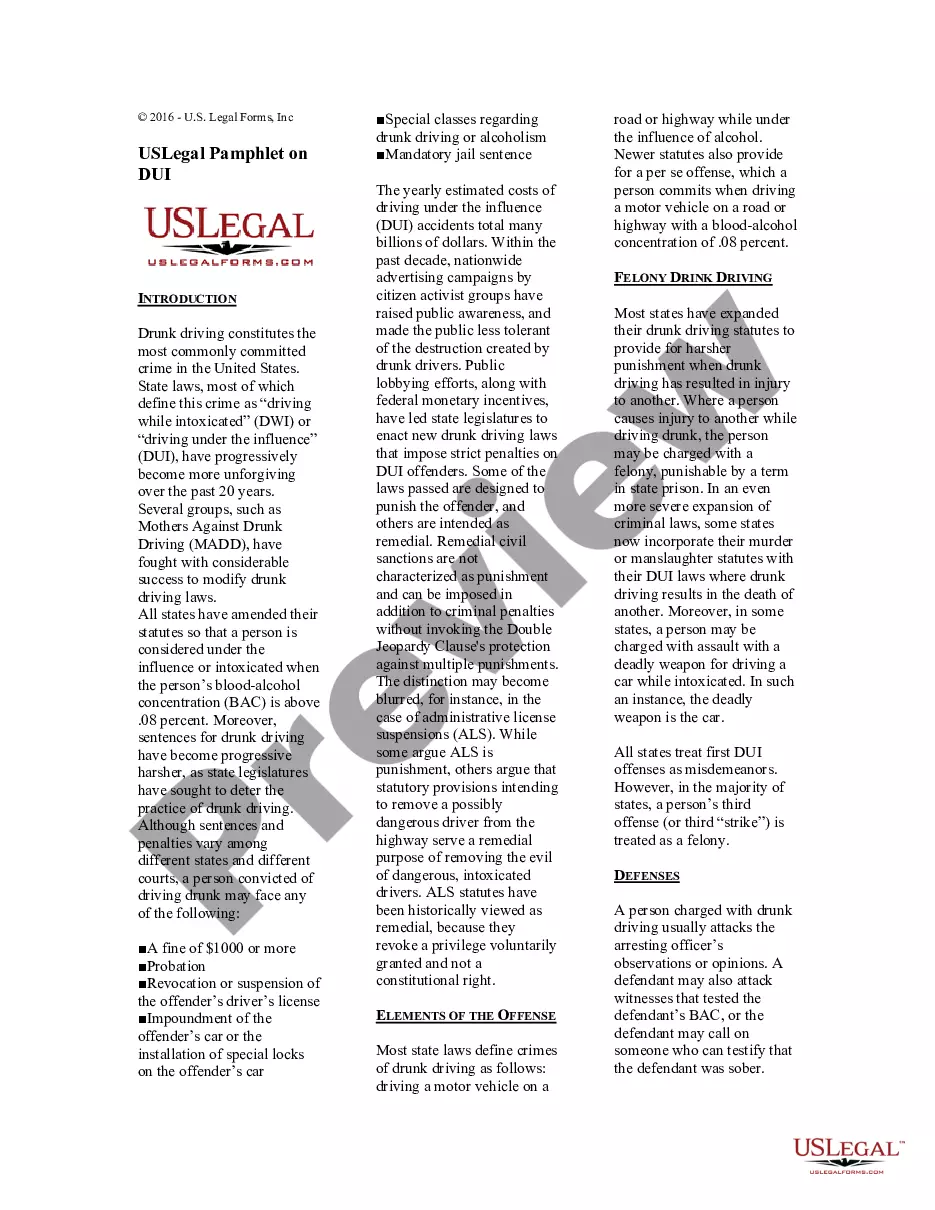
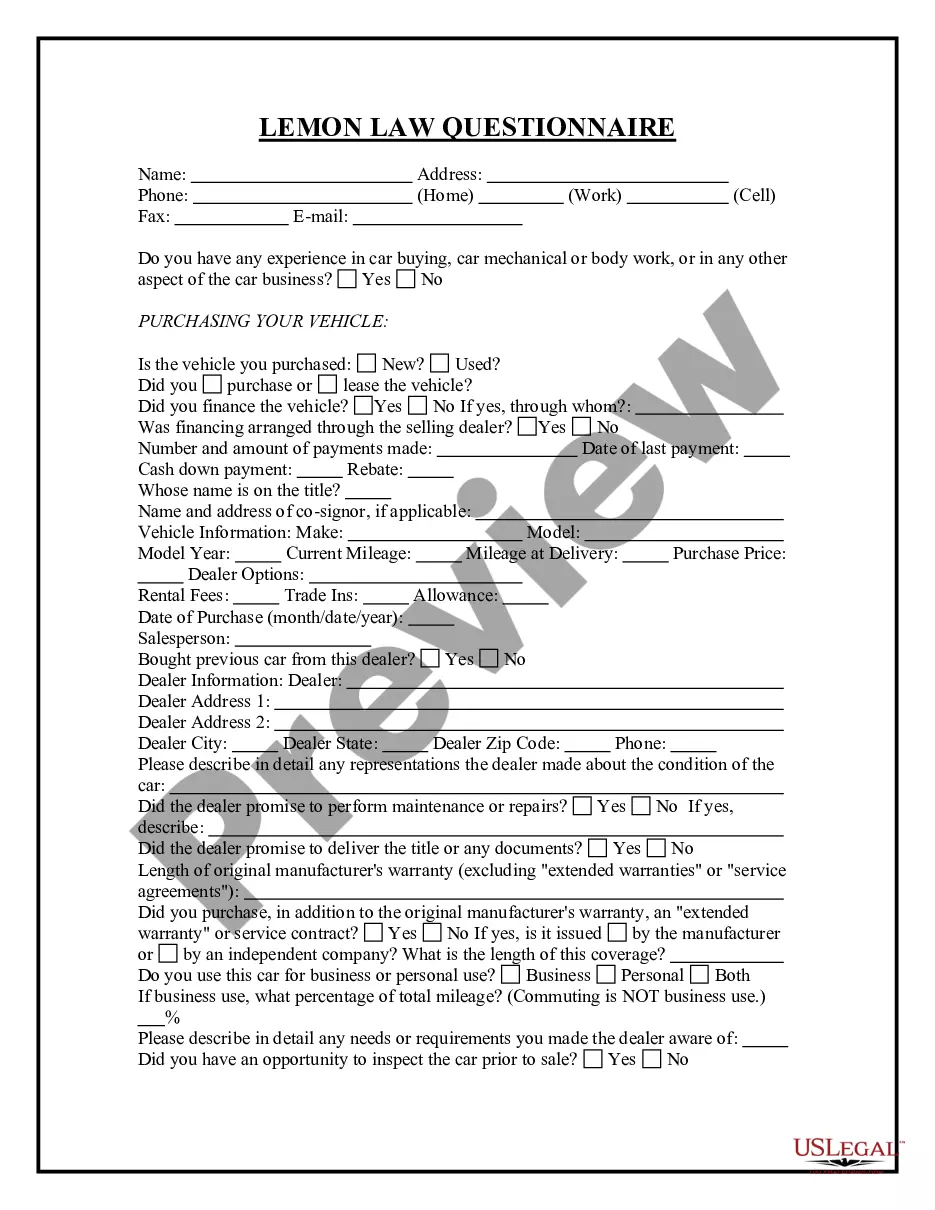
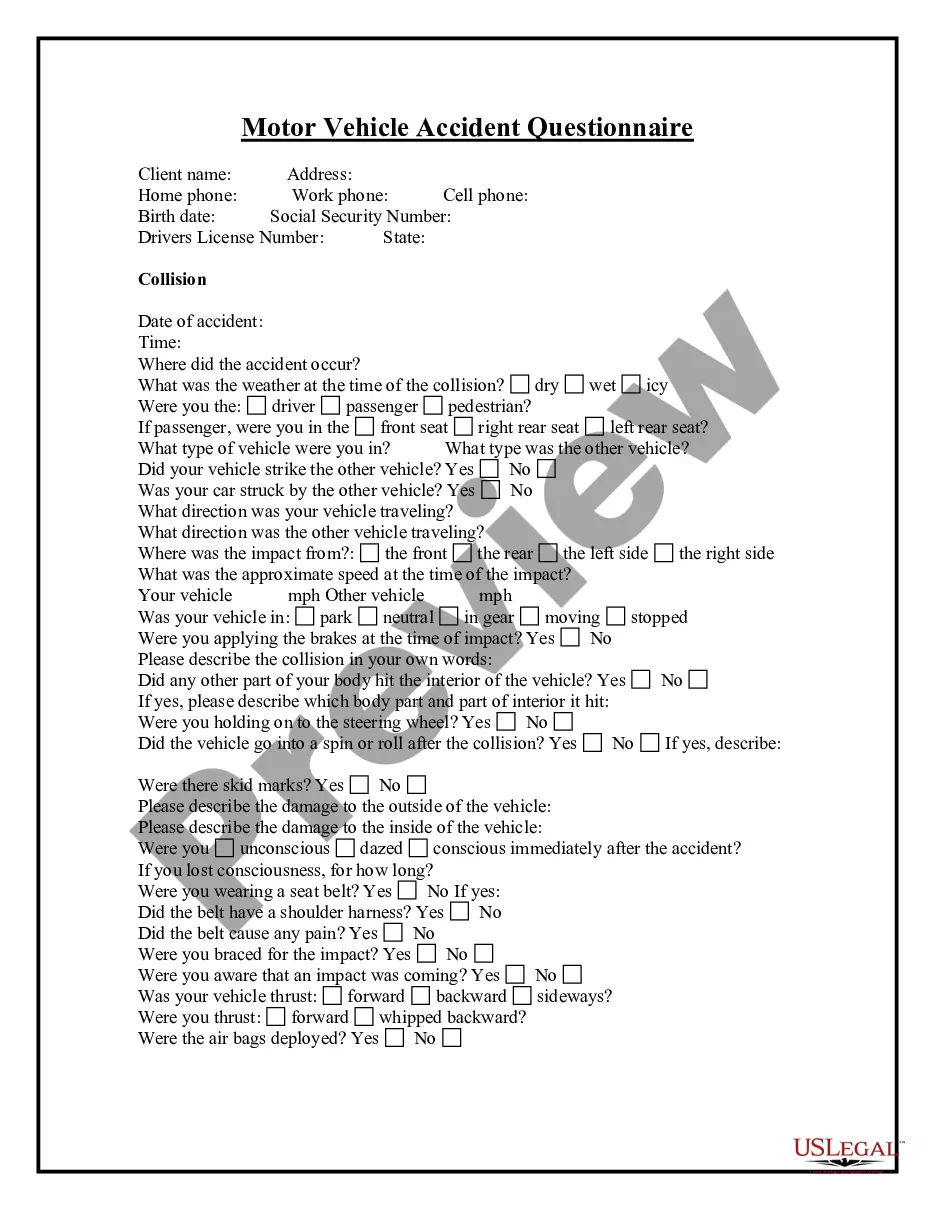
Get your form ready online
Our built-in tools help you complete, sign, share, and store your documents in one place.
Make edits, fill in missing information, and update formatting in US Legal Forms—just like you would in MS Word.
Download a copy, print it, send it by email, or mail it via USPS—whatever works best for your next step.
Sign and collect signatures with our SignNow integration. Send to multiple recipients, set reminders, and more. Go Premium to unlock E-Sign.
If this form requires notarization, complete it online through a secure video call—no need to meet a notary in person or wait for an appointment.
We protect your documents and personal data by following strict security and privacy standards.

Make edits, fill in missing information, and update formatting in US Legal Forms—just like you would in MS Word.

Download a copy, print it, send it by email, or mail it via USPS—whatever works best for your next step.

Sign and collect signatures with our SignNow integration. Send to multiple recipients, set reminders, and more. Go Premium to unlock E-Sign.

If this form requires notarization, complete it online through a secure video call—no need to meet a notary in person or wait for an appointment.

We protect your documents and personal data by following strict security and privacy standards.
Looking for another form?




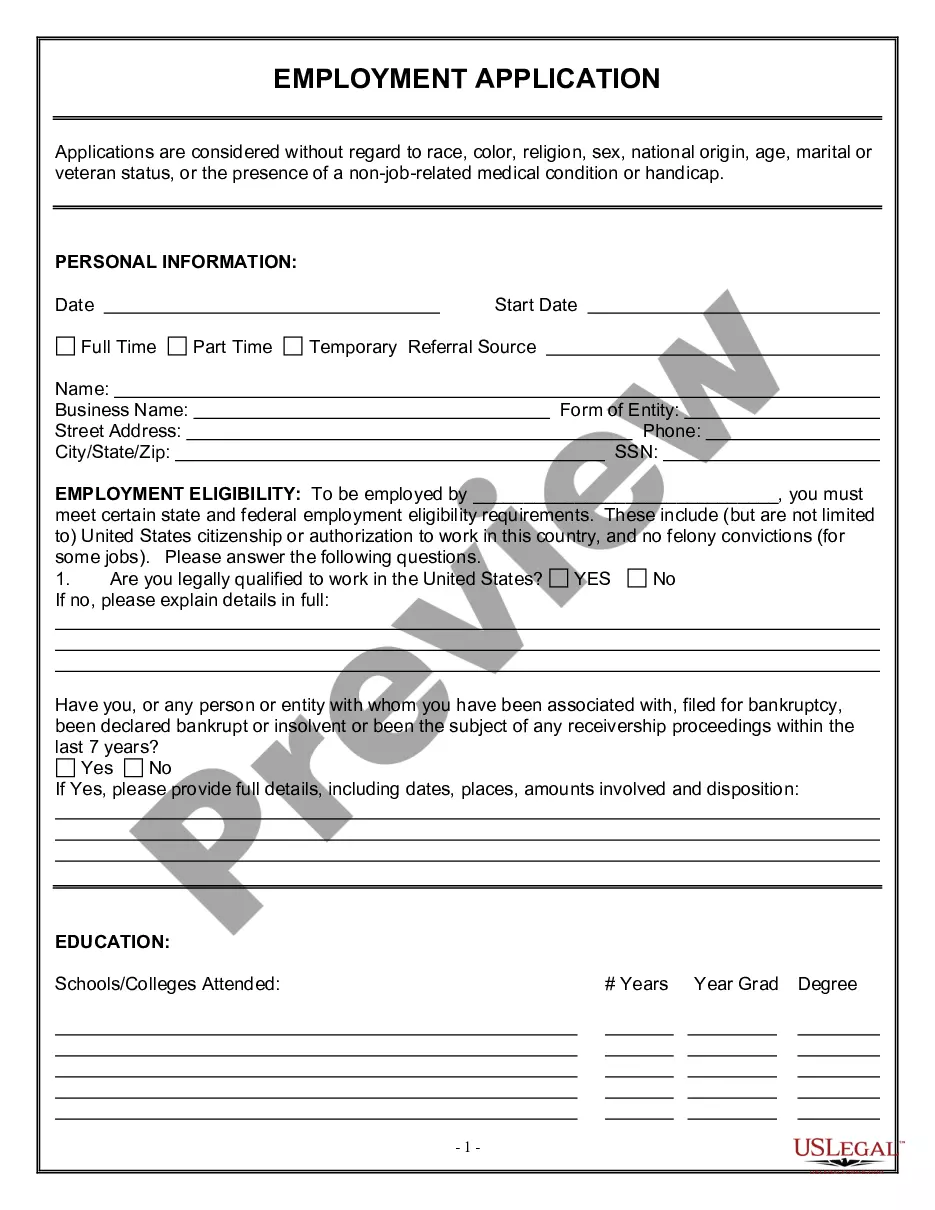



How to fill out Driving Under The Influence - DUI - Questionnaire?
It’s clear that you cannot become a legal authority instantly, nor can you learn to swiftly draft Dui Statute Of Limitations without possessing a specialized skill set.
Assembling legal documents is a lengthy process that demands specific training and expertise. So why not entrust the creation of the Dui Statute Of Limitations to the professionals.
With US Legal Forms, one of the most extensive legal document collections, you can access everything from court papers to templates for in-office communications.
If you require another form, begin your search anew.
Establish a free account and choose a subscription plan to acquire the form. Select Buy now. Once the transaction is completed, you can obtain the Dui Statute Of Limitations, fill it out, print it, and send or mail it to the specified individuals or entities.
- We understand how vital compliance and adherence to federal and local laws and regulations are.
- That’s why, on our platform, all forms are location-specific and current.
- Here’s how you can start using our website and obtain the document you need in just a few minutes.
- Locate the form you require using the search bar at the top of the page.
- Preview it (if this option is available) and review the supporting description to ascertain whether Dui Statute Of Limitations is what you need.
Form popularity
FAQ
In Nevada, you cannot expunge a DUI conviction from your record. However, after seven years, you may apply for a record sealing, which can limit public access to your DUI record. This is a significant step as it can improve your chances in employment and other opportunities. USLegalForms offers valuable information on how to navigate the record sealing process effectively.
In Nevada, background checks can typically go back seven years, especially concerning criminal records like DUIs. Employers and agencies often review this timeframe when assessing applicants. However, certain federal and state regulations may allow for different periods depending on the type of check performed. Understanding this can guide your preparation when applying for jobs or housing.
A DUI conviction in Nevada does not simply fall off your record after a set number of years; it is officially noted for seven years. This duration is crucial for understanding the DUI statute of limitations and its implications. After seven years, the conviction may not be as impactful, but it still exists on your record. Consider consulting with a legal expert to discuss your specific situation.
A DUI does not automatically come off your record after a certain period in Nevada, as it stays for seven years. However, after this time, it may not affect your driving privileges or insurance rates as much. If you are looking to clear your record sooner, it’s advisable to explore expungement options. USLegalForms can provide resources to help you understand the process better.
In Nevada, a DUI conviction remains on your record for seven years. This period is important when considering the DUI statute of limitations for subsequent offenses. While the conviction is visible on your driving record, it can impact job applications and insurance rates. Understanding this timeline can help you make informed decisions about your future.
The duration within which you can be charged with a DUI varies by state, typically ranging from one to six years. This period is defined by the DUI statute of limitations, which establishes a timeframe for prosecuting offenses. It's essential to consult your local laws, as some factors can influence this timeline, such as the nature of the offense and prior convictions. If you need assistance understanding your rights and options, US Legal Forms provides valuable resources to navigate these legal complexities.
The DUI statute of limitations refers to the time limit within which the state can file charges against an individual for driving under the influence. In most states, this period ranges from one to three years, but it can vary based on the specific circumstances of the case. It’s important to understand this timeframe, as it can impact your legal options if you face DUI charges. If you need assistance navigating DUI laws, US Legal Forms offers valuable resources to help you understand your rights and options.
The 3-year rule in Oregon refers to the statute of limitations for many criminal offenses, including DUI. This rule means that the state must file charges within three years of the alleged offense. If they fail to do so, they lose the ability to prosecute the case. Understanding this rule can help individuals know their rights and seek assistance if they face DUI charges.
A DUI case can remain pending for various lengths of time, depending on several factors, including the complexity of the case and court schedules. However, the statute of limitations imposes a three-year limit for the state to pursue charges. If the case is still pending after this period, it typically cannot proceed. Staying informed about your case status is crucial to protect your rights.
Yes, as mentioned earlier, Oregon has a defined statute of limitations for DUI offenses. The state generally has three years to file charges against an individual for DUI. This limitation is designed to encourage prompt legal action and ensure that evidence remains fresh. Being informed about the DUI statute of limitations can help you navigate any related legal issues more effectively.