Conservatorship Versus Guardianship Withdrawal
Description
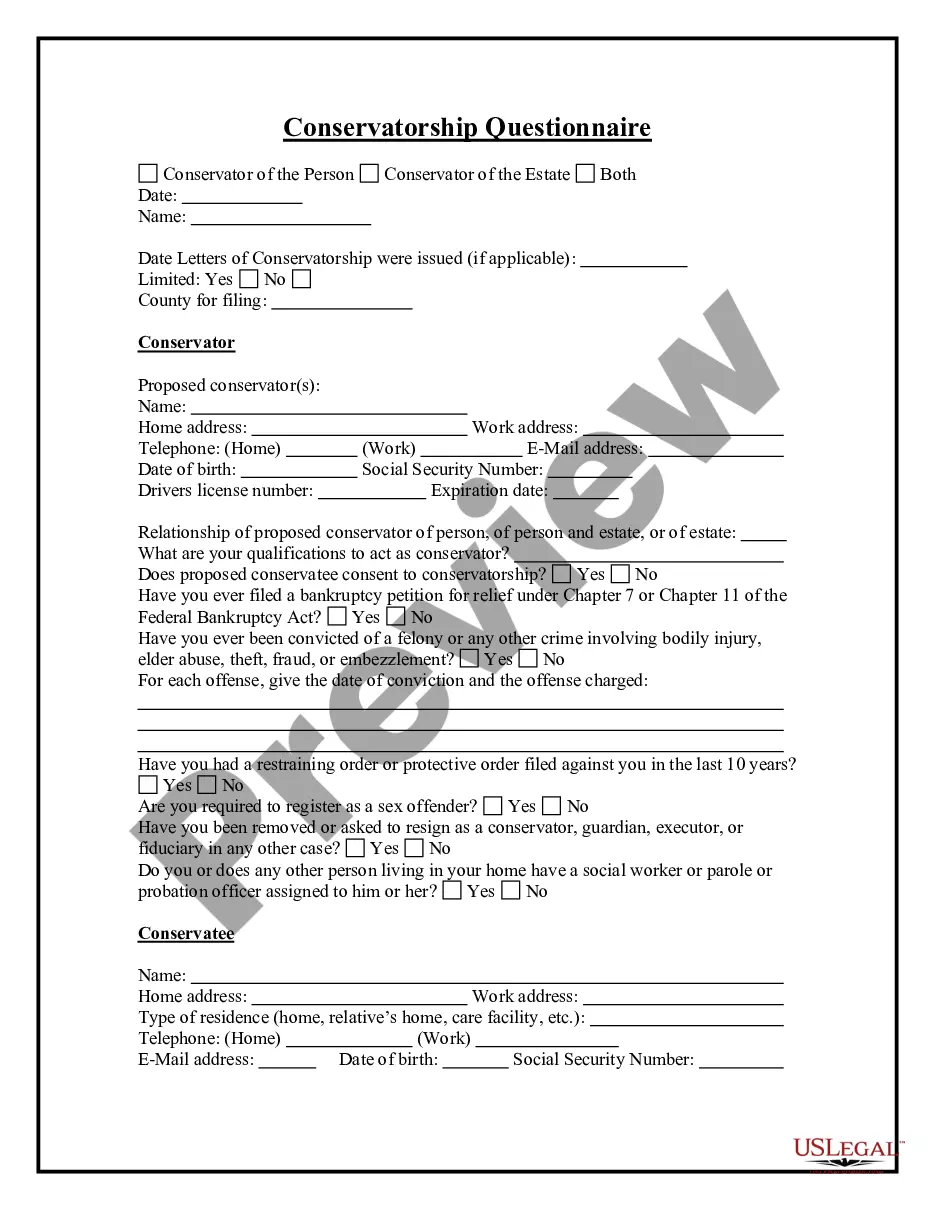
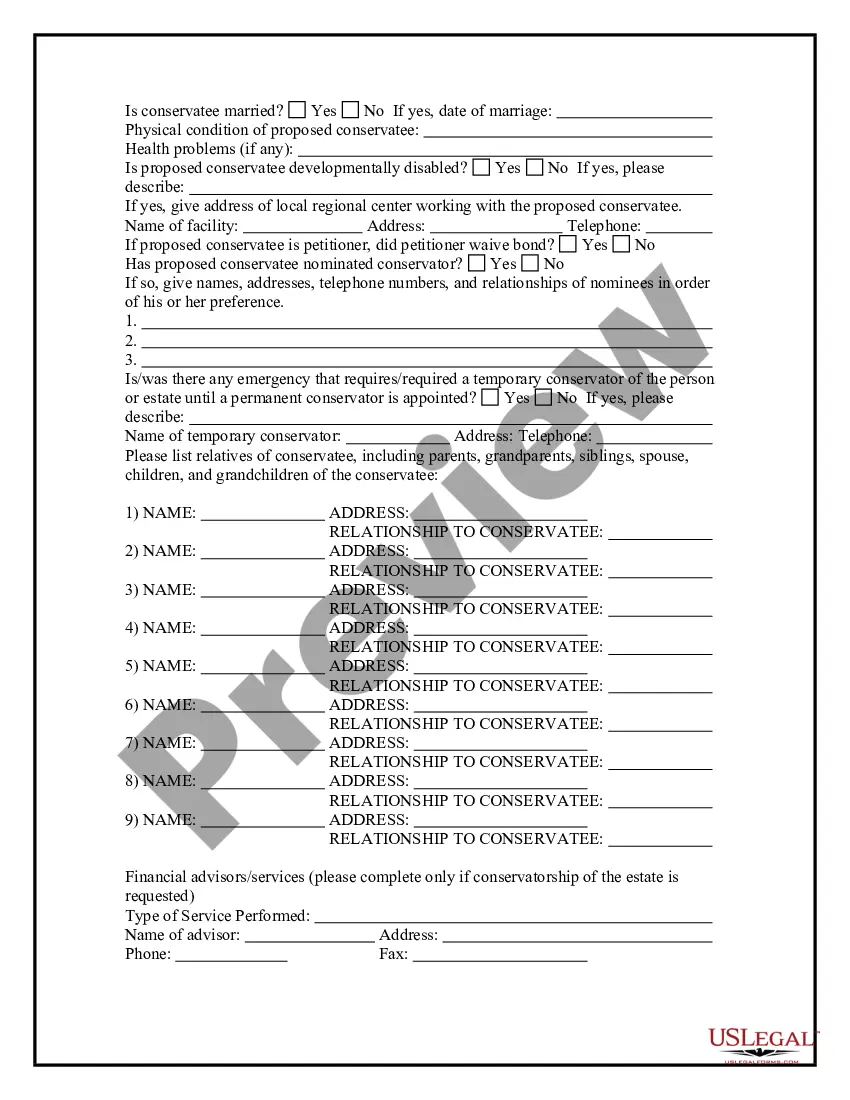
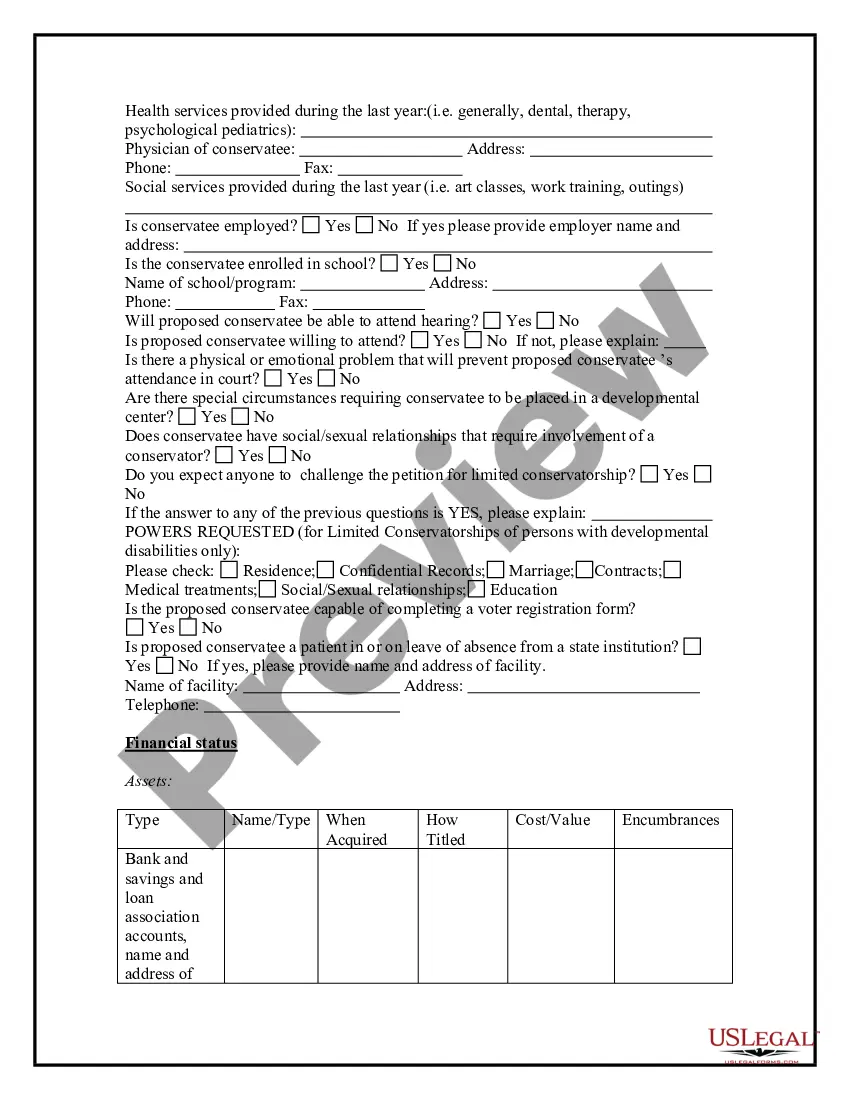
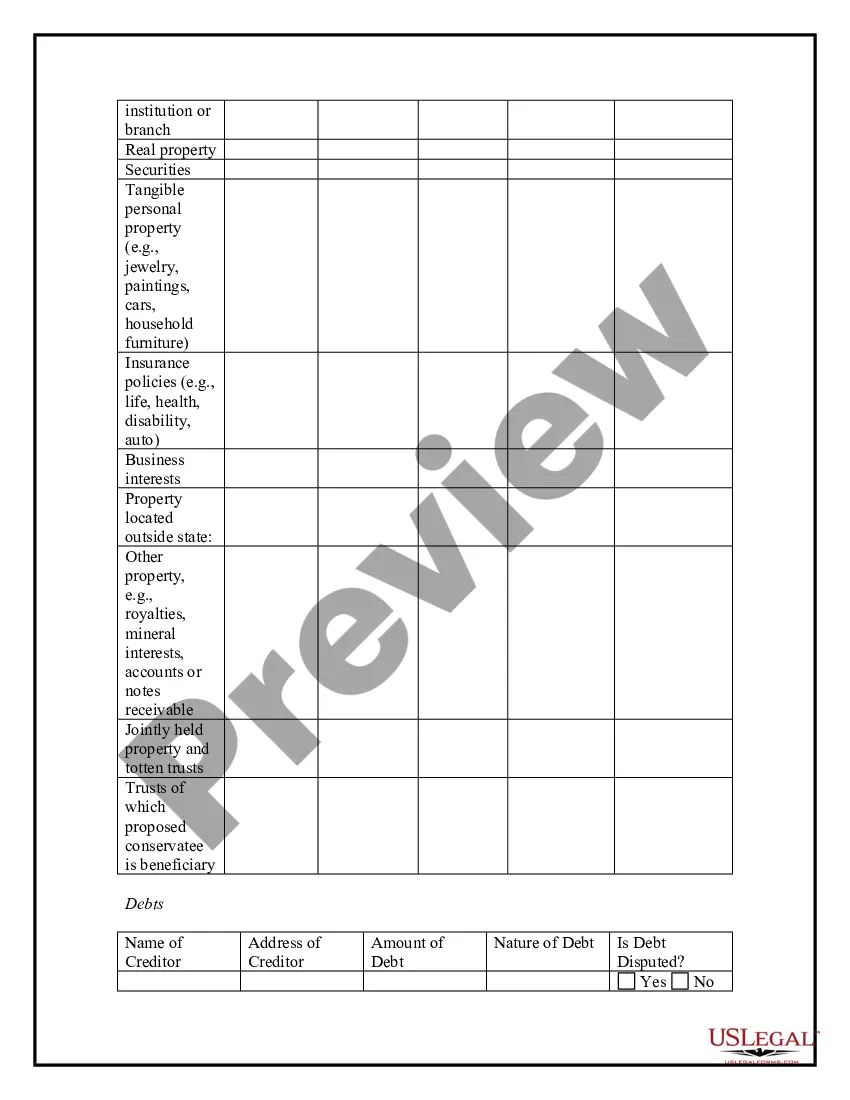
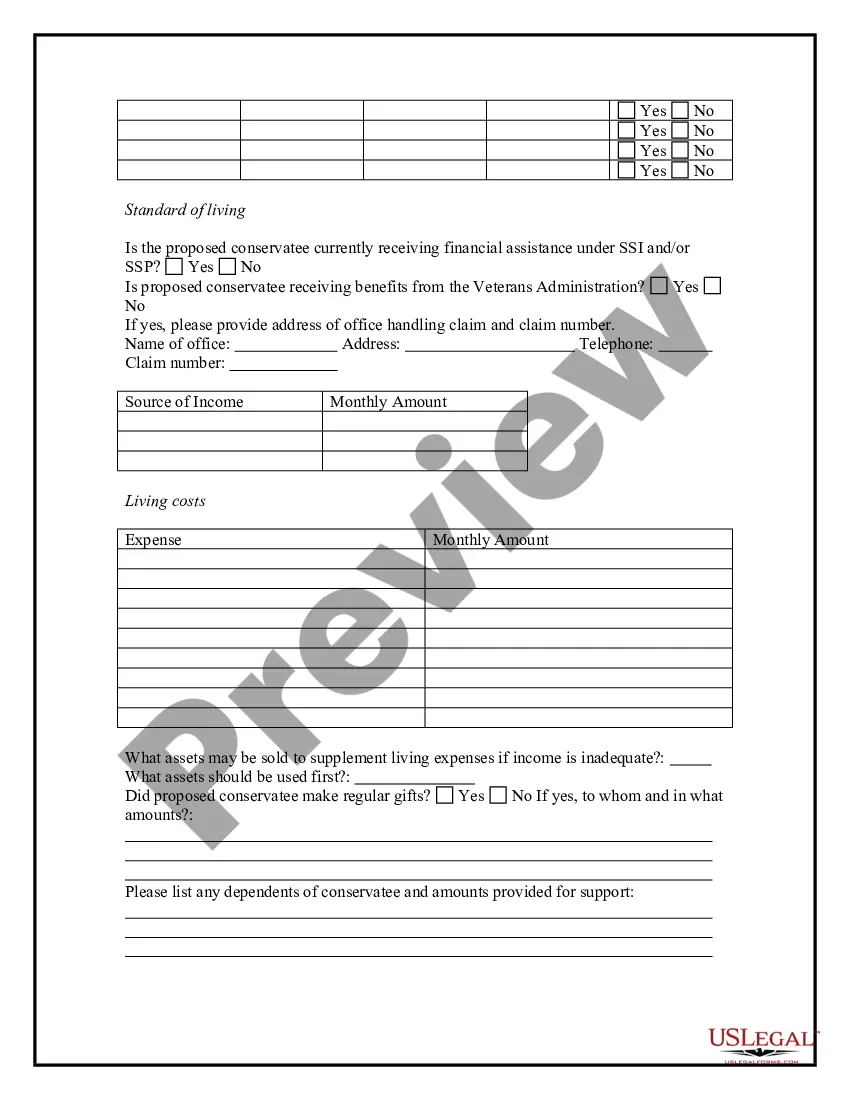
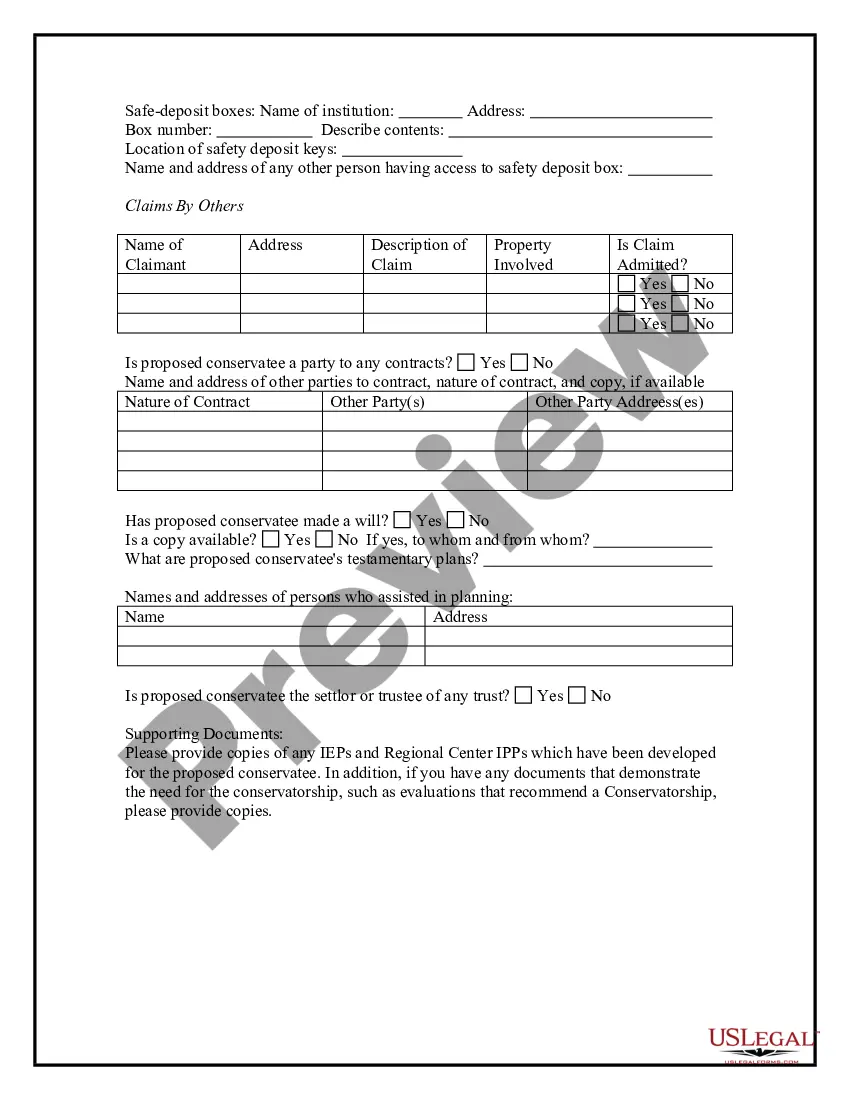
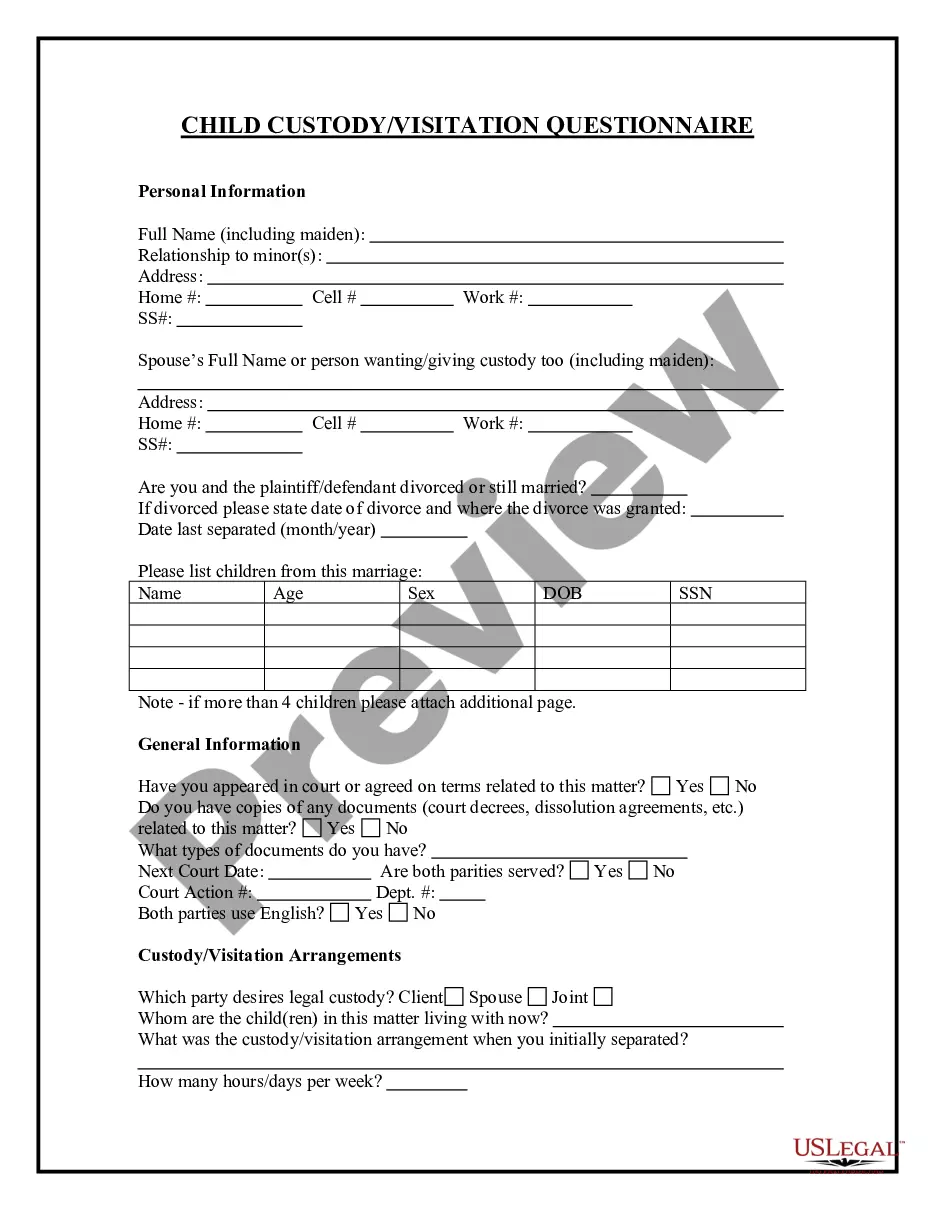
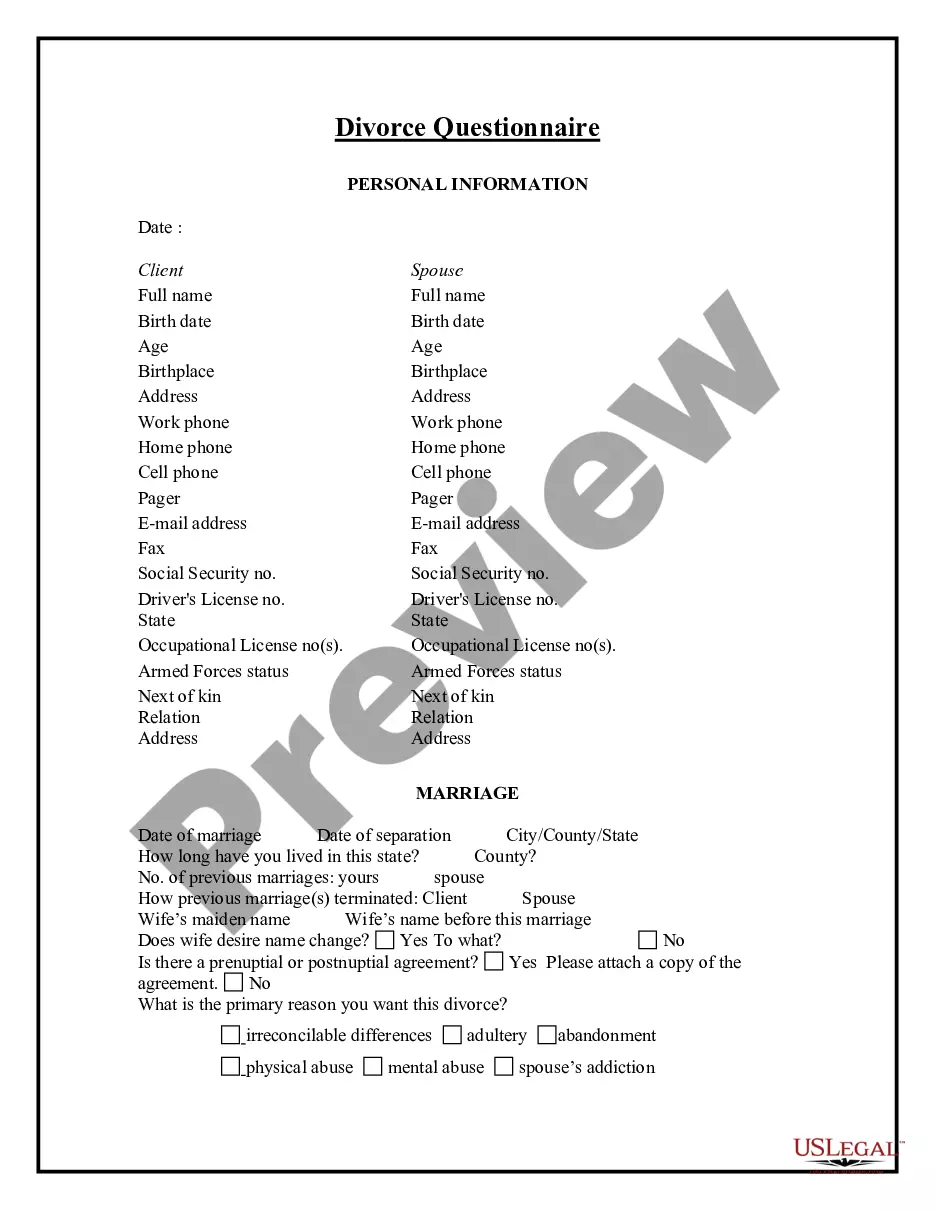

Get your form ready online
Our built-in tools help you complete, sign, share, and store your documents in one place.
Make edits, fill in missing information, and update formatting in US Legal Forms—just like you would in MS Word.
Download a copy, print it, send it by email, or mail it via USPS—whatever works best for your next step.
Sign and collect signatures with our SignNow integration. Send to multiple recipients, set reminders, and more. Go Premium to unlock E-Sign.
If this form requires notarization, complete it online through a secure video call—no need to meet a notary in person or wait for an appointment.
We protect your documents and personal data by following strict security and privacy standards.

Make edits, fill in missing information, and update formatting in US Legal Forms—just like you would in MS Word.

Download a copy, print it, send it by email, or mail it via USPS—whatever works best for your next step.

Sign and collect signatures with our SignNow integration. Send to multiple recipients, set reminders, and more. Go Premium to unlock E-Sign.

If this form requires notarization, complete it online through a secure video call—no need to meet a notary in person or wait for an appointment.

We protect your documents and personal data by following strict security and privacy standards.
Looking for another form?







How to fill out Conservatorship Questionnaire?
It’s well known that you cannot instantly become a legal professional, nor can you easily learn how to swiftly prepare Conservatorship Versus Guardianship Withdrawal without possessing a specialized background.
Drafting legal documents is a lengthy process that demands specific education and expertise. So why not entrust the creation of the Conservatorship Versus Guardianship Withdrawal to the experts.
With US Legal Forms, one of the most extensive legal template repositories, you can discover everything from court papers to templates for internal business communication. We understand the importance of compliance and adherence to federal and local laws and regulations.
Create a free account and select a subscription plan to purchase the template.
Click Buy now. Once the payment is completed, you can download the Conservatorship Versus Guardianship Withdrawal, fill it out, print it, and send or mail it to the necessary parties or organizations.
- That’s why, on our site, all templates are location-specific and current.
- Here’s how you can begin utilizing our website and obtain the document you need in just minutes.
- Find the document you’re searching for by utilizing the search bar at the top of the page.
- Preview it (if this option is available) and read the accompanying description to ascertain if Conservatorship Versus Guardianship Withdrawal is what you need.
- If you require a different template, restart your search.
Form popularity
FAQ
An interested person may file petition for emergency guardian/conservator and court may appoint if it so finds that appointment is likely to prevent substantial and irreparable harm; no one else has authority or willingness to act in the circumstances; and there is reason to believe a guardian/conservator is necessary.
A guardian or conservator will be responsible for either the financial or day-to-day decisions on behalf of the incapacitated adult or child. The guardian ad litem, on the other hand, only serves for limited amount of time.
An interested person may file petition for emergency guardian/conservator and court may appoint if it so finds that appointment is likely to prevent substantial and irreparable harm; no one else has authority or willingness to act in the circumstances; and there is reason to believe a guardian/conservator is necessary.
In guardianship, the court (clerk of superior court) decides who will be responsible for managing a person's affairs and/or property. The court could appoint a non-family member as a guardian.
Unlike conservatorship which is governed by the Texas Family Code and whose proceedings take place in the district court, guardianship takes place in county court and is governed by the Texas Estates Code. Additionally, guardianship is not limited to children.