Poder Forms In Spanish
Description
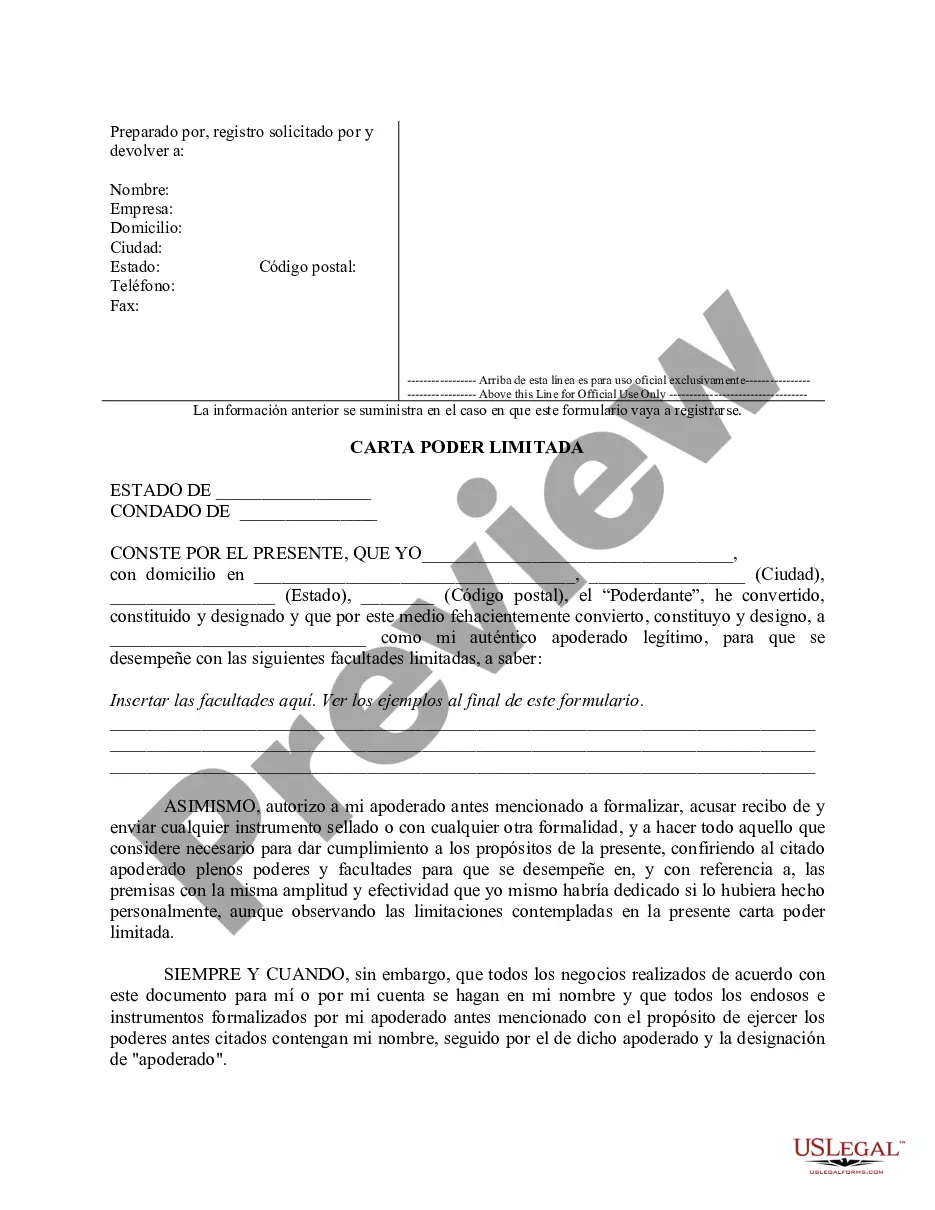
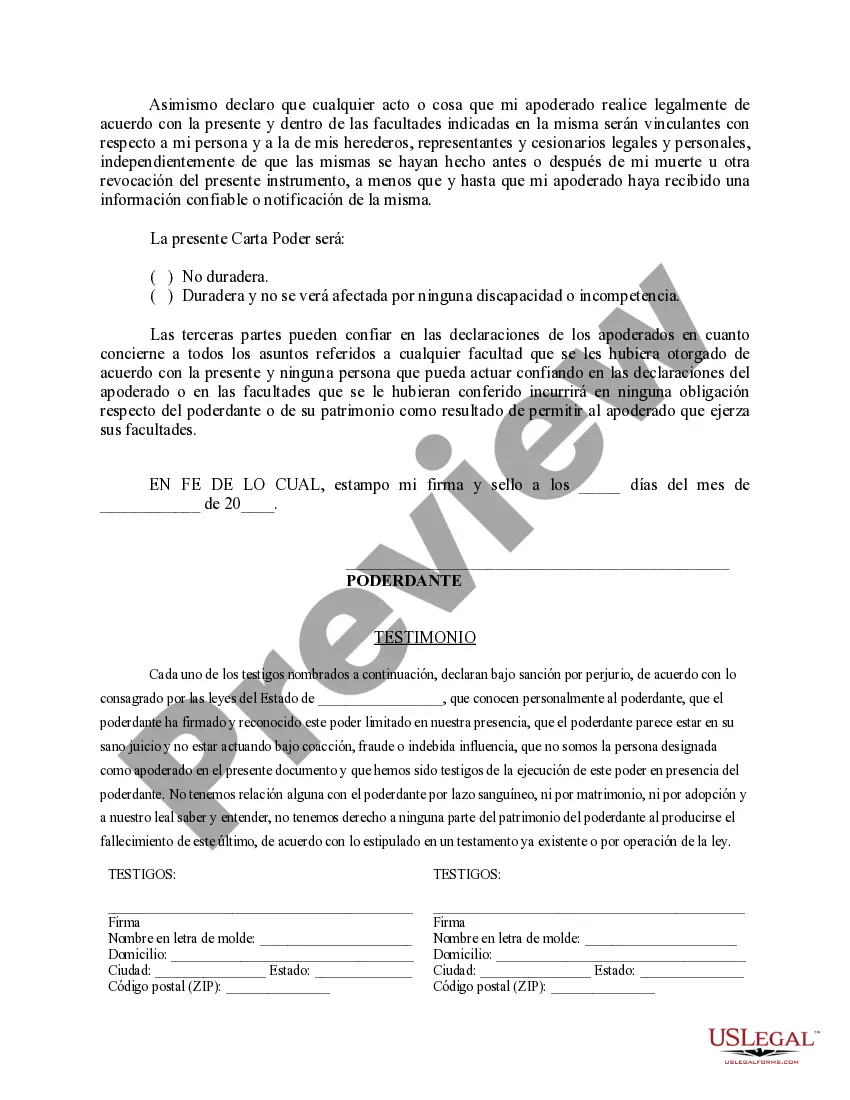
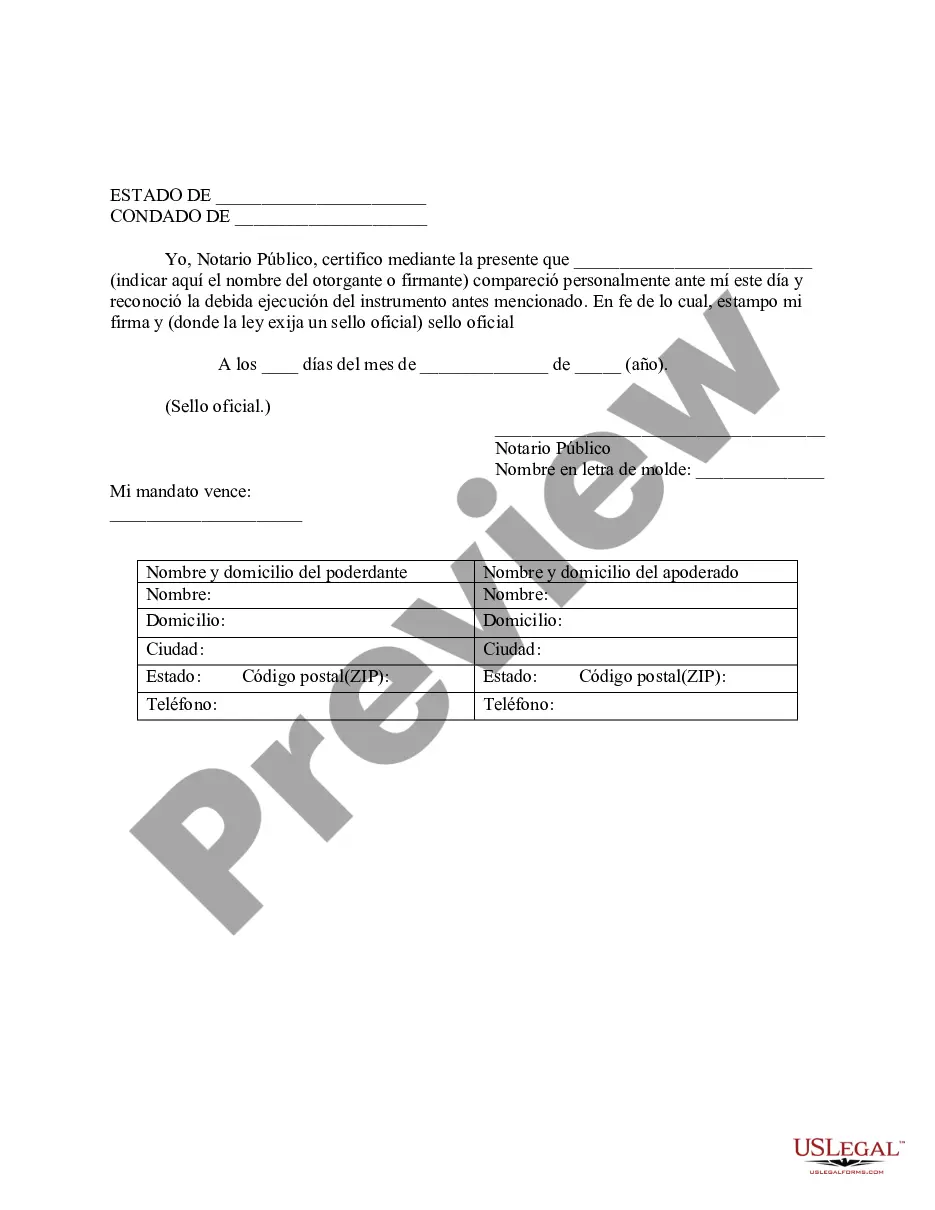
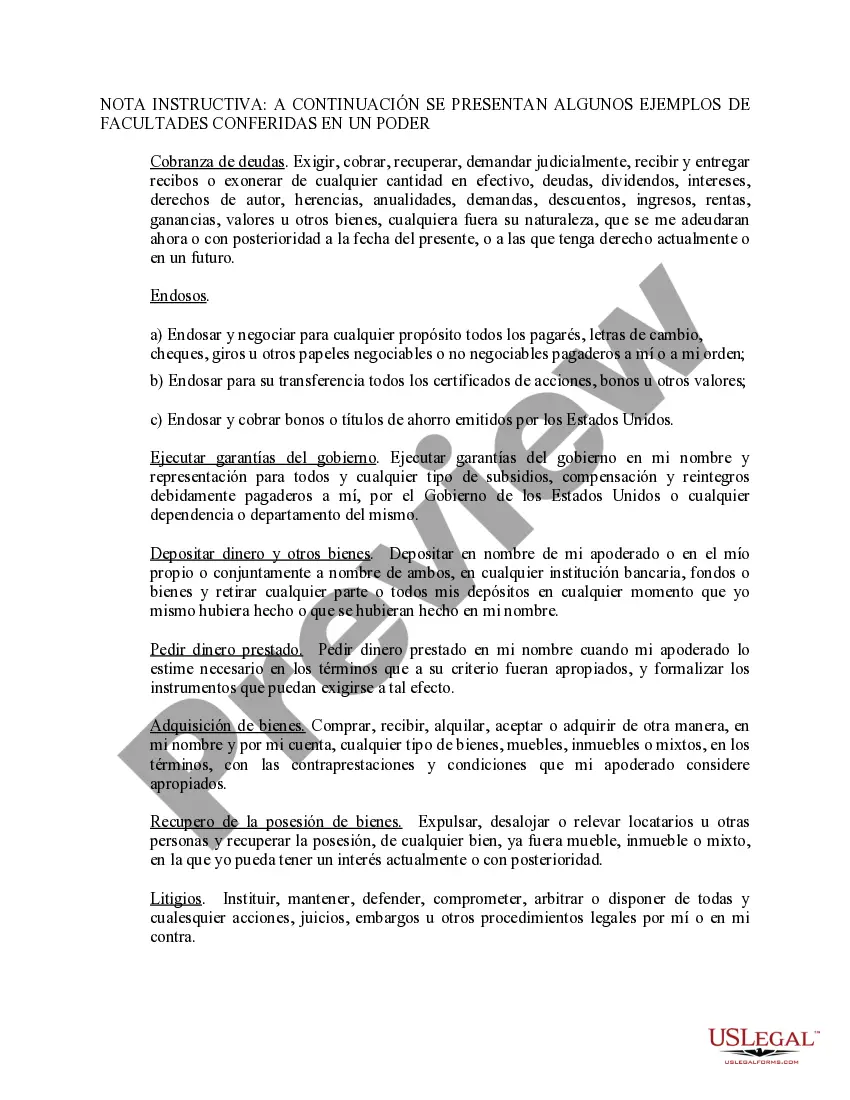
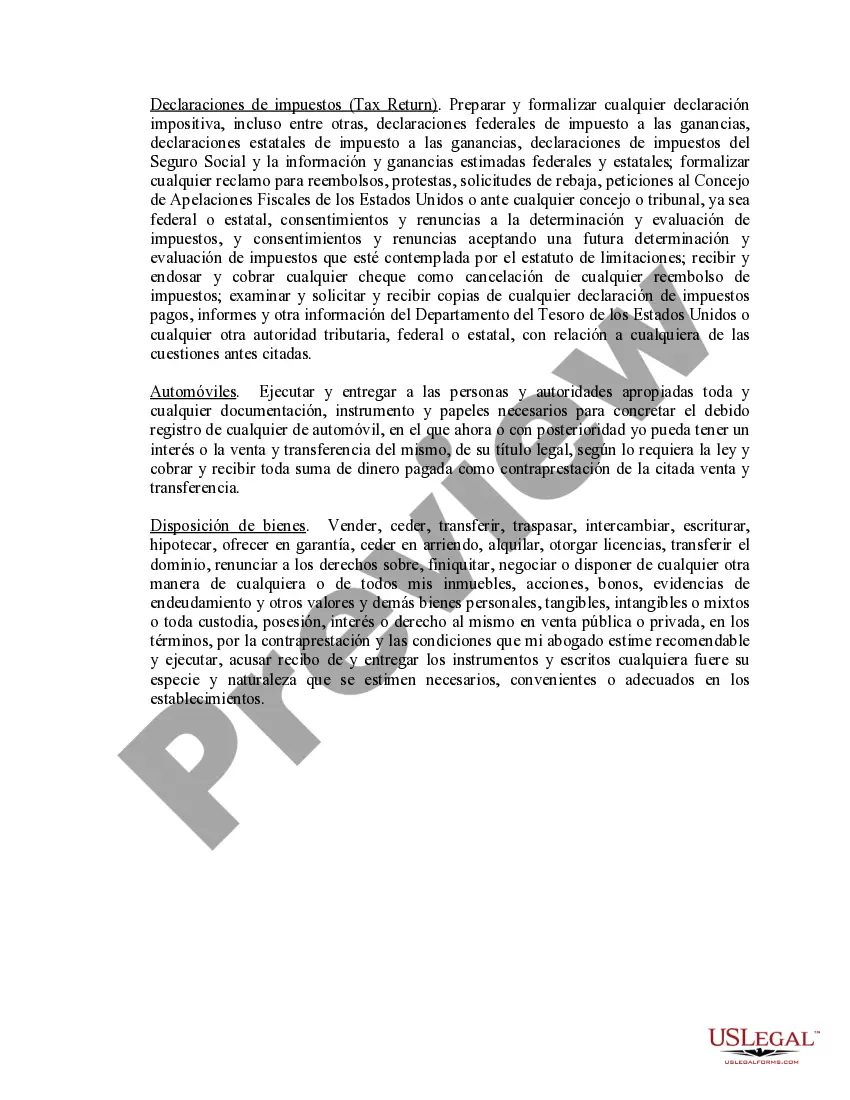
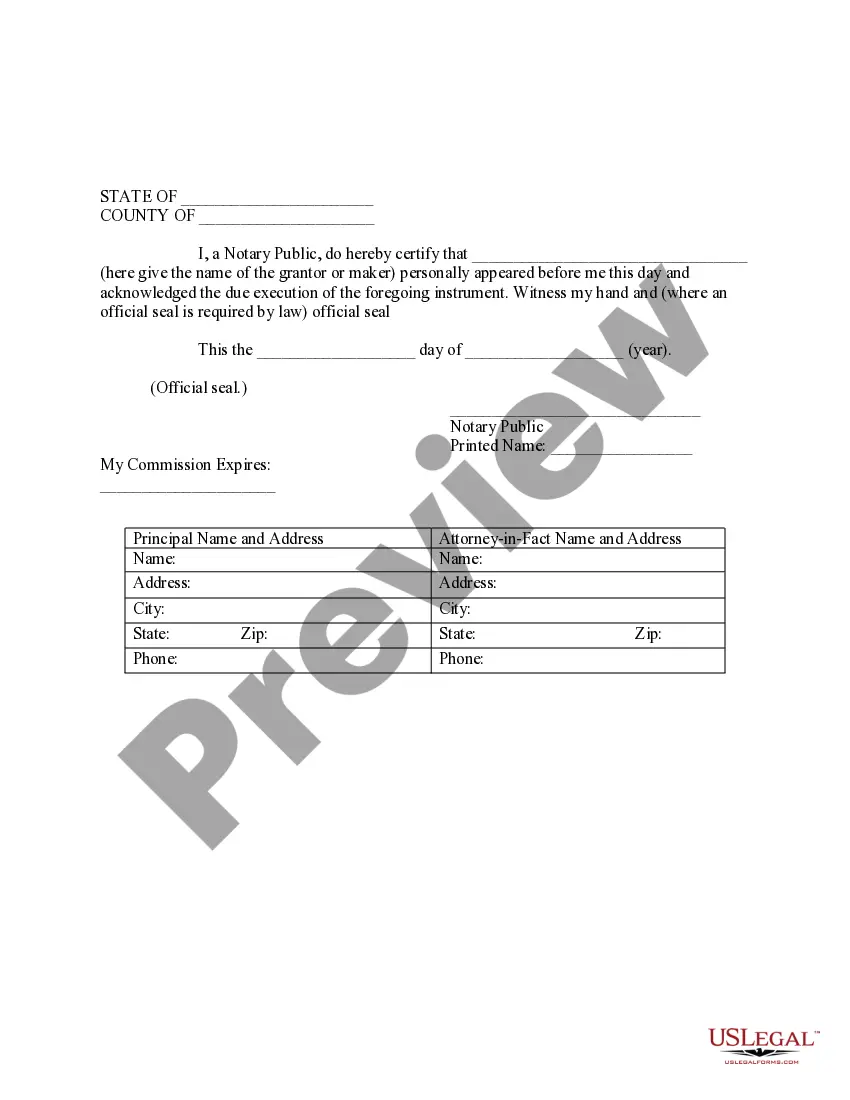
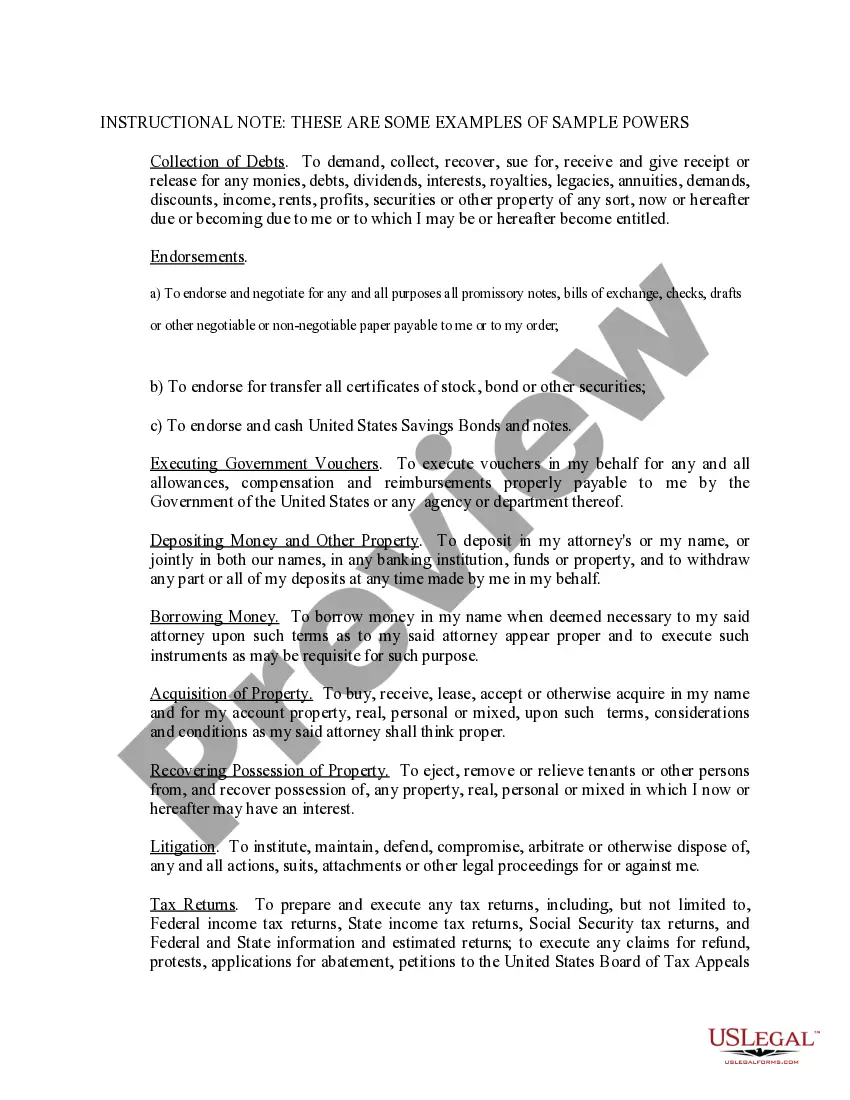

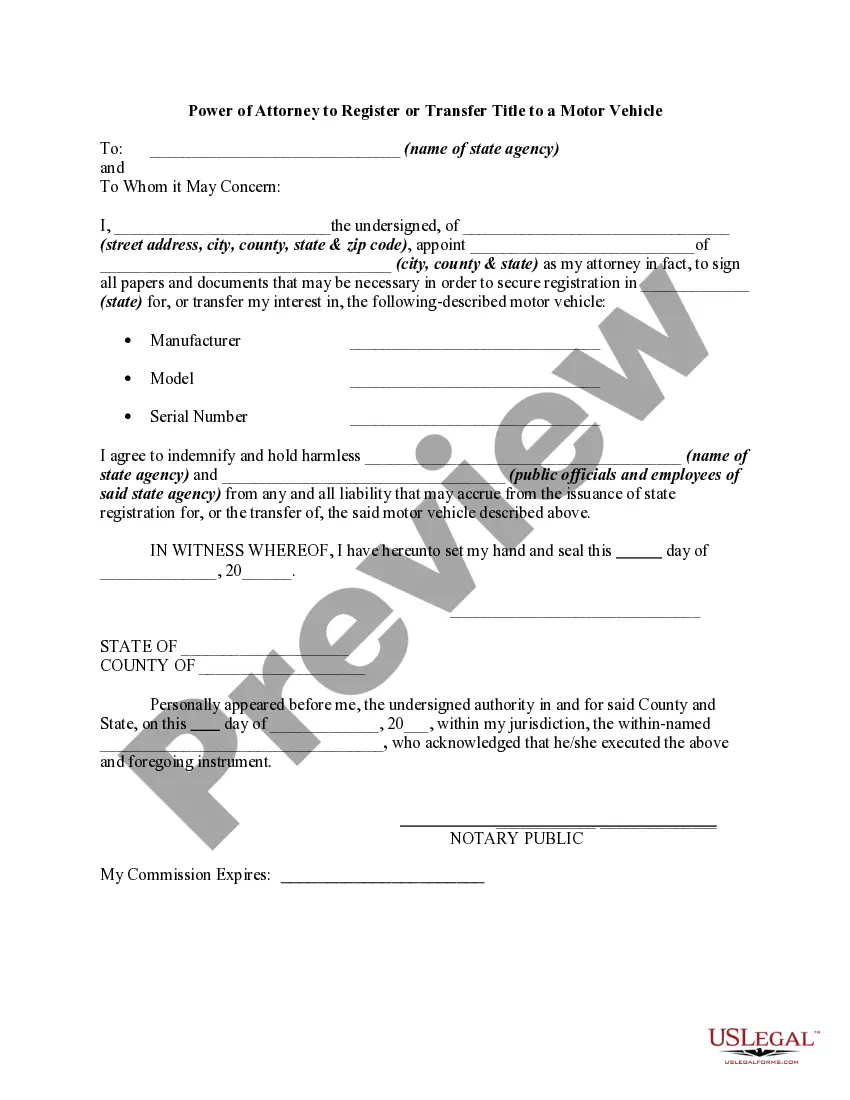
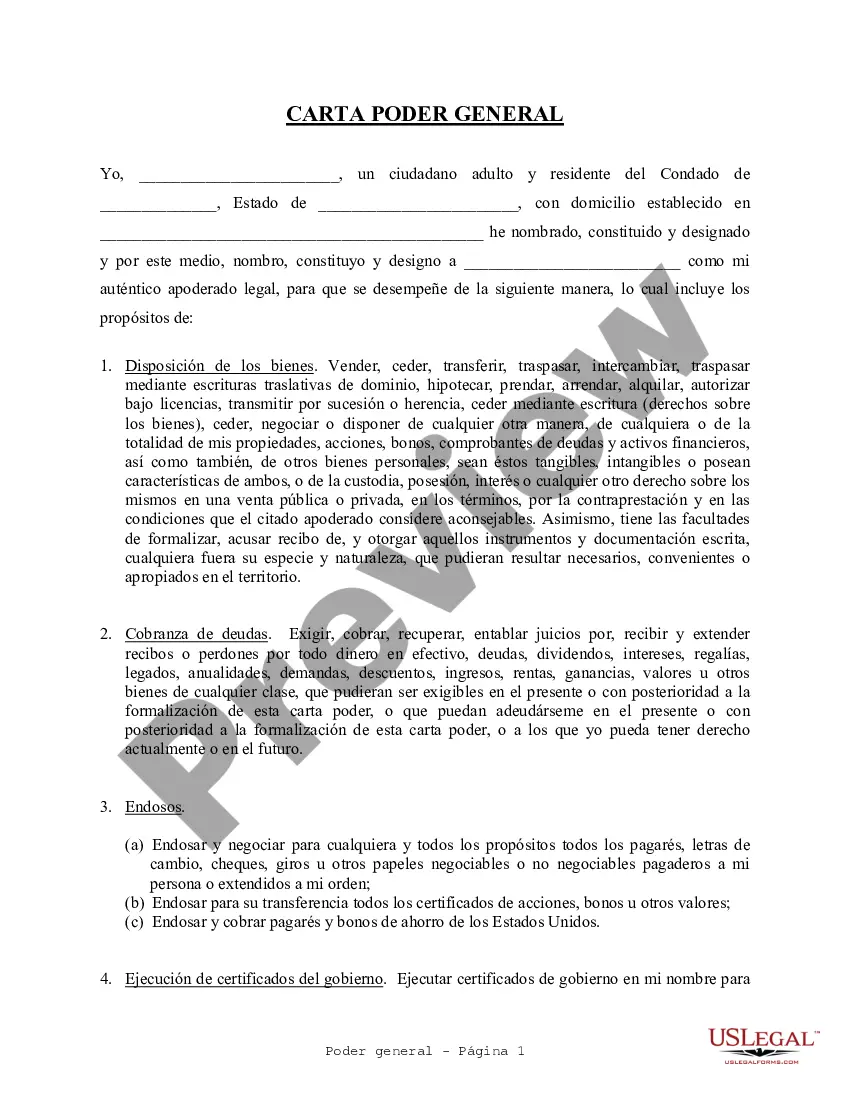
Get your form ready online
Our built-in tools help you complete, sign, share, and store your documents in one place.
Make edits, fill in missing information, and update formatting in US Legal Forms—just like you would in MS Word.
Download a copy, print it, send it by email, or mail it via USPS—whatever works best for your next step.
Sign and collect signatures with our SignNow integration. Send to multiple recipients, set reminders, and more. Go Premium to unlock E-Sign.
If this form requires notarization, complete it online through a secure video call—no need to meet a notary in person or wait for an appointment.
We protect your documents and personal data by following strict security and privacy standards.

Make edits, fill in missing information, and update formatting in US Legal Forms—just like you would in MS Word.

Download a copy, print it, send it by email, or mail it via USPS—whatever works best for your next step.

Sign and collect signatures with our SignNow integration. Send to multiple recipients, set reminders, and more. Go Premium to unlock E-Sign.

If this form requires notarization, complete it online through a secure video call—no need to meet a notary in person or wait for an appointment.

We protect your documents and personal data by following strict security and privacy standards.
Looking for another form?

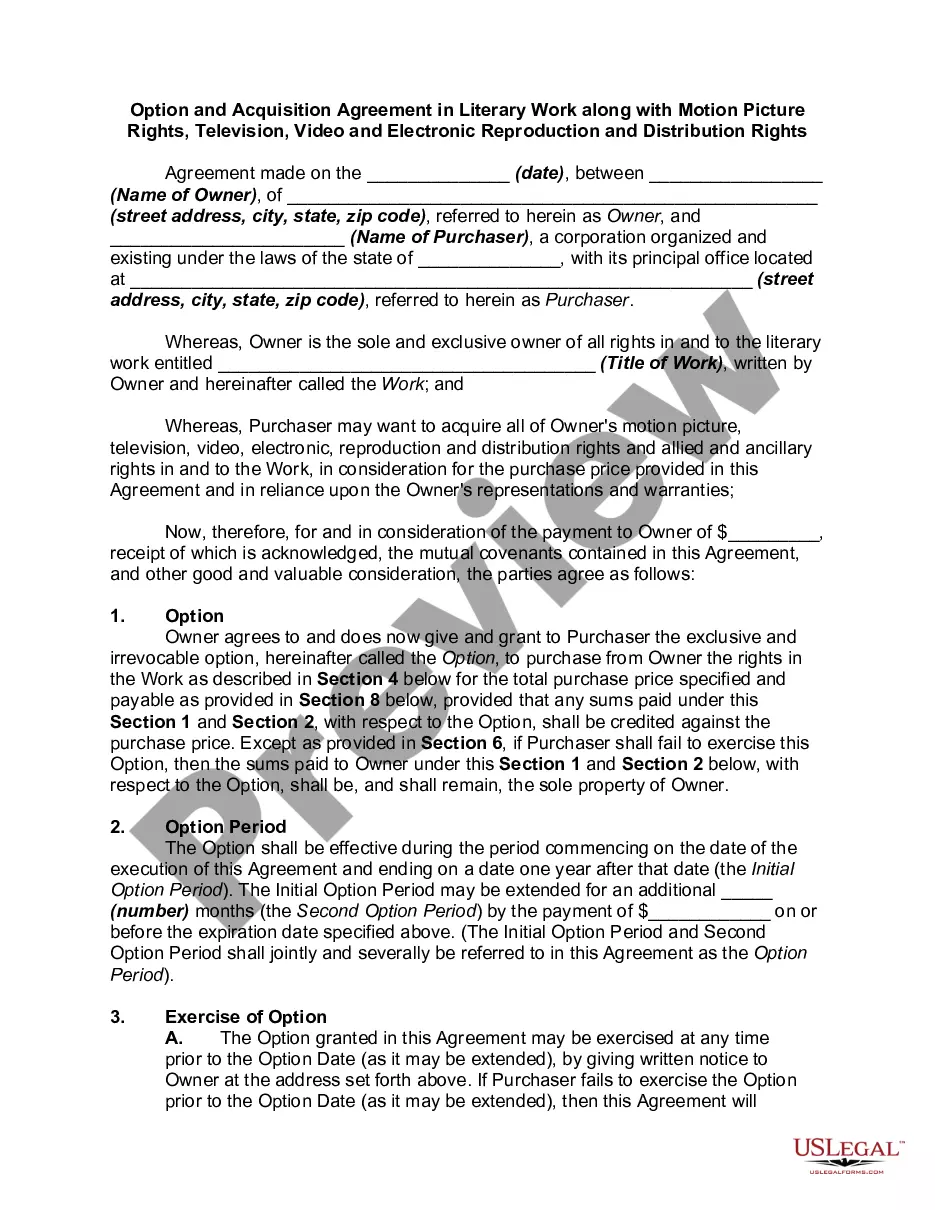


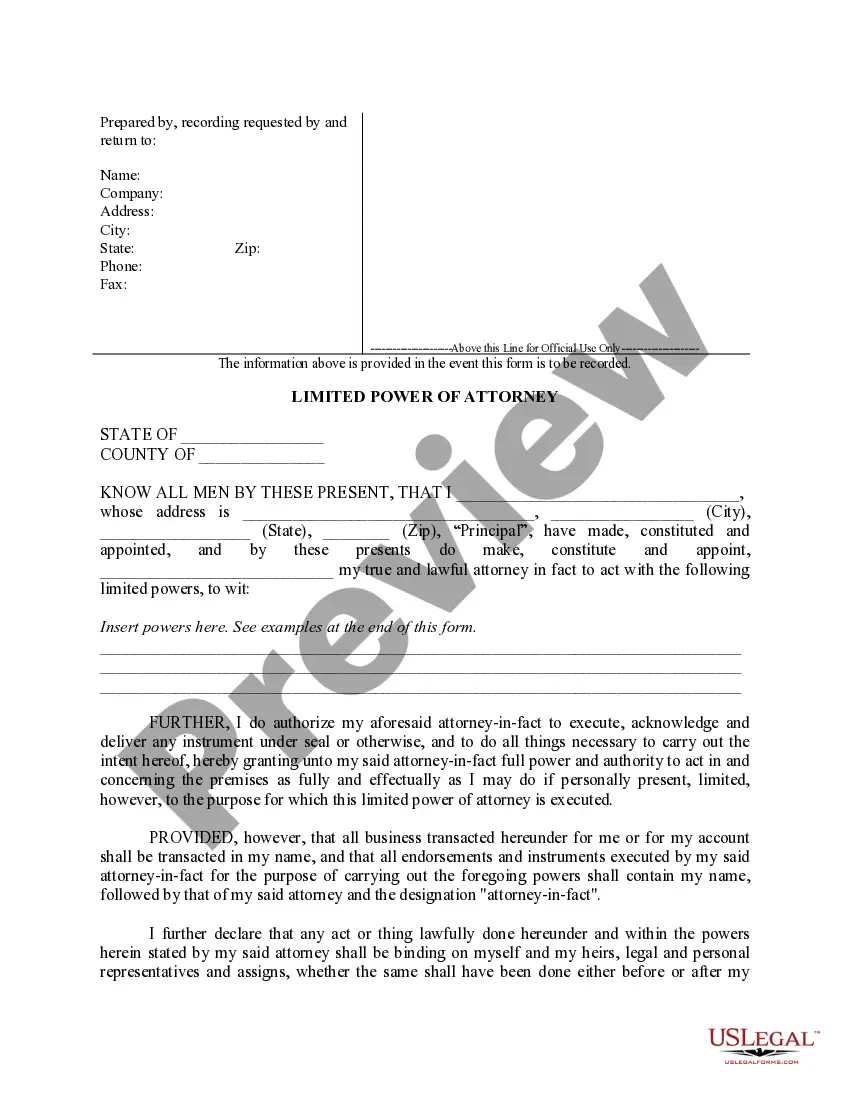
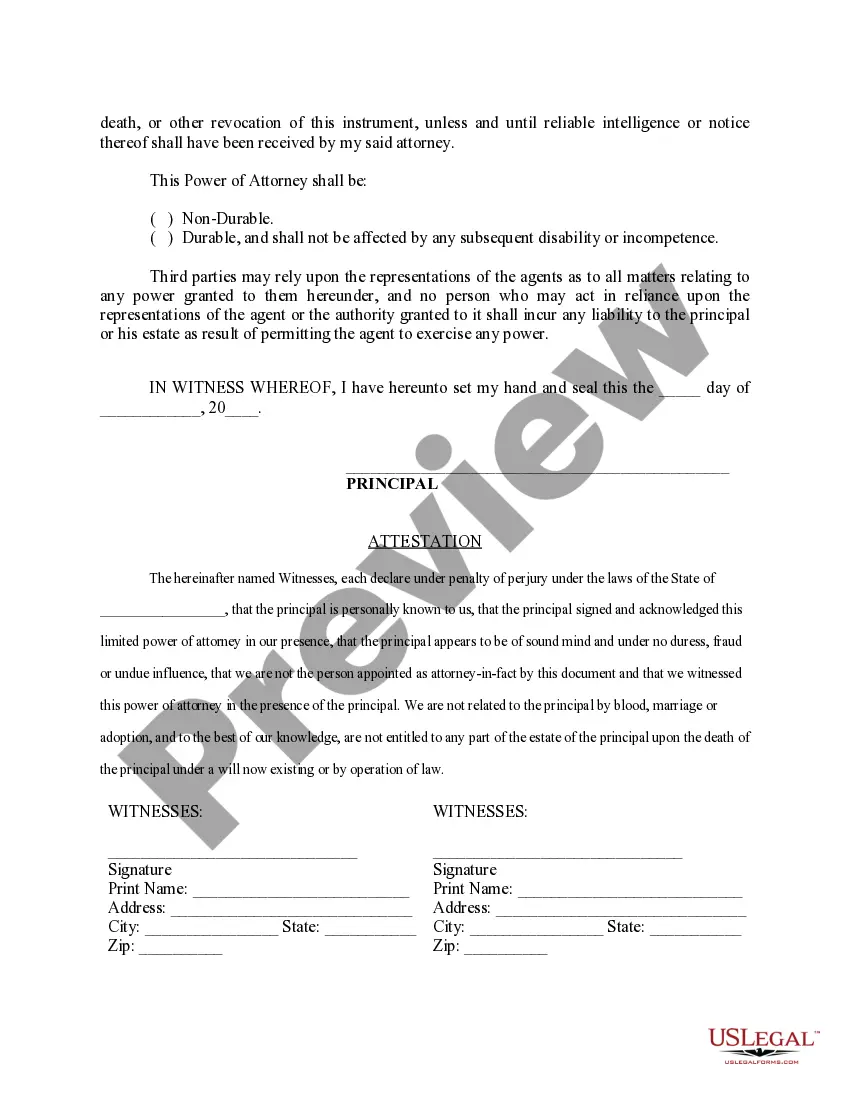
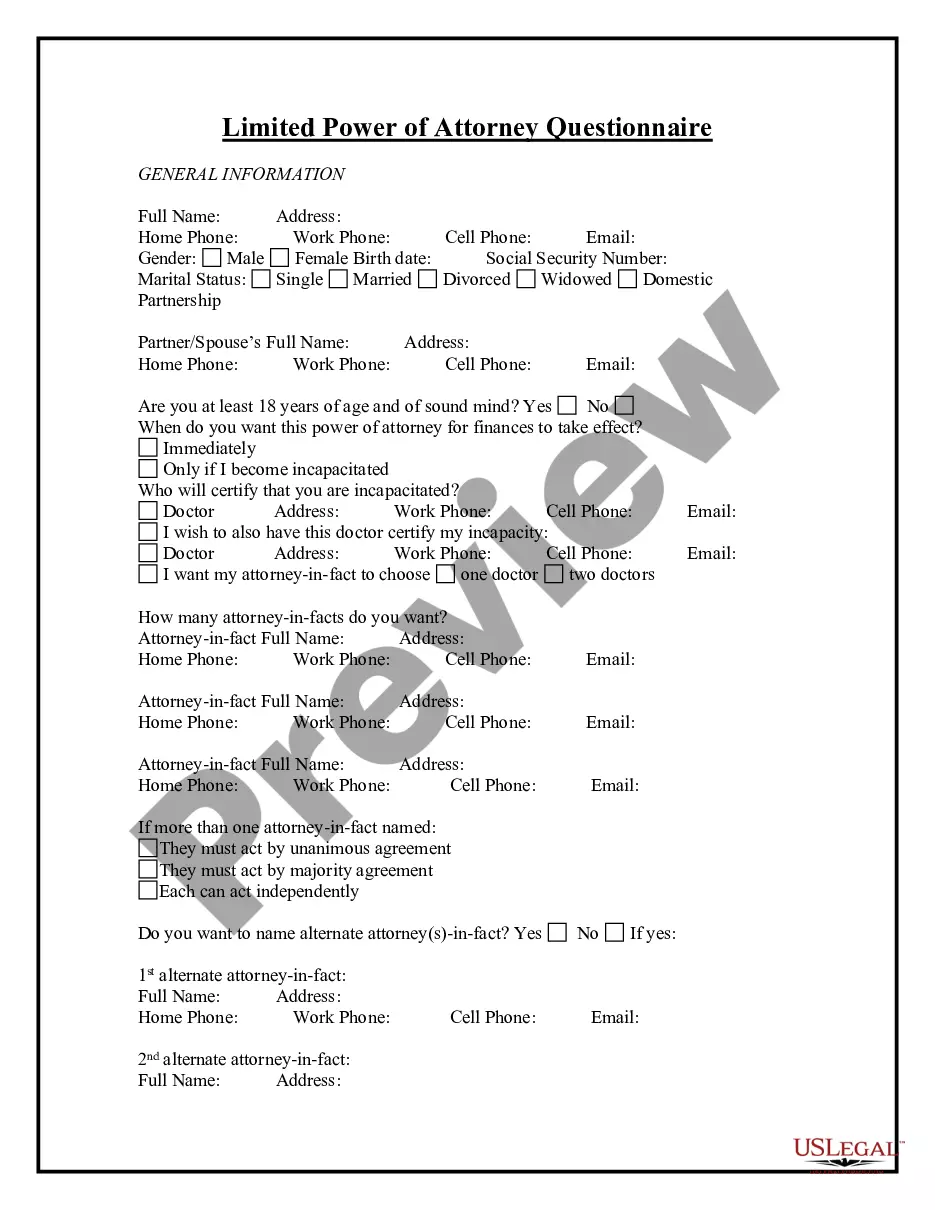
How to fill out Carta Poder Limitada - Limited Power Of Attorney?
Legal document management might be frustrating, even for the most skilled professionals. When you are interested in a Poder Forms In Spanish and don’t get the time to spend in search of the correct and updated version, the procedures may be nerve-racking. A strong web form catalogue might be a gamechanger for anybody who wants to manage these situations efficiently. US Legal Forms is a market leader in web legal forms, with over 85,000 state-specific legal forms available to you whenever you want.
With US Legal Forms, you can:
- Gain access to state- or county-specific legal and business forms. US Legal Forms handles any needs you might have, from individual to enterprise papers, all-in-one location.
- Utilize advanced tools to accomplish and control your Poder Forms In Spanish
- Gain access to a useful resource base of articles, guides and handbooks and materials connected to your situation and requirements
Save time and effort in search of the papers you need, and make use of US Legal Forms’ advanced search and Preview tool to find Poder Forms In Spanish and get it. If you have a subscription, log in in your US Legal Forms profile, search for the form, and get it. Take a look at My Forms tab to see the papers you previously downloaded as well as to control your folders as you see fit.
Should it be your first time with US Legal Forms, make a free account and get unrestricted access to all advantages of the library. Here are the steps to consider after getting the form you want:
- Validate this is the proper form by previewing it and reading through its information.
- Ensure that the sample is acknowledged in your state or county.
- Choose Buy Now when you are ready.
- Choose a subscription plan.
- Pick the format you want, and Download, complete, sign, print out and send out your papers.
Take advantage of the US Legal Forms web catalogue, supported with 25 years of expertise and reliability. Change your day-to-day papers management into a easy and easy-to-use process right now.
Form popularity
FAQ
I put/place (yo pongo) I put (yo puse) I will put (yo pondre) I used to put/place (yo ponia)
Poder in the Indicative Present PronounSpanishEnglishYopuedoI am able toTupuedesyou are able toElla / El / Ustedpuedes/he is able to, you (formal) are able toNosotras / Nosotrospodemoswe are able to2 more rows
Often used in combination with the preposition de, you can use poder to describe someone's abilities. English: His powers of negotiation are very impressive. Espanol: Su poder de negociacion es muy impresionante. English: Her powers of persuasion are unmatched.
For regular verbs, the infinitive lends its stem to its conjugated forms in a predictable way. The stem, or raiz (literally ?root? in Spanish), is the part that occurs before the -ar, -ir, or -er. Simply put, to conjugate an -ar verb, drop the -ar and add the appropriate ending ing to the person and tense.
Poner yo. pongo. tu pones. el/ella/Ud. pone. ponemos. vosotros. poneis. ellos/ellas/Uds. ponen.