Dba Meaning For Hearing
Description
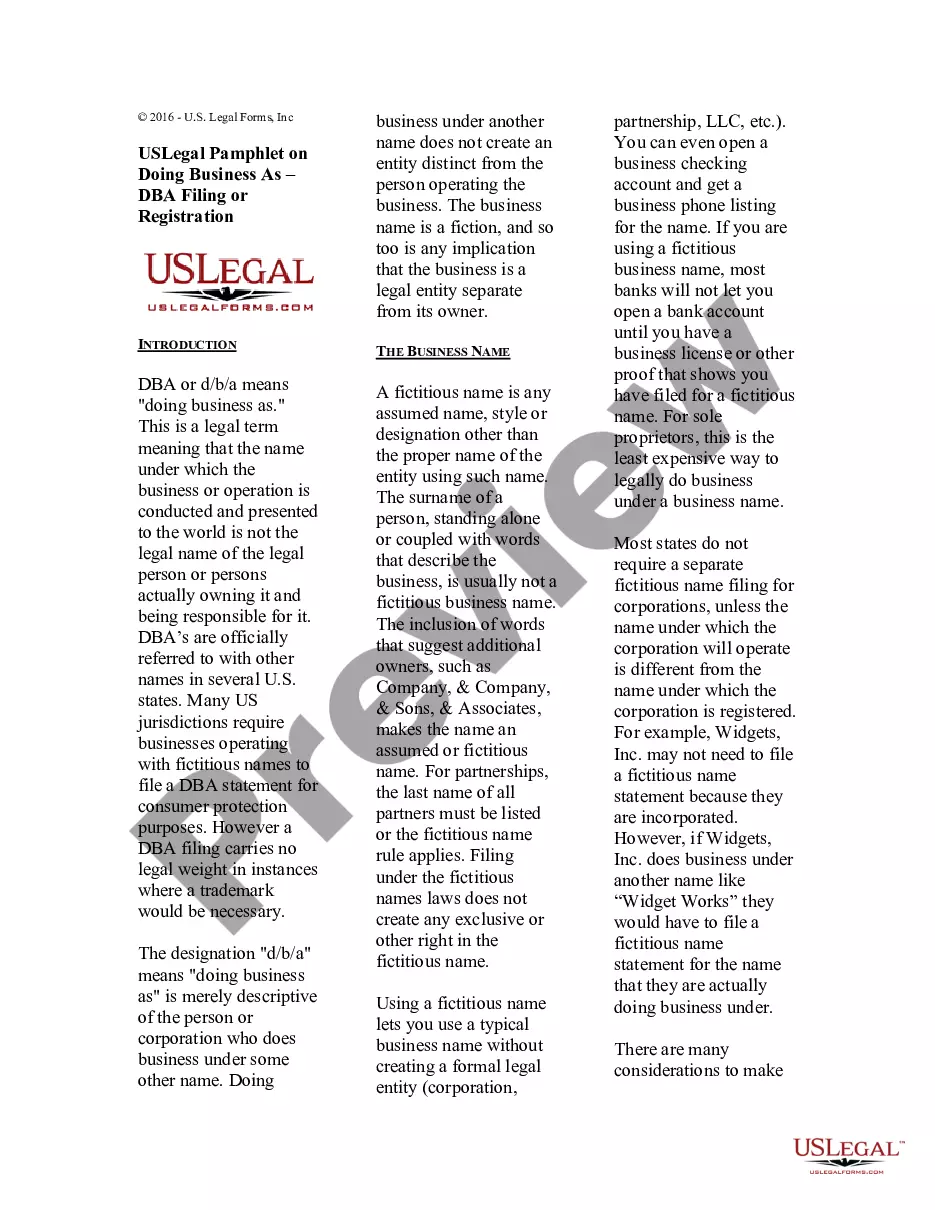
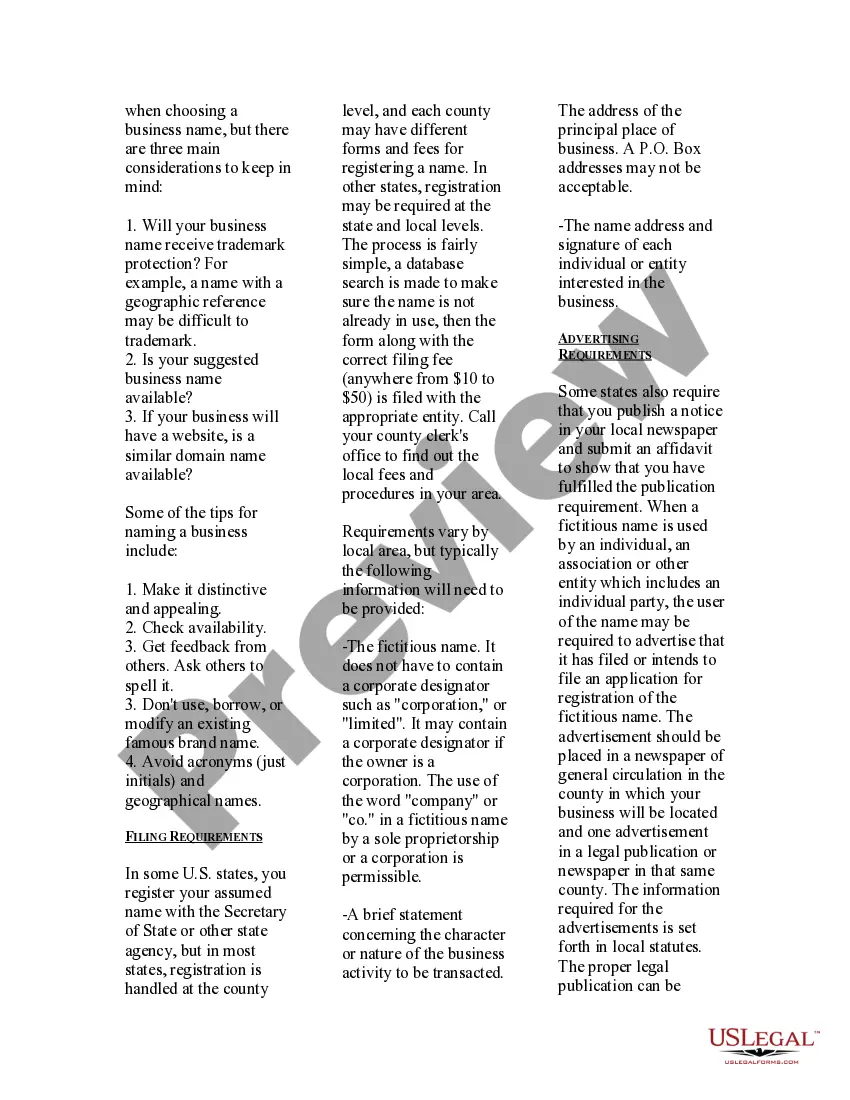
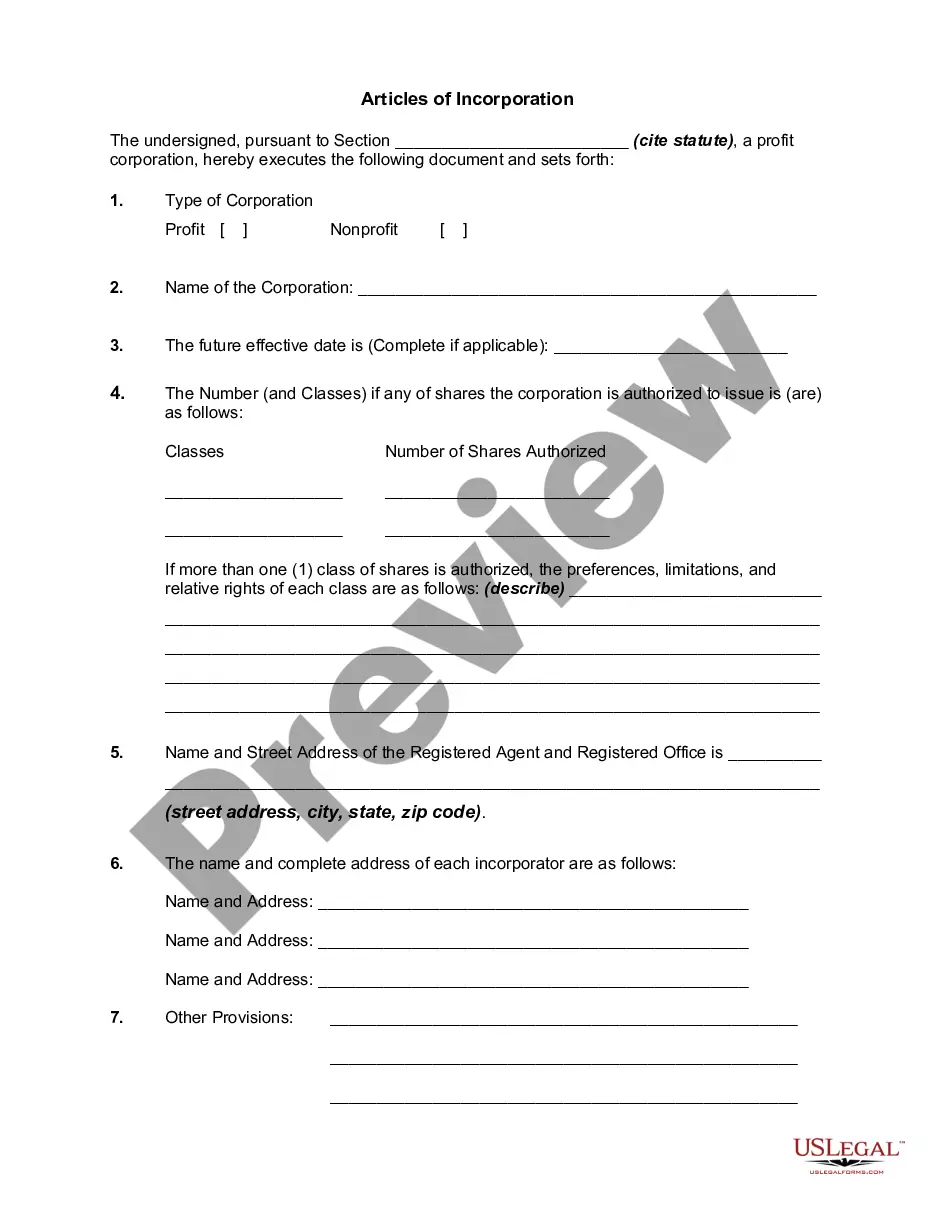
Get your form ready online
Our built-in tools help you complete, sign, share, and store your documents in one place.
Make edits, fill in missing information, and update formatting in US Legal Forms—just like you would in MS Word.
Download a copy, print it, send it by email, or mail it via USPS—whatever works best for your next step.
Sign and collect signatures with our SignNow integration. Send to multiple recipients, set reminders, and more. Go Premium to unlock E-Sign.
If this form requires notarization, complete it online through a secure video call—no need to meet a notary in person or wait for an appointment.
We protect your documents and personal data by following strict security and privacy standards.

Make edits, fill in missing information, and update formatting in US Legal Forms—just like you would in MS Word.

Download a copy, print it, send it by email, or mail it via USPS—whatever works best for your next step.

Sign and collect signatures with our SignNow integration. Send to multiple recipients, set reminders, and more. Go Premium to unlock E-Sign.

If this form requires notarization, complete it online through a secure video call—no need to meet a notary in person or wait for an appointment.

We protect your documents and personal data by following strict security and privacy standards.
Looking for another form?

How to fill out USLegal Pamphlet On Doing Business As DBA Filing Or Registration?
Managing legal paperwork can be daunting, even for seasoned professionals.
When you're looking for a DBA Definition for Hearing and can't find the time to search for the accurate and current version, the process can be stressful.
US Legal Forms meets all your requirements, from personal to commercial paperwork, all in one convenient location.
Utilize innovative tools to complete and oversee your DBA Definition for Hearing.
Here are the steps to follow after obtaining the necessary form: Ensure it is the correct document by previewing it and reviewing its description.
- Tap into a valuable resource library of articles, guides, and materials related to your circumstances and requirements.
- Save time and energy searching for the documents you need, and leverage US Legal Forms' advanced search and Preview feature to find DBA Definition for Hearing and obtain it.
- If you are a member, Log In to your US Legal Forms account, search for the document, and retrieve it.
- Check your My documents section to review the documents you've previously downloaded and organize your folders as needed.
- If this is your first experience with US Legal Forms, create a free account and gain unlimited access to all features of the library.
- A comprehensive online form repository can be a transformative solution for those aiming to handle these matters effectively.
- US Legal Forms stands as a frontrunner in internet legal documents, boasting over 85,000 state-specific legal forms accessible at any time.
- US Legal Forms enables you to access localized legal and organizational documents.
Form popularity
FAQ
The main difference between dB and dBA lies in the weighting applied to sound measurements. While dB offers a raw measure of sound intensity, dBA is adjusted to reflect human sensitivity to different frequencies. Familiarizing yourself with the dBA meaning for hearing is essential for accurately evaluating the impact of noise on your hearing health.
For effective hearing protection, it's recommended to use devices when noise levels reach or exceed 85 dBA. Prolonged exposure to sounds above this threshold can lead to irreversible hearing loss. Understanding dBA meaning for hearing helps you identify when to use protective equipment to safeguard your hearing.
A good dBA rating varies depending on the context, but generally, levels below 60 dBA are considered acceptable for quiet environments. In workplaces, maintaining levels under 85 dBA is crucial for preventing hearing loss. Knowing the dBA meaning for hearing helps you recognize safe sound levels, contributing to a healthier acoustic environment.
Interpreting dBA involves understanding the loudness of sound as it relates to human hearing. For instance, levels below 30 dBA are generally considered quiet, while levels above 85 dBA can be damaging over prolonged exposure. Understanding dBA meaning for hearing allows you to gauge sound environments effectively and make adjustments when necessary.
A sound level of 20 dBA is extremely quiet, comparable to a whisper or rustling leaves. At this level, sound is often inaudible in typical environments filled with everyday noises. Recognizing the dBA meaning for hearing helps you appreciate how low sound levels can affect communication and overall comfort in various settings.
In dBA, the 'a' represents the A-weighting filter, which accounts for the varying sensitivity of human hearing across different sound frequencies. It adjusts the measurement to focus on sounds most relevant to human perception. Grasping the dBA meaning for hearing can help you better understand how various noise levels impact your daily life and well-being.
DBA stands for 'decibels A-weighted,' a unit used to measure sound intensity with an emphasis on frequencies that affect human hearing. This measurement is crucial for professionals who assess noise levels in workplaces or public areas. Familiarizing yourself with dBA meaning for hearing ensures that you can make informed decisions regarding sound exposure and safety.
The 'A' in dBA refers to a specific weighting that filters sound frequencies to reflect how humans perceive loudness. It emphasizes certain frequencies while reducing others, making it relevant for assessing noise in relation to human hearing. Understanding dBA meaning for hearing helps you evaluate sound exposure accurately in various environments.
The dBA sound level is a way to quantify sound intensity adjusted for human hearing sensitivity. It reflects how we perceive different frequencies and indicates how loud or soft a sound is in relation to our hearing capacity. Knowing the dBA meaning for hearing helps you understand your sound environment and the actions you may need to take to safeguard your hearing.
A sound measured at 20 dB is 10 times louder than a sound at 10 dB. This logarithmic scale highlights the significant impact that small changes in dB levels can have on perceived loudness. Grasping concepts like this reinforces the importance of understanding dBA meaning for hearing, especially in environments where noise can escalate quickly.