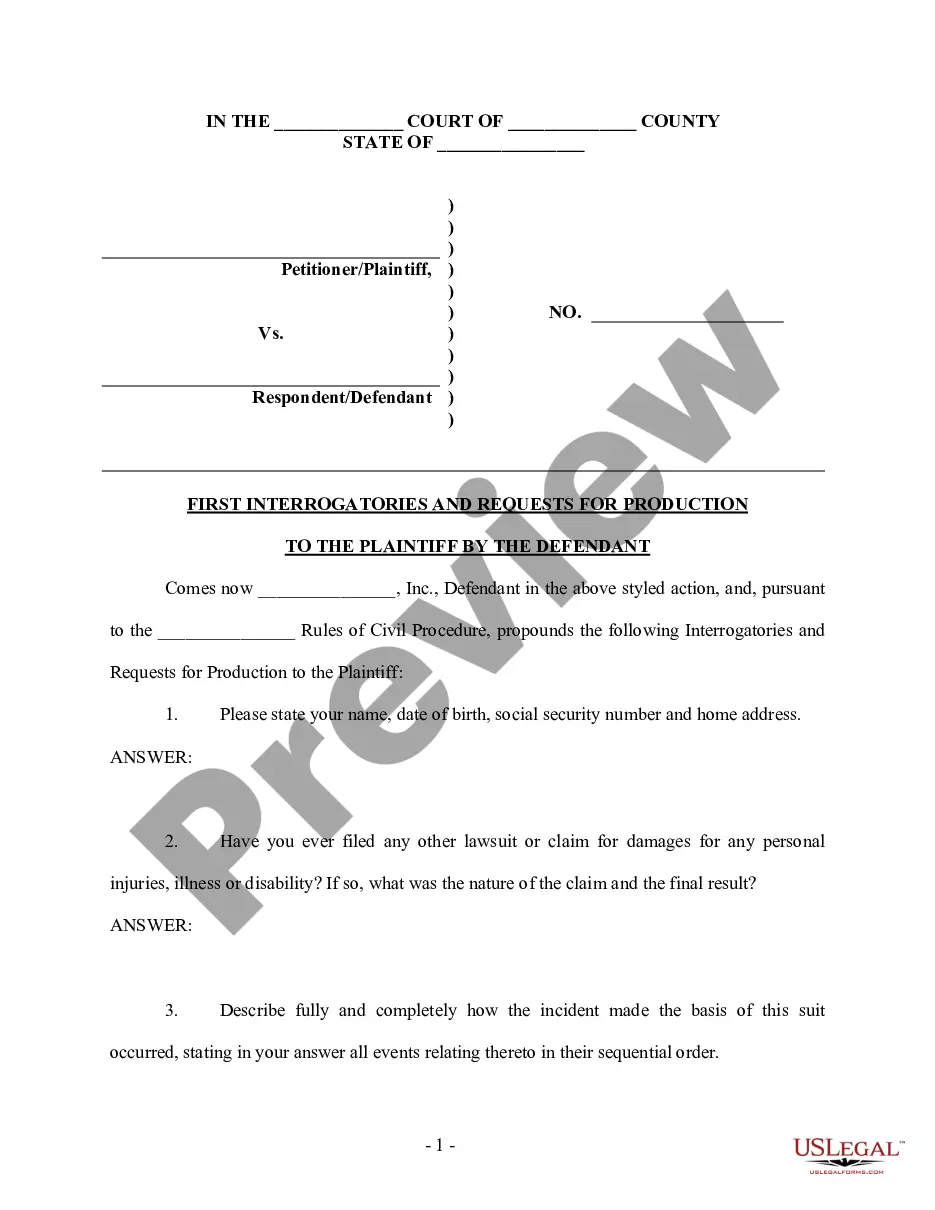
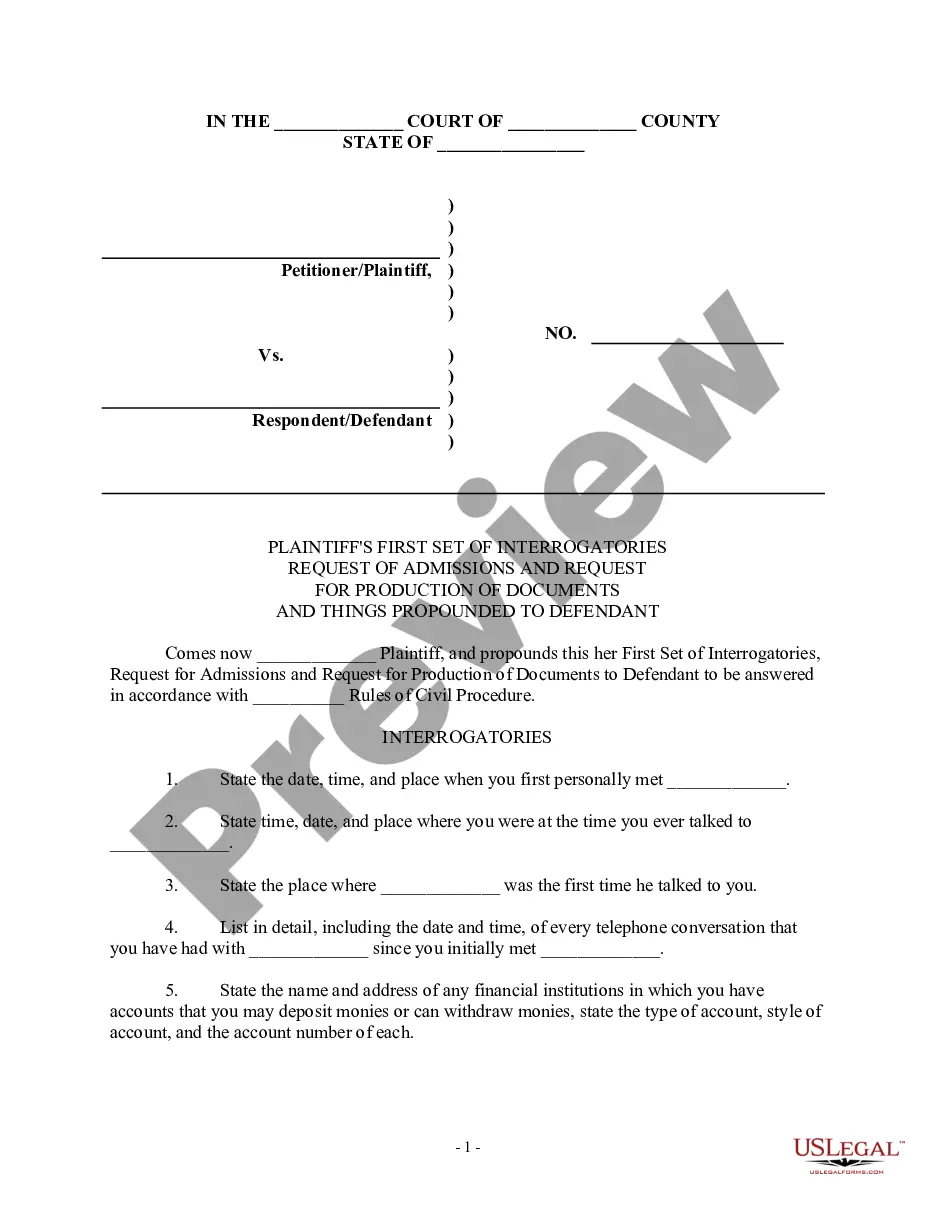
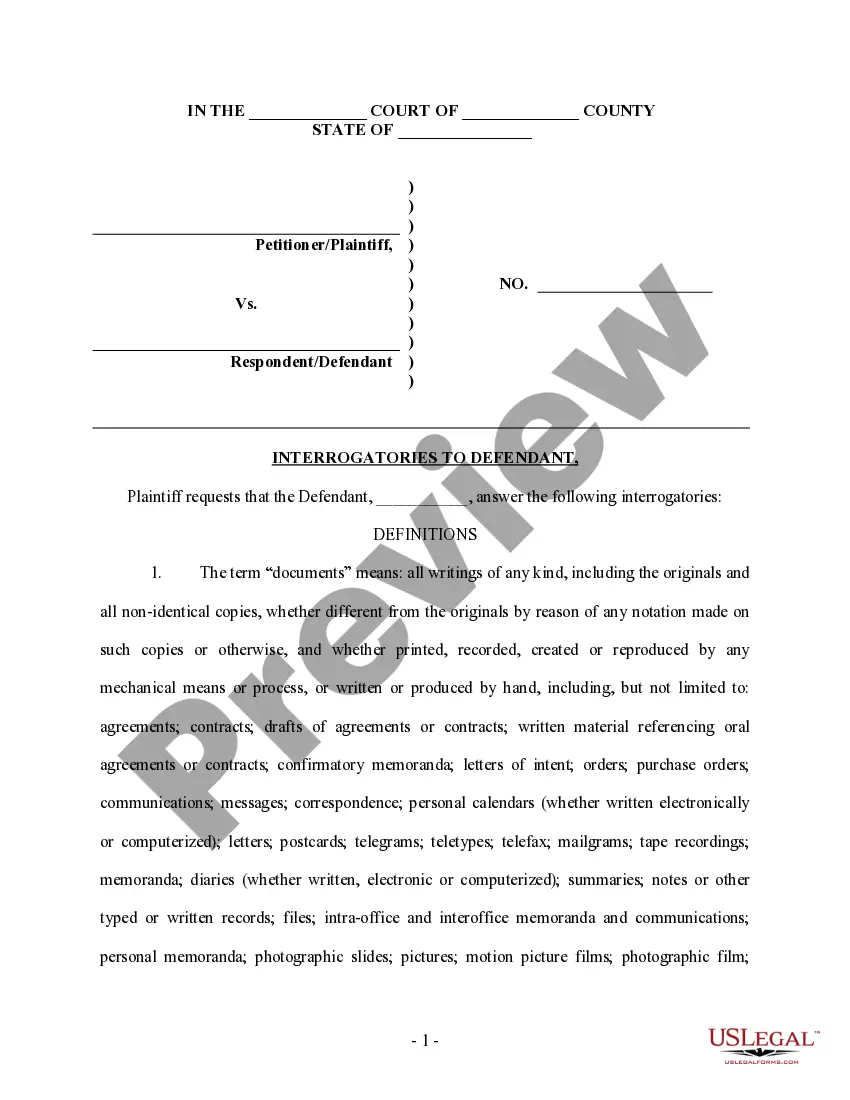
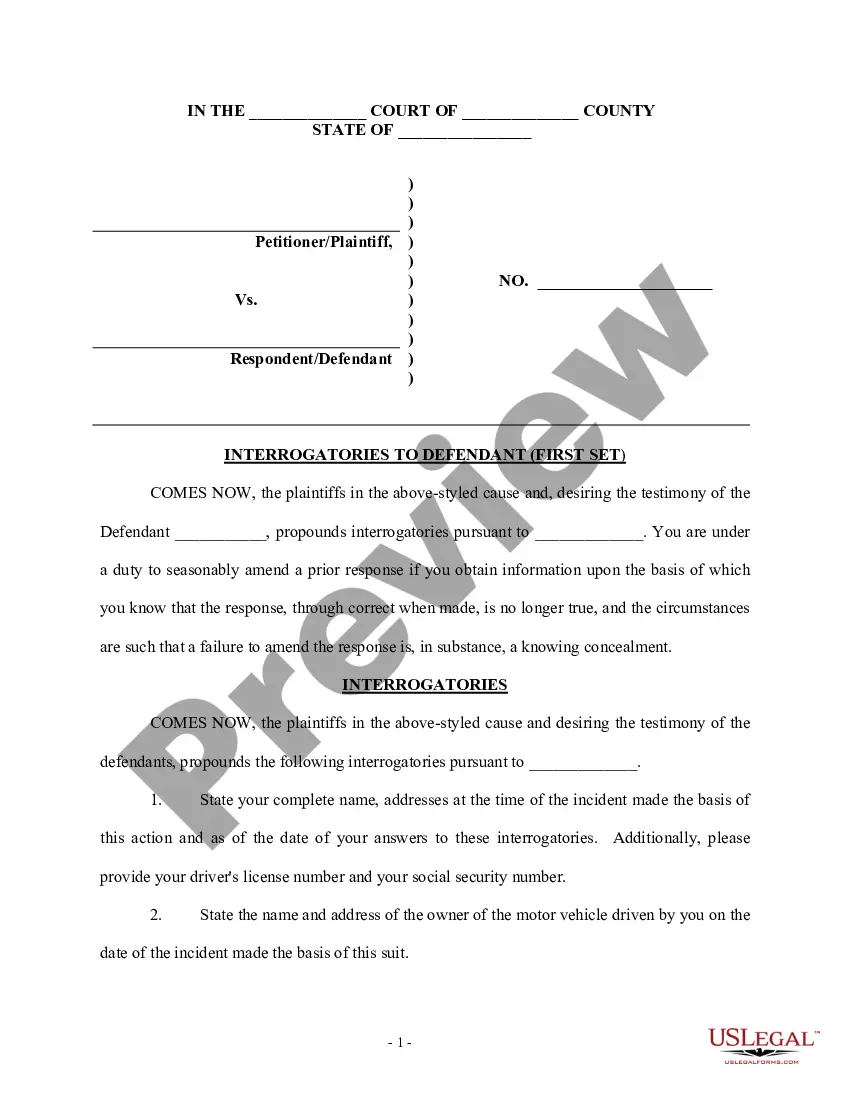
Plaintiff Vs Defendant Example
Description
Get your form ready online
Our built-in tools help you complete, sign, share, and store your documents in one place.
Make edits, fill in missing information, and update formatting in US Legal Forms—just like you would in MS Word.
Download a copy, print it, send it by email, or mail it via USPS—whatever works best for your next step.
Sign and collect signatures with our SignNow integration. Send to multiple recipients, set reminders, and more. Go Premium to unlock E-Sign.
If this form requires notarization, complete it online through a secure video call—no need to meet a notary in person or wait for an appointment.
We protect your documents and personal data by following strict security and privacy standards.

Make edits, fill in missing information, and update formatting in US Legal Forms—just like you would in MS Word.

Download a copy, print it, send it by email, or mail it via USPS—whatever works best for your next step.

Sign and collect signatures with our SignNow integration. Send to multiple recipients, set reminders, and more. Go Premium to unlock E-Sign.

If this form requires notarization, complete it online through a secure video call—no need to meet a notary in person or wait for an appointment.

We protect your documents and personal data by following strict security and privacy standards.
Looking for another form?
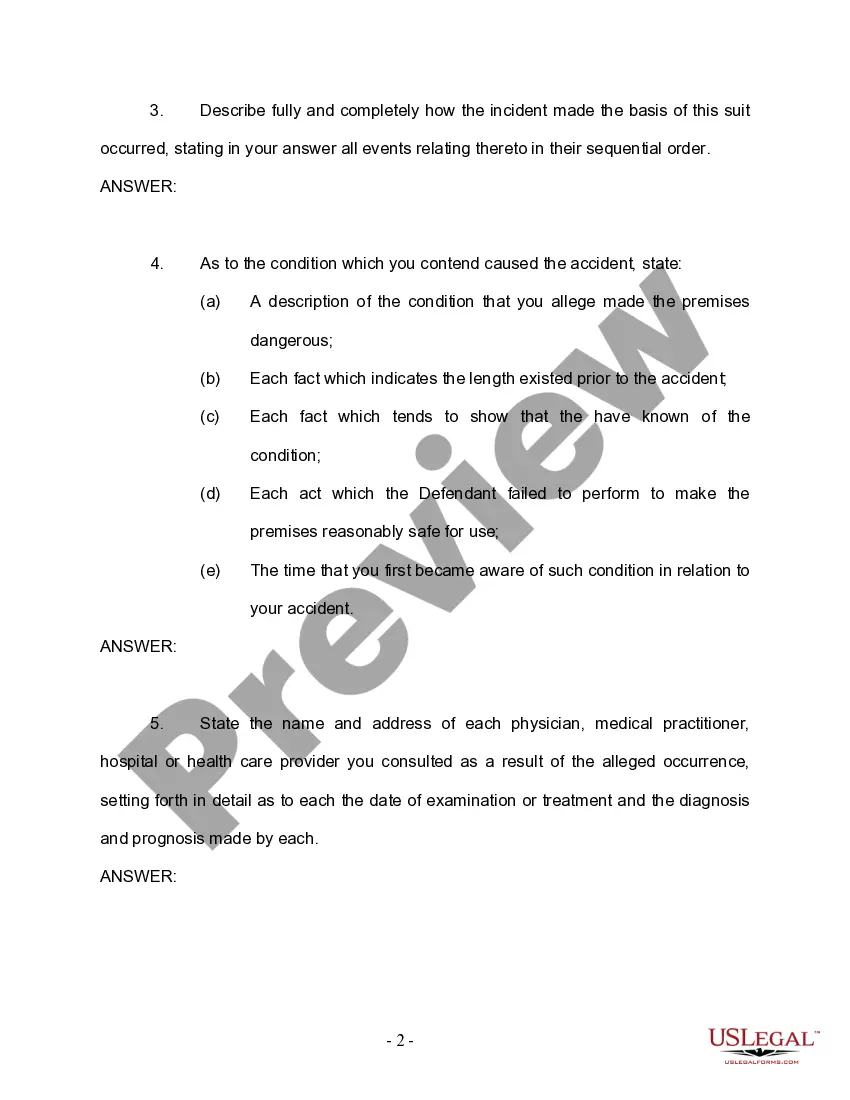
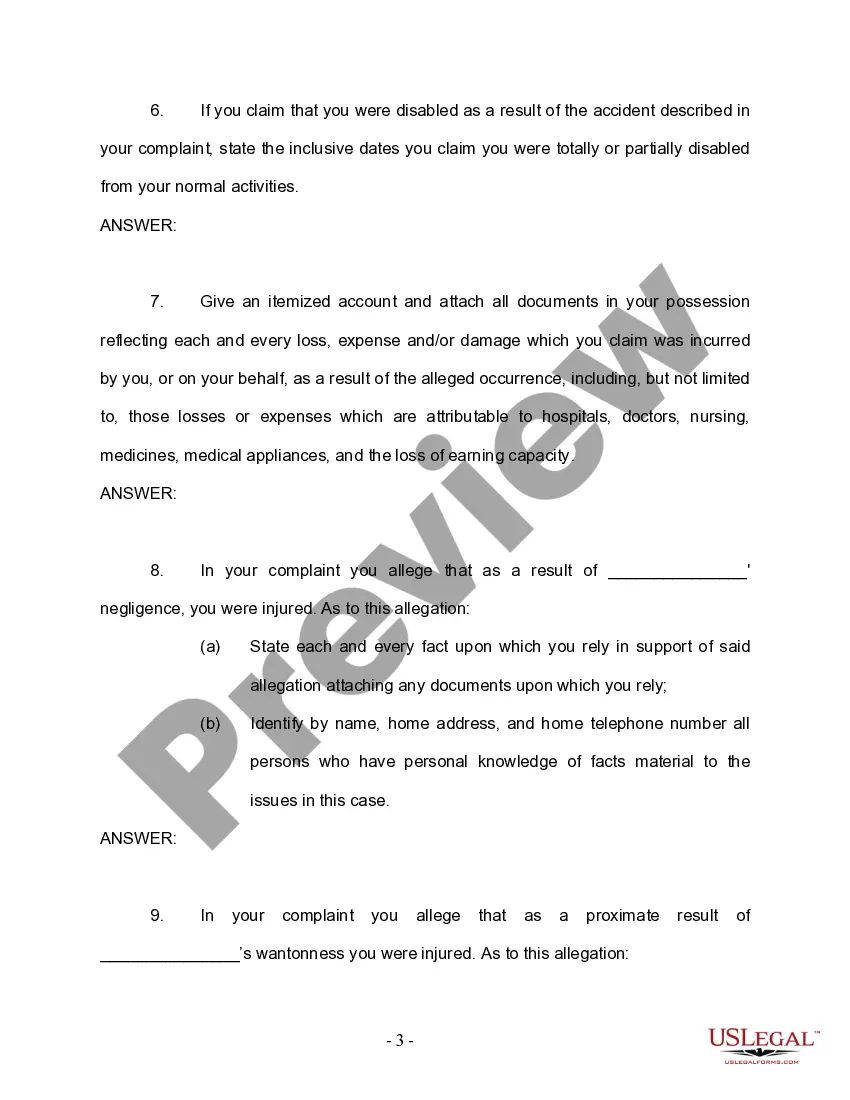
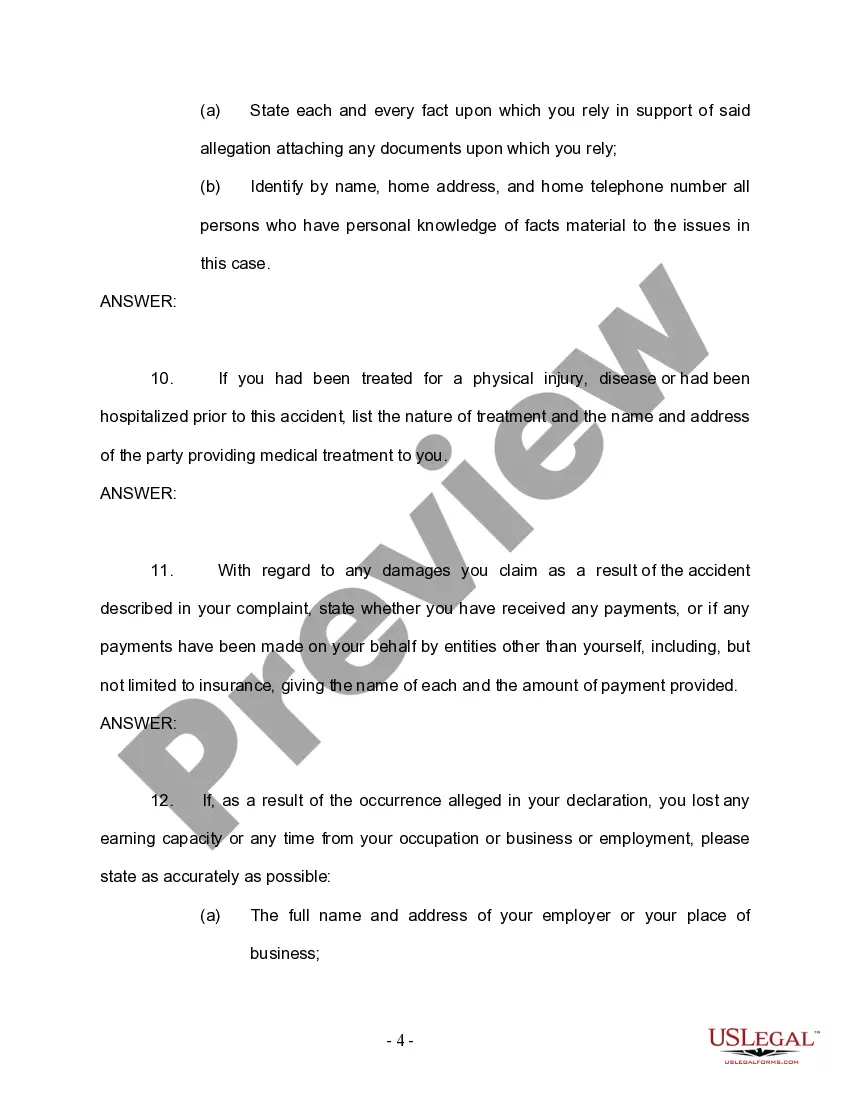
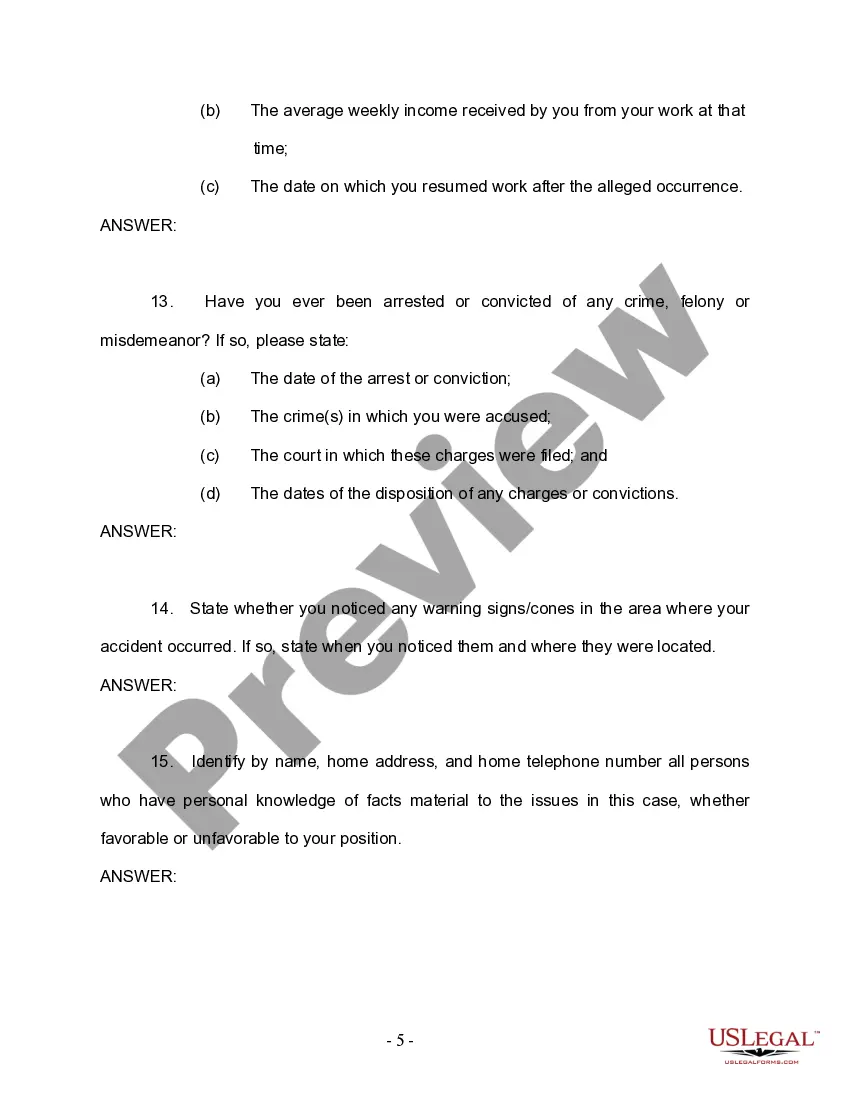
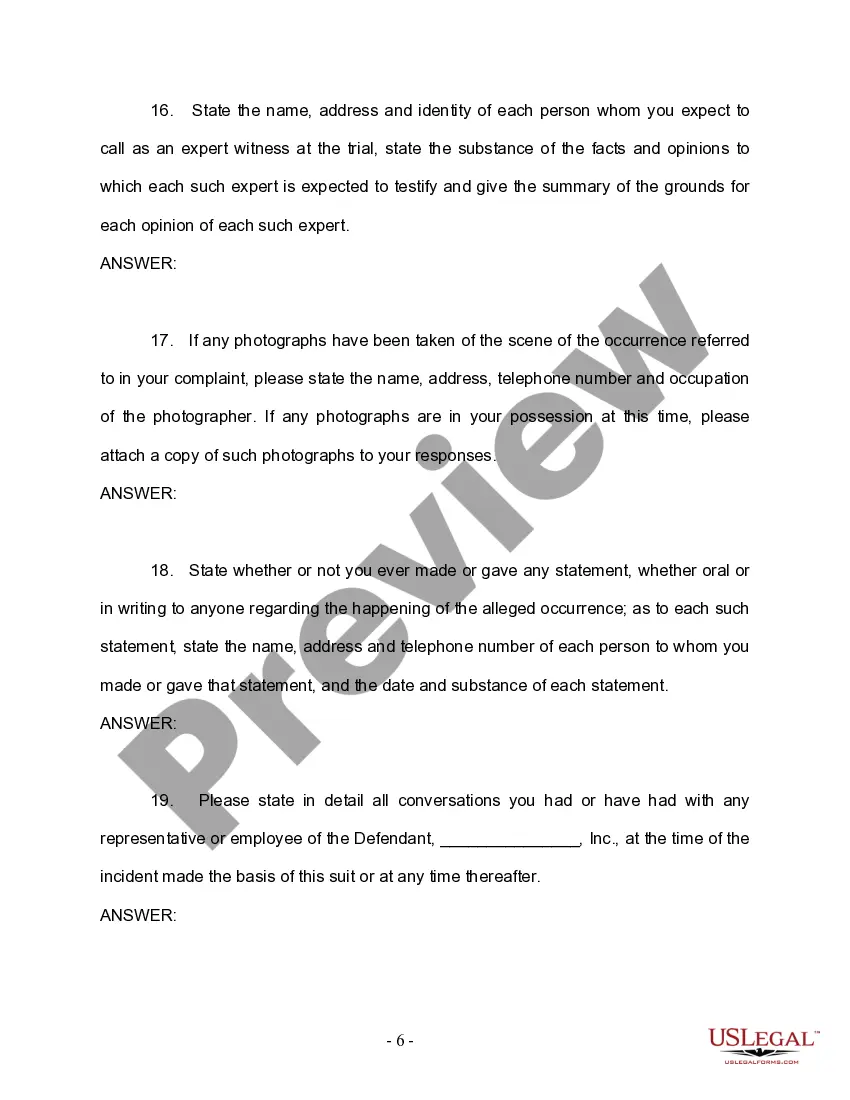
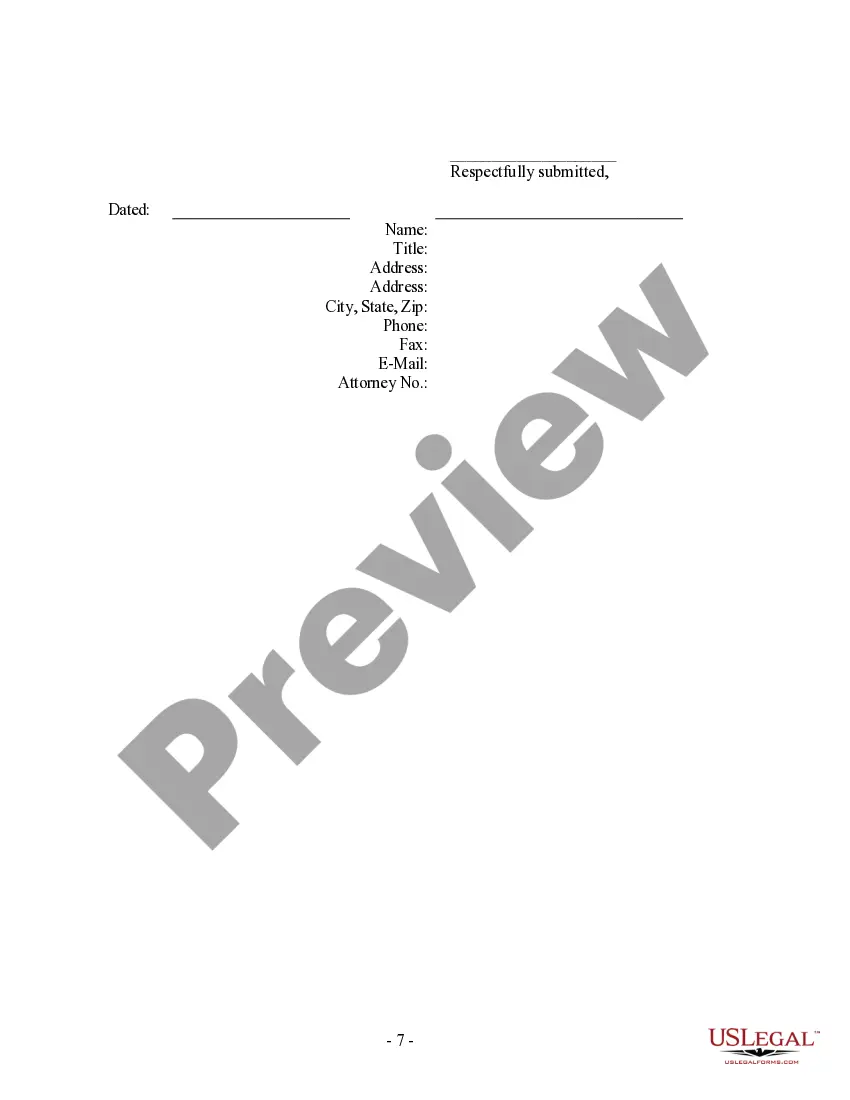
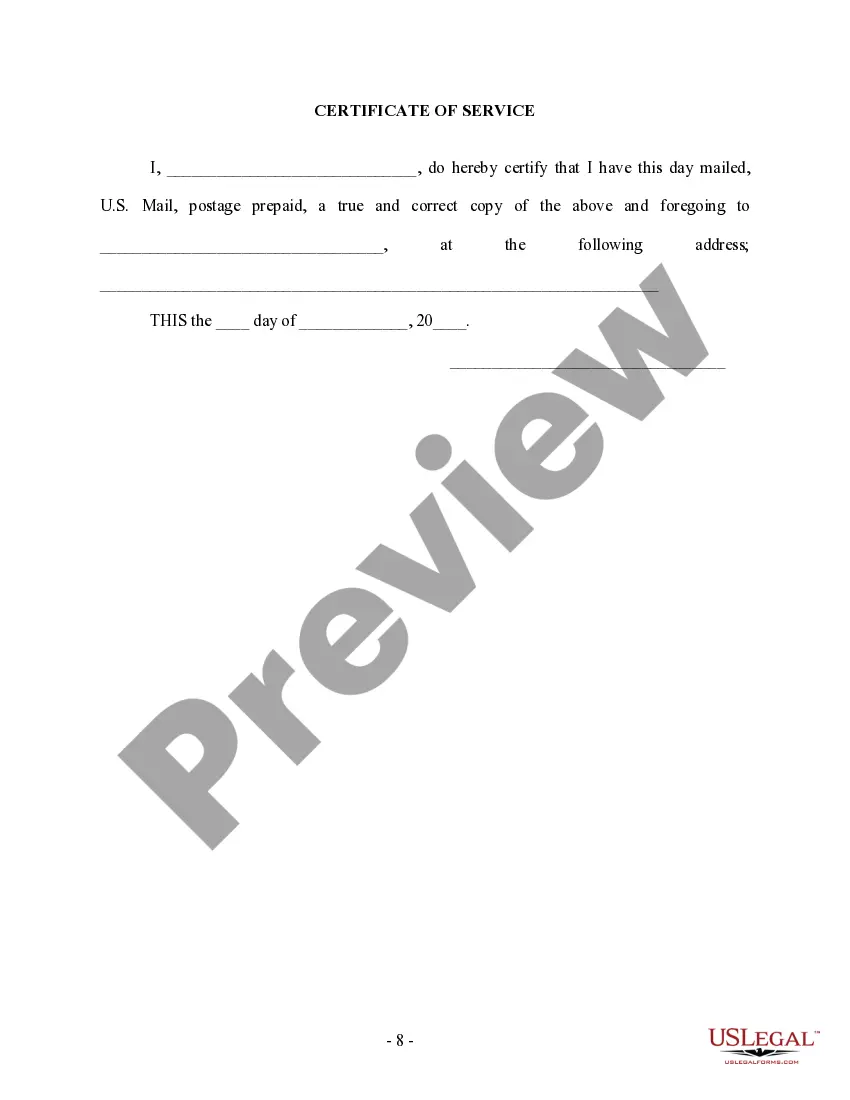
How to fill out First Interrogatories And Requests For Production To The Plaintiff By The Defendant - Personal Injury?
The Complainant Vs Respondent Example you observe on this page is a reusable formal model drafted by expert attorneys in compliance with federal and state statutes and regulations.
For over 25 years, US Legal Forms has supplied individuals, enterprises, and legal practitioners with more than 85,000 validated, state-specific documents for any commercial and personal circumstance. It’s the most rapid, straightforward, and dependable method to acquire the forms you require, as the service ensures bank-level data security and anti-malware safeguards.
Subscribe to US Legal Forms to have validated legal templates for all of life’s scenarios at your fingertips.
- Examine the document you require and evaluate it.
- Search through the example you looked for and preview it or verify the form details to ensure it meets your requirements. If it doesn’t, utilize the search function to locate the suitable one. Click Buy Now once you’ve discovered the template you need.
- Choose a subscription and sign in.
- Select the pricing plan that works for you and establish an account. Use PayPal or a credit card to process a swift payment. If you already possess an account, Log In and verify your subscription to continue.
- Obtain the editable template.
- Select the format you desire for your Complainant Vs Respondent Example (PDF, Word, RTF) and download the sample to your device.
- Finalize and sign the document.
- Print the template to complete it manually. Alternatively, utilize an online versatile PDF editor to promptly and accurately fill out and sign your form with a legally-binding electronic signature.
- Re-download your paperwork.
- Utilize the same document again whenever required. Access the My documents tab in your profile to redownload any previously obtained forms.
Form popularity
FAQ
In any lawsuit, the plaintiff is the party that initiates the case, while the defendant is the one being accused or sued. This distinction is fundamental for anyone involved in legal matters. Familiarizing yourself with the plaintiff vs defendant example can simplify your understanding of various legal situations. Resources from US Legal Forms can prove helpful in clarifying these roles.
Examples of plaintiffs include individuals, organizations, or government entities filing lawsuits for various grievances, such as personal injury, breach of contract, or property damage. Each plaintiff brings their case forward based on specific incidents they deem unjust. Learning about different plaintiffs through a plaintiff vs defendant example can broaden your understanding of legal processes. Platforms like US Legal Forms can help you find relevant resources.
The main difference lies in their roles in a legal dispute. The plaintiff seeks a legal remedy by alleging harm, while the defendant responds to those allegations, defending against the claims made. This distinction is crucial in understanding the plaintiff vs defendant example. A solid grasp of these roles enhances your understanding of civil and criminal cases.
Identification of the plaintiff and defendant usually occurs within legal documents, such as the complaint filed by the plaintiff. In these documents, the plaintiff explicitly states their claims, while the defendant is listed as the party being accused. Recognizing these distinctions through a plaintiff vs defendant example is essential for anyone navigating legal situations. Consulting resources on platforms like US Legal Forms can clarify these roles.
The plaintiff is the individual or entity that brings a lawsuit against another party. This party claims that they have suffered harm and seeks legal remedy. By identifying the plaintiff in a plaintiff vs defendant example, you can better understand the legal process and the context of the case. Ensuring clear identification of roles aids in grasping legal scenarios.
Typically, the defendant is the party being accused or sued in a legal case. They respond to the claims made by the plaintiff. In a plaintiff vs defendant example, the defendant is identified based on who is allegedly responsible for the plaintiff's grievance. Familiarizing yourself with these roles can help clarify legal discussions.
Not necessarily. In legal terms, the plaintiff initiates the lawsuit, which may involve seeking justice for an event that caused harm. While plaintiffs often feel victimized, the role is defined by their action in bringing a case forward. Understanding the dynamics of a plaintiff vs defendant example can clarify this distinction.
An example of a plaintiff vs defendant scenario might involve a tenant suing a landlord for failing to make necessary repairs. In this case, the tenant is the plaintiff who takes legal action, while the landlord is the defendant who must respond to the allegations. Such real-life examples help illustrate the dynamic between the two parties. Utilizing resources like USLegalForms can assist in understanding and navigating these situations more effectively.
A plaintiff example could be a person who files a lawsuit against a company for breach of contract. This individual seeks legal remedy for a grievance they believe was caused by the company's actions. The plaintiff initiates the case by bringing the issue to court and asserting their claims. Recognizing the role of the plaintiff helps demystify legal processes.
An example of a defendant could be someone accused of causing a car accident. In this scenario, the driver who is sued by the injured party becomes the defendant. The defendant's role is to defend against the allegations and present their side of the story. Understanding this helps clarify the dynamic in any legal situation, especially in a plaintiff vs defendant example.