Final Judgment For Eviction Florida
Description
Get your form ready online
Our built-in tools help you complete, sign, share, and store your documents in one place.
Make edits, fill in missing information, and update formatting in US Legal Forms—just like you would in MS Word.
Download a copy, print it, send it by email, or mail it via USPS—whatever works best for your next step.
Sign and collect signatures with our SignNow integration. Send to multiple recipients, set reminders, and more. Go Premium to unlock E-Sign.
If this form requires notarization, complete it online through a secure video call—no need to meet a notary in person or wait for an appointment.
We protect your documents and personal data by following strict security and privacy standards.

Make edits, fill in missing information, and update formatting in US Legal Forms—just like you would in MS Word.

Download a copy, print it, send it by email, or mail it via USPS—whatever works best for your next step.

Sign and collect signatures with our SignNow integration. Send to multiple recipients, set reminders, and more. Go Premium to unlock E-Sign.

If this form requires notarization, complete it online through a secure video call—no need to meet a notary in person or wait for an appointment.

We protect your documents and personal data by following strict security and privacy standards.
Looking for another form?
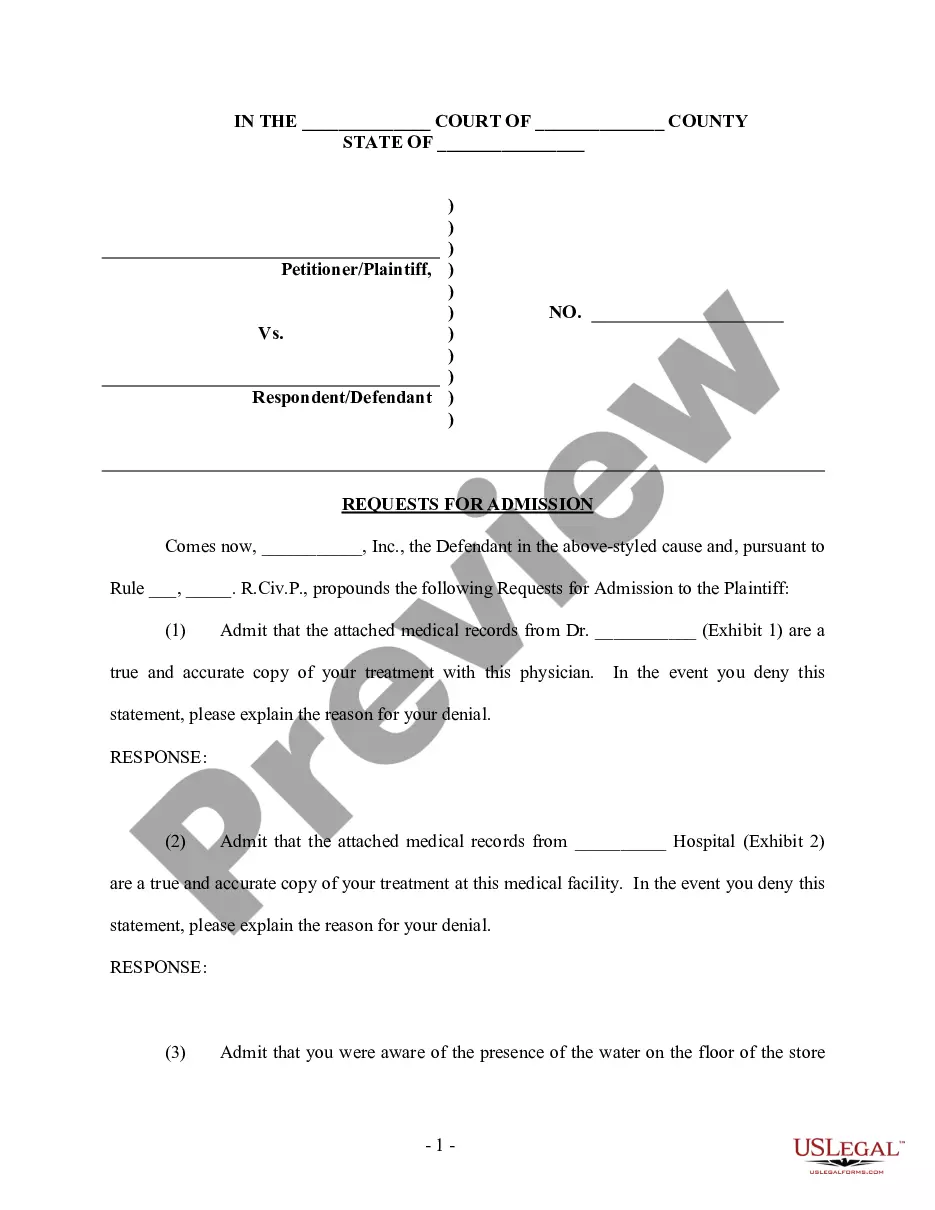
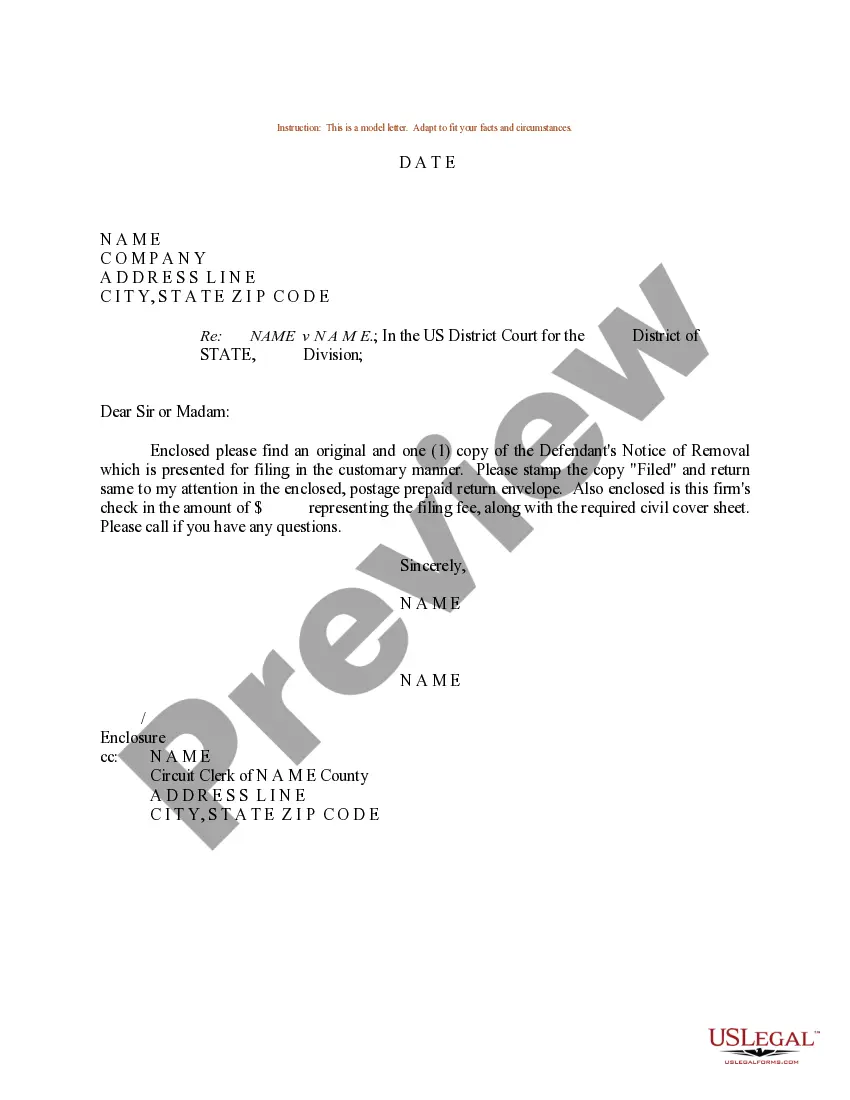
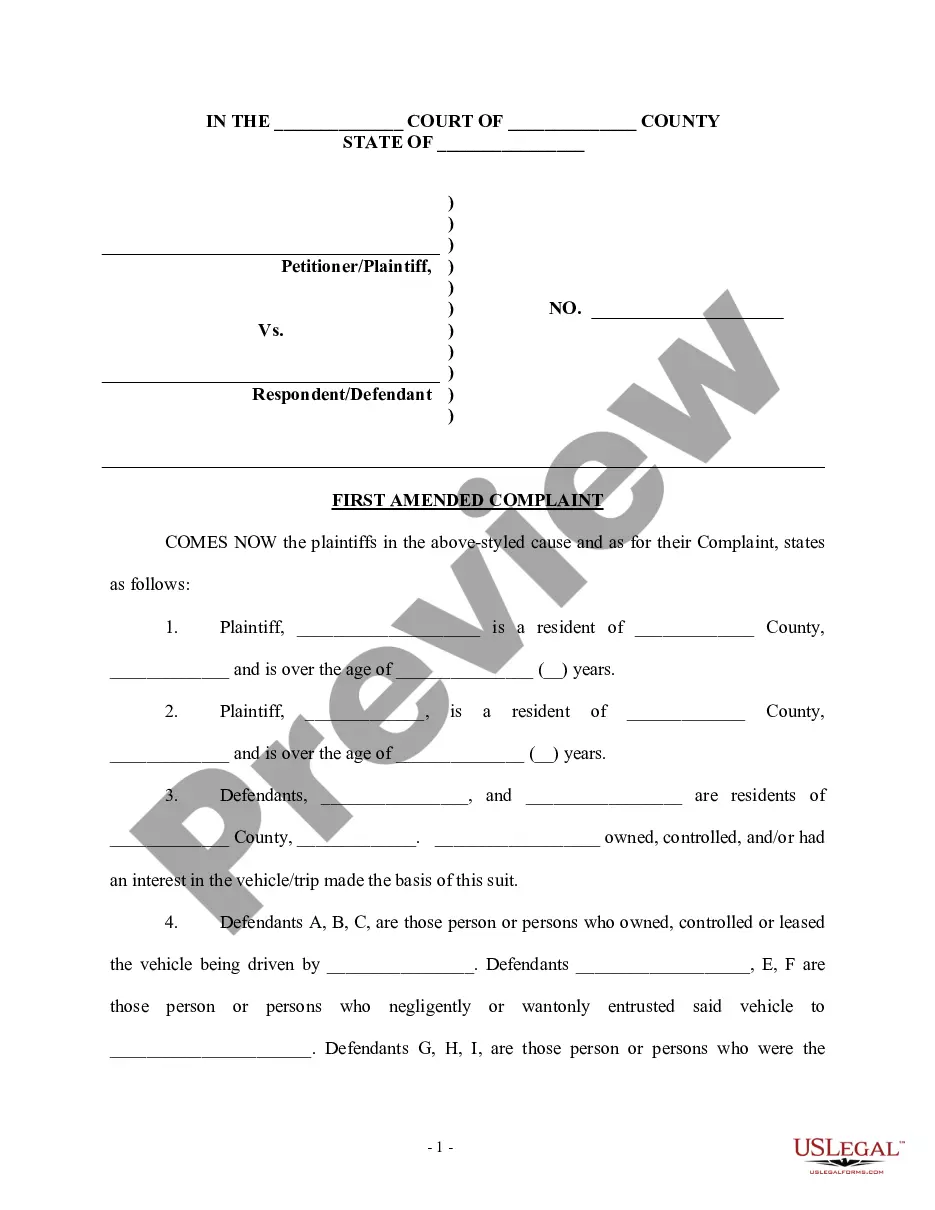
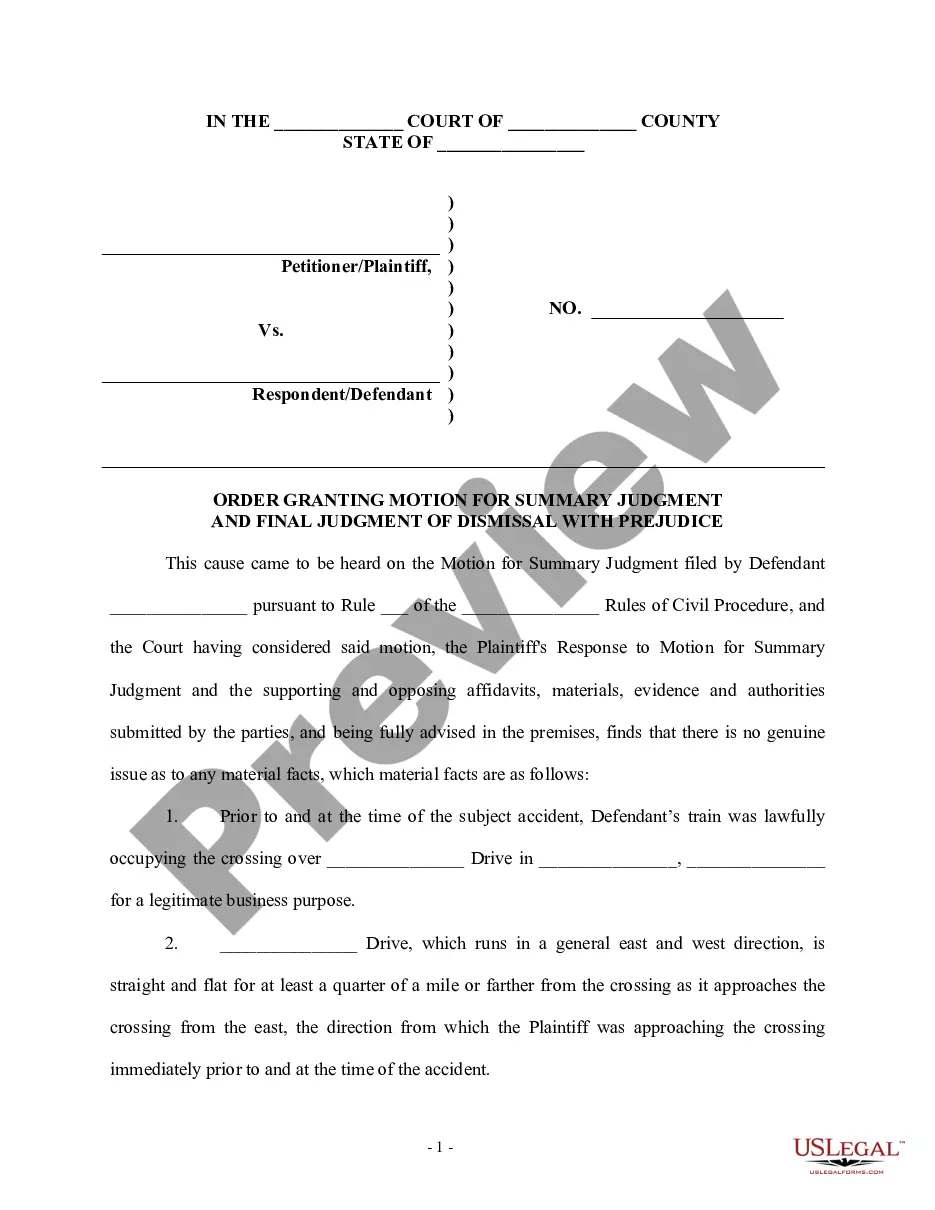
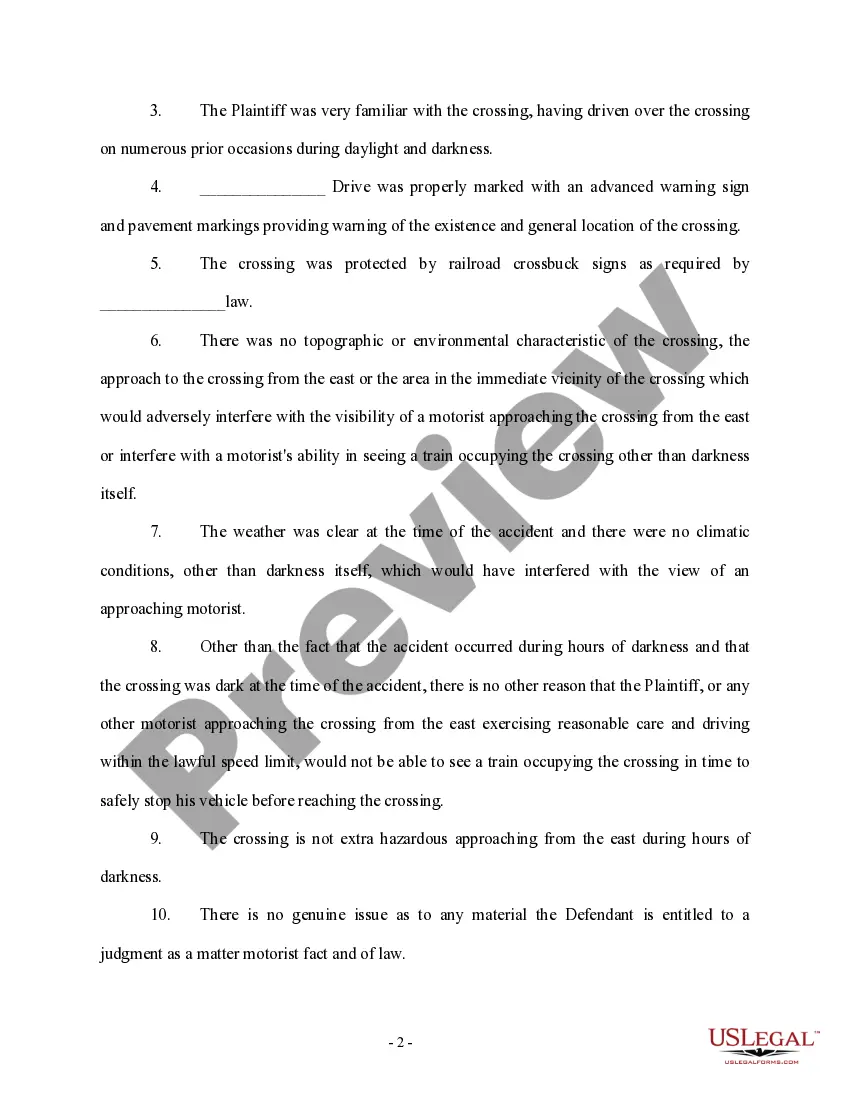
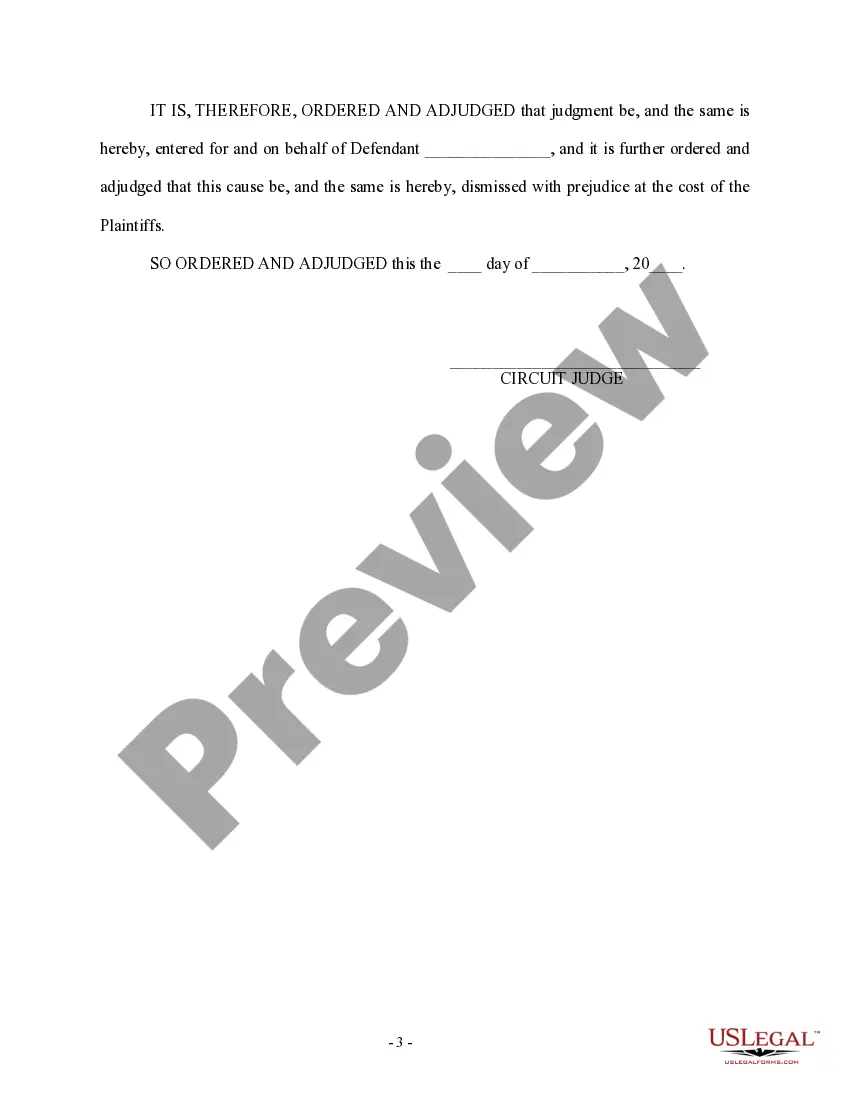
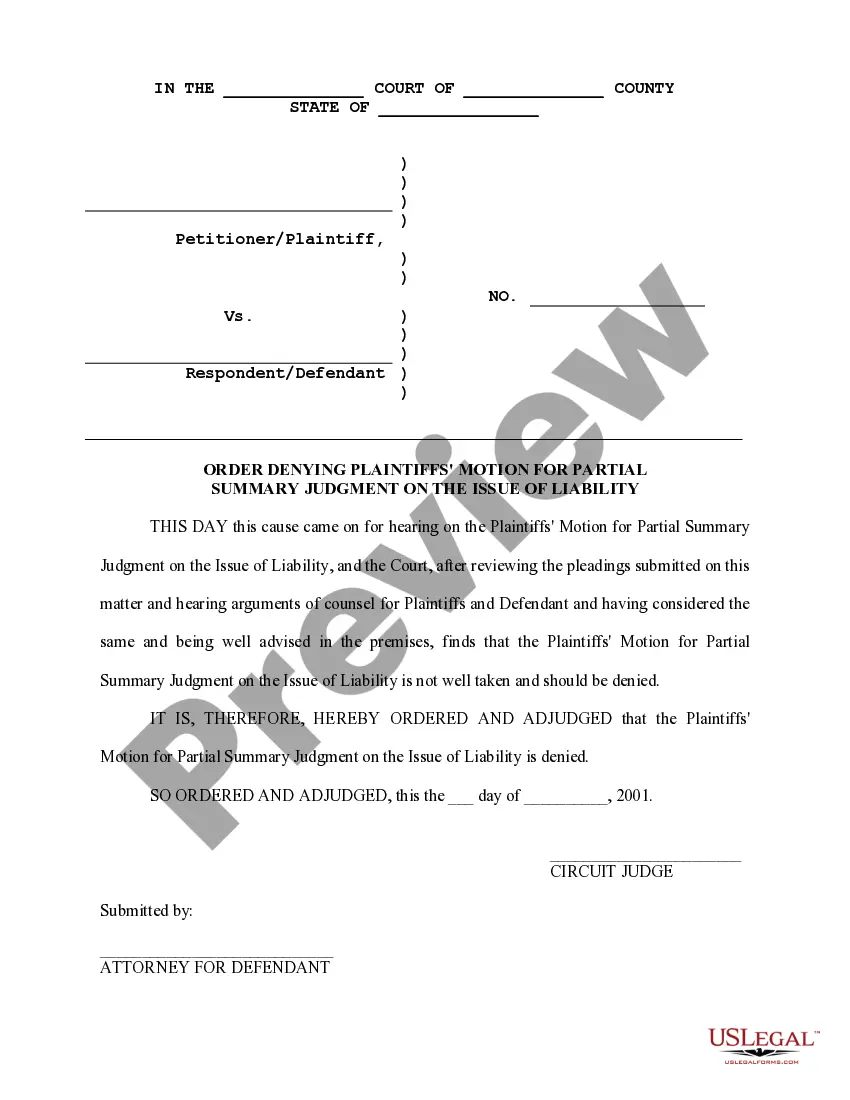
How to fill out Order Granting Motion For Summary Judgment And Final Judgment Of Dismissal With Prejudice?
The Ultimate Ruling for Removal Florida you find on this site is a reusable legal framework created by expert attorneys in accordance with national and regional regulations.
For over 25 years, US Legal Forms has delivered clients, businesses, and lawyers with over 85,000 verified, state-specific forms for any commercial and personal situation. It’s the fastest, easiest, and most dependable method to acquire the documentation you require, as the service assures bank-level data protection and anti-virus safety.
Complete and sign the documents. Print the template to fill it out manually. Alternatively, use an online versatile PDF editor to quickly and accurately fill out and sign your form with a legally-binding electronic signature. Download your documents again. Use the same file again whenever necessary. Access the My documents section in your profile to redownload any forms previously saved. Subscribe to US Legal Forms for reliable legal templates for every situation in life.
- Search for the document you require and verify it.
- Browse the file you searched and preview it or examine the form description to ensure it meets your needs. If it doesn't, use the search bar to find the appropriate one. Click Buy Now when you have located the template you need.
- Register and Log In to your account.
- Choose a pricing plan that fits you and create an account. Use PayPal or a credit card for a swift transaction. If you already possess an account, Log In and review your subscription to proceed.
- Acquire the editable template.
- Select the format you prefer for your Final Judgment For Eviction Florida (PDF, DOCX, RTF) and save the example on your device.
Form popularity
FAQ
To remove a final judgment for eviction in Florida, you can file a motion to vacate the judgment. This process requires you to demonstrate valid reasons, such as improper service or newly discovered evidence. Once you file the motion, a hearing will take place, giving you a chance to present your case. For accurate guidance and documentation, consider using US Legal Forms, which offers resources and templates tailored to help you navigate this process effectively.
After a default judgment for eviction is issued in Florida, the landlord may proceed to enforce the judgment. This often includes obtaining a writ of possession, which authorizes the sheriff to remove the tenant from the property. Tenants still have options to contest the eviction, but these must be pursued promptly. To explore your rights and options, US Legal Forms can provide useful resources and guidance.
Yes, a final judgment for eviction in Florida can potentially be reversed. If a tenant believes they have valid grounds, they may file a motion to vacate the judgment within a specified timeframe. It is important to understand the reasons for the judgment and to act quickly. For more assistance, you might consider using US Legal Forms to navigate this process effectively.
Enforcing a final judgment for eviction in Florida involves obtaining a writ of possession from the court. This writ authorizes law enforcement to remove the tenant from the property if they do not vacate voluntarily. Properly following the enforcement process is vital for landlords to legally reclaim their properties. Utilizing resources from US Legal Forms can help ensure compliance with all legal procedures.
To avoid paying a judgment in Florida, you may file a motion to contest the judgment within the designated time frame. This motion can challenge the findings of the court or seek a reconsideration based on new evidence. Understanding the legal grounds for contesting a judgment is crucial. Engaging with professionals or platforms like US Legal Forms can empower you with the necessary tools.
After a final judgment of eviction is issued, the landlord can proceed to enforce it. This typically involves scheduling a lockout with local authorities to remove the tenant from the property. It's essential for tenants to understand their rights during this phase, as there may be options available to address the situation. Consulting legal resources can provide clarity and assistance.
To settle an eviction judgment in Florida, you can negotiate with the landlord to reach an agreement. It often involves determining a repayment plan or other arrangements that work for both parties. Settling the judgment can prevent further legal action and provide peace of mind. Utilizing a platform like US Legal Forms can help you draft the necessary settlement documents.
A default final judgment of eviction occurs when a tenant fails to respond to an eviction lawsuit. In such cases, the court may award a final judgment for eviction Florida in favor of the landlord without a hearing. This judgment provides the landlord legal grounds to remove the tenant. Tenants should respond promptly to avoid default judgments.
In Florida, a final judgment for eviction can generally be enforced for up to 20 years. This means that landlords have the right to pursue collection actions during this period. It is important for both landlords and tenants to understand this timeline, as it impacts the enforcement of the judgment. If you are facing a judgment, consider seeking guidance on your options.
The final judgment process for eviction in Florida begins after a landlord files an eviction lawsuit. After a court hearing, if the judge rules in favor of the landlord, a final judgment for eviction Florida is issued. This judgment allows the landlord to legally remove the tenant from the property. Knowing how this process unfolds can help tenants prepare and respond effectively.