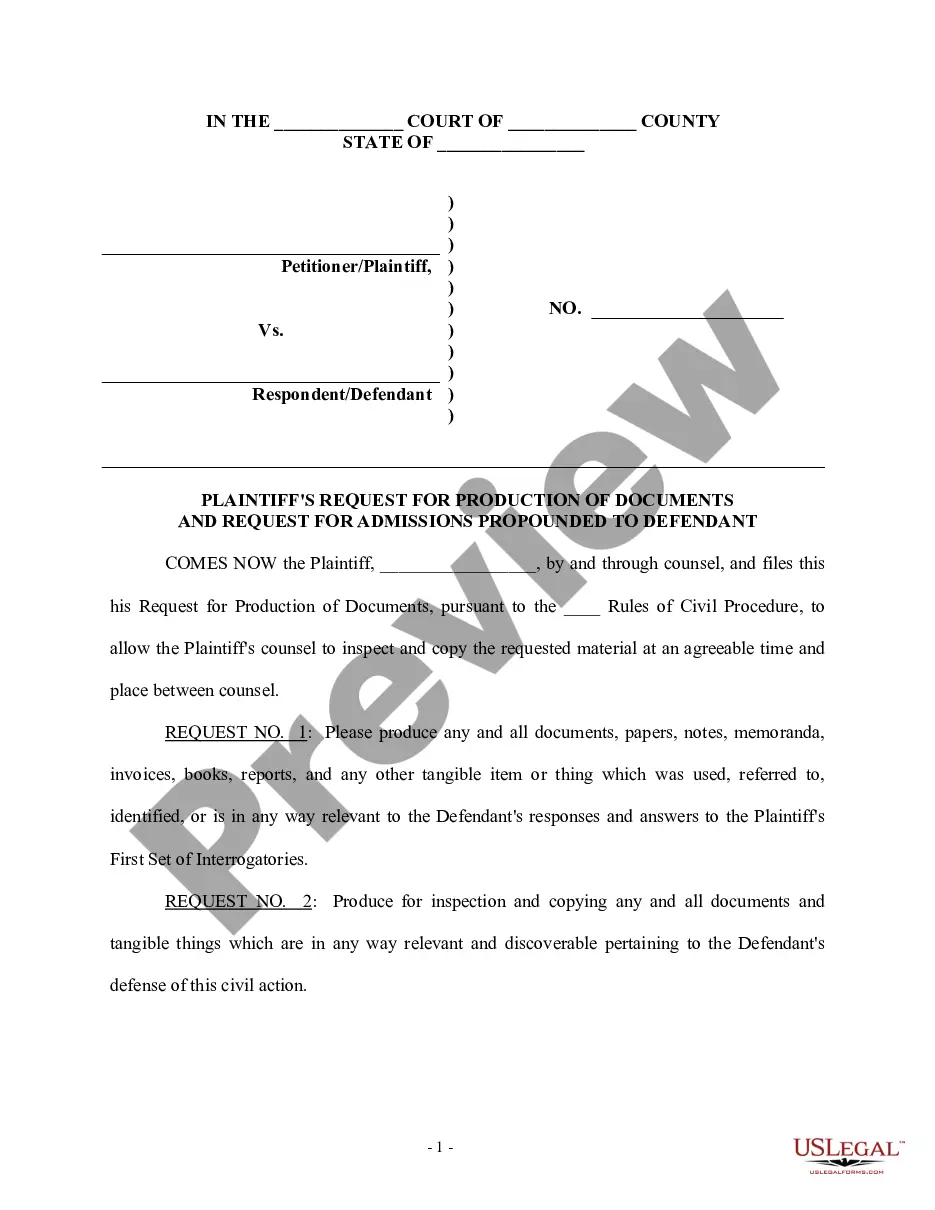
Wrongful Termination Without Warning
Description
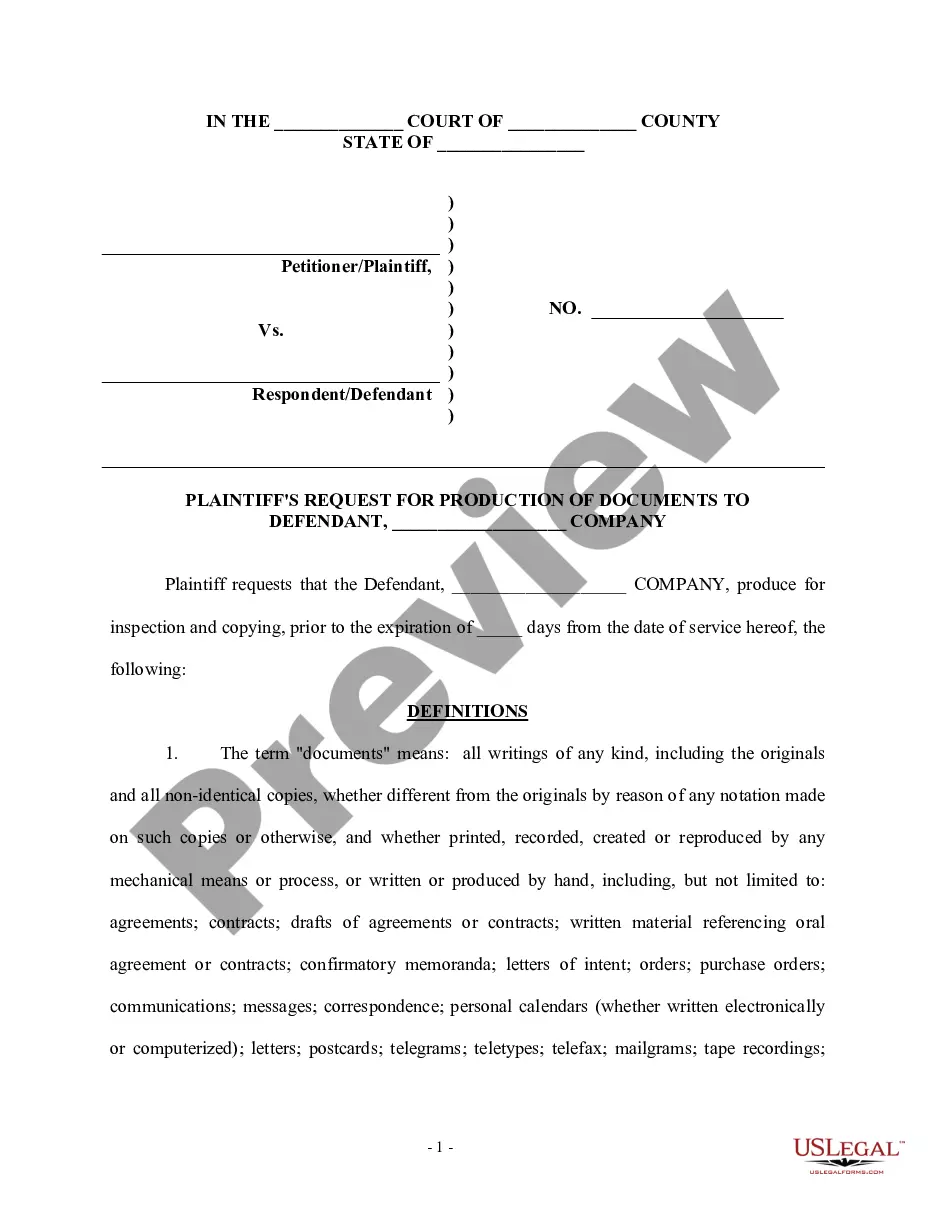
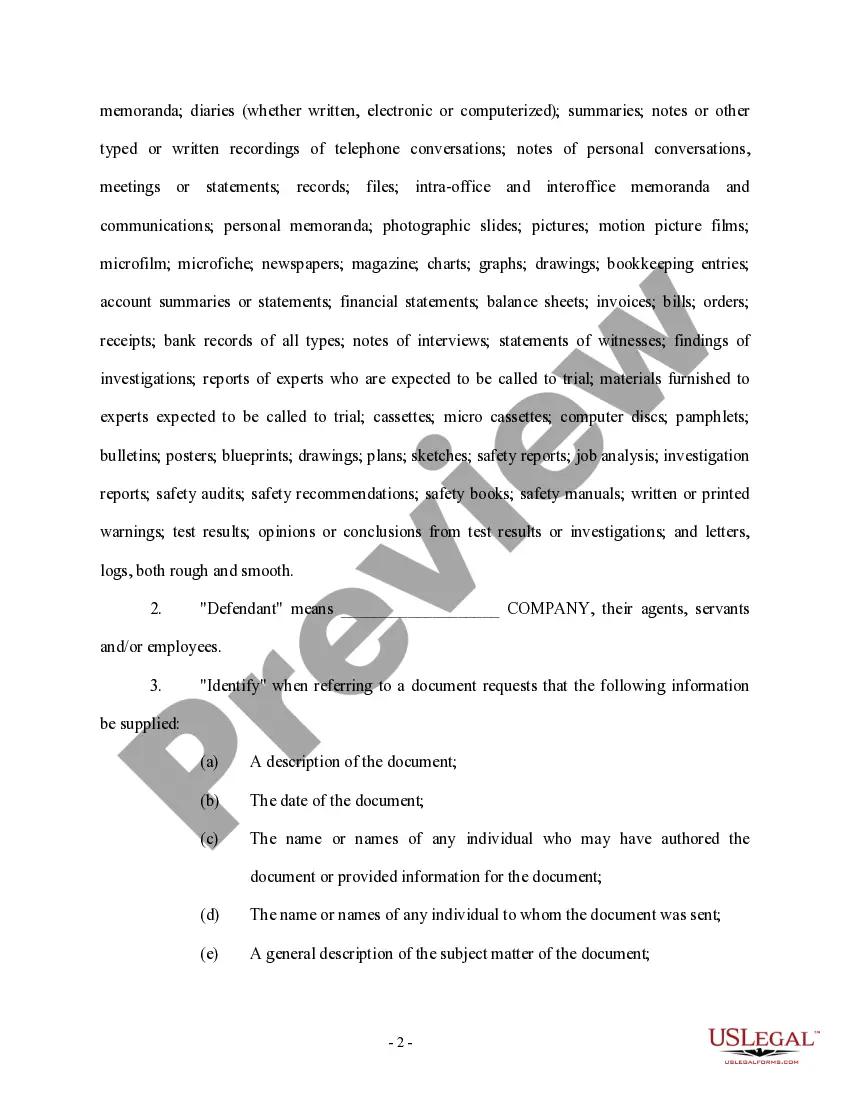
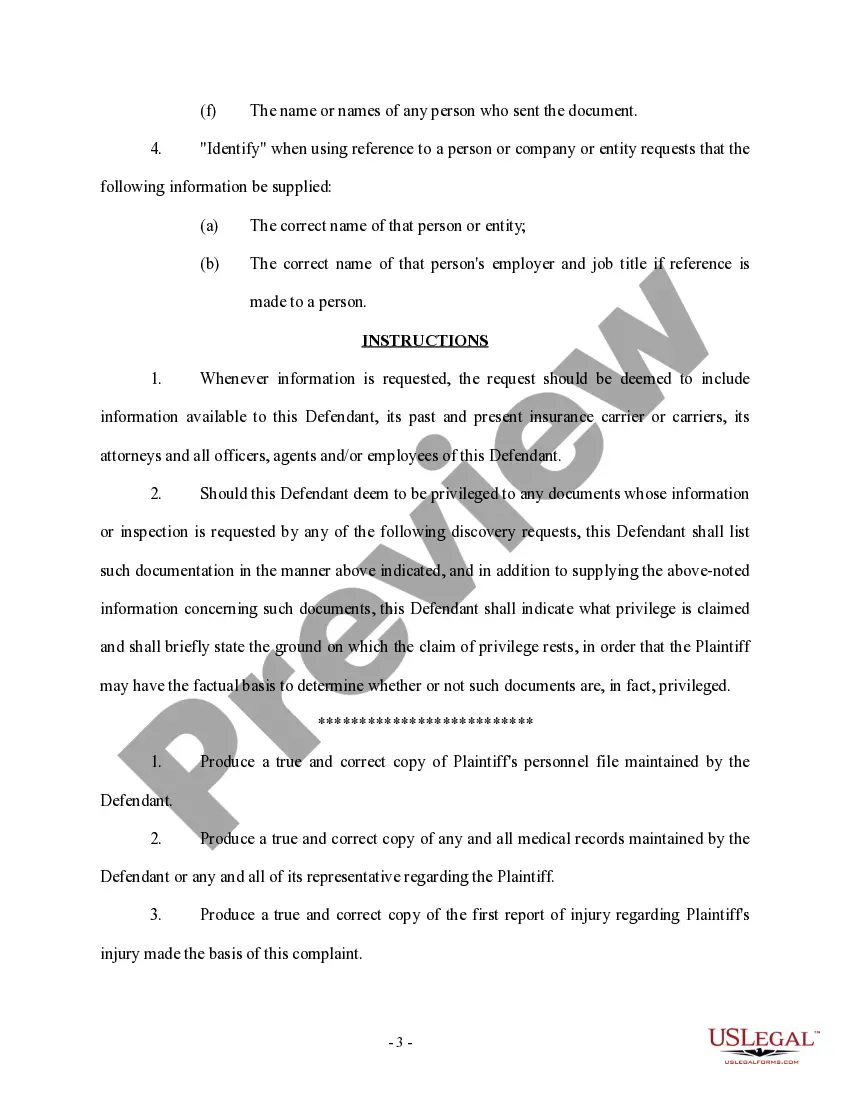
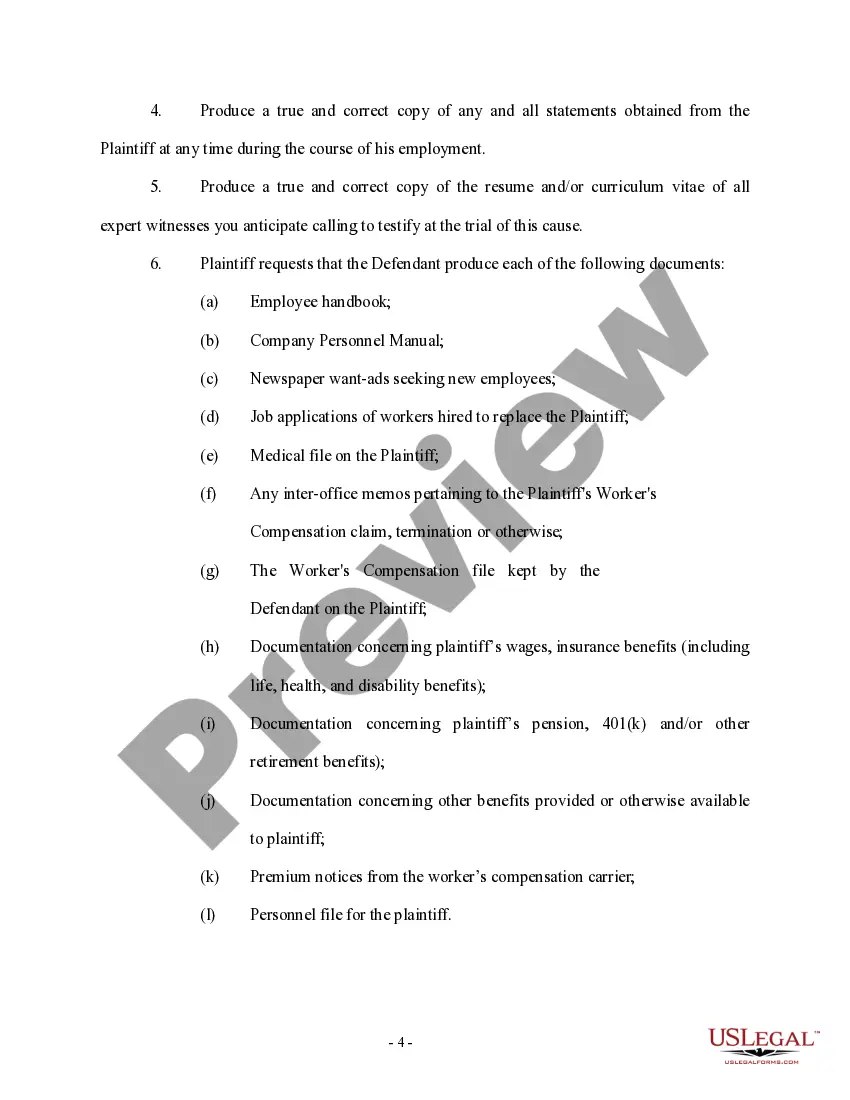
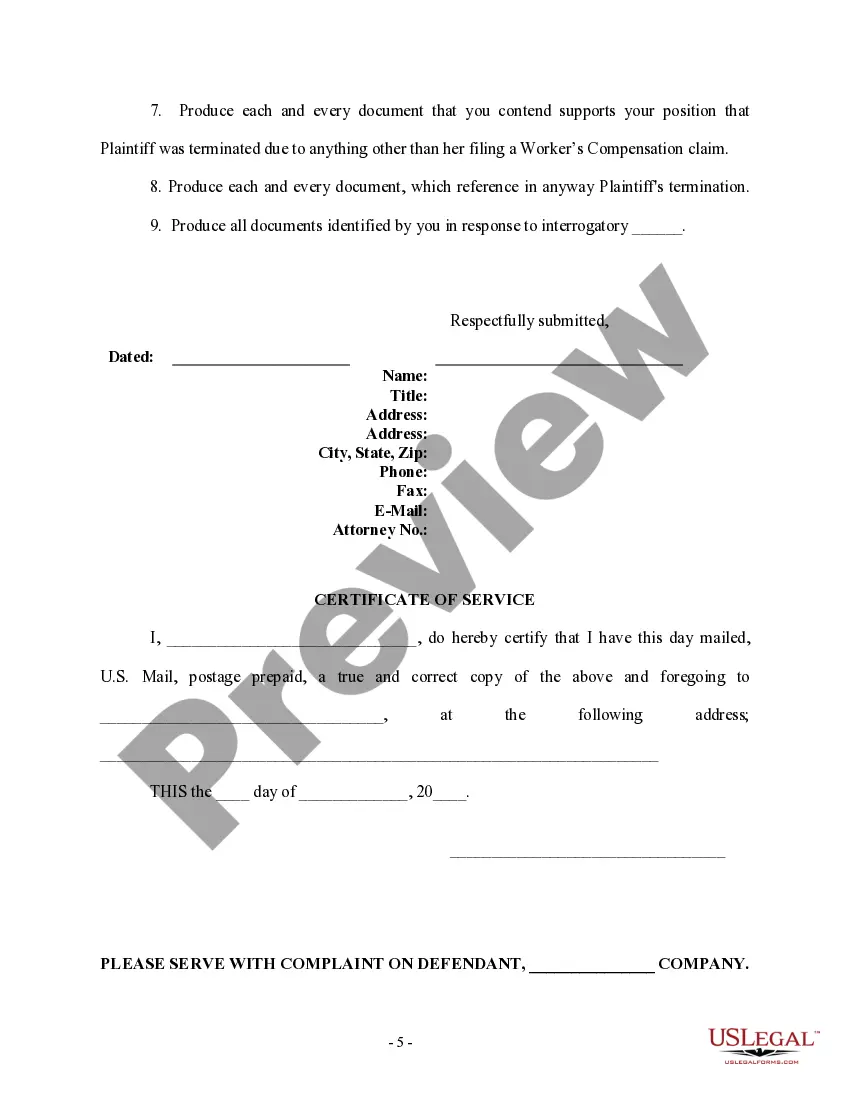
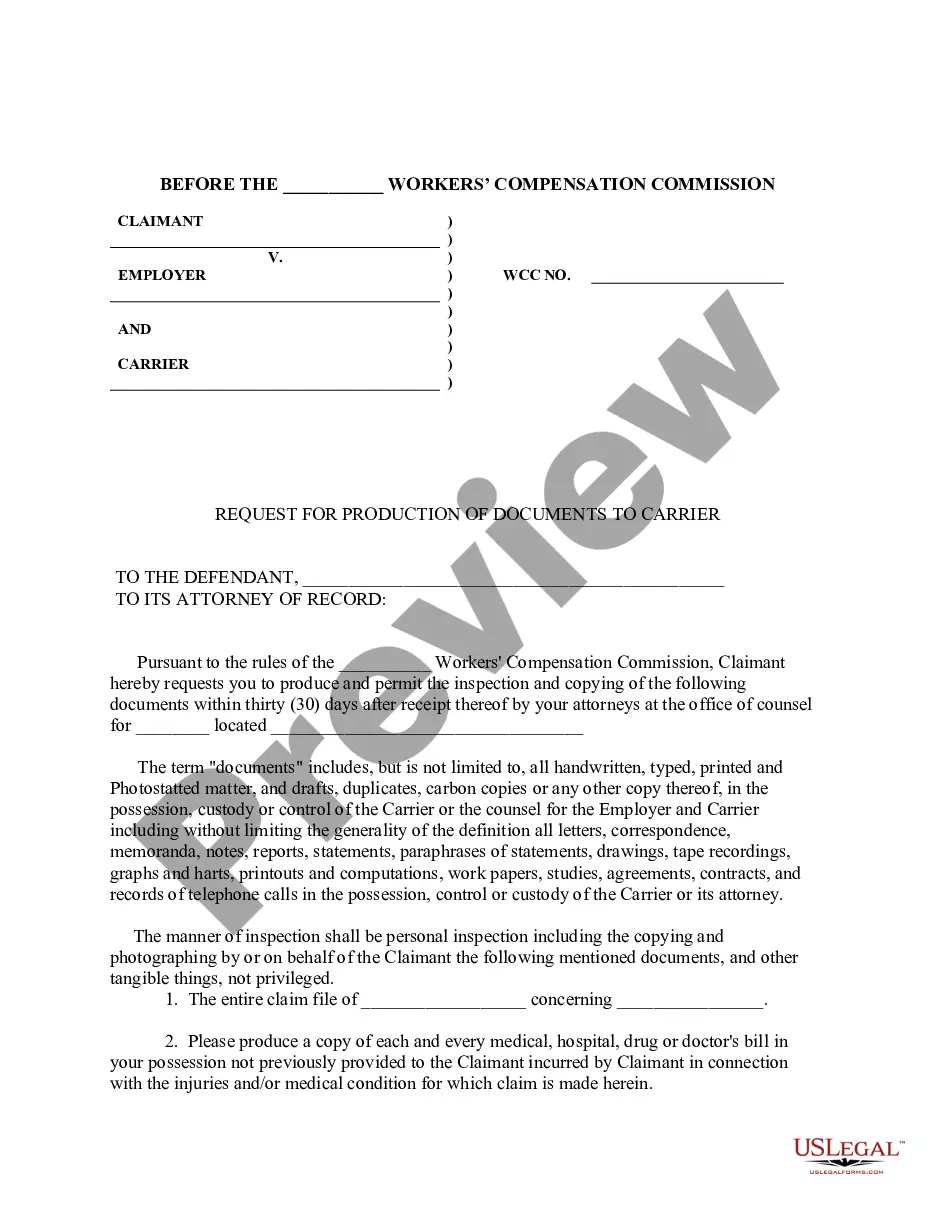
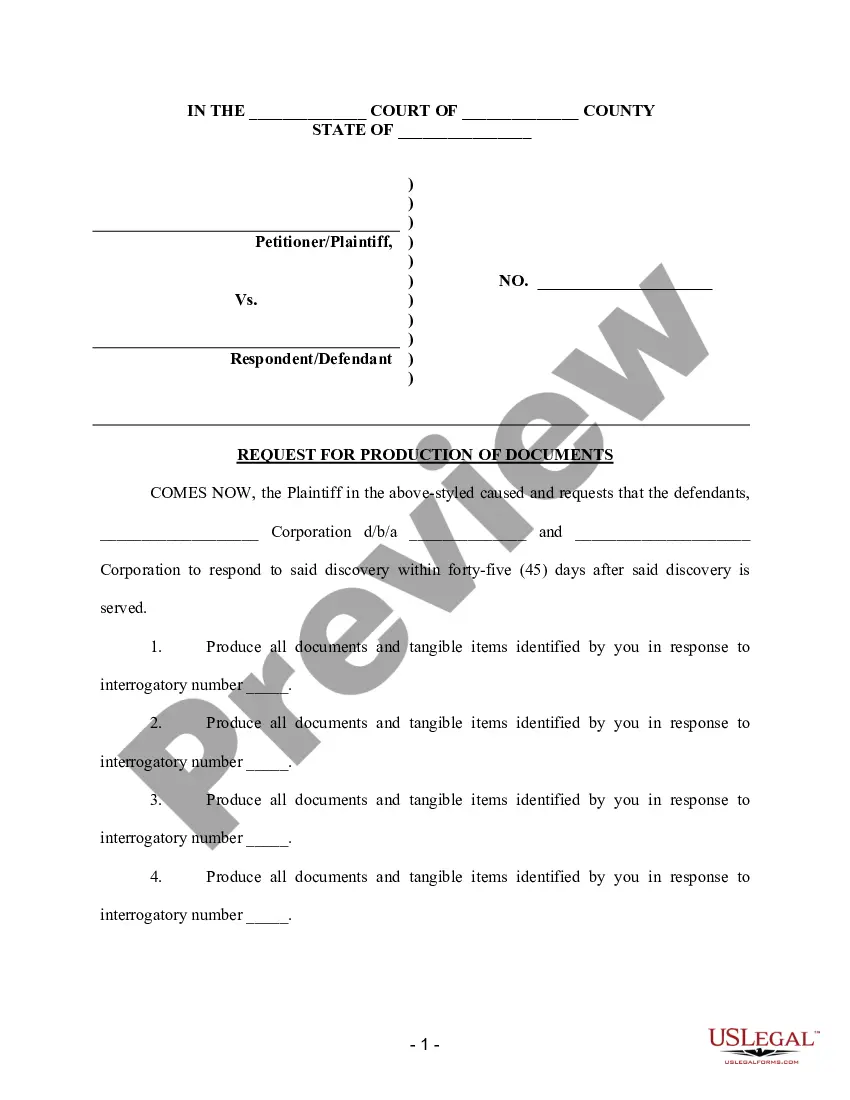
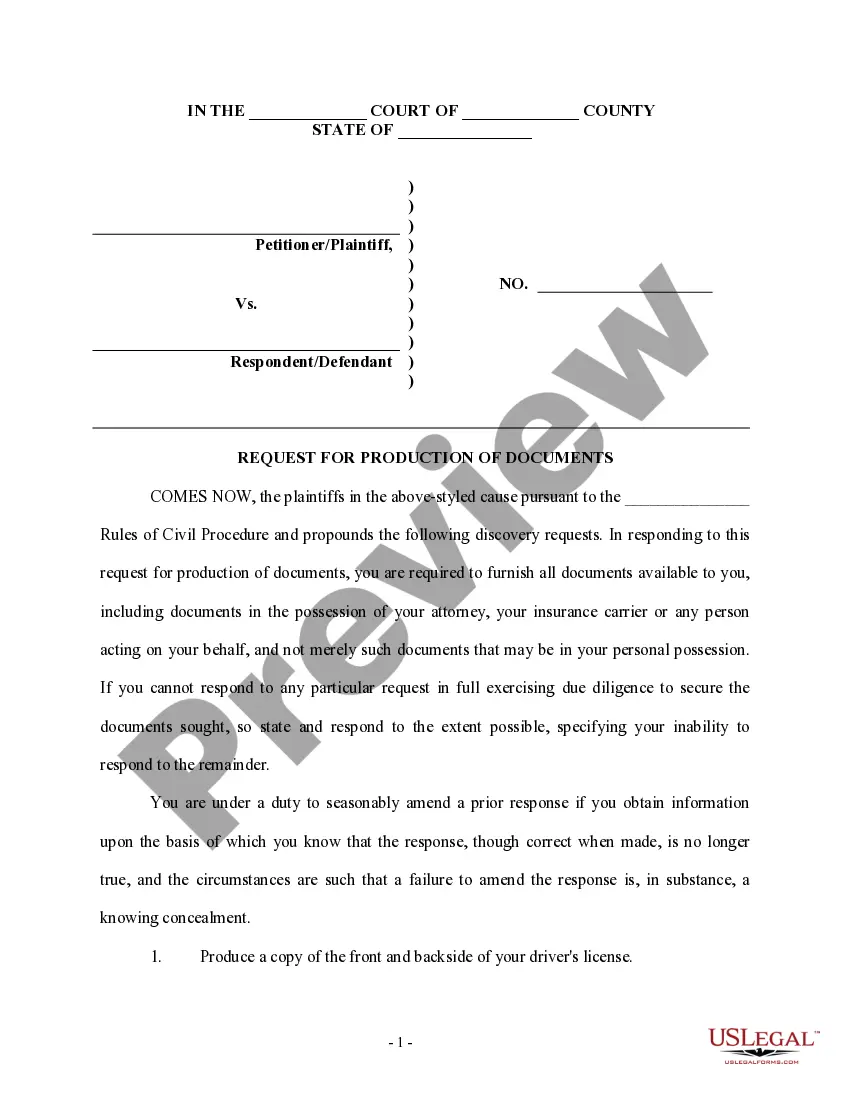
Get your form ready online
Our built-in tools help you complete, sign, share, and store your documents in one place.
Make edits, fill in missing information, and update formatting in US Legal Forms—just like you would in MS Word.
Download a copy, print it, send it by email, or mail it via USPS—whatever works best for your next step.
Sign and collect signatures with our SignNow integration. Send to multiple recipients, set reminders, and more. Go Premium to unlock E-Sign.
If this form requires notarization, complete it online through a secure video call—no need to meet a notary in person or wait for an appointment.
We protect your documents and personal data by following strict security and privacy standards.

Make edits, fill in missing information, and update formatting in US Legal Forms—just like you would in MS Word.

Download a copy, print it, send it by email, or mail it via USPS—whatever works best for your next step.

Sign and collect signatures with our SignNow integration. Send to multiple recipients, set reminders, and more. Go Premium to unlock E-Sign.

If this form requires notarization, complete it online through a secure video call—no need to meet a notary in person or wait for an appointment.

We protect your documents and personal data by following strict security and privacy standards.
Looking for another form?

How to fill out Request For Production Of Documents - Worker's Compensation - Wrongful Termination?
Whether for professional reasons or personal issues, everyone eventually must confront legal circumstances at some point in their life.
Filling out legal documents requires meticulous care, starting with selecting the correct form template.
With an extensive US Legal Forms collection available, you do not need to waste time searching for the appropriate template across the internet. Utilize the library’s straightforward navigation to locate the right template for any situation.
- Locate the template you require by using the search bar or browsing the catalog.
- Review the form’s description to confirm it aligns with your case, state, and locality.
- Click on the form’s preview to inspect it.
- If it is the wrong form, return to the search tool to find the Wrongful Termination Without Warning template you need.
- Download the template if it meets your criteria.
- If you have a US Legal Forms account, simply click Log in to access previously saved documents in My documents.
- If you do not have an account yet, you can acquire the form by clicking Buy now.
- Select the suitable pricing option.
- Fill out the profile registration form.
- Choose your payment method: a credit card or PayPal account.
- Select the document format you desire and download the Wrongful Termination Without Warning.
- After downloading, you can complete the form using editing software or print it out and fill it in by hand.
Form popularity
FAQ
An example of wrongful termination occurs when an employee is fired for whistleblowing or reporting unsafe working conditions. Such actions are protected by law, and terminating someone for these reasons could lead to serious legal repercussions for the employer. If you face wrongful termination without warning, legal experts can help you navigate your rights.
An example of unfair termination might be firing an employee after they have requested accommodations for a disability. This practice violates the Americans with Disabilities Act (ADA). Recognizing such unfair treatment is essential, especially in situations involving wrongful termination without warning.
A termination is considered wrongful when it violates federal or state employment laws, includes retaliation for reporting illegal activities, or occurs without just cause. If an employee is terminated for a reason inconsistent with company policy, this can also lead to claims of wrongful termination without warning. Awareness of these factors is essential for employees.
The odds of winning a wrongful termination suit depend on the specifics of your case and the evidence you have. Many factors, such as the employer's policies and state laws, play a crucial role. It’s recommended to consult with an attorney experienced in wrongful termination without warning to better understand your chances.
To fight unfair termination, first gather all relevant documentation, including performance reviews and communications. Then, consider reaching out to a legal expert who specializes in employment law, as they can guide you through the process. With the right support, you can pursue claims related to wrongful termination without warning.
Unfair grounds of termination include discrimination based on race, gender, age, or disability. Additionally, firing someone for taking leave under the Family and Medical Leave Act (FMLA) can also be deemed unfair. Recognizing these unfair practices is crucial, as they can lead to claims of wrongful termination without warning.
While some employers may terminate employees without prior notice, this practice is not necessarily normal or acceptable. Many companies have policies that encourage communication and fair notice prior to termination. If you find yourself facing wrongful termination without warning, it’s essential to understand your rights.
Reasonable causes for termination often include poor work performance, violation of company policies, or misconduct. Employers can also terminate an employee to restructure the company or if they no longer fit the organization’s needs. However, terminating an employee for discriminatory reasons or without cause can lead to wrongful termination without warning claims.
Deciding whether a wrongful termination lawsuit is worth pursuing often depends on the specifics of your case. If you experienced wrongful termination without warning, you may have a solid basis for a claim. Evaluating the potential financial compensation against the emotional toll can help you determine your next steps.
While HR can technically fire an employee without proof, doing so can lead to allegations of wrongful termination without warning. Employers are best advised to document any performance issues and follow established procedures to protect themselves from potential lawsuits. Legal support can be invaluable in these cases.