Legal Study
Description

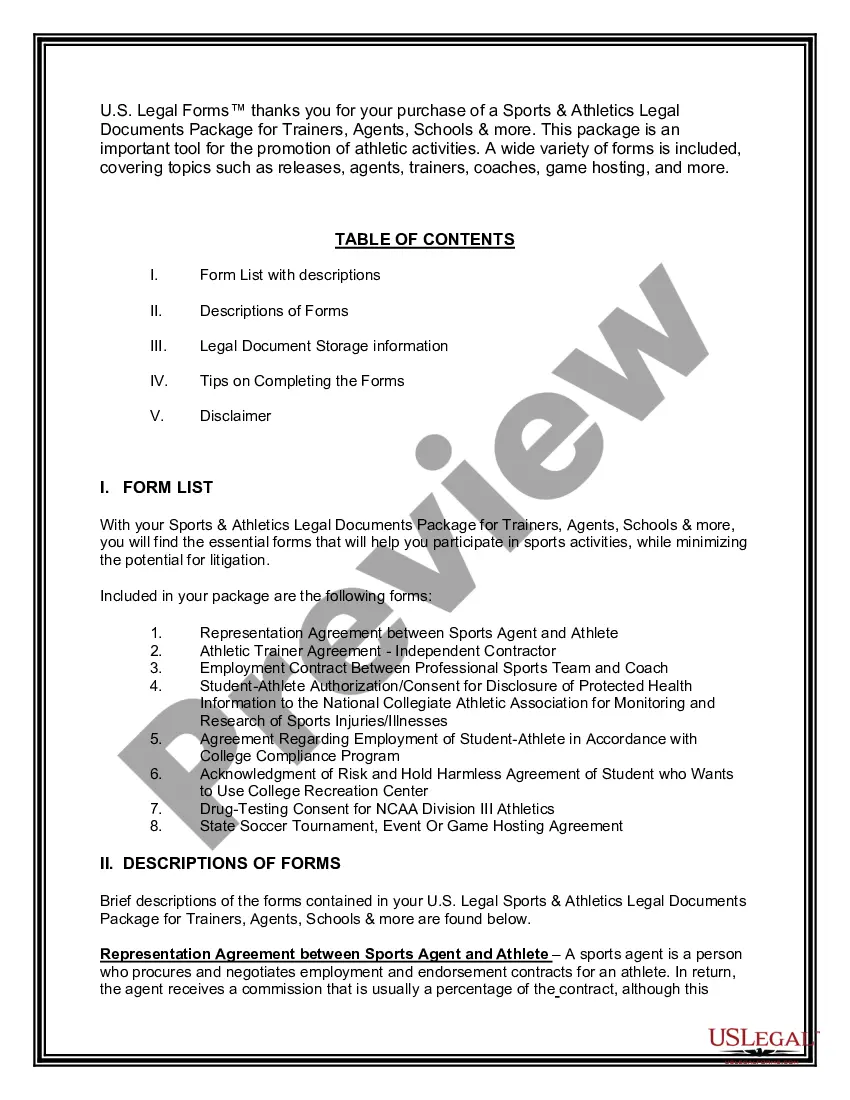
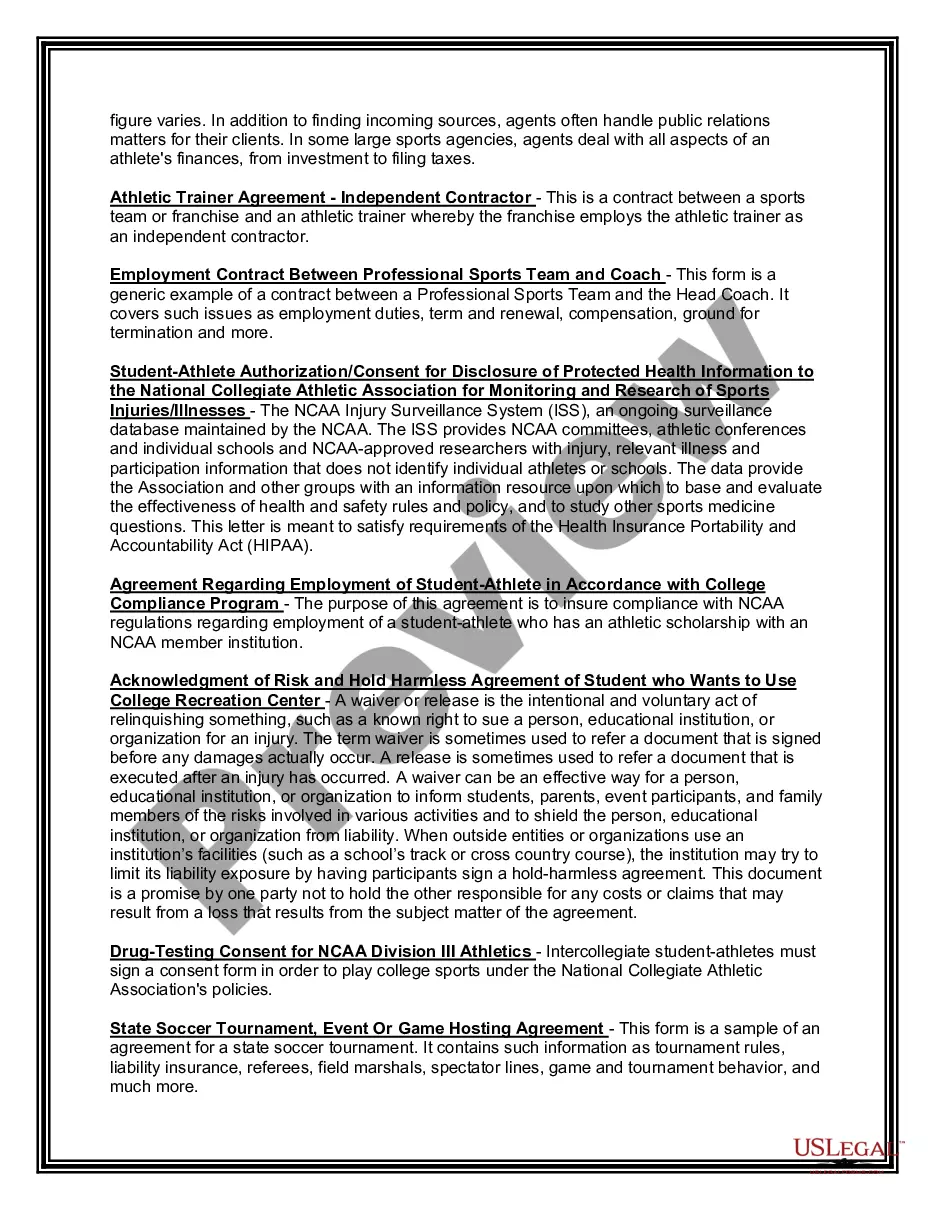
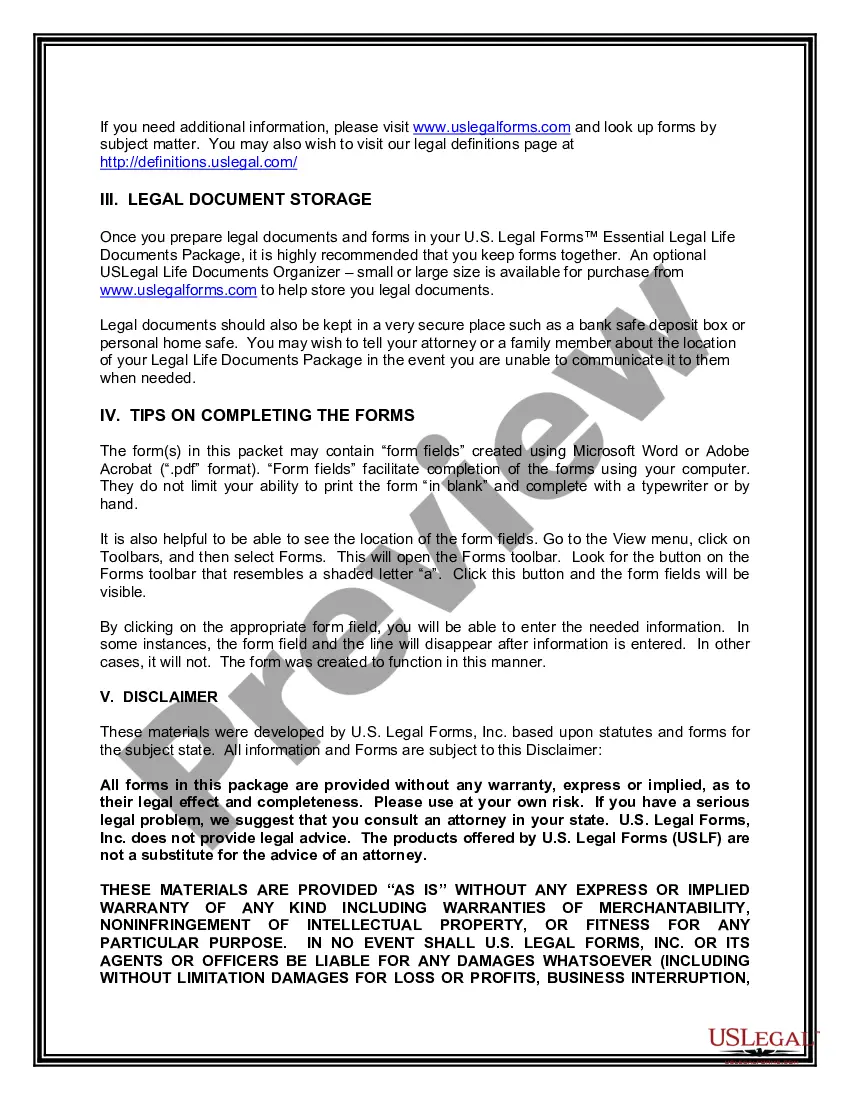

Get your form ready online
Our built-in tools help you complete, sign, share, and store your documents in one place.
Make edits, fill in missing information, and update formatting in US Legal Forms—just like you would in MS Word.
Download a copy, print it, send it by email, or mail it via USPS—whatever works best for your next step.
Sign and collect signatures with our SignNow integration. Send to multiple recipients, set reminders, and more. Go Premium to unlock E-Sign.
If this form requires notarization, complete it online through a secure video call—no need to meet a notary in person or wait for an appointment.
We protect your documents and personal data by following strict security and privacy standards.

Make edits, fill in missing information, and update formatting in US Legal Forms—just like you would in MS Word.

Download a copy, print it, send it by email, or mail it via USPS—whatever works best for your next step.

Sign and collect signatures with our SignNow integration. Send to multiple recipients, set reminders, and more. Go Premium to unlock E-Sign.

If this form requires notarization, complete it online through a secure video call—no need to meet a notary in person or wait for an appointment.

We protect your documents and personal data by following strict security and privacy standards.
Looking for another form?






How to fill out Sports & Athletics Legal Documents Package For Trainers Or Training, Agents, Schools & More?
- If you’re a returning user, log in and download your required form by clicking the Download button. Ensure your subscription is current; renew it as necessary.
- For first-time users, begin by reviewing the available forms in Preview mode. Verify that the selected form aligns with your needs and complies with your local jurisdiction.
- If the form doesn't match your requirements, utilize the Search tab above to locate a more suitable document.
- Once the correct form is found, click the Buy Now button and select a preferred subscription plan. Create an account to access the library.
- Complete your purchase by entering your payment details, whether via credit card or PayPal.
- Finally, download your completed template to your device, ensuring easy access anytime from the My Forms section.
With US Legal Forms, accessing over 85,000 customizable legal forms empowers you to address your legal needs with confidence and precision.
Start your legal journey today by exploring the comprehensive resources available at US Legal Forms!
Form popularity
FAQ
A checklist in law serves as a structured tool that helps legal professionals ensure compliance with various legal requirements. This checklist can encompass tasks such as filing deadlines, procedural steps, and necessary documentation. By incorporating a checklist into your legal study, you can minimize the risk of errors and keep your research aligned with best practices.
A research checklist is an essential tool that guides researchers in systematically gathering and evaluating information. It usually includes steps like formulating a research question, identifying sources, and maintaining a record of findings. By keeping a research checklist handy, you can ensure a thorough legal study that meets your academic and professional standards.
The legal research checklist is a comprehensive guide that helps you navigate the complexities of legal information gathering. This checklist typically includes tasks like defining your research question, identifying primary and secondary sources, and ensuring your research is current and relevant. Utilizing this checklist will enhance your legal study by making your research process more organized and efficient.
Many students find their second year, often referred to as 2L, to be the hardest year in law school. During this time, students dive deeper into complex subjects and begin to tackle practical legal experiences. It is essential to approach this year with a solid foundation and effective study habits, as it can greatly influence your overall legal study experience.
The six basic steps of legal research provide a structured approach to gathering and analyzing legal information. They include identifying the legal issue, finding relevant statutes, reviewing case law, utilizing secondary sources, synthesizing the information, and citing your sources correctly. Following these steps can streamline your legal study and help you arrive at informed conclusions.
The law review checklist is a vital tool for legal scholars to ensure that they meet all necessary standards before publishing their research. This checklist typically includes criteria such as citation accuracy, adherence to formatting guidelines, and clarity of argumentation. By following this checklist, you enhance the quality of your legal study and increase the likelihood of acceptance in esteemed publications.
Starting law school at 25 is a solid choice for many individuals. You are at an age where you can focus and commit fully to your legal study, setting a strong foundation for your career. Each student's journey is unique, and your previous experiences can only add value to your education. Embrace this opportunity, and you may find that 25 is just the right age to begin.
Yes, pursuing legal study after 30 can be incredibly fulfilling. Many professionals in their 30s and beyond find that their life experiences enhance their understanding of the law. Furthermore, the legal field values maturity and practical knowledge, which can be beneficial for your career. With the right mindset and commitment, law school can open many doors for you, regardless of your age.
There is no strict age limit for law school applications, but applying later than your mid-30s might make the process more challenging. Many applicants find success in their late 20s to early 30s, bringing unique perspectives to their legal study. If you have the passion and determination, you should not hesitate to apply. Consider reaching out to legal schools to understand their policies and acceptance rates.
In some states, such as California, you can take the bar exam without completing traditional law school. Instead, you can engage in a legal study through an apprenticeship program under the supervision of a licensed attorney. This path may require self-discipline and dedication, but it offers a practical approach to gaining legal knowledge. Platforms like US Legal Forms can help you find resources and guidance throughout this process.