Modeling Forms With React
Description
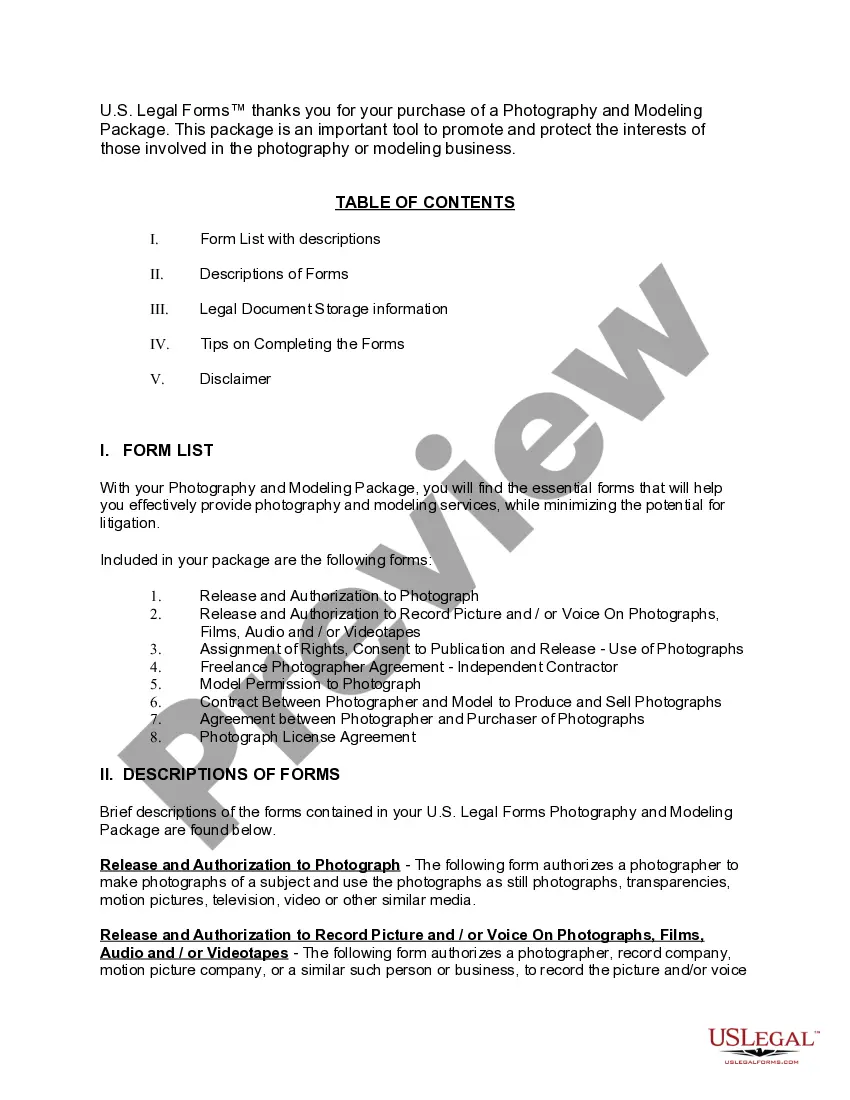
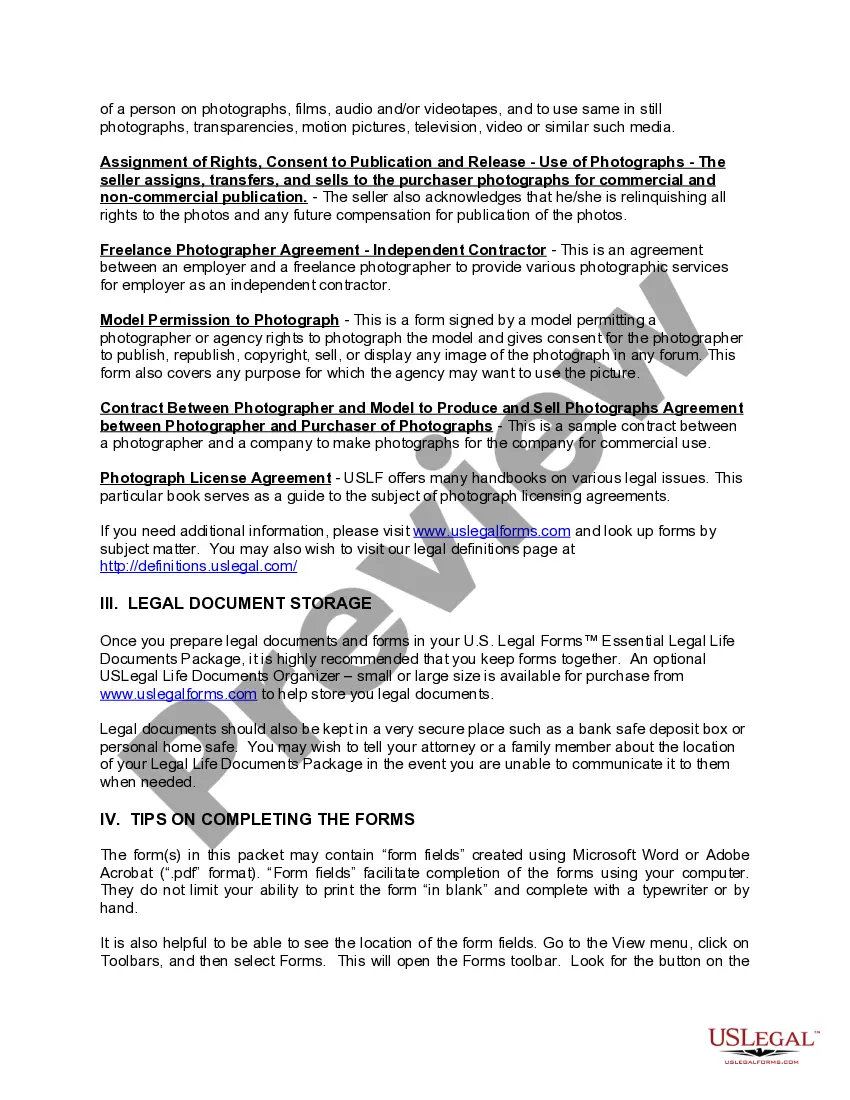
Get your form ready online
Our built-in tools help you complete, sign, share, and store your documents in one place.
Make edits, fill in missing information, and update formatting in US Legal Forms—just like you would in MS Word.
Download a copy, print it, send it by email, or mail it via USPS—whatever works best for your next step.
Sign and collect signatures with our SignNow integration. Send to multiple recipients, set reminders, and more. Go Premium to unlock E-Sign.
If this form requires notarization, complete it online through a secure video call—no need to meet a notary in person or wait for an appointment.
We protect your documents and personal data by following strict security and privacy standards.

Make edits, fill in missing information, and update formatting in US Legal Forms—just like you would in MS Word.

Download a copy, print it, send it by email, or mail it via USPS—whatever works best for your next step.

Sign and collect signatures with our SignNow integration. Send to multiple recipients, set reminders, and more. Go Premium to unlock E-Sign.

If this form requires notarization, complete it online through a secure video call—no need to meet a notary in person or wait for an appointment.

We protect your documents and personal data by following strict security and privacy standards.
Looking for another form?
How to fill out Photography And Modeling Package?
It’s clear that you cannot become a legal specialist instantly, nor can you learn to swiftly create Modeling Forms With React without a particular skill set.
Assembling legal documents is a lengthy process that demands specific training and expertise. So why not entrust the development of the Modeling Forms With React to the experts.
With US Legal Forms, one of the largest legal document collections, you can locate everything from court documents to templates for in-office correspondence. We understand the significance of compliance and adherence to federal and local statutes and regulations. That’s why, on our site, all forms are location-specific and current.
You can revisit your documents from the My documents tab at any time. If you’re a current client, you can simply Log In, and find and download the template from the same tab.
Regardless of the purpose of your forms—whether financial and legal, or personal—our platform has you covered. Try US Legal Forms today!
- Locate the document you require by utilizing the search bar at the top of the webpage.
- Preview it (if this feature is available) and read the accompanying description to determine if Modeling Forms With React is what you need.
- Restart your search if you require a different template.
- Create a free account and choose a subscription plan to acquire the template.
- Select Buy now. Once the payment is completed, you can download the Modeling Forms With React, complete it, print it, and send or post it to the necessary parties or organizations.
Form popularity
FAQ
To style an element with the inline style attribute, the value must be a JavaScript object: Example:Get your own React.js Server. Insert an object with the styling information: const Header = () => { return ( <> <h1 style={{color: "red"}}>Hello Style!</ ... Example: ... Example:
The React AutoComplete supports the autofill behavior with the help of autofill property. Whenever you change the input value and press the down key, the AutoComplete will autocomplete your data by matching the typed character.
Styling React Using CSS Example:Get your own React.js Server. Insert an object with the styling information: class MyHeader extends React. ... Example: Use backgroundColor instead of background-color : class MyHeader extends React. ... Example: Create a style object named mystyle : class MyHeader extends React. ... index.js:
Validating the Form With the React-Hook-Form Library. An alternative to writing these complex validations by yourself is to use a library, such as react-hook-form. This library provides a simple and efficient way to handle form validation, including input validation and error handling.
In React, there are two ways of handling form data: Controlled Components: In this approach, form data is handled by React through the use of hooks such as the useState hook. Uncontrolled Components: Form data is handled by the Document Object Model (DOM) rather than by React.