Legal Forms For Attorneys
Description
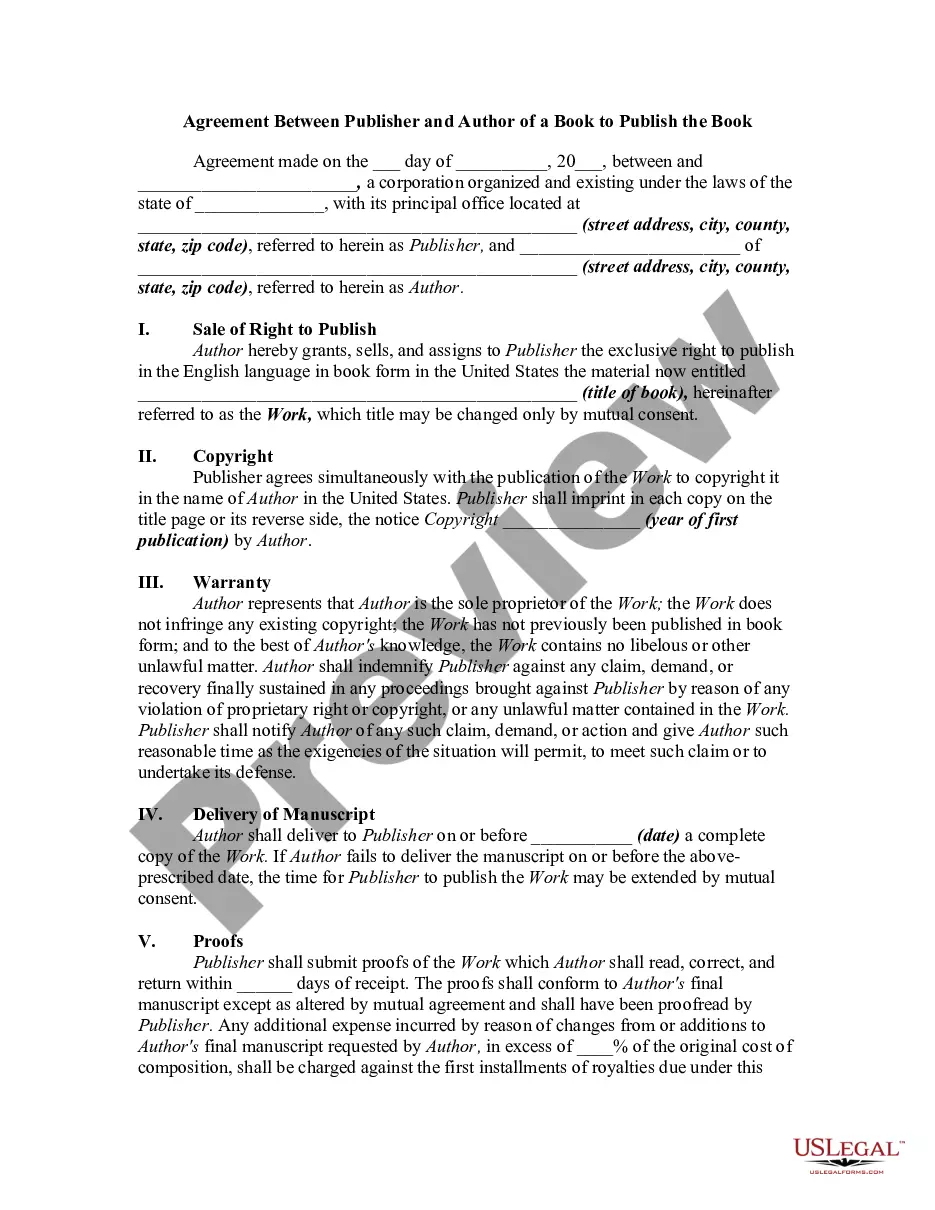
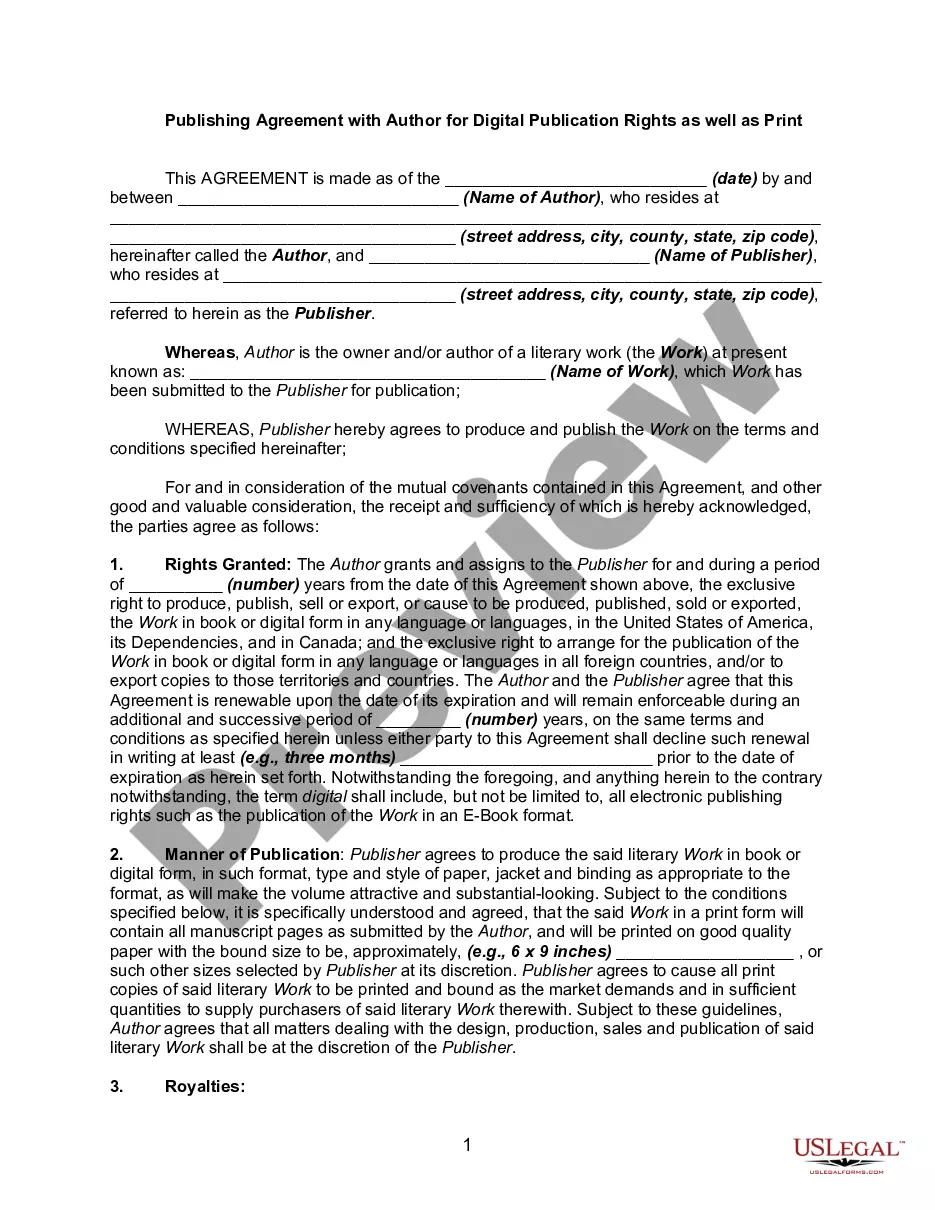

Get your form ready online
Our built-in tools help you complete, sign, share, and store your documents in one place.
Make edits, fill in missing information, and update formatting in US Legal Forms—just like you would in MS Word.
Download a copy, print it, send it by email, or mail it via USPS—whatever works best for your next step.
Sign and collect signatures with our SignNow integration. Send to multiple recipients, set reminders, and more. Go Premium to unlock E-Sign.
If this form requires notarization, complete it online through a secure video call—no need to meet a notary in person or wait for an appointment.
We protect your documents and personal data by following strict security and privacy standards.

Make edits, fill in missing information, and update formatting in US Legal Forms—just like you would in MS Word.

Download a copy, print it, send it by email, or mail it via USPS—whatever works best for your next step.

Sign and collect signatures with our SignNow integration. Send to multiple recipients, set reminders, and more. Go Premium to unlock E-Sign.

If this form requires notarization, complete it online through a secure video call—no need to meet a notary in person or wait for an appointment.

We protect your documents and personal data by following strict security and privacy standards.
Looking for another form?



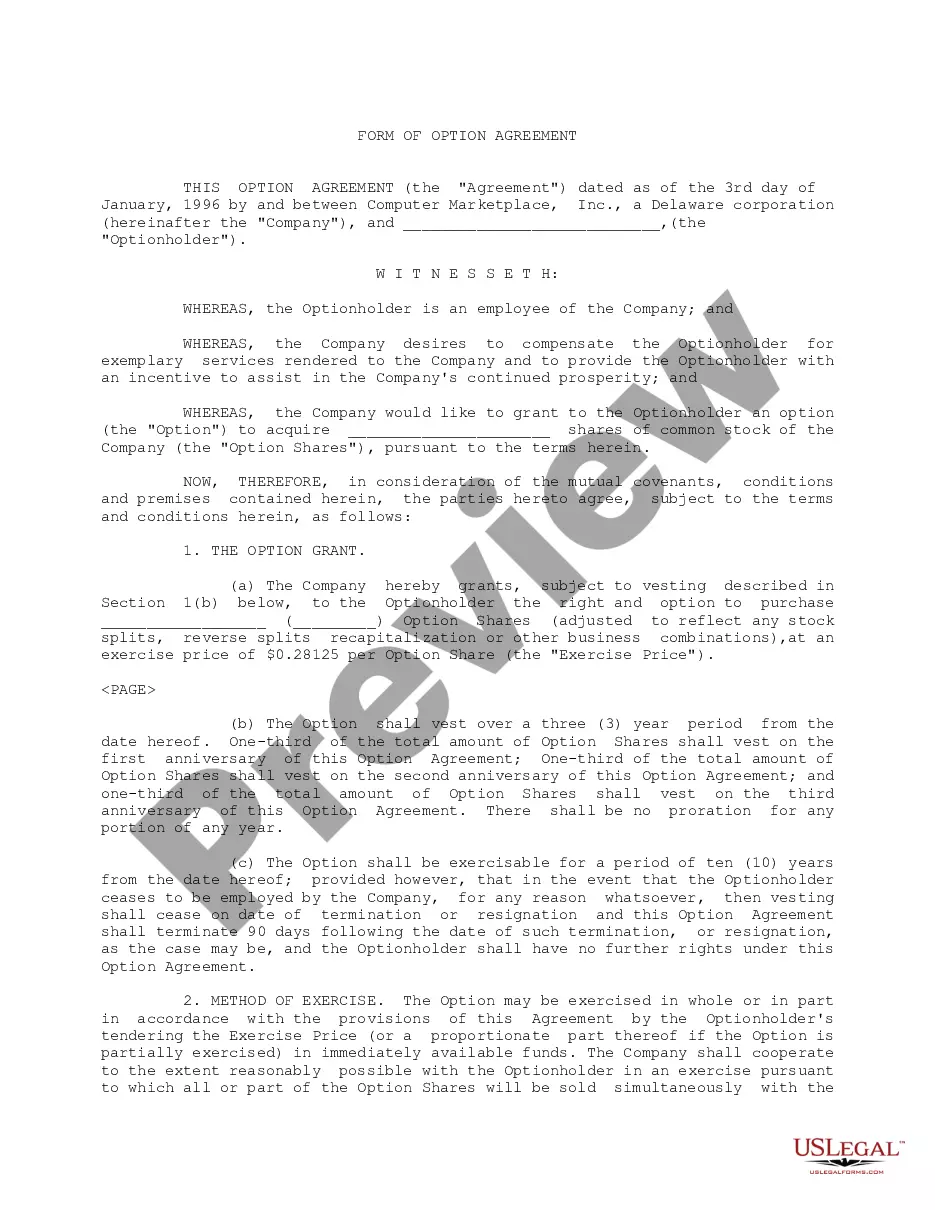
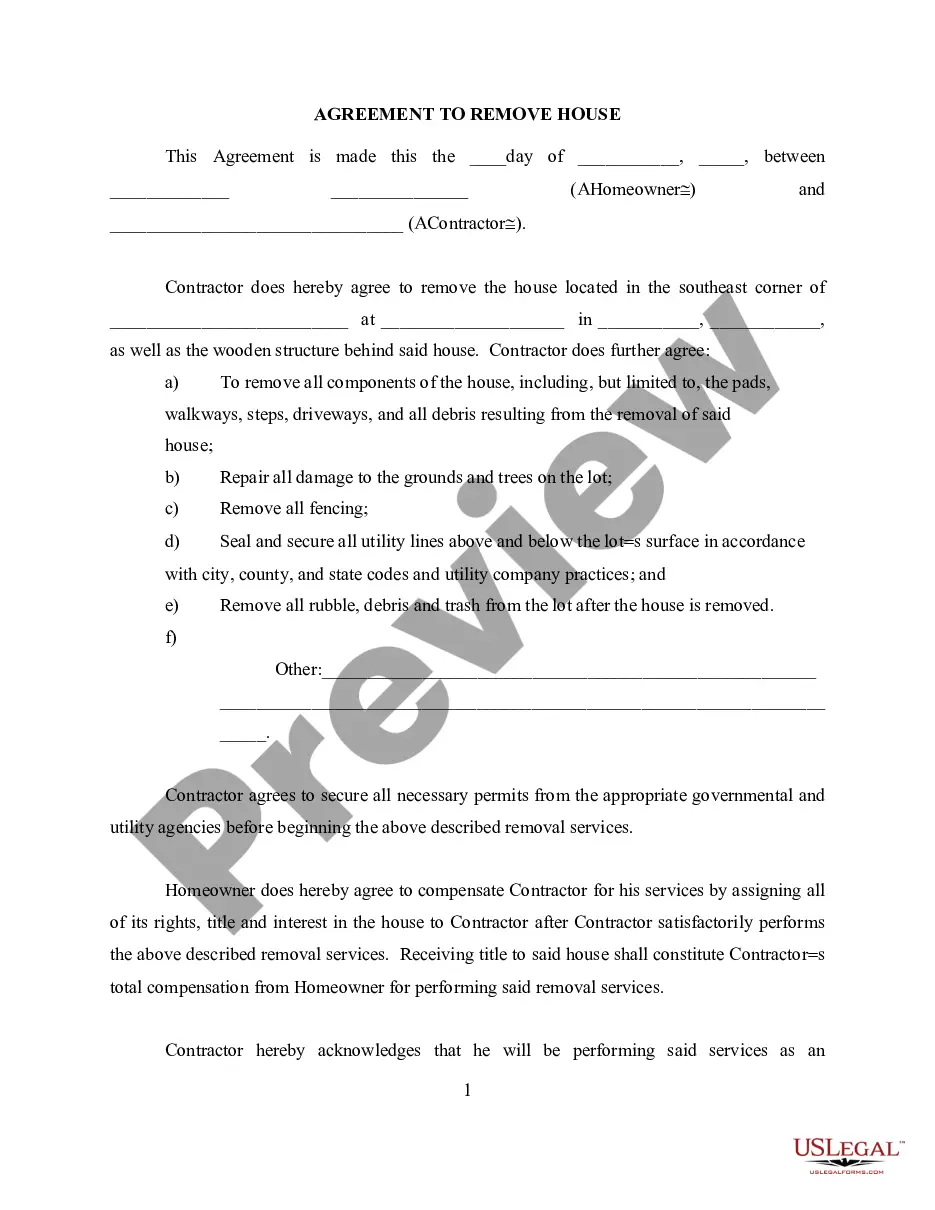



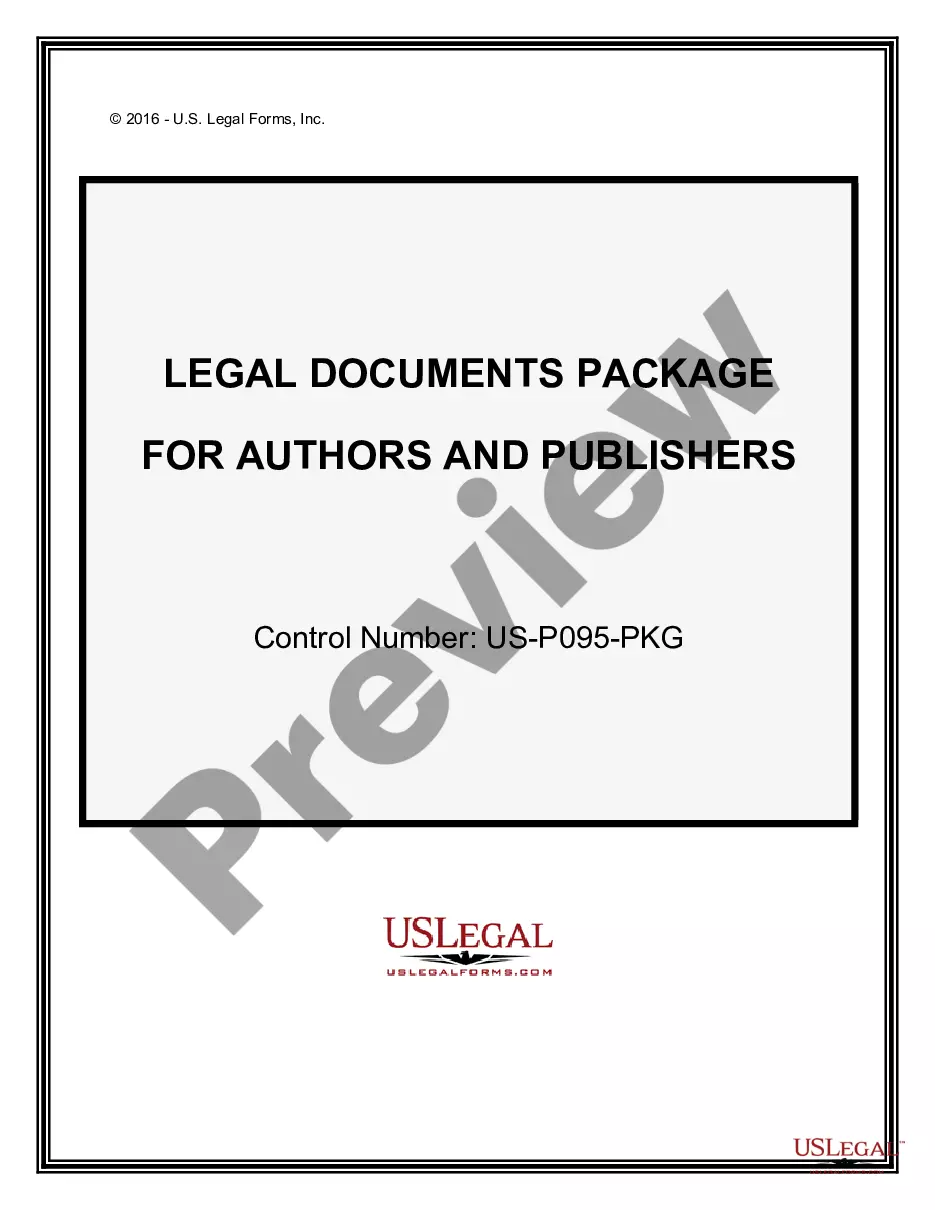
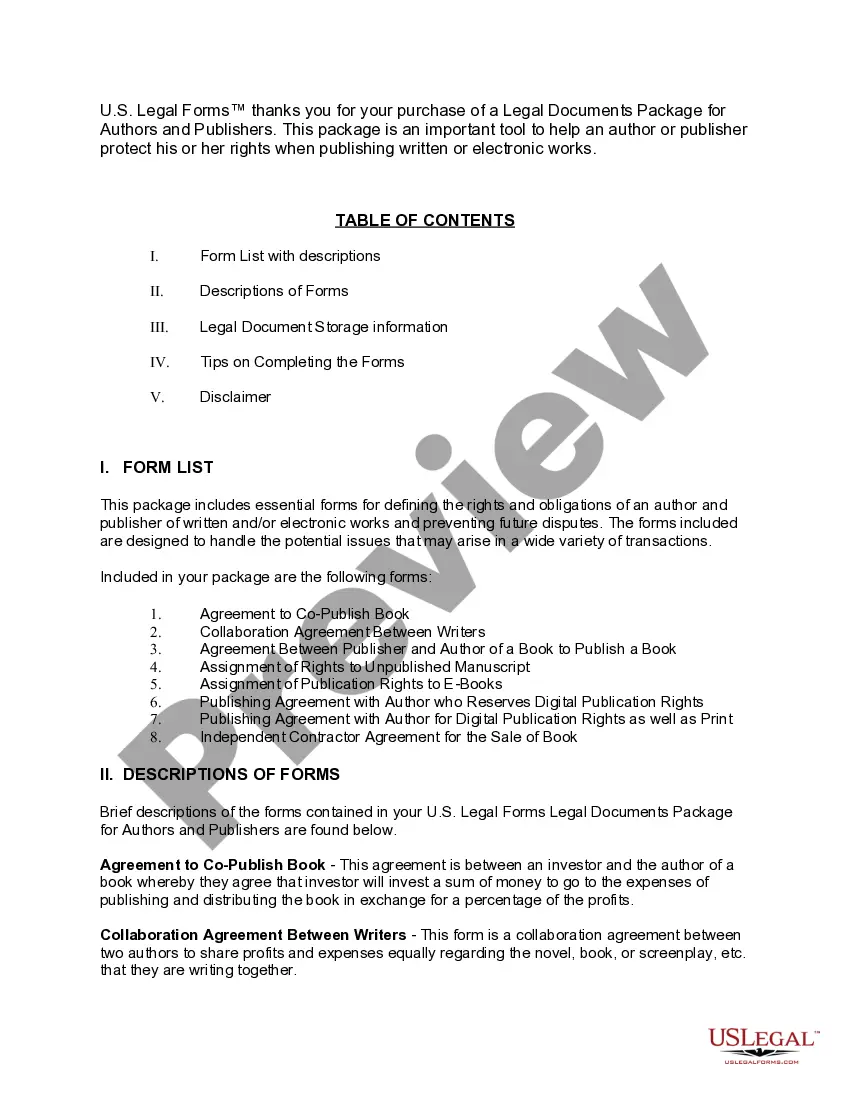
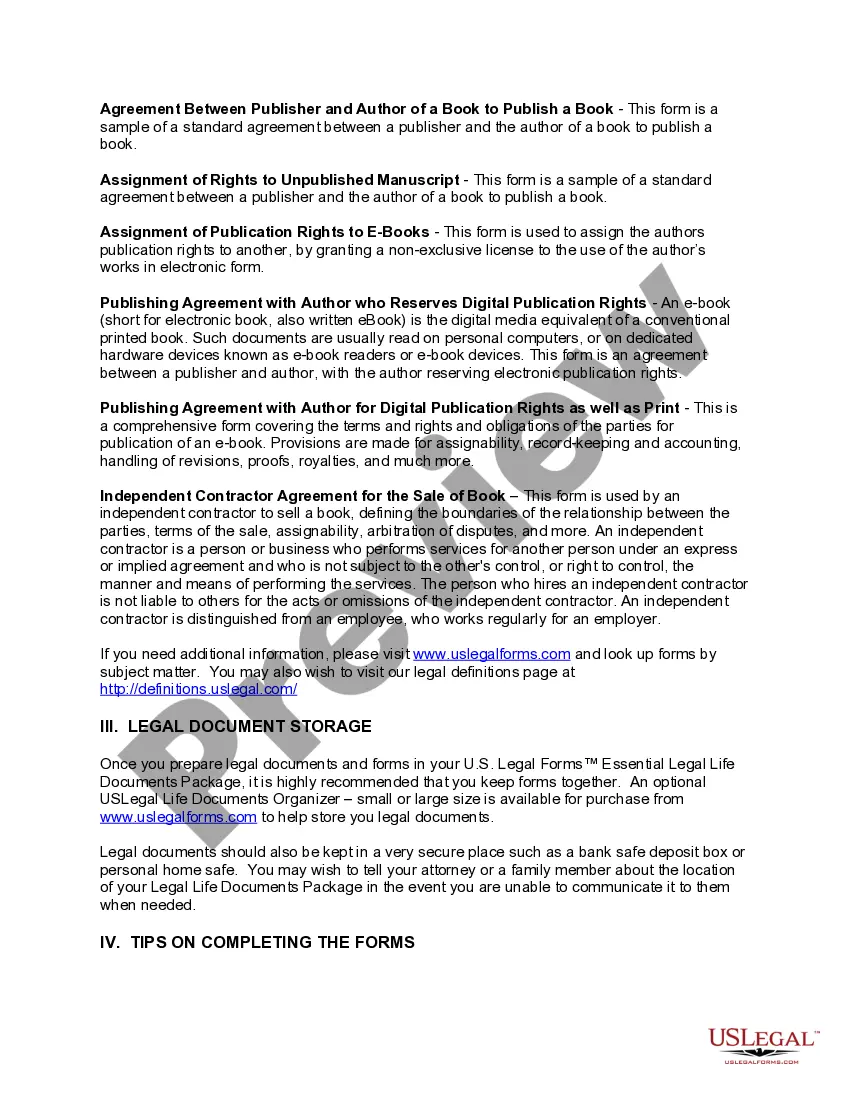
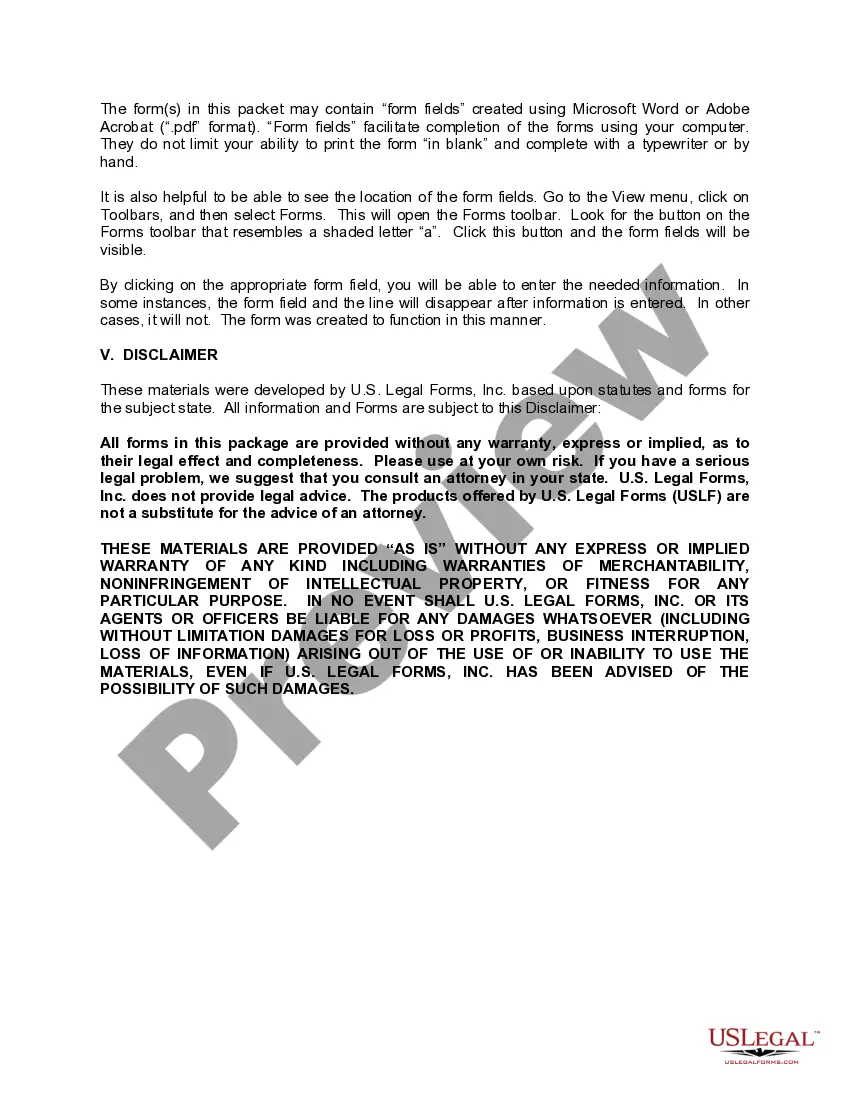
How to fill out Legal Documents Package For Authors And Publishers?
- Visit the US Legal Forms website and log in to your account. If you are a first-time user, create an account to gain access.
- Utilize the Preview mode to examine form descriptions closely. Make sure you select the form that meets your specific needs.
- If necessary, use the search feature to find alternative templates. This will ensure you have the correct form to proceed.
- Click on the Buy Now button to purchase the document and select your preferred subscription plan.
- Complete your payment using either a credit card or PayPal to finalize your order.
- Download the form to your device. Additionally, you can access it anytime through the 'My Forms' section of your profile.
Employing US Legal Forms streamlines your legal documentation tasks, ensuring accuracy and compliance with the law. With user-friendly access to a vast collection of forms, attorneys can draft legal documents swiftly and efficiently.
Ready to enhance your legal operations? Start exploring US Legal Forms today and experience the convenience of comprehensive legal resources at your fingertips.
Form popularity
FAQ
The most basic legal form of business is the sole proprietorship. This structure is simple, requiring minimal formalities and offering complete control to the owner. However, using specialized legal forms for attorneys can help you protect your interests and define your business effectively.
Lawyers commonly use standardized formats to ensure clarity and compliance with legal requirements. These formats often include sections for relevant parties, terms, and conditions. Utilizing reliable legal forms for attorneys can streamline this process and help maintain consistency across documents.
The three most basic legal forms of organization are sole proprietorship, partnership, and corporation. Each form has unique implications for liability, taxes, and operational complexity. By using appropriate legal forms for attorneys, you can establish a solid foundation for your business or practice.
Three key types of forms of organizations include limited liability companies (LLCs), S corporations, and C corporations. These structures provide various benefits, such as protection from personal liability and favorable tax treatment. Evaluating these legal forms for attorneys helps you make better-informed decisions for your business.
The three major legal forms of organization are sole proprietorships, partnerships, and corporations. Each structure offers distinct advantages and disadvantages regarding liability, taxation, and management. Understanding these options can aid you in selecting the best legal forms for attorneys to suit your needs.
Yes, you can write your own legal documents, but it's essential to ensure they meet specific legal standards. Many attorneys recommend using established legal forms for attorneys to avoid potential pitfalls. Quality templates can guide you in drafting documents that are compliant with state laws.
Different types of legal documents include contracts, wills, trusts, leases, and court filings. Each type serves a specific purpose and adheres to various rules. Understanding these distinctions is essential for effective legal practice. By utilizing US Legal Forms for attorneys, you can easily access a variety of legal forms tailored to meet your needs.
To prepare legal documents for court, start by gathering all relevant facts and evidence to support your case. Ensure that each document meets court requirements concerning format and content. Double-check for any necessary signatures or notarizations, as these are vital for validity. Consider using US Legal Forms for attorneys, which provides curated forms designed specifically for court submissions.
The proper formatting for legal documents typically includes specific margins, font styles, and spacing. For instance, using a standard font like Times New Roman, size 12, is common practice. Additionally, it’s crucial to include a clear title, date, and signatures where required. By using templates from US Legal Forms for attorneys, you can ensure that your documents conform to legal standards effortlessly.
A legal document is any written instrument that outlines rights and responsibilities. This includes contracts, deeds, and wills, among others. Legal documents serve as evidence in legal proceedings and ensure clarity in agreements. Attorneys often rely on US Legal Forms for attorneys to access a comprehensive library of valid legal documents.