Legal Documents With Examples
Description
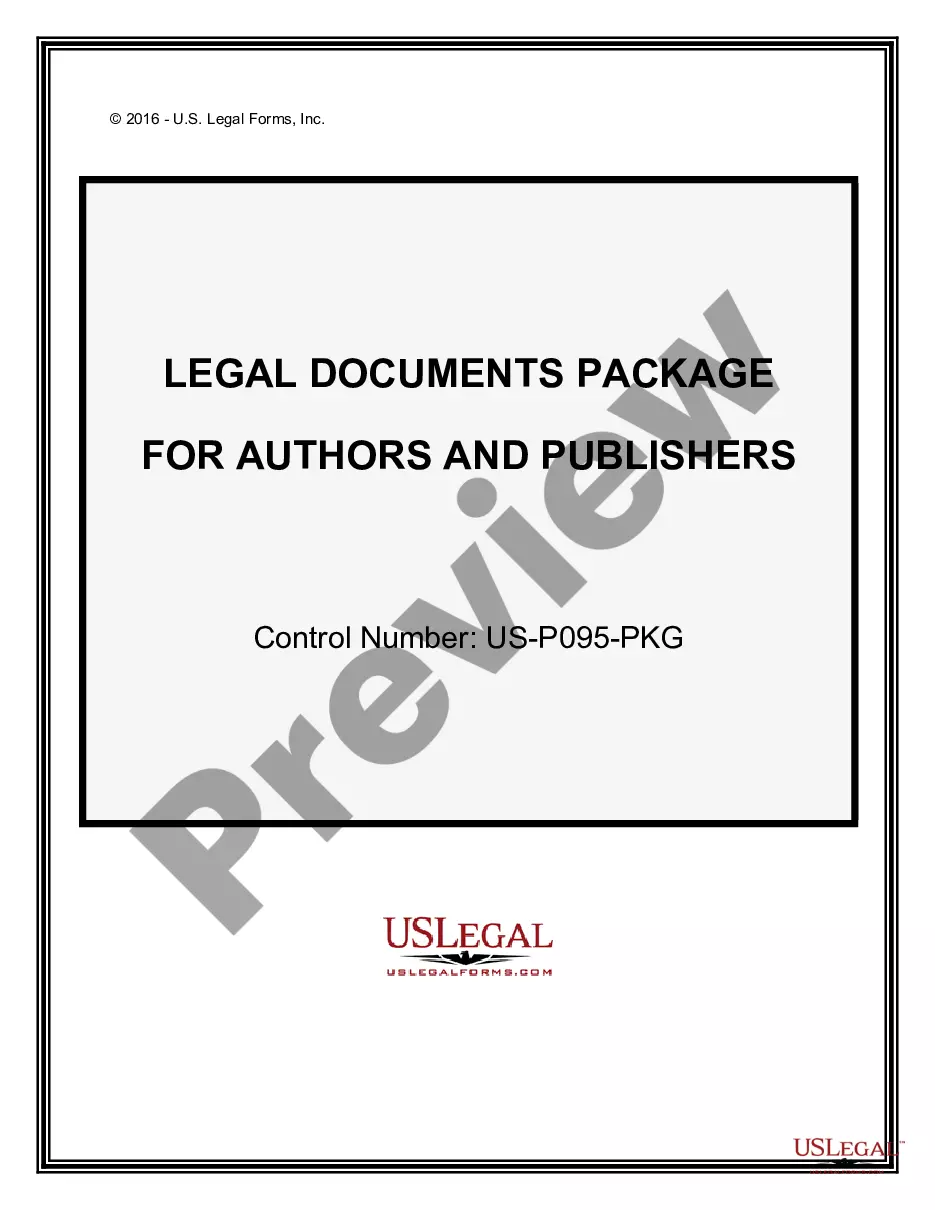
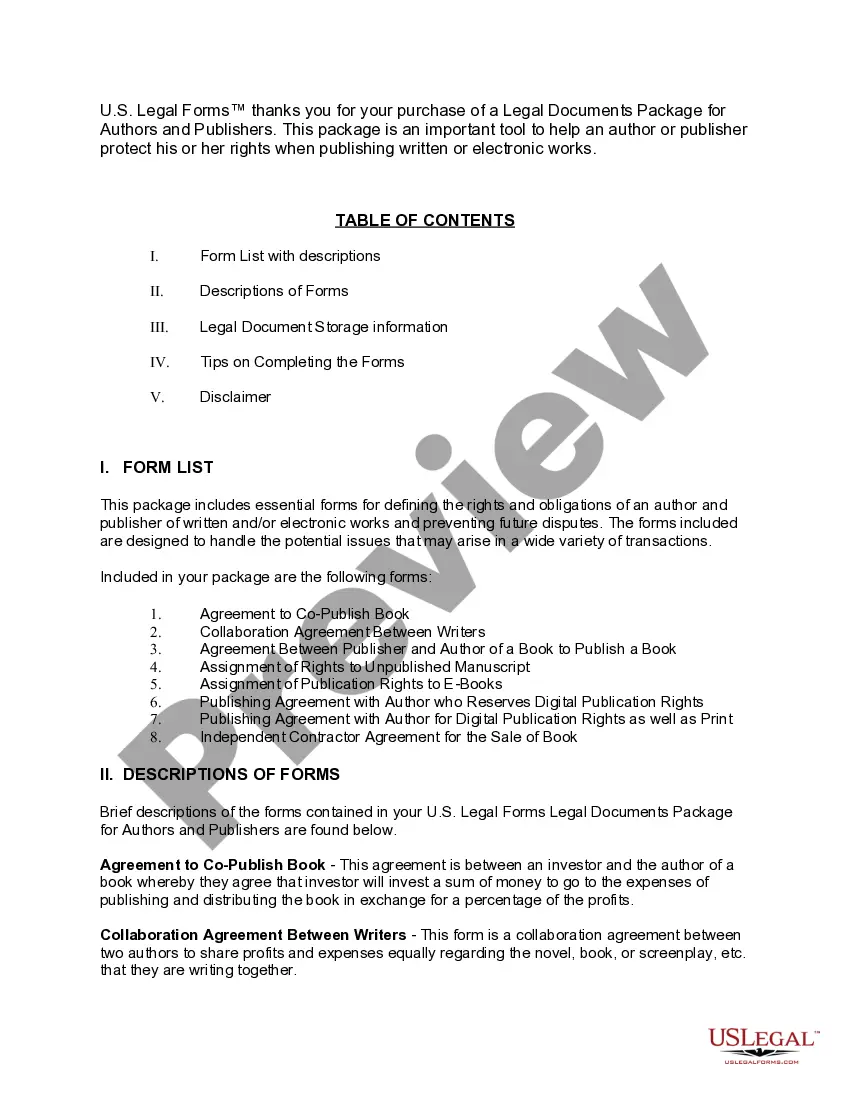
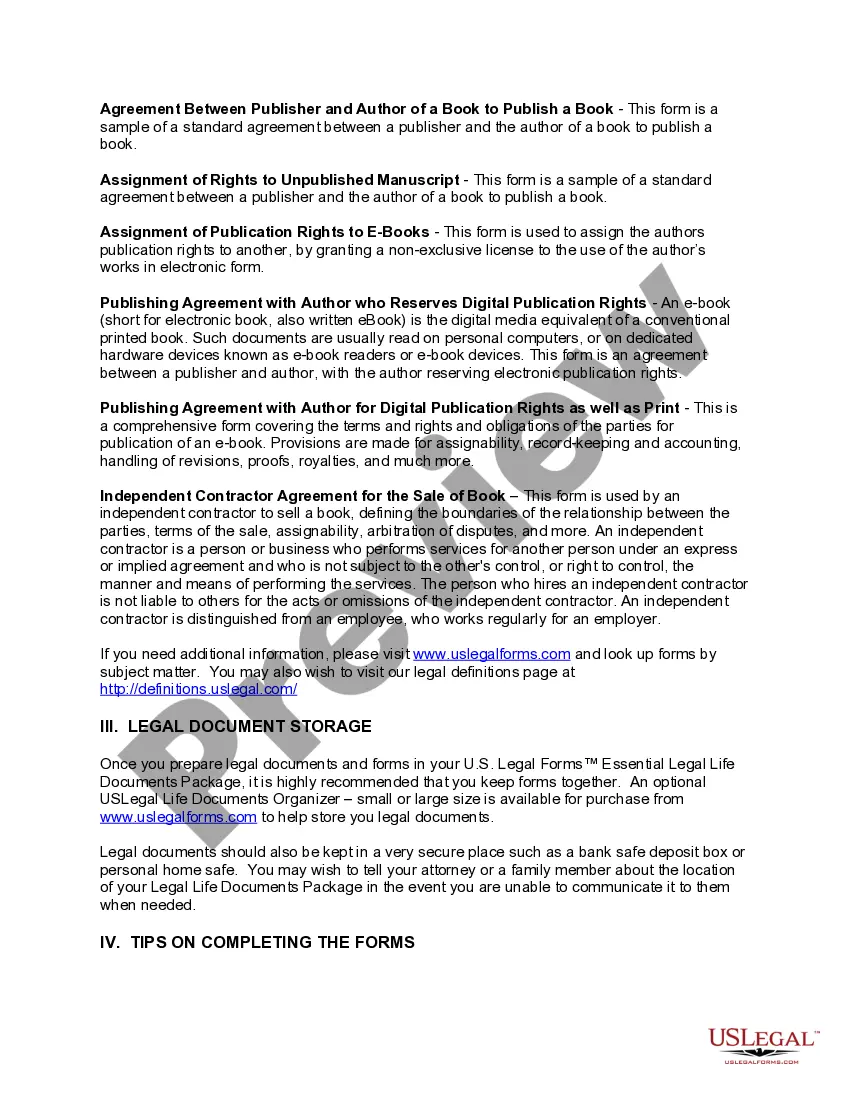
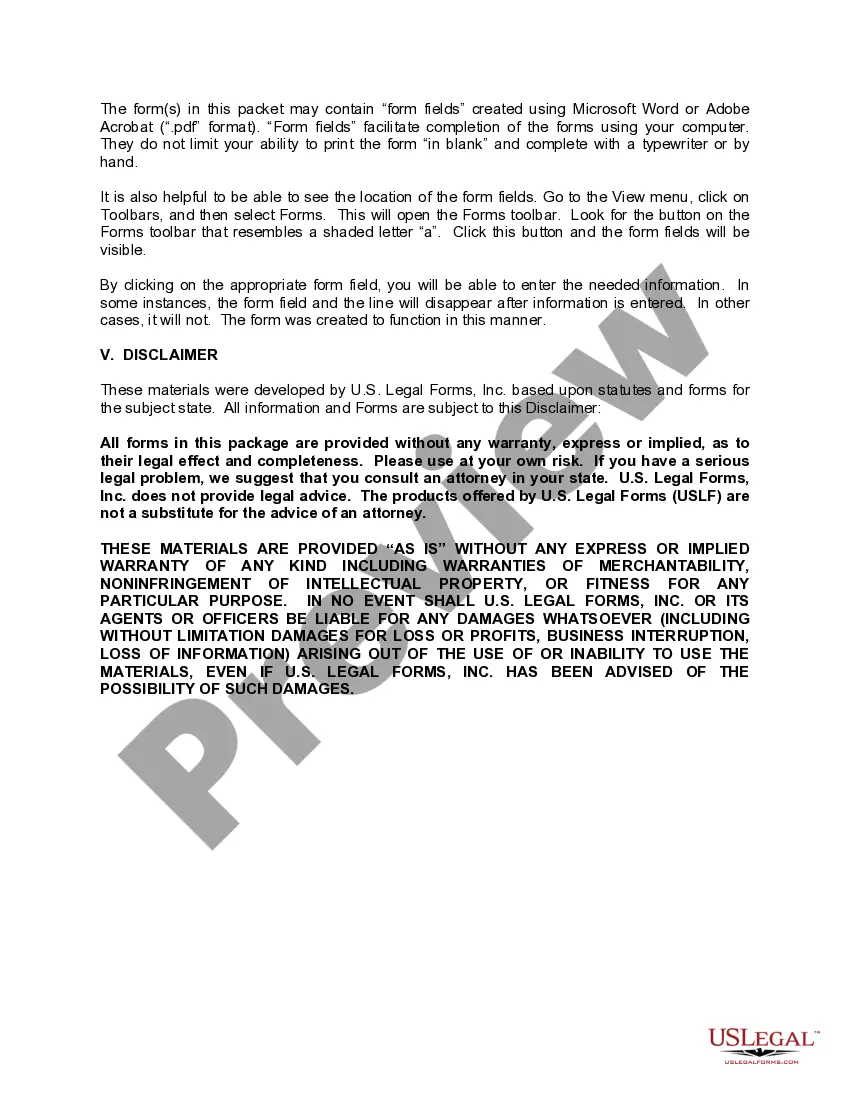
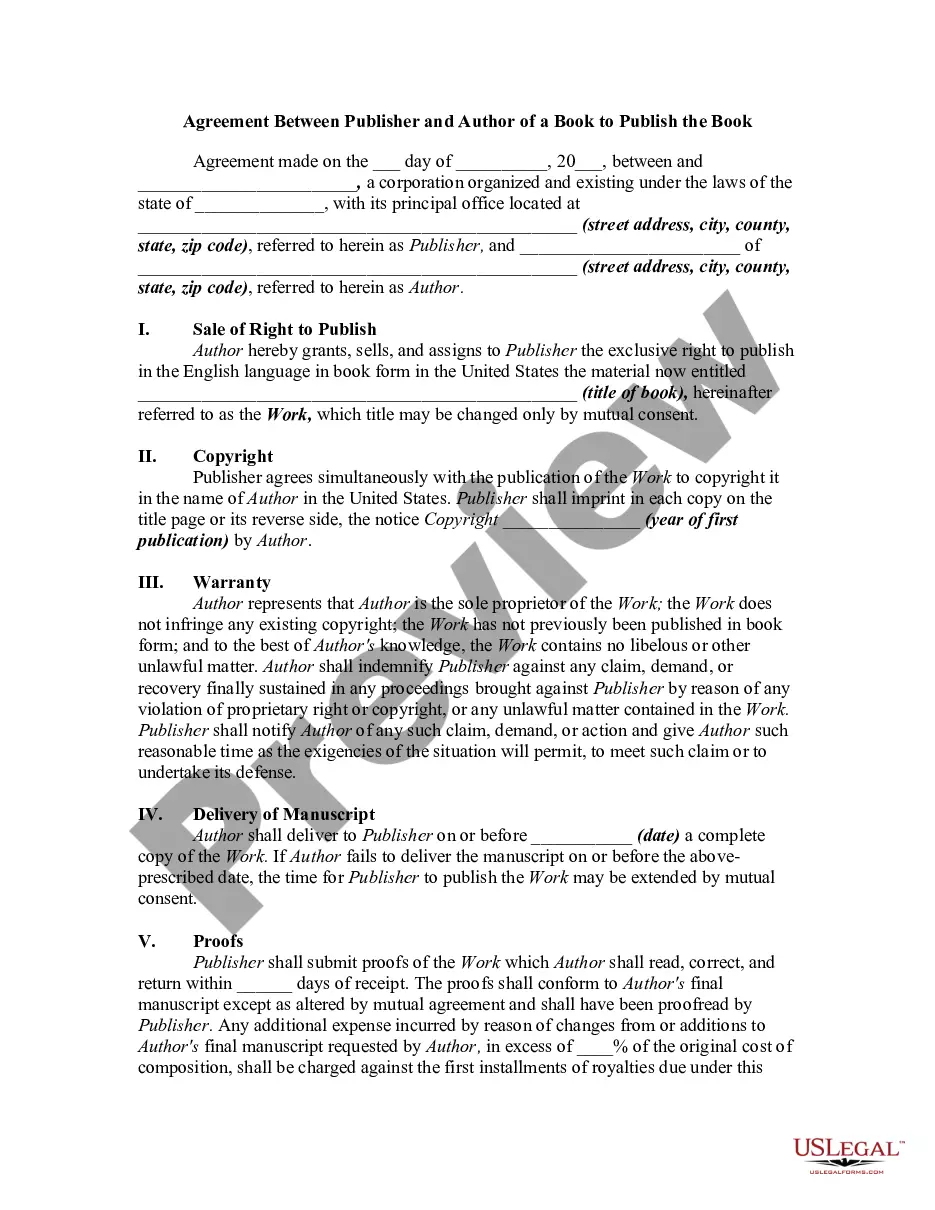
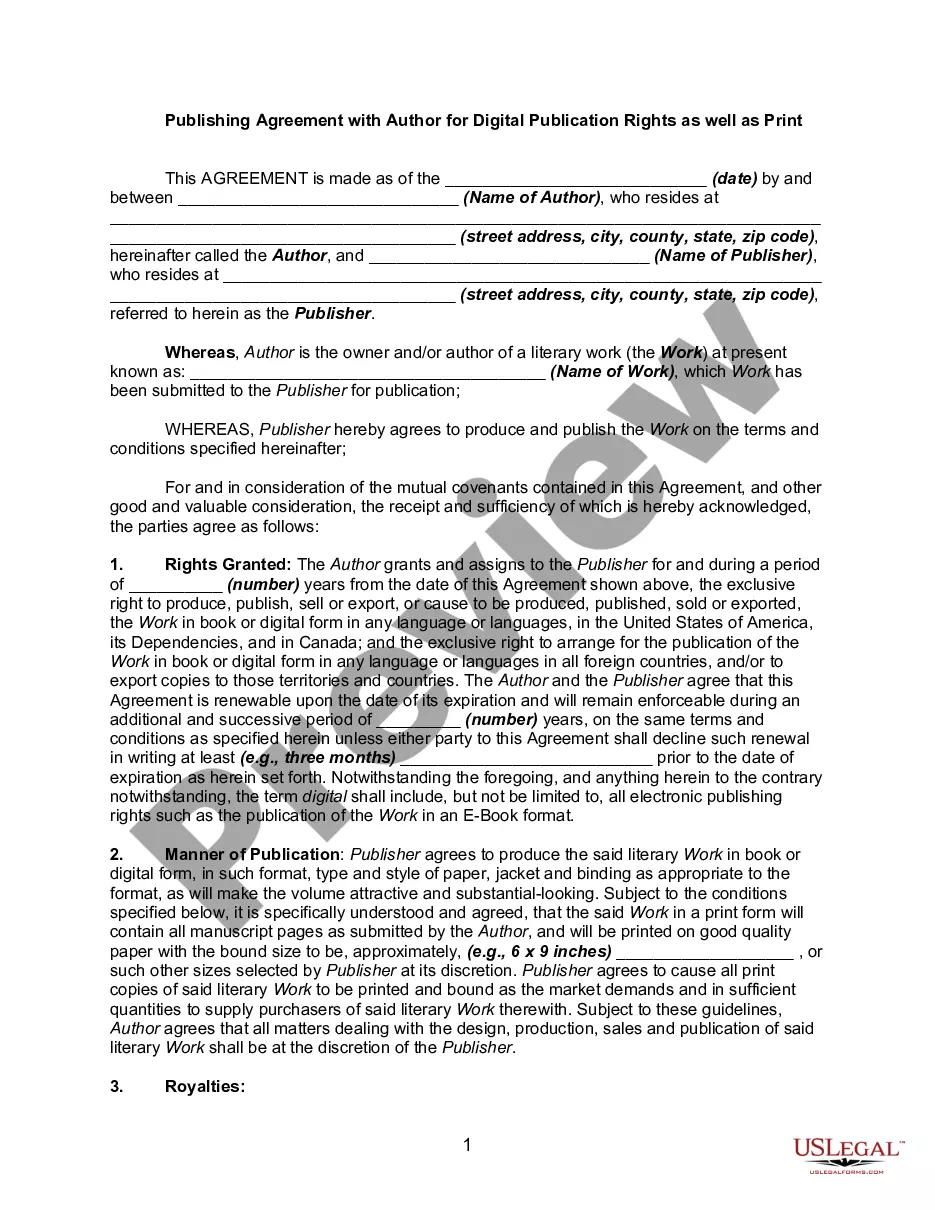

Get your form ready online
Our built-in tools help you complete, sign, share, and store your documents in one place.
Make edits, fill in missing information, and update formatting in US Legal Forms—just like you would in MS Word.
Download a copy, print it, send it by email, or mail it via USPS—whatever works best for your next step.
Sign and collect signatures with our SignNow integration. Send to multiple recipients, set reminders, and more. Go Premium to unlock E-Sign.
If this form requires notarization, complete it online through a secure video call—no need to meet a notary in person or wait for an appointment.
We protect your documents and personal data by following strict security and privacy standards.

Make edits, fill in missing information, and update formatting in US Legal Forms—just like you would in MS Word.

Download a copy, print it, send it by email, or mail it via USPS—whatever works best for your next step.

Sign and collect signatures with our SignNow integration. Send to multiple recipients, set reminders, and more. Go Premium to unlock E-Sign.

If this form requires notarization, complete it online through a secure video call—no need to meet a notary in person or wait for an appointment.

We protect your documents and personal data by following strict security and privacy standards.
Looking for another form?
How to fill out Legal Documents Package For Authors And Publishers?
- If you're a returning user, log in to your account and click the Download button to save the desired document template on your device. Ensure your subscription remains active; if not, renew according to your payment plan.
- For first-time users, start by browsing the extensive preview mode and descriptions to select the correct legal document that fits your requirements and adheres to your local jurisdiction.
- If you encounter mismatches, utilize the Search tab to find appropriate alternatives. Once you find the right template, proceed to the next step.
- Purchase the document by clicking the Buy Now button and selecting your preferred subscription plan. You will need to create an account to unlock full access to the library.
- Complete your purchase by entering your credit card information or utilizing your PayPal account to finalize the transaction.
- Download your chosen form and save it to your device, ensuring you can complete it. You can also revisit it at any time via the My Forms section of your profile.
By following these straightforward steps, you can easily access a vast array of legal documents, empowering you with the necessary tools to handle your legal affairs effectively.
Don't let the complexities of legal paperwork overwhelm you. Visit US Legal Forms today to explore our extensive library and ensure you have the right documents at your fingertips.
Form popularity
FAQ
A legal document is defined by its intent to create legal rights or obligations between parties. It must contain clear terms, identify all parties involved, and fulfill a lawful purpose. Additionally, valid legal documents with examples often require signatures or other acknowledgments to confirm agreement. Understanding these elements helps ensure that your document is legally sound and enforceable.
Creating your own legal document can be straightforward if you follow a reliable process. Start by identifying the purpose of the document and researching its specific requirements. Use legal documents with examples as a guide and consider utilizing platforms like US Legal Forms for templates. This ensures your document meets legal standards while saving you time and effort.
A document can still be legal without notarization, depending on its type and the jurisdiction. Notarization adds an extra layer of authenticity, especially for certain transactions or agreements, but many legal documents with examples do not require it. However, some situations, like property transfers or wills, typically benefit from notarized signatures. Always check local laws to understand when notarization is necessary.
The requirements for a legal document often include proper identification of all involved parties, clarity of terms, and a statement of the purpose. Depending on the type of document, such as a lease agreement or a power of attorney, there might be additional stipulations. Using legal documents with examples as a reference can help ensure all necessary components are included. It's important to adhere to these requirements for your document to be enforceable.
Yes, you can write a legal document without a lawyer. Many people create their own legal documents with examples available online to suit their specific needs. However, ensuring that your document meets all legal requirements can be tricky, so using templates or seeking guidance from platforms like US Legal Forms can be beneficial. This approach helps prevent potential issues down the line.
Legal documents must meet certain criteria to be considered valid. They generally need to have clear language, involve competent parties, and serve a lawful purpose. Additionally, different types of legal documents with examples, such as contracts or wills, may have their own specific requirements. Understanding these aspects ensures that your documents hold up in legal situations.
To structure a legal document, start with a title and an introductory section outlining the purpose. Follow this with well-defined sections that address different aspects of the issue at hand, such as parties involved, terms, and conditions. Each section should flow logically, providing a comprehensive understanding. Legal documents with examples can illustrate effective structuring techniques that you can adopt.
Standard formatting for legal documents requires a professional appearance, including crisp margins, consistent font styles, and clear headings. Documents should be structured logically, with sections organized to present information in a user-friendly manner. Following established formatting practices enhances the credibility of your legal documents. Legal documents with examples provide helpful insights into common formatting standards.
Proper formatting for legal documents includes using a readable font, maintaining consistent margins, and including page numbers for reference. Sections should be clearly defined, with appropriate headings and subheadings. Adequate spacing improves readability, making the document easier to follow. Legal documents with examples available online can guide you to format your documents correctly.
Starting a legal document typically involves a title that reflects its purpose, followed by introductory language that states the intent. Clearly define all involved parties to clarify the context of the document. This approach not only enhances clarity but also establishes a formal tone. Legal documents with examples often show various ways to structure an effective introduction.