Confidentiality Agreement Between Format
Description


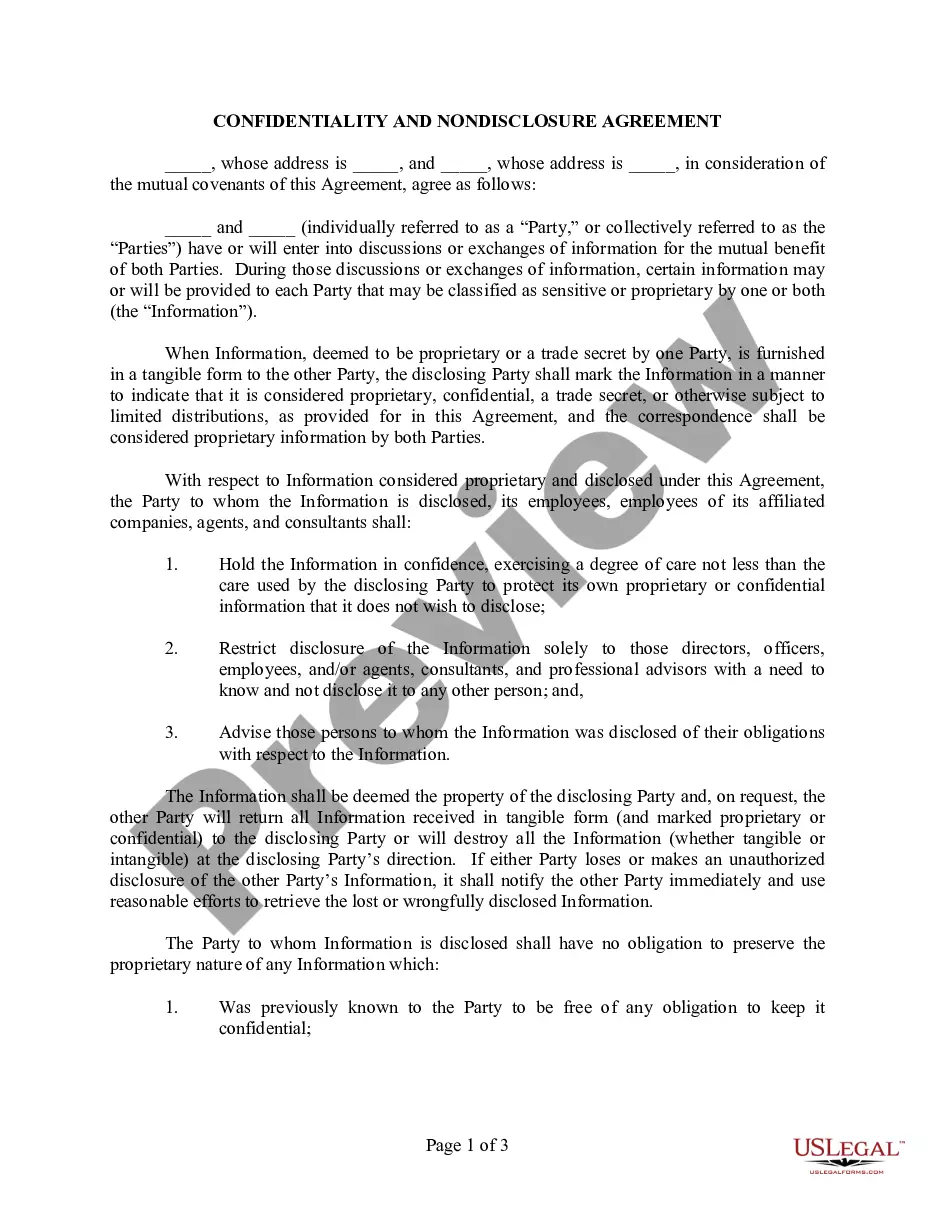
Get your form ready online
Our built-in tools help you complete, sign, share, and store your documents in one place.
Make edits, fill in missing information, and update formatting in US Legal Forms—just like you would in MS Word.
Download a copy, print it, send it by email, or mail it via USPS—whatever works best for your next step.
Sign and collect signatures with our SignNow integration. Send to multiple recipients, set reminders, and more. Go Premium to unlock E-Sign.
If this form requires notarization, complete it online through a secure video call—no need to meet a notary in person or wait for an appointment.
We protect your documents and personal data by following strict security and privacy standards.

Make edits, fill in missing information, and update formatting in US Legal Forms—just like you would in MS Word.

Download a copy, print it, send it by email, or mail it via USPS—whatever works best for your next step.

Sign and collect signatures with our SignNow integration. Send to multiple recipients, set reminders, and more. Go Premium to unlock E-Sign.

If this form requires notarization, complete it online through a secure video call—no need to meet a notary in person or wait for an appointment.

We protect your documents and personal data by following strict security and privacy standards.
Looking for another form?

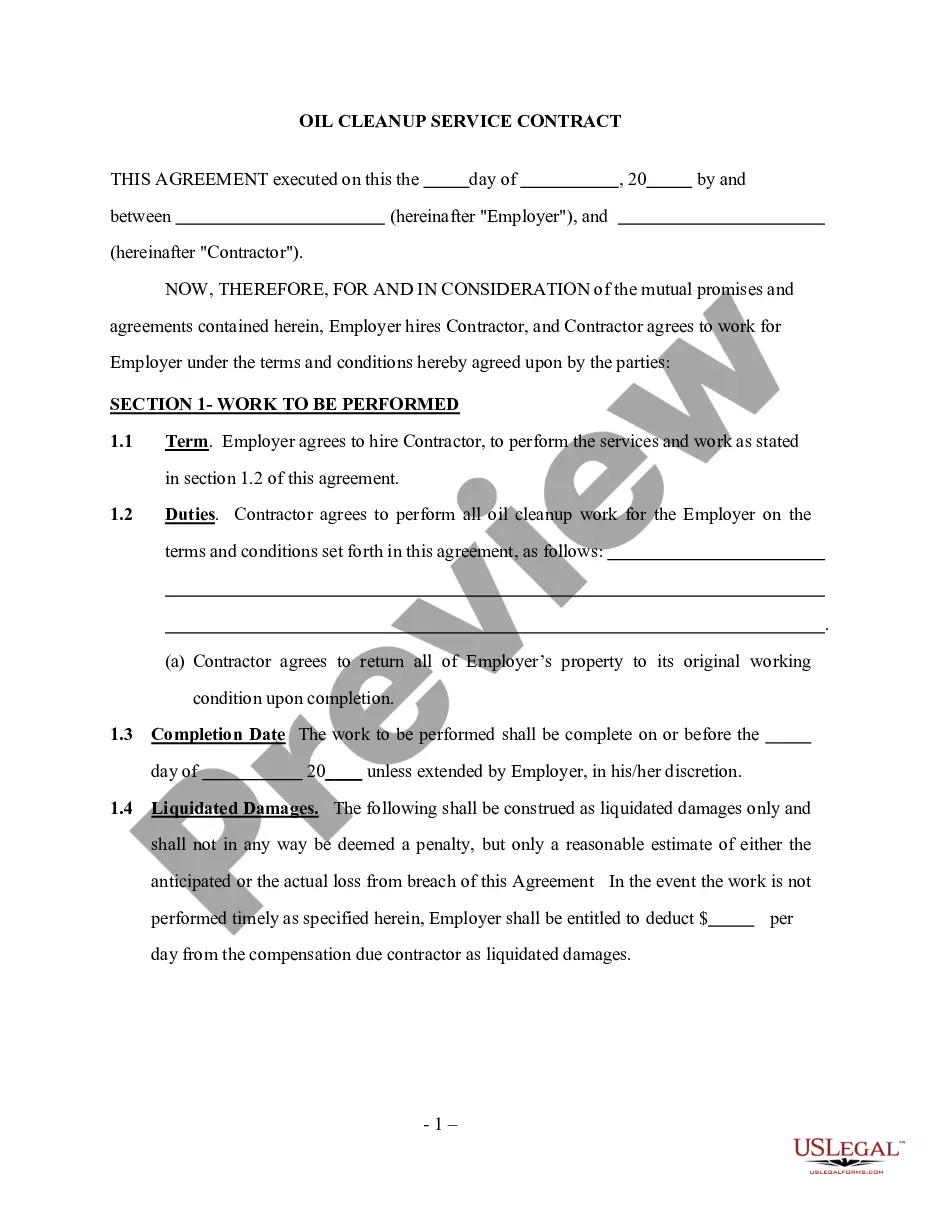
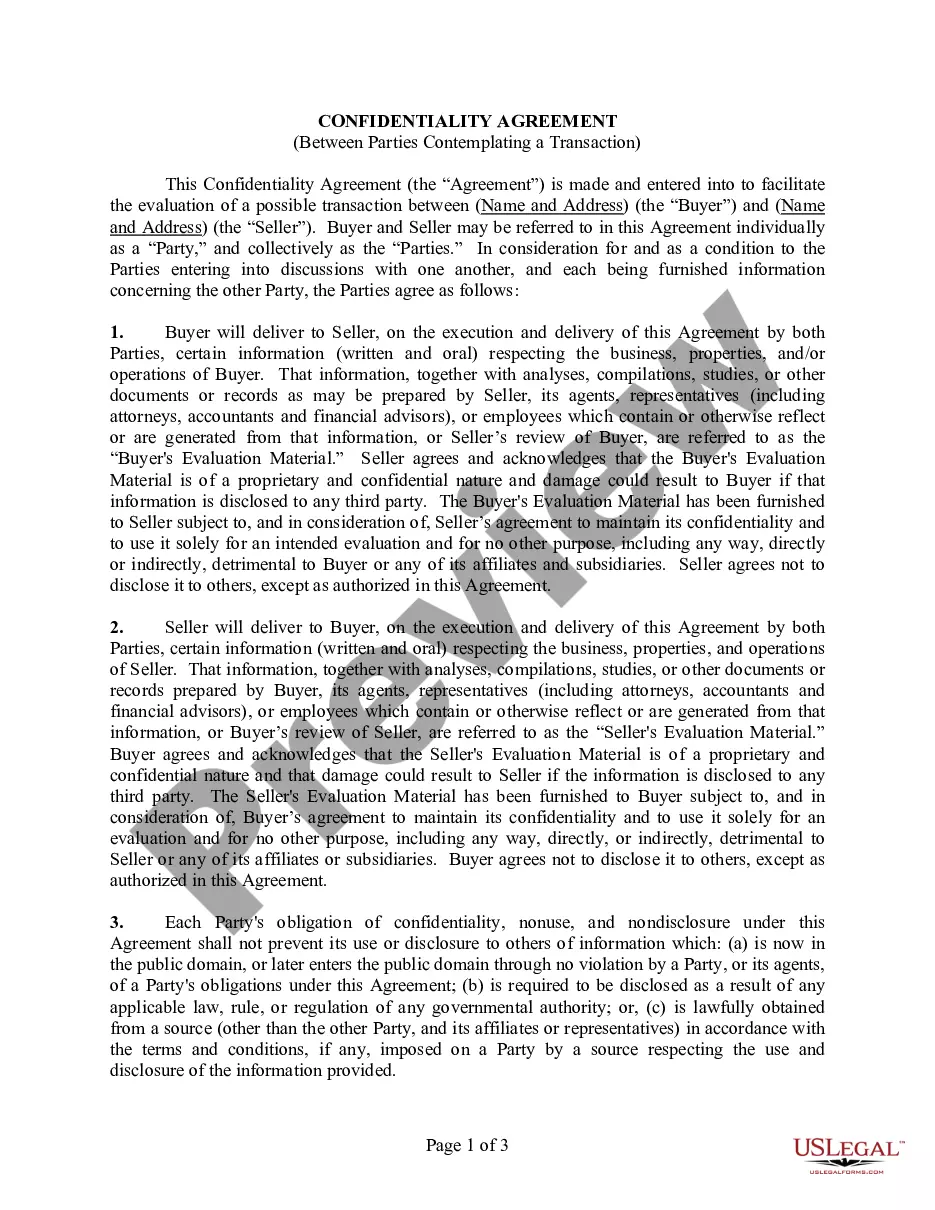
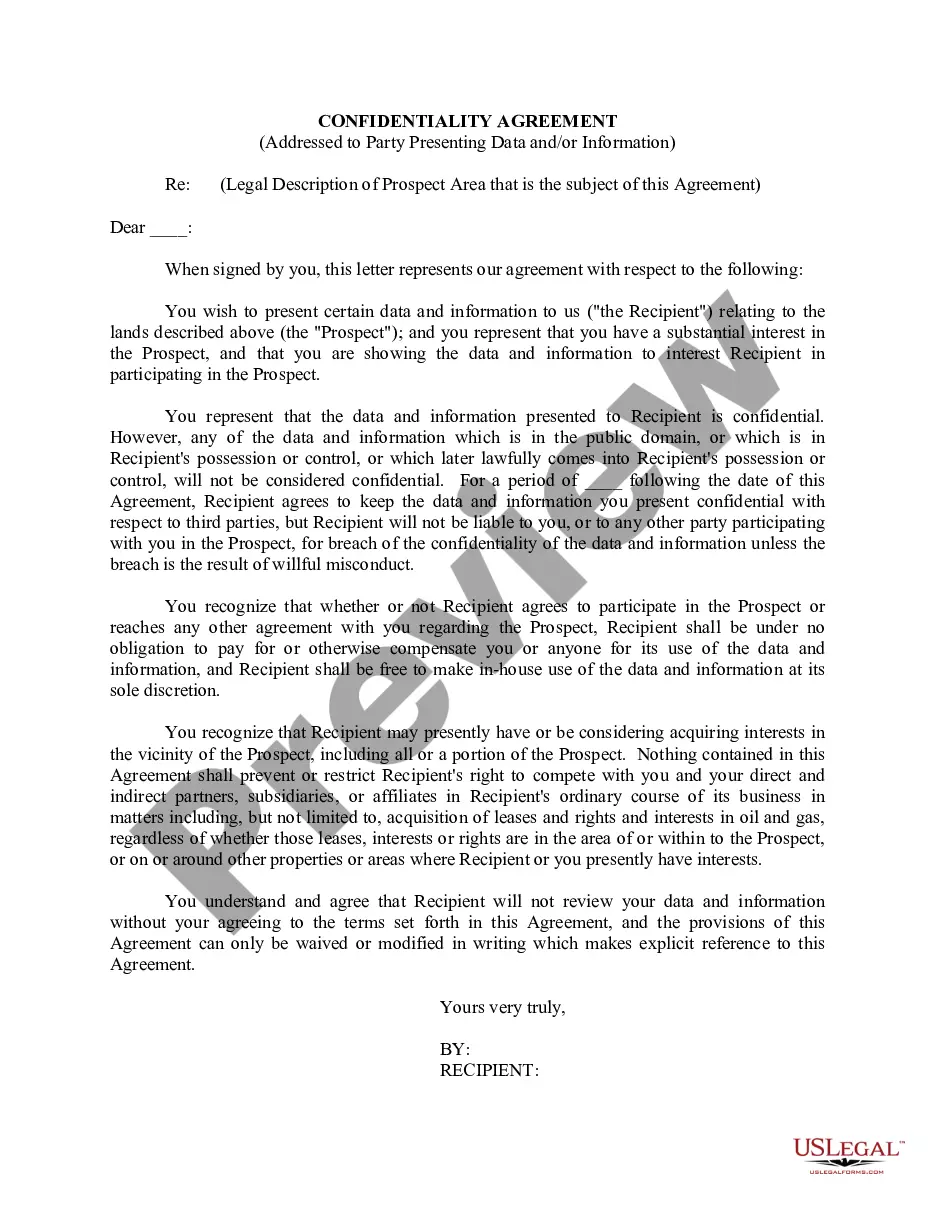
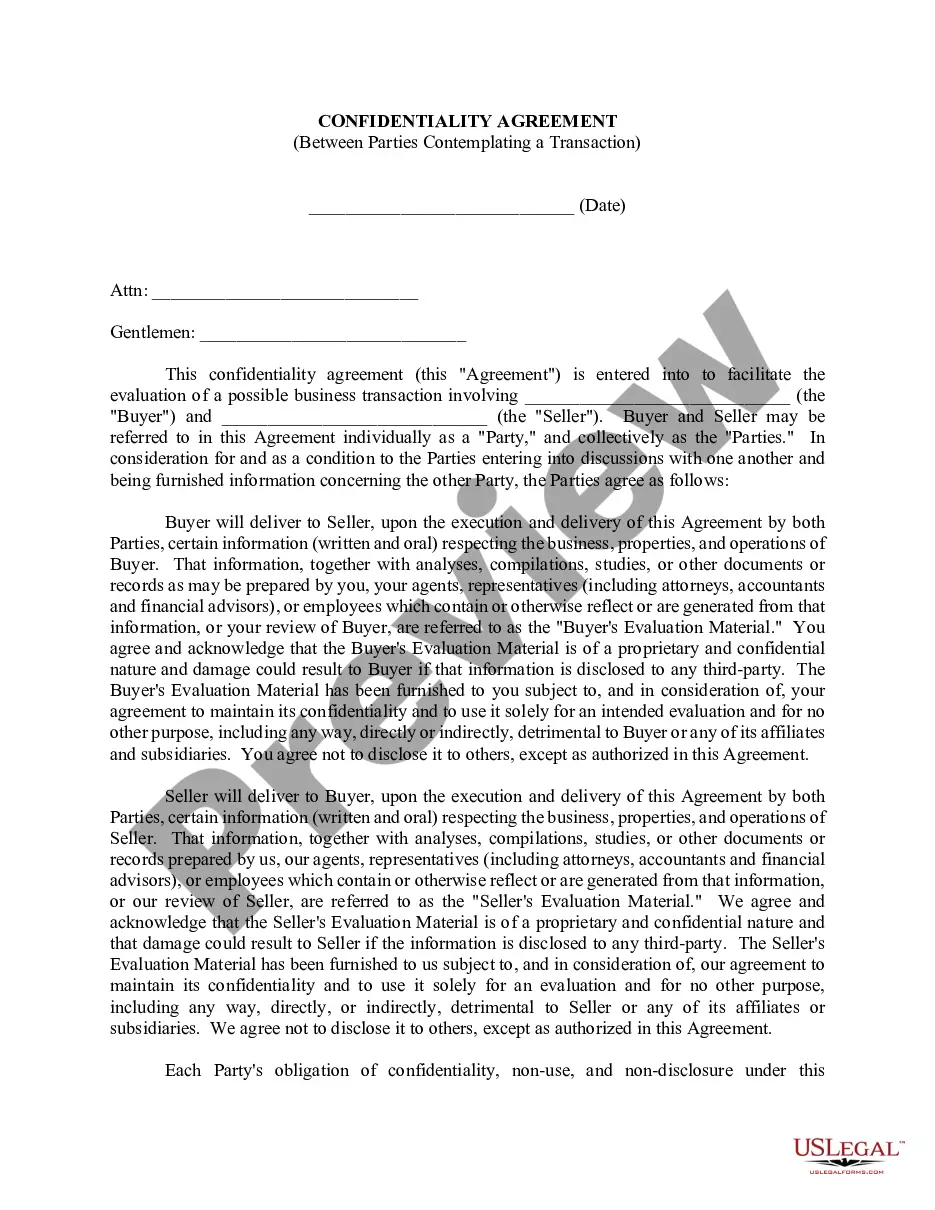
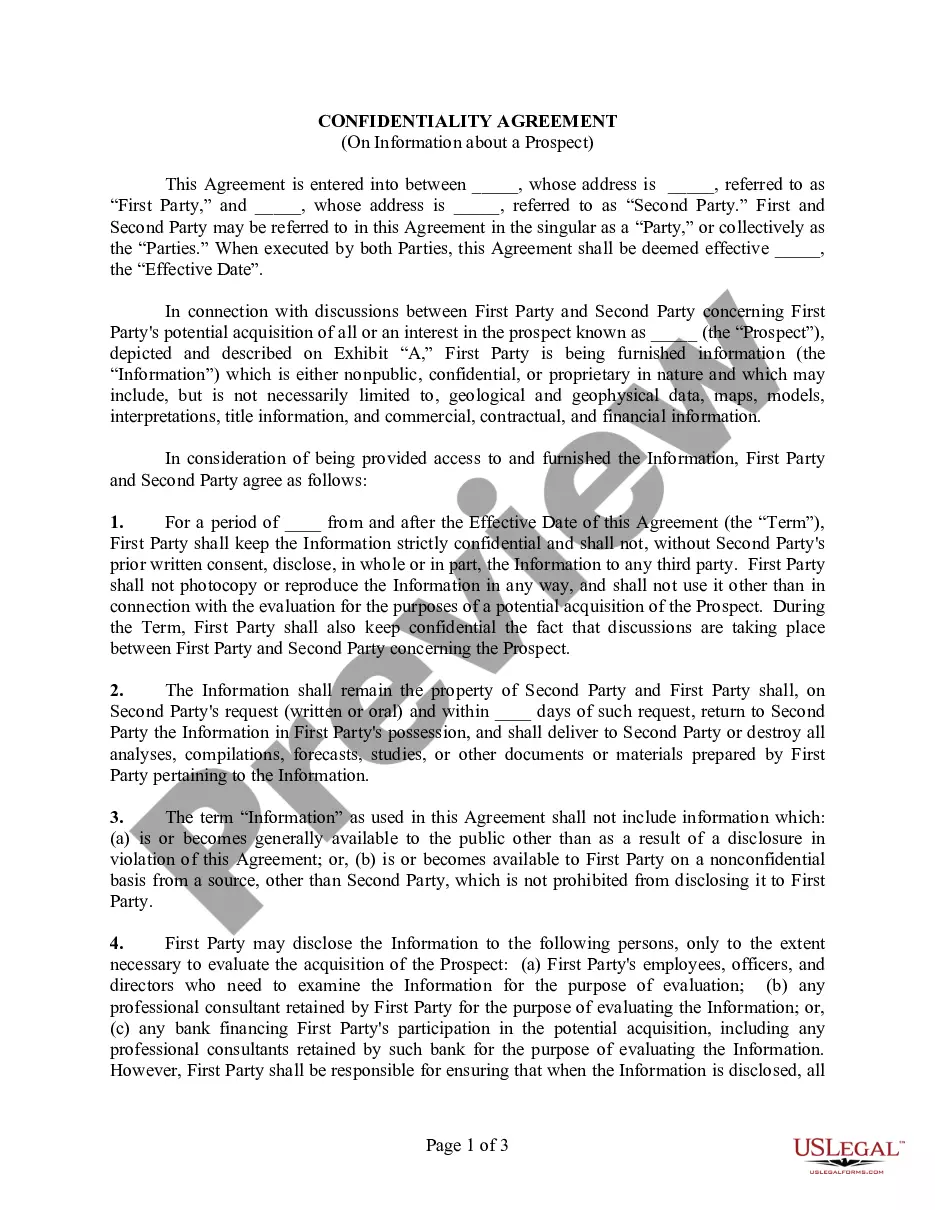
How to fill out Confidentiality Agreement (Between Parties Contemplating A Transaction)?
Legal administration can be exasperating, even for the most informed specialists.
When you are looking for a Confidentiality Agreement Between Format and lack the time to dedicate to finding the appropriate and current version, the processes can be overwhelming.
Access a valuable repository of articles, guides, and materials relevant to your circumstances and needs.
Save effort and time seeking the documents you require, and use US Legal Forms’ advanced search and Preview feature to locate Confidentiality Agreement Between Format and obtain it.
Take advantage of the US Legal Forms online library, supported by 25 years of knowledge and reliability. Make your routine document management a seamless and intuitive process today.
- If you have a subscription, Log In to your US Legal Forms account, search for the form, and retrieve it.
- Check the My documents tab to view the documents you have previously saved and manage your folders as needed.
- If it is your first experience with US Legal Forms, create an account and get unrestricted access to all the advantages of the library.
- Here are the steps to follow after acquiring the form you need.
- Confirm it is the right form by previewing it and reviewing its details.
- Access state- or county-specific legal and business documents.
- US Legal Forms addresses any needs you may have, from personal to business paperwork, all in one place.
- Utilize sophisticated tools to fill out and organize your Confidentiality Agreement Between Format.
Form popularity
FAQ
Writing a simple confidentiality statement involves a few key components. Begin by declaring the purpose of the statement, followed by a clear description of the information considered confidential. Include a commitment from all parties to keep the information secure and not disclose it without permission. If you need assistance, US Legal Forms offers easy-to-use templates for crafting a confidentiality agreement between format.
To fill out a confidentiality agreement, start by providing the names of all parties involved. Then, detail the confidential information that you wish to protect, ensuring you define what is considered confidential explicitly. After that, outline the time period for which the agreement will remain in effect. With resources available from US Legal Forms, completing a confidentiality agreement between format becomes a streamlined process.
Filling out a confidentiality form requires careful attention to detail. First, clearly identify all parties involved, including names and addresses. Next, specify the confidential information that needs protection and outline the obligations of each party regarding this information. You can find user-friendly templates on platforms like US Legal Forms, which guide you step-by-step in completing your confidentiality agreement between format.
A confidentiality agreement, often referred to as a nondisclosure agreement, is a legal document that protects sensitive information. For instance, if a business shares proprietary information with a potential partner, a confidentiality agreement between parties can prevent that partner from disclosing the details. This type of agreement helps maintain trust and encourages open communication. Using platforms like US Legal Forms, you can easily access templates for creating effective confidentiality agreements.
Generally, a confidentiality agreement between formats does not require notarization to be legally binding. However, notarization can add an extra layer of authenticity and may be preferred in certain situations. It is advisable to check your local regulations or consult a legal professional when drafting your agreement to ensure it meets all necessary requirements.
A Confidential Disclosure Agreement (CDA) and a Non-Disclosure Agreement (NDA) serve similar purposes but differ in terminology and context. A CDA often refers to agreements used for sharing sensitive information during discussions, while NDAs are broader and apply to any confidential information shared between parties. When drafting a confidentiality agreement between formats, it’s crucial to understand which term aligns better with your situation.
Yes, you can create your own confidentiality agreement between formats. Make sure to include essential components such as the definition of confidential information, the duties of each party, and the duration of the agreement. While it is possible to draft your agreement, using platforms like USLegalForms can simplify the process by providing reliable templates and resources that ensure legal compliance.
To draw up a confidentiality agreement between formats, start by identifying the parties involved and the purpose of the agreement. Next, outline the confidential information that will be protected. It is also important to include the obligations of the parties, duration of confidentiality, and any exceptions. Utilizing USLegalForms can provide templates and guidance to ensure your agreement is thorough and compliant.
Examples of confidentiality include protecting trade secrets, safeguarding business strategies, keeping client lists private, maintaining proprietary software information, and securing research and development data. Each situation requires a confidentiality agreement between format to ensure legal protection against unauthorized disclosure. By identifying what needs protection, you can tailor your NDA to fit your specific requirements. Remember, effective confidentiality agreements help maintain a competitive edge and protect sensitive information.
The NDA format typically includes a title, introductory section, definitions, terms of confidentiality, duration, and signatures. This structured approach makes it easier to understand each party's responsibilities. It's vital to keep the language clear to avoid confusion about what information is protected. Utilizing tools on platforms like USLegalForms can help you access templates that follow the standard NDA format.