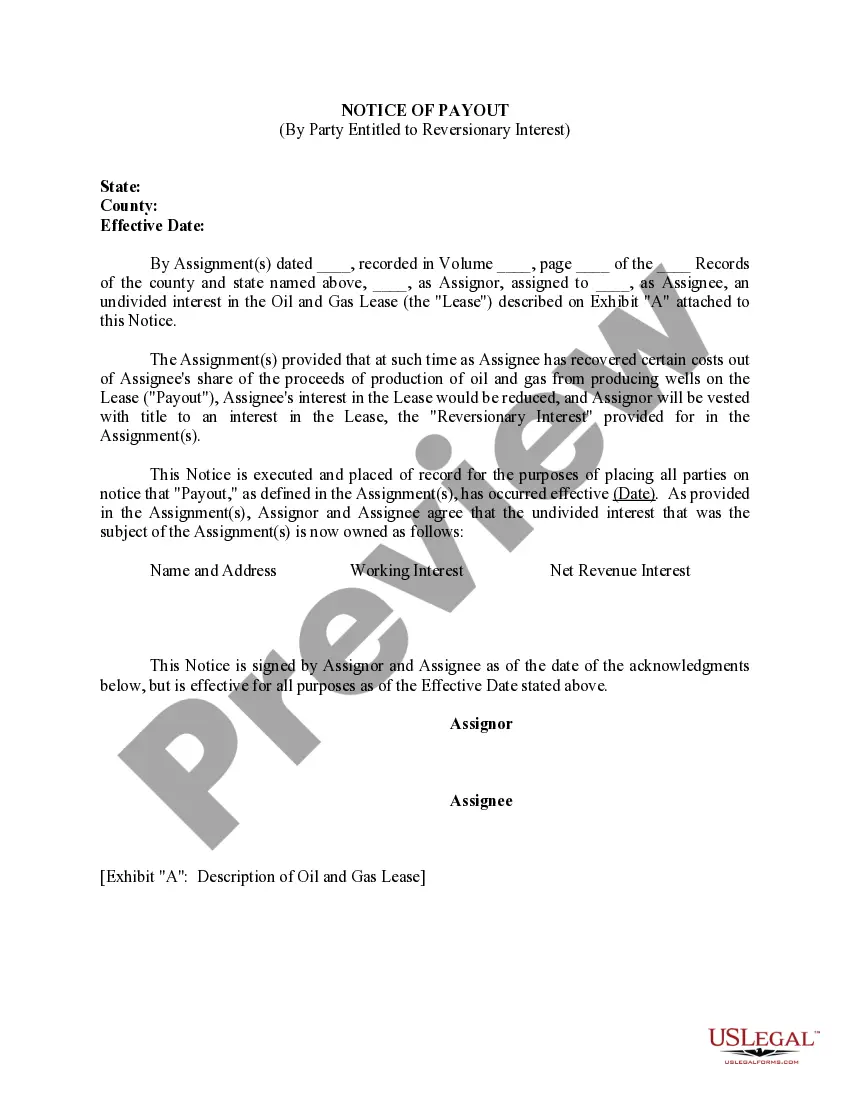
Reversionary Estate For Real Estate
Description
Get your form ready online
Our built-in tools help you complete, sign, share, and store your documents in one place.
Make edits, fill in missing information, and update formatting in US Legal Forms—just like you would in MS Word.
Download a copy, print it, send it by email, or mail it via USPS—whatever works best for your next step.
Sign and collect signatures with our SignNow integration. Send to multiple recipients, set reminders, and more. Go Premium to unlock E-Sign.
If this form requires notarization, complete it online through a secure video call—no need to meet a notary in person or wait for an appointment.
We protect your documents and personal data by following strict security and privacy standards.

Make edits, fill in missing information, and update formatting in US Legal Forms—just like you would in MS Word.

Download a copy, print it, send it by email, or mail it via USPS—whatever works best for your next step.

Sign and collect signatures with our SignNow integration. Send to multiple recipients, set reminders, and more. Go Premium to unlock E-Sign.

If this form requires notarization, complete it online through a secure video call—no need to meet a notary in person or wait for an appointment.

We protect your documents and personal data by following strict security and privacy standards.
Looking for another form?




Form popularity
FAQ
Yes, a reversion is recognized as a type of estate within real estate law. Specifically, it represents the interest that a grantor retains after conveying a lesser estate, such as a life estate. In simple terms, it's the right to regain ownership of the property once a specific condition is fulfilled. Understanding reversionary estates for real estate is crucial when navigating property transactions or estate planning, and using platforms like USLegalForms can simplify the documentation process.
A life estate in reversion is a property arrangement where an individual holds the right to use and occupy a property for their lifetime, after which the ownership transfers back to the original owner or their designated heirs. This type of estate illustrates a reversionary estate for real estate effectively, as it specifies clear terms of use and future ownership. This practice can provide security and clarity for both the life tenant and the grantor. Many individuals utilize such arrangements for various estate planning purposes.
An example of an estate in reversion occurs when a property owner grants a life estate to someone, allowing them to use the property until their death. Upon the life tenant's passing, the ownership then reverts back to the original owner or their heirs. This highlights the concept of a reversionary estate for real estate, ensuring that the property is ultimately returned to the original owner's control. Such arrangements can be strategic in estate planning to effectively manage property succession.
Reversion in real estate modeling refers to the process where ownership of a property returns to the original owner after a specified event or condition is met. This concept is vital in understanding the dynamics of a reversionary estate for real estate. Essentially, when the designated use or term expires, the rights revert back to the grantor or their heirs. This mechanism helps maintain control over how properties are used throughout their lifecycle.
Reversionary value in real estate denotes the potential worth of property when ownership reverts to the original owner or their heirs after a specified period. This concept is crucial in the realm of a reversionary estate for real estate, as it impacts investment strategies and planning. Understanding this value aids in better decision-making during property transactions. You can explore various resources and tools available on platforms like uslegalforms to clarify these concepts and their implications.
To calculate reversion value, first determine the current value of the property and then consider the length of the reversion period. Consider factors like market trends, location desirability, and property improvements that could increase the future value. Analyzing these aspects thoroughly helps you understand the reversionary estate for real estate better. Utilizing tools or software tailored for real estate analysis can simplify this process and yield precise estimates.
Reversionary value refers to the potential future value of a property that reverts back to the original owner or their heirs after a temporary transfer of ownership. In the context of a reversionary estate for real estate, this concept allows you to gauge the worth of a property not only now but also in the future. A deep understanding of this value can help you make informed investment decisions. Consider consulting with experts to assess these values accurately.
The reversion of real estate to the state occurs when property returns to the state due to a failed private ownership or specific conditions of a reversionary estate for real estate. This often happens when a property owner does not fulfill certain obligations or conditions set forth in a deed. The state may then reclaim ownership to ensure proper use and management of the land. Understanding these processes can help you protect your interests in real estate transactions.
An example of a reversion clause can be found in a property lease where it states that the rights to the property will revert back to the property owner should the tenant fail to adhere to the lease terms. The clause is crucial for establishing a reversionary estate for real estate and reinforces the landlord's rights. It's an effective way to protect property interests.
An example of reversion in real estate is when a landowner sells their field to a farmer, specifying that if the farmer stops farming the land, ownership reverts to the landowner. This creates a reversionary estate for real estate, ensuring that the purpose of the land is maintained. Such arrangements help landowners keep their property aligned with their intentions.