Tenant Rights For Showing Property
Description
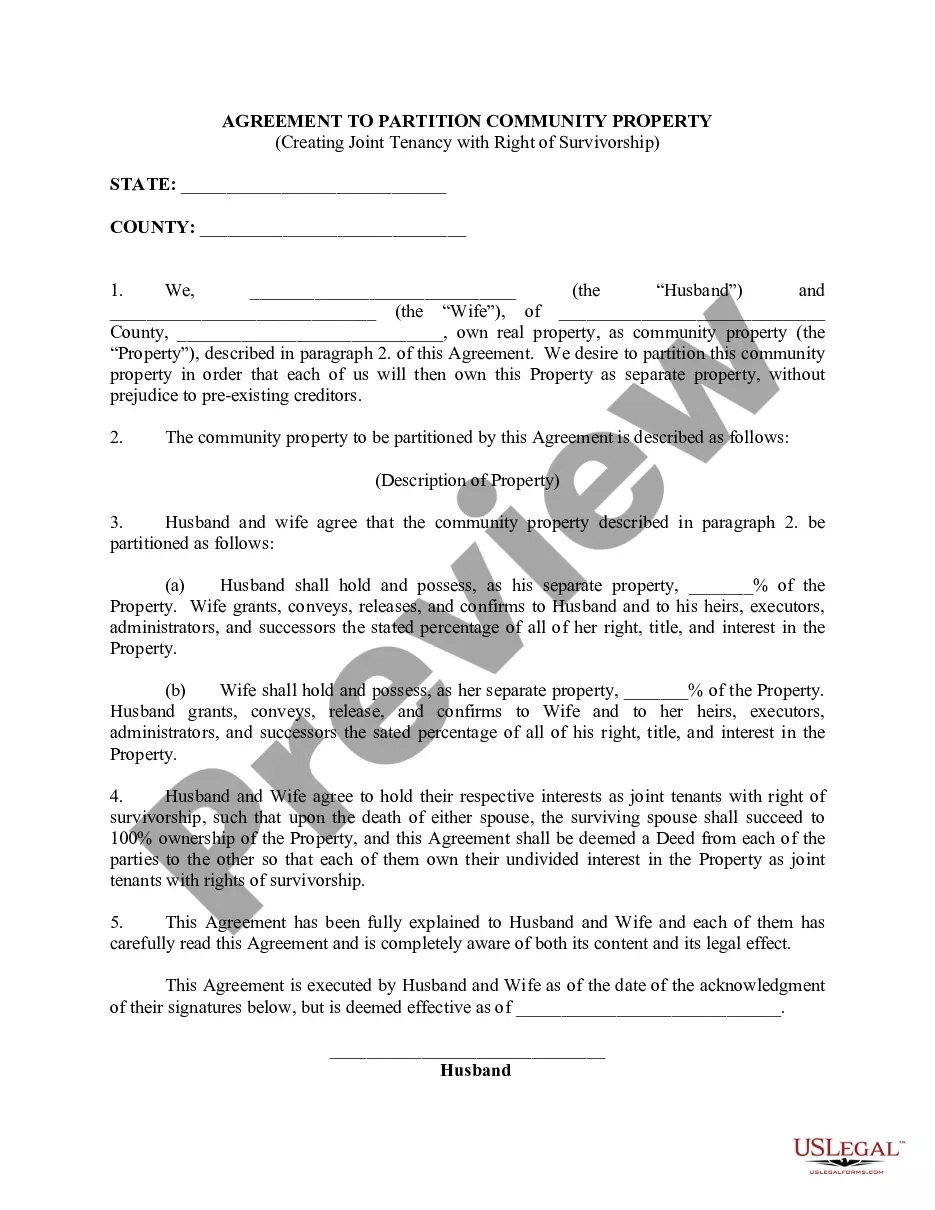
Get your form ready online
Our built-in tools help you complete, sign, share, and store your documents in one place.
Make edits, fill in missing information, and update formatting in US Legal Forms—just like you would in MS Word.
Download a copy, print it, send it by email, or mail it via USPS—whatever works best for your next step.
Sign and collect signatures with our SignNow integration. Send to multiple recipients, set reminders, and more. Go Premium to unlock E-Sign.
If this form requires notarization, complete it online through a secure video call—no need to meet a notary in person or wait for an appointment.
We protect your documents and personal data by following strict security and privacy standards.

Make edits, fill in missing information, and update formatting in US Legal Forms—just like you would in MS Word.

Download a copy, print it, send it by email, or mail it via USPS—whatever works best for your next step.

Sign and collect signatures with our SignNow integration. Send to multiple recipients, set reminders, and more. Go Premium to unlock E-Sign.

If this form requires notarization, complete it online through a secure video call—no need to meet a notary in person or wait for an appointment.

We protect your documents and personal data by following strict security and privacy standards.
Looking for another form?



How to fill out Agreement To Partition Community Property Creating Joint Tenancy With Right Of Survivorship?
Legal papers management might be overwhelming, even for the most skilled experts. When you are looking for a Tenant Rights For Showing Property and do not have the time to spend in search of the appropriate and updated version, the operations could be stress filled. A strong web form library might be a gamechanger for anybody who wants to manage these situations effectively. US Legal Forms is a industry leader in online legal forms, with over 85,000 state-specific legal forms available to you whenever you want.
With US Legal Forms, you can:
- Gain access to state- or county-specific legal and business forms. US Legal Forms handles any needs you may have, from individual to organization paperwork, in one spot.
- Employ advanced tools to complete and handle your Tenant Rights For Showing Property
- Gain access to a resource base of articles, tutorials and handbooks and resources connected to your situation and requirements
Save effort and time in search of the paperwork you need, and make use of US Legal Forms’ advanced search and Review tool to find Tenant Rights For Showing Property and get it. In case you have a subscription, log in in your US Legal Forms account, look for the form, and get it. Review your My Forms tab to view the paperwork you previously downloaded as well as handle your folders as you can see fit.
Should it be your first time with US Legal Forms, make a free account and have unrestricted access to all advantages of the platform. Here are the steps to take after getting the form you need:
- Verify it is the right form by previewing it and looking at its information.
- Ensure that the sample is approved in your state or county.
- Select Buy Now once you are ready.
- Choose a subscription plan.
- Find the format you need, and Download, complete, sign, print out and send out your papers.
Benefit from the US Legal Forms web library, supported with 25 years of experience and trustworthiness. Enhance your everyday papers administration in a smooth and intuitive process right now.
Form popularity
FAQ
The landlord (per California Civil Code section 1954) has the right to enter your unit during normal business hours with a minimum of 24 hours notice to you for the purpose of showing the unit to prospective renters.
Most leases also contain a clause that allows landlords to show the rental home during the last XX days of the lease. So, not cooperating may be a violation of the terms of your lease and the law. Your landlord may legally be able to just give you a reasonable 24-hour notice and still enter.
You may refuse entry to a landlord if they do not give proper notice for a visit, or if they try to enter for any reason beyond the five valid ones listed below. These rights cannot be waived ? they still apply if your lease says otherwise, or if you don't have a lease.
California Civil Code §1954 places limitations on a landlord's right to enter your apartment. One of the reasons a landlord can enter is to show your home to a prospective buyer. While tenants are generally required to allow viewings, they also have rights to privacy and peaceful enjoyment of their rental unit.
Removal from premises The landlord may not confiscate your personal belongings, turn off your utilities, lock you out of your apartment, or use force to remove you. If the small claims court judge rules in the landlord's favor, the judge may issue a court order requiring you to leave the property.