Transfer On Death Bank Account Without Ssn
Description
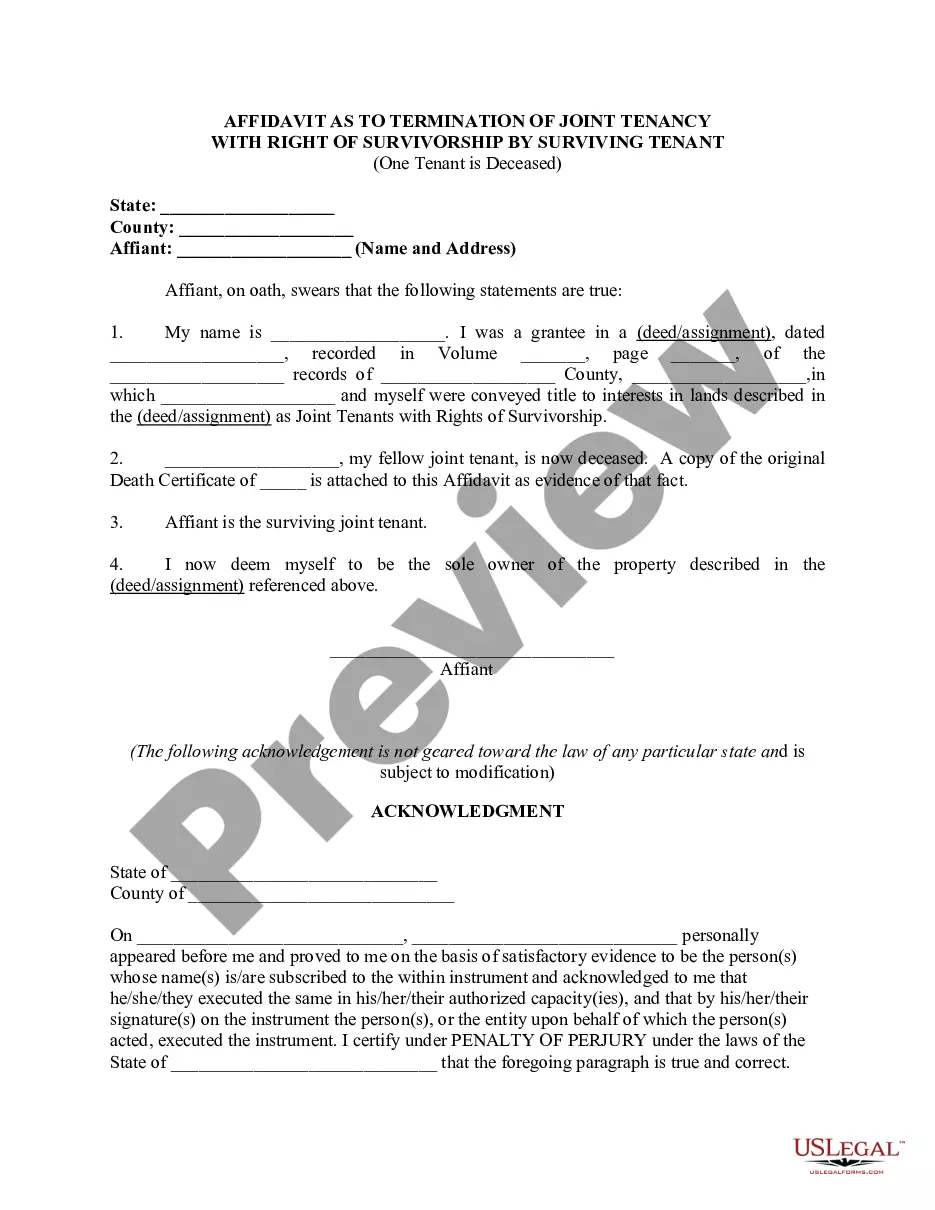

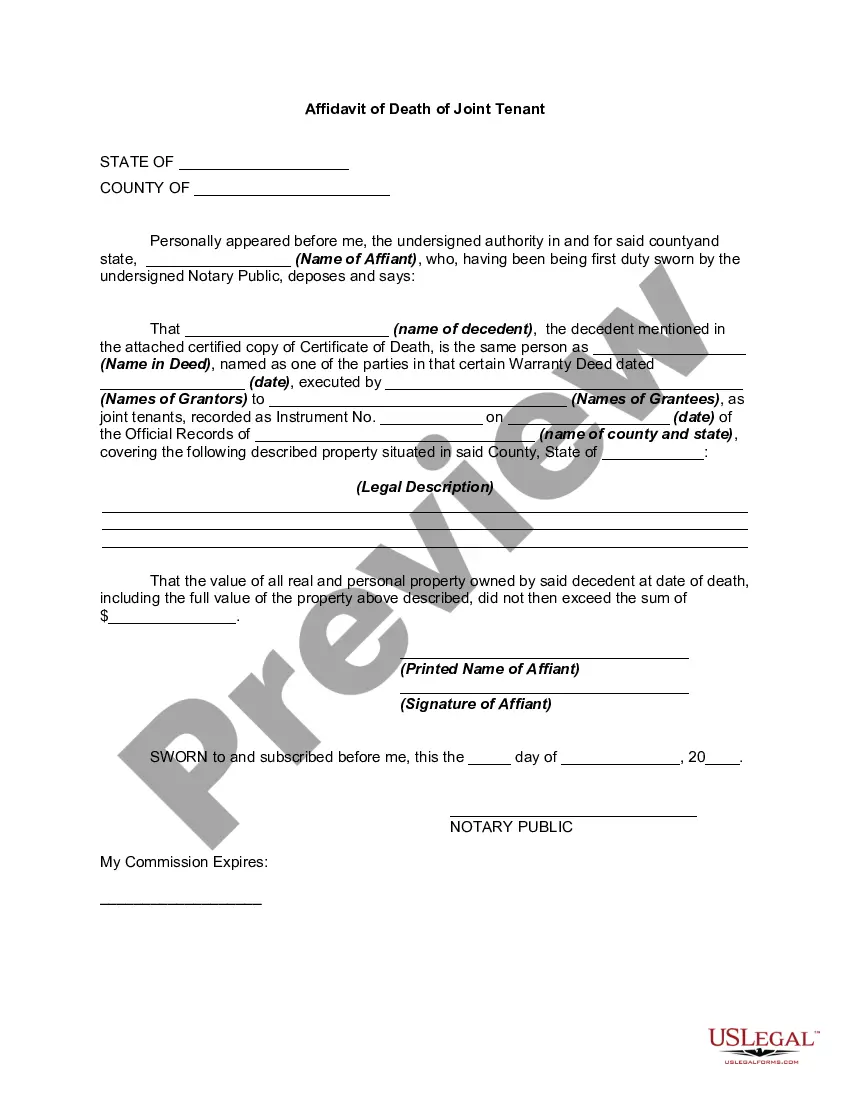
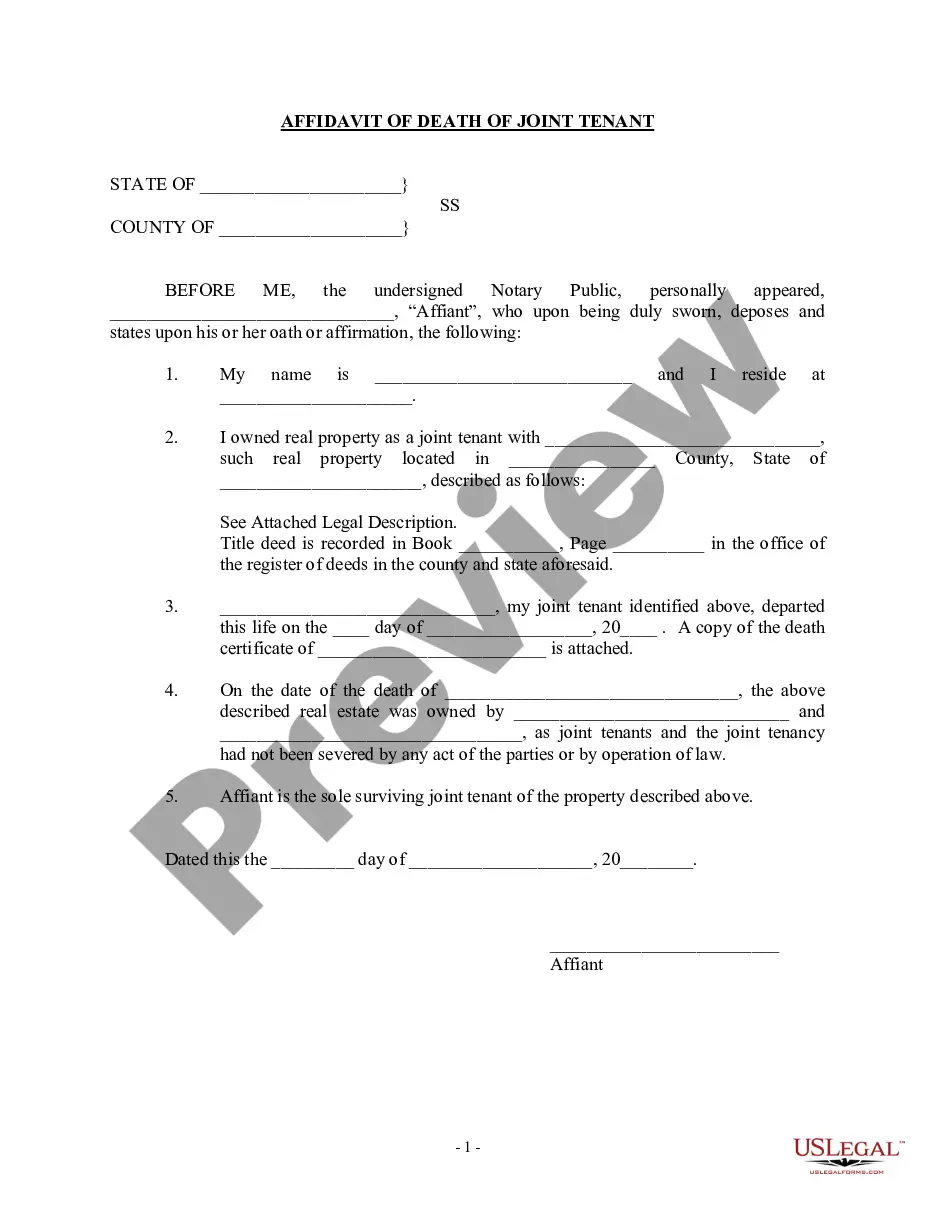
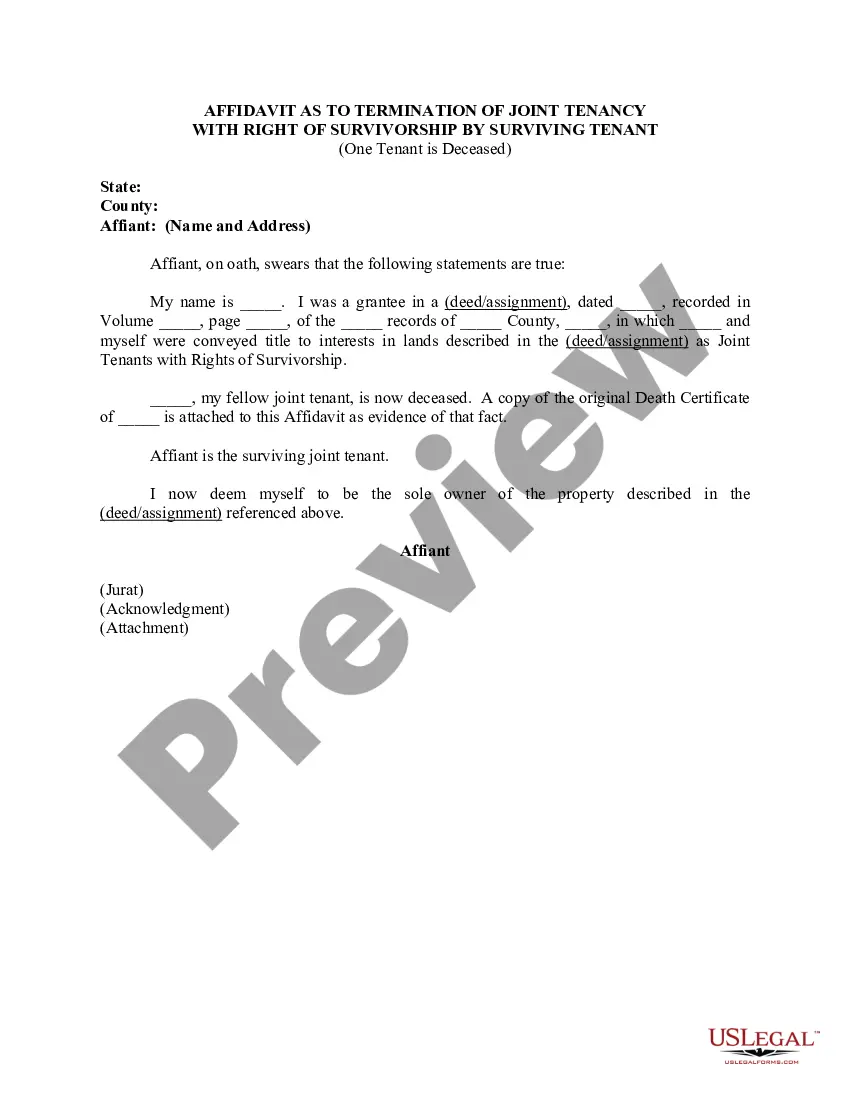
Get your form ready online
Our built-in tools help you complete, sign, share, and store your documents in one place.
Make edits, fill in missing information, and update formatting in US Legal Forms—just like you would in MS Word.
Download a copy, print it, send it by email, or mail it via USPS—whatever works best for your next step.
Sign and collect signatures with our SignNow integration. Send to multiple recipients, set reminders, and more. Go Premium to unlock E-Sign.
If this form requires notarization, complete it online through a secure video call—no need to meet a notary in person or wait for an appointment.
We protect your documents and personal data by following strict security and privacy standards.

Make edits, fill in missing information, and update formatting in US Legal Forms—just like you would in MS Word.

Download a copy, print it, send it by email, or mail it via USPS—whatever works best for your next step.

Sign and collect signatures with our SignNow integration. Send to multiple recipients, set reminders, and more. Go Premium to unlock E-Sign.

If this form requires notarization, complete it online through a secure video call—no need to meet a notary in person or wait for an appointment.

We protect your documents and personal data by following strict security and privacy standards.
Looking for another form?









How to fill out Affidavit For Transferring Property After Death In Joint Tenancy With Right Of Survivorship By Surviving Tenant When One Tenant Is Deceased?
Regardless of whether it's for professional reasons or personal issues, everyone eventually encounters legal circumstances in their lifetime.
Filling out legal documents demands meticulous care, beginning with the selection of the correct form template.
With a comprehensive collection of US Legal Forms at your fingertips, there’s no need to waste time scouring the internet for the right template. Utilize the library’s straightforward navigation to discover the suitable document for any circumstance.
- Locate the template you require by utilizing the search bar or catalog navigation.
- Review the document’s details to confirm it aligns with your situation, state, and county.
- Click on the preview of the form to inspect it.
- If it’s not the right document, return to the search feature to find the Transfer On Death Bank Account Without Ssn template you need.
- Acquire the template once it fulfills your criteria.
- If you possess a US Legal Forms profile, click Log in to access documents you’ve saved in My documents.
- If you do not yet have an account, you can obtain the form by clicking Buy now.
- Select the suitable pricing option.
- Complete the profile registration form.
- Choose your payment method: utilize a credit card or PayPal account.
- Select your desired file format and download the Transfer On Death Bank Account Without Ssn.
- After it is downloaded, you can fill out the form using editing software or print it and complete it by hand.
Form popularity
FAQ
Most beneficiary designations will require you to provide a person's full legal name and their relationship to you (spouse, child, mother, etc.). Some beneficiary designations also include information like mailing address, email, phone number, date of birth and Social Security number.
To withdraw money from the deceased's account, the administrator will need to obtain letters of administration. This will need to be shown to the bank along with a death certificate before you are able to gain access to the account.
If you die without naming a beneficiary, your bank account will transfer through your will and through probate law, as appropriate. The way that an account is distributed after your death when you don't have a beneficiary will depend on whether you're married, if you have any named heirs or if you have children.
If the beneficiary refuses to give their social security number to collect on a life insurance claim, the insurance company will likely accept another form of identification such as a passport, ITIN, or valid driver's license.
Yes. Banks may require the beneficiary to provide a Social Security number (SSN) for monetary transactions. This requirement is intended to verify that funds are distributed to the correct designated individual(s) listed in a will, trust, insurance policy, retirement plan, annuity, or other contract.